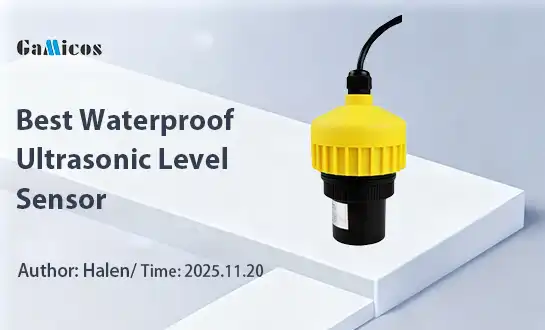
When searching for the best OEM ultrasonic level sensors for automation systems, you need reliable, precise devices that deliver consistent performance across diverse industrial applications. The top-performing ultrasonic level sensor solutions combine advanced acoustic wave technology with robust signal processing capabilities, making them ideal for non-contact liquid level measurement in challenging environments. These sensors utilize time-of-flight principles and sophisticated echo detection algorithms to provide accurate distance sensing without physical contact with measured media. Modern industrial automation demands sensors that integrate seamlessly with existing control systems while offering flexible customization options for specific operational requirements.
Why Focus on OEM Ultrasonic Level Sensors?
Industrial automation projects require measurement solutions that balance performance, reliability, and cost-effectiveness. Ultrasonic level sensor technology stands out because it offers non-contact measurement capabilities that eliminate wear-related maintenance issues common with mechanical sensors. These devices excel in applications involving corrosive chemicals, high-temperature liquids, or viscous materials where contact-based sensors would fail prematurely.
The demand for OEM solutions has grown significantly as equipment manufacturers seek customizable components that align with their specific design requirements. Unlike off-the-shelf products, OEM sensors allow for tailored specifications including housing materials, output signals, communication protocols, and mounting configurations. This flexibility enables seamless integration into automation systems while maintaining optimal performance characteristics.
Modern ultrasonic sensors incorporate advanced microcontroller technology and sophisticated analog-to-digital converters that enhance measurement accuracy and reduce environmental interference. The integration of real-time monitoring capabilities and data acquisition features makes these sensors particularly valuable for Industry 4.0 applications where continuous process optimization is essential.
Selection Criteria for Premium Ultrasonic Level Sensors
Evaluating the best ultrasonic level sensors requires careful consideration of multiple technical and commercial factors. Measurement accuracy represents the fundamental criterion, with top-tier sensors achieving precision within ±1-3mm across their operational range. Signal processing capabilities determine how effectively the sensor handles challenging conditions like foam, vapor, or temperature variations that can affect acoustic wave propagation.

Environmental compensation features are crucial for maintaining accuracy across varying temperature and humidity conditions. Advanced sensors incorporate automatic temperature correction and humidity compensation algorithms that adjust readings based on changing atmospheric conditions. This ensures consistent performance regardless of seasonal variations or process-related environmental changes.
Customization flexibility distinguishes OEM-focused suppliers from standard product manufacturers. Look for providers offering modifications to sensor housing, cable lengths, output configurations, and communication interfaces. The ability to customize threshold detection parameters and noise filtering settings allows optimization for specific application requirements.
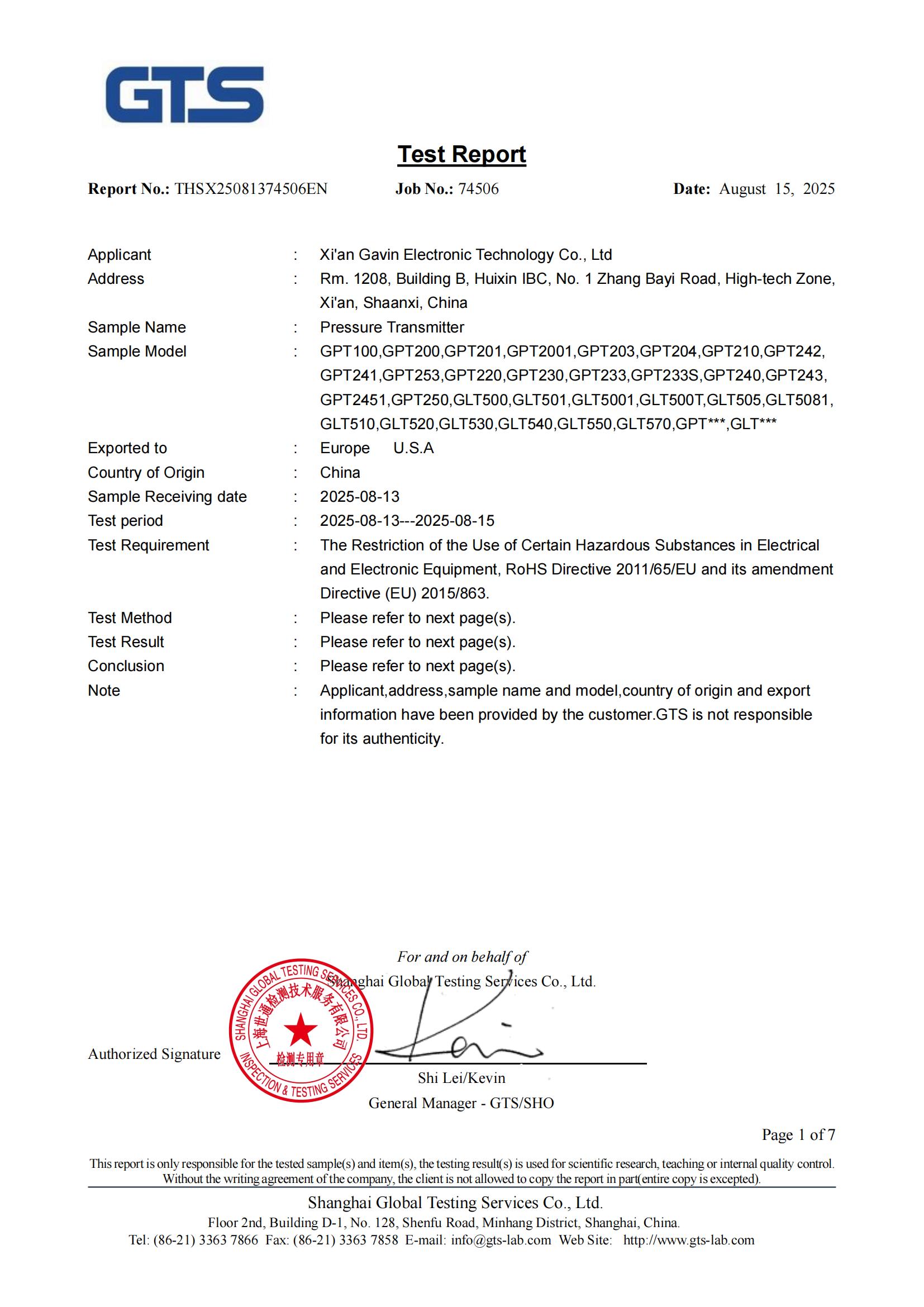
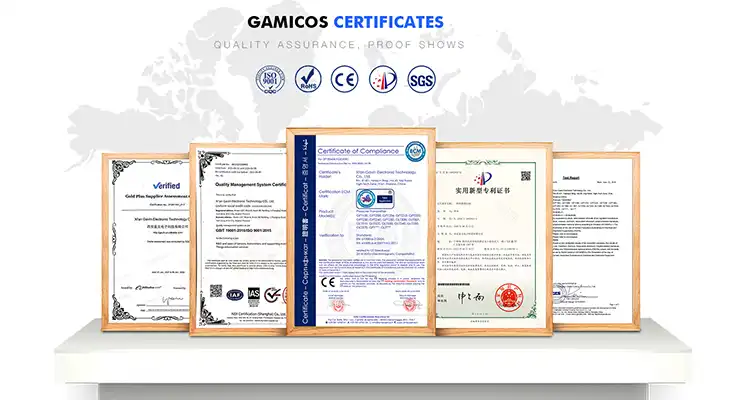
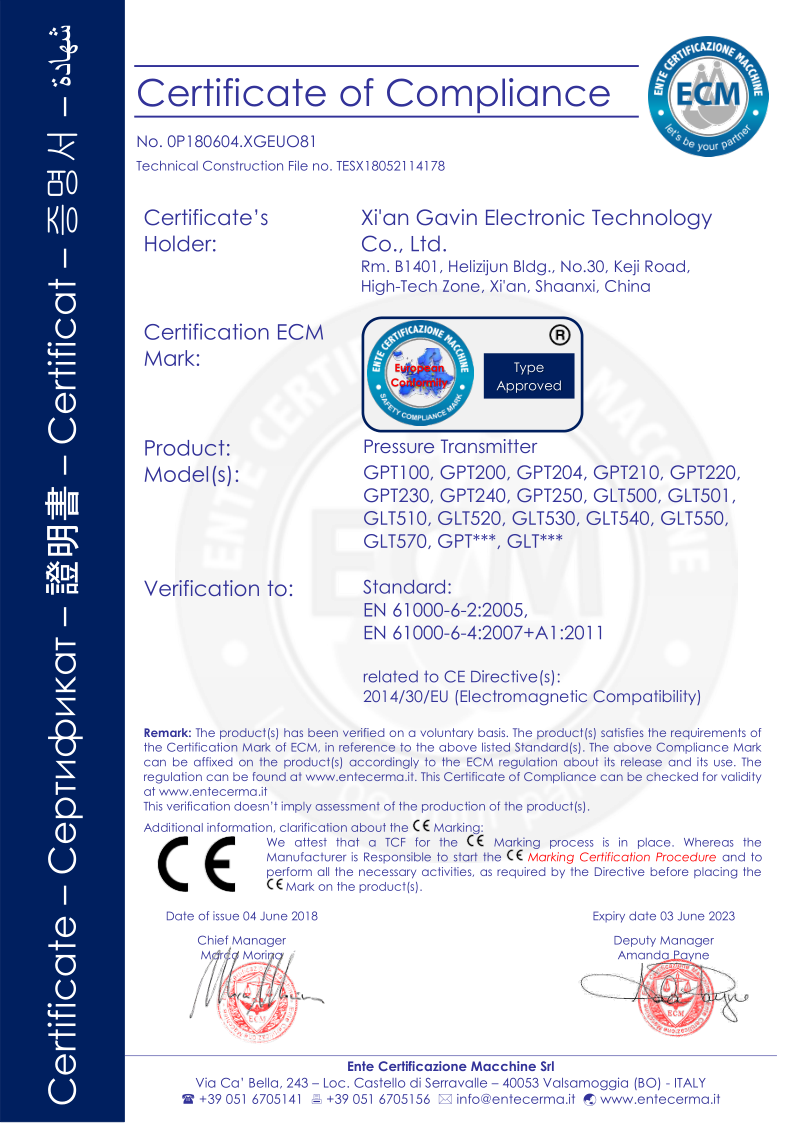
Certification compliance ensures global market acceptance and regulatory conformance. Essential certifications include CE marking for European markets, FCC approval for North American applications, and industry-specific standards like ATEX for explosive atmospheres or FDA approval for food-grade applications.
Top-Performing Ultrasonic Level Sensors for Industrial Applications
GAMICOS High-Precision Ultrasonic Level Sensor Series
GAMICOS offers a comprehensive range of ultrasonic level sensor solutions designed specifically for OEM integration in industrial automation systems. These sensors feature advanced signal amplification technology and sophisticated transducer designs that deliver exceptional performance in challenging industrial environments.
The GAMICOS ultrasonic sensor lineup includes multiple measurement ranges from 0.3 meters to 15 meters, accommodating diverse application requirements. Each sensor incorporates proprietary echo detection algorithms that effectively filter environmental noise while maintaining high sensitivity to target reflections. The robust housing construction utilizes corrosion-resistant materials suitable for harsh chemical processing environments.
Key advantages include:
- Temperature compensation range from -40°C to +80°C
- Multiple output options: 4-20mA, 0-10V, RS485, and digital protocols
- Blind zone as low as 0.2 meters for compact tank applications
- IP68 protection rating for outdoor installations
- Customizable mounting configurations and cable specifications
GAMICOS provides comprehensive OEM support including custom firmware development, modified housing designs, and private labeling services. Their R&D team works closely with equipment manufacturers to optimize sensor performance for specific application requirements, ensuring seamless integration into existing automation architectures.
Compact Integration Ultrasonic Sensors for Space-Constrained Applications
Space-constrained automation systems require ultrasonic sensors with minimal footprints without compromising measurement performance. Compact sensor designs utilize miniaturized transducers and integrated signal processing circuits to achieve professional-grade accuracy in reduced form factors.
These sensors excel in applications like small storage tanks, mobile equipment, and retrofit installations where mounting space is limited. Advanced sensor interface designs enable direct connection to PLCs and SCADA systems without requiring external signal conditioning equipment.
Notable features include:
- Miniaturized housing dimensions suitable for tight spaces
- Integrated sensor interface eliminates external conditioning
- Low power consumption for battery-powered applications
- Simplified installation with plug-and-play connectivity
- Enhanced electromagnetic interference resistance
The compact design philosophy extends to the user interface, with simplified configuration procedures that reduce commissioning time. Many models support auto-configuration features that automatically optimize settings based on installation conditions and target characteristics.
Industrial-Grade Long-Range Ultrasonic Sensors
Large-scale industrial processes require ultrasonic sensors capable of accurate measurement across extended distances. Long-range sensors typically operate effectively up to 20-30 meters, making them suitable for large storage silos, water treatment facilities, and bulk material handling applications.
These sensors incorporate high-power transducers and advanced signal processing algorithms that maintain accuracy despite increased measurement distances. Beam angle optimization ensures reliable target detection while minimizing interference from tank internals or structural elements.
Performance characteristics include:
- Extended measurement ranges up to 30 meters
- Narrow beam angles for precise targeting
- High-power acoustic output for challenging conditions
- Advanced filtering for large tank applications
- Robust construction for harsh industrial environments
Long-range sensors often feature multiple echo processing capabilities that can simultaneously track multiple targets or ignore false echoes from tank internals. This functionality is particularly valuable in complex tank geometries where traditional sensors might provide inconsistent readings.
Regional Market Analysis: Americas, Europe, and Asia
The global market for ultrasonic level sensors exhibits distinct regional characteristics influenced by industrial development patterns, regulatory requirements, and technological adoption rates. Understanding these regional differences helps optimize sensor selection and customization strategies for specific markets.
North American markets emphasize robust performance and long-term reliability, driven by extensive petrochemical and energy sector applications. Safety certifications and environmental compliance are paramount, with customers prioritizing sensors that meet stringent industrial standards. The preference for established suppliers with proven track records creates opportunities for manufacturers demonstrating consistent quality and comprehensive support services.
European markets focus heavily on energy efficiency and environmental sustainability. Sensors incorporating low-power operation and environmentally friendly materials gain preference. The region's emphasis on Industry 4.0 initiatives drives demand for sensors with advanced connectivity and data analytics capabilities. Compliance with EU regulations and CE certification represents mandatory requirements rather than competitive advantages.
Asian markets show rapid adoption of automation technologies across manufacturing and infrastructure development projects. Cost-effectiveness combined with reliable performance drives purchasing decisions. The growing emphasis on smart manufacturing and IoT integration creates demand for sensors with advanced communication capabilities and remote monitoring features.
Purchasing Recommendations and Key Considerations
Successful sensor procurement requires balancing technical specifications with commercial considerations and long-term support requirements. Begin by clearly defining application parameters including measurement range, accuracy requirements, environmental conditions, and integration constraints.
Evaluate suppliers based on their OEM support capabilities and customization flexibility. Suppliers offering comprehensive design assistance, prototyping services, and ongoing technical support provide greater value than those focused solely on standard product sales. Consider the supplier's global presence and local support capabilities, particularly for international projects requiring on-site commissioning or maintenance services.
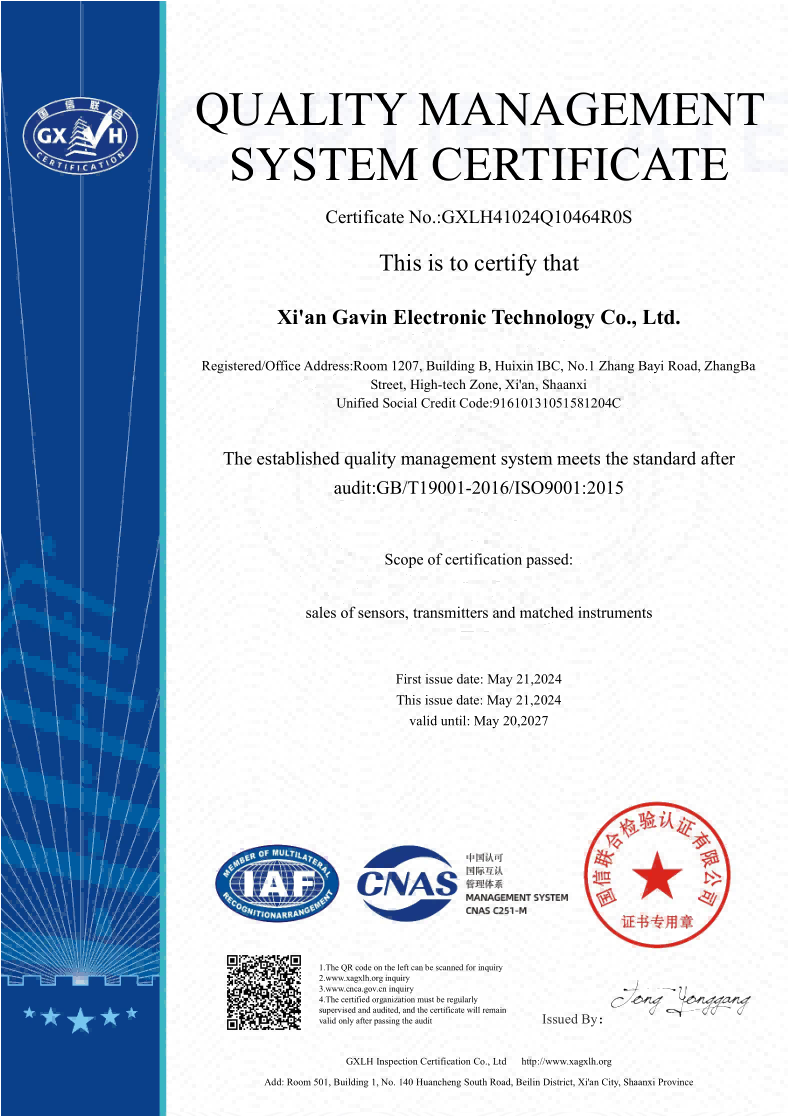
Quality assurance and certification compliance deserve careful attention. Verify that sensors meet relevant industry standards and regulatory requirements for your target markets. Request documentation of quality control processes and manufacturing certifications to ensure consistent product quality.
Long-term partnership potential should influence supplier selection. Evaluate the supplier's commitment to product development, technology innovation, and customer support. Suppliers investing in R&D and maintaining strong engineering capabilities are better positioned to support evolving application requirements and technology advances.
Conclusion
The ultrasonic sensor market continues evolving toward smarter, more connected devices that integrate seamlessly with modern automation infrastructures. Emerging trends include enhanced wireless communication capabilities, improved environmental compensation algorithms, and integration with artificial intelligence for predictive maintenance applications. These developments position ultrasonic level sensor technology as a cornerstone of next-generation industrial automation systems, offering reliable performance and advanced functionality for diverse measurement challenges
Frequently Asked Questions
Q1: What accuracy can I expect from modern ultrasonic level sensors?
A: High-quality ultrasonic sensors typically achieve accuracy within ±0.25% of the measured distance or ±3mm, whichever is greater. Factors affecting accuracy include temperature stability, target surface characteristics, and environmental conditions. Sensors with advanced temperature compensation can maintain this accuracy across wide temperature ranges.
Q2: How do ultrasonic sensors perform in applications with foam or vapor?
A: Modern ultrasonic sensors incorporate advanced signal processing algorithms that can penetrate light foam and compensate for vapor effects. However, dense foam or heavy vapor concentrations may require specialized sensor configurations or alternative measurement technologies. Consult with sensor manufacturers to evaluate performance for specific conditions.
Q3: What customization options are available for OEM applications?
A: OEM suppliers typically offer extensive customization including housing materials and colors, cable lengths and types, output signal configurations, communication protocols, mounting hardware, and firmware modifications. Advanced suppliers can also provide custom calibration ranges, specialized coatings, and integrated display options.
Partner with GAMICOS for Superior Ultrasonic Level Sensor Solutions
Selecting the right ultrasonic level sensor manufacturer can significantly impact your automation system's performance and long-term success. GAMICOS combines advanced sensor technology with comprehensive OEM support services, delivering customized solutions that meet exact specifications while maintaining competitive pricing and reliable delivery schedules.
Our engineering team brings decades of experience in sensor design and industrial automation applications. We understand the challenges faced by equipment manufacturers and provide proactive support throughout the development process. From initial concept discussions to production scaling, GAMICOS serves as a trusted technology partner committed to your success.
Experience the difference that professional sensor expertise makes. Contact us at info@gamicos.com to discuss your specific requirements and discover how our ultrasonic level sensor solutions can enhance your automation systems. Our technical specialists are ready to provide detailed application analysis and customization recommendations tailored to your unique needs.
References
1. Industrial Automation Handbook: Ultrasonic Level Measurement Technologies and Applications, 4th Edition, McGraw-Hill Professional, 2023
2. Smith, J.R., "Advanced Signal Processing Techniques for Ultrasonic Level Sensors in Industrial Applications," Journal of Industrial Instrumentation, Vol. 45, No. 3, 2023
3. European Standards Organization, "EN 61326-1:2021 - Electrical Equipment for Measurement Control and Laboratory Use - EMC Requirements," Brussels, 2021
4. Chen, L.M., "Comparative Analysis of Non-Contact Level Measurement Technologies in Chemical Processing," Process Control Engineering Quarterly, Vol. 28, Issue 2, 2023
5. International Society of Automation, "ISA-67.04.01-2018 - Setpoint Control Using Single-Input, Single-Output Controllers," Research Triangle Park, NC, 2018
6. Johnson, K.P., "IoT Integration Strategies for Industrial Sensor Networks," Automation Today Magazine, March 2023 Issue
_1757930850792.jpg)