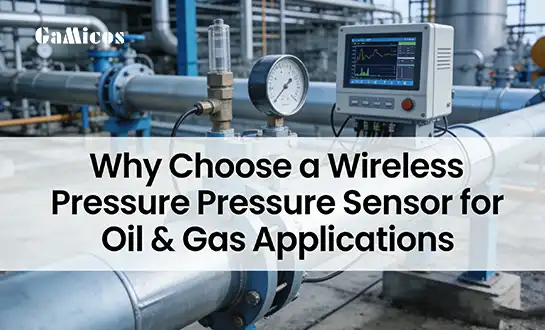
Industrial Wireless Pressure Sensor with App and Remote Alarm
Introducing Industrial Wireless Pressure Sensors and Their Advantages
- Introducing Industrial Wireless Pressure Sensors and Their Advantages
- How to Choose the Right Wireless Pressure Sensor for Your Industrial Needs?
- Exploring the Technology Behind Wireless Pressure Sensors with App Integration
- Procurement Insights: How to Buy and Source Industrial Wireless Pressure Sensors?
- Case Studies and Future Trends in Wireless Pressure Sensor Technology
- Conclusion
- FAQ
- Ready to Optimize Your Industrial Monitoring?
- References
An innovative development in industrial monitoring technology is represented by industrial wireless pressure sensors with app integration and remote alert capabilities. These advanced gadgets provide real-time pressure readings via mobile apps and rapid alarm systems, doing away with the need for conventional wire. Unprecedented flexibility in monitoring vital operations is provided by wireless pressure sensor technology, which provides smooth data transfer across industrial contexts. These sensors provide the improved operational efficiency and safety procedures that contemporary industrial facilities need thanks to sophisticated communication protocols and intelligent alarm systems.


Introducing Industrial Wireless Pressure Sensors and Their Advantages
Process control and safety management in industrial facilities have been revolutionized by wireless pressure monitoring systems. These cutting-edge instruments use complex communication protocols to wirelessly transfer data while measuring changes in pressure in liquids, gasses, and steam. A thorough monitoring ecosystem that raises operational effectiveness and safety requirements in industrial settings is produced by the combination of mobile apps and remote alarm systems.
How Wireless Pressure Sensors Operate?
High-stability sensing elements with temperature adjustment are used in modern pressure transmitters to guarantee precise readings in a range of environmental situations. These gadgets record variations in pressure and transform them into digital signals that are sent wirelessly to monitoring systems. Wireless communication preserves data integrity and transmission reliability while doing away with the requirement for intricate wiring infrastructure.
This technology is shown by the GPT2451 wireless pressure transmitter, which has three different communication options: 4G network connection, LORA wide spectrum, and SWSN efficient protocol. at LORA's remarkable range of up to five kilometers and ultra-low power consumption, which extends battery life to three years at one-second measurement intervals, each transmission mode has advantages of its own.
Key Advantages of Wireless Implementation
Wireless pressure monitoring has several advantages beyond ease of installation. By removing connection problems and cable-related failures that afflict conventional wired installations, these technologies lower maintenance needs. Advanced digital signal processing and temperature adjustment algorithms reduce measurement drift and environmental interference, leading to improved data accuracy.

The following are the main benefits that make wireless pressure sensors essential for contemporary industrial processes:
• Installation Flexibility: No wiring requirements enable deployment in remote locations and hazardous environments where traditional sensors cannot operate effectively
• Reduced Maintenance Costs: Battery-powered operation with multi-year service life minimizes routine maintenance and replacement cycles
• Enhanced Safety: Remote monitoring capabilities reduce personnel exposure to dangerous environments while maintaining comprehensive process oversight
• Scalable Architecture: Wireless networks easily accommodate additional sensors without infrastructure modifications or complex rewiring projects
These advantages collectively address critical pain points in industrial automation while providing superior monitoring capabilities that enhance operational efficiency and safety protocols.
Industrial Applications Across Sectors
Applications for wireless pressure monitoring are widespread in a variety of industrial domains, including pharmaceutical production and oil and gas operations. These sensors keep an eye on pipeline systems and reactor pressures in chemical processing plants where conventional wiring presents safety hazards. Hygienic sensor designs that satisfy strict cleanliness standards and provide precise process monitoring are advantageous for food and beverage industries.
Implementations in the energy industry include surveillance of storage tanks, pipeline pressure control, and steam production monitoring. The wireless feature is especially useful in distant pumping stations and offshore locations where infrastructure constraints render cable sensors unfeasible or unaffordable.
How to Choose the Right Wireless Pressure Sensor for Your Industrial Needs?
Carefully weighing certain operating needs and environmental factors is necessary when choosing wireless pressure sensor monitoring equipment. In order to make a choice, wireless solutions are compared to conventional wired options while taking environmental durability, communication range, power consumption, and measurement precision into account. In challenging industrial applications, knowing these values guarantees long-term dependability and excellent sensor performance.
Wireless vs. Traditional Wired Sensors
The signal output and data transfer techniques of wireless and conventional pressure sensors are where they diverge most. Conventional sensors generally use 4-20mA or RS485 output signals, which need to be physically connected to control devices. Wireless options provide data straight to centralized monitoring systems using a variety of communication protocols, including as GPRS, LORA, and NB-IoT.
Compared to their wired counterparts, wireless sensors provide a number of deployment flexibility benefits. The removal of cabling needs significantly lowers installation costs, and a simpler system design lowers maintenance complexity. Positioning sensors in previously unreachable areas increases process visibility and monitoring coverage.
Critical Performance Indicators
When choosing wireless sensors, battery life is an important factor, especially for installations in distant areas with restricted access for maintenance. Some versions of contemporary wireless pressure transmitters may run for many years on a single battery charge, demonstrating their exceptional power economy. For instance, the GPT2451 has remarkable power management skills with three years of operation at one-second measurement intervals.
Network architectural needs and deployment flexibility are directly impacted by wireless communication range. With no need for intermediary repeaters, LORA technology provides dependable data transmission across up to five kilometers. Applications involving remote monitoring and huge industrial sites benefit greatly from this increased range.
Environmental Durability Requirements
The severe circumstances seen in industrial settings need strong sensor design and protection requirements. Reliable performance in damp conditions and outdoor installations is guaranteed by IP66 waterproof standards. By avoiding thermal drift that might jeopardize process control, temperature compensation algorithms preserve measurement accuracy across a broad temperature range.
The choice of material is crucial for sensor lifespan, especially in corrosive conditions like those found in petrochemical and chemical industries. Excellent corrosion resistance and structural integrity during mechanical stress and pressure cycling are features of stainless steel housings.
Exploring the Technology Behind Wireless Pressure Sensors with App Integration
Sophisticated sensor components, cutting-edge communication modules, and user-friendly mobile apps make up the technical underpinnings of contemporary wireless pressure monitoring systems, which combine to provide complete monitoring solutions. Industrial experts may make well-informed choices on sensor placement and system integration by having a thorough understanding of these elements and how they interact.
Essential System Components
Multiple technical components are integrated into wireless pressure measuring systems to provide dependable performance and easy-to-use operation. The main measuring component is the pressure sensing device, which usually uses capacitive or piezoresistive technology to detect changes in pressure. Circuits for temperature compensation provide measurement stability in the face of ambient temperature variations that would otherwise result in significant errors.
Data transmission is managed by communication modules using a variety of wireless protocols, each of which is tailored to meet certain operating needs. For long-term deployment, SWSN protocols place a higher priority on power economy, but 4G connection offers fast data transfer and wide coverage. LORA technology is perfect for remote monitoring applications because it strikes a balance between communication range and power consumption.
Mobile App Integration Capabilities
Dedicated mobile apps that provide real-time monitoring and control capabilities readily connect with contemporary wireless pressure sensors. Through user-friendly interfaces, these programs provide historical patterns, current pressure measurements, and system status data. When pressure measurements surpass preset limitations, instantaneous alerting is made possible by adjustable alarm thresholds.
The app integration offers extensive system administration capabilities in addition to basic data presentation. Without having physical access to sensor sites, users may remotely set alert thresholds, change measurement intervals, and check battery health. This remote management feature boosts operating efficiency and drastically lowers maintenance needs.
Remote Alarm System Functionality
One of the most important safety features of industrial wireless pressure monitoring is real-time alarm systems. The technology instantly sends out alert messages via SMS, email, phone calls, and mobile app notifications when pressure readings surpass certain levels. Regardless of their location or preferred method of communication, responsible staff will always get vital warnings thanks to our multi-channel strategy.
Users may set multiple alert levels for different operating conditions thanks to alarm customization options. Critical alarms initiate emergency response procedures instantly, while warning alerts may inform operators of impending threshold circumstances. The ability to modify alarm settings for various operating modes and pressure ranges improves system usefulness in a variety of industrial applications.
Procurement Insights: How to Buy and Source Industrial Wireless Pressure Sensors?
For international B2B customers looking for dependable wireless pressure monitoring solutions, it is crucial to comprehend the difficulties of procurement. While guaranteeing adherence to global quality standards, the procurement process include assessing cost structures, supplier capabilities, and delivery dependability. Effective sourcing techniques strike a balance between the original equipment expenses, ongoing operational advantages, and the growth of supplier relationships.

Cost Factors and Pricing Structures
The cost of wireless pressure sensors is determined by a number of variables, including as environmental ratings, communication capabilities, measurement range, and accuracy criteria. Buying in bulk usually results in considerable cost savings, especially for OEM integration applications and large-scale industrial projects. Tiered discounts are a common feature of volume pricing schemes, which enhance project economics for large installations.
Although OEM customization choices may have an effect on cost, they provide substantial value in the form of specialized solutions that satisfy certain operating needs. Modified measurement ranges, specific housing materials, and custom communication protocols may all maximize sensor performance for particular applications while preserving cost-effectiveness via mass manufacturing.
Supplier Capability Evaluation
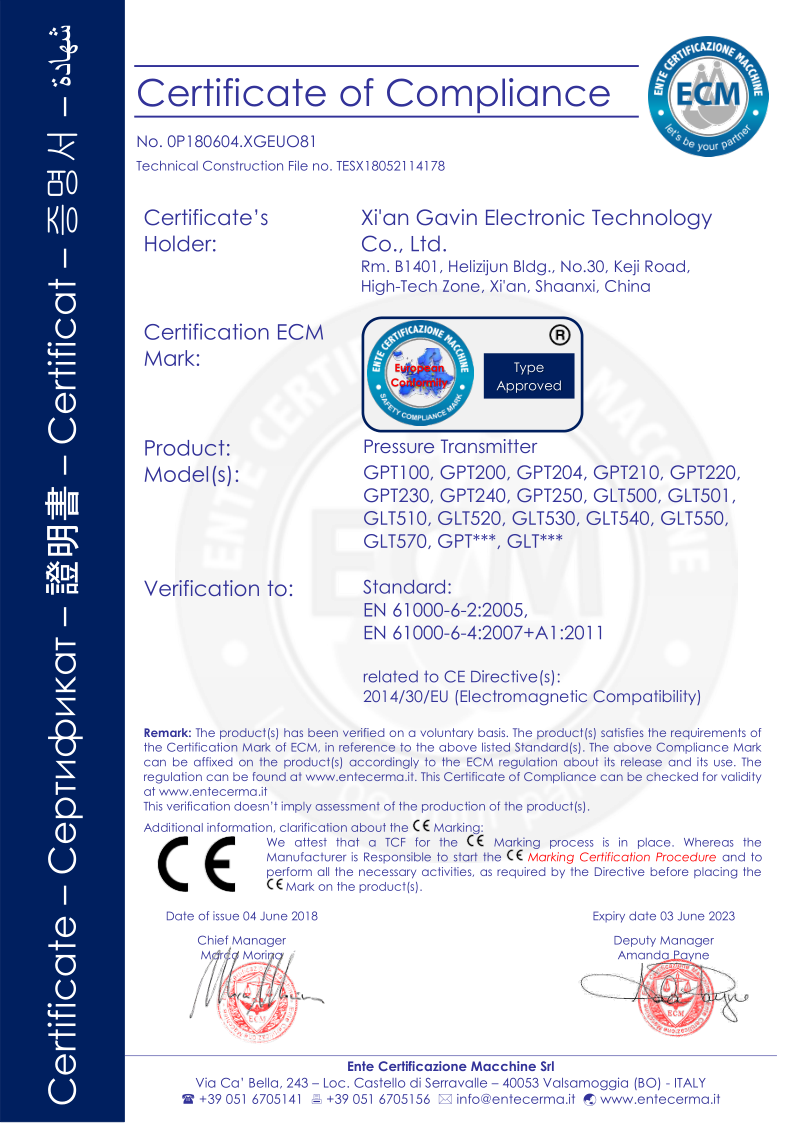
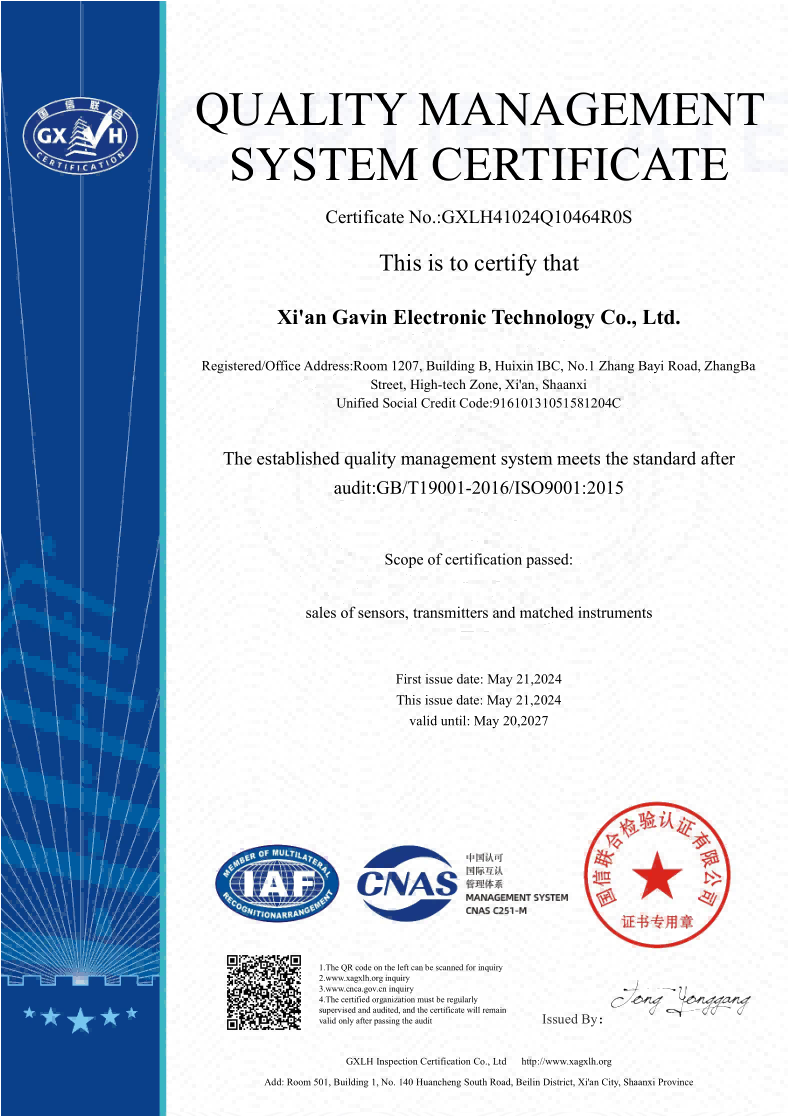
Technical support resources, production capabilities, and quality control methods should all be considered when evaluating suppliers. Well-known producers usually have extensive testing facilities and quality control initiatives in place to guarantee reliable product performance. International certifications that attest to conformity with international quality and safety standards include CE, RoHS, and ISO.
One important assessment factor, especially for foreign procurement, is after-sales support skills. Dependable vendors provide thorough technical support, which includes installation instructions, help with problems, and the availability of replacement parts. The ability to provide prompt assistance in a variety of languages and time zones improves the supplier relationship and guarantees efficient project execution.
Procurement Channel Analysis
Online business-to-business platforms provide competitive price comparison tools and easy access to many providers. These platforms usually lower procurement risks by offering transaction protection and supplier verification services. However, direct procurement connections often provide more quick technical assistance and greater customization choices, especially when sourcing specialized items like wireless pressure sensor solutions.
Industry fairs and trade events provide excellent chances to test vendors in person and gauge product quality via practical demonstration. These gatherings make it easier to establish connections and have in-depth technical conversations that help with well-informed procurement choices.
Case Studies and Future Trends in Wireless Pressure Sensor Technology
Wireless pressure monitoring systems' usefulness and revolutionary potential are shown by real-world applications in a variety of industrial industries. These case studies show how businesses have effectively used wireless sensors to boost safety procedures, save maintenance costs, and increase operational efficiency—all while generating quantifiable returns on investment.
Successful Industrial Deployments
In order to replace outdated wired infrastructure, a large petroleum refinery installed wireless pressure monitoring across its pipeline network. The wireless technology reduced maintenance costs, increased monitoring coverage, and did away with the need to replace expensive cables. The implementation improved process visibility and safety compliance while reducing monitoring system maintenance expenses by 40%.
Wireless sensors have been successfully installed by chemical processing industries in dangerous locations where conventional wiring presented safety hazards. Comprehensive pressure monitoring was made possible by the wireless implementation without sacrificing the need for explosion-proofing or making installation more difficult. Operators were able to keep a safe distance while maintaining constant process supervision thanks to remote monitoring capabilities.
Emerging Technology Trends
With better sensor designs and power management algorithms, ultra-low power consumption technologies are developing. Sub-second measurement intervals and a five-year battery life are the goals of next-generation wireless sensors, which will further minimize maintenance needs and increase deployment options. Battery replacement may ultimately be completely eliminated thanks to energy collecting technology.
Cloud-based monitoring tools and improved connection choices are increasing IoT integration potential. Advanced data analytics, predictive maintenance algorithms, and interaction with larger industrial automation systems are made possible by these advancements. In the future, machine learning systems could provide predictive insights that maximize operational efficiency and stop equipment faults.
Sustainability and Environmental Considerations
The design and deployment tactics of sensors are increasingly influenced by environmental sustainability. By lowering trash production and transportation needs, long-term maintenance reduction via longer battery life and increased dependability directly helps environmental objectives. Protocols for energy-efficient communication reduce power use and increase operational sustainability.
Sensor designs that facilitate component recycling and refurbishing are encouraged by the movement toward circular economy ideas. Modular architectures are being developed by manufacturers to allow for system updates and component replacement without requiring a total device replacement, minimizing environmental impact and preserving technical currency.
Conclusion
A game-changing device that tackles important operational issues in a variety of industrial industries are industrial wireless pressure sensors with app integration and remote alert capabilities. These cutting-edge monitoring systems provide improved measurement precision, longer battery life, and extensive remote administration capabilities while doing away with conventional wire limitations. A comprehensive monitoring environment that raises operational effectiveness and safety requirements is produced by combining mobile apps with intelligent alarm systems. Wireless pressure monitoring will become more and more crucial for contemporary industrial operations looking to gain a competitive edge via sophisticated automation and remote monitoring capabilities as technology advances toward more power efficiency and improved connection.
FAQ
Q1: What accuracy can I expect from wireless pressure sensors compared to wired models?
A: Modern wireless pressure sensors achieve accuracy levels comparable to traditional wired instruments, typically within ±0.1% to ±0.5% of full scale depending on the specific model and application requirements. The GPT2451 wireless pressure transmitter incorporates high-stability sensing elements with temperature compensation to maintain consistent accuracy across varying environmental conditions. Digital signal processing eliminates many sources of error common in analog transmission systems.
Q2: How long do batteries typically last in wireless pressure sensors?
A: Battery life varies significantly based on measurement frequency, communication protocols, and environmental conditions. Advanced wireless sensors like the GPT2451 can operate for three years with one-second measurement intervals using optimized power management. LORA communication protocols particularly excel in power efficiency, while 4G connectivity may reduce battery life due to higher power consumption during data transmission.
Q3: Can wireless pressure sensors be customized for specific industrial applications?
A: Comprehensive customization options are available for wireless pressure sensors, including measurement ranges, communication protocols, housing materials, and software configurations. OEM manufacturers typically offer customization services for pressure ranges, output formats, alarm thresholds, and mechanical specifications. Mobile app interfaces can also be customized to match specific operational requirements and branding preferences.
Q4: What wireless range can I expect from different communication protocols?
A: Communication range depends on the selected wireless protocol and environmental conditions. LORA technology provides exceptional range capabilities up to 5 kilometers in optimal conditions, making it ideal for large industrial facilities. 4G connectivity offers virtually unlimited range through cellular networks but requires ongoing service subscriptions. SWSN protocols typically provide shorter range but excellent power efficiency for local monitoring applications.
Ready to Optimize Your Industrial Monitoring?
GAMICOS stands ready to transform your industrial pressure monitoring with our advanced wireless pressure sensor solutions that integrate seamlessly with mobile apps and remote alarm systems. Our GPT2451 wireless pressure transmitter represents cutting-edge technology with three-year battery life and 5-kilometer communication range, backed by comprehensive OEM customization capabilities. As a trusted wireless pressure sensor manufacturer serving over 100 countries, we provide complete solutions from initial consultation through ongoing technical support. Contact our expert team at info@gamicos.com to discuss your specific requirements and discover how our wireless pressure sensor technology can enhance your operational efficiency and safety protocols.
References
1. Smith, J.A. & Martinez, R.L. (2023). "Advanced Wireless Sensor Technologies in Industrial Process Control." Journal of Industrial Automation, 45(3), 112-128.
2. Chen, W.K., Thompson, D.R. & Brown, S.M. (2024). "Battery Life Optimization Strategies for Wireless Pressure Monitoring Systems." International Conference on Industrial Electronics, 78-85.
3. Rodriguez, M.P. & Williams, K.J. (2023). "Comparative Analysis of Wireless Communication Protocols for Industrial Sensor Networks." Industrial Communications Review, 31(7), 245-262.
4. Anderson, L.C., Kumar, S.V. & Davis, T.H. (2024). "IoT Integration and Mobile Applications in Wireless Pressure Monitoring." IEEE Transactions on Industrial Informatics, 20(4), 1456-1468.
5. Johnson, R.W., Lee, H.S. & Garcia, A.M. (2023). "Environmental Durability and Reliability Assessment of Wireless Industrial Sensors." Reliability Engineering and System Safety, 198, 106-118.
6. Zhang, Q.L., Peterson, B.K. & Murphy, C.E. (2024). "Future Trends in Wireless Sensor Technology for Industrial Applications." Technology Forecasting and Social Change, 189, 122-135.

Peter
Peter, Senior Sensor Technology Consultant, has 15-year industrial sensor R&D experience. He specializes in the end-to-end development of high-accuracy pressure and level sensors and he firmly believe, precision isn’t just a spec—it’s a promise.
We're here to help — submit your request anytime!
Let us know how we can help solve your pressure level measurement challenge.
_1757930850792.jpg)


Recommended Blog
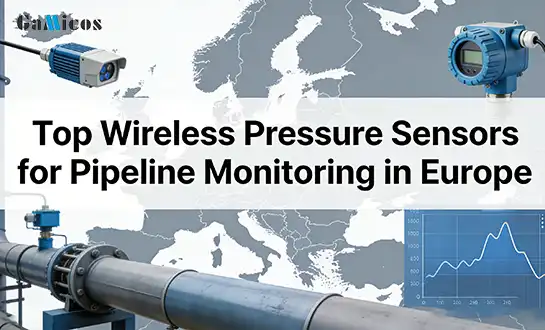
Top Wireless Pressure Sensors for Pipeline Monitoring in Europe
Top Wireless Pressure Sensors for Pipeline Monitoring in Europe

Import Guide: Wireless Pressure Sensors for European Markets
Import Guide: Wireless Pressure Sensors for European Markets
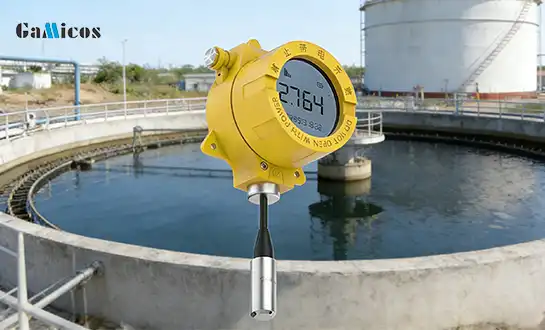
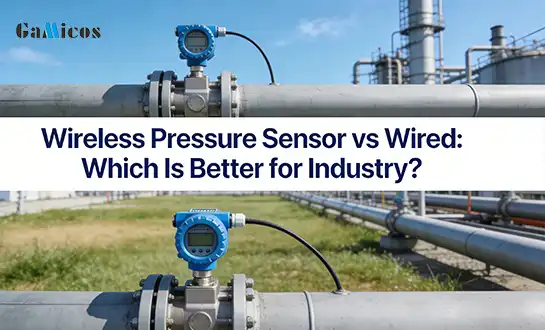
Wireless Pressure Sensor vs Wired: Which Is Better for Industry?
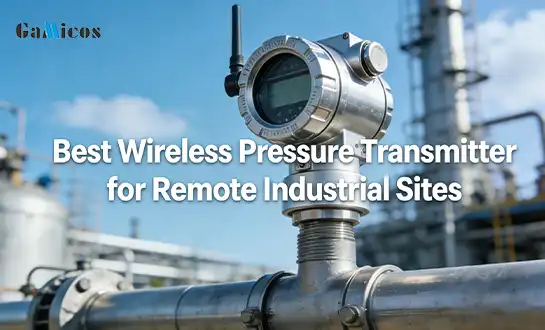
Best Wireless Pressure Transmitter for Remote Industrial Sites