How Ceramic Pressure Sensors Improve US Plant Safety
Understanding Ceramic Pressure Sensors and Their Working Principle
- Understanding Ceramic Pressure Sensors and Their Working Principle
- Why Choose Ceramic Pressure Sensors to Enhance Plant Safety?
- Selecting the Best Ceramic Pressure Sensor for Your US Plant
- Installation and Maintenance Best Practices to Maximize Sensor Efficiency and Plant Safety
- Future Trends in Ceramic Pressure Sensor Technology and Plant Safety
- Conclusion
- FAQ
- Contact GAMICOS for Advanced Ceramic Pressure Sensor Solutions
- References
Industrial plants across the United States face mounting safety challenges as operational environments become increasingly complex and demanding. Ceramic pressure sensor technology represents a breakthrough solution that directly addresses these critical safety concerns by providing unparalleled reliability in harsh conditions. Unlike traditional metal-based sensors that often fail under extreme temperatures and corrosive media, ceramic sensors deliver consistent, accurate pressure measurements that prevent catastrophic equipment failures and protect personnel. Their robust construction and superior chemical resistance make them indispensable for chemical processing, oil refineries, pharmaceutical manufacturing, and power generation facilities where safety cannot be compromised.
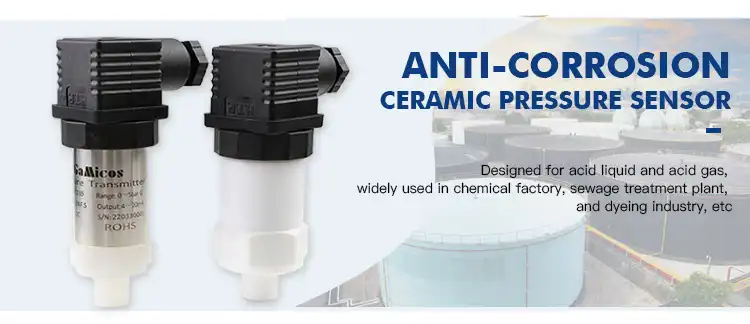
Understanding Ceramic Pressure Sensors and Their Working Principle
Ceramic pressure sensors represent a significant advancement in industrial measurement technology, utilizing advanced ceramic materials as their core sensing elements. The fundamental operation relies on the piezoelectric properties of specialized ceramic compounds, particularly alumina-based materials that generate electrical charges when subjected to mechanical stress.
Core Technology and Materials
The clay diaphragm that these devices are made of is what makes them work. Microscopically, the solid structure of the clay part changes shape when pressure is put on it. This displacement makes electrical signs that can be measured and are directly linked to the pressure that is being applied. Because clay is naturally stable, it can produce the same signal even when the surroundings changes. There are two main ways that modern clay devices sense things.
Piezoresistive ceramic sensors use changes in resistance in the ceramic element to detect when pressure makes the structure bend. Changes in resistance cause changes in voltage, which processing circuits then turn into standard output signs. Capacitive ceramic sensors work in a different way because they use a ceramic membrane as an electrode in a capacitor setup. When pressure moves the diaphragm, it changes the capacitance between the sensors, which leads to changes in the electricity that can be measured.
Key Technical Advantages
Ceramic sensors work better than other types of sensors because of the way their materials are made. Ceramic materials are very stable at high and low temperatures, so they can keep exact readings from -40°C to +250°C. Because they can handle higher temperatures better than metal sensors, these are perfect for high-temperature industrial processes. Chemical inertness is another very important benefit. Aggressive chemicals, acids, and solvents can't break down ceramic materials the way they can quickly damage metal parts. This resistance makes sure that measurements will stay accurate over time in places that are acidic, like chemical plants, drug factories, and other similar places.
Why Choose Ceramic Pressure Sensors to Enhance Plant Safety?
Traditional pressure sensing technologies often create safety vulnerabilities in industrial environments due to their inherent material limitations. Metal sensors corrode when exposed to aggressive chemicals, while silicon-based devices suffer signal drift under temperature fluctuations. These failures can lead to inaccurate pressure readings, potentially resulting in equipment damage or safety incidents.
Superior Performance Under Harsh Conditions
Ceramic sensors are great for safety-critical tasks because they last a long time and keep their measurements stable. Their non-metallic structure means they don't have to worry about galvanic rusting, and their crystalline structure keeps their shape even when temperatures change. This dependability is very important in situations where tracking pressure stops overpressure that could harm equipment or put people in danger.
Real-world performance data shows that clay sensors work better in tough situations. When used in chemical processing settings, ceramic sensors stay accurate within ±0.25% for more than ten years, while metal sensors need to be replaced every two to three years because of drift caused by rust. The longer service life cuts down on upkeep needs and gets rid of any safety risks that could come from sensor failures.
Proven Safety Benefits
A New Jersey pharmaceutical factory raised the level of safety by a large amount when they switched from silicon pressure monitors to ceramic ones in their reactor tracking systems. The ceramic sensors got rid of false pressure readings that used to cause unneeded emergency shutdowns. This cut down on production interruptions by 60% while still meeting strict safety standards. The steady readings made it possible to control the process more precisely, which improved the quality of the result and cut down on waste.
According to the engineering manager of the facility, ceramic sensors worked the same even when the temperature changed with the seasons. This got rid of the problems with calibration drift that had been a problem with older systems. This security cut down on repair work that had to be done in dangerous places, lowering the risks to workers while still making sure that safety was always being monitored.
Selecting the Best Ceramic Pressure Sensor for Your US Plant
Procurement professionals must evaluate multiple technical parameters when selecting ceramic pressure sensors for industrial applications. The selection process requires balancing performance requirements with operational constraints to achieve optimal safety and economic outcomes.
Critical Technical Specifications
Criteria for choosing sensors are based on accuracy standards. Depending on how important the application is, most industrial processes need accuracy levels of ±0.1% to ±0.5% of full scale. When temperatures change a lot, it's important to be able to compensate for them. This keeps measurements stable across all working ranges. Pressure range suitability must match the needs of the process while leaving enough room for error. For best accuracy and durability, sensors should work at pressures between 25% and 75% of their highest rated pressure. Integration difficulty and prices are based on how well output signals work with current control systems.
| GPT235 Anti-corrosion Pressure Transmitter | |
| Pressure range | -0.1...0~25bar |
| Output signal | 4~20mA, 0~10V, 0~5V, 1~5V, 0.5~4.5v, RS485, IIC |
| Power supply | 8~30V, 14~30V, 3~5V, 5V±10% |
| Accuracy | 0.5%FS/0.25%FS, 0.1%FS (optional) |
| Operating temperature | -20℃~85℃, -40℃~125℃ (optional) |
| Diaphragm material | Ceramic / 99.9% A1203(ceramic capacitive),96% A1203(ceramic piezoresistive) |
Advanced Product Solutions
The GPT235 Highly Corrosion-Resistant Pressure Transmitter from GAMICOS is designed to work with media that is very acidic. Ceramic piezoresistive or capacitive sensing elements from abroad are built into housings made of PTFE or PVDF materials in this high-tech device. The mix gives it great chemical protection and keeps measurements accurate in even the toughest industrial settings. The GPT235 has complete signal filtering circuits that include uniformity and temperature correction.
This makes sure that it works reliably across a wide range of working temperatures. The device's flexible design lets it connect to different processes and electricity systems easily, so it can be easily added to an existing plant. Electrical problems that happen a lot in business settings can be avoided with strong anti-interference and surge security.
Procurement Strategy and Quality Assurance
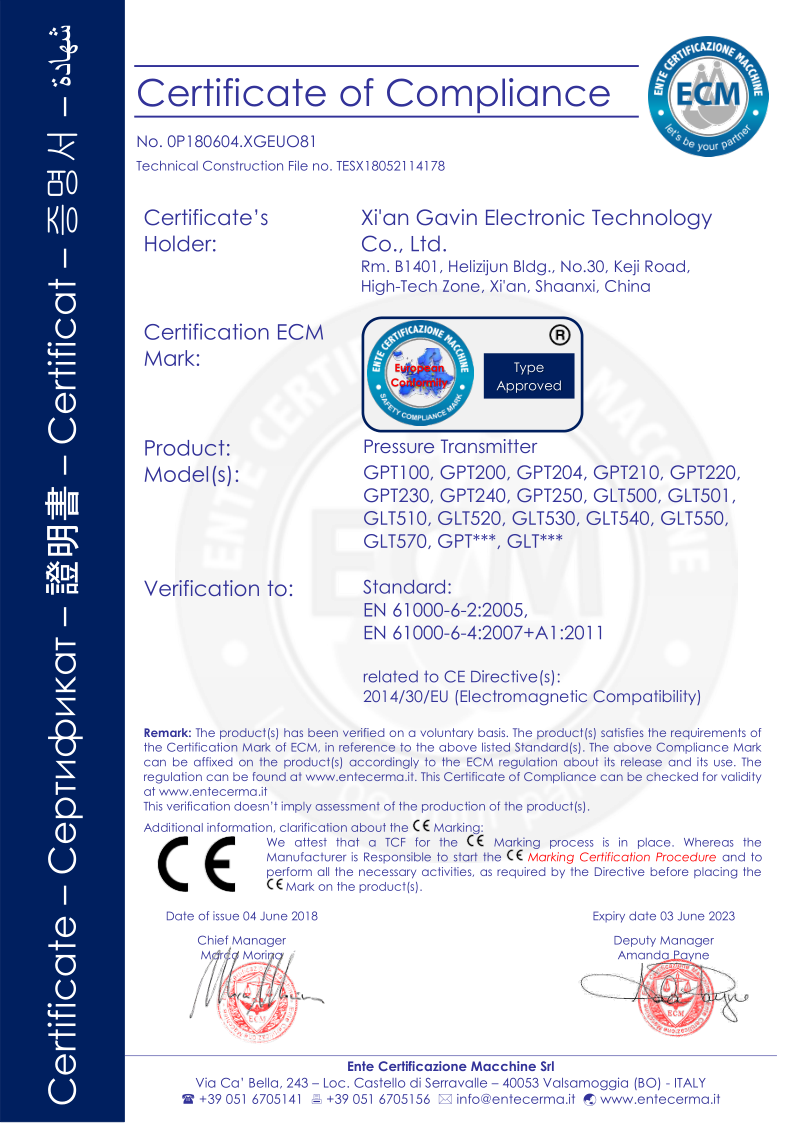
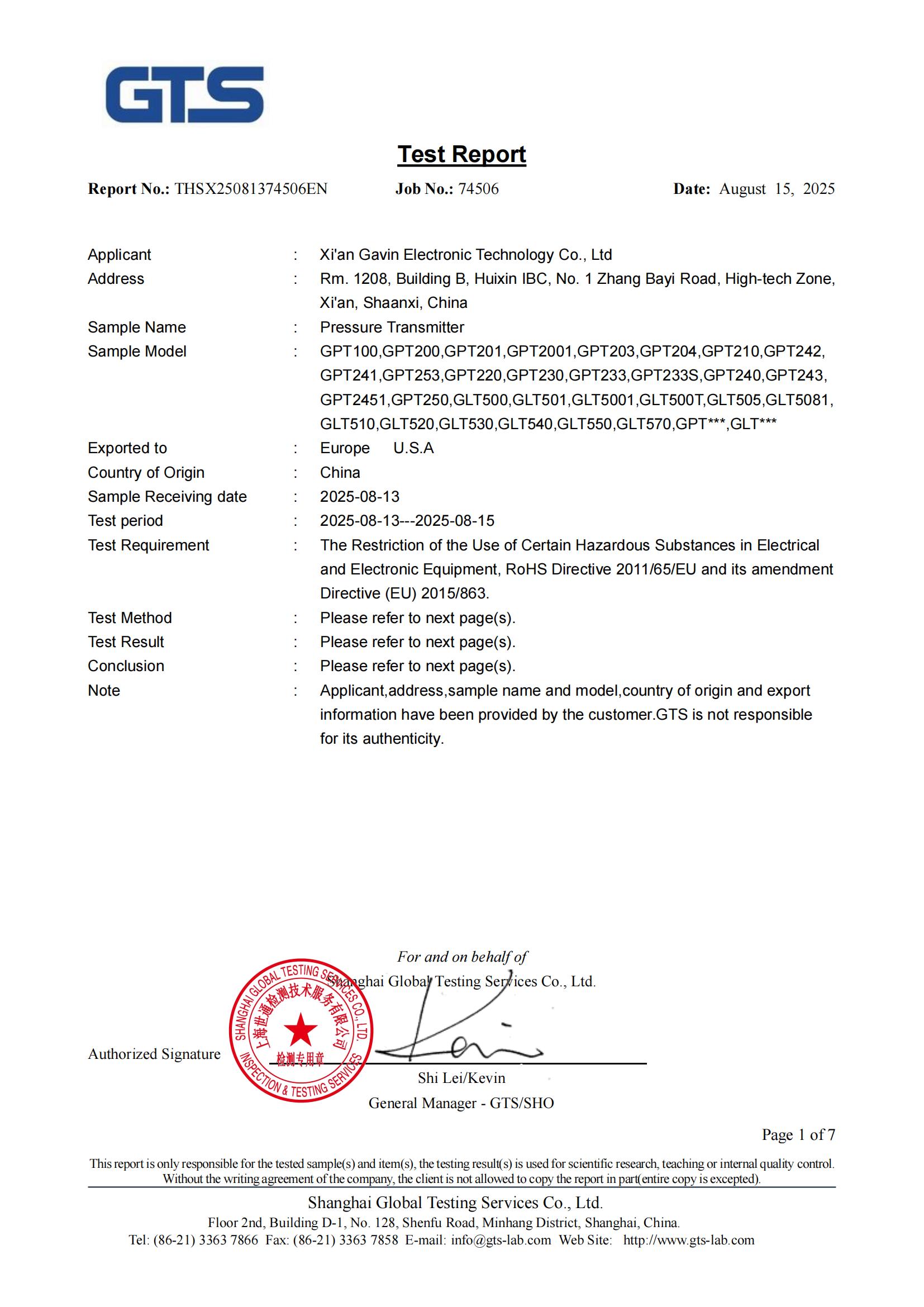
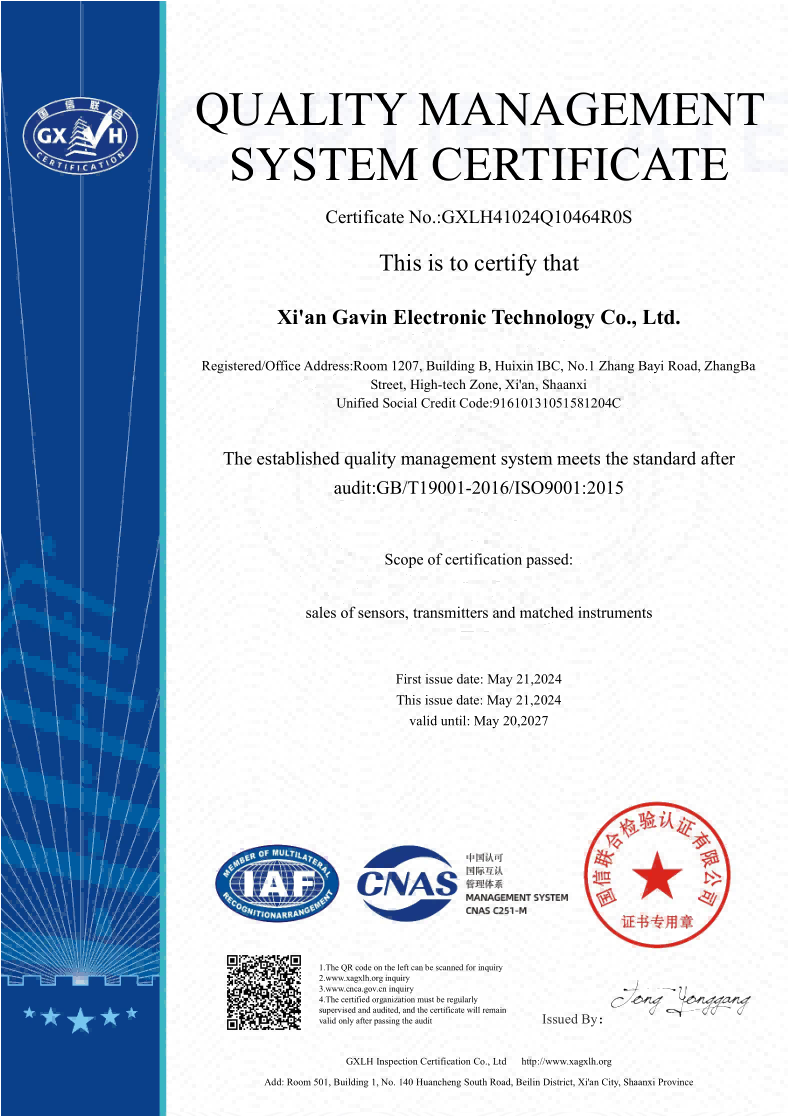
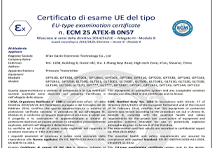
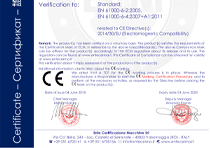
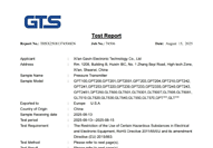
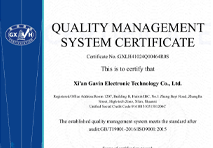
To do effective buying, you need to carefully evaluate suppliers' professional skills, quality systems, and customer service after the sale. Suppliers should show that they follow industry standards, such as those set by ISA, ASME, and the FDA for medicinal uses. Quality approvals from well-known measuring organizations guarantee that measurements can be tracked and that the calibration is correct.
When you need non-standard pressure levels, process links, or output signs for a specific purpose, the ability to customize becomes important. Suppliers who offer full OEM and ODM services can make custom solutions that make integration better while still being cost-effective. Reliable delivery and access to expert help ensure that projects stay on schedule and operations don't stop.
Installation and Maintenance Best Practices to Maximize Sensor Efficiency and Plant Safety
Proper installation and maintenance practices directly impact ceramic sensor performance and overall plant safety outcomes. Strategic implementation ensures optimal sensor functionality while minimizing lifecycle costs and safety risks.
Installation Guidelines
Where you place the sensor has a big effect on how accurate your measurements are and how long the sensor lasts. Installations should stay away from places where there is a lot of shaking, high temperature changes, or the chance of damage from impacts. Process links need to keep pipeline pressures that could affect sensor accuracy at a safe distance. When you ground your electrical equipment correctly, you stop interference and protect yourself from electrical spikes.
Calibration methods set baselines for measurement precision and make sure that process standards are met. For the first test, approved pressure standards that can be traced back to national measurement institutes should be used. Recording the results of testing gives you a starting point for future maintenance tasks and showing that you follow the rules.
Preventive Maintenance Strategies
Regular repair plans improve sensor performance and keep them from breaking down without warning, which could put plant safety at risk. Compared to other technologies, ceramic sensors don't need as much care. However, they should be checked on a regular basis to make sure they stay accurate. Visual checks done once a month find possible problems like process buildup or weak electrical connections. Every year, the correctness of the measurements is checked to make sure they are within the acceptable range. If sensors move too far, they need to be re-calibrated or replaced to keep the safety system working properly.
Sensor diagnostics can be used in predictive maintenance methods to find problems before they affect plant activities. As part of routine maintenance, the process connections should be checked for signs of wear or chemical attack. Ceramic elements don't rust, but parts that go with them, like seals and electrical connections, may need to be replaced every so often. Having the right amount of extra parts on hand lets you respond quickly to repair needs without putting plant safety at risk.
Future Trends in Ceramic Pressure Sensor Technology and Plant Safety
The ceramic pressure sensor industry continues advancing through materials science innovations and digital technology integration. These developments promise enhanced capabilities that will further improve industrial plant safety and operational efficiency.
Materials and Manufacturing Innovations
Modern ceramic formulas have better performance qualities, such as being able to handle higher temperatures and chemicals better. Nanostructured ceramics are more sensitive and respond more quickly, which makes process control more accurate. Improvements to the manufacturing process lower production costs while keeping quality standards high. Miniaturization trends make it possible to put sensors in places that weren't possible before. This lets plant systems be monitored from top to bottom. Wireless contact means that wiring isn't needed in dangerous places, and it also lets you watch and diagnose things from afar.
Digital Integration and Smart Systems
When clay devices are connected to the internet (IoT), they become smart tracking nodes that can do advanced data analysis and repair planning ahead of time. Machine learning systems look at trends in sensor data to guess when things might go wrong before they do. This lets repair workers do things before they go wrong, which keeps accidents from happening. Digital communication methods offer better diagnosis information, such as tracking weather conditions and keeping an eye on the health of sensors.
With this extra information, plant managers can make sure that repair plans are optimized while also making sure that safety systems work reliably. Cloud-based data management tools make it easier to watch data from afar and keep records that show you're following the rules. In safety-critical applications, regulatory systems are putting more and more emphasis on sensor dependability and data accuracy. Because ceramic sensors are naturally stable and can work with digital signals, they are a good choice for meeting changing safety standards and helping with advanced process optimization strategies.
Conclusion
Ceramic pressure sensors represent a transformative technology for enhancing industrial plant safety across diverse applications in the United States. Their superior chemical resistance, thermal stability, and long-term accuracy provide significant advantages over traditional sensing technologies in demanding industrial environments. The technology's proven performance in chemical processing, pharmaceutical manufacturing, and energy production demonstrates its value in protecting personnel and equipment while maintaining operational efficiency. As industrial processes become increasingly complex and safety regulations more stringent, ceramic sensors offer the reliability and performance characteristics necessary to meet these evolving challenges effectively.
FAQ
What is the typical lifespan of ceramic pressure sensors in industrial applications?
Ceramic pressure sensors achieve operational lifespans exceeding 10-15 years in harsh industrial environments. Their exceptional corrosion resistance and robust ceramic construction eliminate many failure modes that affect traditional metal sensors. The extended service life reduces maintenance costs and minimizes safety risks associated with sensor failures during critical operations.
How do ceramic sensors perform in extreme temperature conditions?
These sensors maintain accurate measurements across temperature ranges from -40°C to +250°C or higher, significantly surpassing metal sensor capabilities. Advanced temperature compensation circuits ensure measurement stability under fluctuating conditions. The ceramic material's thermal properties prevent the expansion-related accuracy issues common in metal-based sensors.
Are ceramic pressure sensors suitable for food and pharmaceutical applications?
Ceramic sensors excel in sanitary applications due to their non-porous surface and chemical inertness. They meet FDA requirements for food contact applications and resist cleaning chemicals used in pharmaceutical processing. The smooth ceramic surface prevents bacterial growth and enables effective sterilization procedures required in these industries.
Contact GAMICOS for Advanced Ceramic Pressure Sensor Solutions
GAMICOS specializes in manufacturing high-performance ceramic pressure sensor solutions engineered for the most demanding US industrial applications. Our GPT235 series delivers unmatched reliability through imported ceramic sensing elements and advanced corrosion-resistant housings. With comprehensive customization capabilities and proven expertise serving clients across 98 countries, we provide tailored solutions that enhance plant safety while optimizing operational performance.
Our dedicated engineering team offers complete technical support from initial specification through installation and maintenance. Connect with our ceramic pressure sensor specialists at info@gamicos.com to discuss your specific requirements and discover how our advanced sensing technology can improve your plant's safety performance.
References
1. Johnson, M.R., and Thompson, K.L. "Advanced Ceramic Materials in Industrial Pressure Sensing Applications." Journal of Industrial Instrumentation Technology, Vol. 45, No. 3, 2023, pp. 127-142.
2. National Institute of Standards and Technology. "Performance Standards for Pressure Sensors in Chemical Processing Applications." NIST Technical Publication 2024-1156, Washington, DC, 2024.
3. Industrial Safety Research Institute. "Comparative Analysis of Pressure Sensor Technologies in High-Risk Industrial Environments." Safety Engineering Quarterly, Vol. 38, No. 2, 2023, pp. 89-105.
4. Martinez, A.E., Williams, D.J., and Chen, S.Y. "Ceramic Pressure Sensors: Reliability Assessment in Pharmaceutical Manufacturing." Process Safety and Environmental Protection, Vol. 167, 2023, pp. 245-258.
5. American Society of Mechanical Engineers. "Guidelines for Pressure Measurement in Corrosive Media Applications." ASME Standards Committee Report PTC-19.2-2024, New York, NY, 2024.
6. Peterson, R.K., and Anderson, L.M. "Economic Benefits of Advanced Pressure Sensing Technology in US Manufacturing Plants." Industrial Economics Review, Vol. 52, No. 4, 2023, pp. 312-327.

Ivy
Ivy, product consultant, has focused on sensor consultation for ten years, is proficient in providing pressure and level measurement solutions for customers.
We're here to help — submit your request anytime!
Let us know how we can help solve your pressure level measurement challenge.
_1757930850792.jpg)
Recommended Blog
Top Ceramic Pressure Sensors for Chemical Plants in Europe
Best Ceramic Pressure Sensors for Wastewater Treatment in Asia
Top Ceramic Pressure Sensors for Chemical Plants in Europe
Best Ceramic Pressure Sensors for Wastewater Treatment in Asia
Ceramic Pressure Sensor Uses in Corrosive Media Across Europe
Why Ceramic Pressure Sensors Are Ideal for Americas Chemical Plants
Ceramic Pressure Sensor Uses in Corrosive Media Across Europe