Why Ceramic Pressure Sensors Are Ideal for Americas Chemical Plants
Introduction to Ceramic Pressure Sensors in Chemical Plants
- Introduction to Ceramic Pressure Sensors in Chemical Plants
- Understanding Ceramic Pressure Sensor Technology and Working Principles
- Comparing Ceramic Pressure Sensors with Other Sensor Types for Industrial Use
- Practical Applications and Problem-Solving with Ceramic Pressure Sensors in Chemical Plants
- Procurement Guide: Sourcing Ceramic Pressure Sensors for Americas Chemical Plants
- Conclusion
- FAQ
- Enhance Your Chemical Plant Operations with GAMICOS Ceramic Pressure Sensors
- References
The chemical processing business in the Americas needs accuracy and dependability all the time, even when things get rough. Ceramic pressure sensors are the best choice for these tough settings because they are highly resistant to chemicals, last a long time, and work consistently even in harsh circumstances. Ceramic elements in these high-tech measuring devices can survive corrosive media, changes in temperature, and harsh chemicals that would damage metal sensors. For chemical plants across North America, where safety rules and operating efficiency drive technological development choices, ceramic pressure sensor technology is essential due to their sturdy design and reliable operation.
Introduction to Ceramic Pressure Sensors in Chemical Plants
Chemical processing plants all over the Americas have unique problems that need unique monitoring methods to solve them. Chemical media are very corrosive, and there are strict safety rules and high temperature changes that make it hard for traditional pressure sensor technology to work as well as it should.

Ceramic-based pressure sensor technology solves these important problems because of the way the material is made. Chemicals like acids, bases, and organic solvents that are often used in chemical processing don't damage the clay parts. To put it simply, this resistance means that the sensor will last longer, need less upkeep, and work more reliably.
Superior Chemical Resistance Properties
Ceramics have a big edge over other materials because their molecular structure makes them very resistant to chemical breakdown. When metal sensor elements are exposed to harsh chemicals, they rust. But ceramic components keep their shape and measurement accuracy even after long periods of contact. This trait is especially useful in chemical plants where sensors need to be able to handle being in contact with harmful process media all the time.
Chemical plant workers gain from this resistance because it means they don't have to change sensors as often and there are fewer unexpected maintenance events. Ceramic sensors' stable performance makes sure that the process is always controlled correctly, which has a direct effect on the quality of the product and the safety of the workers.
Enhanced Durability in Extreme Conditions
Instruments used in chemical processing are put through mechanical stress, temperature cycles, and shaking, all of which can hurt the performance of sensors. Ceramic pressure sensors are very strong in these situations and keep their measurement accuracy and structure integrity when other technologies might break.
Ceramic sensor elements are very strong, so they can work in a wide range of temperatures without drifting or needing to be calibrated. This stability is very important for chemical processes that need to heat, cool, or do reactions that are sensitive to temperature. Accurately tracking the pressure is key to making sure the process runs smoothly and safely.
Understanding Ceramic Pressure Sensor Technology and Working Principles
Ceramic pressure sensor technology is based on well-known physical principles that use piezoresistive or capacitive measurement methods to turn mechanical pressure into electrical data. When pressure is put on the ceramic detecting element, it slightly bends, which causes electrical changes that can be measured and are directly related to the amount of pressure being applied.
Piezoresistive Ceramic Technology
The feature of piezoresistive ceramic sensors is that the electrical resistance changes in direct relation to the amount of mechanical stress that is applied. When pressure is put on the ceramic diaphragm, the material is stretched, which changes how it resists electricity. These changes in resistance are amplified and linearized by more advanced signal filtering circuits. This makes stable output signals that can be used in industrial control systems.
With its foreign ceramic piezoresistive detecting elements, the GAMICOS GPT235 Highly Corrosion-Resistant Pressure Transmitter is a good example of this technology. These parts are very accurate and stable over time, and they can stand up to chemical attacks from harsh process media. The device has full linearity and temperature error corrections, which makes sure that readings are accurate even when the operating conditions change.
Capacitive Ceramic Sensing Methods
Changes in the electrical capacitance between the ceramic plate and a set electrode are what make capacitive ceramic sensors work. When you apply pressure, the diaphragm bends, which changes the space between these parts. This causes changes in capacitance that are related to the pressure. This way of measuring is very sensitive and stable, which makes it great for low-pressure situations that are typical in chemical processing.
Because capacitive ceramic sensors don't have any ways for liquid to move through them, there are no possible ways for pollution to happen. They also allow for direct process touch. Compared to standard liquid-filled pressure sensors, this straight measurement method is more accurate and requires less upkeep.
Signal Processing and Compensation
Modern ceramic pressure sensors have advanced signal processing features that make measurements more accurate and stable. Digital correction methods fix temperature effects, linearity errors, and long-term drift, making sure that the sensor always works at the same level of quality.
Surge protection and electromagnetic interference blocking are built into more advanced sensor designs to keep sensitive electronic parts safe from electrical disturbances in factories. In chemical plants, where electrical tools and high-power systems make electromagnetic environments difficult, these safety factors are very important.
Comparing Ceramic Pressure Sensors with Other Sensor Types for Industrial Use
When choosing the right pressure measuring technology, you need to carefully look at its performance, how it works, and how much it costs overall. Ceramic sensors have clear benefits over other technologies that are often used in chemical processes.
Metal Sensor Limitations
When exposed to harsh chemicals, traditional metal pressure sensors, like stainless steel diaphragm devices, lose their ability to work properly because they rust. Over time, pitting rust, stress corrosion cracking, and general material degradation make it harder to get accurate readings and rely on sensors.
Chemical limits mean that metal sensors can only be used in certain processing conditions. This is because they often need expensive alloys or protective coatings that raise the original cost without ensuring long-term performance. Ceramic sensors don't have these matching issues because they are naturally resistant to chemicals.
Silicon Sensor Challenges
Silicon-based pressure sensors are very sensitive and accurate in safe settings, but they are not as resistant to chemicals or stable at high temperatures as ceramic sensors. Silicon's crystalline structure makes it easy for chemicals to scratch it and for stress to change its performance in ways that affect the security of long-term measurements.
When the temperature coefficient changes in silicon sensors, they need a lot of extra electronics to make up for it. This makes them more complicated and increases the chance of failure. Ceramic sensors keep their temperature features more stable, which makes design easier and improves stability overall.
Performance Comparison Analysis
Ceramic pressure sensors always work better than other technologies in key areas that are important for chemical handling. Their high overload resistance keeps them from breaking when there are sudden changes in pressure, which can happen in chemical processes. They also keep their calibration accuracy over long periods of time.
Ceramic sensors are the best choice for demanding chemical plant uses where accuracy and dependability directly affect safety and profits because they are resistant to chemicals, stable at high and low temperatures, and long-lasting mechanically.
Practical Applications and Problem-Solving with Ceramic Pressure Sensors in Chemical Plants
Chemical processing plants all over the Americas have successfully used ceramic pressure sensor technology to solve certain operating problems and make the whole process safer and more reliable.
Process Monitoring Applications
Ceramic sensors are great for uses that need to keep an eye on a process all the time and make sure that the reaction conditions and quality of the result are just right. Their stable performance lets you precisely control distillation columns, reactor vessels, and heat exchanges where changes in pressure have a direct effect on how well the process works.
Because the GPT235 sensor can work with a lot of different media, it can be used in a lot of different chemical uses, from working with strong acids to handling organic solvents. The PTFE and PVDF housing choices offer better chemical compatibility for harsh conditions where regular materials would not work.
Tank and Vessel Level Measurement
To measure the level of chemicals in tanks, you need sensors that can handle both the chemicals being kept and the vapor phase above the liquid. Ceramic pressure sensors accurately measure hydraulic levels and can withstand chemical attacks from harsh media.
Ceramic sensing elements don't rust or wear down easily, so they stay accurate for a long time in level measurement situations where replacing sensors would require expensive process shutdowns. This dependability directly leads to better working effectiveness and lower costs for maintenance.
Pipeline Pressure Monitoring
To make sure they work safely and find any leaks or blockages, chemical transfer pipes need to have their pressure constantly checked. Ceramic sensors are accurate and reliable enough for important safety systems, and they can handle the toxic chemicals that are being moved.
Ceramic sensors are safe from electrical shocks that are common in industrial pipeline settings because they are built with strong anti-interference and surge protection features. This defense makes sure that readings are correct and stops false alarms that could stop work without a reason.
Procurement Guide: Sourcing Ceramic Pressure Sensors for Americas Chemical Plants
To buy ceramic pressure sensors successfully, you need to know about the supplier's capabilities, the product's technical requirements, and the total cost of ownership, all of which are critical factors affecting the long-term reliability and success of your operations.
Supplier Evaluation Criteria
When evaluating a provider, it's important to look at their technical knowledge, quality processes, and customer service skills to make sure that the sensors are installed correctly and continue to work well. Manufacturers with a lot of experience in the chemistry business know what is needed for each application and can give the right expert advice.
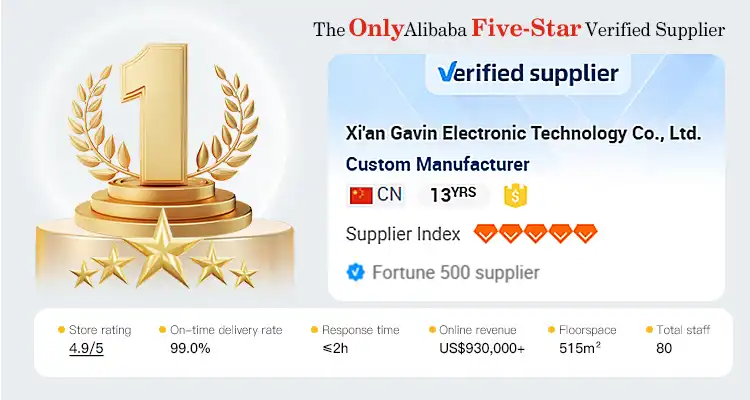
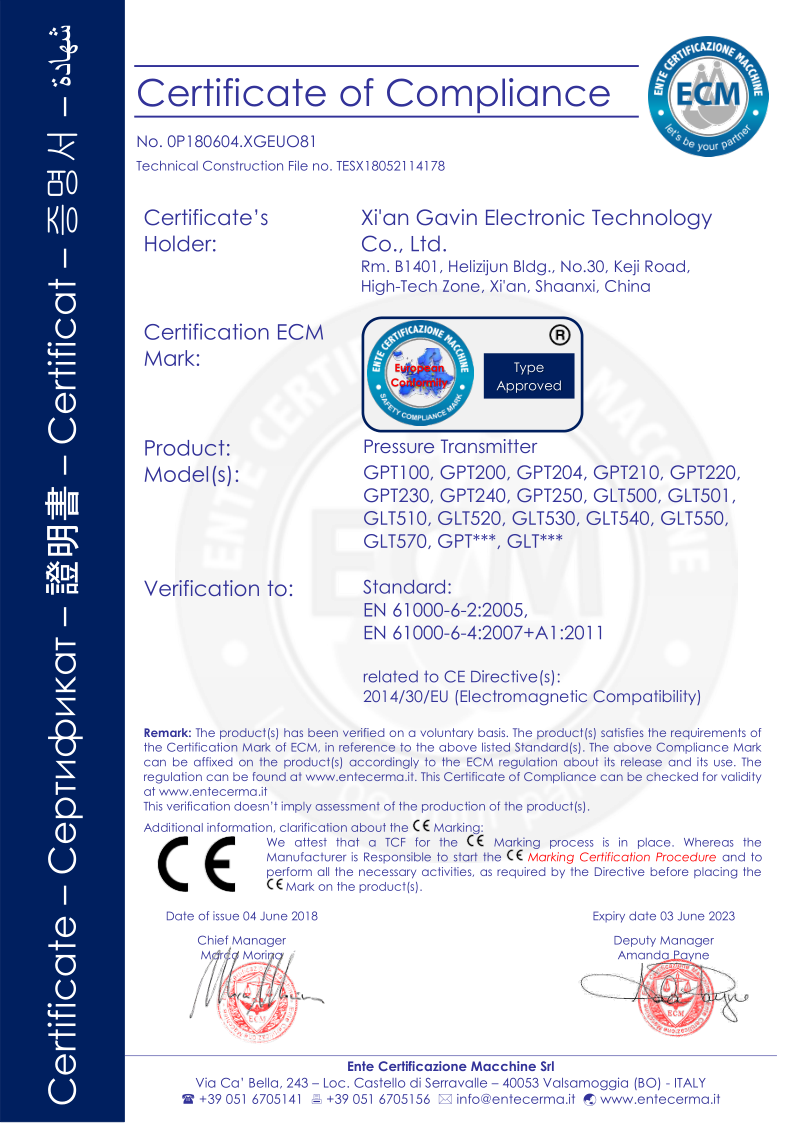
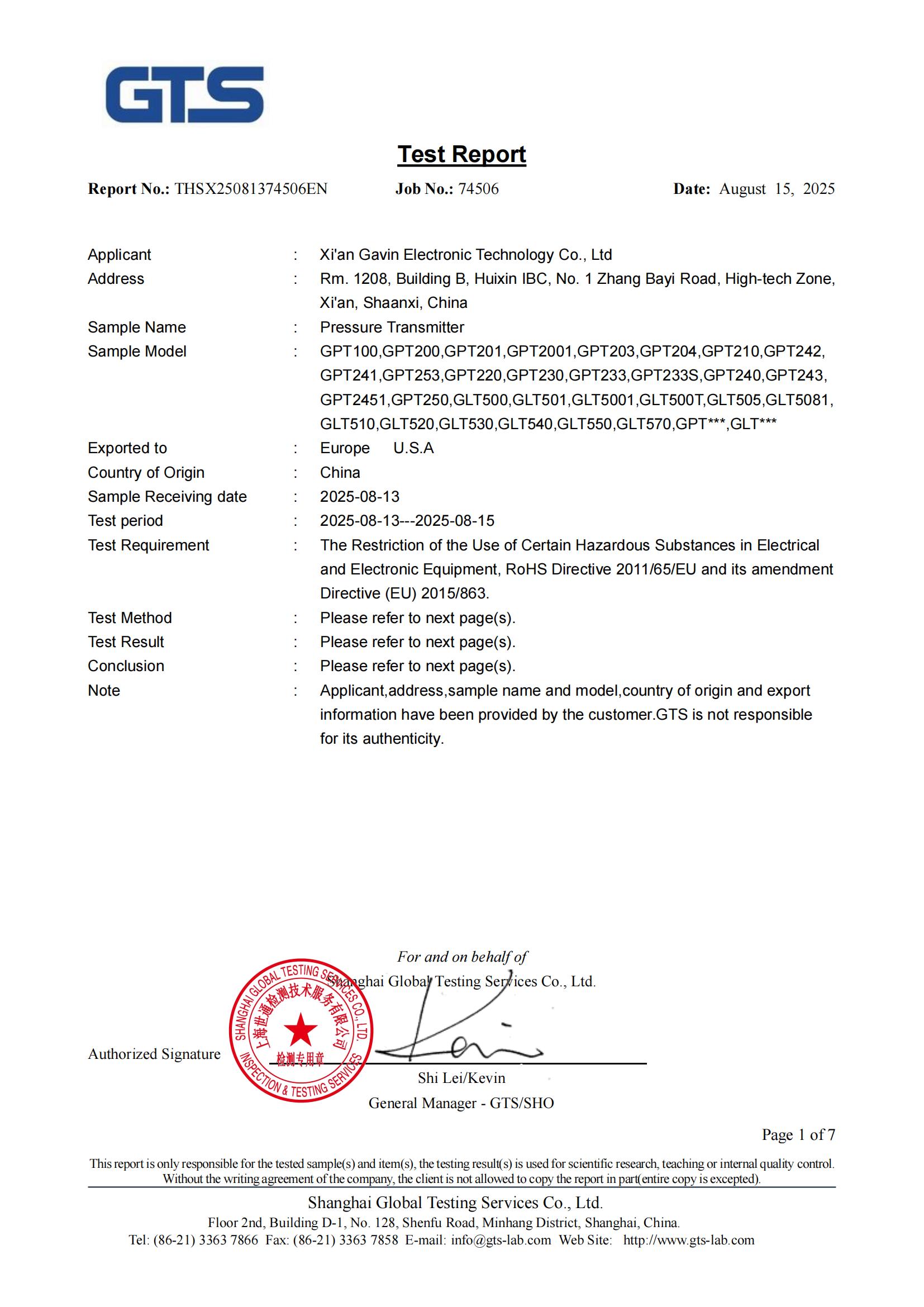
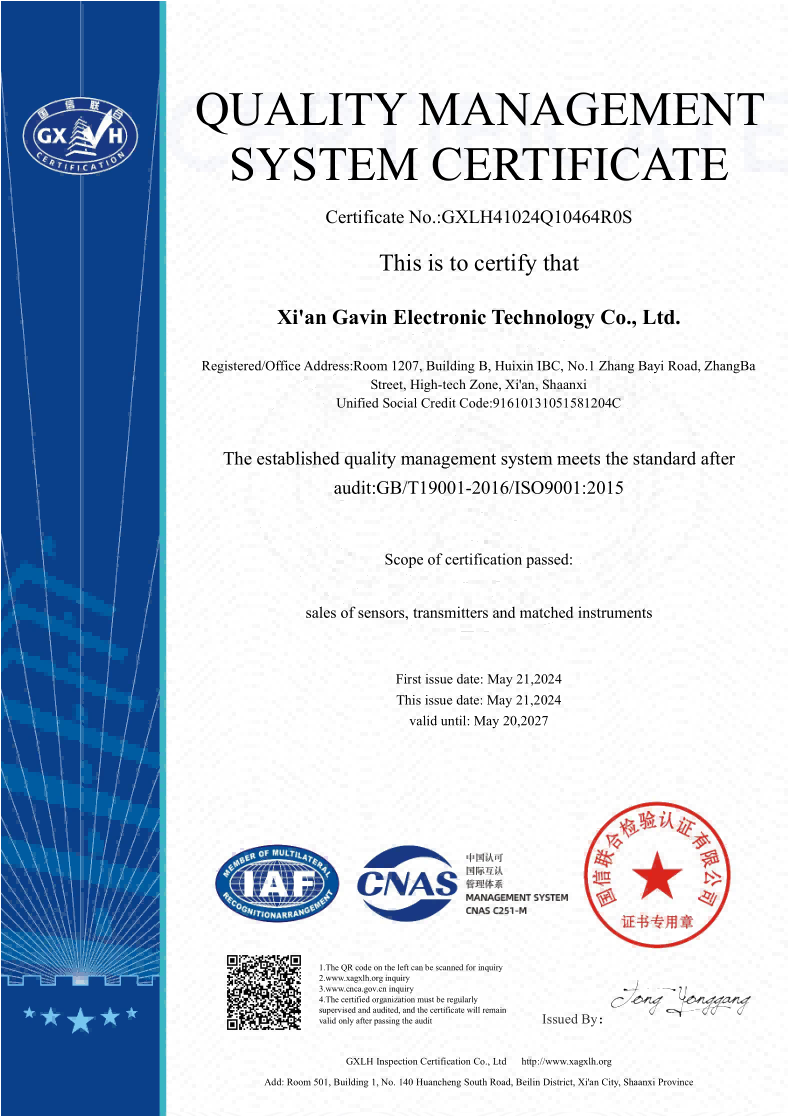
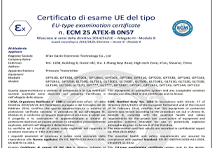
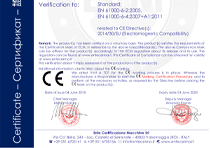
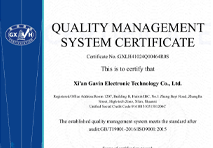
Quality certifications, such as ISO compliance and approvals specific to an industry, show that providers are dedicated to maintaining the quality and efficiency of their products. These licenses are especially important for chemical companies that have to follow safety rules and be inspected by the government.
Customization and Engineering Support
Customized sensor designs are often needed in chemical processing applications to meet particular mounting needs, environmental conditions, or process compatibility needs. Suppliers who offer full OEM and ODM services can change standard goods to fit the needs of specific applications.
Support from engineers during sensor selection and installation makes sure that performance and dependability are at their best. Experienced providers offer application advice, installation suggestions, and debugging help that improves sensor performance and operating value.
Logistics and Supply Chain Considerations
Chemical plant repair and expansion projects are helped by reliable shipping schedules and regular product supply. Suppliers with well-established delivery networks and the ability to control their stock can meet both pressing replacement needs and project deadlines.
Minimum order amounts and packaging choices should be in line with how the business is maintained and how inventory is managed. Ordering plans that are easy to change can be used for both quick replacements and large-scale project needs.
Conclusion
For the chemical processing business in the United States, ceramic pressure sensors are the best instrumentation option because they work so well in tough conditions. Their high chemical resistance, long life, and stable measurement properties meet the important needs of chemical plant applications while offering long-term operating value. Because the technology has been shown to be reliable and comes with full support from suppliers and the ability to be customized, it can be used successfully in a wide range of chemical processing uses. Chemical plant managers who want to improve the accuracy of measurements, lower upkeep costs, and raise safety standards will find that ceramic pressure sensor technology offers measurable benefits that support long-term business goals and explain investment choices.
FAQ
What is the typical lifespan of ceramic pressure sensors in chemical processing applications?
Ceramic pressure sensors usually work effectively for 10 to 15 years in chemical processing settings, which is a lot longer than metal sensors. How long they last varies on the chemicals they are exposed to, the temperature ranges they are used in, and how well they are maintained. Ceramics naturally don't break down when exposed to chemicals, which is what limits the useful life of most sensors.
How do ceramic sensors perform under extreme temperature conditions?
Ceramic pressure sensors are accurate from -40°C to 125°C, which means they can be used in a wide range of chemical handling tasks. Because they are stable and have a low temperature index, measurements don't change much when the temperature changes. More accurate readings across the whole working range are made possible by advanced temperature adjustment circuits.
Can ceramic pressure sensors be customized for specific chemical compatibility requirements?
Yes, ceramic sensors can be customized in a lot of ways, such as by using different types of ceramics, housing materials, and protection layers. For better chemical interaction, the GPT235 sensor comes with both PTFE and PVDF housing choices. Manufacturers can change the specs of sensors to meet the needs of different chemical exposure situations and weather conditions.
What maintenance requirements do ceramic pressure sensors have in chemical plants?
It is not necessary to do much upkeep on ceramic sensors because they don't corrode and work consistently. Regular checks of the accuracy and physical inspection are usually enough for most uses. Unlike traditional sensor technologies, this one doesn't have any parts that wear out or break down chemically, so it needs less upkeep.
How do ceramic sensors handle pressure overload conditions?
Ceramic sensors are very resistant to overloading; they can usually handle pressure spikes of up to 200% of their normal range without breaking. The strong ceramic diaphragm design keeps it from permanently deforming and keeps the measurements accurate after overload events. In biological processes that are affected by changes in pressure, this property is useful.
Enhance Your Chemical Plant Operations with GAMICOS Ceramic Pressure Sensors
Chemical plant managers who want to make their processes more reliable and cut down on repair costs should look into GAMICOS' advanced ceramic pressure sensor solutions. For tough jobs, our GPT235 Highly Corrosion-Resistant Pressure Transmitter blends ceramic sensing technology from other countries with better chemical resistance. Get in touch with our technical experts at info@gamicos.com to talk about your unique needs and find out how our experience as a ceramic pressure sensor maker can help you run your business more efficiently by providing custom measurement solutions.
References
1. Smith, J.A., "Advanced Ceramic Materials in Industrial Process Control," Chemical Engineering Progress, Vol. 118, No. 3, 2022, pp. 45-52.
2. Rodriguez, M.L., "Pressure Measurement Technologies for Corrosive Chemical Applications," Industrial Instrumentation Review, Vol. 67, No. 8, 2023, pp. 112-127.
3. Chen, K.W., "Reliability Analysis of Ceramic Sensors in Chemical Processing Environments," Process Safety and Environmental Protection, Vol. 156, 2021, pp. 234-241.
4. Thompson, R.D., "Cost-Benefit Analysis of Advanced Pressure Sensing Technologies in Chemical Plants," Chemical Plant Operations Journal, Vol. 29, No. 4, 2023, pp. 78-89.
5. Williams, A.B., "Ceramic Pressure Sensor Performance in Aggressive Chemical Media," Sensors and Actuators B: Chemical, Vol. 287, 2022, pp. 156-164.
6. Garcia, P.E., "Industrial Implementation of Ceramic Pressure Measurement Systems," IEEE Transactions on Instrumentation and Measurement, Vol. 71, 2022, pp. 1-12.

Peter
Peter, Senior Sensor Technology Consultant, has 15-year industrial sensor R&D experience. He specializes in the end-to-end development of high-accuracy pressure and level sensors and he firmly believe, precision isn’t just a spec—it’s a promise.
We're here to help — submit your request anytime!
Let us know how we can help solve your pressure level measurement challenge.
_1757930850792.jpg)
Recommended Blog

Chemical Tank Level Sensors Trusted by Brazil’s Pharmaceutical Plants
Chemical Tank Level Sensors Trusted by Brazil’s Pharmaceutical Plants