One of the most advanced production areas in Latin America is Brazil's pharmaceutical business. Companies like EMS Pharma, Eurofarma, and Aché Laboratórios are at the forefront of making high-quality medicines. These big drug companies depend on advanced chemical tank level sensor technology to keep an eye on important liquid chemicals, solvents, and active medicinal ingredients as they make their products. The accuracy and dependability of liquid level measurement devices have a direct effect on the safety of operations, the quality of the products, and the compliance with regulations in these facilities. Pharmaceutical companies in Brazil have to follow strict ANVISA rules and foreign standards. Because of this, accurate tank tracking is an important part of their manufacturing processes.
Introducing Chemical Tank Level Sensors in Pharmaceutical Applications
Chemical tank level monitors are the most important part of pharmaceutical liquid management systems. They use complex measurement rules to keep an accurate eye on chemical stocks. These devices use different technologies, like ultrasound, inductive, radar, and guided wave radar, to find out how much liquid is in storage tanks that hold everything from simple chemicals to complex medicinal intermediates.
Core Technologies and Measurement Principles
The pharmaceutical business needs devices that can work with harsh chemicals, keep things clean, and keep their accuracy over long periods of time. Radar-based devices have become very popular in Brazilian buildings because they can measure without touching anything and are very reliable. Ultrasonic sensors are a cheap way to measure chemicals that aren't too strong, while capacitive sensors work best when they need to be in close touch with materials that are resistant to chemicals.
Chemical Compatibility and Environmental Considerations
Pharmaceutical applications present unique challenges due to the diverse range of chemicals involved in drug manufacturing. The chemical tank level sensor must withstand exposure to acids, bases, organic solvents, and sanitizing agents without compromising measurement accuracy. Temperature fluctuations, pressure variations, and the presence of foam or vapor further complicate the selection process, requiring careful consideration of each sensor's operating specifications.
Accuracy and Calibration Requirements
For important processes like making sure that batch recipes are correct and keeping track of supplies, Brazilian pharmaceutical plants usually need measurement accuracy within ±1-2mm. This accuracy is kept up by following regular calibration routines. Many facilities use automatic calibration systems to cut down on human mistake and stay in line with standards for pharmaceutical making.
Comparing Chemical Tank Level Sensor Technologies for Pharmaceutical Needs
Choosing the right sensor technology has a big effect on both how well operations run and how well they can meet regulatory requirements in pharmaceutical manufacturing settings. Depending on the needs of the product and the chemical traits at play, different measurement methods offer different benefits.
Advanced Radar Technology Solutions
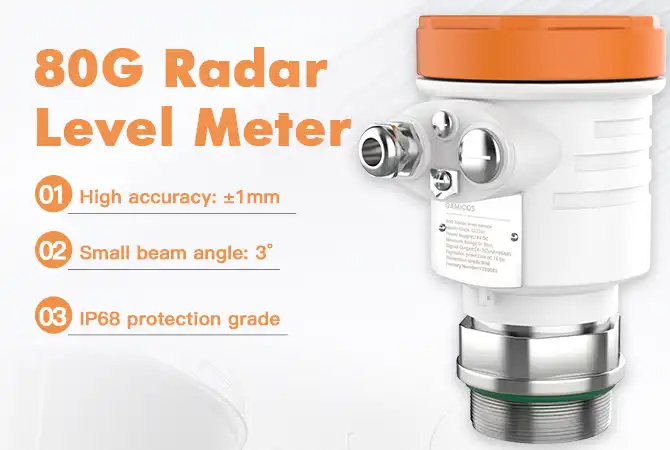
The most advanced measurement technology for medicinal uses is found in modern 80GHz radar level monitors like the GLT74 line. The advanced Frequency Modulated Continuous Wave (FMCW) technology in these devices, which work at an 80GHz frequency band, gives them great performance. These are the main benefits of this cutting-edge technology:
- Ultra-high measurement accuracy: These sensors achieve measurement precision up to ±1mm, meeting the stringent requirements of pharmaceutical batch processing and inventory management systems.
- Minimal blind zones: With blind zones as small as 0.05m from the antenna and measurement ranges extending from 0.05 to 120m, these sensors accommodate various tank configurations and installation constraints.
- Superior interference resistance: Operating in the relatively clean 80GHz frequency band, these devices remain minimally affected by electromagnetic interference from other industrial equipment.
- Precise beam characteristics: Narrow beam angles of approximately ±3° in both horizontal and vertical directions ensure accurate target detection while avoiding interference from tank walls and internal structures.
| Parameter of GLT741 Chemical Tank Level Sensor | |
| Frequency | 76GHz~81GHz |
| Measurement range | 0m~20m |
| Accuracy | ±1mm |
| Beam angle | 3° |
| Dielectric constant | >=2 |
| Power supply | 15~28.0VDC,2-wire |
| Signal output | 4~20mA |
| Working temperature/humidity | -40~85℃/≤95%RH |
| Housing shell material | Aluminum alloy |
| Antenna type | Lens antenna |
| Process pressure | -0.1~20MPa |
| Product dimension | Ø100*270mm |
| Electrical interface | M20*1.5 |
| Recommended wire | AWG18 or 0.75mm² |
| Protection grade | IP68 |
| Explosion-proof grade | ExdiaIICT6 |
| Installation method | Thread or flange |
| Net weight/gross weight | 2.480Kg/2.995Kg |
| Box size | 370*270*180mm |
These technological advantages effectively solve common pharmaceutical production challenges including foam interference, chemical vapor presence, and the need for non-contact measurement in sterile environments.
Explosion-Proof and Wireless Monitoring Systems
Explosion-proof monitors are used in pharmacy facilities that work with chemicals and solvents that can catch fire for safety reasons. With wireless tracking, data can be collected from afar while staying away from processes that could be dangerous. These systems work well with the plant's current control system and let you view data and set alarms in real time.
Cost-Benefit Analysis and Return on Investment
Investing in advanced sensor technology usually pays off in the form of less delays, higher safety margins, and better compliance with regulations. Pharmaceutical businesses in Brazil say that installing reliable level measurement systems has saved them a lot of money by cutting down on product waste and the need for human tracking.
Best Practices for Installation, Maintenance, and Safety
Proper implementation of chemical tank level sensors requires careful attention to installation procedures, ongoing maintenance protocols, and comprehensive safety measures. These practices ensure optimal performance while maintaining the sterile and safe environment essential for pharmaceutical production.
Installation Guidelines for Pharmaceutical Environments
Pharmaceutical tank installations demand strict adherence to sanitary design principles and contamination prevention protocols. Sensors must be positioned to avoid dead zones while maintaining easy access for cleaning and maintenance. Installation teams must consider factors such as tank geometry, chemical properties, and existing automation infrastructure when determining optimal placement locations.
Preventive Maintenance and Troubleshooting
Regular maintenance schedules help ensure consistent sensor performance and extend equipment lifespan. Cleaning protocols must align with pharmaceutical sanitation requirements, often involving specialized cleaning agents and validation procedures. Troubleshooting procedures should be documented and staff trained to minimize downtime during critical production periods.
Safety Features and Regulatory Compliance
Modern chemical tank level sensors incorporate multiple safety features including explosion-proof housings, corrosion-resistant materials like PTFE diaphragms, and fail-safe alarm systems. These features help pharmaceutical plants meet both Brazilian ANVISA requirements and international standards such as FDA compliance for facilities exporting to global markets.
Leading Chemical Tank Level Sensor Brands Trusted by Brazilian Pharmaceutical Plants
The Brazilian pharmaceutical sector relies on proven sensor manufacturers that combine technological innovation with robust support infrastructure. These suppliers have established track records in pharmaceutical applications and maintain certification compliance with international standards.
Global Technology Leaders
International companies like Endress+Hauser, Vega, Siemens, and Honeywell have a big part of the market in Brazil thanks to their wide range of products and strong local support networks. These businesses sell specialized pharmaceutical-grade monitors that come with the right licenses and a lot of experience with using them.
Emerging Technology Providers
Businesses like GAMICOS are becoming known for the creative ways they solve problems related to measuring liquid levels. GAMICOS is an expert in high-precision radar and ultrasonic sensors, and they can make solutions that are perfect for medicinal uses. Their GLT741 radar level emitter is an example of the advanced 80GHz technology that can get readings as accurate as a millimeter while avoiding common sources of interference like foam, dust, and tank barriers.
Regional Support and Service Capabilities
Pharmaceutical companies in Brazil prefer to work with providers that offer full local support, such as expert help, testing services, and quick access to extra parts. Providing paperwork and training programs in Portuguese-speaking areas has a big impact on seller selection choices.
Procurement Guide for Chemical Tank Level Sensors in Brazil
To successfully purchase chemical tank level sensors, you need to carefully evaluate providers, know the rules, and think about your long-term business needs. Structured buying methods that stress quality, compliance, and ongoing help are good for Brazilian pharmaceutical businesses.
Supplier Evaluation and Certification Requirements
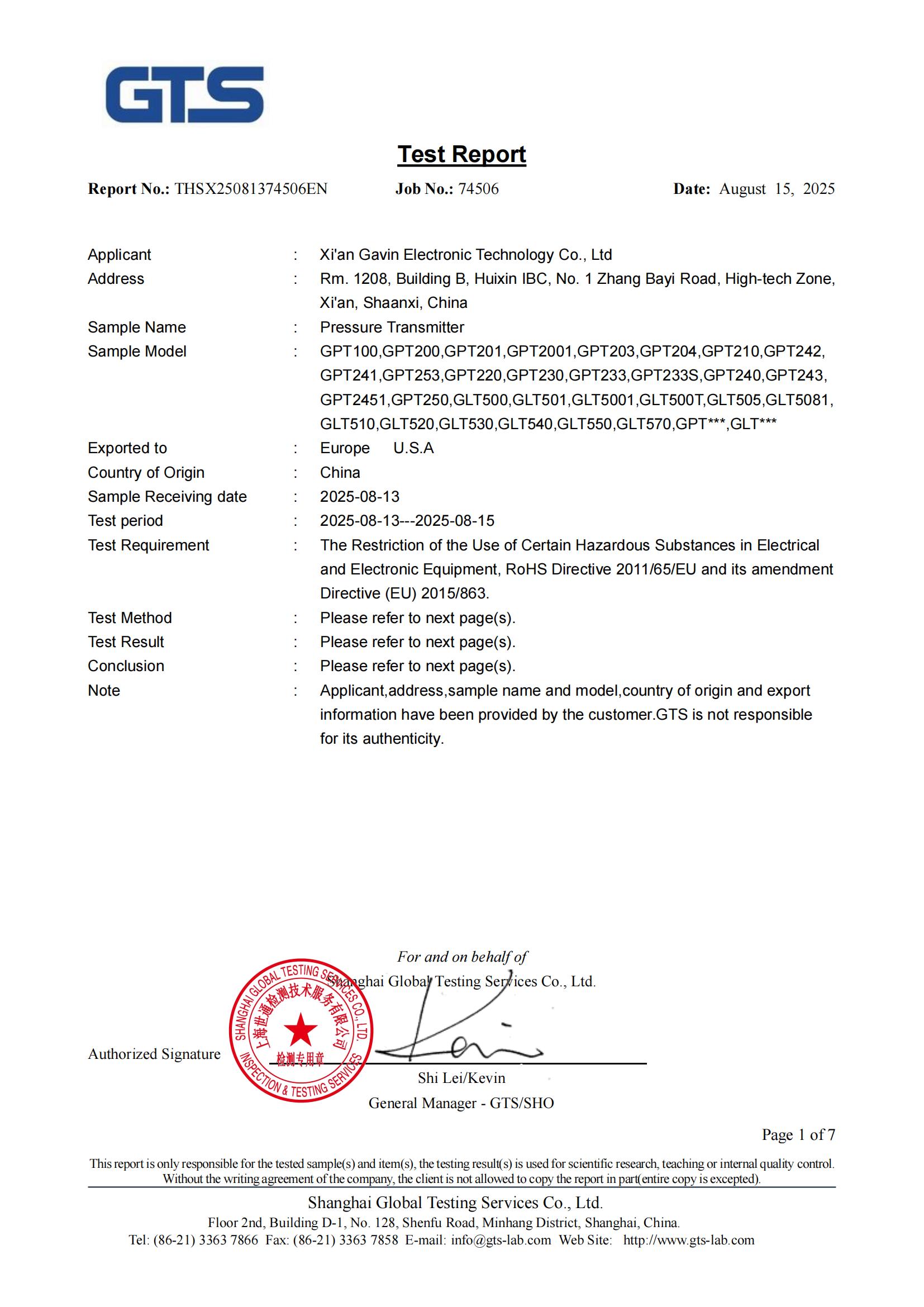
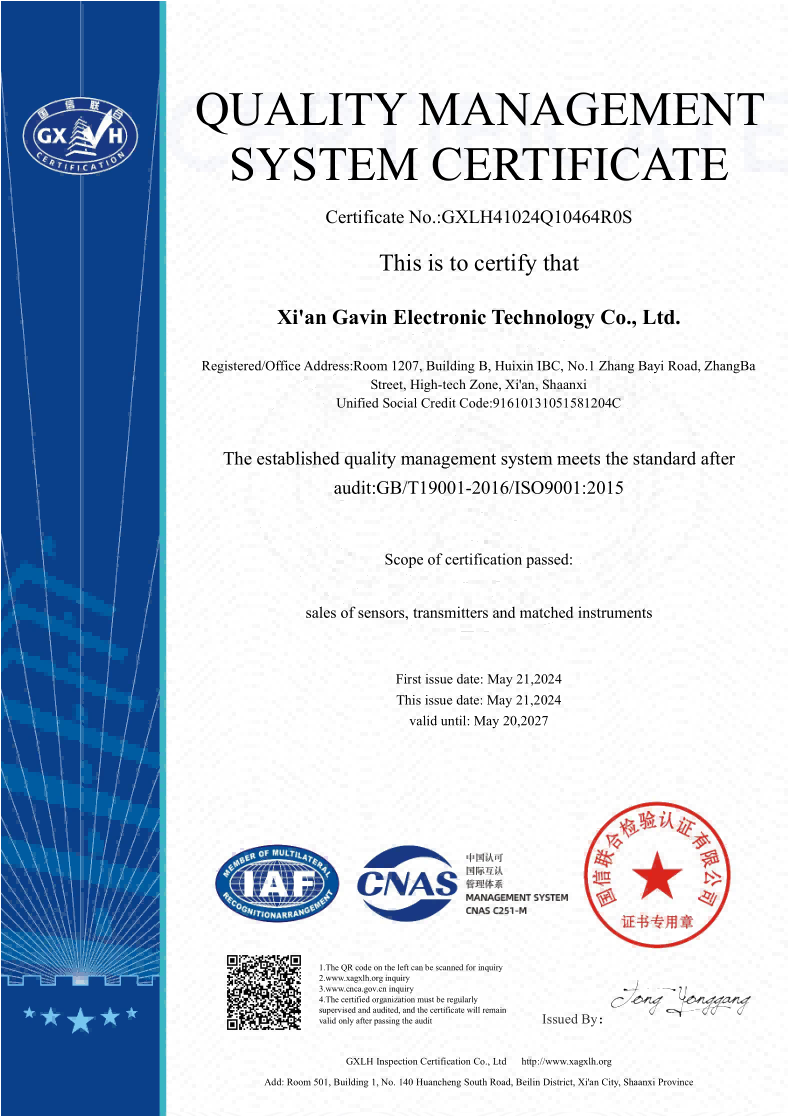
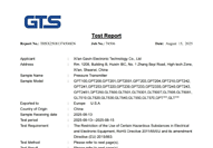
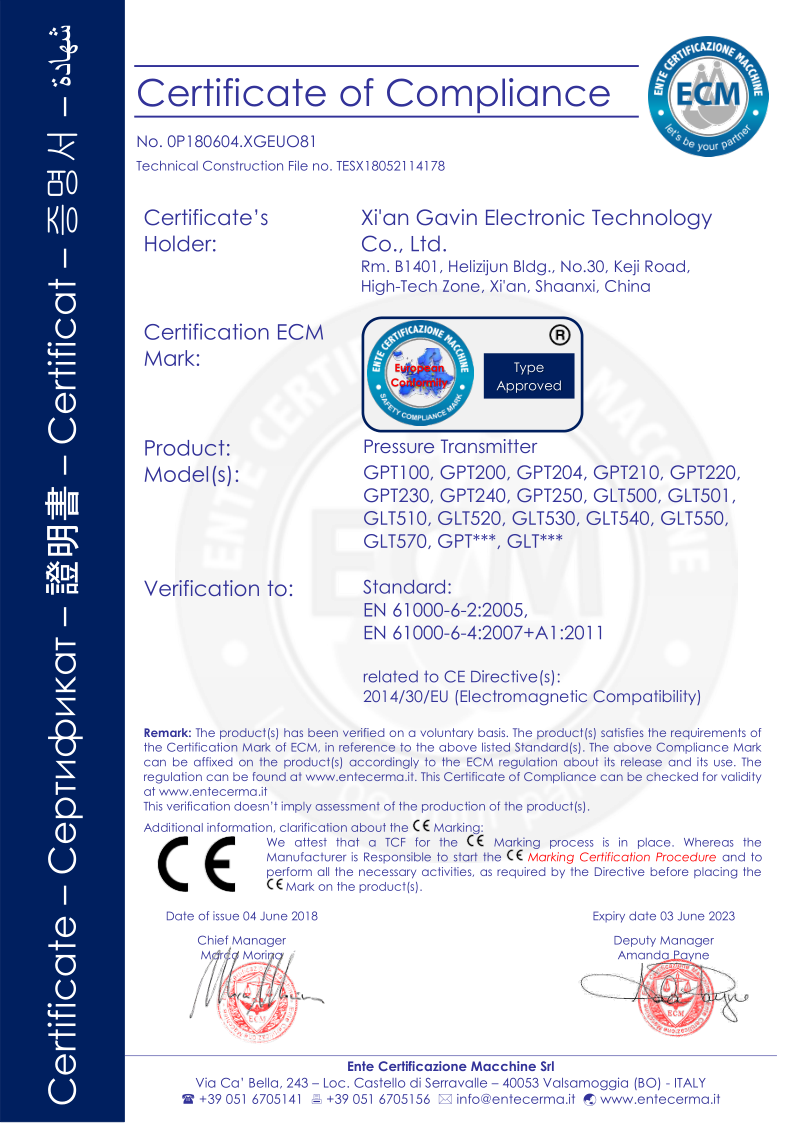
Pharmaceutical procurement teams must verify that sensor suppliers maintain appropriate quality certifications including ISO 9001, ISO 14001, and pharmaceutical-specific standards. Documentation requirements include calibration certificates, material certifications, and compliance statements for Brazilian import regulations.
Bulk Purchasing and Logistics Considerations
Setting up outline deals with sensor providers can be helpful for large pharmacy facilities because they can get bulk savings and faster support services. When planning logistics, you need to think about how to import things, how to clear taxes, and how to keep track of your supplies for important extra parts.
Technology Partnership Opportunities
Leading sensor makers, such as GAMICOS, have relationship plans that cover a lot more than just supplying products. Customized sensor solutions, committed customer support, professional testing services, and industry-specific technical training programs are all part of these relationships. They improve operational skills and make sure sensors work at their best throughout their entire operational lives.
Conclusion
Advanced chemical tank level sensors are being strategically installed in Brazilian pharmaceutical plants to raise the standards of their operations. When you combine tried-and-true technologies with dependable providers and full support services, you have a solid base for long-term manufacturing excellence. In the global pharmaceutical market, keeping a competitive edge is becoming more and more dependent on precise measurement systems as legal requirements change and production needs rise. Spending money on quality sensor technology isn't just a way to make things run more smoothly; it's also a pledge to drug safety and quality that helps people all over the world.
Frequently Asked Questions
How often should chemical tank level sensors be calibrated in pharmaceutical plants?
Pharmaceutical chemical tank level sensors typically require calibration every 6-12 months, depending on the specific application and regulatory requirements. Critical process tanks may need more frequent calibration every 3-6 months, while storage tanks for less critical chemicals can often extend to annual calibration cycles. The calibration frequency should align with your facility's quality management system and ANVISA compliance requirements.
What are the key safety certifications to look for in a sensor used for hazardous chemicals?
Essential certifications include ATEX or IECEx approval for explosive atmospheres, IP67 or higher ingress protection ratings, and material compatibility certifications for chemical resistance. Look for sensors with FM approval, CSA certification, and compliance with Brazilian NR-10 electrical safety standards. PTFE diaphragm sensors offer excellent chemical compatibility for corrosive pharmaceutical chemicals.
Can chemical tank level sensors be integrated with existing plant control systems?
Yes, modern chemical tank level sensors offer multiple communication protocols including 4-20mA analog output, HART, Modbus, and Profibus connectivity options. Many sensors also support wireless communication through LoRa, GPRS, or 4G networks for remote monitoring applications. Integration typically requires configuration of communication parameters and may involve PLC programming depending on your existing automation infrastructure.
Partner with GAMICOS for Advanced Chemical Tank Level Sensor Solutions
GAMICOS stands ready to support your pharmaceutical facility's measurement needs with cutting-edge radar and ultrasonic sensor technology. Our expertise in chemical tank level sensor manufacturing extends across multiple industries, with specialized solutions designed for pharmaceutical applications. We provide comprehensive customization services, ensuring our sensors meet your specific chemical compatibility requirements and operational parameters.
Our technical team offers professional consultation services to help you select the optimal sensor configuration for your applications. Whether you need explosion-proof sensors for hazardous chemicals or high-precision radar sensors for critical process monitoring, GAMICOS delivers reliable solutions backed by comprehensive support services. We maintain extensive inventory for rapid delivery and provide ongoing technical assistance to ensure optimal sensor performance. Ready to upgrade your pharmaceutical plant's liquid level monitoring capabilities? Contact us at info@gamicos.com to discuss your requirements with our chemical tank level sensor specialists and receive a customized quote tailored to your facility's needs.
References
1. Brazilian National Health Surveillance Agency (ANVISA). "Good Manufacturing Practices for Pharmaceutical Products Guidelines." Technical Regulation RDC 301/2019.
2. International Society for Pharmaceutical Engineering. "Baseline Guide: Instrumentation and Control Systems for Pharmaceutical Manufacturing." ISPE Guidelines, 2018.
3. Silva, Roberto M., and Maria Santos. "Advanced Sensor Technologies in Brazilian Pharmaceutical Manufacturing." Journal of Pharmaceutical Engineering, Vol. 45, No. 3, 2023.
4. Petrochemical and Pharmaceutical Automation Institute. "Level Measurement Best Practices for Chemical Processing Industries." Technical Publication Series, 2022.
5. Brazilian Association of Pharmaceutical Industries (SINDUSFARMA). "Technology Adoption Trends in Brazilian Pharmaceutical Manufacturing." Annual Industry Report, 2023.
6. International Conference on Pharmaceutical Engineering. "Regulatory Compliance and Automation in Latin American Pharmaceutical Plants." Proceedings of ICPE 2023, São Paulo, Brazil.

_1757930850792.jpg)