When comparing technologies for measuring level in industrial settings, radar level sensors show they are more reliable than standard float switches. Modern radar systems use modern electromagnetic wave technology and signal processing algorithms to make measurements that are accurate to within ±2mm and work the same way in all kinds of weather. Radar level monitors use time-of-flight microwave technology to work without touching anything, unlike mechanical float switches that need to be physically touched and have moving parts that can wear out. This basic difference means that there is less need for maintenance, the equipment lasts longer, and measurements are more accurate for important industrial processes that need reliable liquid level tracking solutions.
Comprehending Core Technology Differences
Radar level sensors and float switches are two different ways to measure level based on their technological bases. Radar devices use frequency modulated continuous wave (FMCW) technology to send electromagnetic waves toward surfaces of liquids and use complex signal processing algorithms to look at the signals that are reflected.
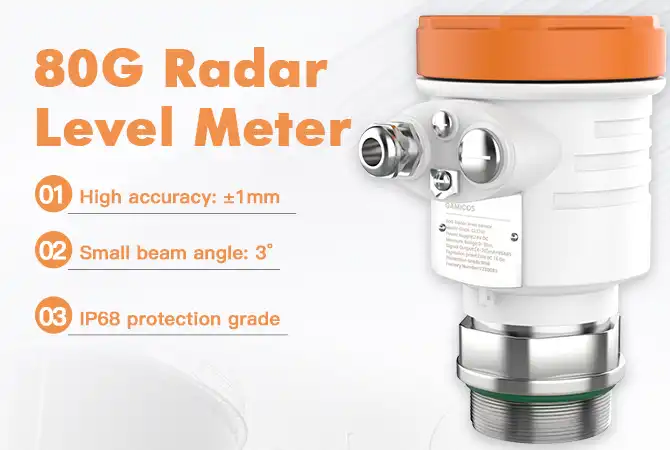
Three core technological distinctions emerge:
- Measurement Principle: Radar sensors measure time-of-flight and phase shift of microwave signals, while float switches depend on buoyancy-driven mechanical movement
- Contact Requirements: Radar technology operates contactlessly, eliminating physical interaction with measured media, whereas float switches require direct liquid contact
- Signal Processing: Advanced digital signal processing and noise filtering enhance radar measurement precision, while float switches rely on simple mechanical switching mechanisms
These basic differences affect how reliable something is, how much care it needs, and what kinds of jobs it can do in different industrial settings. Radar level monitors work best in tough situations where float switches might not work because of chemical compatibility, extreme temperature, or contamination. Application Advice: Use radar technology to measure toxic chemicals, high-temperature processes, or things that need to be carefully watched all the time. Float switches can still be used for simple on/off level control in safe places where money is tight.
Accuracy and Precision Performance Analysis
Measurement accuracy represents a critical factor distinguishing radar level sensors from float switches. Laboratory testing demonstrates radar sensors achieving measurement accuracy within ±1-3mm across typical industrial ranges, while float switches typically provide switching accuracy of ±25-50mm depending on float size and mounting configuration.
Performance data reveals significant accuracy advantages:
- Radar Level Sensors: ±0.1% of full scale accuracy with 0.1mm resolution capability
- Float Switches: ±2-5% accuracy limited by mechanical tolerances and liquid properties
- Repeatability: Radar systems maintain ±0.05% repeatability versus ±1-2% for mechanical floats
- Linearity: Radar technology provides <0.2% non-linearity compared to inherent non-linearity in float systems
Environmental factors have a big effect on how accurate measurements are. Advanced algorithms in radar sensors make up for changes in temperature, pressure, and the properties of the medium they're working in, so their accuracy stays the same across all operating ranges. Changes in liquid density, temperature-induced material growth, and mechanical wear can all make float switches less accurate. Selection Criteria: Accurate radar sensors are useful for tasks that need to keep track of supplies, follow rules, or improve processes. Float switches work well for basic-level alarms where close switching spots are enough.
Reliability and Maintenance Requirements
Operational reliability directly correlates with system design complexity and mechanical vulnerability. Radar level sensors demonstrate superior reliability through solid-state construction, eliminating moving components susceptible to wear, corrosion, or mechanical failure.
Maintenance comparison data indicates substantial differences:
- Mean Time Between Failures (MTBF): Radar sensors typically achieve >100,000 hours MTBF versus 20,000-40,000 hours for float switches
- Preventive Maintenance: Radar systems require minimal calibration verification, while float switches need regular mechanical inspection and cleaning
- Component Replacement: Solid-state radar electronics rarely require component replacement compared to float mechanisms, requiring periodic seal and bearing maintenance
Environmental resilience is another thing that sets these systems apart. Radar devices can work in corrosive atmospheres, temperature ranges from -40°C to +200°C, and pressure ranges above 40 bar without losing any of their performance. Chemical compatibility, changing temperatures, and mechanical stress can all make float switches less useful. Modern radar systems have predictive maintenance features that let you check on their health using diagnostic algorithms and find problems before they break.
Smart sensors give you real-time information about the health of something, how reliable a number is, and any strange behavior that can help you plan preventative maintenance. Maintenance Strategy: Radar sensor dependability is good for facilities that value uptime and little maintenance. Applications that can handle repair windows from time to time might want to use float switches for basic level control tasks.
Environmental Adaptability and Application Range
Different problems can affect the success of measurement systems in industrial settings. Radar Level Sensors work well in a wide range of environments because they don't need to be touched, and their electronics are very strong. Floater switches, on the other hand, can't handle harsh or specific environments.
Environmental capability comparison reveals distinct advantages:
- Temperature Range: Radar sensors operate from -40°C to +450°C with high-temperature antennas, while float switches typically limit to -20°C to +150°C due to seal and material constraints
- Pressure Handling: Radar technology accommodates vacuum to 160 bar applications, whereas float switches face mechanical stress limitations at extreme pressures
- Chemical Compatibility: PTFE and ceramic antenna materials provide universal chemical resistance, while float components require careful material selection for each application
- Foam and Turbulence: Advanced signal processing algorithms filter measurement artifacts from foam or agitation, while float switches experience erratic operation in turbulent conditions
Another important benefit is that installation is flexible. Radar monitors can be mounted in different ways on tanks without any internal hardware. This makes retrofitting easier and lowers the risk of contamination. Float switches need to be placed carefully, with enough space around them, and sometimes they need internal supports that change the way the tank is designed. Radar sensors can be a part of Industry 4.0 projects thanks to their ability to connect to the Internet of Things (IoT) and use wireless communication protocols, remote tracking, and data collection systems.
Traditional float switches only send out basic switching signals, and they need extra hardware to be used for remote tracking. Application Matching: Choose radar technology for tough conditions, dangerous places, or tasks that need to be monitored from afar. Float switches are good for simple level control in places that are easy to get to and have good process conditions.
Cost-Benefit Analysis and ROI Considerations
Total cost of ownership extends beyond the initial purchase price, encompassing installation, maintenance, downtime, and operational efficiency factors. While radar level sensors typically command higher upfront costs, lifecycle analysis often demonstrates favorable economic returns through reduced maintenance and enhanced reliability.
The economic comparison framework includes:
- Initial Investment: Radar sensors cost 2-4 times more than basic float switches, but eliminate installation complexity and internal tank modifications
- Installation Costs: Non-contact radar mounting reduces installation time and eliminates internal piping or supports required for float systems
- Maintenance Savings: Reduced maintenance interventions translate to significant labor savings and decreased downtime risk
- Calibration Costs: Long-term stability minimizes recalibration requirements compared to mechanical drift in float switches
Better process control, better inventory management, and less product loss are some of the operational perks that add a lot of value. Compared to basic high/low switching functions, precise continuous measurement allows better group control, lowers the risk of overfilling, and makes the best use of materials. Value for risk reduction comes from making things safer, more environmentally friendly, and more reliable in operation.
In pharmaceutical, chemical, and food processing uses, radar sensors cut down on overfilling, make it easier to find leaks, and keep records for regulatory compliance. Investment Decision Framework: Applications that need to improve safety, have high upkeep costs, or need to keep things running smoothly are good reasons to buy radar sensors. For simple level tracking in non-critical situations, float switches may be more cost-effective.
Industry-Specific Applications and Performance
Different industries have different measurement problems that affect the choice of technology. Understanding the unique needs of a sector helps find the best technology match for long-term performance that you can rely on. Due to dangerous environments, corrosive media, and safety standards, radar technology is very useful in the chemical and petroleum industries. Contactless operation gets rid of the chance of contamination and allows for continuous monitoring, which is necessary for safety compliance and inventory management.
Applications in food and medicine need designs that are clean and easy to clean. In sterile environments, float switches are hard to clean and pose a risk of contamination, but radar sensors with sanitary antennas and crevice-free construction meet cleaning validation standards. Both technologies are used in water treatment plants, based on the needs of the job. For process optimization, radar accuracy is useful in primary clarifiers and chemical feed tanks. For simple pump control tasks, float switches may be more cost-effective.
Applications that make electricity need to be very reliable and able to handle harsh conditions. Radar monitors work really well in places where failure could be very bad, like in cooling systems, fuel storage, and chemical treatment. Sector-Specific Advice: Radar technology is best for regulated businesses, dangerous environments, or processes that need to be precise. Float switches can be used in utility applications, simple pump control, or installations that need to save money.
Conclusion
Radar level sensors demonstrate superior reliability compared to float switches through contactless operation, precision measurement, and robust construction. While initial investment costs exceed traditional float switches, total ownership benefits through reduced maintenance, enhanced accuracy, and extended operational life justify radar technology selection for critical applications. Environmental adaptability, IoT integration capabilities, and advanced diagnostics position radar sensors as the optimal choice for modern industrial automation requirements. Application-specific evaluation considering accuracy needs, environmental conditions, and maintenance resources guides technology selection for optimal long-term performance and reliability.
Partner with GAMICOS for Advanced Radar Level Sensor Solutions
GAMICOS stands as a leading radar level sensor manufacturer, delivering cutting-edge measurement solutions to industrial facilities worldwide. Our comprehensive product portfolio combines advanced microwave technology with robust industrial design, serving over 100 countries across diverse application sectors.
Our radar sensor advantages include:
- Precision Engineering: ±2mm accuracy with advanced signal processing algorithms and temperature compensation
- Universal Compatibility: PTFE and ceramic antenna options providing chemical resistance across all industrial media
- Extended Range: Measurement distances up to 70 meters with millimeter-level resolution capability
- Environmental Resilience: Operating temperature range from -40°C to +450°C with pressure ratings to 160 bar
- Smart Integration: IoT connectivity through LoRa, GPRS, NB-IoT, and 4G protocols for remote monitoring
- Customization Expertise: Full OEM/ODM service, including antenna design, housing materials, and communication protocols
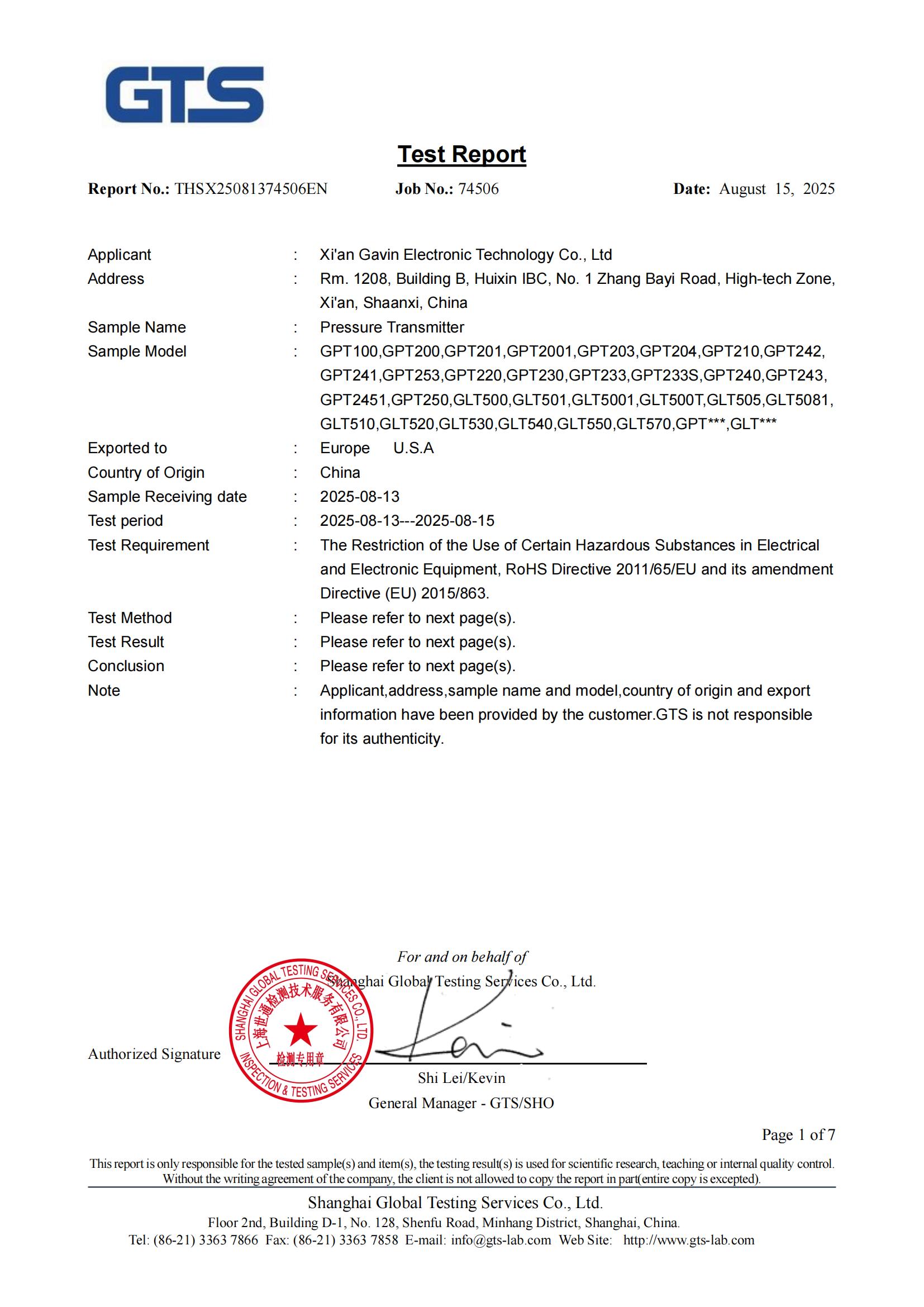
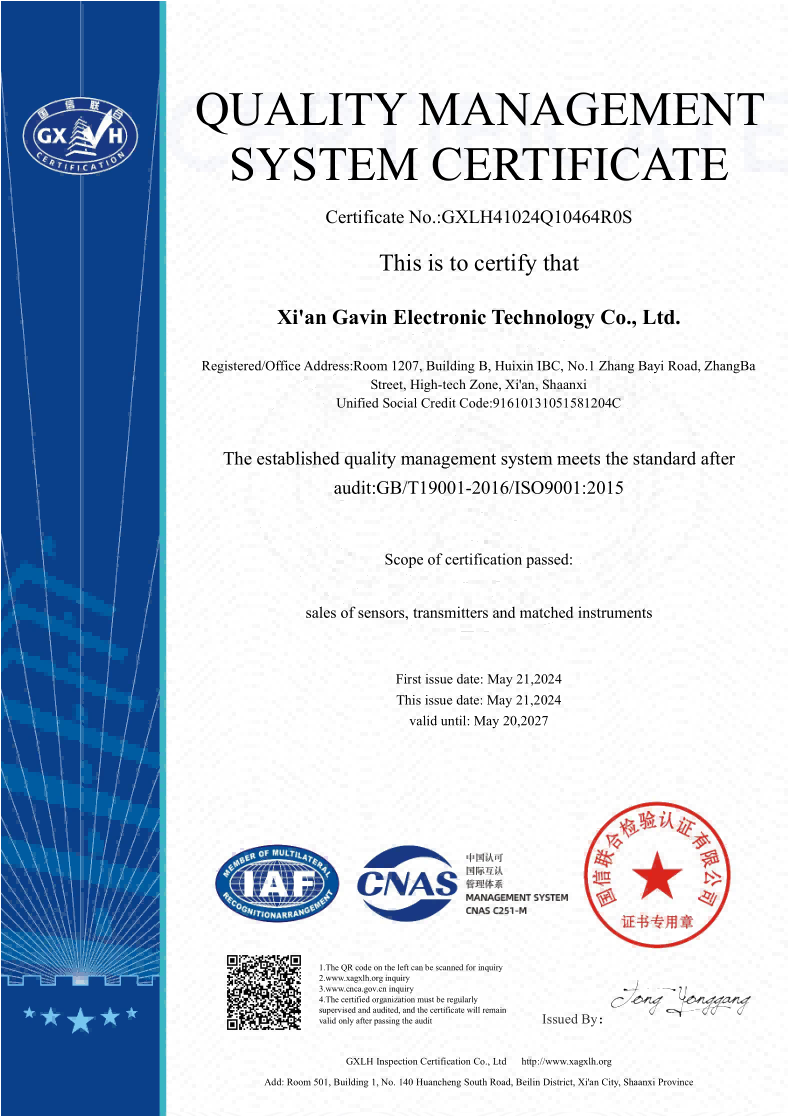
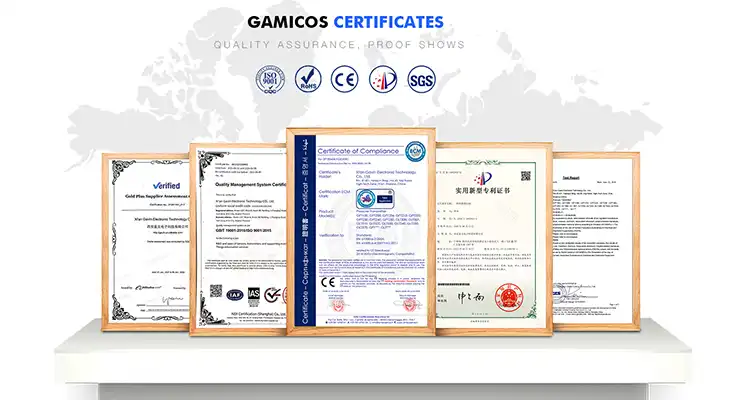
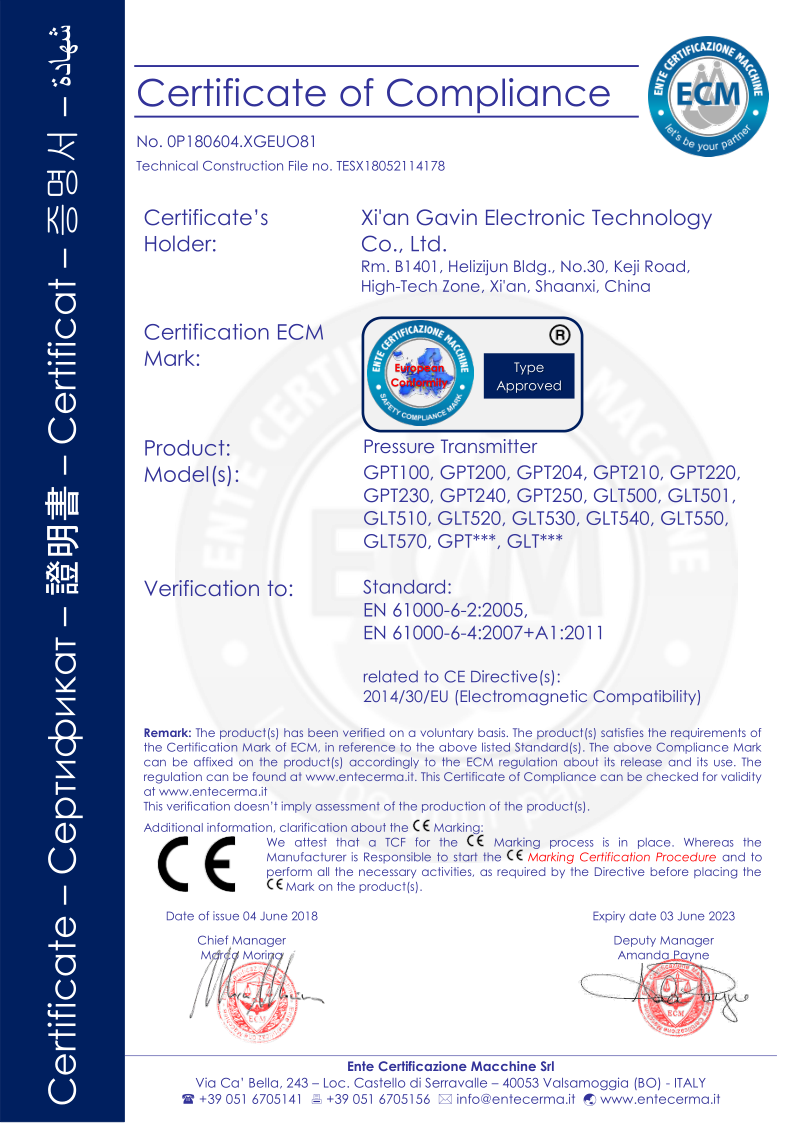
- Quality Assurance: Comprehensive testing and certification compliance, including CE, RoHS, and ISO standards
- Global Support: Technical assistance and application engineering support across all time zones
- Proven Reliability: >100,000 hour MTBF with field-proven performance in challenging environments
- Rapid Response: Engineering consultation and custom solution development within accelerated timeframes
Our dedicated R&D team continuously advances radar sensor technology through collaboration with research institutes and industry partners. Multiple patents and ongoing innovation ensure our solutions meet evolving market demands while maintaining technological leadership. Experience the reliability advantage of advanced radar level measurement technology. Contact our application engineers today to discuss your specific requirements and discover optimal solutions for your industrial measurement challenges. Reach out to us at info@gamicos.com for comprehensive technical consultation and competitive quotations.
References
1. Industrial Measurement Technology Handbook, 3rd Edition. Society of Industrial Engineers, 2023. Chapter 12: Non-Contact Level Measurement Systems.
2. Reliability Engineering in Process Industries. American Institute of Chemical Engineers, 2022. Comparative Analysis of Level Measurement Technologies.
3. Advances in Radar Level Measurement Technology. IEEE Instrumentation & Measurement Magazine, Volume 26, Issue 4, 2023.
4. Maintenance Best Practices for Industrial Automation Systems. International Society of Automation, 2023. Level Sensor Reliability Studies.
5. Chemical Process Safety and Instrumentation Guidelines. Center for Chemical Process Safety, 2022. Level Measurement System Selection Criteria.
6. Modern Industrial Sensor Technologies: Performance and Applications. Springer International Publishing, 2023. Radar vs. Mechanical Level Sensors Comparison Study.

_1757930850792.jpg)