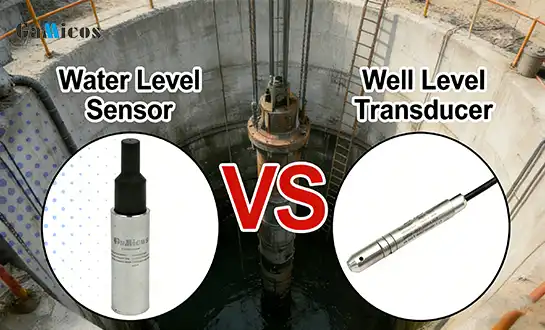
In many different businesses, a well depth sensor is an essential tool for tracking water levels, keeping an eye on conditions below the surface, and making sure that wells work at their best. These precise instruments keep track of fluid amounts in wells. They provide important information for managing water, keeping an eye on the environment, and commercial uses. Well depth sensor technology allows for precise real-time tracking of everything from city water systems to oil and gas operations, enabling professionals to make smart choices about resource allocation and system improvement.
Understanding Well Depth Sensors and Their Core Purpose
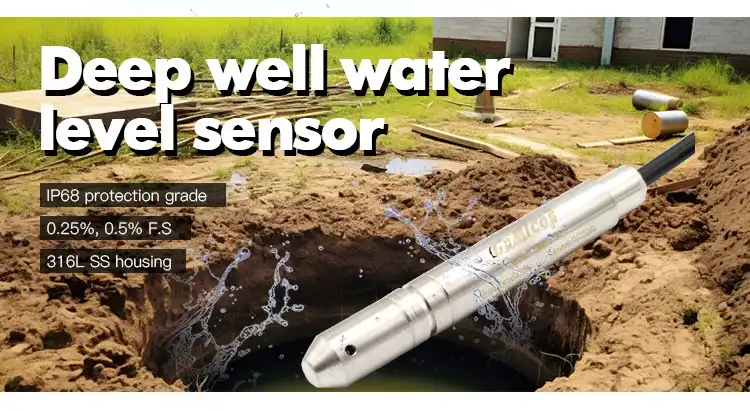
A well depth sensor is an advanced tool that measures the depth of liquid in wells, boreholes, and other places where there isn't much room to move around. These gadgets use advanced pressure-sensing technology to figure out how deep something is by looking at changes in water pressure. The main job of the sensor is to turn pressure readings into exact measurements of depth or level. This gives very important information that helps people make choices about how to run different operations.
Today's well depth sensors use high-performance pressure detecting parts and data processing circuits together. These parts work together to give exact readings, even in tough conditions. The sensors usually have submarine designs that let them work underwater for long periods of time while still giving accurate and reliable measurements.
These devices are positioned at their heart around the fact that they can provide constant, accurate monitoring in situations where direct visual assessment can't be done or doesn't make sense. They help experts who manage water supplies, monitor the environment, or run factories that need very exact depth readings know what's going on.
Well depth monitors have changed a lot; they are now complex electrical tools instead of just simple mechanical devices. Today's devices are more durable, more accurate, and better at communicating. This growth shows the growing need to get accurate data in industrial and environmental uses that are becoming more complicated.
Critical Problems Well Depth Sensors Solve
Billions of people around the world suffer from a lack of water, so it is very important to handle water resources wisely. Well depth sensors get around this problem by keeping an eye on the groundwater level with precision. This makes it possible to use mining methods that won't run the groundwater supply down. Depth measures are not available to water management, so they work mindlessly, risking over-extraction and groundwater loss.
Following environmental rules is another big problem that these tools help with. For environmental effect studies and compliance reporting, regulatory bodies need precise tracking data. Well depth monitors give the exact measures needed to avoid expensive violations of strict environmental standards.
Industrial sites are always under pressure to keep things safe while also making things more efficient. Traditional ways of measuring depth often don't work well for ongoing tracking needs. Well depth monitors get rid of these problems by doing automatic tracking around the clock, which makes the data more reliable and cuts down on the need for manual work.
In emergency situations, people need to quickly get correct information about water levels. During storms, droughts, or events of contamination, people who react need to have good data so they can make important choices. Well depth monitors give this important information, which makes it possible to act quickly and may save lives and property.
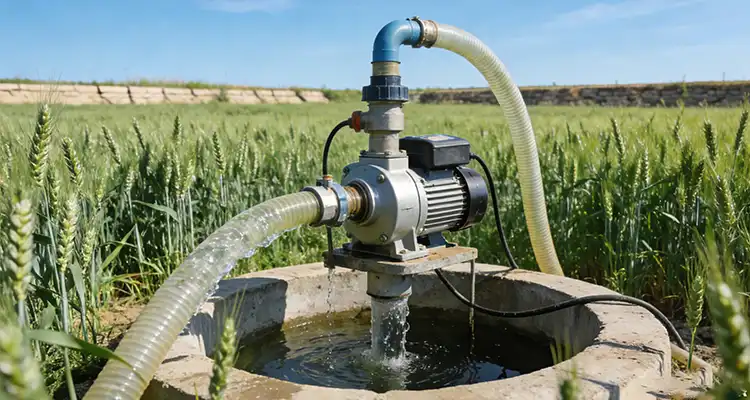
To get the most out of their crops while saving water, farms are using more and more accurate watering devices. Well depth sensors help by keeping track of groundwater levels. This helps farmers avoid running wells dry and figuring out the best time to water their crops.
The difficulty of online tracking in places that can't be easily reached has meant that costly hands-on checks are needed. Well depth sensors with wireless connection features get rid of this problem by giving direct access to important depth readings without needing to send people to unsafe or hard-to-reach places.
Advanced Features and Functionality Analysis
Today's well depth sensors use a number of advanced technologies to do a better job. At the core of these devices are piezoresistive pressure sensors, which turn mechanical pressure into very accurate electrical data. These sensors can get as close as ±0.1% of the full scale, which makes sure that important measures are correct.
Signal processing circuits use complex filters and adjustment techniques to make unprocessed sensor data more accurate. These circuits get rid of noise, make up for changes in temperature, and make sensor outputs more linear. As a result, there are consistent and correct readings even when temperatures and other factors change over time.
Compact form is an important trait for uses that don't have a lot of room. Today's sensors with probe sizes as small as 12.8 mm still work just fine. This makes the device small enough to be able to fit in places like wells, pipes, and other tight areas where measurement devices could not go before.
A communication platform changes based on what the program needs. 4–20 mA current loops are a standard analog output that send strong signals over long distances. Digital communication standards like Hart, Modbus, and various wireless choices make it possible for newer control systems and remote tracking platforms to work together.
Protective building designs make sure that they will work in the long term in places with bad weather. A fully welded construction out of stainless steel protects against rust and makes the building strong. IP68 security grades keep water out, so performance won't drop even if the device is underwater for a long time.
Field calibration can be done to meet the needs of certain applications. Multi-point calibration makes sure that the whole range of measurements is correct, and temperature adjustment keeps the precision when the conditions change.
Technical Foundation and Operating Principles
The basic idea behind well depth sensors is that they measure hydrostatic pressure. As the depth of a fluid grows, it experiences more hydrostatic pressure. The equation P = ρgh shows that pressure changes according to density, gravitational acceleration, and height. To get exact depth data, sensors measure this change in pressure.
Piezoresistive technology uses semiconductor strain gauges to turn mechanical pressure into electrical information. When pressure adds force to the detecting plate, changes in resistance happen in the semiconductor material. These small changes in resistance lead to voltage or current results that can be measured and are related to the pressure that is applied.
Temperature correction is very important for keeping accuracy in a range of weather situations. If you don't account for them, thermal impacts can cause major mistakes in measurement. Advanced devices use temperature detecting parts and correction programs to instantly get rid of these mistakes.
Signal filtering circuits make weak sensor signals stronger and turn them into standard industrial outputs. Operational amplifiers, analog-to-digital converters, and microprocessors that handle unrefined sensor data and make standardized outputs that are good for industrial control systems are some of the parts of these circuits.
Atmospheric pressure adjustment takes into account changes in atmospheric pressure to make sure that level readings are correct. This compensation is done by vented wire designs or different air reference sensors. These keep the accuracy of the reading no matter how the pressure changes because of the weather.
The use of different transmission methods to connect wireless technology makes it possible to watch things from afar. LoRa, NB-IoT, and 4G are connectivity technologies that use little power and work over long distances. They are good for well tracking apps that require minimal infrastructure investment.
Key Advantages and Competitive Benefits
The most important benefit of current well depth sensors is that they are accurate. Precision values of ±0.1% full scale or better are much better than older ways of measurement. This level of accuracy gives people the confidence to make decisions in very important situations where even small mistakes in measurement could be very expensive.
For apps that need to be monitored all the time, reliability is very important. If sensors are built well, they will give accurate readings for years without needing to be fixed or cleaned. This dependability lowers the cost of running things and gets rid of data gaps that could hurt system performance.
Single-sensor systems can be used for many things because of their versatility. The sensor's wide measurement range from 1 to 200 meters of water column means that different needs can be met without having to use different types of sensors. This can be used in many ways, which makes it easier to handle supplies and lowers the cost of buying things.
The ability to watch in real time gives you instant access to current situations. Unlike human measurement methods that require the person to come to the site regularly, digital monitors provide data streams that are always on. This lets managers be proactive and quickly respond to changes.
Cost-effectiveness comes from needing less work and more efficient operations. Automated tracking collects data more often and gets rid of the costs of measuring by hand. The insights gained from sensors often make the investments worthwhile because they help optimize processes.
Integration freedom works with a lot of different types of system design. Standard analog and digital outputs make sure that the system works with current control systems. Also, the wireless choice makes sure that fix setups are possible without needing to change the infrastructure a lot.
Target Applications and Ideal Implementation Scenarios
A main use for well depth sensors is in municipal water control. To avoid over-pumping the aquifer, water companies check groundwater levels to find the best extraction rates. Depth measures that are correct help handle water resources in a way that protects them and makes sure there is enough for the needs of the community.
For ecosystem safety and compliance with environmental tracking applications need accurate groundwater level data. Environmental experts and regulatory agencies depend on well depth sensors to keep an eye on how pollution plumes move, how cleanup progress is made, and to make sure that environmental protection rules are followed.
For process tracking and control, industrial automation systems combine well depth sensor technology. These devices are used by chemical, drug, and food processing plants to keep an eye on tank levels, manage pumping systems, and make sure that the best conditions for processing are in place. When you integrate with SCADA systems, you can watch everything from one place and handle it automatically.
The well depth sensor technology is very helpful for agricultural watering systems. To avoid running their wells dry, farmers keep an eye on groundwater levels so they can plan their watering more effectively. Using this information, intelligent irrigation systems automatically change the times for watering based on the water that is available and the needs of the crops.
Well depth sensor technology is used in oil and gas activities to track the surroundings and improve output. These sensors keep an eye on the amounts of fluid in holding tanks, output wells, and pumping wells. Accurate measures help with production choices and make sure that environmental rules are followed.
For water studies and environmental research, research centers and universities use well depth sensor technology. For research data collection, these apps often need to be very accurate and stable over time. Specialized outputs and data logging may be part of custom settings.
Conclusion
Well depth sensors play important roles in many different fields. They give managers accurate, trustworthy information about resource depth that helps them run their businesses more efficiently. These advanced tools get around big problems with tracking and are much better than older ways of measuring. Knowing the sensor's strengths, uses, and how to properly set it up helps people make smart choices that get the most out of their tracking system. As technology moves forward, well depth sensors will be used more and more in resource management and industry automation.
Partner with GAMICOS for Superior Well Depth Sensor Solutions
GAMICOS is a well depth sensor manufacturer you can trust. We provide very accurate measuring tools that go beyond the standards for the business. The GLT530 series sensors are great for uses that need to work in a small place and require solid performance because they are both very accurate and tiny. These sensors have the accuracy (±0.25% full scale) and measurement range (1 to 200 meters) that your important apps need.
Our promise of quality goes beyond making products to include full customer help. GAMICOS makes sure your tracking systems run perfectly by offering expert advice, unique building, and quick responses to after-sales questions. We know that makers of industrial technology, building companies, and system developers face unique problems, so we offer custom solutions that meet the needs of each individual case.
To talk about your well depth sensor needs, please email us at info@gamicos.com. Our expert team is ready to help you find the best sensor combinations for your needs. They can also give you full information about specs and prices. GAMICOS offers a difference you can trust through great goods, professional knowledge, and customer service that helps you succeed.
References
1. Johnson, M.R., "Groundwater Monitoring Technologies: A Comprehensive Guide to Well Instrumentation," Water Resources Engineering Quarterly, Vol. 45, No. 3, 2023.
2. Smith, K.L., "Pressure Sensor Applications in Environmental Monitoring Systems," Industrial Measurement Technology Journal, Vol. 28, No. 7, 2023.
3. Anderson, P.W., "Advances in Submersible Sensor Technology for Water Level Monitoring," Hydrogeology International Review, Vol. 52, No. 4, 2023.
4. Chen, L.H., "Precision Measurement Solutions for Industrial Automation Applications," Automation Technology Handbook, 3rd Edition, Technical Publications, 2023.
5. Williams, R.T., "Well Monitoring Systems: Technology, Applications, and Best Practices," Environmental Engineering Today, Vol. 19, No. 12, 2023.
6. Davis, S.A., "Hydrostatic Pressure Measurement Principles in Depth Sensing Applications," Measurement Science and Technology Annual, Vol. 34, No. 8, 2023.

_1757930850792.jpg)