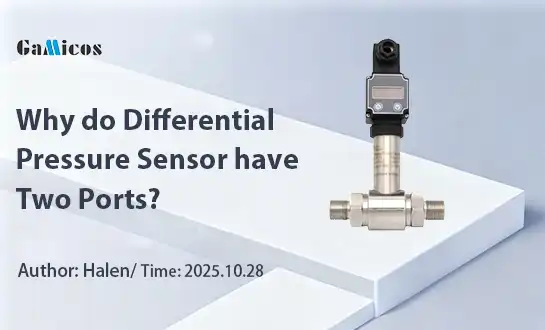
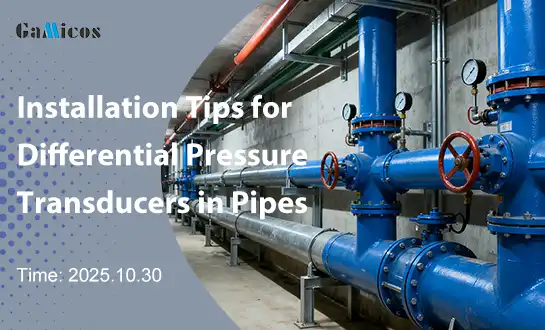
A dp pressure transmitter finds the difference in pressure between two points in a system and turns that difference into a standard electrical signal that can be used to control and track the process. Today's industrial automation depends on these devices, which make it possible to precisely handle filtration systems, measure flow, and keep an eye on levels in the energy, chemical, pharmaceutical, and oil industries. If engineering managers and sourcing professionals want their measurement tools to be accurate, reliable, and work well for a long time, they need to know how they work.
Understanding Differential Pressure Transmitters
An advanced measuring tool called a dp pressure transmitter figures out the difference in pressure between two points of reference in a manufacturing system. In contrast to absolute or gauge pressure sensors, these devices only measure the difference between the high-pressure and low-pressure sides. This gives important information for improving processes and keeping an eye on safety. The basic working part is a measuring element that reacts to differences in pressure, usually a diaphragm or capacitive sensor.
When the pressure difference between the two measurement points changes, the sensing element bends in a way that is proportional to the change in pressure. This creates an electrical signal that is directly related to the difference in pressure. Before being turned into standard outputs like 4-20 mA, 0-10 V, or digital transmission protocols, this signal is amplified and conditioned. Advanced microprocessor technology is used in modern differential pressure sensors to make them smarter and more accurate. This technology allows for intelligent diagnostics, temperature compensation, and better accuracy.
By adding smart sensor technology, configuration, calibration verification, and predictive maintenance can be done from a distance. This lowers running costs and raises system reliability. When measuring small pressure differences, these devices work really well, especially in places where exact pressure values can change a lot. Because they can stay accurate in a variety of process situations, they are essential for precise measurements in industries where product quality and operational efficiency depend on them.
Industrial Challenges and Solutions
There is more and more pressure on manufacturing sites to be as efficient as possible while still meeting strict quality standards and government rules. When it comes to the complicated process factors, changing temperatures, and corrosive environments that are common in modern industrial operations, traditional ways of measuring pressure often don't work well. Flow tracking is a problem that happens in many fields. Without correct differential pressure data, it's hard for operators to keep flow rates at the best levels, which wastes energy, makes products less consistent, and damages equipment.
This problem can be solved by differential pressure sensors, which use known relationships between pressure drop and fluid velocity to make accurate flow calculations possible. Keeping an eye on the level in tanks and other vessels requires accurate measuring methods that take changing fluid densities and weather factors into account. When it comes to dangerous or high-temperature situations, traditional float-based methods don't work well. Another option is differential pressure measurement, which can figure out the level of a liquid by comparing its atmospheric pressure to that of the surrounding fluid, even if the fluid is hard to reach or has special properties.
Another very important use for differential pressure sensors is filter monitoring. As filters pick up more dirt, the pressure drop across the filter element grows. Monitoring this differential pressure allows for planned upkeep, which stops expensive equipment breakdowns and ensures that the quality of the product stays the same. Being able to notice small changes in how well filters work lets repair teams plan replacements ahead of time instead of after the fact. For automated tasks to work, process control systems need accurate input. Using dp pressure transmitter gives exact information to control loops, which lets machines make changes that keep things running at their best while minimizing human error and work that needs to be done by hand.
Technical Features and Functionality
Differential pressure sensors today use advanced sensing technologies that are made to be very accurate and stable over time. The market is dominated by capacitive sensor elements because they are more linear, stable at high temperatures, and not easily damaged by overpressure. These sensors are very good at picking up on small changes in pressure because they use changes in capacitance between sensing plates. The ability to handle signals is a big step forward in transmitter technology. Real-time temperature effects correction, nonlinearity correction, and drift reduction are all possible with digital signal processors.
This clever processing makes sure that the accuracy of the measurements stays the same even when the environment changes and the device is used for longer amounts of time. For current industrial networks to work, communication protocols have changed over time. Digital protocols like HART, FOUNDATION Fieldbus, and Profibus allow for improved diagnostics and remote configuration. Analog outputs are still important for legacy systems. These smart communication features let operators check the status of devices, make sure they are calibrated correctly, and look for possible problems without having to physically reach the transmitter.
Pressure range versatility meets the needs of a wide range of applications. Differential pressure sensors can measure all the way from a few inches of water column to thousands of pounds per square inch. This means that they can be used in a wide range of situations, from HVAC systems to high-pressure chemical processes. The harsh realities of industrial settings are taken into account in the building materials and architecture. Housings made of stainless steel, wet materials that don't corrode, and IP67/IP68 environmental protection ensure that the device works reliably even in tough circumstances. Certifications that make something explosion-proof make it safe to put in dangerous places where there may be flammable gases or dust.
Core Advantages and Benefits
DP pressure transmitters are best for their accuracy; current devices can measure with errors as small as ±0.075% of span. Compared to other measurement methods, this accuracy allows for better process control, less waste, and higher quality products. Maintaining accuracy over long periods of time cuts down on the need for frequent testing and the costs that come with it. Because they are versatile, these devices can be used for a number of different tasks in the same building. With just a few simple configuration changes, a single transmitter model can be used for measuring flow, keeping an eye on levels, and checking the state of filters.
This standardization cuts down on the number of spare parts that need to be kept on hand, makes training easier, and speeds up the repair process. Long-term security means that the system will keep working well for many years. Good differential pressure sensors keep their calibration for a long time, so they don't need to be recalibrated as often, which would mean stopping production. This steadiness is especially useful in serious situations where measuring correctly affects safety and product quality.
Remote monitoring improves working efficiency by letting measurement points spread out be watched from one place. Operators can check on system performance, spot problems before they get worse, and make operations run more smoothly from a central control room. This cuts down on the need for field staff and speeds up the time it takes to fix problems with the process. Less maintenance needs, better process efficiency, and longer operating life all lead to cost-effectiveness. While the original cost may be higher than that of basic pressure switches, the operational savings and better process control that come from less downtime, lower energy use, and more consistent products make the investment worthwhile.
Installation Considerations and Limitations
To do a job right, you need to pay close attention to how the impulse line is routed, where the isolation valve is placed, and the temperature of the area. Impulse lines must be made so that they don't freeze, the pressure drops as little as possible, and there are no possible leak spots. To avoid measurement mistakes, steam or high-temperature applications may need devices that collect or get rid of condensation. Ambient temperature factors can change the accuracy of measurements if they are not taken into account properly.
Even though modern transmitters can adjust for temperature, very high or very low temperatures may need extra security or unique housing designs. If you install the emitter or impulse lines in direct sunlight or close to a heat source, you need to think carefully about how the heat will affect them. Pulses and vibrations in the pressure can make measurements less stable and less reliable over time. For situations where there are big changes in pressure, you might need dampening systems or special mounting methods to get accurate readings and keep the sensing elements from getting damaged by mechanical forces. Access for maintenance must be thought about when planning the installation.
Even though differential pressure transmitters don't need much regular care, the impulse lines still need to be checked for accuracy and cleaned every so often. Locations for installations should make it easy for repair staff to get to the device while also keeping it safe from damage. The transmitter isn't the only thing that affects the initial cost. Installation materials, setup time, and possible system integration needs should also be thought about. For complicated uses, you might need special mounting brackets, impulse line materials, or extra safety systems that add to the cost of the job as a whole.
Target Applications and Industries
Chemical processing plants depend on differential pressure transmitters to measure flow, keep an eye on levels, and show the state of filters. For safe and effective chemical production, these tools must be able to deal with corrosive fluids, high temperatures, and dangerous surroundings. For precise ingredient addition and quality control in batch processing processes, accurate level measurement is very helpful. Throughout the whole process of processing crude oil, from the first separation towers to storing the finished product, petroleum plants use differential pressure measurement.
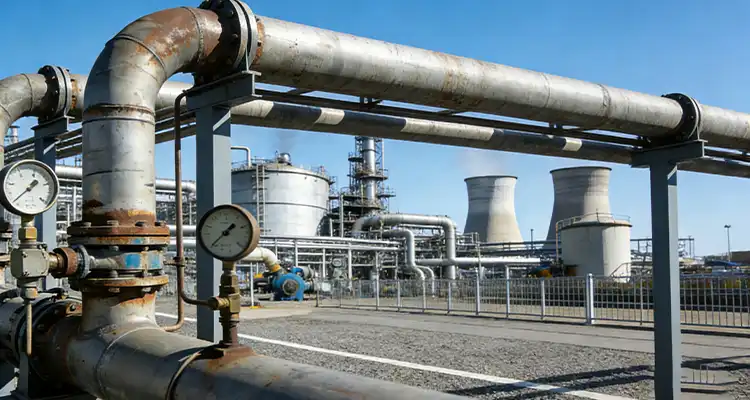
Measurement of flow makes custody transfer possible, and tracking of level makes sure that pressure vessels and storage tanks work safely. Because they have been shown to work reliably in hydrocarbon service, differential pressure transmitters are the best choice for making important readings. When making medicines, very high standards for accuracy and cleanliness are needed, which current differential pressure transmitters easily meet. The strict needs of pharmaceutical production are met by sanitary connections, FDA-approved materials, and accurate measurement tools. These tools also allow for the validation paperwork that is needed for regulatory compliance.
Food and drink handling benefits from design features that keep things clean and accurate measuring tools that are needed to make sure the quality of the final product is always the same. Using differential pressure measurement technology, you can check the level in mixing tanks, the flow to add ingredients, and the clarity of the result through a filter. Differences in pressure sensors are used in boilers, cooling water systems, and measuring fuel flow in power plants. For safe and efficient power production, these devices are very important because they can work consistently in high-temperature and high-pressure environments and give accurate measurement data.
Conclusion
A dp pressure transmitters continue evolving to meet the demanding requirements of modern industrial automation while maintaining the proven reliability that has made them indispensable across diverse industries. The integration of advanced diagnostics, wireless communication capabilities, and enhanced accuracy positions these devices as essential components of Industry 4.0 initiatives. As industrial processes become increasingly automated and data-driven, the role of accurate, reliable pressure measurement becomes even more critical for operational efficiency and product quality.
Frequently Asked Questions
How often do differential pressure transmitters require calibration?
Quality differential pressure transmitters typically maintain accuracy for 12-24 months under normal operating conditions. Calibration frequency depends on application criticality, environmental conditions, and regulatory requirements. Many facilities perform annual calibration verification, while critical safety applications may require more frequent checks.
Can differential pressure transmitters measure liquid level in open tanks?
Yes, differential pressure transmitters effectively measure liquid level in open tanks by comparing hydrostatic pressure at the tank bottom with atmospheric pressure. This method works reliably regardless of tank shape or liquid surface accessibility, making it ideal for applications where other level measurement technologies prove impractical.
What happens if one side of a differential pressure transmitter loses a pressure connection?
Loss of pressure connection on either side results in erroneous readings that may indicate maximum or minimum scale values. Modern smart transmitters include diagnostic capabilities that can detect certain failure modes, but proper installation with isolation valves and regular maintenance remain essential for reliable operation.
Partner with GAMICOS for Superior Pressure Measurement Solutions
Selecting the right DP pressure transmitter manufacturer significantly impacts your measurement system's long-term performance and operational costs. GAMICOS combines advanced technology with proven reliability to deliver pressure measurement solutions that exceed industry expectations while providing the customization flexibility your applications demand.
Our comprehensive product line includes differential pressure transmitters designed specifically for challenging industrial environments. Each device undergoes rigorous testing and quality control procedures, ensuring consistent performance across diverse applications from chemical processing to pharmaceutical manufacturing. The integration of smart sensor technology enables advanced diagnostics and predictive maintenance capabilities that reduce operational costs while improving system reliability.
GAMICOS offers complete OEM and ODM customization services, allowing specification of sensor types, communication protocols, housing materials, and connection configurations that match your exact requirements. Our experienced engineering team works closely with customers to develop solutions that address specific application challenges while maintaining the highest quality standards.
With products exported to over 100 countries and serving thousands of customers annually, GAMICOS has demonstrated the reliability and performance that demanding industrial applications require. Our commitment to continuous innovation ensures access to the latest technology developments while maintaining backward compatibility with existing systems.
Take advantage of our expertise in pressure measurement technology and discover how GAMICOS differential pressure transmitters can improve your process efficiency and measurement reliability. Contact us at info@gamicos.com to discuss your specific application requirements and learn more about our comprehensive pressure measurement solutions.
References
1. Miller, R.W. (2019). "Flow Measurement Engineering Handbook." McGraw-Hill Professional, 4th Edition.
2. Liptak, B.G. (2018). "Instrument Engineers' Handbook: Process Measurement and Analysis." CRC Press, Volume 1.
3. Spitzer, D.W. (2017). "Industrial Flow Measurement: Basics and Practice." ISA Publications.
4. Morris, A.S. & Langari, R. (2020). "Measurement and Instrumentation: Theory and Application." Academic Press, 3rd Edition.
5. Baker, R.C. (2016). "An Introductory Guide to Flow Measurement." Institution of Mechanical Engineers Press.
6. Webster, J.G. & Eren, H. (2018). "Measurement, Instrumentation, and Sensors Handbook." CRC Press, 2nd Edition.

_1757930850792.jpg)