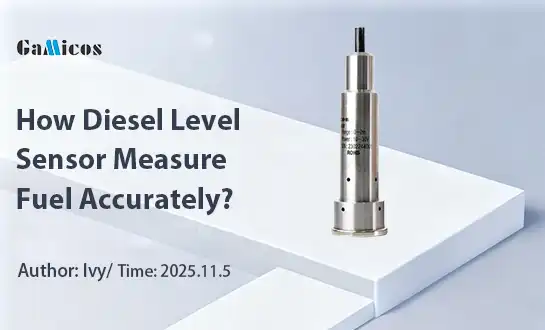
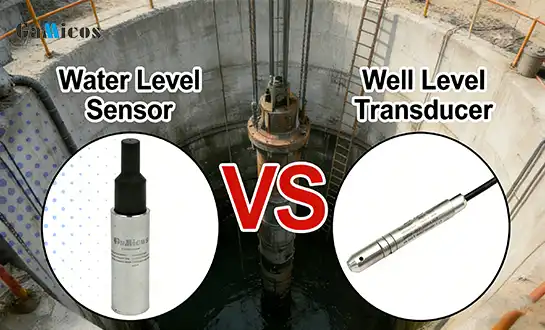
The GLT5001 liquid diesel level sensor is the best option for keeping an eye on industrial tanks. It is made to measure diesel levels using silicon piezoresistive pressure technology. This high-tech oil tank level sensor has automatic temperature adjustment, customizable digital circuit correction, and a number of different output choices. With an IP68 security grade, ATEX explosion-proof certification, and a magnetic suction base design, this product meets the most important needs of industrial automation equipment makers and oil companies around the world.

Why Industrial Tank Level Monitoring Deserves Your Immediate Attention?
Poor fuel tracking systems cause industrial businesses to lose millions of dollars every year. It is always a lot of pressure on chemical processing plants, petroleum factories, and energy companies to keep their safety and make their inventory management better. These days, factories need to measure liquid levels very carefully so they don't get expensive spills, have to stop working, or break the rules.
The difficulty of industrial settings calls for sensors that can handle tough situations and always provide correct information. Traditional mechanical gauges don't work when it's very hot or cold, when they're shaken, or when they come into contact with chemicals that eat away at them. Digital level sensors have changed the way tanks are monitored by giving real-time data, allowing for tracking from afar, and enabling forecast maintenance.
Project managers and engineering managers know that picking the right level sensing technology has an effect on whole automation systems. Choosing the wrong sensors causes a lot of safety issues, breakdowns, and the need to calibrate them often. Investing in reliable level reading technology pays off by lowering upkeep costs and making operations more efficient.
Essential Selection Criteria for Industrial Tank Level Sensors
Choosing the best tank tracking tools calls for a close look at many technical and practical factors. Accuracy is the most important thing, and most of the time, industrial uses need to measure within ±0.25% of the full scale. Temperature stability allows for steady performance even when the seasons change or the steps in a process change.
Environmental safety scores decide how long sensors last in tough circumstances. Devices that are IP68-rated can stay underwater for long periods of time, and approvals that say a device is explosion-proof mean that it can be safely used in areas where there are many hazards. The sensor doesn't break down when it's introduced to harsh liquids like acids, solvents, and gasoline products because of chemical compatibility.
The installation options make it possible for different tank types and aftermarket uses to be used. Flanged mountings, threaded links, and magnetic bases are all different ways to make sure that something is mounted in the right situation. Whether it's an analog 4–20mA or a digital transmission protocol, output signal compatibility makes sure that it can be used with current control systems.
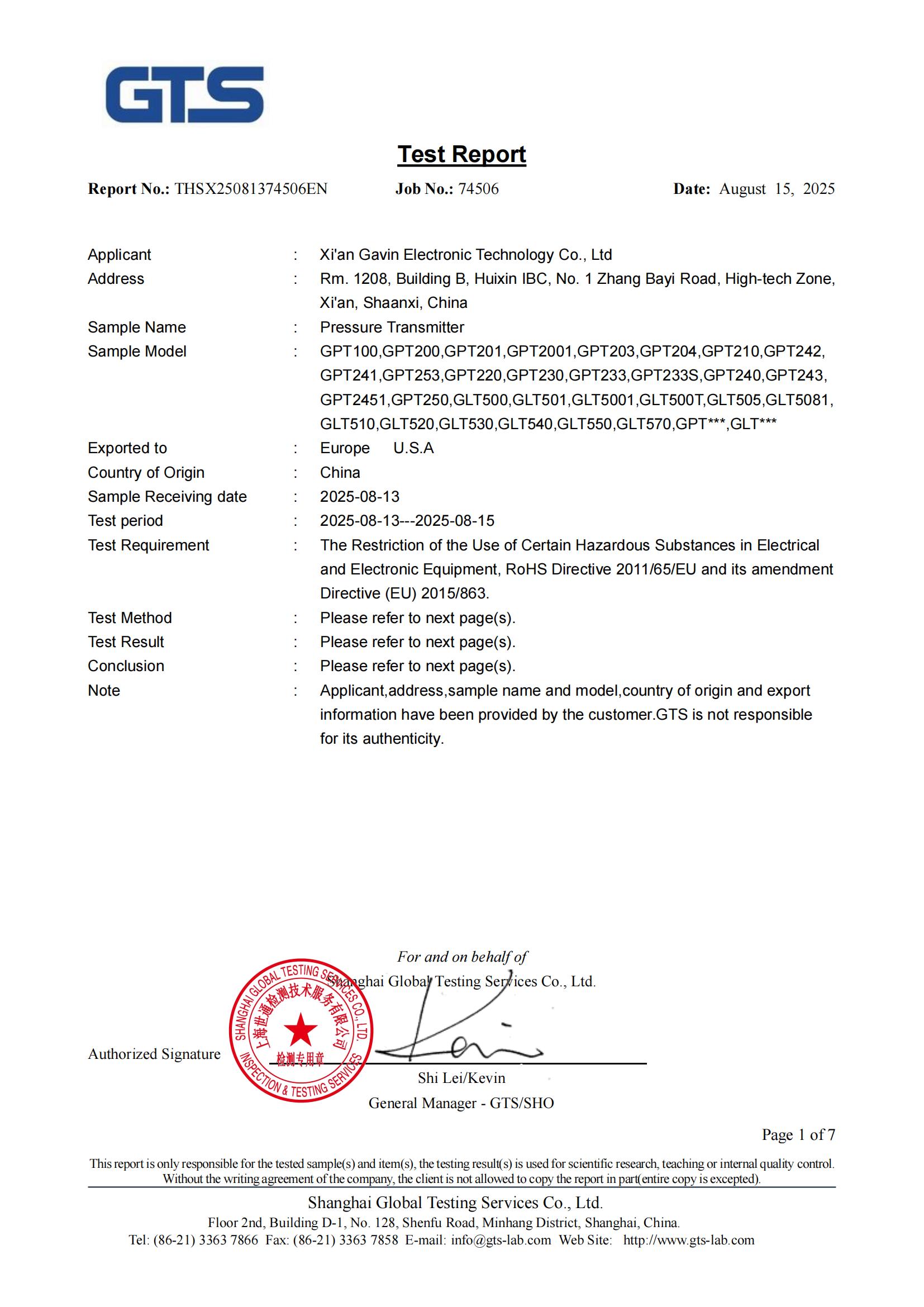
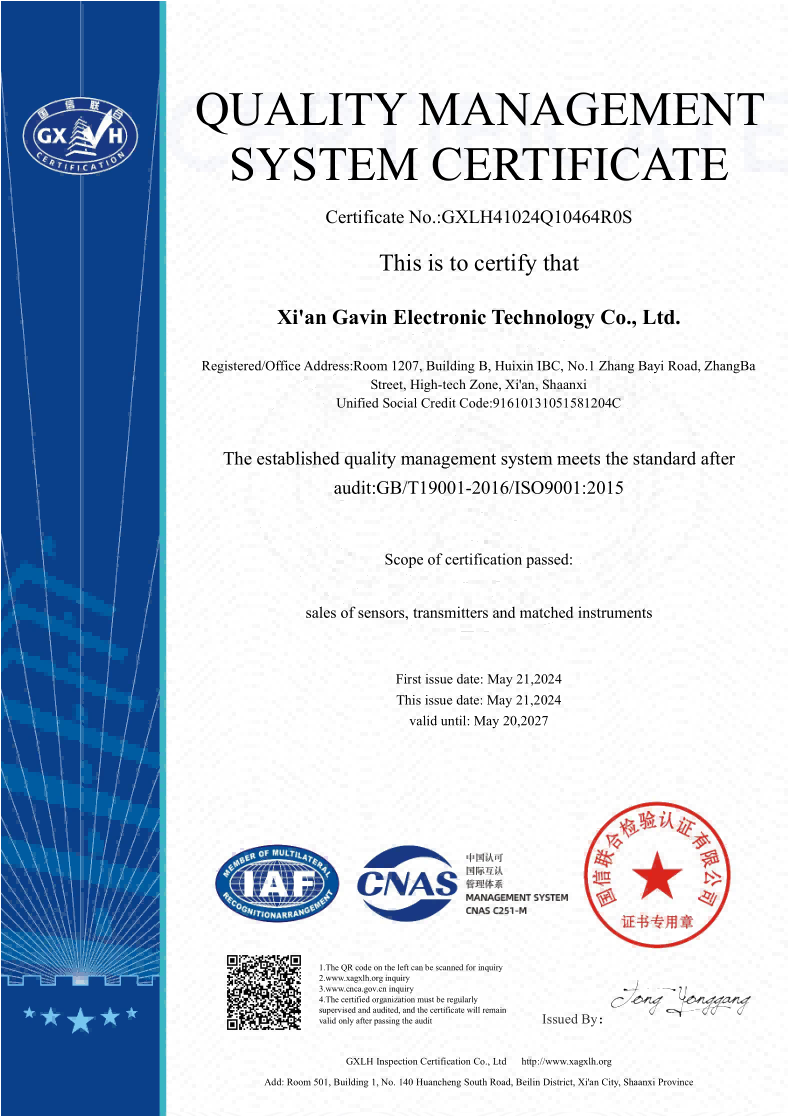
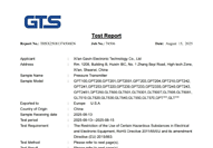
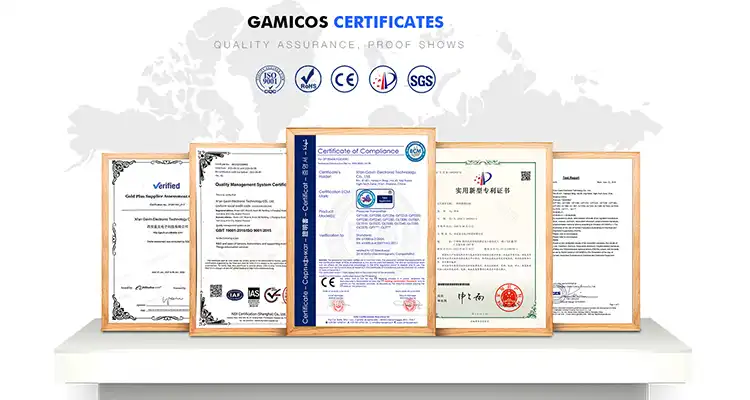
International standards in a variety of areas are met by certification compliance. The CE mark makes it possible to sell the product in Europe, and the ATEX approval makes it possible to use the product in places with unsafe conditions. RoHS compliance follows rules meant to protect the environment, and ISO badges are proof of a system that manages quality.
Top Industrial Oil Tank Level Sensors: Comprehensive Analysis
GAMICOS GLT5001 Liquid Diesel Level Sensor
The GLT5001 is an example of cutting-edge liquid level sensor technology that was designed to work with diesel fuel. Its silicon piezoresistive pressure sensor provides great precision and steadiness over time. The sensor uses state-of-the-art temperature adjustment methods that keep it accurate over a wide range of temperatures, which is normally found in industrial settings.
The most important benefits are:
• Built to avoid high exposure to interference
• Multiple output settings that work with different control systems
• IP68 protection for use underwater
• ATEX certification for explosion-proof safety in dangerous areas
• Magnetic suction base with anti-vibration tech
• Fully welded construction to avoid leaks
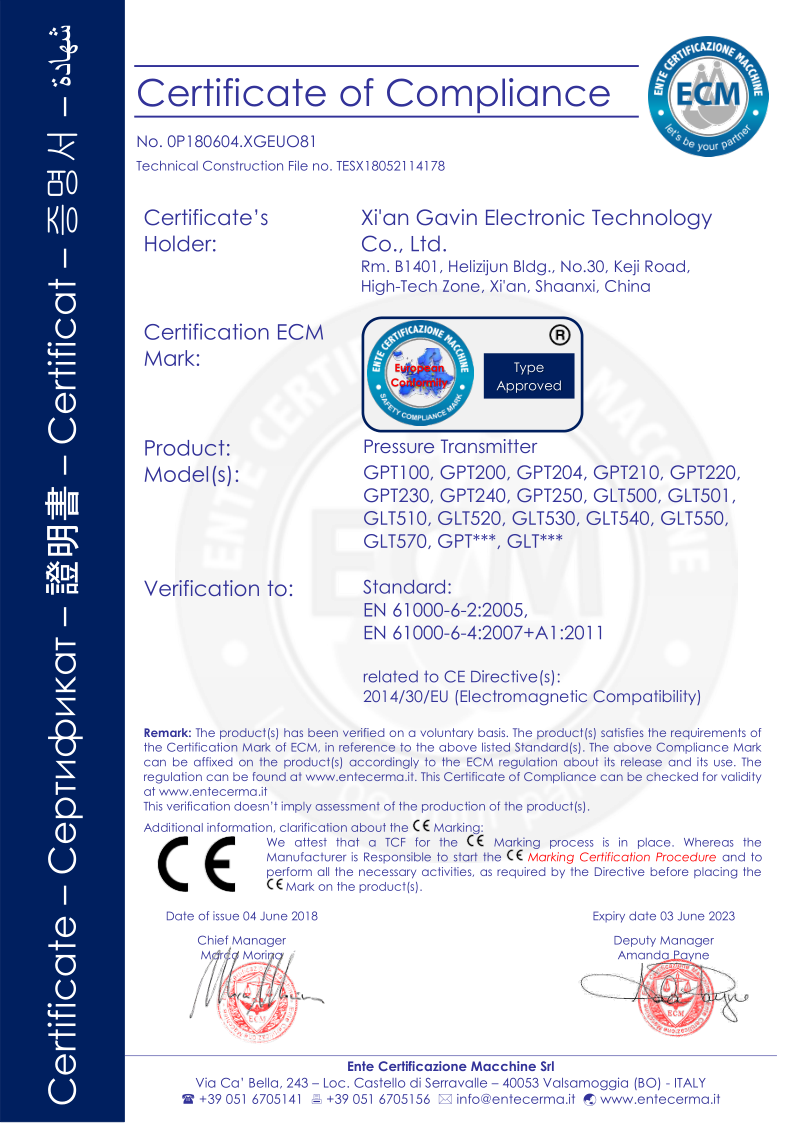
• CE and RoHS compliance for global market acceptance
The GLT5001 is tested in a lot of different ways, such as pressure cycles, temperature age, and weather modeling. This thorough approval makes sure that it works well in places where fuel is stored, chemicals are processed, and tanks on trucks are used. The magnetic fixing method makes it easy to add without having to change the tank. This is great for repair jobs and short-term tracking.
Regional Market Characteristics and Compliance Requirements
Americas Market Dynamics
North American manufacturing markets put a lot of focus on safety and on doing things that are good for the earth. The United States makes API standards for fuel uses and FDA standards for food-grade plants mandatory. Canadian rules are similar to American ones, but they also require documents to be in two languages.
IoT-enabled sensors that make it possible to watch things from far away are in higher demand in Latin American markets. Brazil's petroleum industry drives significant demand for explosion-proof level sensors. On the other hand, Mexico's manufacturing sector looks for cheap ways to do things that come with dependable tech support.
European Regulatory Landscape
European markets require CE marking and ATEX approval for uses in dangerous places. The REACH law needs in-depth records of how chemicals work with each other, and the Machinery Directive covers the safety parts of automatic systems. Germanic countries care more about technical accuracy and dependability over time than about how much something costs at first.
When choosing sensors in the Nordic areas, they focus on energy economy and environmental responsibility. Eastern European markets are increasingly using industrial robotics, which opens up chances for high-tech measuring tools.
Asian Market Characteristics
Asian markets are showing fast economic growth, which is creating a big need for ways to measure levels. China's production industry needs goods that are cheap and can be customized in many ways. Japan focuses on quality and accuracy, but South Korea is more interested in making new technologies and using them in everyday life.
Wireless sensor technologies are becoming more popular in Southeast Asian economies. These technologies serve the goals of Industry 4.0. India's fuel and chemical businesses are growing, which creates a lot of chances for sellers who can give expert help and good prices.
Purchasing Recommendations and Implementation Considerations
A deep study of the program is the first step to successfully using sensors. Before choosing any technologies, engineering teams should look at the qualities of the liquid, the size of the tank, the conditions in the surroundings, and how everything will work together. Pilot testing proves that it can work under real settings while finding possible problems.
The professional skills, agreement with certifications, reliable delivery, and standard of after-sales assistance of the supplier should be evaluated. Long-term relationships with well-known oil tank level sensor manufacturers help with special development, big prices, and expert advice services.
When making a budget, the total cost of purchasing should be taken into account, not just the price of the first buy. Quality sensors that don't need a lot of upkeep and come with long warranties often give you better value than cheaper sensors that need to be replaced or calibrated often.
Conclusion
To sum up, the GLT5001 is an example of the kind of advanced, dependable technology that is needed for today's industrial tank tracking. It deals with important issues like safety, accuracy, and longevity in difficult settings, which has a direct effect on the cost and efficiency of operations. As global markets call for exact, legal answers, working with a specialized provider like GAMICOS guarantees that you can get designed sensors that meet strict requirements and the needs of certain applications. Buying this kind of proven technology is a smart way to improve how you handle your assets and get long-term business excellence.
Frequently Asked Questions
Q1: How accurate are industrial oil tank level sensors likely to be?
A: The full scale range accuracy of professional-grade sensors is usually within ±0.25% to ±0.5%. ±1% range is usually okay for normal monitoring applications, but higher precision applications may need ±0.1% accuracy. Temperature adjustment and testing quality have a big impact on how well long-term accuracy is maintained.
Q2: How should I choose suitable sensors for places where it's dangerous to put them?
A: If you want to use sensors in a dangerous area, they have to be approved as explosion-proof and meet either the ATEX, IECEx, or FM standard. Figure out the exact temperature rate, dangerous area classification, and gas group needs. When you use extremely delicate equipment, intrinsically safe designs give you extra peace of mind.
Q3: How often do industrial level sensors need to be taken care of?
A: Quality sensors usually need to be calibrated once a year and cleaned twice a year. In harsh settings, checks every three months may be necessary, but in mild conditions, inspections may be less frequent. Using diagnostic data for predictive maintenance can make the most of your schedule and stop unexpected breakdowns.
Partner with GAMICOS for Superior Oil Tank Level Sensor Solutions
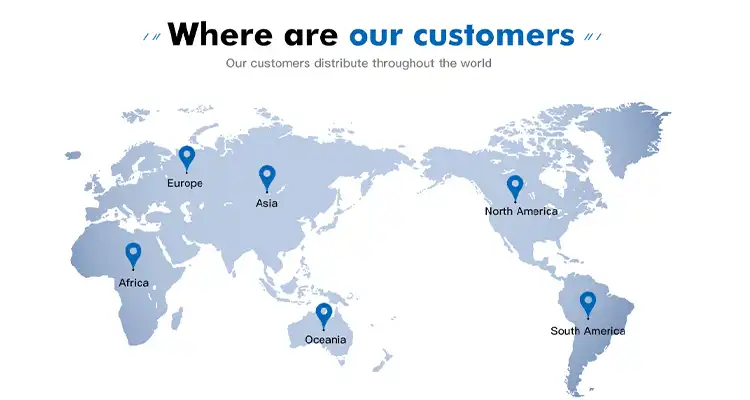
GAMICOS provides top-notch liquid level measurement solutions to over one hundred countries' industrial automation equipment makers, oil companies, and building contractors. Our wide range of products includes pressure sensors, fuel level meters, sound devices, and wireless tracking systems that are made for tough industrial settings.
We are a top oil tank level sensor supplier, and we offer a lot of different ways to customize things like sensor types, transmission methods, mounting setups, and approval needs. Our R&D team works with customers to make custom solutions that keep prices low and delivery times reliable. Ready to get better at keeping an eye on your tank? To talk about your exact needs and find out how GAMICOS products can improve your level measurement applications with accuracy, dependability, and great value, email us at info@gamicos.com.
References
1. Industrial Automation Handbook: Level Measurement Technologies and Applications, 4th Edition, by Robert K. Mueller, Published by McGraw-Hill Education, 2023
2. Tank Gauging Systems: Design, Installation, and Maintenance Standards, American Petroleum Institute Publication API 2350, 2022
3. Pressure and Level Sensor Technologies for Industrial Applications, Journal of Process Control Engineering, Volume 45, Issue 3, Pages 78-92, 2023
4. Explosion-Proof Instrumentation in Hazardous Locations: Certification and Compliance Guide, by Sarah J. Davidson, Published by Elsevier, 2022
5. IoT-Enabled Tank Monitoring Systems: Implementation Strategies and Best Practices, International Conference on Industrial Automation Proceedings, IEEE Press, 2023
6. Liquid Level Measurement Accuracy Standards and Calibration Procedures, National Institute of Standards and Technology Technical Publication 1800-25, 2022

_1757930850792.jpg)