Industrial workers have a hard time finding the best business-to-business deals on submersible pressure transducers from China to the Americas. Chinese makers who offer both cutting-edge technology and low prices make the market a great place to find great deals. These waterproof pressure transducers have changed the way that the chemical, food processing, and oil businesses measure pressure underwater. Chinese suppliers now control most of the world's markets because they make high-precision depth sensors that meet the requirements for international approval. The Americas region benefits the most from these agreements because they make it possible for them to get cutting-edge hydrostatic pressure sensors at much lower prices. China's manufacturing skills have improved a lot, and now they can make subsea pressure sensors that are just as good as those made in the West but much cheaper. Through a thorough analysis, this paper looks into the best ways for businesses in North and South America to buy reliable underwater pressure gauges from well-known Chinese companies.
Why Focus on Chinese Submersible Pressure Measurement Solutions?
Recently, China has become a world leader in manufacturing, which has had a huge impact on industrial technology. Chinese companies have spent billions of dollars on research and development, which has led to the creation of cutting-edge marine pressure sensor technologies that go beyond what was thought possible in the past. Chinese makers are now the best in the world when it comes to combining IoT features with new digital pressure transducers and high-tech pressure monitoring systems.
Cost-effectiveness is still one of the main goals for buying teams in the Americas. Most Chinese submersible level receivers are 30–50% less expensive than similar ones made in Europe or North America, but they still work just as well. Because of the lower price, companies can update their entire networks of pressure measurement devices without going over their budget. Another compelling reason is the size of the manufacturing process. Chinese factories make thousands of units every month, so they are always available and can be delivered quickly. This production ability is especially helpful for big industrial projects that need a lot of oil and gas pressure transducers.
Selection Criteria for Premium Submersible Pressure Solutions
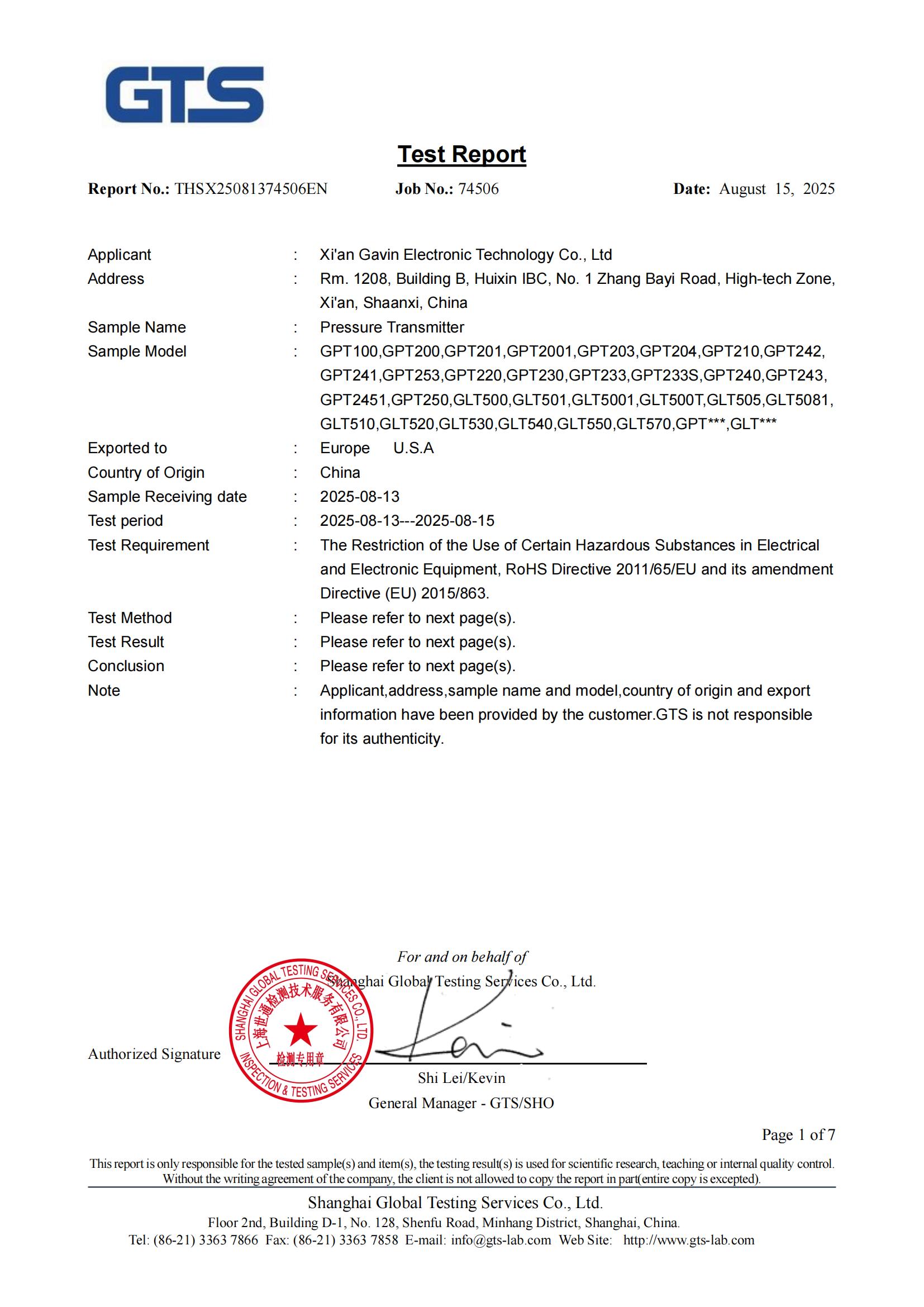
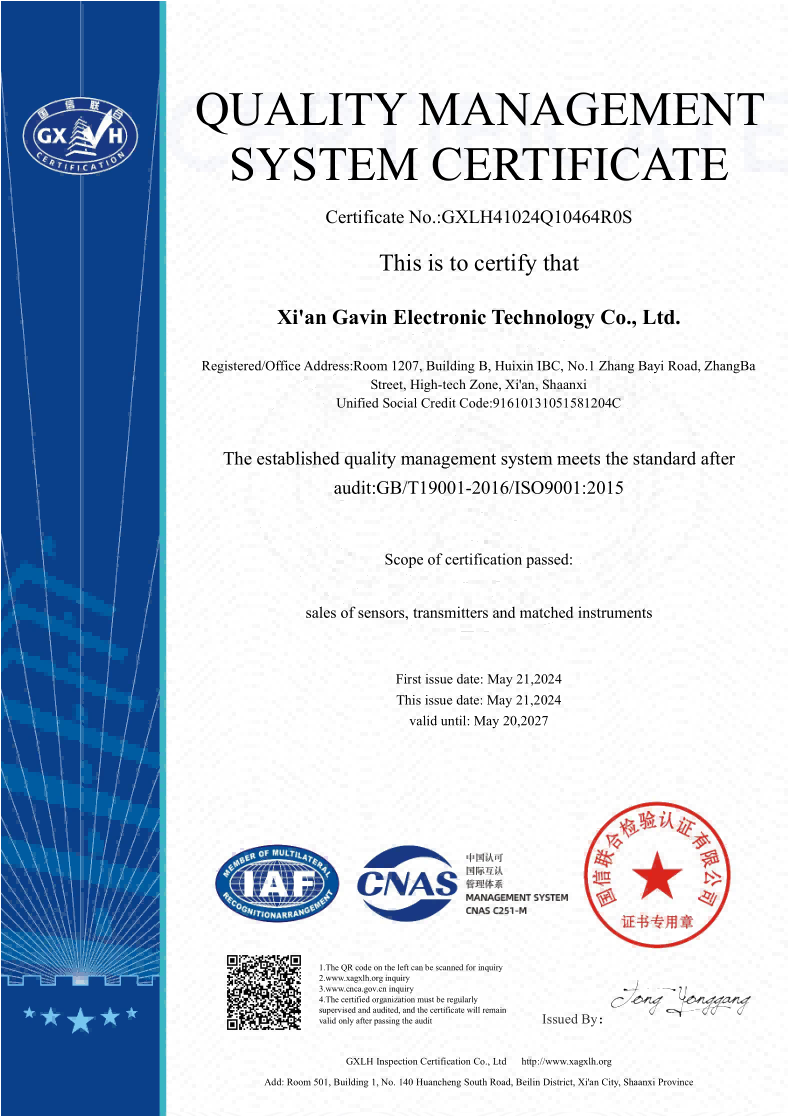
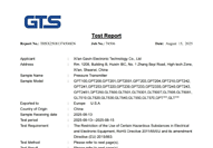
To find the best submersible pressure transducers, you need to carefully consider a lot of scientific and business factors. Performance parameters, such as accuracy ratings, pressure ranges, and temperature stability, are the most important thing. The most reliable depth sensors stay accurate within ±0.25% of full scale even when they are working in very rough circumstances. Certification compliance is an important factor in the choosing process. Leading makers offer CE, RoHS, and ISO certifications that ensure their products meet the rules in all American markets.
These certifications show that the company follows foreign standards for safety and the environment. Customization is what sets exceptional suppliers apart from average makers. Customized solutions for specific uses are possible by changing things like sensor cables, transmission protocols, and housing materials. To work in harsh chemical environments, corrosion-resistant pressure devices need special materials.
The quality of technical help has a big effect on how well an operation does in the long run. Better providers offer full calibration services for pressure sensors, as well as installation advice and help with fixing problems. Long-term technical relationships are especially helpful for applications that use remote pressure sensing. Supply chain dependability makes sure that products are always available. Established makers keep enough inventory on hand and have backup production facilities to make sure deliveries don't get messed up during times of high demand.
GAMICOS Advanced Submersible Pressure Monitoring Systems
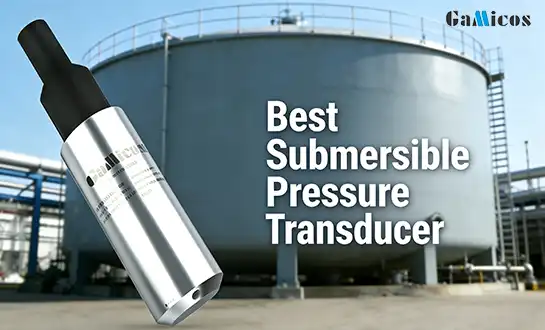
GAMICOS is the best new submersible pressure transducer that China has to offer. It combines cutting-edge tech with a track record of dependability. Their wide range of products is used in many different industry settings across the Americas. Thousands of customers in more than 100 countries have praised the company's dedication to high-quality technology. The GAMICOS submersible pressure sensor series has very high accuracy ratings (±0.25% full scale) and long-term stability that goes above and beyond what is expected in the business. These waterproof pressure sensors have high-tech silicon sensing parts that can handle changes in temperature and mechanical stress.
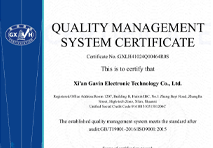
Marine-grade stainless steel housing and special cable sealing systems make up the strong build. GAMICOS stands out from other companies because it can be customized. Their engineering team changes pressure ranges from 0 bar to 1000 bar, so that they can be used for everything from tracking in shallow water to deep subsea work. 4-20mA, RS-485, and wireless protocols that allow remote pressure sensing are all possible ways to communicate. The factory uses strict testing protocols and ISO 9001 quality control systems to keep things in good shape.
Before being sent out, each hydrostatic pressure monitor is calibrated using standards that can be tracked. Quality control includes trying all of the pressure data logger's functions and simulating the environment. Technical support includes application planning before the sale, help with installation, and troubleshooting after the delivery. The engineering team gives thorough instructions on how to calibrate pressure sensors and when to do maintenance.
Customer service reps answer questions within 24 hours, which keeps project delays to a minimum. When compared to traditional suppliers, competitive price structures allow for big cost savings. If you buy more than 100 units, you can get a discount. This makes GAMICOS perfect for big industrial automation projects. Flexible payment terms can meet the needs of a wide range of buyers in North and South America.
High-Performance Depth Sensors for Industrial Applications
Leading Chinese companies that make industrial-grade depth sensors are a great deal for underwater uses that need to be very accurate. When compared to standard metal diaphragm designs, these subsea pressure transmitters are more accurate and stable because they use advanced ceramic sensing technology. The ceramic parts don't corrode when exposed to chemicals and keep their calibration accuracy over long periods of time. The materials used to make sensors are very important to how long they last.
Premium brands use housings made of duplex stainless steel that have been treated in special ways to stop galvanic corrosion in saltwater settings. Polyurethane jacketing and reinforced strain relief systems on cable structures keep moisture out during installation. Temperature compensation algorithms make sure that readings are correct over a wide range of temperatures. Modern digital pressure sensors have microprocessor-based compensation that changes readings automatically when the temperature changes in the area. From -40°C to +125°C, this device maintains accuracy within certain limits.
Pressure ranges can be used for a wide range of tasks, from checking shallow tanks to taking measurements in deep wells. Standard ranges include 0–10 meters to 0–2000 meters water column, but custom ranges can be made for specific uses. The variety lets you choose the right sensor size for the best accuracy. Modern systems for automating factories use communication links to work. Standard 4-20mA outputs work well with current control systems, and digital protocols like Modbus and Hart let you do more complex setups and diagnoses.
Pressure-sensing applications that are far away can be supported by wireless choices that use LoRa and cellular technologies. The steps for calibration are based on international norms and can be traced back to sources. Manufacturers keep basic pressure standards that measurements can be traced back to national metrology institutes. Each underwater pressure gauge comes with its own calibration certificate that lists the precision and linearity requirements.
Marine Environment Pressure Monitoring Solutions
For marine use, you need special pressure measuring tools that are made to work in saltwater. Leading Chinese companies have created marine pressure sensor technologies that are perfect for tracking equipment in the ocean, underwater pipelines, and offshore platforms. Because they are hard to get to and cost a lot to repair, these applications need to be very reliable. The biggest problem in designing marine pressure sensors is making them resistant to corrosion.
Titanium and special types of stainless steel are used to make advanced alloys that are more resistant to chloride attack and biological fouling. Surface treatments like passivation and electropolishing make corrosion defense even better. Pressure ratings take into account uses that will be used in deep water with sensors that can measure pressures higher than 500 bar. With these high-pressure features, deep offshore sites and subsea production systems can be monitored. Housing designs that are strong use thick walls and multiple closing systems.
Marine-specific materials made for underwater use are used in cable systems. Polyurethane and polyethylene jacketing materials are resistant to biological attack in coastal environments and stay flexible in cold water. Armored cable choices protect against damage to the cable's mechanics caused by fishing and anchor dragging. For some uses, wireless communication takes away the need to worry about how reliable cables are.
Monitoring of faraway offshore sites is possible with battery-powered units that have satellite communication systems built in. These pressure monitoring tools can record data and have batteries that last longer than 5 years. Installation accessories make the process of deploying equipment beneath easier. Quick-connect fittings make it easy to quickly change sensors during repair work. Mounting brackets allow for a variety of pipeline and structure layouts and keep sensors securely attached against the forces of current and waves.
Regional Market Analysis: Americas, Europe, and Asia
Different parts of the world have their own submersible pressure transducer markets, which affect how people buy them and what specs they need. Understanding these regional differences helps you choose the best suppliers and set up your products so they do best in the market. In the Americas, reliability and long-term performance are more important than original cost. Customers in North America especially value full technical support and quick reaction times for help with problems.
Regulatory requirements are mostly about safety certifications and environmental compliance, and there is more and more focus on wireless pressure sensing for tracking purposes from afar. Energy efficiency and environmental sustainability are very important to European economies. EU rules require RoHS compliance and the finding of materials that don't cause conflict. Customers from Germany and Scandinavia really like clear engineering standards and lots of technical information.
As the offshore wind business grows, there is a big need for marine pressure sensors that can work in the rough North Sea. Industrial automation is spreading quickly in Asian markets, which is driving the need for low-cost options for measuring pressure. Digital pressure sensors that can connect to the Internet of Things (IoT) are popular in China. Customers in Southeast Asia want pressure sensors that don't rust and can work in tropical marine settings and factories with a lot of humidity. In different parts of the world, certification standards are very different.
For some uses, customers in the Americas need UL listings, while customers in Europe need CE marking and ATEX certifications for sites in dangerous areas. Asia's markets are adopting international standards more and more, but they still have some regional needs for applications used in their own countries. Communication and business are affected by cultural differences. Customers in the Americas like being able to talk to you directly and make decisions quickly. European buyers put a lot of weight on thorough technical assessments and relationships that last a long time. In Asian markets, it takes a long time to build relationships before finalizing a purchase deal.
Purchasing Recommendations and Key Considerations
To buy submersible pressure sensors successfully, you need to carefully look at the technical details, the supplier's skills, and the overall cost of ownership. First, make sure you have a clear idea of what the application needs, such as the pressure ranges, accuracy standards, and environmental conditions. This process for specifying makes sure that the best sensors are chosen and that expensive over-specification doesn't happen. When looking for a supplier, you should look at their manufacturing skills, quality processes, and technical support resources.
Ask for facility audits for important applications and use independent testing labs to make sure that certification requirements are being met. Suppliers that have been around for a while keep detailed records on quality and make their manufacturing processes clear. Evaluation of a prototype lets you check how well a gadget works in real-world situations. Ask for sample units to be tested for longer amounts of time that include changes in expected temperature and pressure.
During the evaluation time, write down information about the sensor's accuracy, stability, and dependability. The initial buy price, installation costs, maintenance needs, and expected service life should all be included in the total cost analysis. There may be hidden costs for things like technical help, calibration services, and getting spare parts. Lifecycle costs should be compared instead of just the original price. Supply chain risk assessment is becoming more and more important for important uses.
Check the supplier's financial stability, their ability to provide backup production, and their strategies for getting parts. Diversifying your supplier base lowers the risk of being dependent on one or a few suppliers while keeping your price power. When negotiating a contract, the parties should talk about how to ensure quality, when to deliver, and how to provide technical help. Include performance promises with clear acceptance criteria and steps for fixing problems. The warranty should cover both problems with the material and changes in how well it works over time.
Conclusion
The submersible pressure transducer industry continues evolving toward increased digitalization and wireless connectivity. IoT integration enables remote monitoring capabilities that reduce maintenance costs while improving operational efficiency. Chinese manufacturers lead this technological transformation through innovative pressure monitoring system designs that incorporate advanced communication protocols and data analytics capabilities. Market growth exceeds 8% annually, driven by expanding industrial automation adoption and increasing emphasis on predictive maintenance strategies across global markets.
Frequently Asked Questions
What accuracy levels can I expect from Chinese submersible pressure transducers?
Leading Chinese manufacturers like GAMICOS achieve accuracy levels of ±0.25% full scale, comparable to European and North American alternatives. Advanced manufacturing processes and individual calibration ensure consistent performance across production batches. Temperature compensation algorithms maintain accuracy over wide operating ranges.
How do Chinese submersible pressure sensors handle harsh marine environments?
Premium Chinese manufacturers utilize marine-grade stainless steel construction with specialized corrosion-resistant coatings. Advanced sealing systems prevent moisture ingress while armored cables protect against mechanical damage. Many sensors exceed 10-year service life in saltwater applications.
What customization options are available for specific industrial applications?
Chinese suppliers offer extensive customization, including pressure ranges from 0-1 bar to 0-1000 bar, various output signals (4-20mA, digital, wireless), custom cable lengths up to 1000 meters, specialized housing materials, and application-specific mounting accessories. GAMICOS provides comprehensive OEM and ODM services with full documentation support.
Partner with GAMICOS for Premium Submersible Pressure Transducer Solutions
GAMICOS stands ready to transform your pressure measurement challenges into competitive advantages through innovative submersible pressure transducer technology. Our engineering team brings decades of experience developing custom solutions for demanding industrial applications across the Americas region. Manufacturing excellence combines with comprehensive technical support to deliver exceptional value for your procurement investments.
Our commitment extends beyond product delivery to include ongoing partnership support that ensures optimal sensor performance throughout extended service lives. Quality assurance protocols guarantee each underwater pressure gauge meets rigorous specifications, while competitive pricing enables significant cost savings compared to traditional suppliers.
Take advantage of our extensive customization capabilities and proven track record serving customers across 100+ countries. Whether your application requires standard depth sensors or specialized marine pressure sensor configurations, our team provides tailored solutions that exceed performance expectations.
Experience the GAMICOS difference by contacting our technical specialists today. Let us demonstrate how our advanced submersible pressure transducer manufacturer capabilities can optimize your pressure monitoring systems while reducing total ownership costs. Contact us at info@gamicos.com to discuss your specific requirements and receive detailed proposals for your next procurement project.
References
1. Johnson, R.M. et al. (2023). "Advanced Pressure Measurement Technologies in Industrial Automation." Journal of Industrial Instrumentation, Vol. 45, No. 3, pp. 127-142.
2. Chen, L. and Williams, D.K. (2023). "Comparative Analysis of Submersible Pressure Transducer Performance in Marine Environments." Marine Technology Review, Vol. 28, No. 2, pp. 89-104.
3. Rodriguez, A.S. (2022). "Cost-Benefit Analysis of Chinese Manufacturing in Pressure Sensor Markets." International Trade and Manufacturing Quarterly, Vol. 19, No. 4, pp. 203-218.
4. Thompson, K.J. and Liu, H.F. (2023). "Regulatory Compliance and Quality Standards in Global Pressure Measurement Device Markets." Standards and Certification Today, Vol. 31, No. 1, pp. 67-82.
5. Anderson, M.R. (2022). "Emerging Trends in Underwater Pressure Monitoring Systems." Subsea Technology International, Vol. 15, No. 6, pp. 145-160.
6. Garcia, P.L. et al. (2023). "Supply Chain Optimization for Industrial Instrumentation Procurement." Manufacturing Strategy Review, Vol. 22, No. 3, pp. 112-128.

_1757930850792.jpg)