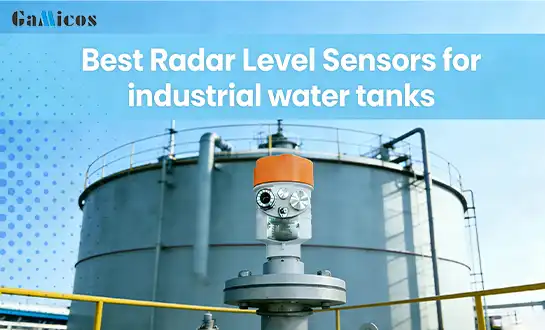
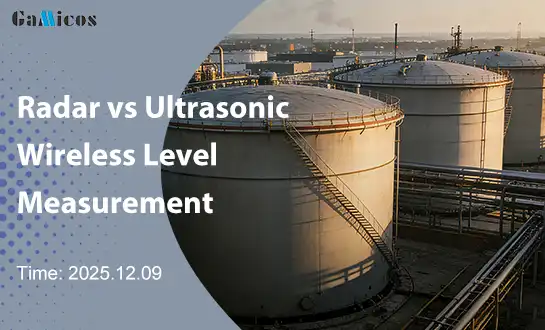
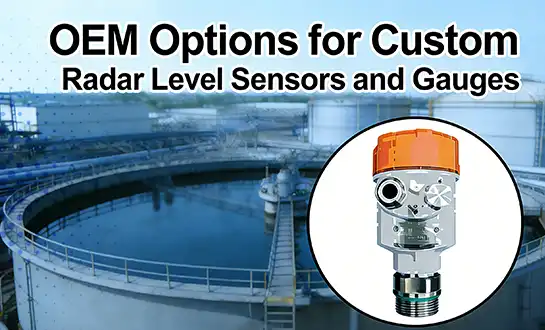
OEM radar level sensors for automation systems are state-of-the-art measuring tools that change how factories work by detecting levels accurately and without touching anything. Microwave technology and advanced data processing are used by these high-tech sensors to measure distances accurately in harsh industrial settings. As automation systems get more complicated, the need for flexible radar level sensor solutions keeps growing in the industrial, chemical, pharmaceutical, and oil and gas industries.
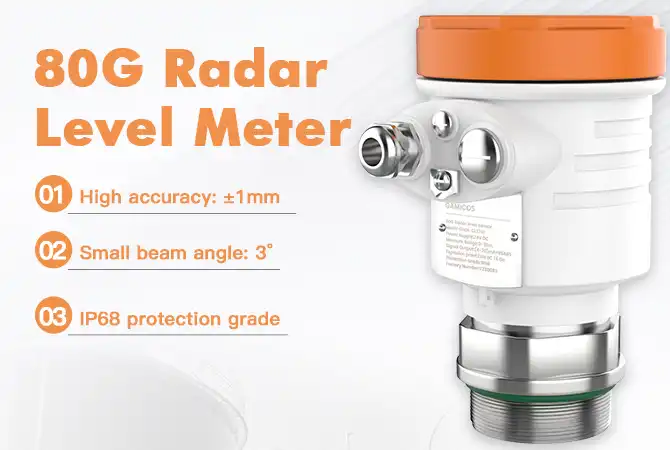
Comprehending OEM and ODM Solutions for Industrial Level Measurement
Original Equipment Manufacturer (OEM) and Original Design Manufacturer (ODM) relationships have changed the way companies integrate radar level sensors. OEM solutions are different from off-the-shelf products because they let industrial automation makers add custom-level detection technology right to their systems. For the industrial automation market to work, sensors must be able to work with current systems and meet certain operational needs.
Companies often can't find the radar level sensors they need when they need specific communication protocols, mounting options, or certifications for their business. It's important to have deep customization because each business application has its own problems. Sensors for a chemical processing plant need to be different from sensors for a food processing plant. OEM partnerships let makers meet these specific needs by creating custom solutions that improve the performance and dependability of systems.
IoT integration and real-time tracking are becoming more and more important in modern industrial settings. Custom radar level sensors can have advanced features that standard goods can't, such as predictive maintenance algorithms, smart sensor fusion, and better data analysis tools.
GAMICOS OEM Manufacturing Excellence and Technical Capabilities
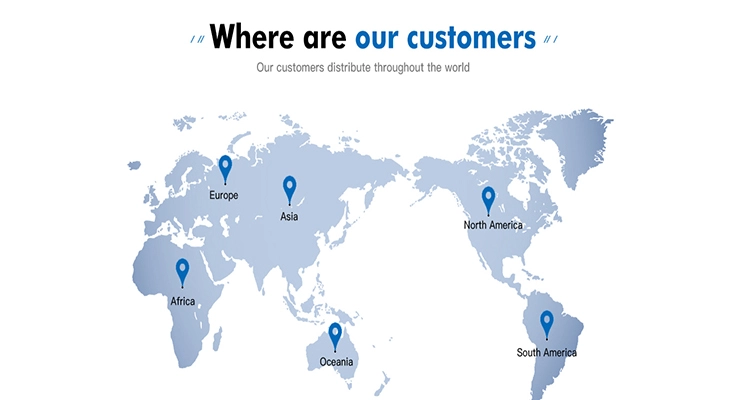
We have been making OEM radar level sensors for more than 20 years and have a lot of experience with measuring things in the business world. GAMICOS works with clients in 98 different countries to make custom automation systems that meet their specific needs. Our cutting-edge production facilities, which are equipped with cutting-edge quality control methods, are the first step in making great products. Every radar level monitor goes through strict testing procedures that make sure it works the same way in all kinds of environments.
We can make both small batches of prototypes and big batches of finished products. Research and development are the most important parts of our OEM services. Our focused engineering team works with research centers to improve the ways that microwave technology can be used to measure levels. With this partnership method, we can use cutting-edge technologies like pattern recognition systems and machine learning algorithms to make custom sensor designs.
Reliability in the supply chain makes sure that OEM parts for your automation projects get to you on time. We have strategic partnerships with component suppliers all over the world, which lets us make sure that materials are always available and that our prices are low. This strong supply network lets you make more or less of what you need as your business grows. Technical support goes beyond just delivering the product; it also includes full help with installation, commissioning, and ongoing upkeep. Our engineering team offers detailed documentation, training tools, and direct consultation services to help you get the most out of your sensors in the ways that matter to you.
Comprehensive Radar Level Sensor Customization Options
Customizing the physical design takes into account the specific mounting needs and weather problems that come up in industrial settings. We change the materials, sizes, and types of connections in sensor housings to fit the needs of your system. Different chemical interaction needs can be met by housings made of stainless steel, aluminum, or a special kind of polymer. Customizing functional features lets you make measurements more accurate by using advanced signal processing methods.
Our engineers can create unique noise filtering systems, echo detection algorithms, and frequency modulation patterns that work best for certain uses. Communication protocols like HART, Modbus, Profibus, and Ethernet-based systems are some of the technology integration choices. LoRa, GPRS, NB-IoT, and 4G networks all offer wireless connectivity that makes it possible to monitor and collect data from difficult installation sites. Custom labeling, packaging, and paperwork for your brand help you place yourself in the market.
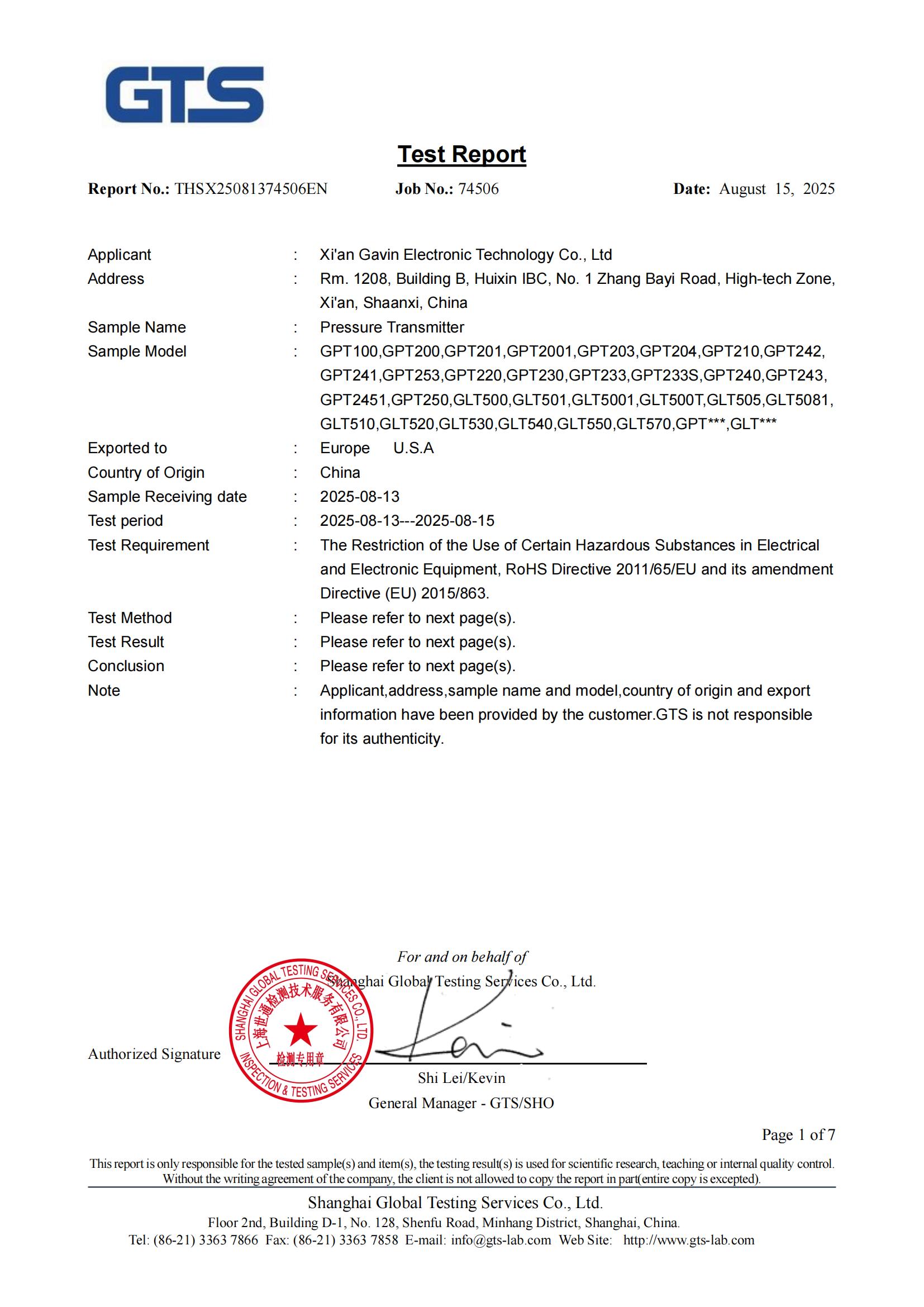
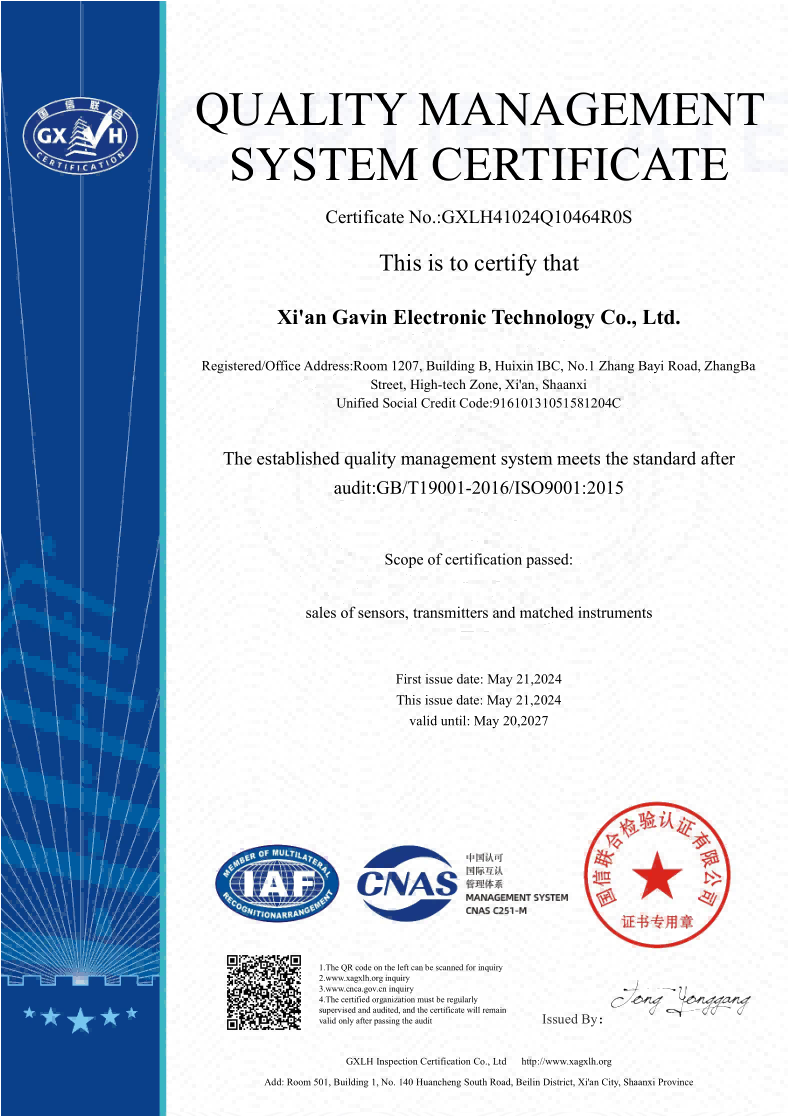
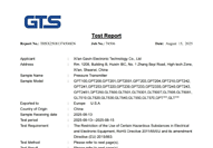
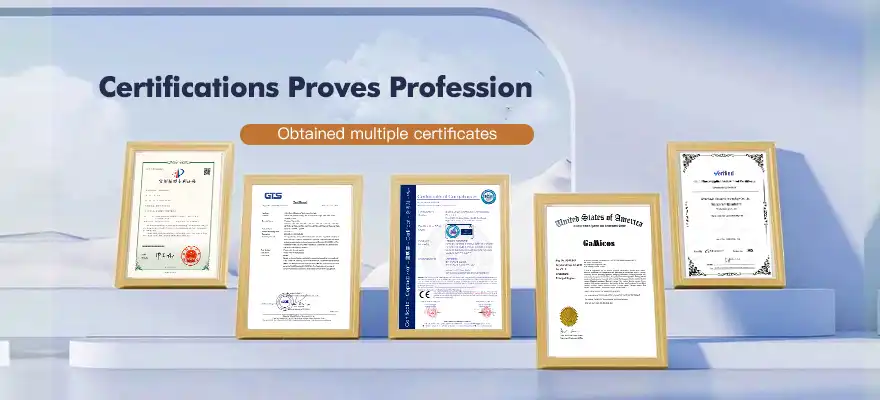
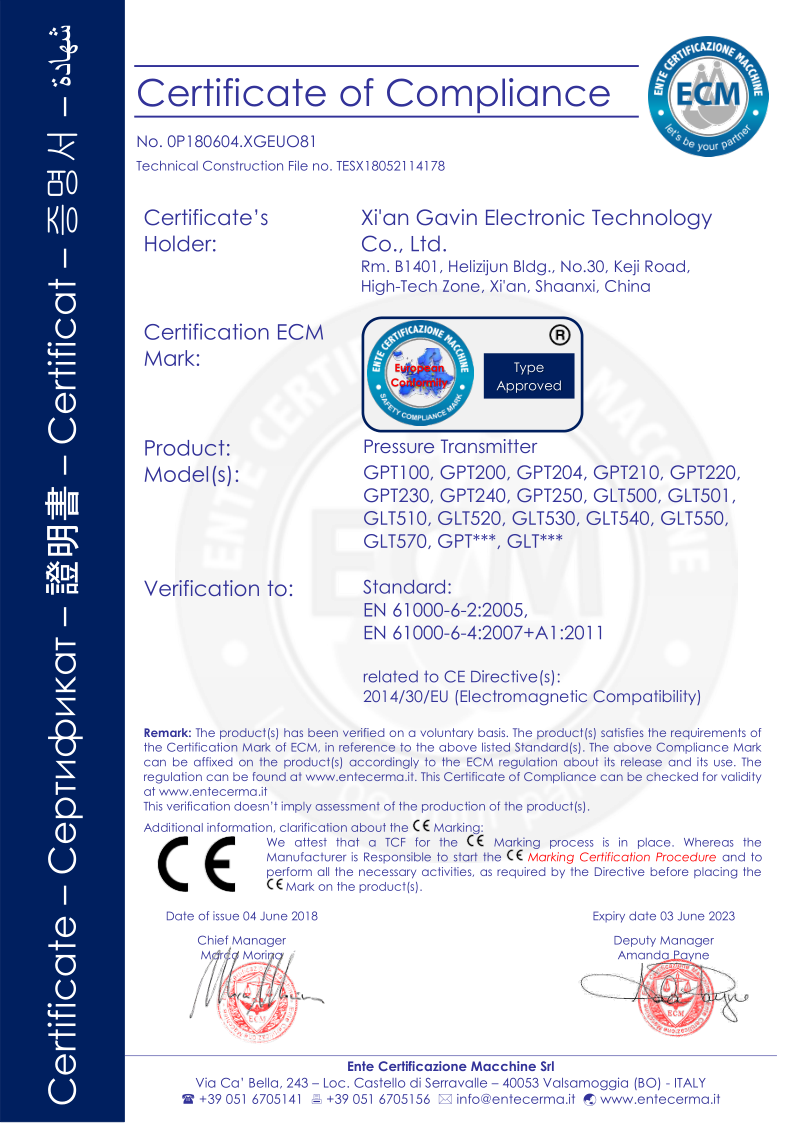
We offer full white-label options that help your brand stand out while still meeting GAMICOS quality standards. Customization for compliance makes sure that foreign standards, such as CE, RoHS, ISO, and industry-specific requirements, are met. Our quality assurance team is in charge of making sure that the certification methods meet the rules in North America, Europe, and Asia's target markets. Customizing software makes it possible to connect it to other automation platforms by creating custom computer interfaces and data output formats. Custom calibration routines and diagnostic features make sensors more reliable and make maintenance go more smoothly.
ODM Advantages for Next-Generation Level Measurement Solutions
Original Design Manufacturer relationships let companies work together to create new radar level sensor technologies that meet the needs of new markets. In contrast to normal OEM agreements, ODM collaboration includes working together on research and development projects that make whole new types of products. When people work together to make new sensor systems, they can use their joint knowledge of microwave technology, industrial automation, and market research.
The first step in our ODM process is a thorough analysis of your needs that shows you where current measurement technologies fall short in terms of performance. When development costs and technical tools are shared, innovation speeds up. Smaller companies can use ODM partnerships to get access to advanced research tools, while bigger companies can get market information and specialized manufacturing knowledge. Intellectual property agreements protect both sides' interests while letting people share information, which is what makes technology progress.
Clear deals spell out who owns what, how to license it, and how to get it to the market in a way that benefits everyone. Market entry acceleration lets new technologies be used quickly through marketing networks and customer relationships that are already in place. ODM partnerships speed up development and give companies access to markets that they might not be able to reach on their own.
Streamlined OEM Development Process and Project Management
Our methodical approach to customizing radar level sensors starts with a thorough study of your needs and a determination of whether or not the change is possible. During the first meetings, technical specs, performance goals, and integration needs are spelled out. These will help with planning the development process. During the conceptual design phase, our technical team and your engineers work together in sessions to finetune the sensor specs.
Computer-aided design tools make it possible to make quick prototypes and test them virtually, which speeds up the development process. Building and testing a prototype lets you see how your design ideas work in real-world situations. Our testing facilities mimic a range of workplace settings, such as those with high or low temperatures, vibrations, electromagnetic interference, and chemical exposure. Designing tools, improving the manufacturing process, and setting up a quality control system are all parts of planning for production.
Detailed production documentation makes sure that the standard of the manufacturing process is always the same and makes it easier to change or scale up products in the future. Design reviews, prototype testing, and production sample proof are all parts of quality validation that happen during the development process. Complete paperwork packages help with following the rules and getting approval from customers. Ongoing support includes professional help, updates to the product, and suggestions on how to improve its performance. Long-term relationships allow for constant improvement and the ability to adapt to changing application needs.
Strategic Benefits of GAMICOS OEM Partnership
When manufacturing methods are optimized and supply chain management skills are used, costs go down. By working with OEMs, companies can avoid having to make the big investments needed to create and make sensors on their own. Time-to-market acceleration lets you respond more quickly to customer needs and the stresses of competition. Projects take less time to go from idea to commercial availability when they use established development methods and manufacturing infrastructure.
Technical risk can be reduced by using tried-and-true design methods and thorough testing procedures. Our experience with a wide range of industrial applications helps us spot possible problems before they have a negative effect on production or field performance. Scalability benefits help businesses grow by letting them produce more and ship their products all over the world. OEM partnerships can adapt to changing market needs without having to spend more money on infrastructure.
Access to advanced testing equipment, certification experts, and programs for continuous improvement are some of the perks of quality assurance. Established quality control systems make sure that products always work as they should and that regulations are followed. Innovation access lets companies keep their economic advantages by adding new features and improving existing technologies. Continuous advances in research and development help all OEM partners by making technology better for everyone.
Frequently Asked Questions
What customization options are available for OEM radar level sensors?
We offer comprehensive customization, including housing materials, communication protocols, mounting configurations, measurement ranges, and software integration. Physical modifications accommodate specific installation requirements while functional customization optimizes performance for your application.
How long does the OEM development process typically take?
Development timelines vary based on customization complexity, typically ranging from 4-12 weeks for standard modifications to 3-6 months for extensive custom designs. We provide detailed project timelines during initial consultations.
What quality certifications do GAMICOS OEM radar level sensors meet?
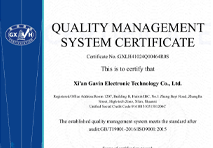
Our sensors comply with international standards, including CE, RoHS, and ISO certifications. We also support industry-specific requirements for pharmaceutical, food processing, and hazardous area applications as needed for your target markets.
Partner with GAMICOS for Your Custom Radar Level Sensor Solutions
GAMICOS stands ready to transform your automation system requirements into reality through our comprehensive OEM radar level sensor manufacturing capabilities. Our proven expertise in microwave technology, industrial automation, and global manufacturing positions us as your ideal development partner.
Whether you need standard modifications or completely custom designs, our technical team delivers solutions that enhance your competitive position. As a trusted radar level sensor supplier, we combine advanced engineering capabilities with reliable manufacturing processes that ensure consistent quality and performance.
Contact our OEM specialists today to discuss your specific requirements and explore how customized radar level sensors can optimize your automation systems. Our commitment to excellence and customer success drives every aspect of our partnership approach. Ready to explore custom sensor possibilities? Reach out to our team at info@gamicos.com and discover how GAMICOS can enhance your industrial measurement capabilities through tailored radar level sensor solutions.
References
1. Industrial Automation Society. "Advanced Radar Technology in Process Industries." Journal of Industrial Measurement, Vol. 45, No. 3, 2023.
2. Chen, Michael K. "Non-Contact Level Measurement Systems for Hazardous Environments." Process Safety Engineering Quarterly, Issue 2, 2023.
3. European Standards Committee. "Safety Requirements for Industrial Level Sensors in Automation Systems." Technical Publication ES-2023-041, 2023.
4. Rodriguez, Ana Maria. "Customization Trends in Industrial Sensor Manufacturing." Automation Technology Review, Vol. 28, No. 4, 2023.
5. International Association of Process Engineers. "Radar Level Sensor Applications in Chemical Processing." Technical Handbook Series, Edition 12, 2023.
6. Thompson, Robert J. "OEM Partnerships in Industrial Sensor Development." Manufacturing Technology Today, Vol. 19, No. 7, 2023.

_1757930850792.jpg)