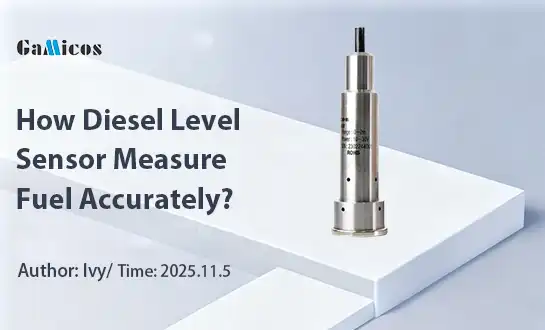
Installing submersible level sensors in Asia's dynamic industrial landscape requires careful attention to environmental conditions, technical specifications, and operational demands. These sophisticated measurement devices serve as the backbone of liquid level monitoring across petroleum refineries, chemical processing plants, and water treatment facilities throughout the region. Proper installation ensures optimal performance, extended sensor lifespan, and reliable data accuracy that modern manufacturing operations depend upon for safety and efficiency.
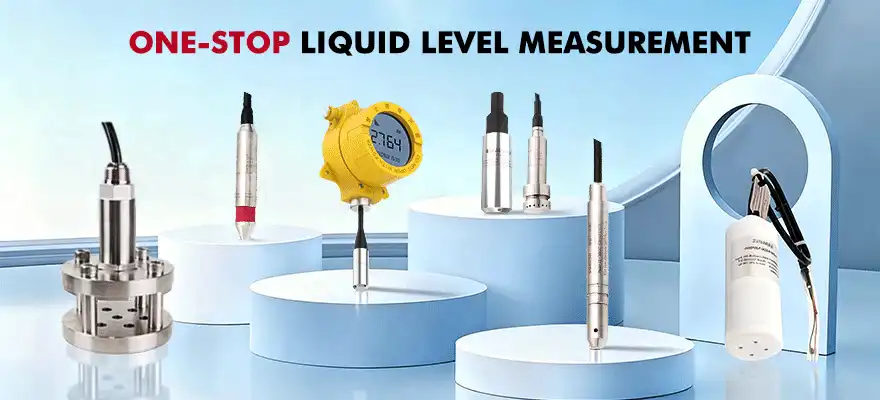
Understanding Submersible Level Sensors and Their Operating Principles
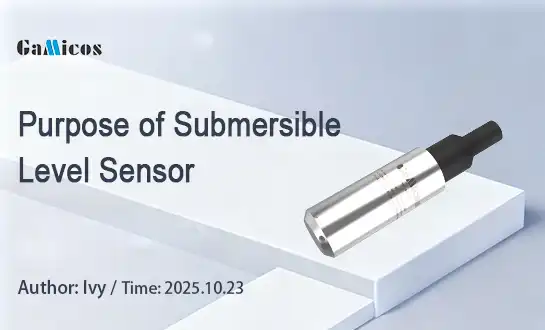
A submersible level sensor operates by measuring hydrostatic pressure at various depths within liquid media, converting pressure readings into accurate level measurements. These devices utilize piezoresistive technology that responds to pressure changes caused by liquid column height variations. The fundamental principle relies on the direct relationship between liquid depth and the pressure exerted on the sensor's diaphragm.
Key Components and Technology Integration
Modern liquid level sensors have advanced signal processing circuits that make measurements much more stable and repeatable while actively blocking electromagnetic interference, noise caused by vibrations, and short-term changes in pressure. Because of these smart circuits, sensors can send steady output signs even in places with a lot of electrical noise. This level of technology integration can be seen in the GLT530 small diameter underwater liquid level sensor.
It is designed so that the probe sizes range from 16 mm to 19 mm. This makes it perfect for wells, pipes, and tanks that aren't very big. Built-in high-performance pressure measuring elements respond quickly and don't move over time. This small, combined design works well for Asian factories that have trouble installing things because there isn't a lot of room for upgrading and the equipment is close together.
Measurement Range and Accuracy Specifications
Industrial submersible level sensors are made to measure a wide range of depths, usually from 0 to 500 meters. This means they can be used in a variety of settings, from small process tanks to deep wells and lakes. This large range makes it possible to use in many fields, such as water treatment, chemical processes, and energy infrastructure. With choices for ±0.1%FS, ±0.25%FS, and ±0.5%FS accuracy, engineers can find the best mix between cost and precision needs.
High-accuracy models work well for important control tasks, while standard-accuracy models are good for general tracking needs. The completely welded stainless steel structure stops water from getting in and pressure from leaking, so it can be submerged for a long time and still work properly even when it's constantly exposed to harsh industrial conditions.
Critical Factors and Challenges When Installing Submersible Level Sensors
Installation success depends heavily on understanding site-specific challenges that Asian factories commonly face. Environmental factors such as temperature fluctuations, chemical exposure, and mechanical vibrations can significantly impact sensor performance if not properly addressed during installation planning.
Environmental Considerations and Protection Measures
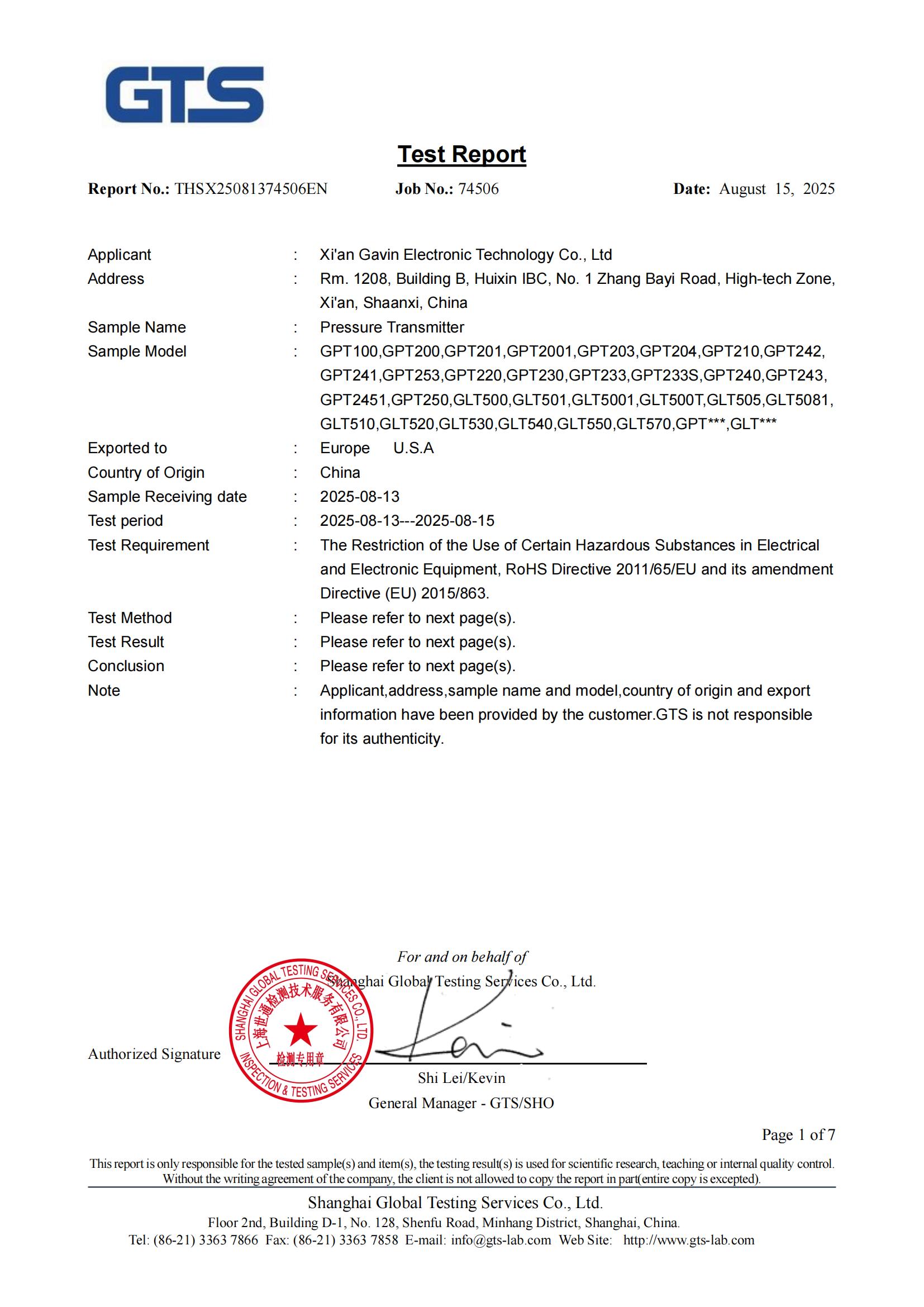
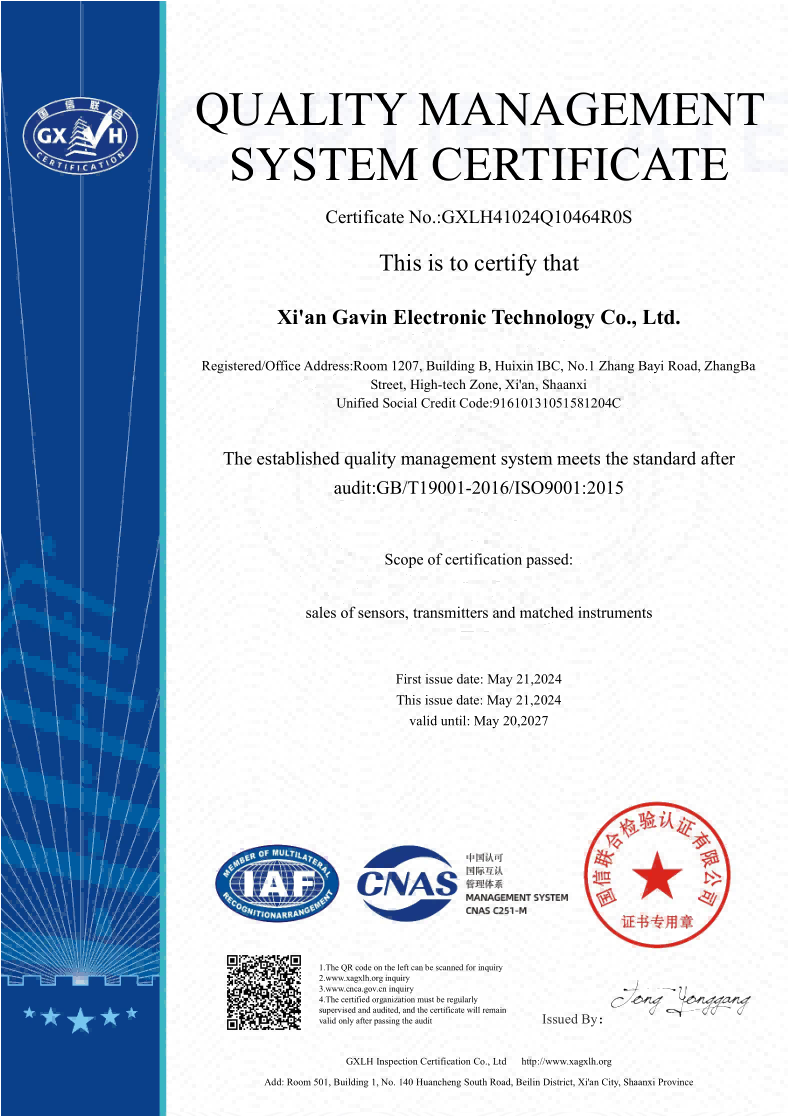
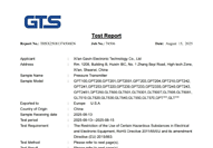
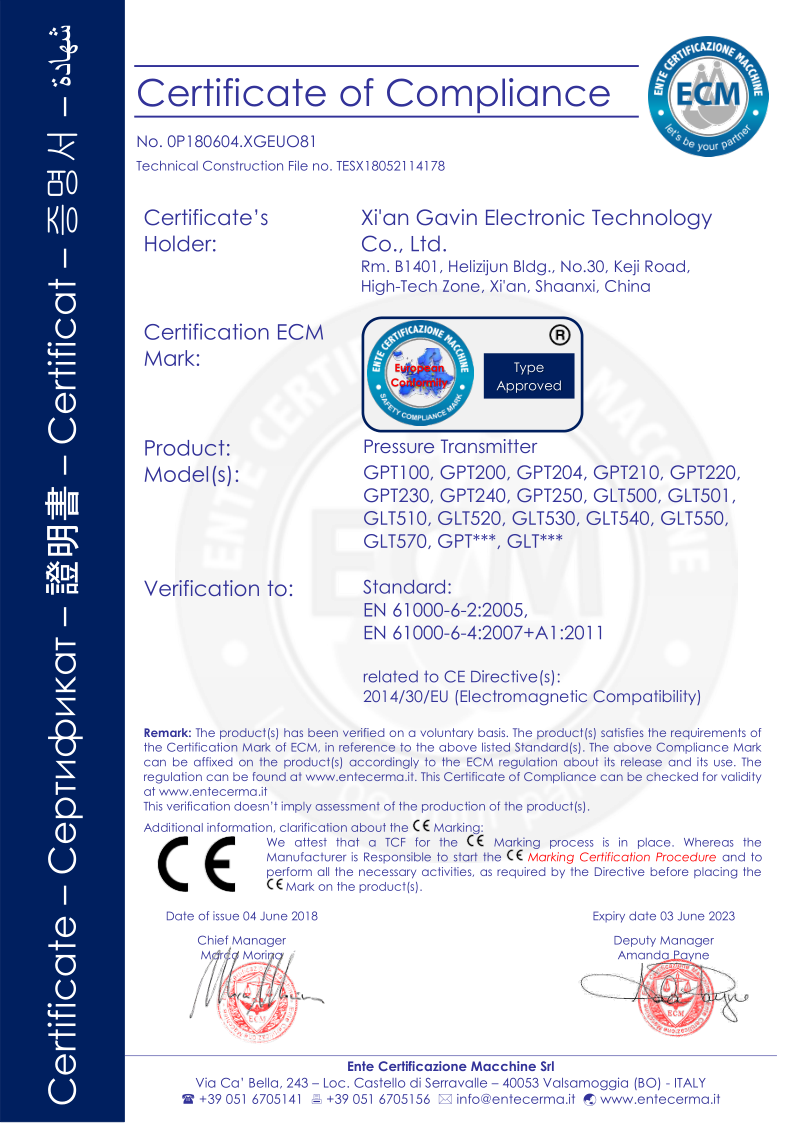
Sensors are often exposed to high humidity, toxic fumes, dust, and big changes in temperature in Asian factories. In these tough situations, sensors need to be built to last and have the right safety features. It is easier to make sure that international safety and environmental standards are met when you choose submersible level sensors that have certifications like CE, RoHS, and ATEX.

These certificates also show that the product is resistant to electricity dangers, dangerous environments, and chemicals that aren't allowed. Integrated, fully sealed structures last longer than standard multi-component systems, which are more likely to leak and break down mechanically. Extra safety features like fluoropolymer wires, diaphragms that don't corrode, and strengthened strain relief make sensors even more reliable in tough industrial settings.
Proper Mounting and Cable Management
It is important to fix the sensor securely and steadily so that it doesn't move due to liquid movement, pump operation, or normal equipment maintenance. If the fixing isn't done right, signal changes or mechanical damage can happen over time. Just as important is good wire handling, which keeps weak connection points safe from chemical attack, bent stress, and wear.
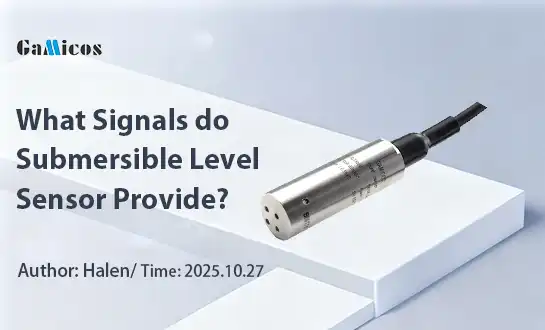
Using pressure relief devices, safety ducts, and wire clamps can make things last longer and lower the chance that they will break. Many submersible level sensors have two-wire current output designs that are non-polar. This makes wiring easier and lowers the chance of making mistakes during installation. This setup not only cuts down on startup time, but it also makes the system more reliable overall, which is especially helpful in big industrial sites.
Calibration and System Integration
It is very important to calibrate submersible level sensors correctly so that they give accurate, repeated readings that meet the needs of process control. The mounting level, liquid mass, and working pressure should all be taken into account during the first adjustment. When adding new automation systems to an existing one, it's important to make sure that the signals work with each other. This is true whether the systems use digital communication methods or 4–20 mA analog outputs.
When data is being sent, using the right grounding and blocking techniques can help keep signals from getting messed up. To account for long-term drift and changing process conditions, it is suggested that testing and performance checks be done on a regular basis. By using an organized strategy for calibration and integration, facilities can make sure that measurements are always accurate for as long as the sensor is in use and support stable, data-driven process control.
Comparing Submersible Level Sensors with Other Level Measurement Technologies
Level measurement technology selection involves evaluating multiple factors including accuracy requirements, environmental conditions, and maintenance considerations. Each technology offers distinct advantages suited to specific industrial applications and operational constraints.
Advantages Over Ultrasonic and Float Systems
Ultrasonic and float-based systems aren't as good as submersible level monitors, especially when the liquid is dirty or moving around a lot. Foam, gas, or changes in temperature can cause ultrasonic devices to lose their signals. Float switches, on the other hand, use moving parts that can get worn out, stuck, or foul. On the other hand, underwater monitors don't have any moving parts, so they are more reliable and require less upkeep.
In sludge, wastewater, and chemical treatments, they keep working the same way. This dependability is very helpful in industrial processes that run all the time, since unexpected breaks can cause big losses in production. Because of this, submarine devices are often the best choice for tracking levels that are very important to the task.
Digital vs Analog Output Considerations
Whether you choose digital or analog output options relies on how your system is built and what your automation goals are for the future. Digital outputs make it easy to connect to current SCADA systems, cloud platforms, and Internet of Things (IoT) networks. This lets you do advanced tests, log data, and keep an eye on things from afar. They are perfect for buildings that want to go digital and use predicted upkeep.
A normal 4–20 mA signal is an example of an analog output that is still widely used because it is simple, reliable, and works with older control systems. Long lengths make them less sensitive to electrical noise, and they don't need much setting up. Choosing the right output type is important for integrating systems well while keeping costs, complexity, and scalability in mind.
How to Select the Best Submersible Level Sensor for Your Asia Factory?
Sensor selection requires comprehensive evaluation of application-specific parameters including measurement range, accuracy requirements, environmental resistance, and budget constraints. Understanding these factors enables procurement teams to make informed decisions that optimize long-term operational value.
Application-Specific Requirements Assessment
Submersible level sensor needs vary depending on the industry. Chemical processing plants often need diaphragm materials that are resistant to rust and can handle harsh media. For food and drink uses, clean forms, smooth surfaces, and following hygiene rules are very important. Water and sewage treatment plants need monitors that can deal with biofouling, floating solids, and changing chemical makeup.
Engineers can choose the right materials, finishes, and output combinations by correctly finding these application-specific needs. This focused method cuts down on early mistakes and makes sure that measurements work the same way in real-world settings, which improves process control and working efficiency in the long run.
Supplier Evaluation and Partnership Criteria
The ability of the seller as well as the specs of the product are both important for the successful usage of submersible level sensors. Partners you can trust have strong R&D skills, strict quality control, and quick technical help. GAMICOS is a good example of these traits because it is always coming up with new ideas, has multiple foreign patents, and has served customers in more than 100 countries before.
Getting certified suppliers, checking their production standards, and getting help after the sale can all help lower buying risk. Long-term relationships with reputable makers give you access to technical support, customization options, and quick service, all of which help keep sensor performance stable and ensure long-term operating success.
Conclusion
Successful submersible sensor installation in Asia factories requires careful consideration of environmental challenges, technical specifications, and operational requirements. Understanding sensor operating principles, proper installation techniques, and maintenance practices ensures optimal performance and long-term reliability. The GLT530's compact design, high accuracy, and robust construction make it particularly suitable for space-constrained applications common in Asian industrial facilities. By following established best practices and partnering with experienced suppliers, procurement teams can achieve significant improvements in operational efficiency and measurement reliability.
Frequently Asked Questions
What installation depth capabilities do submersible level sensors offer for industrial applications?
Industrial submersible sensors typically operate effectively at depths ranging from 1 meter to 500 meters water column. The GLT530 series accommodates this full range while maintaining high accuracy specifications across all depth measurements.
How frequently should maintenance inspections be performed on installed sensors?
Maintenance frequency depends on operating conditions, but quarterly inspections are generally recommended. These should include visual inspection, calibration verification, and cleaning procedures to ensure continued accuracy and reliability.
Can submersible sensors handle both clean water and contaminated liquid applications?
Yes, properly specified sensors can handle various liquid types including clean water, wastewater, and chemically contaminated media. Material selection and protective coatings should match the specific liquid characteristics for optimal performance.
Partner with GAMICOS for Superior Liquid Level Monitoring Solutions
Enhance your facility's measurement capabilities with GAMICOS submersible level sensor technology. Our GLT530 series offers unmatched accuracy and reliability for demanding Asian industrial environments. With over two decades of experience serving global markets and comprehensive OEM customization capabilities, we deliver tailored solutions that meet your specific operational requirements. Contact us at info@gamicos.com to discuss your project needs and discover how our submersible level sensor manufacturer expertise can optimize your liquid level monitoring systems.
References
1. Industrial Automation Society of Asia. "Best Practices for Level Measurement in Asian Manufacturing." Process Control Engineering Journal, 2023.
2. Chen, Li-Wei, and Park, Jong-Min. "Submersible Sensor Installation Guidelines for Chemical Processing Facilities." Asian Industrial Engineering Review, Vol. 45, 2022.
3. Southeast Asian Water Treatment Association. "Liquid Level Monitoring Standards for Municipal and Industrial Applications." Water Management Technologies Quarterly, 2023.
4. Kumar, Rajesh, et al. "Comparative Analysis of Level Measurement Technologies in Asian Industrial Environments." Manufacturing Technology Asia, Issue 3, 2022.
5. International Society of Measurement and Control. "Submersible Level Sensor Installation Best Practices for Harsh Environments." Instrumentation Standards Handbook, 8th Edition, 2023.
6. Asian Process Industries Federation. "Case Studies in Industrial Automation: Level Measurement Success Stories." Industrial Process Optimization Report, 2022.

_1757930850792.jpg)