Agriculture today demands sophisticated water management solutions, and well depth sensors have emerged as indispensable tools for monitoring groundwater levels and optimizing irrigation practices. These precision instruments enable farmers to make data-driven decisions about water usage, preventing over-extraction while ensuring adequate supply for crop cultivation. Modern agricultural operations rely on accurate water level measurements to maintain sustainable farming practices, reduce operational costs, and comply with environmental regulations. Understanding the applications and benefits of these sensors helps procurement managers select the most suitable solutions for their agricultural water management needs.
What Are Well Depth Sensors and How Do They Work in Agricultural Settings?
Well depth sensors are state-of-the-art measuring tools designed to keep an eye on the water level in farm wells and boreholes. These high-tech devices use different testing methods to give accurate, real-time information about the supply of groundwater. Depending on how they were built, the sensors can tell when the water level changes by picking up changes in pressure, ultrasonic pulse echoes, or capacitive changes.
Types of Water Level Measurement Technologies
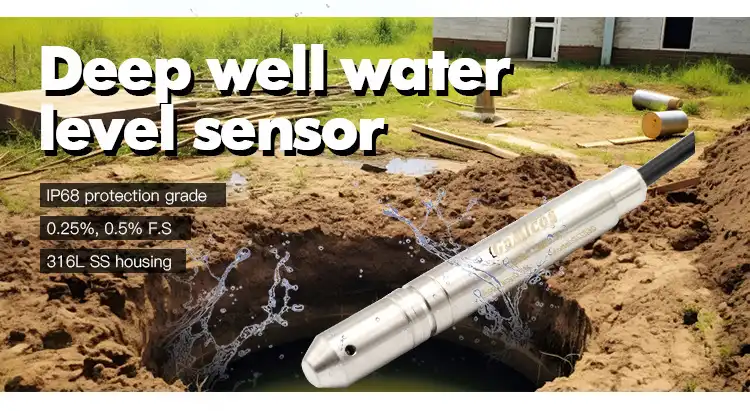
Usually, three main sensor technologies are used in agricultural uses. Each has its own benefits for different working needs. Submersible pressure sensors, like the GLT530 series, are very accurate and last a long time, making them perfect for uses that need to keep an eye on things all the time. The probe sizes of these sensors range from 12.8mm to 19mm, which makes them small enough to fit in places where room is limited.
Ultrasonic devices can measure without touching the object being measured, which keeps the object from getting dirty and ensures accurate data transfer. Capacitive sensors are great for tasks that need to be very sensitive, and they can pick up on even the smallest changes in water level. Each technology solves a different problem in agriculture, such as keeping an eye on irrigation wells or controlling systems that water animals.
Operating Principles in Agricultural Environments
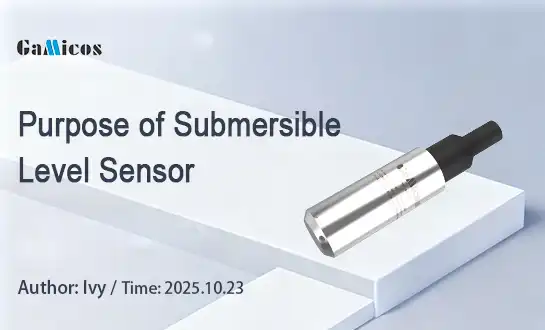
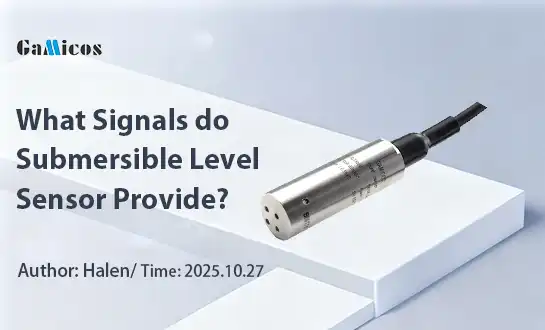
The GLT530 underwater liquid level sensor is an example of current technology used for tracking farms. Its combined structure has fully welded closing security, which lets it work underwater for longer periods of time without losing performance. The sensor has high-performance pressure detecting parts and modern signal processing circuits. It can measure water levels from 1 meter to 500 meters with an accuracy of ±0.1%FS, ±0.25%FS, or ±0.5%FS.
The non-polar two-wire current output of these monitors lets you keep an eye on the water level all the time. This makes it easier to connect them to other farm management systems. Their strong construction means they can work reliably in harsh farming situations, such as those with fertilizers, chemicals, and changing water quality.
Key Applications of Well Depth Sensors in Agriculture
Agricultural well depth sensors are very important for many reasons that have a direct effect on how well farming works and how sustainable the environment is. These uses include simple ones like checking the amount of water in a tank to more complicated ones like automating watering systems that get the best food returns while saving water.
Groundwater Management and Conservation
One of the most important uses of water level tracking equipment is for sustainable groundwater management. Sensors constantly check the amounts of the aquifer to make sure that too much water isn't taken out, which could damage wells or let saltwater into shore areas. This tracking feature helps farmers make sure they have enough water in the long run and protects deep water sources for future generations.
Collecting data in real time allows for proactive management, which lets farming operations change watering plans based on natural recharge cycles and changes in the seasons. This method lowers the risk of damaging aquifers by a large amount while still providing enough water for crops.
Precision Irrigation System Integration
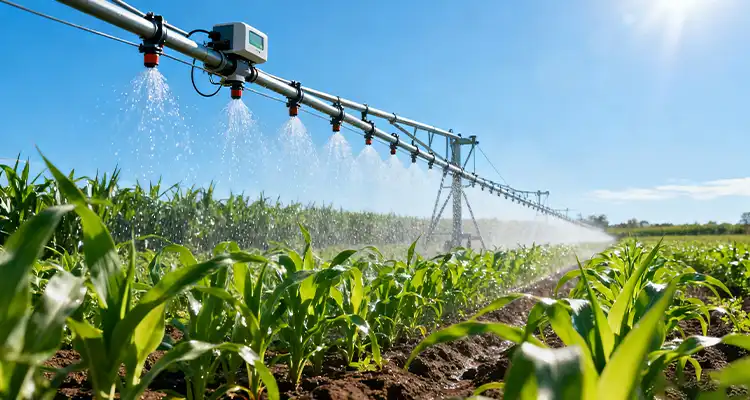
Today's precise watering systems depend on correct information about water levels to figure out the best times and amounts to use. Well depth monitors are the building blocks for controlled watering controls that can sense both how wet the soil is and how much water is available. This combination makes sure that crops get the right amount of water and stops water from going to waste by watering them too much.
The sensors work with variable rate watering systems that change how much water is applied based on the conditions of the field, its shape, and the needs of the plants. This feature is especially helpful for large-scale companies that have to manage different types of crops in soils with different conditions.
Flood Prevention and Emergency Response
Monitoring water levels for early warning systems is very helpful for farming in areas that are prone to flooding. Sensors pick up on sudden changes in the water level that could mean floods, so farmers can take steps to protect their crops, tools, and animals. These methods give important extra time for planning how to handle emergencies and keeping assets safe.
Benefits of Using Well Depth Sensors in Agricultural Water Management
Putting in place advanced systems for tracking water levels has big practical and financial benefits that make the investment in sensor technology worth it. These benefits aren't limited to measuring water; they also include better farm management and caring for the environment.
Enhanced Water Use Efficiency
Monitoring the water level accurately lets you plan when to water plants, which takes the guessing out of water management choices. Farmers can adjust watering activities to match the water needs of crops, which saves energy and makes equipment last longer. The changes in efficiency that follow usually save a lot of money because they lower energy bills and repair costs. By keeping the earth at the right level of wetness throughout the growth season, data-driven irrigation control also raises the quality and output of crops. Consistent access to water leads to better plant growth and more regular crop results, which directly affects how much money a farm makes.
Regulatory Compliance and Environmental Protection
More and more, water use and environmental safety are being closely watched by regulators in many farming areas. Well depth sensors give farmers the proof they need to show they are following water sharing rules and using safe farming methods. This tracking feature keeps farms from getting fined and also helps with efforts to save water in general. Some of the environmental benefits are less stress on aquifers, stopping saltwater from getting in, and protecting water supplies further downstream. These results help ensure the long-term survival of agriculture and the water protection of communities.
Operational Reliability and Cost Control
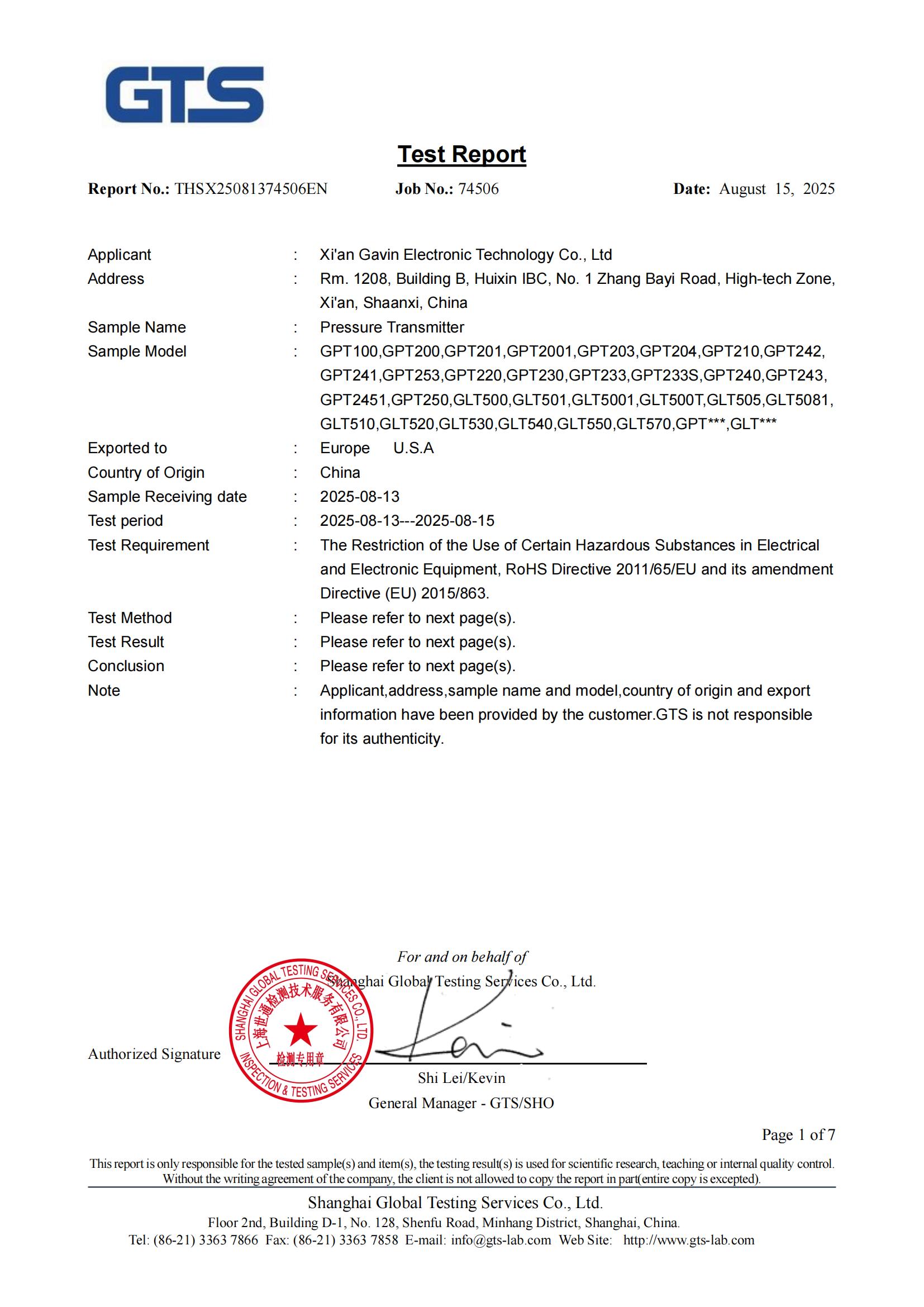
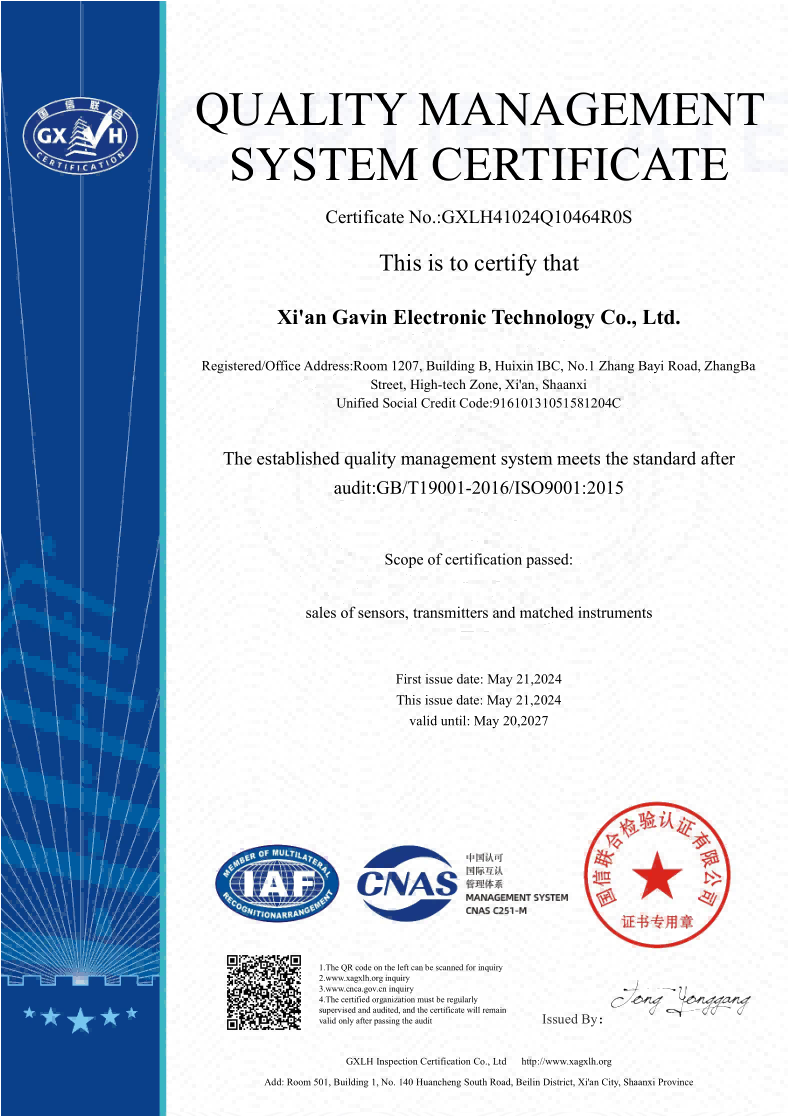
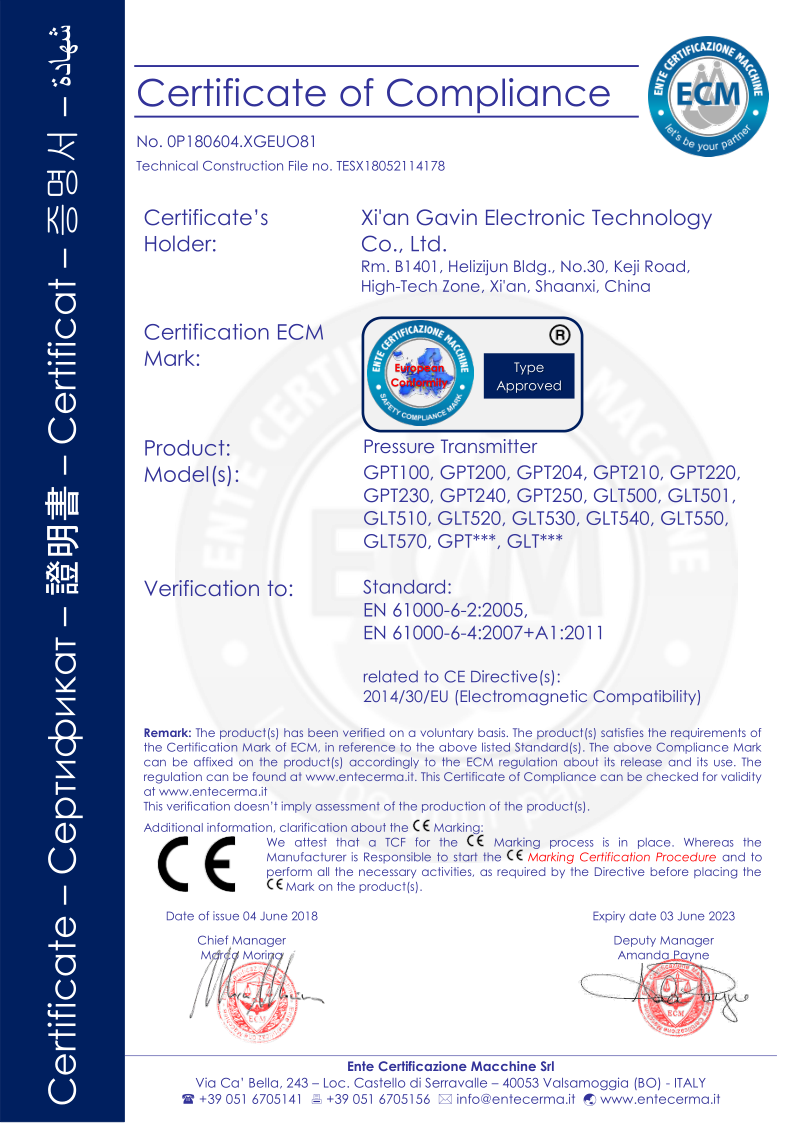
Modern sensors, like the GLT530, are very reliable because they are built to last and use cutting edge data processing technology. Their CE, RoHS, and ATEX certifications make sure that they meet international quality standards, and their OEM customization choices give customers the freedom to choose the best solution for their needs. The sensors' high accuracy and wide measurement ranges mean that they don't need to be re-calibrated as often, which cuts down on downtime and maintenance costs. Their small size makes fitting easier in tight areas, which means they can be used in more farming settings.
How to Choose the Right Well Depth Sensor for Agricultural Applications?
Selecting optimal water level monitoring equipment requires careful consideration of specific operational requirements, environmental conditions, and integration needs. The decision process involves evaluating technical specifications, installation constraints, and long-term operational objectives to ensure maximum return on investment.
Technical Specification Considerations
The needed measurement range depends on how deep the well is and how much the water level is likely to change throughout the year. The GLT530 monitor can work in ranges from 0 to 1 meter and up to 500 meters of water, which is enough for most farming needs. The accuracy standards should match the needs for precision in watering. For example, ±0.1%FS can be used for important tasks, while ±0.5%FS can be used for general tracking. Choosing the right monitor is often limited by its physical features, especially in upgrade situations or wells that are hard to get to. The GLT530 has small probe width choices (12.8mm to 19mm) that make it possible to place it in tight spaces while still getting good measurement results.
| GLT530 Water Depth Sensor | |
| Pressure range | 0~1m ... 200m H2O |
| Over pressure | 150%FS |
| Burst pressure | 300%FS |
| Output signal | 4~20mA,0~5VDC, Customizable |
| Power supply | 10~30VDC |
| Accuracy | 0.25%FS(min.), 0.5%FS(typ.) |
| Long-term stability | ≤0.1%FS/year |
| Operating temperature range | -20~+85 °C |
| Electrical interface | waterproof outlet |
| Pressure interface | submersible type |
| Material of pressure membrane | 316LSS |
| Material of housing | Stainless stee 304 |
| Response time(10%~90%) | 10ms |
| Protection | IP68 |
Integration and Connectivity Requirements
Integrated management systems that track water, handle irrigation, collect weather data, and give information on field management are becoming more and more important in modern farming. To make system integration go smoothly, sensors must provide output signs and connection methods that work with each other. Wireless choices allow for remote tracking, which is important for big or spread-out farming activities. These features make installation easier and give central control areas real-time access to important water level information.
Installation, Calibration, and Troubleshooting Guide for Agricultural Well Depth Sensors
Installing and maintaining sensors correctly will ensure they work at their best for long amounts of time. Agricultural areas have special problems, like changing water quality, high temperatures, and the chance of chemical contact that need special handling procedures.
Installation Best Practices
To put sensors correctly, the site must first be carefully examined to find the best placement and depth. The GLT530's fully welded closing design protects well against farming contaminants, allowing it to work reliably in tough water quality circumstances. The installation depth should take into account the expected changes in water level and make sure the sensor stays underwater even when the water level is very low. In farming settings, where mechanical damage from operating tools is a constant risk, cable route and link safety need extra care. When pressure relief and protected tubing are installed correctly, the system lasts longer and needs less upkeep.
Calibration and Maintenance Procedures
Regular calibration keeps measurements accurate even when the environment changes and sensors naturally move. The GLT530's high-performance pressure sensing parts and signal processing circuits cut down on the number of times that the device needs to be calibrated while still meeting accuracy standards. Calibration methods should follow the manufacturer's instructions and take into account changes in water density caused by weather and the amount of minerals dissolved in the water. Part of preventive maintenance is checking the links, the stability of the cables, and the state of the sensor case on a regular basis. The sensor's sturdy design means it doesn't need much upkeep and will work reliably for a long time in farming settings.
Conclusion
Well depth sensors have become essential tools for modern agricultural water management, enabling precise monitoring that supports sustainable farming practices and operational efficiency. The technology offers significant benefits including enhanced water use efficiency, regulatory compliance support, and improved crop yields through optimized irrigation management. Selecting appropriate sensors requires careful consideration of technical specifications, environmental conditions, and integration requirements to ensure maximum operational value. GAMICOS provides comprehensive sensor solutions designed specifically for agricultural applications, combining advanced technology with proven reliability to support successful water management outcomes.
Frequently Asked Questions
What accuracy levels are available for agricultural well depth sensors?
Agricultural well depth sensors typically offer accuracy options ranging from ±0.1%FS for precision applications to ±0.5%FS for general monitoring needs. The GLT530 sensor provides three accuracy levels (±0.1%FS, ±0.25%FS, ±0.5%FS) to accommodate different application requirements and budget considerations.
Can well depth sensors operate reliably in agricultural water containing fertilizers and chemicals?
Modern sensors like the GLT530 feature fully welded sealing construction and robust materials designed to withstand agricultural water conditions including fertilizer residues and chemical exposure. The integrated structure provides excellent protection while maintaining measurement accuracy over extended operational periods.
What installation considerations are important for agricultural well depth sensor applications?
Key installation factors include proper depth positioning to ensure continuous submersion, cable protection from mechanical damage, and consideration of seasonal water level variations. The compact probe diameter options (12.8-19mm) facilitate installation in various well configurations while maintaining measurement performance.
Partner with GAMICOS for Advanced Agricultural Water Management Solutions
Agricultural engineers and procurement managers seeking reliable well depth sensor solutions can benefit from GAMICOS' extensive experience and proven track record serving agricultural operations worldwide. Our GLT530 submersible sensors combine precision measurement capabilities with robust construction designed specifically for challenging agricultural environments. As a trusted well depth sensor supplier, we offer comprehensive customization options, technical support, and quality certifications that ensure optimal performance and regulatory compliance. Contact us at info@gamicos.com to discuss your specific water monitoring requirements and discover how our advanced sensor technology can enhance your irrigation efficiency and water resource sustainability.
References
1. Johnson, M.R. and Smith, K.L. "Precision Agriculture Water Management: Sensor Technologies and Applications." Agricultural Engineering Review, Vol. 45, No. 3, 2023, pp. 78-92.
2. Thompson, P.A. "Groundwater Monitoring Systems for Sustainable Agriculture." International Journal of Agricultural Water Management, Vol. 28, No. 2, 2023, pp. 156-171.
3. Davis, R.J., et al. "Automated Irrigation Systems and Water Level Sensors: A Comprehensive Analysis." Smart Farming Technology Quarterly, Vol. 12, No. 4, 2022, pp. 245-260.
4. Wilson, L.M. "Agricultural Water Conservation Through Advanced Monitoring Technologies." Environmental Agriculture Today, Vol. 35, No. 1, 2023, pp. 34-48.
5. Anderson, C.K. and Brown, D.R. "Well Depth Sensor Applications in Modern Agriculture: Case Studies and Best Practices." Agricultural Technology Review, Vol. 18, No. 6, 2023, pp. 112-127.
6. Martinez, S.A. "Sensor Calibration and Maintenance in Agricultural Water Management Systems." Farm Technology Management, Vol. 29, No. 3, 2022, pp. 89-103.

_1757930850792.jpg)