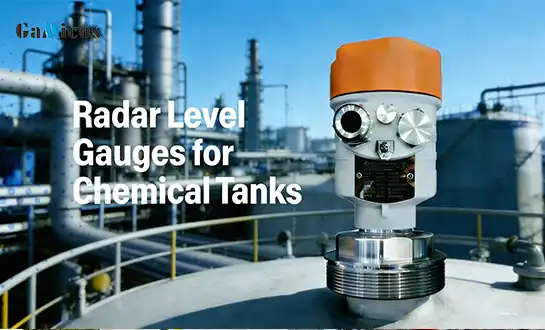
Chemical tank sensors that aren't too expensive are an important investment for manufacturing that will improve process safety and business efficiency across all sites. The market for chemical tank level sensors keeps growing because companies want to keep accurate records of liquid levels while also running their businesses as cheaply as possible. Modern level measurement technologies offer advanced options that strike a good balance between accuracy, durability, and cost-effectiveness. This lets businesses improve the way they store and handle chemicals without lowering safety standards or going over budget.
Understanding Chemical Tank Level Sensors: Types and Working Principles
Chemical tank level sensors use a variety of measuring methods to keep an eye on liquid levels correctly in industrial settings. Different physical principles are used by these devices to find and measure the height of chemicals in storage tanks. This information is very important for controlling the process and making sure everyone is safe.
Radar Level Measurement Technology
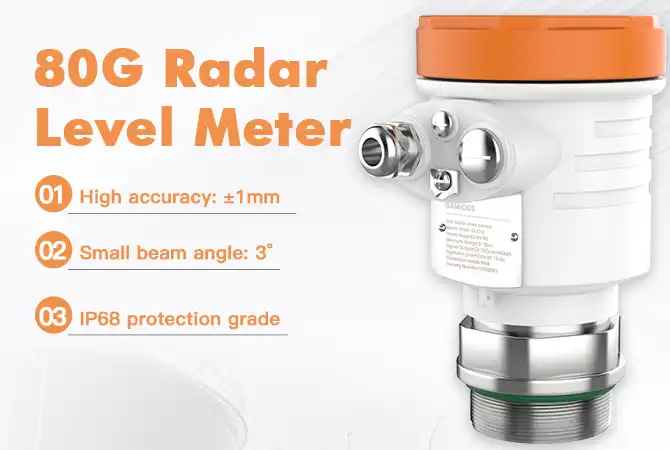
Frequency Modulated Continuous Wave (FMCW) technology is used by advanced radar level monitors to make measurements that are very accurate. When it comes to speed, the 80GHz frequency band beats out older ways of measuring. When the antenna is working, it sends out high-frequency FMCW radar signals with frequencies that rise in a straight line. When these signals hit the measured medium and then come back to the same receiver, they make a frequency difference that is equal to the goal distance. The GAMICOS GLT74 line shows off the latest in radar technology. The technology uses Fast Fourier Transform (FFT) processing to look at returned echo bands and figure out very accurately how far away targets are. This advanced method gives 80GHz radar receivers measurements with a high level of accuracy and clarity that are better than other detecting methods.
| GLT741 80G Radar Level Meter | |
| Frequency | 76GHz~81GHz |
| Measurement range | 0 m ~20m |
| Accuracy | ±1mm |
| Beam angle | 3° |
| Dielectric constant | >=2 |
| Power supply | 15~28.0VDC,2-wire |
| Signal output | 4~20mA |
| Working temperature/humidity | -40~85℃/≤95%RH |
| Housing shell material | Aluminum alloy |
| Antenna type | Lens antenna |
| Process pressure | -0.1~20MPa |
| Product dimension | Ø100*270mm |
| Electrical interface | M20*1.5 |
| Protection grade | IP68 |
| Explosion-proof grade | ExdiaIICT6 |
| Installation method | Thread or flange |
| Net weight/gross weight | 2.480Kg/2.995Kg |
Sensor Type Comparison
Understanding different sensor technologies helps engineers select optimal solutions for specific applications. Here are the primary measurement principles available in today's market:
- Magnetic Level Sensors: Utilize magnetic field variations to detect float position changes, offering reliable performance in clean chemical environments with minimal maintenance requirements.
- Capacitive Sensors: Measure dielectric constant changes between electrodes as liquid levels fluctuate, providing accurate readings for various chemical compositions.
- Float Sensors: Employ mechanical float mechanisms connected to measurement circuits, delivering cost-effective solutions for basic level monitoring applications.
- Ultrasonic Sensors: Generate sound waves that reflect off liquid surfaces, calculating distance based on time-of-flight measurements.
These diverse technologies enable manufacturers to match sensor characteristics with specific process requirements, ensuring optimal performance while maintaining budget considerations.
Selecting Affordable Sensor Solutions for Corrosive and Hazardous Chemicals
Chemical compatibility represents a fundamental consideration when selecting level sensors for corrosive or hazardous environments. Material selection directly impacts sensor longevity, measurement reliability, and overall system performance under challenging operating conditions.
Material Compatibility and Chemical Resistance
PTFE diaphragm technology is very resistant to chemicals, making it perfect for tough jobs. A chemical tank level sensor with PTFE diaphragms can handle strong acids, solvents, and chemicals that would damage other materials. This special design makes the sensor last a lot longer while keeping the accuracy of the measurements over long service times. Corrosive surroundings are better protected by housings made of stainless steel. When you put together PTFE diaphragms and strong housing materials, you get chemical protection that works for pharmaceutical, petroleum, and industrial processing uses.
Performance Advantages in Harsh Environments
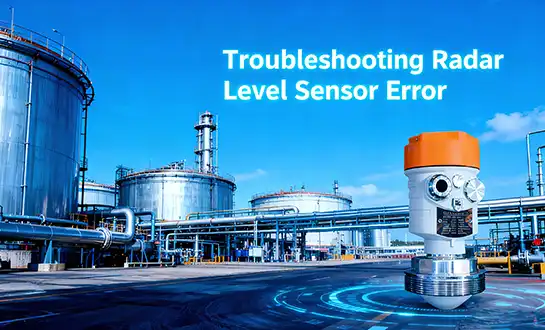
These days, radar level sensors work really well in tough industrial settings. The GLT741 radar level emitter uses high-frequency 80GHz technology with a very focused beam that doesn't pick up on typical sources of interference. This high-tech sensor gives accurate readings even when foam, dust, steam, and tank obstacles make it hard for other measurement technologies to work. Some of the best features are very accurate measurements (within ±1mm), very small blind spots starting at 0.05m from the transmitter, and measurement ranges from 0.05 to 120 meters. The 80GHz frequency band works in a pretty clean area of the electromagnetic spectrum, so typical industrial equipment doesn't mess with it too much.
Installation and Maintenance: Ensuring Longevity and Consistent Performance
Proper installation procedures and maintenance protocols maximize sensor performance while minimizing operational disruptions. Strategic planning during installation phases prevents common issues that compromise measurement accuracy and sensor longevity.
Installation Best Practices
How the sensor is mounted on the tank has a big effect on how well and reliably it works. Radar devices need to be able to see the surface of the liquid without being blocked by the inside of the tank, pipes, or building materials. When choosing where to mount something, it's best to stay away from places with a lot of shaking, high temperatures, or electromagnetic interference. Electrical lines must follow local safety rules and the labeling of the area as dangerous. By using the right grounding, wire wiring, and junction box, you can make sure that signals are sent reliably while still meeting the safety standards for dangerous environments.
Maintenance Protocols and Troubleshooting
Routine testing plans make sure that measurements are accurate for the entire life of the sensor. Depending on how harsh the chemicals are and how important the process is, most industrial uses benefit from having their calibration checked every three to six months. For quality control systems, calibration processes should be done according to the manufacturer's instructions and results should be written down. Modern sensors have diagnostic features that make fixing and preventative maintenance easier. Advanced radar level receivers have self-diagnostic features that find problems before they affect the process. This lets you plan maintenance ahead of time, which cuts down on unexpected downtime.
Market Overview: Leading Brands and Where to Buy
The chemical tank level sensor market features established manufacturers offering comprehensive product portfolios designed for diverse industrial applications. Understanding brand strengths and market positioning helps procurement professionals make informed supplier selections.
Industry-Leading Manufacturers
Major brands control certain market areas by coming up with new technologies and knowing how to use them well. When it comes to process automation systems, Endress+Hauser focuses on making them reliable and accurate. VEGA works on radar and sound technologies that can be used in tough situations. Siemens has automated options that combine sensors with control systems. Honeywell has good safety standards and offers a wide range of industrial sensor options. ABB offers cutting-edge measurement technologies that are combined with digital communication methods. These well-known names have large networks of distributors and technical help centers that serve customers all over the world.
Supplier Selection Criteria
Total cost of ownership is affected by warranty coverage, how quickly expert help responds, the availability of extra parts, and the ability to make changes. Scheduling projects and keeping track of supplies are both affected by lead times, minimum order amounts, and shipping processes. Depending on the needs of the product, partnerships between OEMs and distributors offer different benefits. Direct relationships with manufacturers allow for tailoring and technical teamwork, while relationships with resellers offer local help and faster delivery for standard goods.
Company Introduction and Product & Service Information
GAMICOS specializes in providing chemical tank level sensors that are both cheap and of high quality for production companies around the world. Our wide range of products includes cutting-edge measurement methods as well as low-cost options that meet the needs of many different industries.
Advanced Product Portfolio
Our GLT74 series 80GHz radar level meters represent cutting-edge measurement technology designed for demanding chemical applications. These sensors feature excellent beam characteristics with narrow beam angles of approximately ±3° in horizontal and vertical directions, ensuring precise targeting while avoiding interference from tank internals.
The GLT741 radar level transmitter delivers pinpoint accuracy with millimeter precision measurement capabilities. Its highly focused beam avoids obstacles and interference effortlessly, providing reliable performance in dust, steam, and heavy foam conditions. The maintenance-free design saves operational costs while ensuring long-term hassle-free operation.
Comprehensive Service Capabilities
GAMICOS provides professional OEM and ODM services with complete customization options covering models, parameters, packaging, and documentation. Our quality control systems ensure consistent product performance while our global distribution network serves customers across over 100 countries and regions.
Technical support includes product selection assistance, installation guidance, commissioning support, and ongoing maintenance consultation. Our engineering team collaborates with clients to optimize sensor performance for specific applications, ensuring maximum value from measurement investments.
Conclusion
Affordable chemical tank level sensors represent essential investments in manufacturing safety, efficiency, and operational control. Modern measurement technologies offer sophisticated solutions that balance cost considerations with performance requirements across diverse industrial applications. Radar level measurement technology, particularly 80GHz FMCW systems, delivers exceptional accuracy and reliability while maintaining competitive pricing structures. Proper sensor selection, installation, and maintenance practices maximize return on investment while ensuring consistent measurement performance throughout extended service periods. GAMICOS provides comprehensive solutions combining advanced technology with responsive support services designed to meet evolving industrial demands efficiently.
Frequently Asked Questions
How often should chemical tank level sensors be calibrated in manufacturing environments?
Calibration frequency depends on chemical aggressiveness and process criticality. Most industrial applications benefit from quarterly or semi-annual calibration verification to maintain accuracy and compliance with quality standards. Harsh chemical environments may require more frequent calibration schedules.
What is the typical lifespan of an affordable chemical tank level sensor under corrosive conditions?
With proper material selection and maintenance protocols, quality sensors operate reliably for 3 to 5 years or longer. PTFE diaphragm sensors and corrosion-resistant materials extend service life significantly, while harsh chemistries may necessitate more frequent replacement cycles.
Can chemical tank level sensors integrate with existing plant automation systems?
Modern sensors offer compatible digital and analog outputs including 4-20 mA, HART protocol, and digital communication options. These standard interfaces enable seamless integration with SCADA, DCS, and other industrial control platforms without extensive system modifications.
Partner with GAMICOS for Superior Chemical Level Measurement
Transform your manufacturing processes with GAMICOS advanced chemical tank level sensor technology. Our 80GHz radar solutions deliver unmatched precision and reliability while maintaining competitive pricing for budget-conscious operations. With global distribution, comprehensive technical support, and customizable solutions, GAMICOS serves as your trusted chemical tank level sensor supplier for demanding industrial applications. Our experienced engineering team provides personalized consultation, bulk purchase advantages, and responsive after-sales service tailored to your specific operational requirements. Contact us at info@gamicos.com to discover how our innovative measurement solutions can enhance your process control efficiency and safety standards.
References
1. Industrial Automation Market Research Report: Chemical Processing Equipment and Sensor Technologies, 2024
2. Chemical Industry Safety Standards and Level Measurement Best Practices, American Institute of Chemical Engineers
3. Radar Technology Applications in Industrial Process Control, IEEE Transactions on Industrial Electronics
4. Cost-Benefit Analysis of Advanced Level Measurement Systems in Manufacturing, Journal of Manufacturing Science and Engineering
5. PTFE Material Properties and Chemical Compatibility in Sensor Applications, Materials Science and Engineering Review
6. Industrial Sensor Calibration and Maintenance Guidelines for Chemical Processing Facilities, International Society of Automation

_1757930850792.jpg)