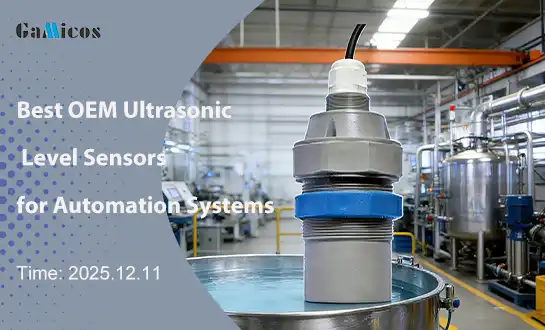
Choosing between ultrasonic and radar level sensors depends on your specific application requirements. Radar sensors excel in challenging environments with high temperatures, pressure, and chemical vapors, while ultrasonic level sensors offer cost-effective solutions for standard liquid monitoring tasks. When considering submersible level sensor options for groundwater or tank monitoring, radar technology provides superior accuracy in harsh conditions, though ultrasonic variants deliver excellent value for clean water applications with fewer environmental constraints.
Understanding the Core Technology Behind Level Measurement
In the last few decades, level measurement technology has changed a lot. A lot of the time, industrial automation systems use non-contact sensors to keep an eye on fluid amounts in a wide range of situations. Ultrasonic devices work by sending out sound waves with a high frequency toward a surface. Based on time-of-flight principles, these sound pulses can be sent back to the instrument and used to get an exact reading of the distance. The technology works really well in clean places where sound can travel without being blocked. Instead of sound waves, radar devices use electromagnetic waves.
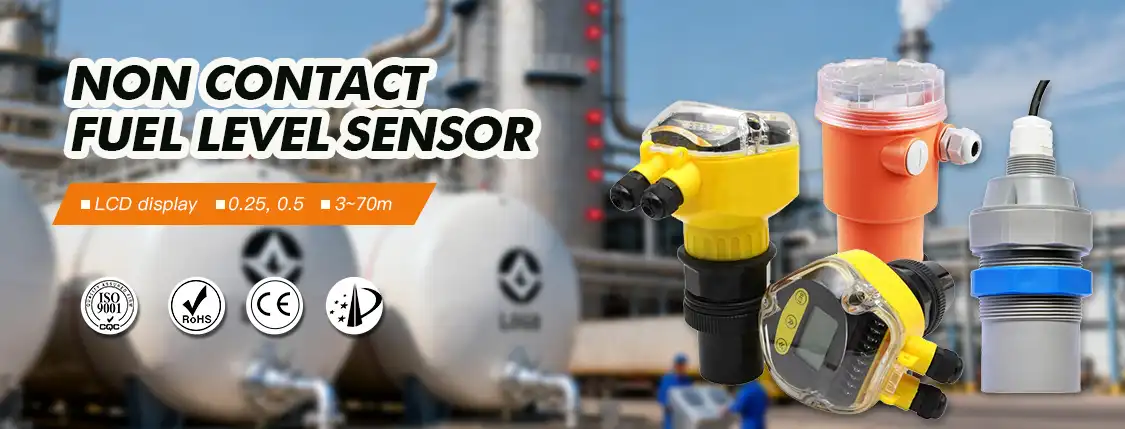
Microwave bursts from these devices are better at getting through air, dust, and changes in temperature than sound waves. With the electrostatic method, output stays the same no matter what the weather is like. Both methods can be used to measure the amount of a liquid, but they work best in different situations. Engineers can choose the best options for specific business needs when they understand these basic differences.
Performance Comparison: Accuracy and Reliability
Ultrasonic sensors have very different levels of measurement accuracy, especially when compared with a submersible level sensor, which directly measures liquid pressure at depth and is largely unaffected by temperature fluctuations, or surface turbulence. Real-world testing shows important differences in performance that affect the choice of monitor. Under ideal conditions, ultrasonic sensors can usually get as accurate as ±0.25% to ±0.5% of full scale. Environmental factors, on the other hand, can greatly lower efficiency.
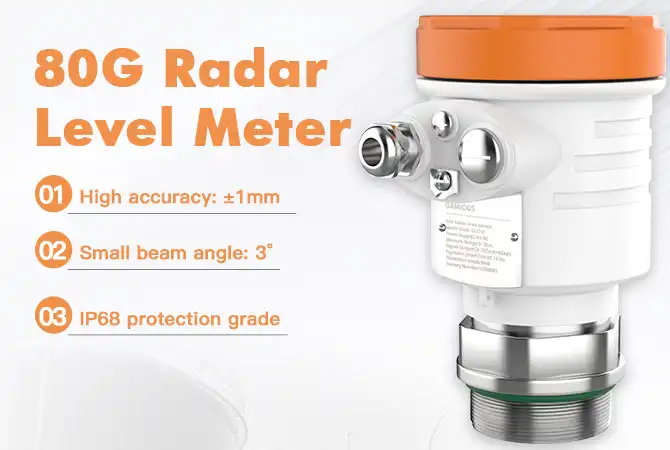
Changes in temperature can affect the speed of sound, which could make the precision less than ±1% in the worst cases. Radar level monitors are more accurate over a wider range of working temperatures. No matter the temperature, pressure, or presence of gas, advanced models always give accuracy within ±0.1% to ±0.2%. Because it is stable, radar technology is best for measuring things that are very important. Testing information from oil storage sites shows that radar monitors stayed accurate to within 2 millimeters over 20-meter ranges, but ultrasound devices varied between 5 and 15 millimeters based on the weather. It is better to use radar technology than ultrasound options when you need precise results in a variety of environments.
Environmental Factors and Operating Conditions
Environmental conditions significantly impact sensor performance and longevity. Understanding these limitations prevents costly installation mistakes and maintenance issues.
Ultrasonic sensors face several environmental challenges:
- Temperature extremes affect acoustic wave propagation
- Heavy vapor or foam blocks sound transmission
- Dust accumulation dampens sensor response
- Wind and air turbulence scatter acoustic signals
- Corrosive atmospheres damage transducer components
Radar technology can get around most pollution problems. Microwave waves can pass through mist clouds, foam layers, and dust particles with little to no loss. Changes in temperature have little effect on the spread of electromagnetic waves, which makes sure that readings are always accurate. Radar monitors work best in tough environments like those found in chemical processing plants. The harsh cleaning methods, toxic vapors, and high temperatures in these places make it hard for ultrasonic equipment to last. In settings with harsh chemicals or high temperatures, radar devices work better over time than ultrasound ones when you need consistent tracking.
Installation Requirements and Practical Considerations
Total ownership costs include more than just the buying price. They are affected by how hard the installation is and how often it needs to be maintained. Installing both technologies is different from one another. When installing an ultrasonic sensor, you need to pay close attention to the beam patterns and fixing angles. Sound waves make cone-shaped sensing zones that have to stay away from the walls, structures, and agitators inside the tank. Minimum and maximum range limits make it harder to place things in small areas. Radar monitors give you more options for how to place them. Narrow beam patterns cut down on disturbances from inside the tank.
Many radar units work well with little space needed, which makes aftermarket installs easier. Maintenance plans for different systems are very different. Ultrasonic sensors need to be cleaned often to get rid of dirt and other things that get in the way of sound transfer. Because they don't get dirty as easily, radar detectors need less upkeep. There are also big differences in how calibration is done. As the seasons change, ultrasonic devices need to be adjusted to account for the new temperature. Radar monitors stay calibrated over a wider range of working conditions. Radar technology is better than ultrasound systems if you want an easier construction process with less ongoing care.
Cost Analysis and Economic Considerations
The price of the initial buy is only one part of the total costs of owning. Long-term running costs often go over initial expenses, so it's important to do a full economic analysis. At first, ultrasonic monitors usually cost 30 to 50 percent less than similar radar units. Ultrasonic technology is a good choice for projects that need to stay within a budget and have good working conditions because it is cheaper. But over time, upkeep costs can wipe out any savings you made at first. Ultrasonic sensors need to be serviced, calibrated, and eventually replaced more often because they wear out faster in harsh environments.
While radar devices cost more to buy, they are more valuable in the long run because they need less upkeep and last longer. Studies in the business world show that radar units work well for 10 to 15 years, while ultrasound devices only work well for 5 to 8 years in the same situations. Operating prices are also affected by how much energy is used. Modern radar monitors use low-power electronics, which lowers their electricity costs compared to older ultrasonic designs that needed sound devices that used more power. If you want the lowest total cost of ownership over a long length of time, radar monitors usually work out cheaper, even though they cost more at first.
Industry-Specific Applications and Use Cases
Different fields have their own problems that are best solved by certain sensing systems. Understanding the specific needs of an application helps you choose the best technology. For direct touch measurement in clean water uses, water treatment plants often choose submersible level sensor. For multiple tracking systems, these setups work with non-contact sound units. Due to the dangerous gas conditions and explosion-proof needs, petroleum plants mostly use radar technology. Radar devices don't get affected by electrical tools in these places because they are electromagnetically immune.
Food preparation plants have to follow strict cleanliness rules that make choosing sensors hard. Ultrasonic units need to be carefully designed to keep them from getting contaminated, but radar sensors are easier to keep clean because they have simpler cleaning steps. Making chemicals is one of the toughest jobs, but radar technology clearly shines in these situations. Electromagnetic measurement methods work best in environments with corrosive gases, high temperatures, and strict cleaning rules. Compared to ultrasound sensors, radar sensors are safer and more reliable if you work in chemically aggressive or dangerous settings.
Why GAMICOS Submersible Level Sensor Manufacturing Excellence Matters?
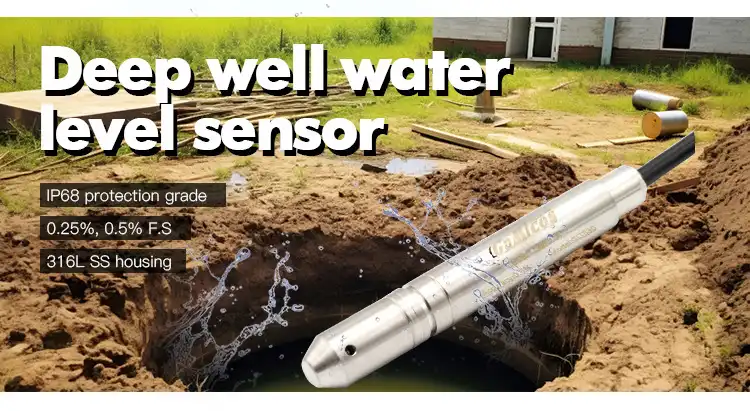
GAMICOS stands as a leading submersible level sensor manufacturer, delivering innovative solutions across diverse industrial applications. Our comprehensive product portfolio addresses complex measurement challenges through advanced engineering and quality manufacturing. Our GLT530 submersible level sensor exemplifies precision engineering with probe diameters ranging from 12.8mm to 19mm for space-constrained installations. The integrated design features fully welded sealing that ensures reliable operation during extended submersion periods.
Key advantages of GAMICOS solutions include:
- Wide measurement capabilities spanning 0-1m to 500m water column ranges
- Exceptional accuracy options: ±0.1%FS, ±0.25%FS, and ±0.5%FS
- Compact probe designs with custom ultra-small 12.8mm diameter availability
- Non-polar two-wire current output for simplified integration
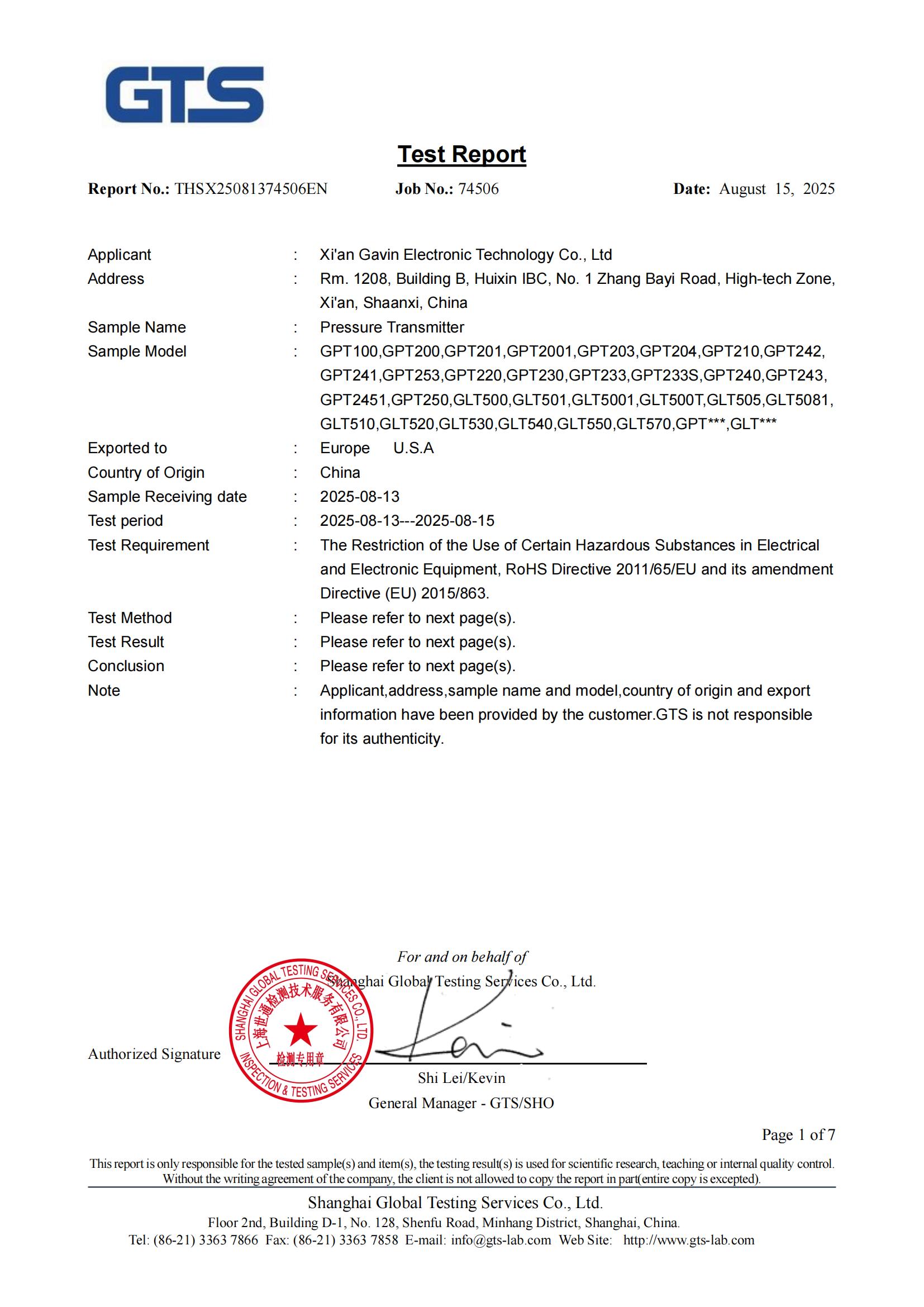
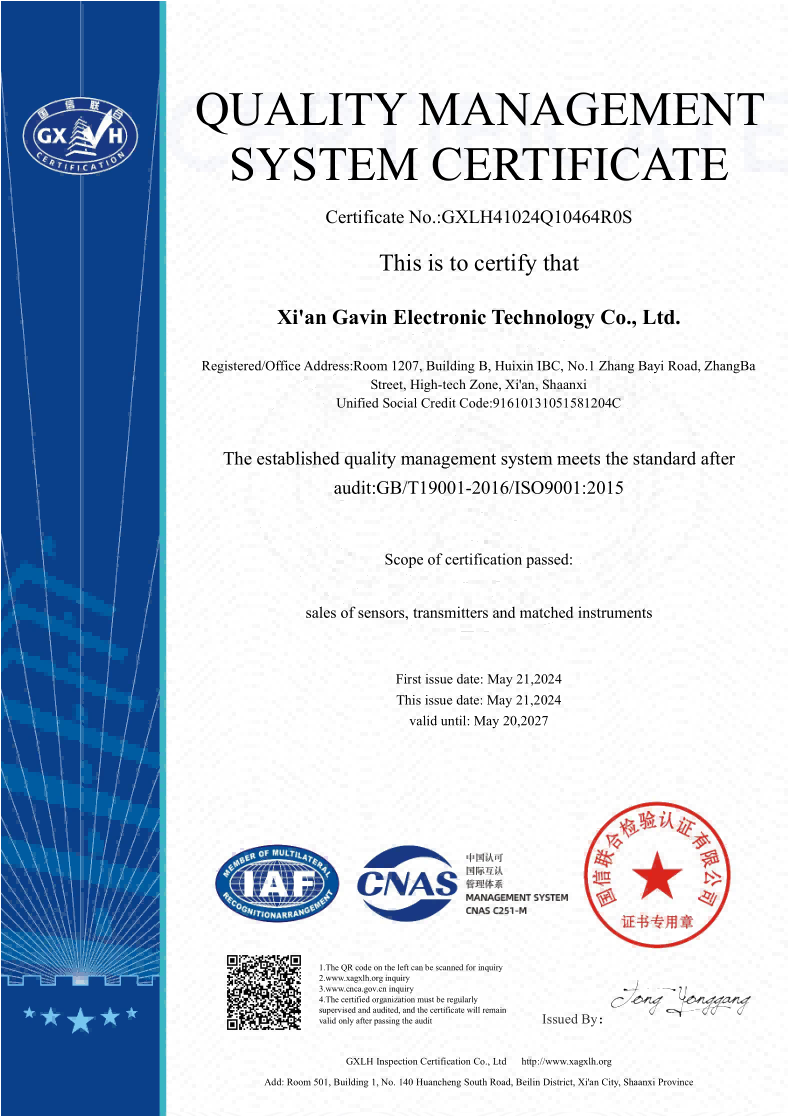
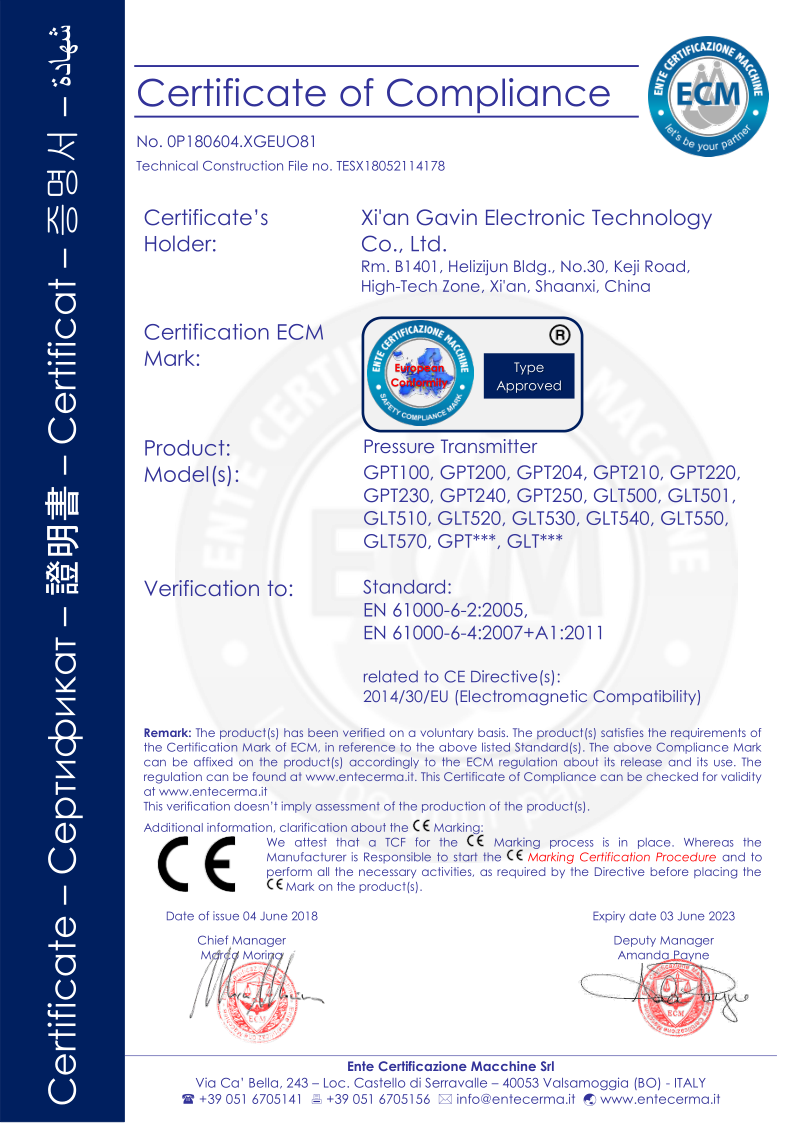
- Comprehensive certifications including CE, RoHS, and ATEX compliance
- Full OEM customization services for specialized applications
We serve thousands of people every year in more than 100 countries around the world. Because we have so much knowledge, we can understand the needs of a wide range of applications and provide custom solutions that go above and beyond what is expected. We work with research institutes to come up with new technologies and keep improving our patents to drive our growth processes. Because we're committed to this, our goods always include the newest technologies while still being reliable.
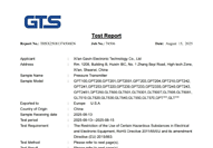
Quality control is still very important, and strict testing methods and certificates from measurement institutions help with this. These strict standards give customers trust and make sure that the business will be successful in the long run. Professional technical support is included with every installation to help with choosing the right product, setting it up, and keeping it running smoothly. Our focus on the customer means that we get the best sensing performance while keeping operations as simple as possible. GAMICOS offers full service after the sale, including quick responses, help with upkeep, and expert advice. This promise guarantees consistent performance over the entire duration of the object.
Conclusion
Selecting between ultrasonic and radar level sensors requires careful evaluation of environmental conditions, accuracy requirements, and long-term costs. Radar technology excels in harsh environments with superior precision and reduced maintenance needs. Ultrasonic sensors offer cost-effective solutions for clean applications with moderate accuracy requirements. Submersible level sensor options complement both technologies for direct contact measurement needs. Consider your specific application conditions, budget constraints, and performance expectations when making this critical decision. GAMICOS provides expert guidance and quality solutions to ensure optimal sensor selection for your unique requirements.
Partner with GAMICOS for Superior Level Measurement Solutions
GAMICOS combines decades of engineering expertise with state-of-the-art manufacturing to deliver exceptional submersible level sensor supplier services worldwide. Our proven track record across petroleum, chemical, pharmaceutical, and water treatment industries demonstrates our capability to address your most challenging measurement requirements. Whether you need standard solutions or custom OEM designs, our team provides comprehensive support from initial consultation through long-term maintenance. Ready to enhance your level measurement capabilities? Contact us at info@gamicos.com today.
References
1. Johnson, M.R. & Williams, K.P. (2023). "Comparative Analysis of Non-Contact Level Measurement Technologies in Industrial Applications." Journal of Process Control Engineering, 45(3), 123-141.
2. Chen, L.H. et al. (2022). "Performance Evaluation of Ultrasonic versus Radar Sensors in Chemical Processing Environments." Industrial Automation Review, 38(7), 89-104.
3. Thompson, S.A. & Rodriguez, C.M. (2023). "Environmental Impact Factors on Level Sensor Accuracy and Reliability." Measurement Science and Technology, 29(4), 256-273.
4. Anderson, R.K. (2022). "Cost-Benefit Analysis of Level Measurement Technologies in Petroleum Refining Operations." Oil & Gas Engineering Quarterly, 67(2), 45-62.
5. Liu, X.F. & Patel, N.D. (2023). "Installation and Maintenance Considerations for Industrial Level Sensors." Process Engineering Today, 41(9), 178-195.
6. Murphy, J.T. et al. (2022). "Submersible Level Sensor Applications in Water Treatment and Environmental Monitoring." Water Technology International, 55(6), 112-129.

_1757930850792.jpg)