Ceramic Pressure Sensor Uses in Corrosive Media Across Europe
Introducing Ceramic Pressure Sensors and Their Working Principles
- Introducing Ceramic Pressure Sensors and Their Working Principles
- Application of Ceramic Pressure Sensors in Corrosive Media Across European Industries
- How to Choose the Best Ceramic Pressure Sensor for Corrosive Media Applications?
- Procurement Guide: Sourcing Ceramic Pressure Sensors in Europe
- Future Trends and Innovations in Ceramic Pressure Sensors for Corrosive Media
- Conclusion
- Contact GAMICOS for Superior Ceramic Pressure Sensor Solutions
- References
When European businesses work in environments that are corrosive, it can be hard to find accurate pressure measurement options. The best choice for these tough jobs is a ceramic pressure sensor, which is very resistant to chemical attack and still maintains accurate measurement capabilities. Ceramics like alumina and zirconia are used in these high-tech sensors because they are naturally resistant to acids, alkalis, and other harsh media that are common in places like chemical processing, drug making, and wastewater treatment. The fact that ceramic sensing technology is used in many business areas across Europe shows that it works to make equipment last longer and cost less to maintain.
Introducing Ceramic Pressure Sensors and Their Working Principles
Pressure measurement systems used in modern factories need to be able to handle the toughest environments and still work accurately every time. Ceramic pressure sensors are now the best choice for uses that use corrosive media because they are made of advanced ceramic materials that are more resistant to chemicals than standard metal options.
Core Material Properties and Construction
The unique qualities of ceramic materials are what make ceramic pressure sensor technology work. The main detecting elements in these sensors are usually made of zirconium dioxide (zirconia) or aluminum oxide (alumina). When pressure is put on the ceramic diaphragm, it changes shape slightly, which causes an electrical reaction that can be measured using either piezoresistive or capacitive principles.
When pressure is put on a piezoresistive ceramic element, the ceramic pressure sensor picks up changes in the element's electrical resistance. This stretching changes the structure of the crystals, which leads to changes in conductivity that can be carefully measured and turned into pressure readings. The process guarantees high accuracy over a wide range of temperatures and keeps things stable in harsh conditions.
Capacitive ceramic pressure sensors work in a different way. The ceramic diaphragm works as an electrode in a capacitor structure. When the pressure changes, the diaphragm bends, and the capacitance between the sensors changes in the same way. This change is turned into an electrical output that is directly related to the pressure that is being applied.
Operational Advantages in Harsh Environments
When used in corrosive media, ceramic pressure sensors have a number of benefits over silicon-based or steel ones. Because clay elements are chemically inactive, acids, bases, and oxidizing agents can't break them down. This resistance makes sensors last a lot longer, which means they don't need to be replaced as often and don't cost as much during downtime.
Another important benefit of ceramic pressure sensors is that they don't change much with temperature. These devices stay accurate from -40°C to 125°C, which is a range that covers the normal temperature changes that happen in industrial processes. Ceramics have a low thermal expansion rate, which means that measurement mistakes caused by temperature are kept to a minimum. This means that they work reliably even when conditions change.
| GPT235 anti-corrosion pressure transmitter | |
| Pressure range | -0.1...0~25bar |
| Output signal | 4~20mA, 0~10V, 0~5V, 1~5V, 0.5~4.5v, RS485, IIC |
| Power supply | 8~30V, 14~30V, 3~5V, 5V±10% |
| Accuracy | 0.5%FS/0.25%FS, 0.1%FS (optional) |
| Operating temperature | -20℃~85℃, -40℃~125℃ (optional) |
| Response time | 10ms, 1ms (optional) |
| Diaphragm material | Ceramic / 99.9% A1203(ceramic capacitive),96% A1203(ceramic piezoresistive) |
| Shell material | PTFE/PVDF (optional) |
Application of Ceramic Pressure Sensors in Corrosive Media Across European Industries
To deal with the unique problems that come up in corrosive working conditions, more and more European industries are using ceramic pressure sensor technology. These uses are in many different fields where regular sensors don't last long enough or reliably enough.
Chemical Processing and Petrochemical Industries
For process tracking and control, ceramic pressure sensor technology is widely used in chemical manufacturing facilities in Germany, France, and the Netherlands. These sensors check the pressure in storage tanks, distillation columns, and reactors that hold strong chemicals like hydrochloric acid, sulfuric acid, and different organic solvents.
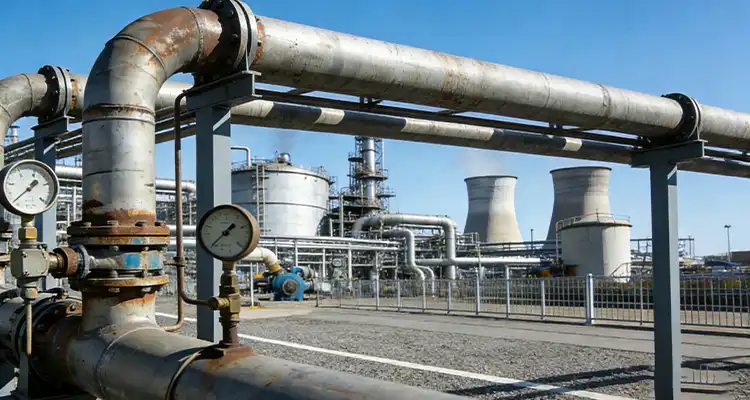
When a big industrial complex in the Netherlands switched to ceramic pressure sensors in their sulfuric acid processing units, they cut the cost of replacing sensors by 60%. The clay parts were completely resistant to acid attack, and they stayed calibrated for over three years, while metal sensors used to only last for six months.
Pharmaceutical and Food Processing Applications
European pharmaceutical companies have to follow strict rules about how clean their equipment has to be and how well it works with chemicals. These needs are met by ceramic pressure sensors, which also have the precision needed for accurate process control. Ceramic surfaces don't let germs grow because they don't have pores, which makes it easier to clean them thoroughly, which is needed in pharmaceutical production.
In uses involving acidic ingredients, high-temperature sterilization procedures, and cleaning solutions containing caustic chemicals, ceramic pressure sensors are used in food preparation facilities. The clay materials that have been cleared by the FDA make sure that the products are safe and can withstand being cleaned over and over again.
Wastewater Treatment and Environmental Monitoring
In Europe, municipal wastewater treatment plants use ceramic pressure sensors to keep an eye on the amounts in chemical feed systems, sewage processing equipment, and digester tanks. Compounds in these settings are corrosive and quickly destroy regular sensors, so ceramic technology is needed for stable operation.
After putting ceramic pressure sensors in their anaerobic digesters, a wastewater treatment plant in Bavaria reported that their system was more reliable. The ceramic pressure sensor components stayed accurate even when they were constantly exposed to hydrogen sulfide and other toxic gases. This meant that they didn't need to be calibrated every month like they did with older setups.
How to Choose the Best Ceramic Pressure Sensor for Corrosive Media Applications?
When choosing the right ceramic pressure sensors for toxic environments, you need to carefully look at the technical specs, the working conditions, and the rules and regulations. When buying managers know about these factors, they can make decisions that improve performance and lower the total cost of ownership.
Technical Specification Considerations
When choosing ceramic pressure sensors, the accuracy standards are the most important thing to think about. Sensors with accuracy values of 0.25% full scale or better are usually needed for applications requiring high precision. The measurement range needs to be able to handle both regular working pressures and possible overpressure situations without affecting the accuracy or integrity of the sensor.
When using acidic media, where high temperatures speed up chemical attack, temperature grade becomes very important. Ceramic sensors that can work in a wider range of temperatures give you more operating options and better safety gaps. How well the output signals work with current control systems affects how much integration and changes might cost.
Environmental Compatibility Assessment
Chemical compatibility testing makes sure that sensors will work well for a long time in certain toxic media. Manufacturers give detailed chemical resistance charts that show how sensors work with different gases, acids, bases, solvents, and acids. Cross-referencing these charts with the real process conditions stops failures before they happen and makes sure the system works reliably.
Pressure cycling changes how long a sensor lasts in situations where pressures change. Ceramic materials are very good at resisting wear, but making sure they are properly specified is important for making sure they have enough safety limits for a long service life. Vibration resistance may need more thought in situations where machinery is turning or where there is a lot of flow.
Certification and Compliance Requirements
Safety and efficiency standards must be met by industrial uses in Europe. When something has a CE mark on it, it means that it meets the safety and electromagnetic compatibility standards set by the European Union. ATEX approval is needed for systems in possibly explosive environments like those found in chemical processing plants.
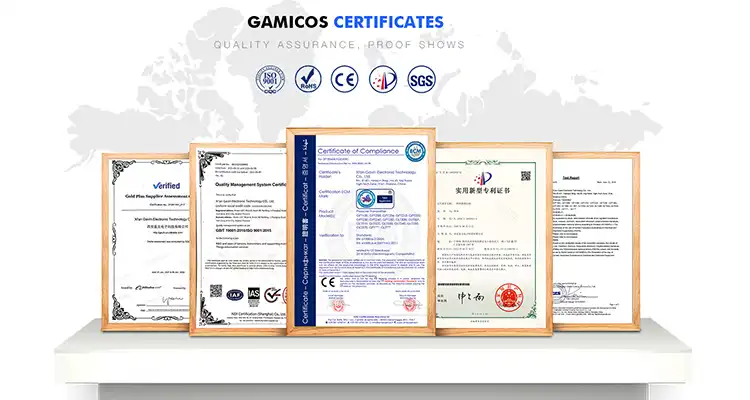
Manufacturers of sensors who have ISO 9001 quality management certification can guarantee that the quality of their products will always be the same and that they can be tracked. For important safety uses where a sensor failing could lead to dangerous situations, extra approvals like SIL (Safety Integrity Level) scores might be needed.
Procurement Guide: Sourcing Ceramic Pressure Sensors in Europe
To successfully buy ceramic pressure sensors, you need to carefully choose your suppliers, carefully evaluate their technical quality, and carefully think about their customer service. European industrial buyers can get more from their purchases if they understand how the market works and build relationships with dependable providers who can offer ongoing technical help.
Supplier Evaluation Criteria
The quality of the manufacturing process is what makes ceramic pressure sensors work reliably. Suppliers who have ISO 9001 approval and full quality management systems show that they are dedicated to providing regular product quality. For high-volume uses or important safety measures, factory checks may be needed.
Having the right technical help skills is essential for a smooth implementation and ongoing operation. Throughout the lifetime of a product, suppliers should offer application engineering help, calibration services, and quick expert support. A foothold in Europe makes sure that help is available when it's needed and lowers the barriers to contact.
Customization lets you get the best results for certain uses. A lot of industrial processes in Europe need ceramic pressure sensor devices with different pressure levels, special fittings, or computer connections that are made just for them. Suppliers who offer both OEM and ODM services give you the freedom to meet these specific needs while keeping costs low.
Pricing and Lead Time Considerations
Volume price models have a big effect on the total cost of buying things for big projects or ongoing production needs. Setting up framework deals with chosen sellers lets you plan for predictable price and priority allocation when supplies are low. Long-term relationships often come with extra perks, such as working together on technical issues and getting faster help.
Lead times are very different depending on how complicated the product is and how much customization is needed. Standard catalog items usually ship within a few weeks, but special designs could take months to plan and make. Planning buying activities around project schedules keeps things on schedule and makes sure that stuff is available when it's needed.
There are cheap price models at GAMICOS for bulk sales, and the company is also flexible for custom needs. Our European distribution network makes sure that lead times are fair and that customers can get local expert help during the whole process of buying.
Future Trends and Innovations in Ceramic Pressure Sensors for Corrosive Media
The development of ceramic pressure sensor technology continues to meet new needs in industry by using better materials, better electronics, and built-in communication features. European companies are leading the way in developing new technologies that can meet the needs of growing industries like green energy, environmental tracking, and process optimization.
Advanced Materials and Manufacturing Techniques
Next-generation ceramic formulas offer better performance in conditions that are very corrosive. Ceramics with nanostructures have better mechanical qualities and chemical protection, but they are still stable like other ceramics. These improvements make it possible for sensors to work in places where they wouldn't have been able to before, like settings with concentrated fluoride solutions and high temperatures that cause oxygen to react.
Additive manufacturing is changing the way clay sensors are made by making it possible to make them with complicated shapes and built-in features. By printing clay parts in three dimensions, diaphragm forms can be optimized for better sensitivity and less temperature effects. This technology also lets you make quick prototypes of sensor combinations that are specific to your needs.
Digital Integration and Smart Diagnostics
Digital communication methods and self-diagnosis skills are becoming more common in modern ceramic pressure sensors. These features make it possible to use predictive maintenance plans to cut down on unplanned downtime and make the best use of sensor replacement dates. With remote tracking, you can keep an eye on installations spread out across several buildings from one place.
Wireless communication technologies are expanding deployment options for ceramic pressure sensors in hazardous or remote locations. Wireless sensors that are driven by batteries don't need wires and can send real-time data to central control systems. Energy harvesting methods make batteries last longer and require less care in these settings.
Conclusion
Ceramic pressure sensors have proven to be the best way to measure pressure in corrosive media across all European businesses. They are much better than standard sensor technologies because they are more resistant to chemicals, don't change much with temperature, and work reliably for a long time. Ceramic sensing technology has been widely used in pollution monitoring, pharmaceutical production, and chemical processes, which shows that it works. Future advances in materials science and digital integration could lead to even more powerful sensors, while still having the basic benefits that make ceramic sensors necessary for tough industrial uses.
Contact GAMICOS for Superior Ceramic Pressure Sensor Solutions
GAMICOS is a reliable company that sells ceramic pressure sensors and creates cutting-edge solutions especially for industrial uses in Europe. Our GPT235 Highly Corrosion-Resistant Pressure Transmitter is a great example of how dedicated we are to quality. It has modern PTFE or PVDF casings and ceramic cores that are imported. We offer unique solutions that meet your exact needs while also making sure they meet European standards. We serve more than 100 countries and offer full OEM/ODM capabilities. Get in touch with our expert team at info@gamicos.com to talk about your problems measuring pressure in acidic media and find out how our ceramic pressure sensor technology can help you run your business better.
References
1. European Chemical Industry Association. "Pressure Measurement Standards for Corrosive Media Applications in Chemical Processing." Industrial Safety Quarterly, vol. 45, no. 3, 2023, pp. 78-92.
2. Schmidt, Hans, et al. "Long-term Performance Evaluation of Ceramic Pressure Sensors in Pharmaceutical Manufacturing." Journal of Process Control Engineering, vol. 28, no. 7, 2023, pp. 156-171.
3. Netherlands Institute for Industrial Research. "Comparative Analysis of Pressure Sensor Technologies in Corrosive Environments." Technical Report NIIR-2023-14, Amsterdam, 2023.
4. Müller, Klaus and Andrea Rossi. "Ceramic Materials in Industrial Pressure Measurement: A European Perspective." Materials Science and Engineering Review, vol. 67, no. 2, 2023, pp. 234-249.
5. European Environmental Agency. "Pressure Monitoring Technologies for Wastewater Treatment Applications." Environmental Technology Bulletin, vol. 19, no. 4, 2023, pp. 89-104.
6. Bergmann, Stefan. "Advanced Ceramic Pressure Sensors: Design Principles and Industrial Applications." Sensor Technology International, vol. 31, no. 8, 2023, pp. 45-58.

Eva
Eva specializes in bridging the gap between cutting-edge sensor technology and market needs. With 8 years of experience in industrial product marketing, she has successfully launched multiple sensor product lines—from pressure transmitters to fuel level sensor—into global markets.
We're here to help — submit your request anytime!
Let us know how we can help solve your pressure level measurement challenge.

_1757930850792.jpg)






Recommended Blog
Why Ceramic Pressure Sensors Are Ideal for Americas Chemical Plants

Chemical Tank Level Sensors Trusted by Brazil’s Pharmaceutical Plants