Chemical tank level sensors are very important tools for correctly measuring the level of liquid in chemical storage tanks. In chemical businesses, their main job is to keep processes safe by keeping a close eye on and controlling the contents of tanks. Accurate level measurement stops spillage, leaks, and the dangers that come with them, keeping the process safe. In order to meet the strict requirements of dangerous settings, modern chemical tank level sensor technology has advanced, providing increased accuracy and dependability, which directly leads to higher operating safety. This detailed guide is for purchasing managers, engineers, distributors, and OEM clients who do business-to-business (B2B) buying. It explains sensor technologies, their benefits, how to choose the right ones, and how they can be used in real-life situations to make chemical handling safer, more efficient, and more in line with regulations.
Comprehending Chemical Tank Level Sensors and Their Role in Process Safety
Chemical tank level sensors operate using sophisticated principles, including ultrasonic waves, float mechanisms, radar signals, and pressure-based measurements, each tailored to different chemical storage environments. These devices provide continuous, real-time level measurement that is critical in preventing safety incidents across various industrial applications. Understanding the fundamental differences between sensor types—ultrasonic, float switch, radar, and capacitive—is essential for choosing solutions compatible with corrosive and hazardous liquids.
How Advanced Sensor Technologies Enhance Safety?
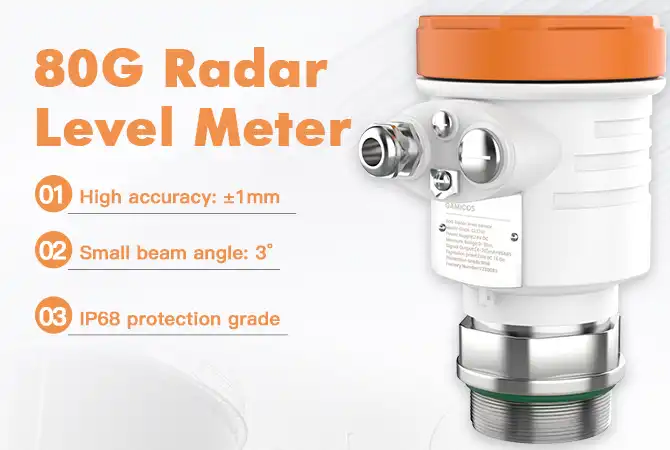
Modern level measurement technology has changed the way chemicals are stored safely by adding new features like measuring without touching the chemicals. The GAMICOS GLT74 series is an example of this progress because it uses 80GHz radar technology that can send and receive Frequency Modulated Continuous Wave (FMCW) signals. This complex system works by sending out high-frequency radar signals that bounce off of objects that are being monitored. The difference in frequency between the signals being sent and received is related to the distance of the target. The system can measure with an accuracy of up to ±1mm using Fast Fourier Transform (FFT) analysis. This gives chemical tank tracking a level of accuracy that has never been seen before.
Critical Safety Functions in Chemical Processing
When you measure things correctly, you can avoid dangerous situations like overfilling, leaks, and chemical spills, which are also against strict safety rules in the workplace. These monitors are the first line of defense for safety and compliance in places where chemicals are stored and processed. Operating staff can quickly respond to possible dangers when they can constantly check tank levels. This helps avoid disasters that could damage the environment, hurt people, or cause big financial losses.
Key Benefits of Using Chemical Tank Level Sensors in Process Safety
Implementing advanced level measurement systems has big benefits in many practical areas, but the most important one is safety. Adding advanced sensor technology changes how chemical plants handle risk and keep operations running smoothly in a basic way.
Real-Time Monitoring and Hazard Prevention
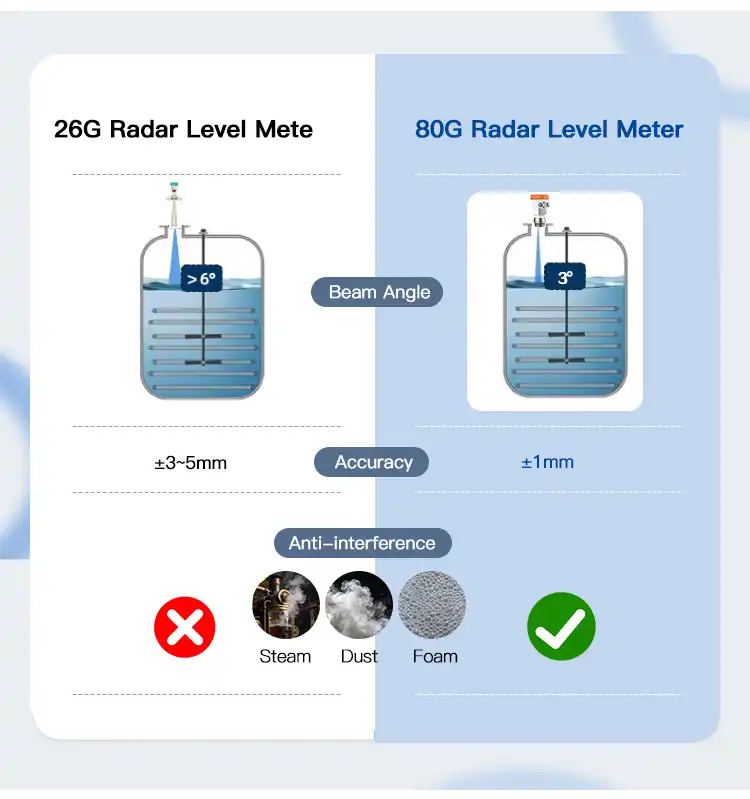
The most significant advantage of modern chemical tank level sensors lies in their ability to provide real-time, accurate monitoring that prevents hazardous events like overfilling or dangerous leaks. Advanced sensor technologies offer superior precision and reliability, significantly reducing process risks through continuous monitoring capabilities. The GLT741 radar level transmitter demonstrates these capabilities through its highly focused beam technology that effortlessly avoids obstacles and interference, ensuring reliable measurements even in challenging environments with foam, dust, or tank obstructions.
Operational Efficiency and Cost Reduction
In addition to improving safety, these monitors make operations more efficient by allowing automation and early warning systems that keep equipment from breaking down and production from stopping, which costs a lot of money. Advanced sensors like the GLT741 don't need to be maintained, which cuts down on costs and makes sure they work well for a long time. These levels of dependability directly lead to higher production and lower operating costs in chemical processing plants.
Regulatory Compliance and Environmental Protection
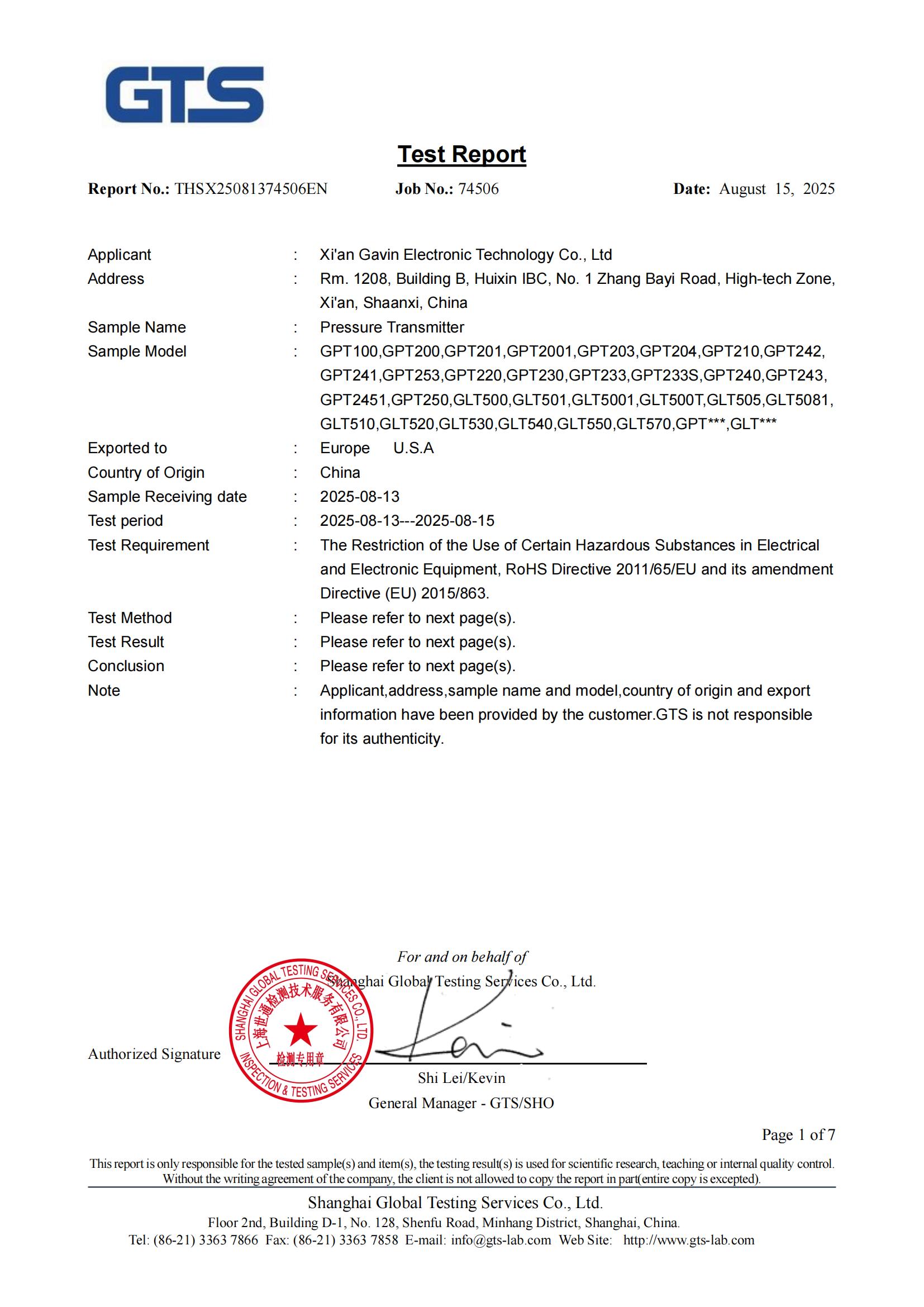
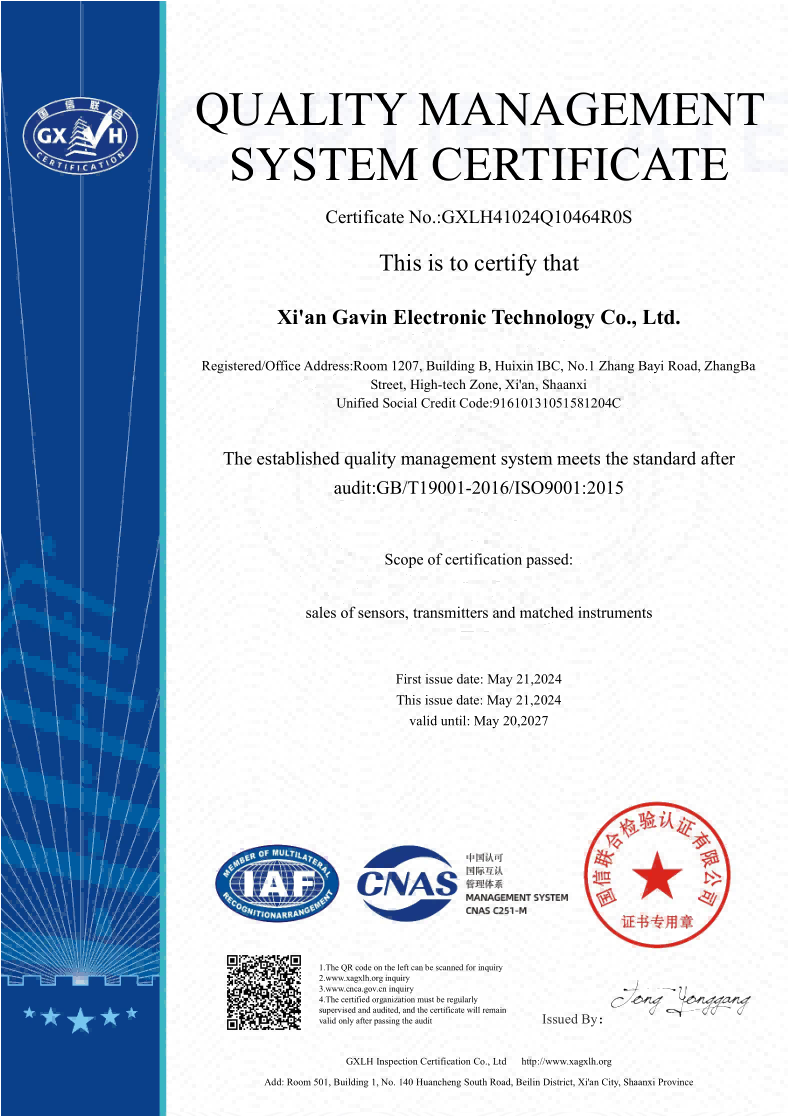
Chemical tank level monitors help companies follow safety and environmental rules by giving them exact control over dangerous liquids. This reduces the damage to the environment and increases their responsibility when dealing chemicals. It's easier for businesses to follow rules like EPA standards, OSHA rules, and foreign safety guidelines when they have accurate, real-time tracking systems in place.
Types of Chemical Tank Level Sensors and Selection Criteria
There are many different sensor technologies on the market, and each one has its own benefits that make it better for different chemical conditions and work needs. It is important to understand these differences in order to make smart purchasing choices that balance the needs for efficiency, cost, and safety.
Radar-Based Level Measurement Technology
When it comes to chemistry uses, radar monitors are the cutting edge of level measurement technology. The 80GHz frequency band has a lot of great features, such as measurement ranges from 0.05m to 120m and very small blind zones as close as 0.05m from the antenna. The narrow beam angle of about ±3° in both the horizontal and vertical directions makes it possible to aim precisely while reducing disturbance from the inside of the tank or mounting hardware.
Alternative Sensor Technologies
While radar technology works better, there are other choices, such as ultrasound sensors for simpler tasks, float switches for easy on/off control, and sensitive sensors for certain chemical compatibility needs. For uses involving chemicals that are hard to work with, guided wave radar is very accurate. On the other hand, pressure-based monitors work reliably in certain tank designs.
Selection Criteria for Optimal Performance
Choosing the right sensor relies on a number of things, such as how chemically aggressive it is, how flammable it is, the size and shape of the tank, the installation area, and the level of accuracy that is needed. The GAMICOS chemical tank level sensor with PTFE diaphragm is an example of a sensor that was specifically designed to work in toxic chemical settings. It is very resistant to chemicals and still measures accurately.
Best Practices for Installation and Maintenance to Maximize Safety Benefits
Installing sensors correctly and keeping them in good shape are essential for getting reliable results and getting the most safety benefits. When you invest in modern sensor technology, these steps make sure that you get the safety, speed, and operating dependability you expect.
Installation Guidelines for Optimal Performance
To do a proper installation, you need to think carefully about where to put things, how to calibrate them, and how to connect them to other plant control systems. Modern sensors like the GLT741 have an easier installation process that cuts down on setup time while still ensuring accurate performance from the start. When mounted correctly, typical sources of measurement error are eliminated, and the device stays stable over time even in harsh chemical environments.
Maintenance Strategies for Long-Term Reliability
Routine maintenance tasks like regular checks, making sure the tuning is correct, and resolving problems before they affect operations help find and fix problems. Maintaining sensors on a regular basis increases their life and keeps their measurement accuracy. This helps facilities avoid costly unexpected downtime and reinforces safety rules in chemical storage and processing areas.
Case Studies and Industry Applications Demonstrating Safety Improvements
The real-world uses of advanced level measurement technology in the pharmaceutical, chemical, and petroleum industries show how it improves process safety and operational efficiency.
Chemical Manufacturing Success Stories
Large chemical companies have said that placing advanced monitor technology in their products has greatly improved their safety performance. Some of these changes are fewer spills, better compliance with regulations, and big saves on running costs. Industry uses show that when facilities use high-accuracy level measurement systems, there are fewer safety issues and the facilities run more smoothly overall.
Quantifiable Safety and Economic Benefits
Implementing sensors often leads to measured benefits like fewer safety issues, better results on compliance audits, and recorded saves in running costs. These recorded results show how important it is to invest in new sensor technologies to meet the strict safety requirements of chemical industry uses around the world. Most of the time, the return on investment can be seen within the first year of operation, when incident costs go down and operations run more smoothly.
Company Introduction and Product Service Information
GAMICOS specializes in high-tech level measurement solutions and has a wide range of products, such as high-precision sensors that are custom-designed for a wide range of commercial uses. We know how to work with pressure sensors, liquid level sensors, acoustic and radar level meters, and wireless measuring tools that use Lora, GPRS, NB-IoT, and 4G connection technologies. It has business-to-business clients in more than 100 countries and works with original equipment manufacturers (OEMs) to offer flexible, reliable solutions that solve specific chemical handling and storage problems.
Our full-service method includes consultations, help with installation, and committed support after the sale to make sure sensors work well and customers are happy. The company focuses on constantly coming up with new technologies. To help with this, it has a specialized R&D department with highly skilled engineers who hold multiple patents and work closely with research centers. GAMICOS is dedicated to coming up with new ideas so that they can provide cutting-edge solutions that meet the changing needs of the business while still meeting the highest quality standards.
Conclusion
Chemical tank level sensors represent critical safety infrastructure in modern chemical processing facilities, offering unprecedented capabilities for monitoring, controlling, and protecting valuable assets and personnel. The benefits of implementing advanced sensor technology extend far beyond basic level measurement, encompassing comprehensive safety enhancement, operational efficiency improvements, and regulatory compliance support. As chemical industries continue evolving toward more stringent safety standards and operational requirements, investing in reliable, high-performance level measurement technology becomes increasingly essential. The combination of proven technology, comprehensive support services, and ongoing innovation ensures that facilities can maintain the highest safety standards while optimizing operational performance and cost-effectiveness.
Frequently Asked Questions
How do chemical tank level sensors work with hazardous and corrosive liquids?
Chemical tank level sensors use non-invasive technologies like radar or ultrasonic waves, or incorporate corrosion-resistant materials such as PTFE diaphragms for direct-contact applications. These design features ensure safe and accurate monitoring without exposure to harmful substances, while specialized materials provide long-term durability in corrosive environments.
What factors affect the accuracy of chemical tank level sensors?
Accuracy depends on multiple factors, including sensor type selection, installation quality, environmental conditions such as temperature and pressure, chemical properties like dielectric constant, and adherence to regular calibration and maintenance practices. Proper sensor selection for specific applications ensures optimal performance.
Can chemical tank level sensors be integrated with existing plant automation systems?
Yes, modern sensors support integration via digital communication protocols, including HART, Modbus, and fieldbus systems, enabling seamless connection with SCADA or DCS platforms for centralized monitoring and control. This integration capability allows facilities to incorporate advanced sensors into existing infrastructure without major system modifications.
Partner with GAMICOS for Advanced Chemical Tank Level Measurement Solutions
GAMICOS stands ready to enhance your facility's process safety through our advanced chemical tank level sensor technology. Our comprehensive product line, including the revolutionary GLT74 series with 80GHz radar technology, offers unmatched precision and reliability for demanding chemical applications. As a leading chemical tank level sensor manufacturer, we provide customized solutions backed by extensive industry experience and dedicated technical support. Contact us at info@gamicos.com to discuss your specific requirements and discover how our cutting-edge sensor technology can improve your operational safety and efficiency.
References
1. Smith, J.A., and Peterson, M.K. "Advanced Radar Technology in Chemical Process Safety." Industrial Safety Engineering Quarterly, Vol. 45, No. 3, 2023.
2. Thompson, R.L. "Level Measurement Technologies for Hazardous Chemical Storage: A Comprehensive Analysis." Chemical Engineering Process Safety Journal, Vol. 28, No. 2, 2023.
3. Anderson, C.M., et al. "Implementation of 80GHz Radar Level Sensors in Chemical Manufacturing: Performance and Safety Benefits." Process Safety and Environmental Protection, Vol. 167, 2023.
4. Williams, D.H. "Regulatory Compliance in Chemical Tank Level Monitoring: Standards and Best Practices." Chemical Industry Safety Review, Vol. 52, No. 4, 2023.
5. Martinez, L.S., and Brown, K.J. "Cost-Benefit Analysis of Advanced Level Measurement Systems in Chemical Processing." Industrial Engineering Economics, Vol. 34, No. 1, 2023.
6. Johnson, P.R. "Maintenance Strategies for Chemical Tank Level Sensors: Maximizing Reliability and Safety." Chemical Plant Operations and Maintenance, Vol. 41, No. 6, 2023.

_1757930850792.jpg)