Groundwater monitoring represents a critical component of environmental protection and water resource management. A submersible level sensor serves as the cornerstone technology for accurate groundwater depth measurement, enabling continuous monitoring of water table fluctuations. These specialized instruments provide real-time data collection capabilities, supporting environmental compliance and resource optimization across industrial applications. Understanding proper sensor selection, installation techniques, and maintenance protocols ensures reliable long-term monitoring performance for diverse groundwater assessment projects.
Understanding Groundwater Monitoring Fundamentals
Monitoring groundwater means taking regular readings of the water amounts below the ground to figure out how the aquifer is doing and how it affects the environment. Automated sensor technology is a big part of modern tracking programs because it can record accurate water level data over long periods of time. For the process to work, tracking wells with the right measuring tools need to be placed in a planned way. Environmental laws in North America and Europe require manufacturing sites to keep a close eye on groundwater. Because of these needs, there is a high demand for accurate measuring tools that can handle rough conditions below the surface.
Monitoring data helps businesses follow the rules and gives them useful information for making working decisions. Monitoring methods that work well use many measuring points to make full estimates of aquifers. Data collection can happen as often as once an hour for environmental studies or once a week for general resource tracking, depending on the needs of the application. Advanced systems can send and receive data wirelessly, which lets you view important data from afar.
The Role of Submersible Sensors in Water Level Measurement
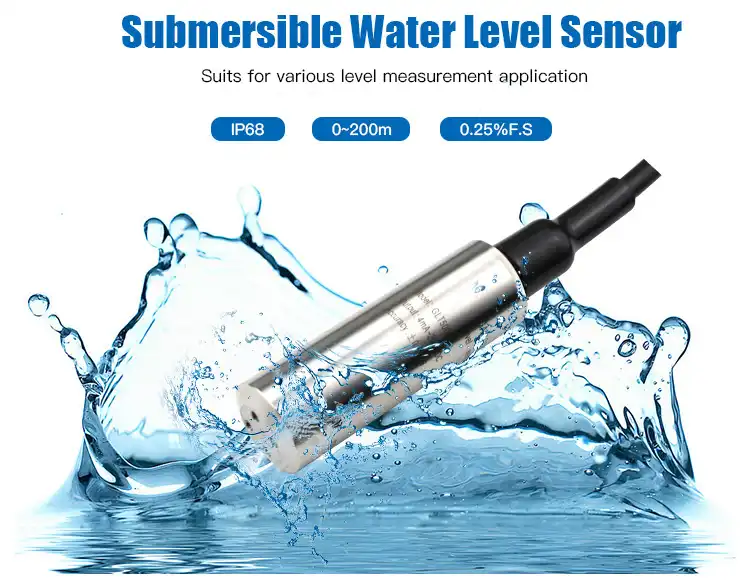
Direct plunge measurement methods used by submersible level sensors have changed the way groundwater monitoring is done. These gadgets turn hydraulic pressure into electrical signals, which lets you get exact depth readings no matter what the well conditions are. Traditional ways of measuring have a lot of problems that this technology fixes. Level emitter technology lets data be collected continuously without any help from a person. Modern monitors have powerful data processing systems that take into account changes in temperature and other external factors. This compensation makes sure that the measurements are accurate in a wide range of working situations that are common in groundwater use.
The waterproof design of the sensors lets them be used for longer periods of time in harsh settings. When used continuously for months or years, good tools keep their calibration stability. This dependability cuts down on the need for upkeep and ensures that long-term tracking tools always get good data. Adding factory automation systems makes it easier to handle and analyze data. IoT sensors allow tracking in real time through cloud-based systems, which helps with preventative management. Advanced communication methods that make sure data transfer is reliable are useful for remote sensing apps.
Key Technical Specifications for Groundwater Applications
Different groundwater tracking tasks have very different measurement range needs. For shallow monitoring wells, sensors with a range of 0 to 10 meters may be needed. For deep groundwater studies, however, devices that can measure depths of more than 100 meters are needed. When you choose the right range, you can keep your measurements accurate even when the water level changes seasonally. Specifications for sensor precision have a direct effect on the quality of data and comply with regulations. For high-precision tasks, accuracy values of ±0.1% full scale are needed, but ±0.5% accuracy may be fine for general tracking. Understanding the needs of the application helps choose the right sensors and keep project costs as low as possible
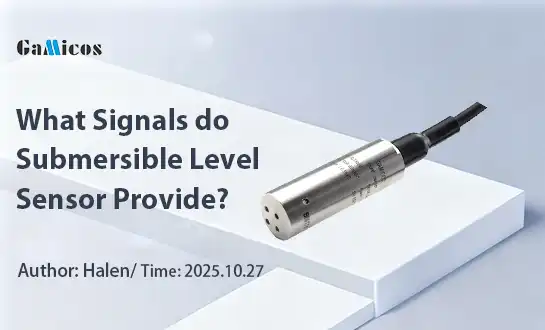
| GLT500 Submersible Level Sensor | |
| Pressure range | 0~1m...200mH20 |
| Pressure type | Gauge |
| Output signal | 4~20mA 0~5V 1~5V 0.5~4.5V 0~10V RS485 |
| Power supply | 5V,12~30VDC |
| Operating temperature range | -30~80℃ |
| Storage temperature range | -40~125℃ |
| Temperature effect on Zero | ±0.03%FS/℃ |
| Temperature effect on Span | ±0.03%FS/℃ |
| Over pressure | 150%FS |
| Comprehensive error | ±0.5%FS(standard), ±0.25%FS |
| long-term stability | ±0.2%FS/year |
| Medium compatible | Compatible with 316L SS of all kinds of medium |
| Protection | IP68 |
Sensors for current tracking wells are chosen based on their physical size. For small-diameter wells, you need small monitors that can fit through small holes and still do their job. Custom sensor setups can work with the unique fitting limitations that are common in aftermarket applications. Communication standards decide how much data can be collected and how the system can be integrated. These days, sensors can send data in a number of different forms, such as digital protocols, wireless transfer, and analog current loops. The choice rests on the infrastructure that is already in place and the needs for data handling for each tracking program.
Installation Best Practices and Considerations
When submersible level sensors are installed correctly, they give accurate readings and last longer. Well cleaning before placement gets rid of trash and stabilizes the water chemistry that could affect how well sensors work. To keep measurement errors to a minimum, well building should be finished before sensors are put in place. Where sensors are placed in monitoring wells affects the accuracy of measurements and the safety of the equipment. When installed at the right depth, it keeps equipment from being exposed during times of low water and keeps it from getting damaged by sediments on the bottom.
When sensors are properly secured, they can't move, which could affect the accuracy of measurements. Cable handling is an important part of installation that affects how reliable it will be in the long run. Good wire materials don't break down easily when they come into contact with chemicals in groundwater or mechanical stress. The right way to route and protect cables keeps them from getting damaged during well repair while keeping the signal's integrity. When watching the environment, it's important to make sure that the sensors work well with the elements at the spot. Chemical compatibility tests make sure that sensor materials can handle being exposed to certain chemicals in groundwater. This review keeps measurements accurate during the tracking time and stops tools from breaking down too soon.
Calibration and Maintenance Requirements
Regularly calibrating sensors keeps measurements accurate over long periods of operation. Calibration methods check the performance of sensors against known norms and look for problems that might cause them to drift. Keeping records of testing actions helps quality assurance programs and meets regulatory standards. Preventive repair plans make sure that sensors work reliably and extend their useful life. Regular checks find possible problems before they affect the accuracy of measurements. Maintenance plans should take into account factors at the spot that might make equipment break down faster or need more frequent attention.
Analyzing sensor data helps figure out what needs to be calibrated and what the performance trends are. A careful look at the measurement data shows patterns of drift and how the world affects the performance of sensors. This study backs up proactive repair plans that keep data flowing and reduce downtime. Quality control methods make sure that measurements are correct and find mistakes that happen over and over again. When you compare sensor performance to other measurement methods, you can be more confident in the tracking data. These steps help with the reporting requirements set by regulators and boost the general trustworthiness of the program.
Addressing Common Challenges in Groundwater Monitoring
Fouling and biofouling are big problems for putting sensors in place for a long time. Mineral layers and biological growth can change how well sensors work and how accurate their measurements are. Anti-fouling strategies include choosing the right materials, installing them correctly, and following the right upkeep steps to keep these effects to a minimum. Changes in temperature can affect how well sensors work and how stable measurements are. Good sensors have temperature adjustment features that keep them accurate over a wide range of typical working conditions.
Knowing the local weather conditions helps choose the best sensors and do the best job of calibrating them. Problems with chemical interaction can hurt sensors or make measurements less accurate. The nature of the groundwater helps choose the right materials and set up the sensors correctly. Protective steps may include coats or house materials that are specifically made for chemical conditions. Power source issues affect how reliable a system is and how much upkeep it needs. Hard-wired setups need stable power sources, while battery-powered systems need to be serviced regularly. To keep working, wireless communication devices must find a balance between how much power they use and how much data they need to send.
Applications Across Different Industries
For example, in the petroleum business, submersible level sensors are used to check for groundwater pollution near storage buildings and output sites. For these uses, sensors that can handle being exposed to hydrocarbons while still being very accurate are needed to meet legal requirements. Sensitive measurement skills are needed by leak monitoring systems to find possible environmental effects. Chemical and pharmaceutical plants use groundwater tracking to protect the environment and make sure they follow the rules. For these uses, special sensor materials that can work in certain chemical conditions are often needed. Real-time tracking makes it possible to respond quickly to possible pollution events.
Applications in the food and drink business focus on keeping water supplies safe and making sure the quality of products. To improve well field management and stop over-pumping, monitoring tools keep an eye on the water table levels. These apps stress the importance of accurate measurements and data for making practical decisions. For cities, it can be used to manage rainwater entry systems and keep an eye on the water source, the groundwater. Large-scale tracking networks need tools that are both reliable and don't cost a lot of money. Automated systems for collecting data cut down on running costs and make tracking more thorough.
Future Trends in Groundwater Monitoring Technology
Wireless sensor networks allow for wide-ranging tracking with lower costs for setup. Modern communication methods allow data to be sent in real time from far away. These systems work with cloud-based tools to make it easier to organize and analyze data. Smart sensor technology has advanced troubleshooting features that keep an eye on the health and efficiency of sensors. Predictive maintenance systems find problems before they get worse and affect the quality of measurements. These features lower the cost of upkeep while still making sure that data is always available. Integration with Geographic Information Systems makes it easier to do regional research for evaluating groundwater.
Putting together information helps with advanced modeling methods that help us understand how aquifers behave better. These tools make it easier to come up with better ways to handle groundwater supplies. Monitoring data is looked at by AI programs to find similarities and predict future trends. Machine learning systems go through big sets of data to find useful information for managing resources. These skills help with preventative management methods that make the best use of groundwater.
Conclusion
Successful groundwater monitoring depends on selecting appropriate sensor technology and implementing proper installation procedures. Submersible level sensors provide reliable measurement capabilities that support environmental compliance and resource management objectives. Understanding technical specifications, maintenance requirements, and application considerations ensures optimal monitoring system performance. Investment in quality monitoring equipment delivers long-term value through accurate data collection and reduced operational costs. Partnering with experienced manufacturers provides access to technical expertise and customized solutions that meet specific project requirements.
Partner with GAMICOS for Your Monitoring Needs
GAMICOS delivers comprehensive groundwater monitoring solutions through advanced submersible level sensor technology. Our engineering team provides customized solutions for diverse industrial applications, ensuring optimal performance across challenging environments. As a trusted submersible level sensor manufacturer, we combine innovative technology with reliable manufacturing to meet your specific monitoring requirements. Contact us at info@gamicos.com to discuss your project needs.
References
1. Nielsen, D.M. and Nielsen, G.L ."The Essential Handbook of Ground-Water Sampling." CRC Press, 2006.
2. Bouwer, H. "Groundwater Hydrology." McGraw-Hill Education, 1978.
3. Barcelona, M.J. and Helfrich, J.A ."Well Construction and Purging Effects on Ground-Water Samples." Environmental Science & Technology, Vol. 20, No. 11, 1986.
4. Weight, W.D. "Hydrogeology Field Manual." McGraw-Hill Professional, 2008.
5. Sara, M.N ."Standard Handbook for Solid and Hazardous Waste Facility Assessments." CRC Press, 1994.
6. Domenico, P.A. and Schwartz, F.W ."Physical and Chemical Hydrogeology." John Wiley & Sons, 1998.

_1757930850792.jpg)