Advanced tracking technologies are very important for municipal water systems to make sure that water is distributed and treated in a safe and effective way. Submersible level sensor systems, which offer precise, real-time data for water control activities, are among the most important tools. These devices keep an eye on the water amounts in sewer systems, treatment plants, transportation networks, and storage sites. They help cities and towns make the best use of their resources, stop excess, and stay in line with the rules. Modern underwater monitors are very reliable even in difficult conditions. They give accurate readings that keep the water systems in our towns safe and working well.
Understanding Submersible Level Sensors in Water Infrastructure
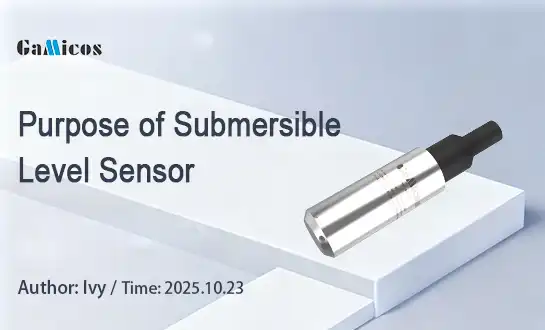
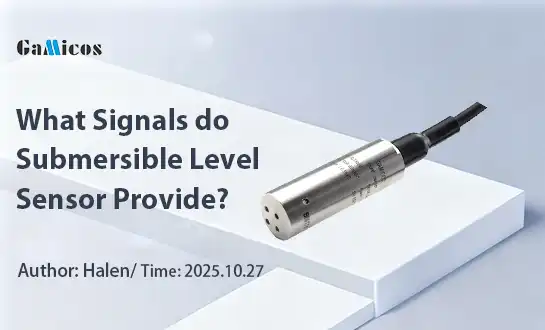
In North America, Europe, and Asia, people who work in water management count on high-tech tracking systems to keep water sources safe. Submersible pressure monitors are an important part of modern city government because they provide unmatched accuracy in tough conditions. The hydrostatic pressure at the bottom of tanks or pools of water is what makes these monitors work. The reading of the pressure is directly related to the depth of the water above the monitor.
More advanced models have signal processing circuits built in that take pressure readings and turn them into standard output signals. This makes it easy to connect them to control systems. Municipal engineers really like these tools because they can work continuously underwater without stopping for repair. The fully sealed design keeps water, chemicals, and debris that are common in water systems away from gadgets that are sensitive to them.
Water Treatment Plant Level Monitoring
The most important place for submersible level sensors in city systems is in water treatment plants. Every day, these plants handle millions of gallons, which means they need to keep the levels just right during many steps of cleaning. To get the most out of the settling time and make sure all the particles are removed, sensors in sedimentation tanks keep an eye on the water level. Operators change flow rates based on real-time level information. This keeps the water from overflowing, which could harm the quality of the water. The sensors also keep an eye on the amounts of the chemical dosing tanks and let workers know when more additives are needed.
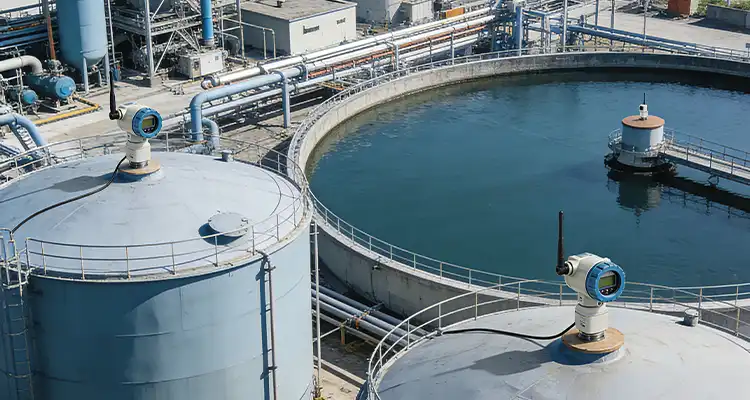
During backwash rounds, accurate level reading is helpful for filtration systems. By watching the difference in pressure across the filter media, sensors figure out the best time to backwash. This automation makes filters last longer while keeping water quality standards the same. Level sensors help clear wells make sure that production and demand are equal. Clear wells store cleaned water before distributing it. The sensors instantly turn on the pumps, which keeps the storage space full and stops trash from overflowing.
Distribution System Reservoir Management
Municipal water distribution networks depend on carefully placed tanks to keep the supply and flow of water steady across all service areas. Level tracking systems make sure that these important storage sites work well even when demand changes. Submersible monitors are used in ground-level tanks to keep track of the water level all the time. These readings help workers guess how many refills they will need and plan repair for times when demand is low. Multiple storage sites can be controlled from a single operations center thanks to the ability to watch them remotely. Because they are higher up and harder to get to, elevated storage tanks are harder to keep an eye on.
Submersible level sensor gets rid of the need for external measuring tools, which makes installation easier and upkeep easier. The sensors can handle changes in temperature and movement caused by wind without losing their accuracy. Planning how to respond to emergencies depends a lot on having correct info on water levels. When there is a lot of demand or a supply breakdown, workers use real-time measurements to figure out which places need service the most and how to best conserve energy.
Wastewater Collection System Control
One of the most difficult uses for liquid level measurement equipment is in wastewater systems. Collection systems have to deal with different flow rates and keep spills from polluting nearby areas. At lift stations along collection networks, underwater sensors automatically control how the pumps work. The monitors keep the working levels of the pump at their best, which stops it from rotating and increases equipment life while lowering energy use. Newer models can talk to central control systems wirelessly, which lets repair be planned ahead of time.
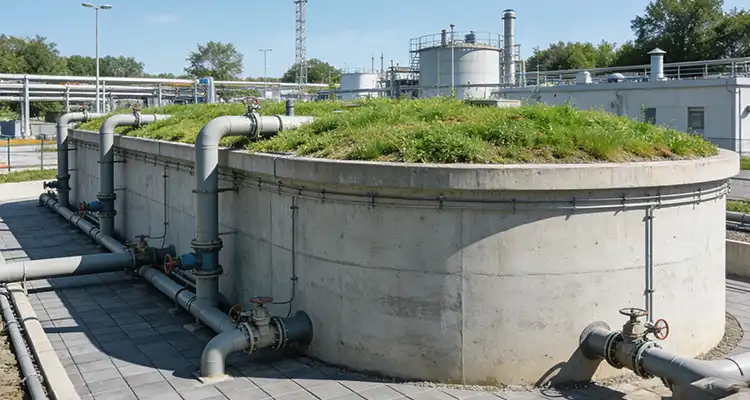
During storms, accurate level tracking is especially helpful for combined sewer systems. Sensors let workers know early on when capacity is exceeded, so they can turn on overflow controls or shift flows to keep the environment from getting dirty. Pressure-tolerant sensors are used for force main tracking because they can handle the high pressure in pumped wastewater systems. These systems help find blockages or broken pumps before they affect the whole system.
Stormwater Management Applications
Climate change has made it even more important for cities to have advanced methods for managing rainwater. More and more, cities and towns depend on real-time tracking to keep communities safe from floods and make good use of their water supplies. Level monitors in detention ponds control the structures that let water out automatically. In normal situations, the monitors keep the water level low for environmental or aesthetic reasons. Storms cause limited outflows based on the capacity of the system further downstream. This keeps the holding area from flooding and makes the most of its use.
Underground storage systems are hard to keep an eye on because they are not easy to measure with normal tools. Submersible level sensors work effectively in these small areas and give flood protection systems important information. Precise level control is needed to keep treatment conditions right in green infrastructure projects like bioretention sites and built ponds. Sensors make sure that there is enough dwell time to remove pollutants and that the system doesn't overflow during harsh weather.
Groundwater Monitoring Networks
Environmental protection laws say that cities and towns have to keep an eye on groundwater supplies all the time. This tracking keeps drinking water sources safe and makes sure that environmental rules are followed. Sensor networks are used by well field management systems to keep track of changes in the water table and find the best times to pump. The information helps stop too much mining, which could hurt groundwater or make land sink. Remote tracking cuts down on the need for site visits and improves the quality of data by collecting it continuously.
To understand how groundwater flows, accurate measures of water levels are needed to track contamination plumes. Environmental engineers use this information to plan methods for cleanup and keep track of how things are going over time. During building projects, dewatering processes need to be closely watched to make sure they don't hurt the environment. Putting up temporary sensors gives us the information we need to keep the right pumping rates and protect buildings and ecosystems nearby.
Emergency Response and Flood Warning Systems
More and more, automated warning systems that can spot floods before they happen are needed to keep people and property safe. Level tracking and communication tools are used together in municipal disaster management programs to send out messages at the right time. At creek and river tracking posts, submersible level sensors are toughened so they can handle being hit by debris and high water flows. The monitors send data to emergency operations centers all the time, which lets them respond quickly when water levels rise above what is considered safe.
Multiple types of sensors are used in urban flood tracking networks to keep track of how much water builds up in low-lying places. These systems set off automatic fences or pumping systems and use mass messaging systems to let people know. Monitoring the safety of dams is an important part of public safety, and the dependability of sensors can mean the difference between an early warning and a catastrophic failure. Multiple tracking systems make sure that these important pieces of equipment are always being watched over.
Industrial Water Supply Monitoring
Many cities and towns provide large amounts of water to businesses, which needs to be carefully watched to make sure there is enough water and that the system stays intact. Multiple sensors are installed in large storage sites that serve industrial areas to keep track of inventory levels across separate storage systems. The monitors help the owners balance their supply obligations with the needs of homes during times of high demand.
Accurate level measurements are needed for process water systems in city buildings like power plants and factories to keep up with production plans and save water. In certain situations, like cooling water systems, the accuracy of the sensors has a direct effect on how much energy is used. Pump cavitation can be avoided with good level control, and water waste from overflow can be kept to a minimum.
Smart City Integration and IoT Applications
More and more, modern cities are combining water tracking systems with smart city tools that make the best use of resources across a wide range of building systems. Wireless sensor networks get data to centralized management systems in real time without having to place expensive cables. These networks have predictive analytics built in, which can find problems before they cause service interruptions. Data analytics platforms use level measures, population data, weather forecasts, and past usage trends to automatically improve how systems work.
Machine learning techniques make systems work better while lowering their costs. Public reporting systems use monitor data to make information about how well water systems work and how well they follow environmental rules public. People can get real-time data on the amounts of reservoirs, how cleaning plants are running, and measures of water quality.
Key Benefits and Technical Advantages
When municipal water systems use complete level tracking, they get big practical and financial benefits that make the money they spend on technology worth it. Automated control systems that adapt to changing conditions without any help from a person make operations much more efficient. When pumps only work when they need to, energy costs go down and equipment lasts longer because the working cycles are improved. Continuous tracking that automatically records system performance makes regulatory compliance easier to handle. Environmental groups need more and more detailed records, which can't be easily and cheaply gathered through human tracking.
Real-time tracking that alerts people early on to possible problems greatly improves emergency reaction capabilities. Instead of responding to mistakes after they happen, operators can deal with problems before they happen. Asset management programs can use specific operating data to help them make choices about when to do preventative repair and when to invest in new assets. Engineers can make system designs and repair plans better by looking at historical trends.
Installation Considerations and Best Practices
To successfully install sensors, you need to pay close attention to the factors at the spot that could change the accuracy of measurements or shorten the life of the equipment. When choosing a site, things like flow patterns, soil buildup, and how easy it is to do upkeep must be taken into account. Sensors work best in places with little movement and a low chance of garbage building up. Calibration methods make sure that measurements are accurate for as long as the sensor is used. Verifying data against known sources on a regular basis helps people stay confident in the quality of the data and finds problems early on.
Environmental protection measures, such as surge reduction and materials that don't rust, make tools last longer in tough city settings. When you attach something correctly, damage from changes in pressure and chemical contact can be avoided. The design of a communication system needs to take into account the fact that many monitors are located in faraway areas. Cellular, radio, and satellite transmission can connect you to the internet even when regular networks aren't available.
Future Trends in Municipal Water Monitoring
As technology improves, level tracking devices in local water facilities can do more and be used for more things. Using AI to handle water systems could change the way they are run forever, thanks to predictive analytics that can see problems coming days or weeks ahead of time. These tools will instantly improve processes and let workers know if something isn't right. Miniaturizing sensors makes it possible to watch places that weren't possible before, and it also lowers the cost of installation.
Ultra-compact forms can be used with equipment that is already in place without big changes. New developments in power management, like sun charging and longer battery life, give users more distribution choices. In places where power lines aren't available, remote setups become possible. Better cybersecurity keeps important infrastructure data safe while keeping it connected to central control systems. Secure communication methods keep data safe by preventing entry by people who aren't supposed to be there.
Conclusion
Submersible level sensors have become indispensable tools for modern municipal water management, enabling precise control and monitoring across diverse applications. From treatment plants to distribution networks, these reliable instruments ensure safe, efficient water service while supporting environmental protection goals. As municipalities face increasing demands for water security and efficiency, investing in quality level monitoring technology represents a strategic decision that delivers long-term operational benefits. The integration of smart sensors with automated control systems positions water utilities for future challenges while maintaining the high service standards communities expect and deserve.
FAQs
How accurate are submersible level sensors in municipal applications?
Modern submersible sensors typically achieve accuracy levels of ±0.1% to ±0.5% of full scale, making them suitable for critical municipal applications. The actual accuracy depends on sensor quality, installation conditions, and calibration maintenance. Professional-grade sensors like those offered by GAMICOS provide consistent performance over extended operating periods.
What maintenance requirements should municipalities expect?
Well-designed submersible sensors require minimal maintenance beyond periodic calibration verification and cleaning. Most units operate continuously for years without intervention. Routine maintenance typically involves annual calibration checks and sensor cleaning to remove accumulated debris or biological growth.
Can these sensors withstand harsh municipal water environments?
Quality submersible sensors feature robust construction with corrosion-resistant materials and fully sealed electronics. They routinely operate in challenging environments including sewage, chemicals, and extreme temperatures. Proper sensor selection based on specific application requirements ensures reliable long-term performance.
Partner with GAMICOS for Reliable Water Level Monitoring Solutions
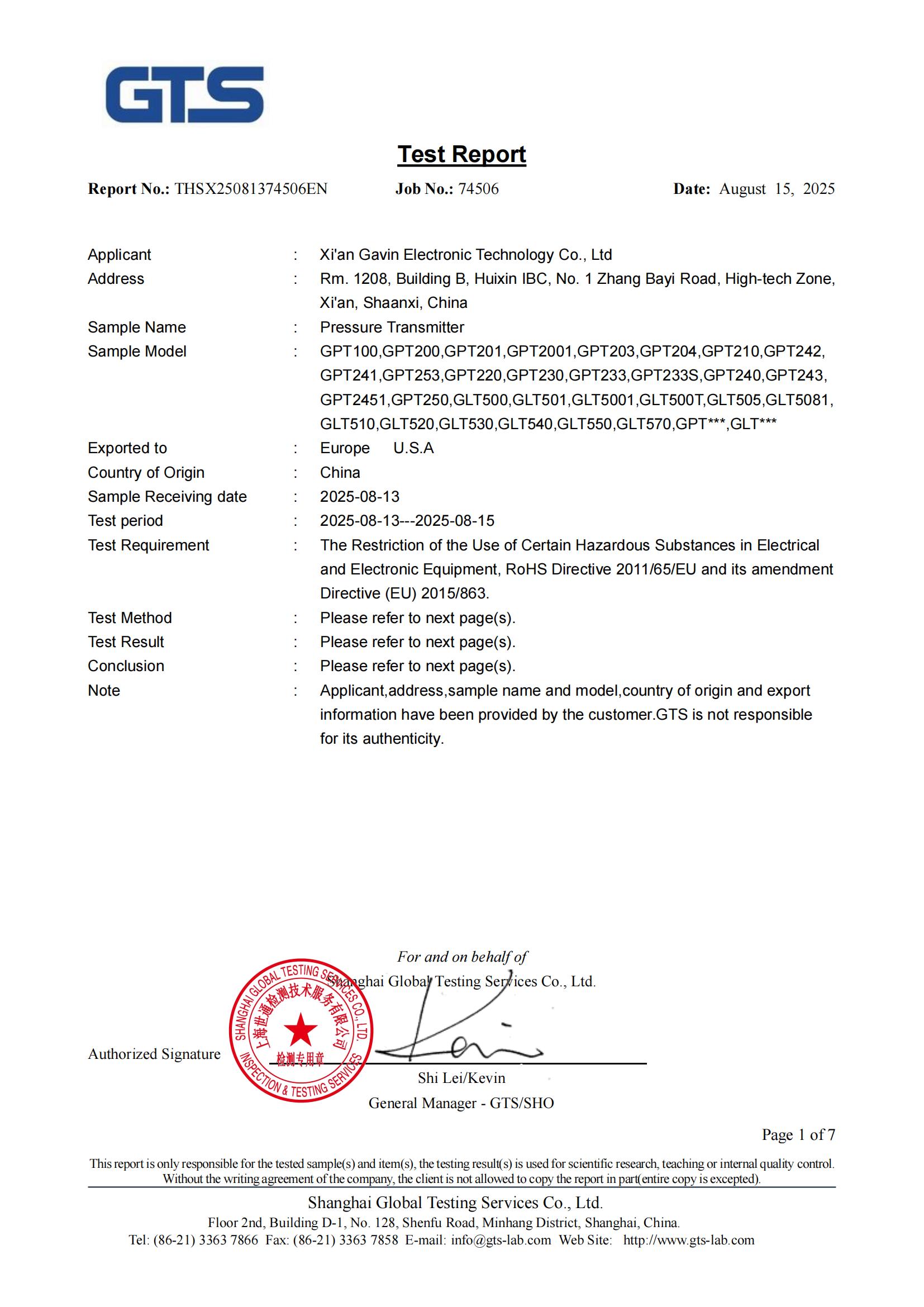
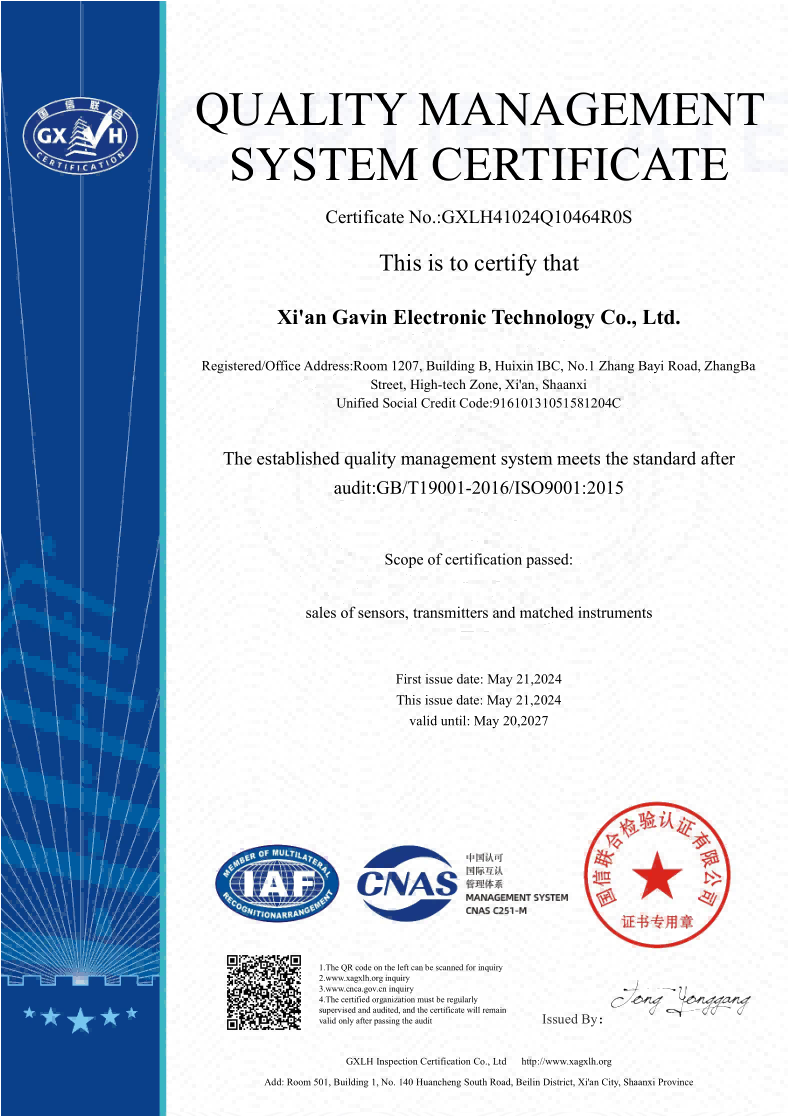
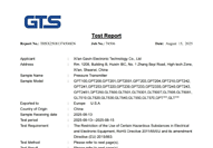
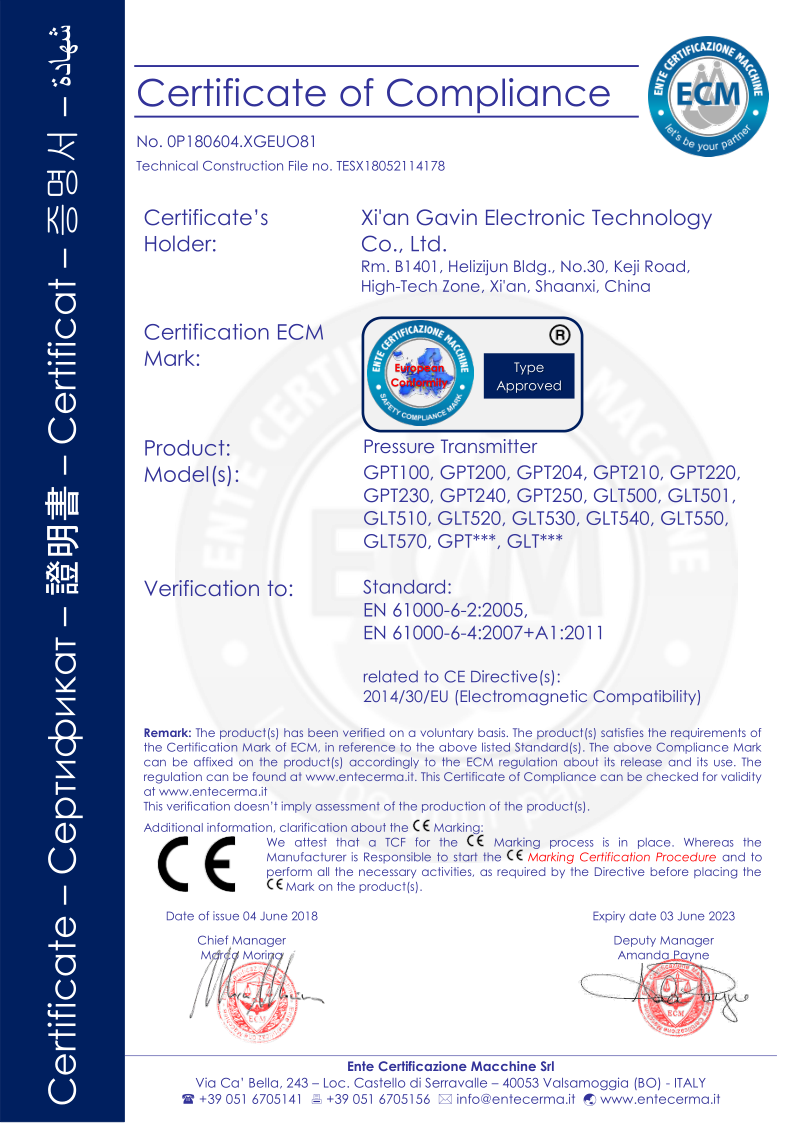
Municipal water system managers worldwide trust GAMICOS as their preferred submersible level sensor supplier for critical infrastructure applications. Our GLT530 series offers exceptional accuracy with probe diameters as small as 12.8mm, perfect for space-constrained installations. With CE, RoHS, and ATEX certifications, our sensors meet international quality standards while providing customizable solutions for diverse municipal needs. Ready to enhance your water system monitoring capabilities? Contact us at info@gamicos.com for expert consultation and competitive pricing.
References
1. American Water Works Association. "Water Utility Automation and Control Systems: Best Practices Manual." AWWA Manual M57, 2018.
2. Environmental Protection Agency. "Municipal Water System Monitoring Technologies: Implementation Guidelines." EPA Office of Water, 2019.
3. International Water Association. "Smart Water Systems: Technology Integration for Urban Water Management." IWA Publishing, 2020.
4. Water Environment Federation. "Instrumentation and Control Systems for Wastewater Treatment Plants." WEF Manual of Practice No. 21, 2017.
5. Johnson, Michael and Sarah Chen. "Advanced Sensor Technologies in Municipal Water Infrastructure." Journal of Water Resources Management, Vol. 34, No. 8, 2020.
6. Thompson, Robert et al. "Real-time Monitoring Systems for Urban Water Networks: Performance and Reliability Analysis." Water Science and Technology, Vol. 81, No. 4, 2019.

_1757930850792.jpg)