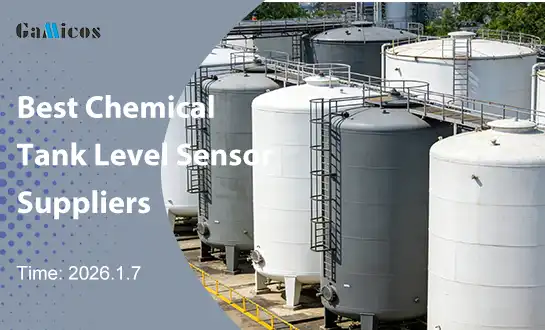
Selecting the right chemical tank level sensor is crucial for maintaining operational efficiency, safety compliance, and accurate inventory management across industrial applications. With chemical processes demanding precision and reliability, the wrong sensor choice can lead to costly downtime, safety hazards, and inaccurate measurements. Chemical tank level sensors serve as the backbone of automated monitoring systems, enabling real-time data collection and process optimization. When evaluating options, consider factors such as measurement accuracy, chemical compatibility, installation requirements, and long-term maintenance needs to ensure your investment delivers maximum value in demanding industrial environments.
Understanding Chemical Tank Level Sensors: Fundamentals and Types
Chemical tank level sensors represent sophisticated measurement devices designed to monitor liquid levels within storage vessels containing various chemical substances. These instruments play a fundamental role in industrial automation by providing continuous monitoring capabilities that ensure process safety and operational efficiency.
Core Operating Principles
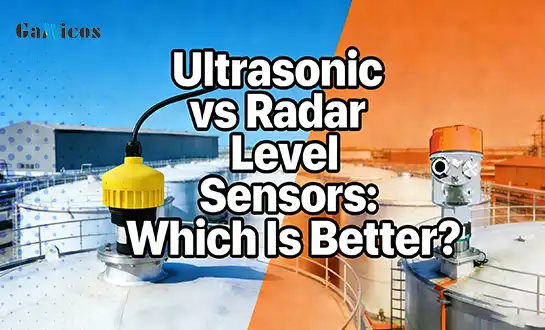
There are several different ways that modern level tracking technology works. Ultrasonic devices use sound waves to measure the distance between a wet surface and a sensor, while radar-based systems use electromagnetic waves to do the same thing. Changes in atmospheric pressure are measured by pressure-based sensors, and changes in the dielectric constant between the sensor wires and the medium being measured are measured by capacitive sensors. Depending on the chemical traits being tracked, each method has its own benefits.
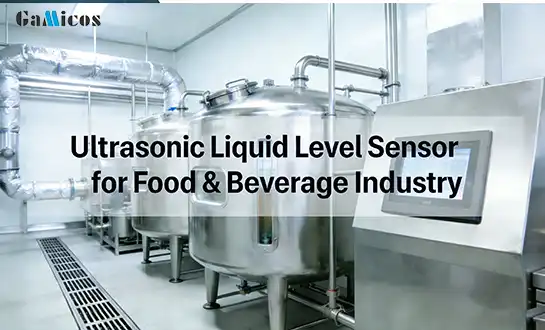
Ultrasonic sensors are a cheaper option for non-aggressive liquids, while radar sensors work best with chemicals that are volatile or temperatures that are very high or very low. Pressure monitors work very accurately with clean liquids, which makes them perfect for storing chemicals that are used in medicine and food.
Advanced Radar Technology Features
The 80GHz frequency bands used by the GLT74 series are the cutting edge of radar measurement technology. Frequency Modulated Continuous Wave (FMCW) technology is used in this high-tech device to make measurements that are more accurate than ever before. During operation, the antenna sends out high-frequency radar signals with frequencies that rise in a straight line. These signals bounce off the surface of the medium being measured and come back to the antenna that received them.
Using Fast Fourier Transform methods to look at the frequency changes between sent and received data, the system figures out the goal distance. With this advanced method, measurements can be made with up to ±1 mm of error, with blind spots as small as 0.05 meters and lengths up to 120 meters. Extremely good interference rejection is possible in the 80GHz frequency band, which also has narrow beam properties of about ±3° in both directions.
Key Criteria for Choosing the Best Chemical Tank Level Sensor
Optimal sensor selection requires careful evaluation of multiple technical and operational parameters that directly impact measurement performance and system longevity.
Measurement Accuracy and Reliability Standards
Different chemistry manufacturing tasks have very different precision needs. For legal compliance, pharmaceutical manufacturing needs accuracy down to the millimeter level. Bulk chemical storage, on the other hand, may be able to handle wider error ranges. Modern radar level receivers, like the GLT741, get readings that are accurate to within a millimeter. They do this by using highly focused beam technology that doesn't pick up on common sources of interference, like foam, dust, and structure barriers.
Concerns about reliability include how long the sensor will last when it is constantly used, how well it will handle changes in temperature, and how stable the setting will be over time. Corrosive conditions are common in chemical tank level sensors, so special materials and protective coats are needed to make sure the tanks last longer without losing their performance.
Chemical Compatibility and Environmental Resistance
Chemical compatibility is a very important decision factor, especially when keeping an eye on violent chemicals. PTFE diaphragm sensors are very resistant to a wide range of chemicals that are bad for electronics, but they still measure accurately. The choice of diaphragm material needs to be based on certain chemical qualities, such as pH levels, oxidation potential, and interaction with solvents. Environmental factors like temperature ranges, humidity levels, and classes of potentially dangerous atmospheres need to be carefully thought through. Sensors that work in dangerous places must meet the right licensing requirements and be able to communicate reliably with control systems.
Installation and Integration Requirements
Installation flexibility significantly impacts project timelines and costs. Top-mounted sensors offer easier access for maintenance activities, while side-mounted configurations may be necessary in space-constrained applications. Wireless monitoring capabilities eliminate complex wiring requirements while enabling remote data access and alarm integration. Modern sensors incorporate multiple communication protocols including HART, Modbus, and wireless options such as LoRa, GPRS, and 4G connectivity. This versatility ensures seamless integration with existing control systems while providing future expansion capabilities as operational requirements evolve.
Comparing Popular Chemical Tank Level Sensor Solutions in the Market
The industrial sensor market offers diverse solutions ranging from traditional float switches to advanced radar systems, each targeting specific application requirements and budget constraints, including specialized options such as a chemical tank level sensor designed to withstand corrosive media and harsh operating environments.
Technology Comparison Analysis
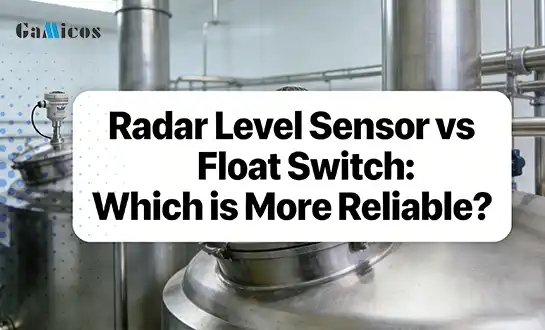
Traditional float switch devices reliably show the level at a low cost, but they aren't precise enough for advanced process control. These mechanical devices work great for simple on/off tasks, but they can't give constant level data that inventory management systems need. Advanced radar devices have better performance features, such as the ability to measure without touching anything, great accuracy, and resistance to chemical fumes. VEGA, Endress+Hauser, and Siemens are just a few of the top makers that offer wide ranges of products with different features and prices. But younger companies like GAMICOS offer choices that are competitive with innovative 80GHz technology that can compete with well-known names while also giving customers more ways to customize their products.
Specialized Applications and Custom Solutions
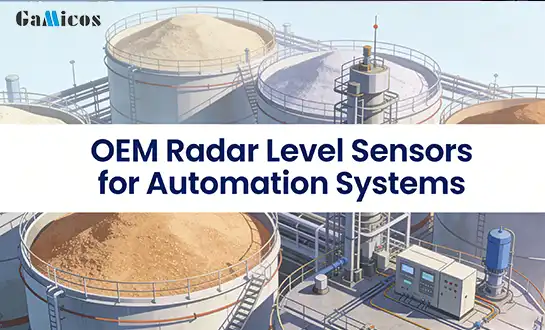
Corrosive liquid monitoring requires specialized sensor designs incorporating chemical-resistant materials and protective housing. PTFE-lined sensors provide broad chemical compatibility, while ceramic and Hastelloy components offer enhanced durability in extreme environments. Custom sensor configurations accommodate unique tank geometries, mounting constraints, and communication requirements. OEM applications particularly benefit from tailored solutions that integrate seamlessly with equipment designs while maintaining cost-effectiveness through volume production. These customizations often include modified housing dimensions, specialized electrical connections, and application-specific calibration ranges.
Procurement Guide: How to Buy Chemical Tank Level Sensors Efficiently?
Strategic procurement approaches maximize value while ensuring reliable supply chain relationships and technical support availability.
Supplier Evaluation Strategies
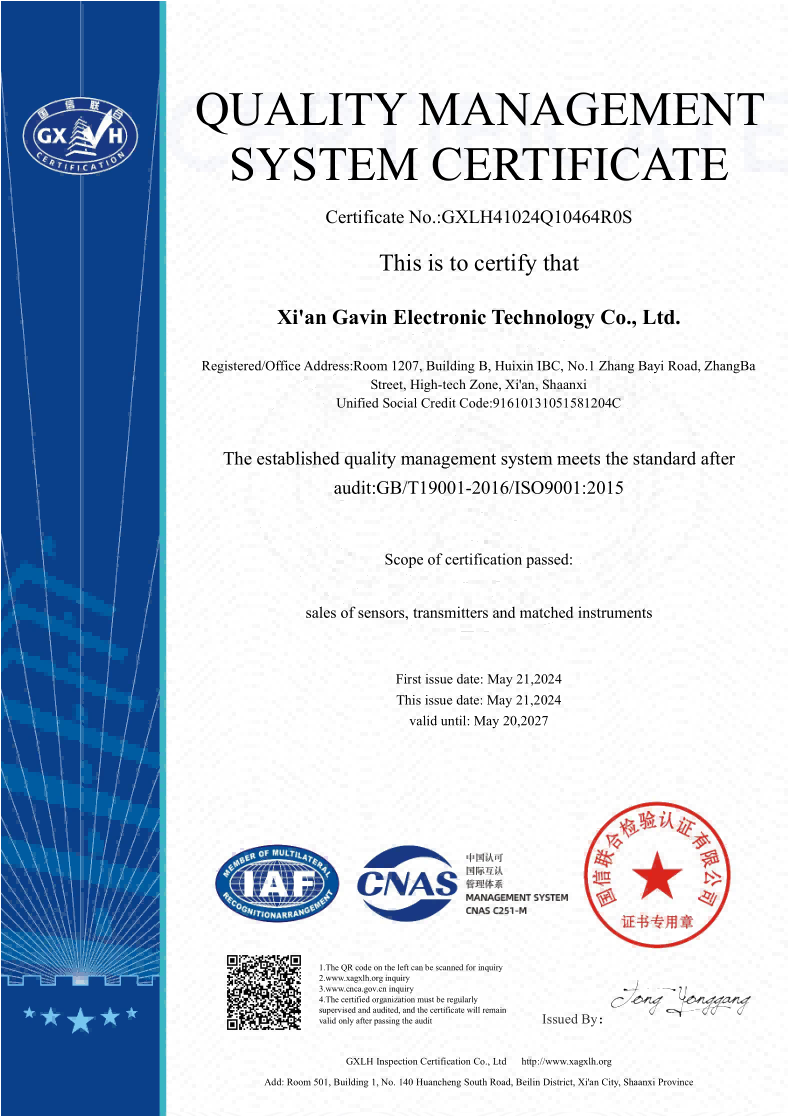
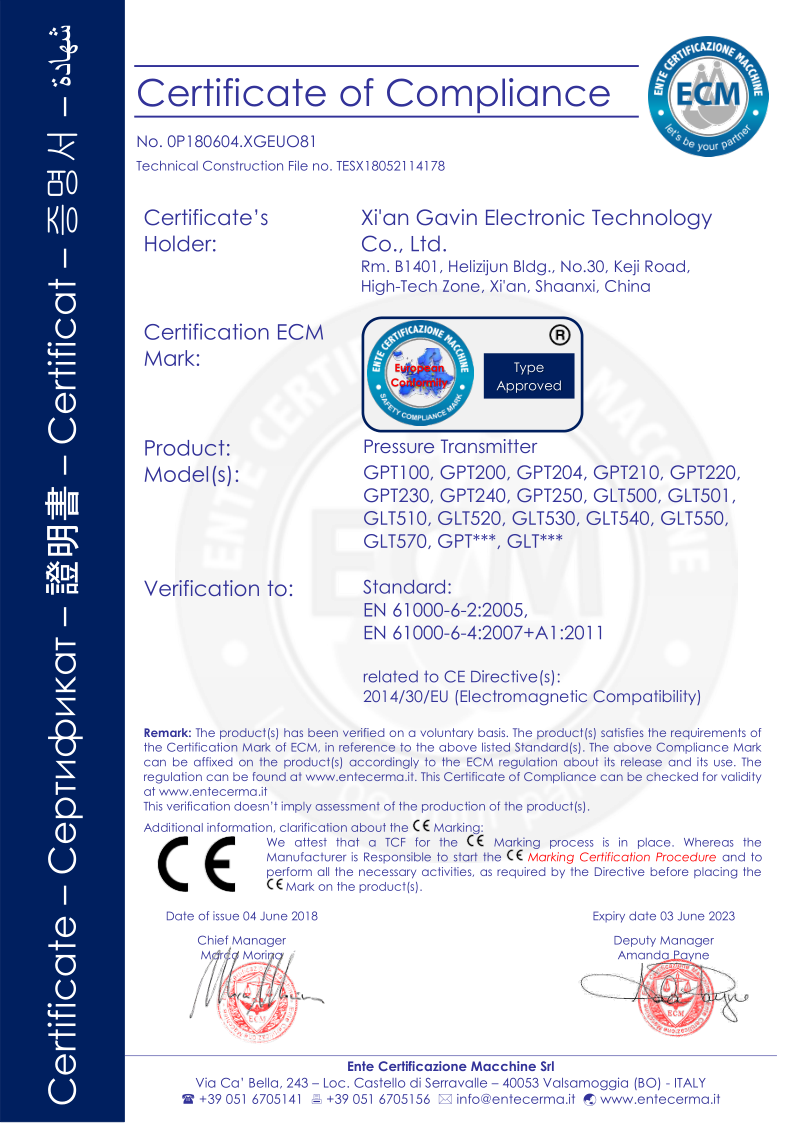
A good way to evaluate a provider is to look at their professional skills, quality certifications, and long-term assistance promises. Chemical tank level sensor suppliers that have been around for a while offer a lot of information about their products, help with application engineering, and full guarantee coverage. New providers, on the other hand, often have lower prices, faster response times for customization, and more open minimum order amounts. Geographic factors include the availability of local expert help, the difficulties of shipping, and the paperwork needed to meet legal requirements. Suppliers with established distribution networks can send items more quickly and keep stock in local warehouses, which lowers project risks and lets you quickly replace items that break.
Cost Optimization and ROI Considerations
Total cost of ownership includes more than just the price of the initial buy. It also includes the costs of installation, repairs, and replacements over the product's useful life. Even though they cost more up front, high-quality devices with longer guarantees and little upkeep needs often offer better long-term value. Buying in bulk can save you a lot of money and make sure that the sensor specs are the same in all of your setups. Standardizing on certain sensor types makes it easier to do upkeep, keep extra parts on hand, and teach technicians.
About GAMICOS: Advanced Chemical Tank Level Sensor Solutions
GAMICOS specializes in making measurement tools that are strong enough for use in harsh chemical processing settings. We offer a wide range of products, such as pressure sensors, liquid level sensors, ultrasound and radar level meters, and wireless measuring tools that can be used in more than 100 countries around the world. Our GLT741 radar level transmitter is an example of cutting edge 80GHz technology that provides millimeter-level accuracy through highly focused beam features. The method avoids common sources of interference and gives accurate readings for a wide range of liquids, from water to thick sludges.
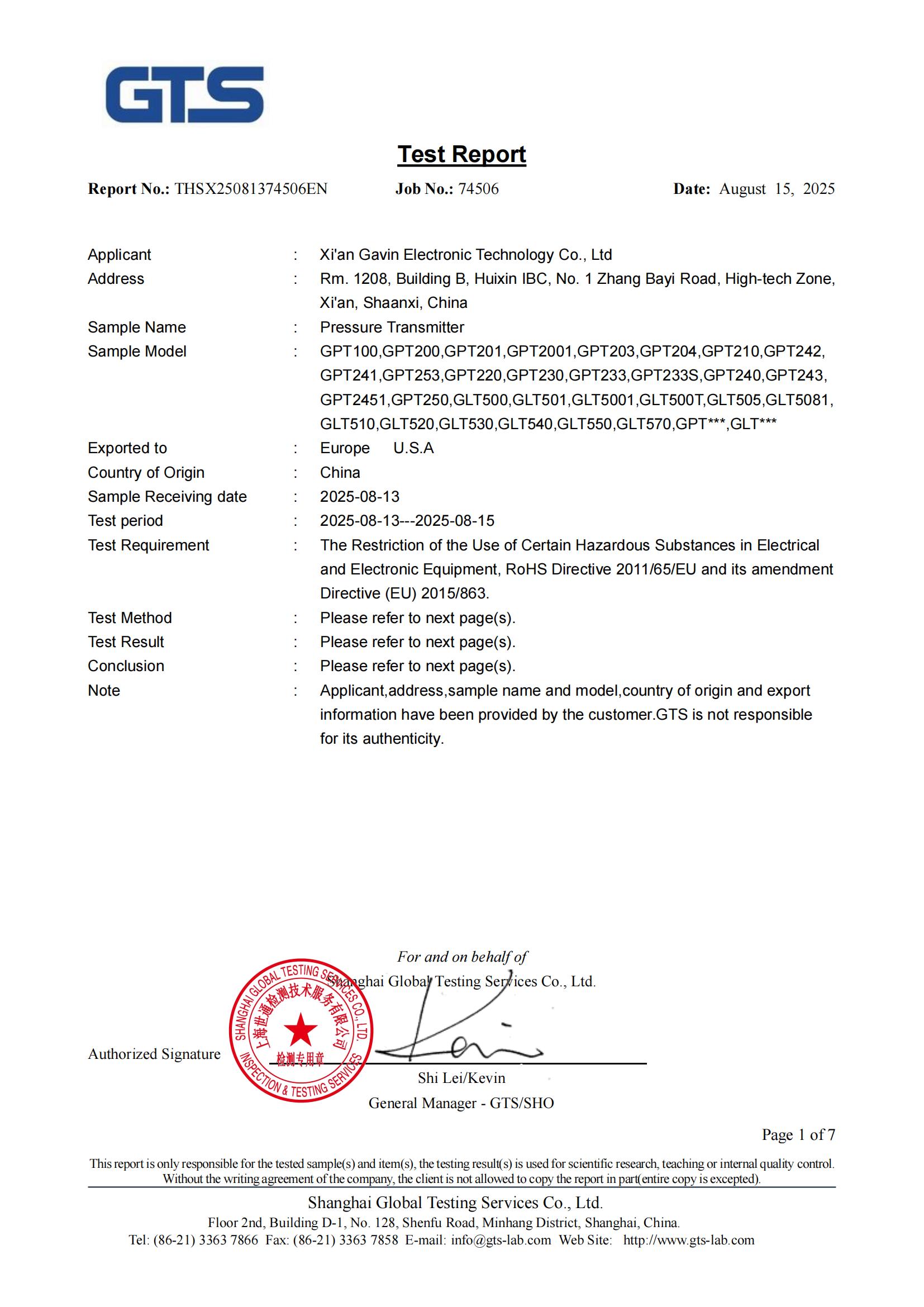
Total operating costs are greatly reduced by easy installation and operation that doesn't require any upkeep. Performance is also consistently high. We focus on customer-focused solutions by offering full expert help, open OEM/ODM services, and a lot of ways to make things your own. Our engineering team works closely with clients to create custom solutions that solve problems in specific applications. They do this while following strict quality control standards and getting foreign certifications.
Conclusion
Selecting the optimal chemical tank level sensor requires careful evaluation of measurement accuracy, chemical compatibility, environmental conditions, and integration requirements. Advanced radar technology offers superior performance characteristics including non-contact measurement, exceptional precision, and immunity to common interference sources. The key lies in balancing technical specifications with cost considerations while ensuring reliable supplier relationships and comprehensive technical support.
Modern sensors incorporate wireless capabilities, advanced communication protocols, and customization options that address diverse industrial applications. Partnering with experienced suppliers who provide comprehensive engineering support, quality assurance, and long-term service commitments ensures successful implementation and optimal return on investment.
Frequently Asked Questions
What factors most significantly affect chemical tank level sensor accuracy?
Sensor accuracy is primarily influenced by chemical properties including dielectric constant, density variations, and surface turbulence. Environmental factors such as temperature fluctuations, vapor presence, and tank geometry also impact measurement precision. Advanced radar sensors with 80GHz technology minimize these influences through superior beam focus and signal processing capabilities.
How do I choose the best sensor type for highly corrosive chemicals?
Corrosive chemical applications require non-contact measurement technologies such as radar or ultrasonic sensors to avoid direct chemical exposure. When contact sensors are necessary, PTFE diaphragm designs provide exceptional chemical resistance. Always verify material compatibility with specific chemicals and consider protective housing options for extreme environments.
Can chemical tank level sensors integrate with existing industrial control systems?
Modern sensors support multiple communication protocols including HART, Modbus RTU/TCP, and wireless options like LoRa and 4G connectivity. This versatility ensures seamless integration with PLCs, DCS systems, and SCADA networks. Many sensors also provide local display options and programmable alarm outputs for standalone operation.
Partner with GAMICOS for Superior Chemical Tank Level Measurement
Ready to optimize your chemical storage monitoring with precision measurement solutions? GAMICOS delivers advanced chemical tank level sensor technology backed by comprehensive engineering support and global service capabilities. Our 80GHz radar systems provide millimeter accuracy while our customization services ensure perfect alignment with your specific requirements. Whether you need bulk procurement for large-scale projects or specialized OEM solutions, our experienced team provides expert guidance throughout the selection and implementation process. Contact us at info@gamicos.com for personalized recommendations and competitive pricing as your trusted chemical tank level sensor supplier.
References
1. Industrial Instrumentation Handbook: Level Measurement Technologies for Chemical Processing Applications, 5th Edition, Engineering Press, 2023.
2. Chemical Tank Safety Standards and Measurement Requirements, American Institute of Chemical Engineers, Process Safety Guidelines, 2022.
3. Radar Level Measurement Technology: Principles and Applications in Corrosive Environments, Instrumentation Technology Journal, Volume 45, 2023.
4. Comparative Analysis of Level Sensor Technologies for Pharmaceutical and Chemical Industries, Process Control Engineering Review, 2022.
5. FMCW Radar Systems for Industrial Level Measurement: Technical Specifications and Performance Standards, IEEE Industrial Electronics Society, 2023.
6. Chemical Compatibility Guidelines for Industrial Sensor Materials and Protective Coatings, Materials Engineering in Chemical Processing, Annual Review 2022.

_1757930850792.jpg)