Guide to Choosing Ceramic Pressure Sensors in Europe
Understanding Ceramic Pressure Sensors: Principles and Benefits
- Understanding Ceramic Pressure Sensors: Principles and Benefits
- Ceramic Pressure Sensors vs. Other Sensor Technologies: Making the Right Choice
- Procurement Guide for Ceramic Pressure Sensors in Europe
- Selection Criteria for Ceramic Pressure Sensors: Ensuring Optimal Performance
- Conclusion
- FAQ
- Partner with GAMICOS for Advanced Ceramic Pressure Sensor Solutions
- References
To choose the correct ceramic pressure sensor for industrial uses in Europe, you need to carefully look at the technology details, the supplier's skills, and the rules and regulations that must be followed. As the chemical processing, pharmaceutical production, and energy sectors need more accurate measurements in harsh settings, ceramic-based pressure sensor technology has become the best choice for important tasks. These high-tech sensors are very durable and can measure with great accuracy. This makes them necessary parts for industrial control systems that have to work in tough circumstances.
Understanding Ceramic Pressure Sensors: Principles and Benefits
Ceramic pressure sensors are a big step forward in the technology used to measure pressure. They work very well in harsh industrial settings because of the special qualities of ceramic materials. The basic way these sensors work is based on basic physical principles that make them perfect for industrial uses in Europe.
The Science Behind Ceramic Sensor Technology
The main ways that ceramic pressure sensors work are through piezoresistive and piezoelectric effects that happen in ceramic materials. When pressure is put on a clay diaphragm, the crystal structure changes in very small ways. This deformation changes the electrical resistance of the ceramic material in piezoresistive sensors in a way that is related to the pressure that is being applied. The change in resistance makes an electrical pulse that can be measured and correctly shows the pressure value.
When mechanical stress is put on piezoelectric clay sensors, they work differently. They create an electrical charge. When these charges build up, they make a voltage difference that can be recorded and turned into pressure readings. Both methods have their own benefits that depend on the needs of the program.
Core Advantages of Ceramic Technology
In many situations, ceramic materials are better than standard sensors made of silicon or metal because of the way they are made. Ceramic pressure sensor components, in particular, are highly advantageous due to their excellent thermal stability, allowing them to operate reliably in temperatures ranging from -40°C to 150°C. This makes them perfect for industrial processes in Europe where temperatures change a lot.
| GPT235 anti-corrosion pressure transmitter | |
| Pressure range | -0.1...0~25bar |
| Output signal | 4~20mA, 0~10V, 0~5V, 1~5V, 0.5~4.5v, RS485, IIC |
| Power supply | 8~30V, 14~30V, 3~5V, 5V±10% |
| Accuracy | 0.5%FS/0.25%FS, 0.1%FS (optional) |
| Operating temperature | -20℃~85℃, -40℃~125℃ (optional) |
| Response time | 10ms, 1ms (optional) |
| Diaphragm material | Ceramic / 99.9% A1203(ceramic capacitive),96% A1203(ceramic piezoresistive) |
| Shell material | PTFE/PVDF (optional) |
Because ceramics don't corrode, they can be directly exposed to aggressive media without breaking down. This means that safe walls aren't needed, which can affect the accuracy of measurements. This direct touch feature is especially useful in industries like chemical processing and drug making that need very accurate measurements.
Industrial Applications Across European Markets
The ceramic pressure sensor technology is very useful for a wide range of uses in European businesses. These sensors are very reliable at keeping an eye on hydraulic systems and engine pressures in the car industry. Ceramic sensors are used in chemical processing plants to keep an eye on harmful fluids and high-pressure reactions, where other sensors would not work.
Ceramic sensors are used to keep an eye on pressure in the food and drink industry because their smooth ceramic surfaces don't let germs grow and are easy to clean. In the energy sector, one use is keeping an eye on pipeline pressures in oil and gas distribution networks, where steadiness and accuracy over time are very important for keeping operations safe.
Ceramic Pressure Sensors vs. Other Sensor Technologies: Making the Right Choice
By knowing the pros and cons of ceramic pressure sensors compared to other technologies, you can make smart purchasing choices that improve performance and reduce costs for specific uses.
Performance Comparison with Silicon Sensors
Silicon pressure sensors have long been the most popular because they are cheap and easy to make in large quantities. There are, however, several important places where ceramic sensors work better than other types. Ceramics have a temperature coefficient that stays the same over a bigger range of temperatures. This makes readings more accurate in places with tricky temperatures.
Ceramic sensors are more stable over long periods of time, with little shift over extended operating periods. This feature lowers the need for tuning and upkeep, which makes them more cost-effective for important uses even though they cost more at first.
Advantages Over Metal Diaphragm Sensors
Even though metal diaphragm sensors are strong, they can't work well in acidic conditions or at high temperatures. Ceramic sensors are better at both because they are more resistant to chemicals and heat. Ceramic materials are better at protecting against overload because they are pliable. For example, ceramic diaphragms can handle sudden changes in pressure without permanently deforming.
Evaluating Capacitive vs. Piezoresistive Ceramic Technologies
Changes in capacitance between wires in ceramic pressure sensors tell you about changes in pressure. These sensors are very sensitive and stable. They work very well in low-pressure situations and are very straight across their entire working range. The capacitive design of ceramic pressure sensors gets rid of the effects that change with temperature that are common in piezoresistive sensors.
Because piezoresistive ceramic sensors respond more quickly and don't need as much signal buffering, they can be used to measure dynamic pressure. Which technology to use varies on the needs of the application, such as the range of pressures, the time it takes to respond, and the surroundings.
Procurement Guide for Ceramic Pressure Sensors in Europe
To buy ceramic pressure sensors successfully, you need to know how the European supply chain works, what the rules are, and how to choose and evaluate suppliers in the best way possible.
European Supply Chain Considerations
There are many places to buy ceramic pressure sensors in Europe. There are well-known companies with factories in the area, as well as foreign companies with networks of stores in the area. When you buy from a local business, you get better expert help, shorter wait times, and easier warranty processes.
Cost-effectiveness, local expert help, and quality assurance are some of the benefits that many European companies get from their strategic relationships with Asian manufacturers. A lot of the time, these agreements give people access to cutting-edge tools while still following European rules and standards.
Regulatory Compliance and Certification Requirements
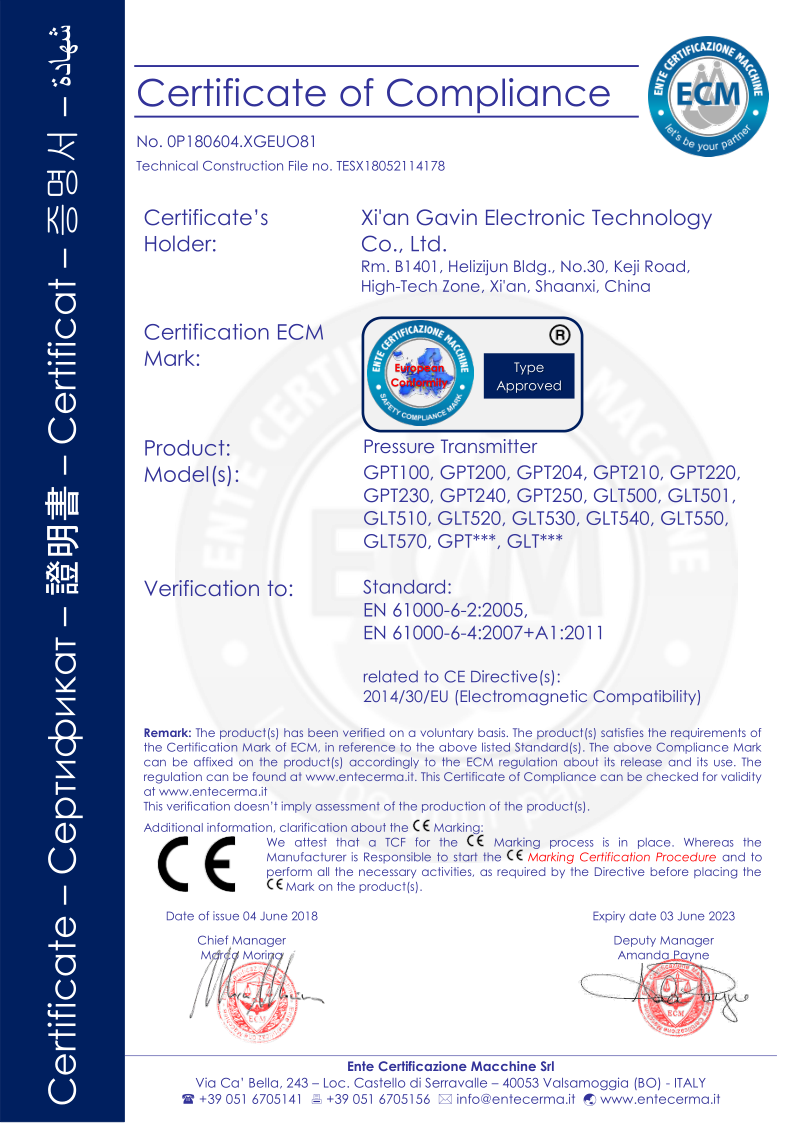
When buying ceramic pressure sensors in Europe, you have to follow a lot of rules, such as the CE marking requirements, the RoHS rules, and industry-specific rules like ATEX for dangerous environments. Knowing these standards early on in the buying process keeps delays from being expensive and makes sure that the rules are followed.
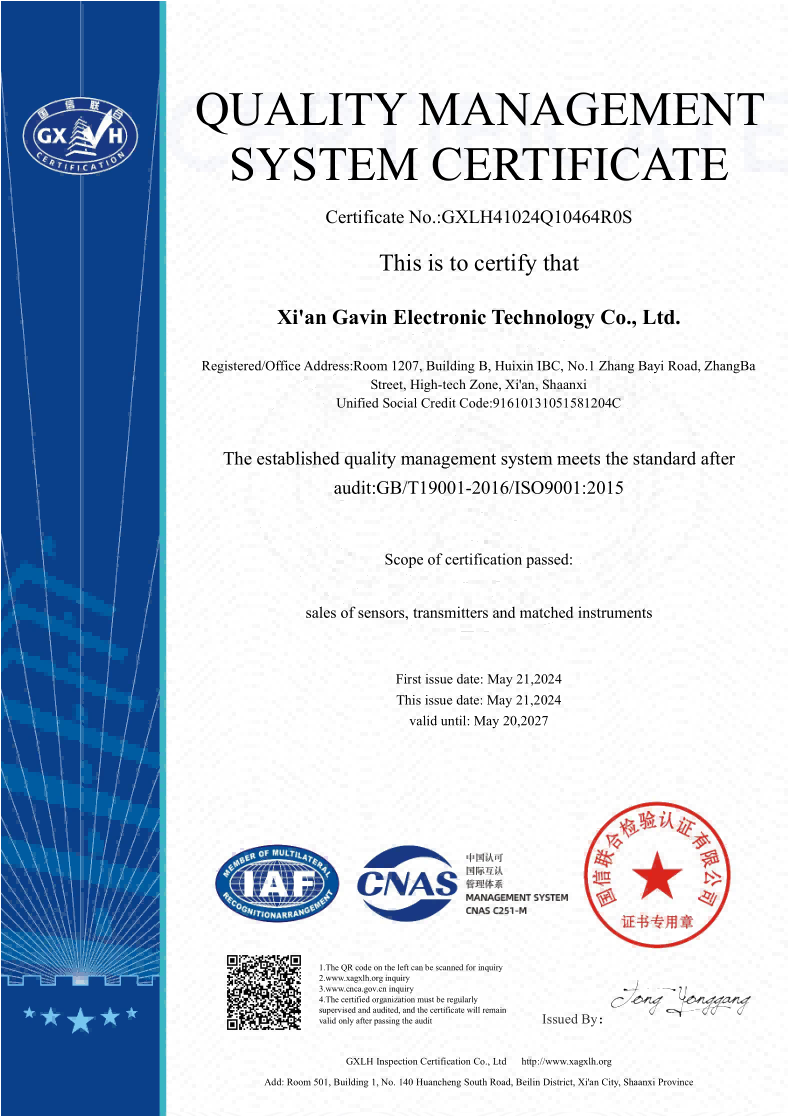
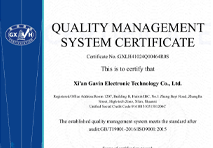
ISO 9001 certification shows that a provider is committed to quality management methods, and ISO 14001 certification shows that they are committed to environmental management. These licenses give you peace of mind about the supplier's dependability and the chance to work with them for a long time.
Supplier Evaluation and Selection Criteria
Technical skills, quality processes, and business stability are all important parts of a good supplier assessment. Lab testing skills, design knowledge, and the ability to make changes should all be part of a technical review. The main things that quality systems review looks at are how things are made, how they are tested, and how they are controlled for quality.
When judging a business's stability, experts look at its long-term health, market place, and financial power. Suppliers with a wide range of customers and many product lines are usually more stable in the long run than those who only serve a few specific market groups.
Selection Criteria for Ceramic Pressure Sensors: Ensuring Optimal Performance
To choose the right ceramic pressure sensor, you need to carefully compare its technical specs to the needs of the application. This will make sure that it works well and is cost-effective throughout its entire lifecycle.
Technical Specification Analysis
When choosing a pressure range, you need to think about both regular working conditions and possible overpressure situations. Most ceramic sensors have great overload safety, but making sure they are the right size is important for accuracy within the working range. Because linearity can change a lot, accuracy requirements should be checked at different places in the operating range.
In situations where temperatures change a lot, the ability to compensate for those changes becomes very important. Modern ceramic sensors have complex correction systems that keep them accurate over a wide range of temperatures. This makes measurements more accurate in places with a lot of temperature variation.
Application-Specific Considerations
To test for chemical compatibility, you need to look closely at the media's make-up and how it works. Ceramics are generally resistant to chemicals, but for certain mixes of chemicals, temperature, and pressure, you may need special ceramic mixtures or protective layers.
Response time needs affect the choice of sensor, especially in applications that change over time. Ceramic sensors with specially designed diaphragms can respond in microseconds, which is fast enough for high-frequency pressure tracking.
Customization and Integration Requirements
In many industrial settings in Europe, sensors need to be set up in specific ways, such as with special electrical connections, mounting setups, or output signal forms. When it comes to system interaction, suppliers that offer full customization give you more options, and they can also improve sensor performance for specific uses.
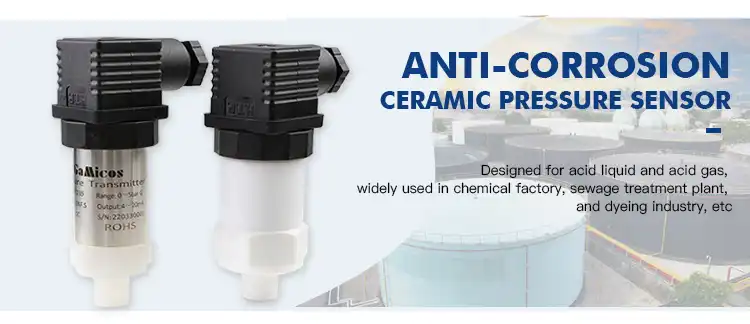
The GAMICOS GPT235 Highly Corrosion-Resistant Pressure Transmitter is an example of cutting-edge ceramic sensor technology made for harsh industrial settings. Imported ceramic piezoresistive or capacitive sensors are used as sensing elements in this transmission. They are very reliable in uses with corrosive media.
One of the most important things about the GPT235 is its foreign ceramic core technology, which makes sure that it works consistently and stays stable over time. The ability to fight corrosion and wear lets it come into direct touch with harsh chemicals without breaking down. Wide media flexibility lets it be used in many different industrial settings, and strong anti-interference and surge protection design makes sure it works well in places with a lot of electrical noise. For harsh environments, an optional high-corrosion PTFE or PVDF covering adds extra security.
The GPT235 is perfect for chemical processing, making medicines, and uses in the energy sector in Europe because it has these advanced features that make regular sensors not work well or last long enough.
Conclusion
Ceramic pressure sensors are a stable and reliable technology that works great in challenging industrial settings in Europe. Because they are accurate, last a long time, and don't react with chemicals, they are necessary parts for systems that process chemicals, make medicines, and make energy. For implementation to go well, application needs, supplier skills, and long-term operating needs must all be carefully thought through. Investing in high-quality ceramic sensor technology usually pays off in a big way, with better dependability, lower maintenance costs, and higher operating safety.
FAQ
What temperature ranges can ceramic pressure sensors handle?
In general, ceramic pressure sensors work well in temperatures between -40°C and 150°C, and some special types can work up to 200°C. Ceramic materials are very stable at high and low temperatures, so they stay accurate across these temperature ranges. This makes them perfect for commercial uses in Europe where temperatures change a lot.
How do ceramic sensors compare to silicon sensors in terms of accuracy?
Most of the time, ceramic sensors are more accurate and stable over time than silicon sensors, especially in tough settings. While silicon sensors may have slightly better starting accuracy specs, ceramic sensors stay more accurate for longer with less drift, which means they work better over time and need less tuning.
Can ceramic pressure sensors be customized for specific applications?
Most companies that make ceramic pressure sensors let you change a lot of things about them, like the electrical connections, mounting arrangements, pressure levels, and output signs. Custom ceramic mixtures can be made to meet particular chemical interaction needs, which lets them be optimized for specific use cases.
Partner with GAMICOS for Advanced Ceramic Pressure Sensor Solutions
GAMICOS is a reliable company that makes ceramic pressure sensors and offers cutting-edge technology and full support for industrial uses in Europe. The GPT235 series, which has imported ceramic cores and improved corrosion-resistant designs that work great in harsh settings, shows how committed we are to new ideas. We offer custom solutions that meet your needs while still meeting European standards thanks to our many years of experience working with customers in over 100 countries and our full OEM/ODM capabilities. Our dedicated engineering team provides skilled technical help for the whole lifecycle of a product, from the time it is first chosen to the time it is installed and maintained. Get in touch with us at info@gamicos.com to talk about your ceramic pressure sensor needs and find out how our cutting-edge technology can help your business.
References
1. European Committee for Standardization. "Pressure Sensors in Industrial Applications: Standards and Best Practices." CEN Technical Report 2023.
2. Industrial Automation Research Institute. "Comparative Analysis of Pressure Sensor Technologies in European Manufacturing." Technical Publication Series, Volume 15, 2023.
3. Schmidt, H., and Mueller, K. "Ceramic Materials in Harsh Environment Sensing Applications." European Journal of Industrial Engineering, Vol. 45, No. 3, 2023.
4. Federation of European Process Industries. "Pressure Measurement in Corrosive Media: Guidelines and Recommendations." FEPI Technical Bulletin 2023-07.
5. Thompson, A., and Rodriguez, M. "Long-term Stability Assessment of Ceramic Pressure Sensors in Chemical Processing." Process Safety and Environmental Protection, Vol. 168, 2023.
6. European Sensor Manufacturers Association. "Market Analysis and Technology Trends in Pressure Sensing Solutions." ESMA Annual Report 2023.

Peter
Peter, Senior Sensor Technology Consultant, has 15-year industrial sensor R&D experience. He specializes in the end-to-end development of high-accuracy pressure and level sensors and he firmly believe, precision isn’t just a spec—it’s a promise.
We're here to help — submit your request anytime!
Let us know how we can help solve your pressure level measurement challenge.
_1757930850792.jpg)
Recommended Blog
Ceramic Pressure Sensor Uses in Corrosive Media Across Europe
Why Ceramic Pressure Sensors Are Ideal for Americas Chemical Plants