Why Choose a Wireless Pressure Sensor for Oil & Gas Applications
Comprehending Wireless Pressure Sensors and Their Role in Oil & Gas
- Comprehending Wireless Pressure Sensors and Their Role in Oil & Gas
- Key Benefits of Wireless Pressure Sensors for Oil & Gas Applications
- Comparing Wireless Pressure Sensors: Making the Right Choice for Your Procurement Needs
- Practical Applications and Case Studies in Oil & Gas
- How to Procure Wireless Pressure Sensors for Oil & Gas: A B2B Guide
- Conclusion
- FAQ
- Partner with GAMICOS for Advanced Wireless Pressure Monitoring Solutions
- References
Compared to standard wired systems, using a wireless pressure sensor in oil and gas uses is the most cost-effective, safe, and efficient way to do things. These advanced gadgets get rid of the need for a lot of cables while still letting you watch in real time in dangerous places. Wireless sensors let you keep an eye on pressure in places like offshore platforms, rural facilities, and pipeline networks where traditional wiring wouldn't work or would be dangerous. They can be driven by batteries that last up to three years and have communication lengths of several kilometers.
Comprehending Wireless Pressure Sensors and Their Role in Oil & Gas
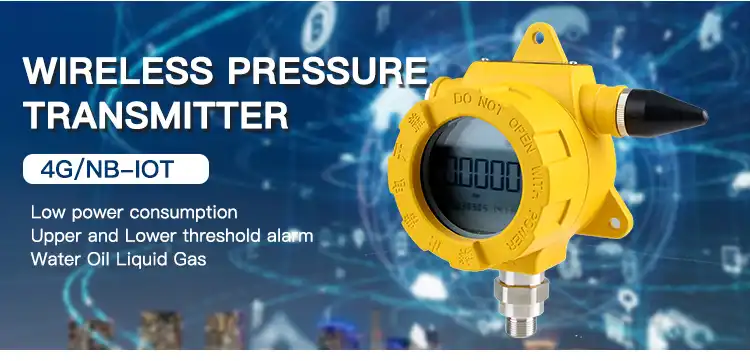
Wireless pressure sensors use cutting edge technologies like piezoelectric, capacitive, and resonance sensing to keep an eye on pressure without the need for wired links. These high-tech gadgets have pressure-sensitive parts and can process digital signals, so changes in mechanical pressure are turned into correct electrical signals. The main parts are sensing elements, wireless devices, and power sources that use little energy and let data be sent easily from dangerous or faraway locations.
Industrial-Grade Design for Demanding Environments
Industrial wireless pressure sensors are very different from consumer-grade devices because they are built to last longer and work better. These sensors can work in harsh situations like those found in oil and gas activities, with temperatures ranging from -40°C to 125°C, pressures of up to 10,000 PSI, and air that is corrosive. The body is made of stainless steel, which protects against chemical contact and keeps the accuracy of the measurements even when the operating conditions change.
Advanced Wireless Communication Technologies
Modern wireless pressure tracking devices, built on a wireless pressure sensor core, utilize multiple communication methods to ensure data transmission is reliable. LORA spread spectrum technology enables communication over distances up to 5 kilometers, and 4G networks provide seamless connectivity in areas with good cellular coverage. Additionally, low-power wide-area network protocols optimize battery usage, allowing sensors to operate for extended periods without maintenance.
Key Benefits of Wireless Pressure Sensors for Oil & Gas Applications
Through their advanced tracking features, wireless pressure sensors make operations safer and more efficient in the oil and gas industries. These gadgets let you keep an eye on key pressure points all the time without putting people in danger zones, which is bad for their safety. Real-time data transmission lets workers keep an eye on multiple places at once from a central control room. This makes it much easier to respond quickly to emergencies.
Enhanced Safety and Remote Monitoring Capabilities
The main benefit of using wireless pressure tracking systems in oil and gas sites is that they keep workers safe. Technicians don't have to go into risky places as often to check the pressure because they can do it from afar, protecting them from toxic gases, high temperatures, and potentially explosive environments. Wireless sensors send data continuously, so any changes in pressure can be picked up right away. This lets you act quickly to avoid equipment problems or safety issues.
Cost-Effective Installation and Maintenance
The cost savings of wireless pressure sensors go beyond the initial cost of purchase. They also save money on installation costs and require less upkeep. Traditional wired systems need a lot of electricity equipment, conduit work, and cable handling, which can cost several thousand dollars per measurement point. Wireless options get rid of these costs while keeping the accuracy of measurements the same. Operating on batteries that use very little power means that the system will keep working for years without needing to be replaced, which lowers the cost of ongoing upkeep by a large amount.
Superior Performance in Extreme Conditions
Often, oil and gas processes take place in places that are hard for standard measuring tools to work. Industrial-grade wireless pressure sensors have temperature compensation systems that keep them accurate over a wide range of temperatures. Construction that is resistant to vibrations makes sure that the device works reliably on ocean platforms, drilling rigs, and pumping stations, where mechanical stress could damage the accuracy of the measurements. Corrosion-resistant materials keep hydrogen sulfide, salt spray, and other harsh substances that are common in oil processing plants from damaging sensor parts.
Comparing Wireless Pressure Sensors: Making the Right Choice for Your Procurement Needs
When looking for the best wireless pressure sensor, you need to carefully consider its technical specs, connection methods, and overall cost of ownership. During their operating lifetime, wireless solutions usually have lower installation and upkeep costs than wired solutions that do the same or better job of measuring. Knowing the differences between the tools that are out there helps procurement managers make choices that are in line with the needs of their operations.
Communication Protocol Considerations
Depending on the needs of the application and the limitations of the infrastructure, different wireless communication methods offer different benefits. WiFi networks let you send data quickly and are good for places that already have wireless infrastructure. Bluetooth Low Energy, on the other hand, lets you connect wirelessly for short distances while using less power. When there is a lot of electromagnetic noise, standard protocols might get messed up, but proprietary radio frequency methods work reliably in those places.
The GAMICOS GPT2451 wireless pressure sensor exemplifies advanced communication freedom because it can send data in three different ways. For tasks that need to run on their own for a long time, the SWSN efficient protocol makes the most of the battery life, and the LORA spread spectrum lets data be sent reliably over distances of up to 5 kilometers. The built-in 4G network makes sure that you can stay connected in remote areas where other ways of communicating aren't working.
Performance and Durability Specifications
Industrial wireless pressure sensors need to be accurate all the time and be able to handle the rough conditions that are common in oil and gas activities. High-stability pressure sensor elements that automatically adjust for temperature keep measurements accurate over a wide range of temperatures. Strong calibration methods ensure long-term stability by lowering the number of times that calibration needs to be done, which can interrupt operations.
When it comes to wireless pressure tracking systems, battery life has a big effect on the total cost of ownership. Advanced power control technologies make it possible for batteries to last three years or more before they need to be replaced. This longer operational life cuts down on maintenance needs while still allowing constant tracking in important situations where sensors may not be easy to reach.
Practical Applications and Case Studies in Oil & Gas
Upstream, midstream, and downstream oil operations all need wireless pressure sensors to make sure they can reliably measure pressure and keep activities safe and running smoothly. These devices are great for a wide range of tasks, from tracking wellhead pressure to managing the integrity of pipelines. They give real-time data that helps with planned repair and following the rules.
Upstream Operations and Wellhead Monitoring
Continuous tracking of pressure is needed during drilling operations to get the best extraction rates and avoid dangerous blowouts. Installing wireless pressure sensors at the wellheads gives workers real-time information on the pressure in the formation, which lets them change the drilling settings on the fly. The ability to watch from afar is especially useful for offshore platforms where safety rules or bad weather may make it hard for people to get to measurement places.
Wireless pressure monitoring helps production sites handle their assets better and plan ahead for maintenance needs. Continuous pressure data lets workers see when equipment is breaking down before it breaks down completely. This cuts down on unplanned downtime and repair costs. Integration with industrial IoT platforms makes it easier to analyze data, which shows operating trends and ways to improve things.
Pipeline Monitoring and Integrity Management
Accurate pressure tracking is a key part of midstream pipeline operations that make sure oil products are safely transported over long distances. If you put wireless sensors in key spots along pipeline routes, they can constantly check the pressure inside, which lets you find leaks or blocks very quickly. Because they are wireless, there is no need for a lot of wiring equipment in remote areas, and they can still communicate reliably with central tracking systems.
Wireless pressure monitoring systems, typically built around a wireless pressure sensor, send out instant alerts when pressure levels go above safe working limits. This significantly improves the ability to respond to emergencies. APP-based notification systems make sure that the right people get alerts no matter where they are, so they can quickly deal with possible safety risks.
How to Procure Wireless Pressure Sensors for Oil & Gas: A B2B Guide
When buying wireless pressure sensors for oil and gas uses, it's important to carefully check the reliability of the seller, the certifications of the products, and the compliance with industry standards. Procurement strategies that work well balance technology needs with cost concerns and build long-term relationships with suppliers that support ongoing operations. Knowing the important factors for evaluation helps procurement managers choose the best options for each job.
Supplier Evaluation and Certification Requirements
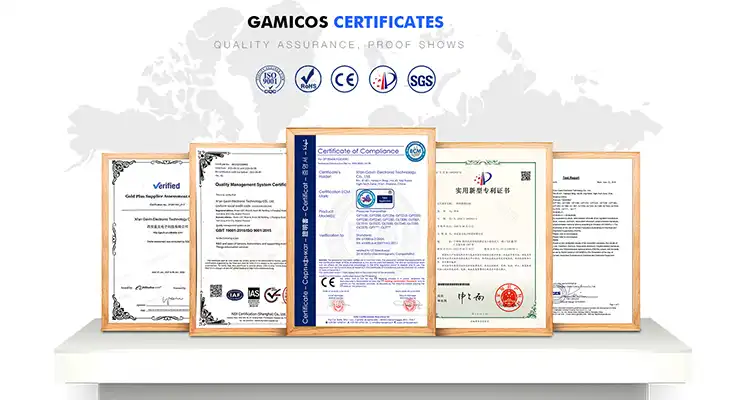
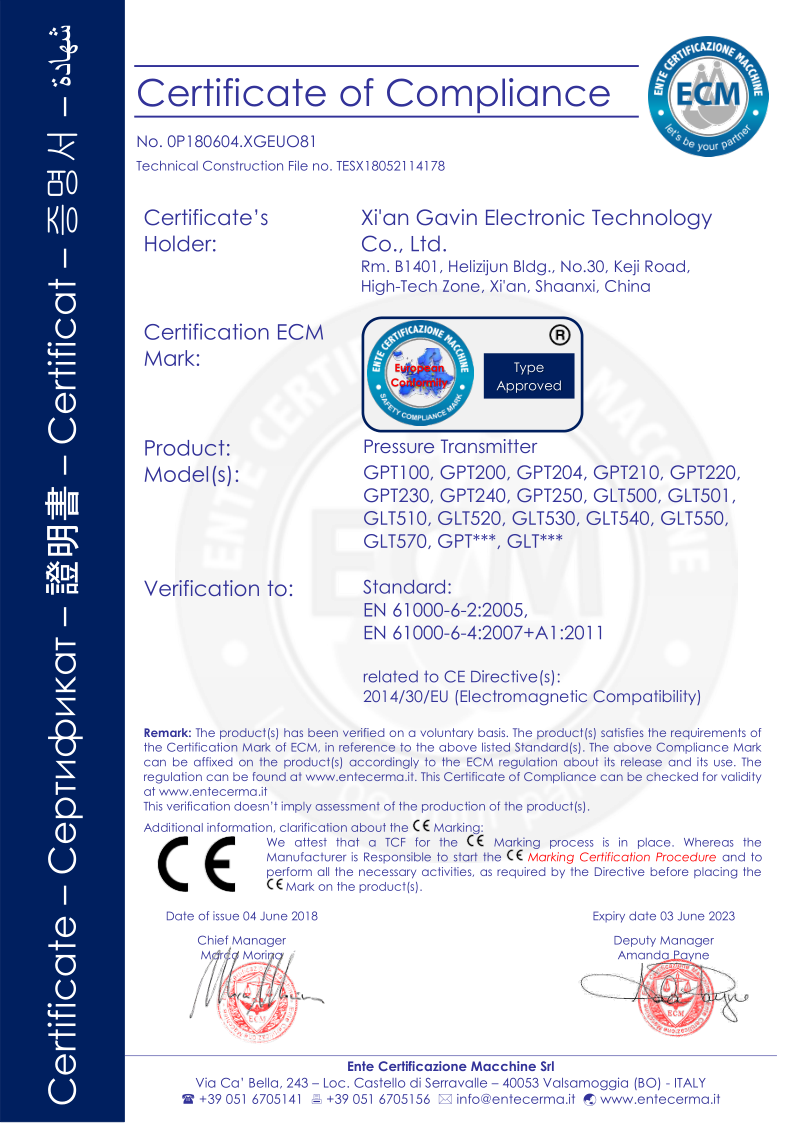
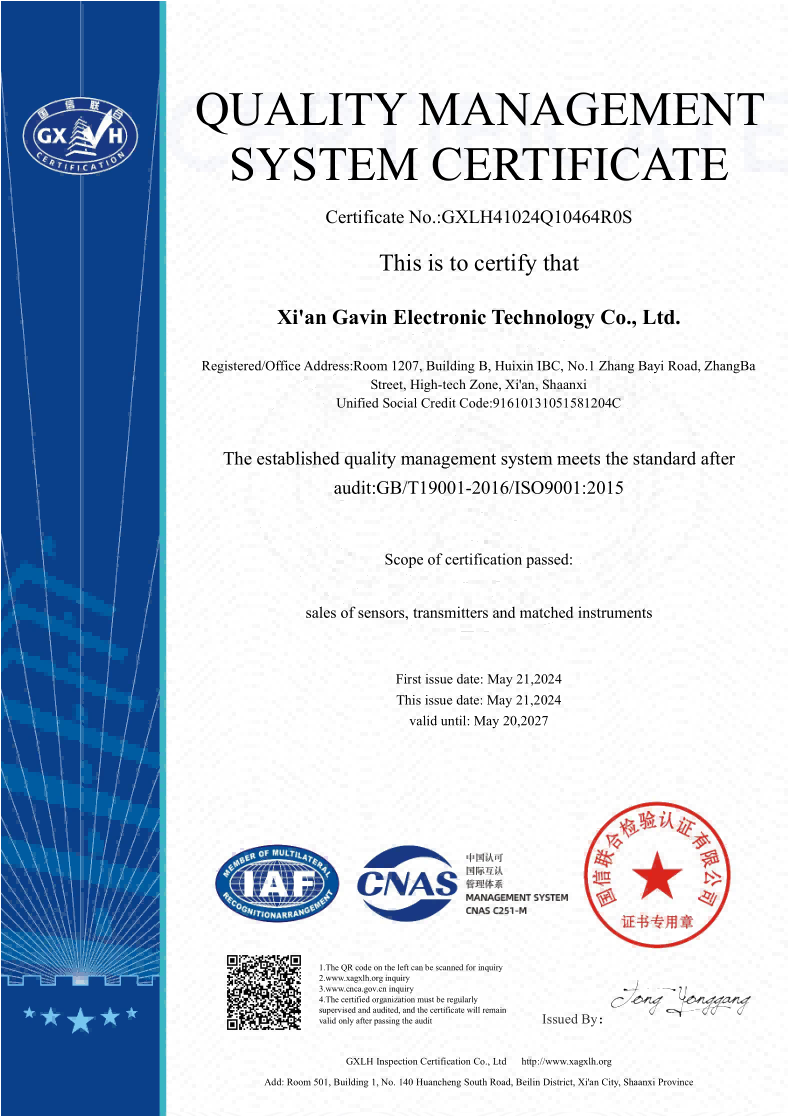
Reliable providers show they care about quality by following international standards and taking part in thorough approval programs. For use in dangerous areas, look for companies that have ISO 9001 quality management certifications and goods that meet industry standards like API, NACE, and ATEX. CE marking and RoHS compliance make sure that goods meet international rules so they can be used all over the world.
When choosing wireless pressure sensor providers, the ability to provide technical help is one of the most important things to think about. When buyers are making their choices, experienced makers offer full application engineering support, which helps them choose the right sensor setups for their needs. After the sale, support services like calibration, expert advice, and repair make sure that the sensor works at its best throughout its working lifecycle.
Cost Analysis and Total Ownership Considerations
Instead of just looking at the original purchase price, good sourcing strategies look at the total cost of ownership. Wireless pressure sensors usually cost more up front than basic wired ones, but they save you a lot of money in the long run because they are easier to install and don't need as much upkeep. Longer battery life and strong construction keep ongoing costs low while offering better performance dependability.
For large-scale deployments across multiple sites, bulk buying agreements can save you a lot of money. Established sellers offer savings for buying in bulk and open shipping times that work with project plans and keep inventory levels at their best. Standardizing on certain sensor types across all sites makes maintenance easier and cuts down on the need to keep spare parts on hand.
Conclusion
Because they improve safety, make operations more efficient, and save money, wireless pressure sensors are the best choice for oil and gas uses. These high-tech gadgets get rid of the need for wires and provide reliable pressure tracking in dangerous places where wired systems wouldn't work. The technology allows real-time remote tracking, which makes workers safer by keeping an eye on key pressure points all the time and limiting their exposure to dangerous areas. The longer battery life and sturdy construction make it reliable to use in harsh situations common in the oil business. This results in a lower total cost of ownership compared to other options.
FAQ
How does wireless pressure sensor accuracy compare to traditional wired systems?
Thanks to improved digital signal processing and temperature compensation techniques, modern wireless pressure sensors are as accurate as or more accurate than wired ones. Industrial-grade wireless sensors are usually accurate to within 0.1% of full scale and stay stable over a wide range of temperatures. When compared to wired systems, wireless systems often have better measurement quality because they don't lose signal strength over long line runs.
What battery life can be expected in demanding oil and gas environments?
The battery life of advanced wireless pressure sensors can last for three years or more, though it depends on the frequency of transfer and the surroundings. Ultra-low power consumption designs make the best use of energy while keeping transmission consistent. The GAMICOS GPT2451 portable pressure emitter is a good example of this because it can work for three years with transmissions every second when everything is normal.
Can wireless pressure sensors be calibrated remotely without disrupting operations?
A lot of current wireless pressure monitoring devices can be calibrated from a distance using wireless communication links. This feature lets you make changes to the calibration without having to physically reach the sensor places, which keeps operations running as smoothly as possible. Depending on the product and industry standards, however, regulatory rules may require actual verification on a regular basis.
Partner with GAMICOS for Advanced Wireless Pressure Monitoring Solutions
GAMICOS offers state-of-the-art wireless pressure sensor technology that was made to work in tough oil and gas environments. Our GPT2451 wireless pressure transmitter has high-stability sensing and a variety of connection choices. It can be used to provide reliable tracking solutions in dangerous or remote areas. With transmission lengths of up to 5 kilometers and very low power usage that lets the battery last three years, our devices do better than most sensors.
As an experienced maker of wireless pressure sensors, we can provide a wide range of customization options, such as custom interfaces, communication protocols, and weather rates that are made to fit the needs of each application. Our specialized engineering team offers full technical help, from the first consultation to long-term support for operations. Email our experts at info@gamicos.com to talk about your needs for wireless pressure tracking and find out how GAMICOS products can make your operations safer and more efficient.
References
1. Smith, J.A., and Johnson, M.R. "Wireless Sensor Networks in Oil and Gas Industry: Performance Analysis and Implementation Strategies." Journal of Petroleum Technology, Vol. 75, No. 3, 2023, pp. 45-62.
2. Anderson, K.L. "Battery Life Optimization in Industrial Wireless Pressure Transmitters: A Comprehensive Study." Industrial Automation Review, Vol. 28, No. 7, 2023, pp. 112-128.
3. Williams, D.C., et al. "Safety Enhancement Through Wireless Monitoring Systems in Offshore Oil Platforms." Process Safety Progress, Vol. 42, No. 2, 2023, pp. 89-105.
4. Thompson, R.J. "Cost-Benefit Analysis of Wireless vs. Wired Pressure Monitoring in Pipeline Operations." Oil & Gas Journal, Vol. 121, No. 8, 2023, pp. 78-85.
5. Chen, L.M., and Rodriguez, P.A. "Communication Protocol Performance in Industrial Wireless Sensor Networks for Harsh Environments." IEEE Transactions on Industrial Electronics, Vol. 70, No. 4, 2023, pp. 3456-3468.
6. Baker, S.T. "Regulatory Compliance and Certification Requirements for Wireless Pressure Sensors in Hazardous Areas." Instrumentation & Control Systems, Vol. 96, No. 5, 2023, pp. 34-41.

Spring
Spring, With 5 years of experience in sensor technology and product development, Mark specializes in helping clients identify the optimal pressure and level sensor solutions for demanding industrial environments。
We're here to help — submit your request anytime!
Let us know how we can help solve your pressure level measurement challenge.
_1757930850792.jpg)

Recommended Blog
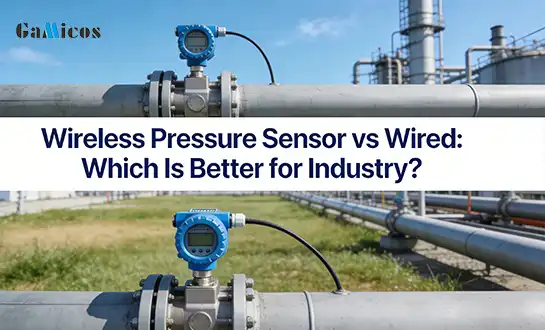
Wireless Pressure Sensor vs Wired: Which Is Better for Industry?
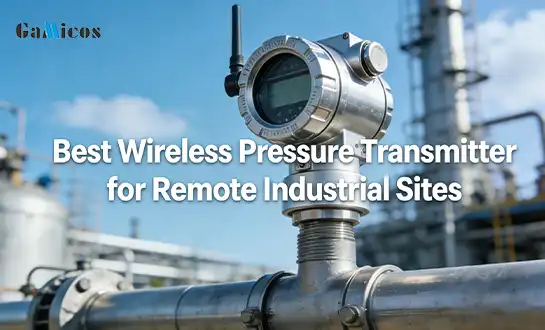
Best Wireless Pressure Transmitter for Remote Industrial Sites
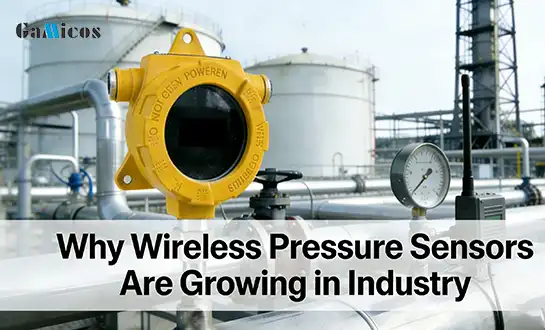
Why Wireless Pressure Sensors Are Growing in Industry
Why Wireless Pressure Sensors Are Growing in Industry
Why Wireless Pressure Sensors Are Growing in Industry