Wireless Sensor Networks for Reservoir Management
Understanding Wireless Level Sensors in Reservoir Management
- Understanding Wireless Level Sensors in Reservoir Management
- Integrating Wireless Sensor Networks for Effective Reservoir Management
- Selecting the Best Wireless Level Sensor for Your Reservoir Needs
- Practical Guide to Installing and Maintaining Wireless Level Sensors
- GAMICOS: Your Trusted Partner for Advanced Wireless Level Sensor Solutions
- Conclusion
- Partner with GAMICOS for Superior Wireless Level Sensor Solutions
- References
By providing real-time, automated monitoring capabilities that do away with the drawbacks of conventional measuring techniques, wireless sensor networks have revolutionized reservoir management. Water and industrial liquid levels may be continuously tracked using a wireless level sensor without the need for lengthy cable connections, which speeds up and lowers the cost of deployment in distant areas. These cutting-edge measuring devices provide engineering managers and procurement specialists useful information that improve operational decision-making by fusing IoT connection with precision sensing technology. Organizations may save manual inspection labor, avoid overflow issues, maximize resource utilization, and get more transparency in their liquid management operations by putting wireless monitoring systems into place.
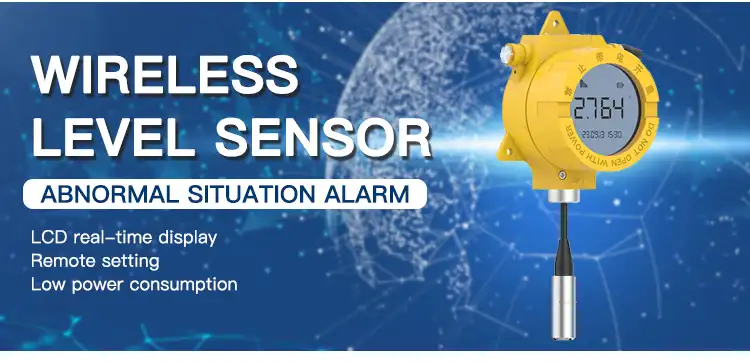
Understanding Wireless Level Sensors in Reservoir Management
Measurement methods that provide precision while reducing installation complexity and continuing maintenance demands are essential for modern reservoir operations. Compared to traditional wired instrumentation, wireless liquid level sensors provide engineering teams and procurement managers flexible deployment choices appropriate for a range of industrial settings.
Core Technologies Behind Wireless Measurement Systems
Multiple sensing techniques are used by wireless level monitoring devices to provide very accurate liquid height data. High-frequency sound waves are emitted by ultrasonic sensors, which use time-of-flight data to calculate distance after reflecting off liquid surfaces. Applications using caustic chemicals or food-grade materials where contamination hazards need to be reduced benefit greatly from this non-contact technique. Even in the harsh environmental conditions often observed in petroleum storage facilities, radar-based devices retain measurement integrity by transmitting microwave signals that pierce mist, foam, and dust.
Another dependable method is to use submersible pressure transducers, which transform hydrostatic pressure into electrical signals that precisely show the depth of a liquid. Where surface-mounted devices would have trouble, these submerged sensors perform very well in high-temperature, high-pressure reservoirs. Capacitive sensing technology provides continuous analog output appropriate for process control integration by detecting dielectric changes when liquid levels vary. Depending on the fluid properties, tank dimensions, and operating needs, each technology offers unique benefits that procurement teams need to carefully consider.
Wireless Transmission Protocols and Data Integration
Having a strong wireless communication infrastructure is necessary to transform physical measurements into useful intelligence. In order to relay data over long distances while preserving battery efficiency, modern wireless pressure sensors and level transmitters use protocols including LoRaWAN, NB-IoT, GPRS, and 4G LTE. LoRaWAN has communication ranges of many kilometers with low power consumption, making it ideal for remote reservoir installations where cellular coverage may be restricted. By using the current telecommunications infrastructure to enable smooth cloud integration, NB-IoT offers dependable connection in urban water treatment plants.
System security and dependability are directly impacted by data transfer frequency, encryption methods, and gateway compatibility. Adjustable reporting intervals are a common feature of industrial-grade wireless sensors, enabling operators to strike a compromise between battery life and real-time visibility. Sensitive operational data is protected during transmission by advanced encryption techniques, addressing cybersecurity issues that procurement managers are giving more weight to when assessing supplier capabilities.
Accuracy Factors and Calibration Considerations
The choice of sensor, ambient factors, and appropriate installation techniques all affect measurement accuracy. If not sufficiently corrected for, errors may be introduced by temperature changes, variations in air pressure, and electromagnetic interference. To meet accuracy standards throughout a variety of operating conditions, high-quality wireless tank level sensors use shielded electronics and temperature adjustment algorithms. Calibration processes produce confidence intervals that satisfy industry standards and legal requirements by comparing measurement performance to established benchmarks.
Scheduled maintenance and total cost of ownership are directly impacted by battery life. Remote installations are typically powered by lithium primary batteries for three to ten years, depending on environmental factors and transmission frequency. Some sophisticated systems completely do away with the need to replace batteries by integrating solar panels or energy gathering technologies. To precisely estimate lifetime costs, procurement specialists assessing large orders should ask for comprehensive battery performance data under projected operation circumstances.
Integrating Wireless Sensor Networks for Effective Reservoir Management
Traditional reservoir monitoring approaches relied heavily on manual gauge readings and periodic inspections, creating data gaps that hindered proactive management and emergency response capabilities. Wireless sensor networks, including Wireless Level Sensors, address these limitations through distributed measurement architectures that deliver continuous visibility into liquid inventory levels.
System Architecture and Component Integration
A functioning wireless sensor network is made up of a number of linked components that cooperate to collect, send, and display reservoir data. Data collection endpoints are sensor nodes placed across storage facilities that are outfitted with wireless transceivers and measuring transducers. Before sending compressed data packets to communication gateways, these self-governing devices analyze signals locally. Before sending the combined data to cloud platforms or local servers, gateways combine data from many sensor nodes and often carry out edge computing tasks like trend analysis and alert detection.
Platforms for data visualization turn unprocessed measurements into user-friendly dashboards that are available via mobile apps and web browsers. When levels surpass preset criteria, engineering managers may monitor many reservoir locations at once and get immediate alerts. Capacity planning projects and predictive maintenance programs are supported by historical trending capabilities. By integrating liquid inventory data with production schedules and supply chain management procedures, integration with current SCADA systems and enterprise resource planning software adds value.
Overcoming Traditional Monitoring Challenges
Human error, irregular measurement timing, and the incapacity to identify quick level changes between inspection periods are some of the inherent drawbacks of manual inspection processes. Installing wired sensors has its own set of difficulties since it requires lengthy conduit lines, junction boxes, and continuous cable maintenance, which raises installation costs and creates possible failure spots. Cable deterioration is accelerated in harsh reservoir settings, especially in outdoor installations subjected to severe temperatures, dampness, and UV radiation.
By doing away with the need for physical cable infrastructure, wireless networks drastically cut down on installation time and make it possible to deploy sensors in previously unreachable areas. Hazardous chemical reservoirs, tall storage tanks, and remote pumping stations become practical monitoring locations without requiring expensive cabling. Because companies may add measurement sites gradually without having to modify electrical systems or seek expensive building permissions, scalability increases. Engineering contractors overseeing phased industrial automation projects, where measurement needs change as facilities grow, especially benefit from this flexibility.
Real-World Performance Outcomes
Measurable operational benefits have been reported by water utilities using wireless level monitoring across distribution systems. After implementing automated tank level sensors with predictive alarm capabilities, municipal water agencies claim a thirty to forty percent decrease in overflow events. Tighter inventory management is achieved by chemical processing plants, reducing wastage of raw materials and averting expensive production disruptions brought on by unforeseen supply shortages. Remote access to real-time data makes it possible to respond to unusual situations more quickly, safeguard assets, and stop environmental emissions that might result in serious legal repercussions.
When comparing wireless systems with conventional monitoring techniques, return on investment estimates show strong economics. The removal of installation labor, conduit materials, and continuous cable maintenance results in advantageous total cost of ownership profiles, despite the fact that wireless sensors may be more expensive per unit than simple analog transmitters. Generally speaking, payback times vary from 12 to 36 months, depending on the intricacy of the site and the quantity of measurement points installed. For sourcing managers entrusted with maximizing procurement budgets while improving operational skills, these financial advantages are quite appealing.
Selecting the Best Wireless Level Sensor for Your Reservoir Needs
Aligning sensor specifications with application needs, environmental factors, and organizational support capacities is essential for successful procurement results. Technical specifications, supplier credentials, and long-term service obligations that go beyond initial purchase transactions must all be carefully considered throughout the selection process.
Critical Specification Parameters
The measurement range, which must be in line with reservoir size and expected level fluctuations, specifies the greatest liquid depth that a sensor can reliably monitor. Process control quality and inventory accounting precision are directly impacted by accuracy requirements defined as percentages of full scale or absolute measurement units. Resolution affects a system's capacity to identify slow leaks or progressive fills that could otherwise go unnoticed. Resolution is the smallest observable level change. Instead of relying just on best-case specs, which could not accurately reflect normal field circumstances, procurement professionals should ask for accuracy statistics throughout the whole operating range.
Flexibility in sensor placement and the need for gateway infrastructure are determined by communication range. Line-of-sight lengths that could not accurately represent performance in industrial settings with metal buildings, concrete walls, and electromagnetic noise sources are often included in specifications. Before making significant purchases, it is helpful to confirm vendor claims by requesting site-specific range testing or trial installations. Transmission frequency, ambient temperature extremes, and alarm reporting modes that use more power during unusual occurrences should all be taken into consideration when estimating battery life.
Environmental Compatibility and Certifications
Temperature swings, corrosive atmospheres, explosive vapor concentrations, and external weather exposure are only a few of the many difficulties that reservoir settings provide. Enclosure resistance to dust and moisture intrusion is indicated by ingress protection ratings; IP67 or IP68 standards are appropriate for the majority of industrial applications. Installation is permitted in petroleum storage facilities and chemical processing factories where there are ignition concerns thanks to hazardous area certifications including ATEX, IECEx, and North American Class I Division 1 clearances.
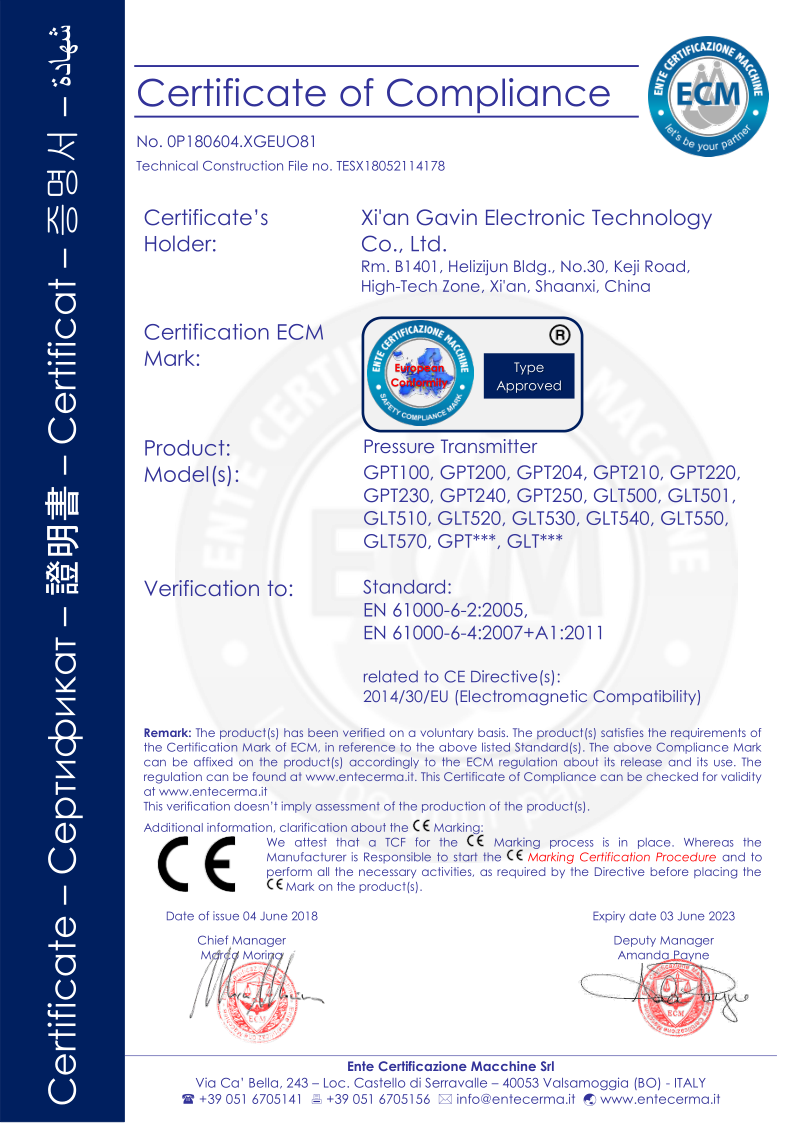
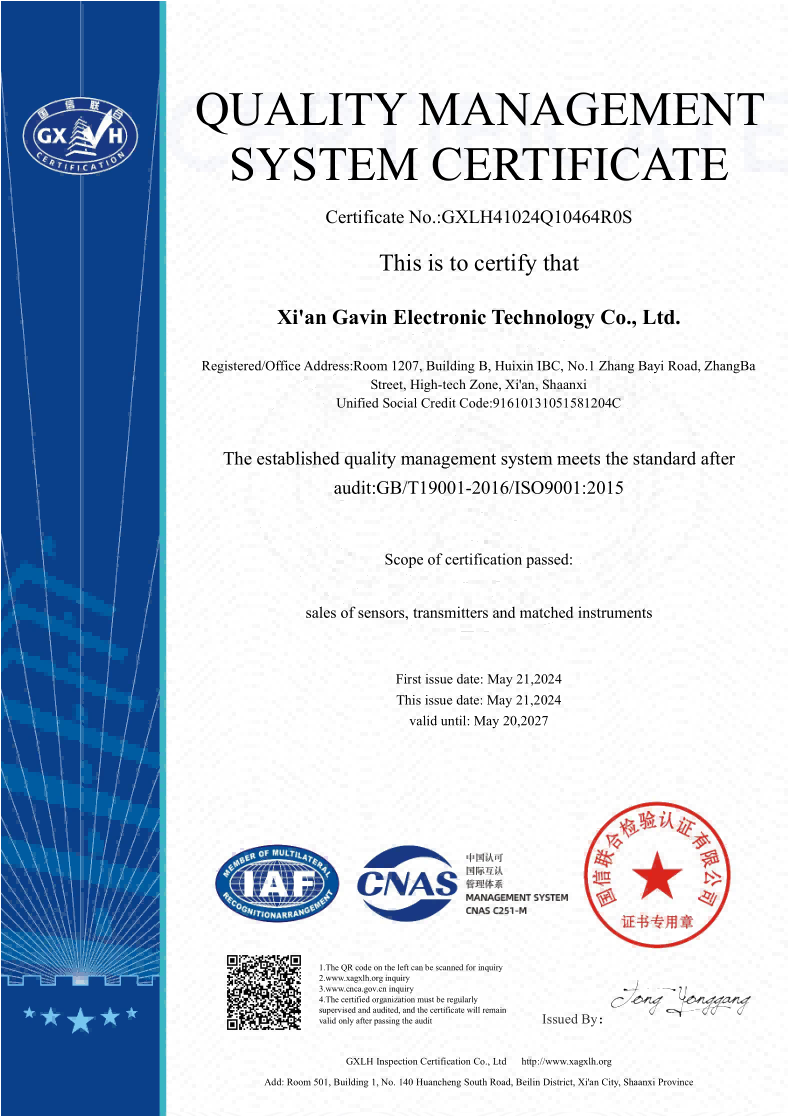
When sensors are used in sanitary applications or come into touch with hostile fluids, material compatibility becomes crucial. PTFE coatings provide chemical resistance for pharmaceutical production reservoirs, whereas stainless steel wetted components prevent corrosion in wastewater treatment facilities. To meet product purity requirements, food and beverage manufacturers need FDA-compliant materials and 3-A sanitary certificates. International standards such as ISO quality certifications, CE branding, and RoHS limitations show suppliers' dedication to manufacturing excellence, which procurement managers are calling for more and more.
Supplier Evaluation and Partnership Considerations
In addition to product specs, technical support skills, supply chain dependability, and customization flexibility should all be evaluated when choosing a supplier. Throughout the lifecycles of their products, reputable manufacturers have application engineering teams that help with sensor selection, installation scheduling, and troubleshooting advice. OEM and ODM customisation services allow standard items to be tailored to specific mounting configurations, communication protocols, or output signal needs that set them apart from competing equipment offers.
Volume pricing, priority delivery scheduling, and improved warranty terms are often made possible via bulk procurement agreements, which boost overall value propositions. Strategic buying choices are informed by market insights and competitive data provided by distributors with established partnerships across industrial sectors. Long-term alliances based on open communication and shared success strengthen supply chains against component shortages and market disruptions, which are becoming more frequent in international electronics marketplaces.
Practical Guide to Installing and Maintaining Wireless Level Sensors
Proper installation and ongoing maintenance directly influence measurement accuracy, system reliability, and operational lifespan. For instance, with Wireless Level Sensors, following structured deployment methodologies helps organizations realize the full value of wireless monitoring investments while avoiding common pitfalls that compromise performance.
Pre-Installation Planning and Site Assessment
Successful deployments begin with comprehensive site surveys documenting physical layouts, potential interference sources, and environmental conditions. Mapping reservoir locations relative to gateway placement identifies communication path obstacles that may require signal repeaters or alternative mounting positions. Evaluating existing wireless networks operating in the area prevents channel conflicts and spectrum congestion that degrade transmission reliability. Temperature extremes, vibration sources, and exposure to direct sunlight inform enclosure selection and mounting hardware specifications.
Network topology design balances coverage requirements against infrastructure costs and system complexity. Star configurations where individual sensors communicate directly with a central gateway suit smaller installations with clustered reservoirs. Mesh networks employing sensor-to-sensor routing provide redundancy and extended range for distributed facilities spanning large geographic areas. Hybrid approaches combining multiple topologies optimize performance while containing gateway hardware investments that represent significant capital expenditures in extensive deployments.
Installation Best Practices and Configuration Procedures
Mounting location selection directly impacts measurement quality and wireless communication performance. Ultrasonic sensors require clear sightlines to liquid surfaces without obstructions from tank internals, agitators, or fill pipes that create false echoes. Submersible pressure sensors need stable mounting that prevents movement while allowing liquid circulation around sensing elements. Proper grounding and surge protection safeguard electronics against lightning strikes and electrical transients common in outdoor industrial environments.
Configuration procedures establish communication parameters, measurement units, alarm setpoints, and data transmission schedules aligned with operational requirements. Initial calibration against known liquid levels verifies accuracy before committing sensors to production service. Testing wireless connectivity under various tank fill conditions confirms reliable data transmission across all operating scenarios. Documentation of installation details including sensor serial numbers, calibration records, and network configuration settings facilitates future maintenance and troubleshooting activities.
Maintenance Protocols and Troubleshooting Strategies
Preventive maintenance schedules extend sensor lifespan while sustaining measurement accuracy throughout operational service periods. Periodic inspections verify mounting integrity, assess battery voltage levels, and clean sensing surfaces that may accumulate deposits affecting performance. Recalibration intervals depend on application criticality and manufacturer recommendations, typically ranging from annual verifications to multi-year cycles for stable processes. Battery replacement planning based on voltage monitoring prevents unexpected failures that interrupt data collection and trigger false alarms.
Common troubleshooting scenarios include communication dropouts, erratic readings, and alarm flooding that obscures legitimate operational events. Systematic diagnostic approaches isolate root causes by verifying power supplies, checking antenna connections, and reviewing system logs for error patterns. Understanding when technical issues exceed in-house capabilities and warrant manufacturer support prevents extended downtime and preserves operational continuity. Establishing clear escalation procedures with suppliers during procurement negotiations ensures responsive assistance when critical situations arise.
GAMICOS: Your Trusted Partner for Advanced Wireless Level Sensor Solutions
At GAMICOS, we specialize in delivering industrial-grade wireless measurement technologies that address the complex challenges facing reservoir management operations worldwide. Our comprehensive product portfolio encompasses ultrasonic level sensors, radar transmitters, submersible pressure transducers, and fully integrated wireless monitoring systems designed for demanding B2B applications across petroleum, chemical, water treatment, and food processing sectors.
Industry-Leading Product Capabilities
Our wireless level sensor product line features advanced measurement technologies optimized for reservoir monitoring applications. Ultrasonic sensors provide non-contact measurement with accuracy specifications meeting the strictest process control requirements, while radar instruments deliver reliable performance regardless of vapor, foam, or temperature variations. Submersible pressure transducers constructed from corrosion-resistant materials withstand harsh chemical environments and high-pressure conditions common in industrial storage facilities. Each sensor incorporates flexible wireless communication options including LoRa, GPRS, NB-IoT, and 4G protocols, enabling seamless integration with diverse data management platforms.
Battery-powered autonomous operation extends deployment flexibility to remote locations lacking electrical infrastructure. Solar-assisted models eliminate battery maintenance entirely, reducing total ownership costs across multi-year service periods. Customizable enclosure materials, process connections, and output signal configurations accommodate unique installation requirements that differentiate industrial applications. Our engineering team collaborates closely with procurement professionals to specify optimal sensor combinations that balance performance requirements against budget constraints.
Comprehensive Support Throughout the Procurement Journey
We recognize that successful wireless sensor deployments extend beyond product sales to encompass application engineering, installation support, and ongoing technical assistance. Our customer-focused approach begins with detailed consultations that clarify operational challenges, environmental conditions, and integration requirements specific to each project. Application engineers provide sensor selection guidance, system architecture recommendations, and wireless network design services that optimize measurement coverage while controlling infrastructure investments.
Professional OEM and ODM customization capabilities enable private labeling, parameter modifications, and specialized packaging that enhance customer branding initiatives. Flexible manufacturing processes accommodate small prototype quantities through high-volume production runs, supporting product development cycles and large-scale deployment programs equally. Rigorous quality control procedures backed by certifications from recognized metrology institutions ensure consistent performance that builds confidence throughout procurement organizations.
Global Reach with Localized Service Excellence
With products deployed across ninety-eight countries spanning North America, Europe, Asia, Africa, and Oceania, we maintain the international presence and supply chain capabilities that global procurement operations demand. Established logistics partnerships ensure reliable delivery schedules that synchronize with project timelines and installation milestones. Responsive after-sales support accessible via info@gamicos.com provides technical consultation, troubleshooting assistance, and warranty service that protects long-term operational investments.
Our commitment to continuous innovation keeps pace with evolving industry requirements and emerging technology trends. Collaboration with research institutions and active participation in professional standards organizations positions GAMICOS at the forefront of measurement technology development. This dedication to advancement ensures that procurement partners gain access to cutting-edge solutions that deliver competitive advantages in increasingly demanding industrial environments.
Conclusion
Wireless sensor networks represent a transformative approach to reservoir management, delivering real-time visibility, operational efficiency, and cost advantages that traditional monitoring methods cannot match. Successful implementation requires careful sensor selection aligned with measurement requirements, environmental conditions, and organizational support capabilities. By understanding core technologies, system integration principles, and installation best practices, procurement professionals can confidently deploy wireless monitoring solutions that enhance decision-making and protect critical liquid assets. Partnering with experienced wireless level sensor manufacturers offering comprehensive technical support and customization flexibility ensures long-term success across diverse industrial applications.
Partner with GAMICOS for Superior Wireless Level Sensor Solutions
Discover how GAMICOS wireless level sensor technologies can transform your reservoir management operations with unmatched precision, reliability, and scalability. Our experienced engineering team stands ready to provide personalized consultations tailored to your specific measurement challenges and procurement objectives. Whether you require standard catalog products or fully customized OEM solutions, we deliver the technical expertise and manufacturing flexibility that demanding industrial applications require. Reach out to our specialists at info@gamicos.com to discuss your project requirements, request detailed technical specifications, or schedule a comprehensive product demonstration.
References
1. Chen, M., & Liu, Y. (2022). Wireless Sensor Networks in Industrial Automation: Technologies and Applications. Industrial Measurement Press.
2. International Society of Automation. (2021). Best Practices for Wireless Level Measurement in Process Industries. ISA Technical Report TR84.00.07.
3. Patel, R., & Thompson, J. (2023). IoT-Enabled Reservoir Management: A Comprehensive Guide for Engineering Professionals. Water Resources Technology Publishers.
4. Garcia, S., Williams, K., & Anderson, L. (2022). Comparative Analysis of Wireless Communication Protocols for Industrial Sensing Applications. Journal of Process Control Engineering, 45(3), 234-251.
5. European Committee for Standardization. (2021). Wireless Instrumentation in Hazardous Areas: Installation and Maintenance Guidelines. CEN Technical Specification 16794.
6. Kumar, A., & Singh, P. (2023). Battery Life Optimization Strategies for Remote Wireless Sensor Deployments. International Journal of Industrial Electronics and Control Systems, 18(2), 112-128.

Eva
Eva specializes in bridging the gap between cutting-edge sensor technology and market needs. With 8 years of experience in industrial product marketing, she has successfully launched multiple sensor product lines—from pressure transmitters to fuel level sensor—into global markets.
We're here to help — submit your request anytime!
Let us know how we can help solve your pressure level measurement challenge.
_1757930850792.jpg)




Recommended Blog
Troubleshooting Wireless Level Transmitters Connectivity Issues

Ultrasonic Level Sensor vs Radar: Which One Should You Choose?
OEM/ODM Radar Level Sensors: How to Select the Right Supplier?
Ultrasonic Level Sensor vs Radar: Which One Should You Choose?