How to Size and Select a Water Level Transmitter
Introduction
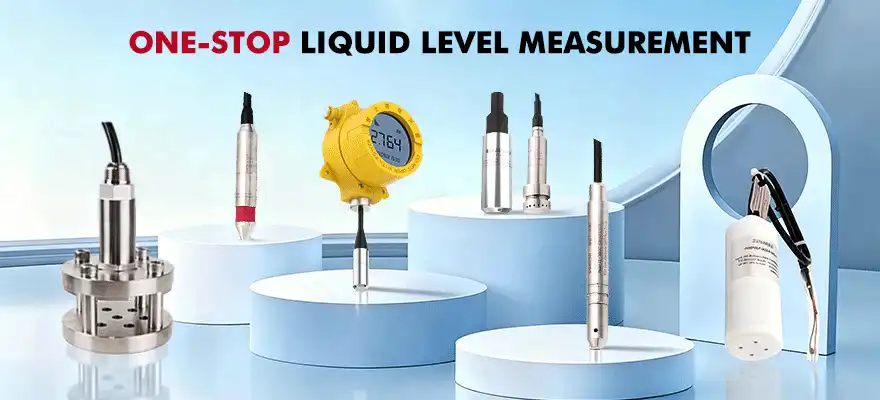
Understanding your unique measurement range, liquid properties, ambient factors, and output signal needs is essential to choose the best water level transmitter. Determine the highest depth or height you must keep an eye on first, then consider variables like installation limitations, chemical compatibility, and temperature extremes. Whether it's pressure-based, ultrasonic, radar, or submersible, match these criteria with the right sensor technology while making sure the output signal works flawlessly with your control system. In industrial applications, proper size increases operating longevity, reduces maintenance costs, and ensures accurate readings.
Introduction
Accurate water level measurement stands as a cornerstone across industrial automation, environmental monitoring, and process control sectors. From pharmaceutical manufacturing plants maintaining precise tank inventories to wastewater treatment facilities preventing overflow incidents, reliable level data drives operational efficiency, regulatory compliance, and workplace safety. Water level transmitters serve as the sensory backbone of these systems, converting physical level changes into standardized electrical signals that automation networks can interpret and act upon instantly.
The practical difficulties that sourcing managers, engineering teams, project coordinators, and distribution partners have while defining, acquiring, and implementing level measuring systems are covered in this extensive reference. This tool helps you traverse measuring technology alternatives, size calculations, and supplier selection criteria by bridging the gap between technical specifications and practical application needs. The information presented here can help you make decisions more quickly and maximize performance and total cost of ownership, whether you're updating existing systems, creating new automation projects, or sourcing parts for OEM integration.
Comprehending Water Level Transmitters and Their Key Types
A water level transmitter is an electronic device that measures the height of liquid in a container and converts that physical measurement into an electrical signal that may be used by data loggers or monitoring systems. Various transmitter designs are supported by different measurement concepts, each of which has unique benefits based on the environmental factors and application situations.
Pressure-Based Submersible Transmitters
One of the most used technologies for level measurement is pressure sensors, especially when it comes to wells, reservoirs, and industrial tanks. These devices translate the hydrostatic pressure measurement into a matching level value after measuring the pressure imposed by the liquid column above the sensor element. The connection is based on a simple principle: pressure increases proportionately to the fluid's specific gravity as liquid depth increases.
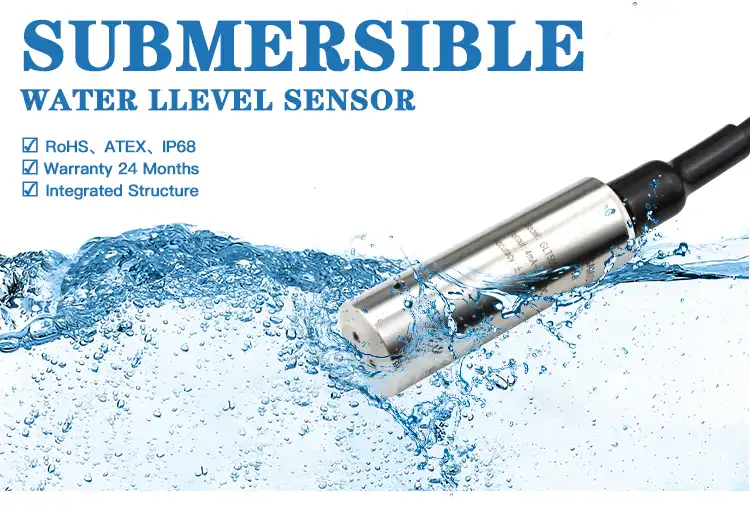
Because submersible pressure transmitters function completely submerged in the measured medium, they provide outstanding dependability in demanding settings. With its silicon piezoresistive pressure sensor core that provides reliable accuracy in a variety of industrial environments, the GLT500 submersible water level sensor is a prime example of this technology category. To preserve measurement accuracy in the face of environmental temperature variations, this gadget uses programmable digital correction circuits and automated temperature compensation. While specialized cable options—such as wear-resistant, oil-resistant, and acid-alkali resistant variants—accommodate harsh process conditions found in petrochemical facilities, pharmaceutical plants, and wastewater treatment operations, the all-stainless-steel construction withstands corrosive chemicals.
Ultrasonic Non-Contact Sensors
High-frequency sound waves are sent downward toward the liquid surface using ultrasonic transducers, which measure the duration between signal transmission and echo reception. The system calculates the distance to the liquid surface and derives the level measurement by utilizing the known speed of sound propagation through air to calculate this time-of-flight. This non-contact method removes the possibility of aggressive medium contamination or sensor degradation.
Temperature fluctuations, the presence of vapor, and the production of foam are examples of environmental conditions that might affect measurement accuracy and need thorough application evaluation during specification. Applications where physical contact with the medium poses maintenance issues, such as clean liquids in open tanks, storage silos, and municipal water systems, are ideal for ultrasonic sensors.
Radar Level Measurement Technology
Radar sensors use electromagnetic waves rather than sound waves, although they function similarly to ultrasonic instruments. These devices send out short radio frequency pulses, which are reflected back to the antenna from the liquid's surface. Radar technology performs better in applications with steam, dust, or turbulent surfaces because electromagnetic waves travel regardless of air density, temperature, or vapor composition.
In narrow vessels or applications with high surface agitation, guided wave radar versions improve accuracy by directing the electromagnetic pulse using a probe rod or cable. In demanding applications that need long-term maintenance-free operation, the greater equipment cost as compared to pressure or ultrasonic alternatives often makes sense.
Float-Based Mechanical Sensors
Float level sensors use buoyancy principles; a floating element on the liquid's surface is attached to a measuring device via mechanical or magnetic connections. The float movement produces continuous analog signals or activates switches in response to changes in water levels. These simple, reasonably priced sensors are suitable for basic monitoring applications, including as small-scale agricultural reservoirs and household water tanks, where cost considerations take precedence over precise requirements.
Capacitive Level Detection
As liquid levels fluctuate, capacitive sensors record variations in the electrical capacitance between probe electrodes. Measurable capacitance shifts that correlate to level variations are caused by the difference in the dielectric constant between liquid and air. Compared to pressure or radar alternatives, this technology can handle both conductive and non-conductive liquids, but its uses are limited by its calibration difficulty and vulnerability to coating accumulation.
Output Signal Considerations
Different output formats are available on modern transmitters for integration with data collecting platforms and control systems. The use of analog outputs, usually 4-20 mA current loops or 0-10 VDC voltage signals, is still common because of its ability to withstand noise and work with outdated equipment. Advanced diagnostics, remote setup, and integration with complex SCADA networks are made possible by digital communication protocols like as HART, Modbus RTU, Profibus, and Foundation Fieldbus. In situations where cabling is difficult or prohibitively expensive, wireless solutions that integrate LoRa, NB-IoT, or 4G connection facilitate remote monitoring applications.
How to Size a Water Level Transmitter Effectively?
Proper sizing represents a critical success factor that directly impacts measurement accuracy, system reliability, and long-term operational costs. For example, with a water level transmitter, inadequate specification leads to measurement errors, premature failures, and costly retrofit projects, while over-specification unnecessarily inflates procurement budgets without delivering proportional performance benefits.
Defining Measurement Requirements
Start by recording the whole measurement span that your application requires. Determine the lowest and highest liquid levels that the system needs to be able to detect while taking into consideration both standard operating ranges and safety margins for emergency situations. While a municipal water reservoir may span 0-15 meters with a tolerance of ±10 mm, a pharmaceutical mixing tank may need to be measured within a range of 0-3 meters with an accuracy of ±2 mm.
| Pressure range | 0~1m...200mH20 |
| Pressure type | Gauge |
| Output signal | 4~20mA 0~5V 1~5V 0.5~4.5V 0~10V RS485 |
| Power supply | 5V,12~30VDC |
| Compensated temperature range | -10~70℃ |
| Operating temperature range | -30~80℃ |
| Over pressure | 150%FS |
| Mechanical Vibration | 20g 20-5000HZ) |
| Shock/Impact | 100g (11ms) |
| Comprehensive error | ±0.5%FS , standard ±0.25%FS |
| long-term stability | ±0.5%FS, standard ±0.25%FS |
| Medium compatible | Compatible with 316L SS of all kinds of medium |
| Protection | IP68 |
Decisions on sensor size and selection are heavily influenced by liquid characteristics. Viscosous oils, strong acids, and slurries with suspended particles behave differently from water-based solutions. Record the chemical composition, operating temperature ranges, specific gravity, and any features of the foam or particles. These different circumstances are addressed by the GLT500's adaptable cable specifications, which include variants designed especially for abrasive slurries, petroleum compounds, and aggressive chemicals.
Environmental and Installation Constraints
Transmitter selection is influenced by the installation environment just as much as by the liquid's characteristics. Examine the categories of explosive hazards, vibration exposure, ambient temperature extremes, humidity levels, and sources of electromagnetic interference. Sensors installed in dry wells or exterior chambers need different protection ratings than submersible sensors intended for continuous immersion.
The shape of the tank affects the choice of measuring technique. Wide open tanks may handle ultrasonic or non-contact radar systems, whereas narrow vessels are better suited for guided wave radar or submersible pressure sensors. Maintenance planning is impacted by mounting accessibility; non-contact sensors installed on tank tops allow replacement without interfering with operations, whereas submerged devices need vessel access for installation and maintenance.
Accuracy and Resolution Specifications
When sizing transmitters, distinguish between resolution capabilities and accuracy needs. The degree to which measurements resemble actual values is known as accuracy, and it is often stated as a percentage of entire scale or span. The smallest discernible change, which may surpass specified accuracy limitations, is indicated by resolution. Compared to basic overflow prevention systems, process control applications requiring strict inventory management have greater accuracy requirements.
In situations where there are large thermal fluctuations, temperature compensation skills become essential. By combining programmable digital correction and automated temperature adjustment, the GLT500 preserves measurement integrity across a wide range of industrial temperatures without the need for human recalibration.
System Integration and Communication Protocols
Evaluate compatibility between transmitter outputs and existing control infrastructure. Legacy systems may require standard 4-20 mA signals, while modern distributed control systems benefit from digital fieldbus protocols offering enhanced diagnostics and remote configuration. Wireless transmitters eliminate cabling costs but introduce battery management considerations or require local power harvesting solutions.
Multiple transmitters monitoring the same vessel enable redundancy for critical applications where measurement failure risks safety incidents or expensive process disruptions. Pharmaceutical and food processing industries frequently specify dual-sensor configurations to satisfy validation requirements and provide continuous operation during sensor maintenance.
Calibration and Maintenance Planning
Account for calibration intervals and maintenance accessibility during the sizing phase. Some technologies require more frequent calibration than others—mechanical float switches need periodic inspection of moving parts, while solid-state pressure sensors maintain accuracy over extended periods. Anti-clogging designs like the GLT500's specialized liquid entry structure and pressure vent holes minimize maintenance interventions, reducing total cost of ownership in challenging applications.
Documentation requirements vary by industry and regulatory jurisdiction. Pharmaceutical and food processing facilities must maintain detailed calibration records traceable to national standards, necessitating transmitters supporting comprehensive diagnostic logging and calibration certificates from accredited laboratories.
Criteria for Selecting the Best Water Level Transmitter
Moving beyond basic sizing calculations, selection criteria encompass performance characteristics, economic considerations, and supplier capabilities that collectively determine project success and long-term satisfaction.
Performance Metrics and Technical Specifications
Response time defines how quickly transmitters detect and report level changes. Critical applications like pump control or emergency shutdown systems demand sub-second response, while inventory monitoring tolerates slower update rates. Evaluate whether your application requires continuous measurement or accepts periodic sampling intervals.
Environmental durability specifications ensure reliable operation across the installed service life. Ingress protection ratings indicate resistance to water and dust intrusion, with submersible applications requiring IP68 ratings for continuous immersion. The GLT500's fully waterproof sealed circuit technology and multi-layer protection structure exemplify robust construction suitable for harsh industrial environments. Chemical compatibility certifications confirm materials withstand process media without degradation—particularly important in petrochemical, pharmaceutical, and food processing applications where material contamination risks product quality.
Comparative Technology Analysis
Pressure-based submersible transmitters deliver reliable performance across wide measurement ranges with minimal maintenance requirements. They handle turbulent surfaces, foam, and vapor without measurement interference, making them versatile choices for diverse applications. Installation requires vessel penetration and immersion depth consideration, while periodic removal enables sensor inspection and cleaning.
Ultrasonic sensors provide non-contact measurement simplicity with easy installation on tank tops or mounting brackets. They avoid process contamination concerns and enable sensor replacement without draining vessels. Performance limitations include reduced accuracy with heavy vapor, foam layers, or extreme temperature gradients between sensor and liquid surface. Turbulent or splashing surfaces may cause erratic readings requiring signal dampening adjustments.
Radar technology overcomes many ultrasonic limitations, maintaining accuracy despite vapor, foam, or temperature variations. Higher initial costs are offset by maintenance-free operation and superior reliability in challenging applications. Antenna size and beam angle considerations affect installation in smaller vessels or applications with internal obstructions.
Float sensors offer economical solutions for simple level detection or switch applications where continuous measurement proves unnecessary. Their mechanical simplicity translates to straightforward troubleshooting but introduces moving parts subject to wear, fouling, or mechanical failure over time.
Economic Factors and Total Cost Analysis
Purchase price represents only one component of total cost of ownership. Evaluate installation labor requirements—submersible sensors may demand more complex mounting than bolt-on ultrasonic units, affecting project timelines and labor budgets. Operating costs include power consumption, calibration services, and replacement parts over the anticipated service life.
Warranty terms and technical support availability provide important risk mitigation. Reputable suppliers stand behind their products with comprehensive warranties and responsive customer service teams capable of troubleshooting installation challenges or performance questions. Custom order capabilities enable specification optimization for unique applications, potentially reducing total system costs compared to adapting standard products with additional interface hardware.
Supplier Reliability and Partnership Potential
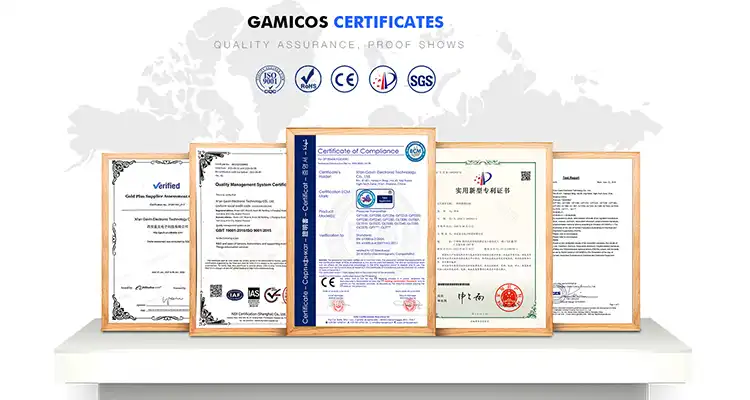
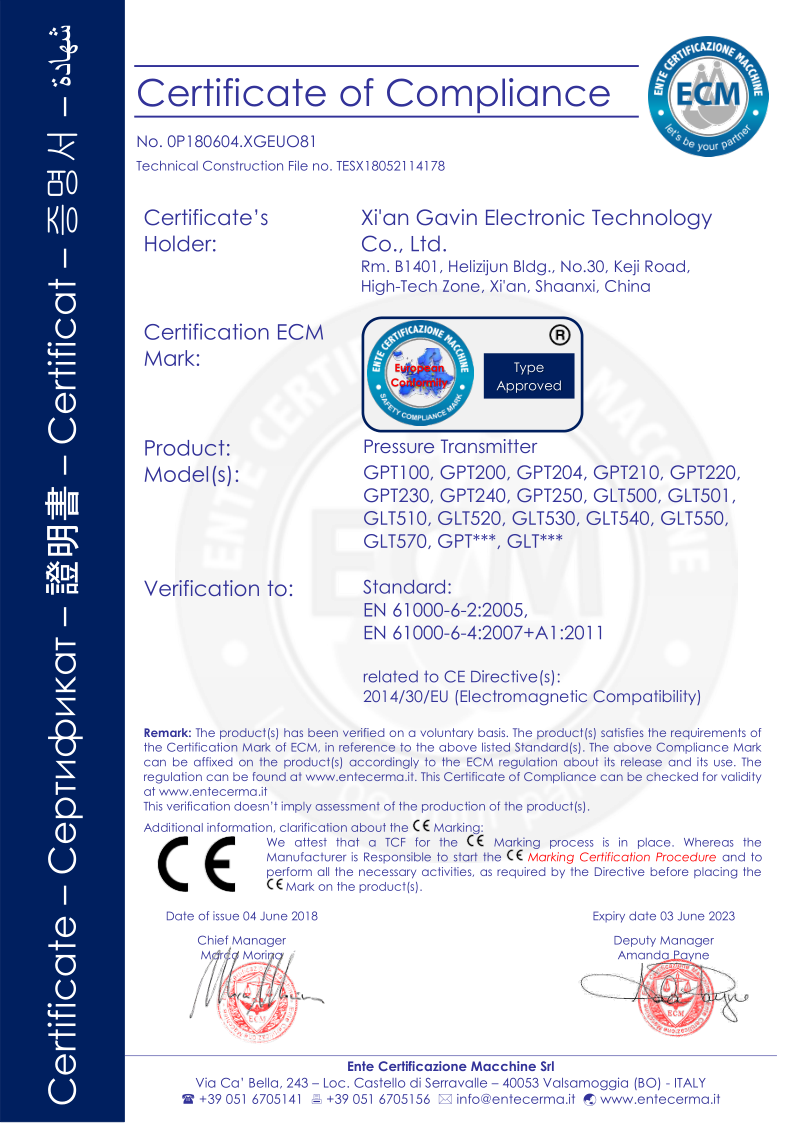
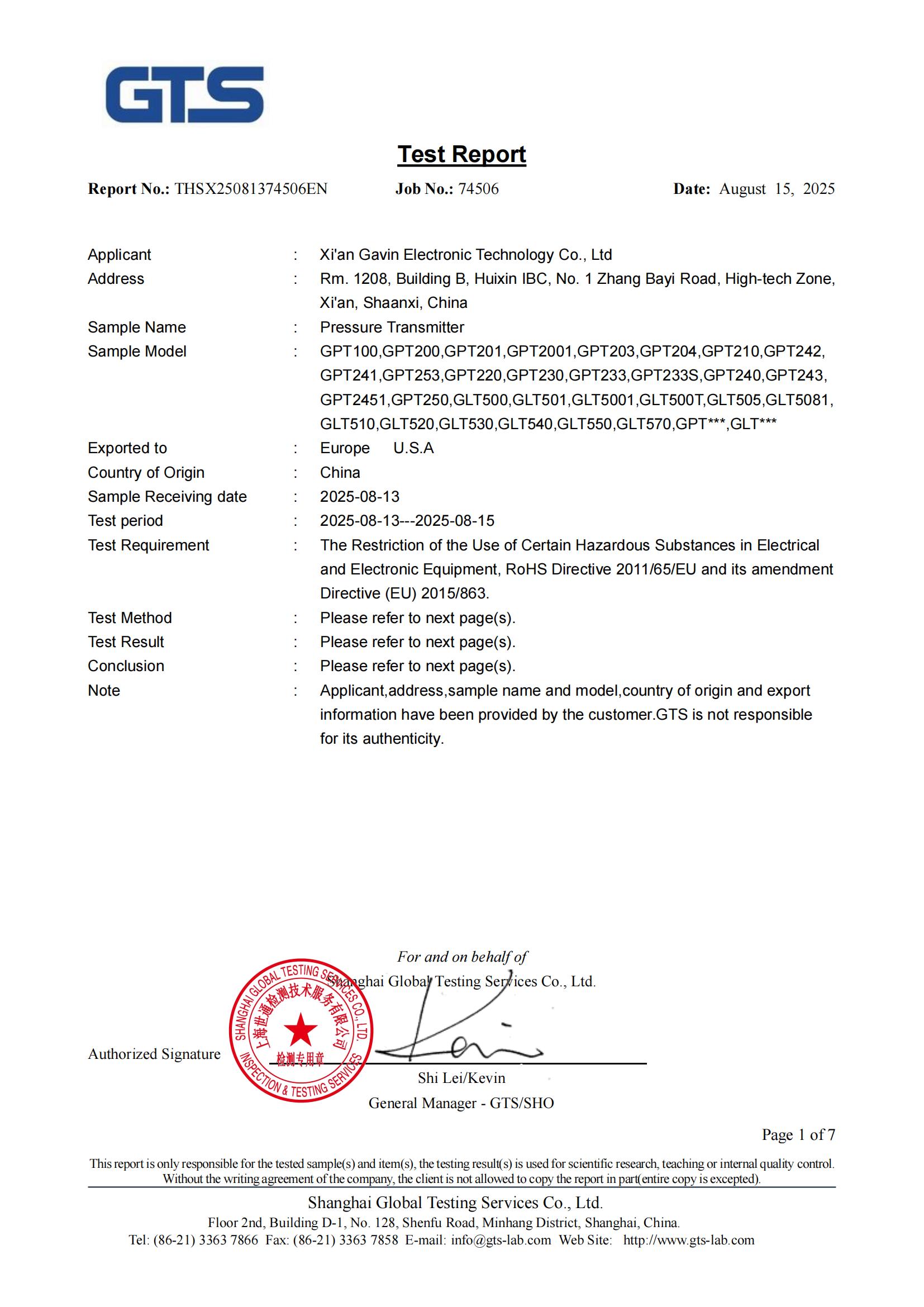
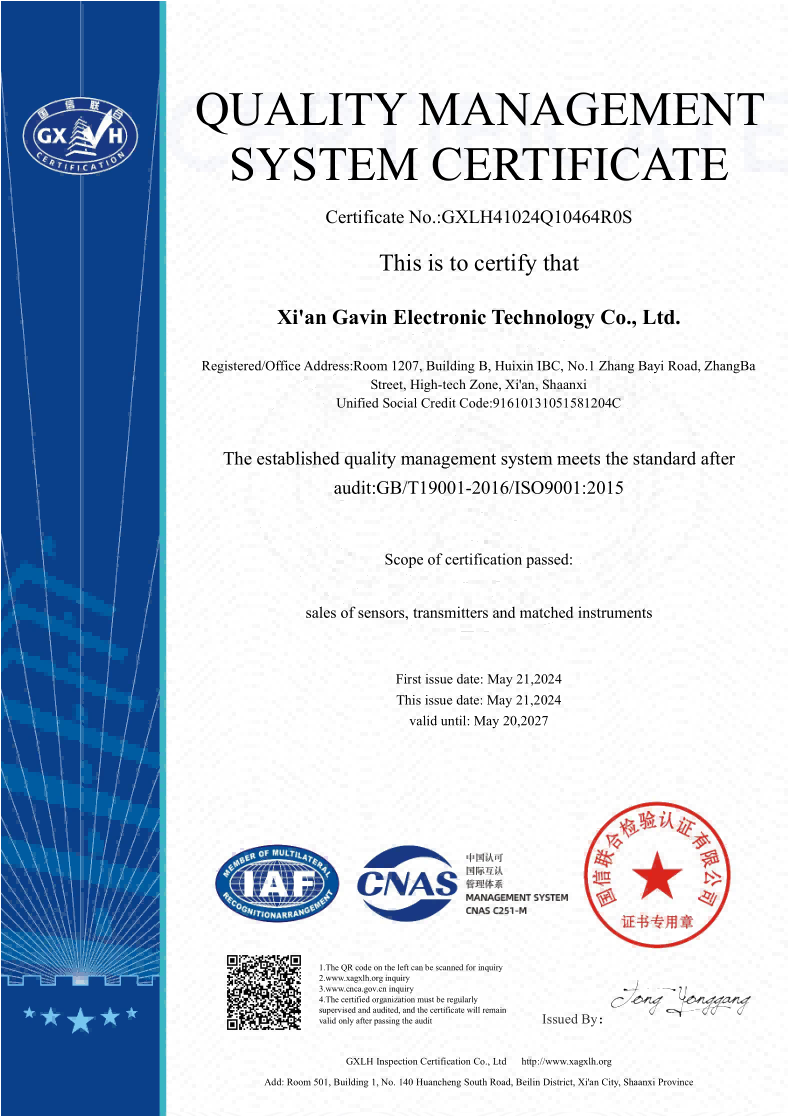
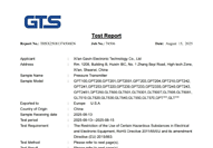
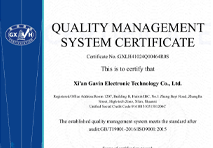
Established manufacturers with proven track records offer greater confidence in product quality and long-term availability. Research supplier certifications like ISO 9001 quality management systems, industry-specific approvals, and compliance with international standards including CE marking and RoHS directives. Global distribution networks ensure timely delivery and local support, particularly valuable for international projects or organizations operating across multiple regions.
Bulk supply capabilities matter when specifying sensors for large projects or ongoing OEM production. Suppliers demonstrating consistent delivery performance, inventory depth, and scalable production capacity minimize project risks associated with component shortages or extended lead times. The ability to provide samples or trial programs reduces buyer risk by enabling hands-on evaluation before committing to volume purchases.
GAMICOS Water Level Measurement Solutions
GAMICOS brings extensive expertise in level and pressure measurement technologies to serve global industrial markets with reliable, cost-effective solutions. Our comprehensive product portfolio, including advanced water level transmitters, addresses diverse application challenges across chemical processing, petroleum refining, pharmaceutical manufacturing, food and beverage production, wastewater treatment, and energy generation sectors.
The GLT500 submersible water level sensor represents our commitment to engineering excellence and practical functionality. This compact yet robust device combines high-reliability silicon piezoresistive sensing elements with sophisticated signal conditioning circuitry to deliver industrial-grade performance. Fully automatic temperature compensation and programmable digital correction maintain measurement accuracy across the temperature extremes encountered in outdoor installations and industrial processes. The waterproof sealed circuit technology ensures reliable operation even in continuous immersion applications.
Here are the core advantages that make the GLT500 an exceptional choice for demanding applications:
- All Stainless Steel Construction: Marine-grade stainless steel housings resist corrosion from chemicals, saltwater, and industrial effluents while maintaining structural integrity under pressure.
- Multiple Pressure Ranges: Configurable measurement spans accommodate shallow monitoring applications through deep well installations, with standard ranges from 0-1 meter up to 0-200 meters water column.
- Flexible Signal Outputs: Choose from 4-20 mA, 0-5 VDC, 0-10 VDC analog outputs, or digital protocols including RS485 Modbus RTU to match your control system infrastructure.
- Customizable Cable Specifications: Select from standard vented cables or specialized variants featuring enhanced wear resistance, oil resistance, acid-alkali resistance, and high-strength construction tailored to specific process conditions.
- Anti-Clogging Design: Engineered liquid entry pathways and pressure vent holes resist blockage from suspended solids and biological growth, extending maintenance intervals and reducing operational costs.
These engineering advantages directly address the practical challenges encountered in real-world industrial environments, translating superior component design into tangible operational benefits including reduced downtime, lower maintenance expenses, and extended service life.
Conclusion
Selecting and sizing water level transmitters demands careful evaluation of measurement requirements, environmental conditions, technology options, and supplier capabilities. Pressure-based submersible sensors offer versatile, reliable performance across diverse applications, while ultrasonic and radar alternatives provide specialized advantages for specific scenarios. Effective sizing requires documenting liquid properties, installation constraints, accuracy specifications, and system integration needs to match transmitter capabilities with operational demands.
Proper installation practices and ongoing maintenance sustain measurement accuracy and maximize return on investment throughout extended service lives. By partnering with experienced suppliers offering comprehensive product portfolios, customization capabilities, and responsive technical support, procurement teams can confidently specify solutions that optimize both performance and total cost of ownership.
Partner with GAMICOS for Your Level Measurement Needs
Navigating the technical complexities of level measurement specification need not be overwhelming. GAMICOS stands ready to support your project success with personalized consultation, application-specific product recommendations, and comprehensive technical resources. Our experienced engineering team has solved measurement challenges across virtually every industrial sector, bringing practical insights that streamline specification decisions and optimize system performance.
We invite you to explore how our GLT500 submersible sensor and broader product portfolio can address your specific requirements. Whether you need standard catalog products for immediate delivery or custom-engineered solutions tailored to unique applications, our flexible manufacturing capabilities and customer-focused approach ensure you receive exactly what your projects demand. Request detailed product datasheets, competitive quotations for volume requirements, or sample units for hands-on evaluation.
As a trusted water level transmitter manufacturer serving global markets, we maintain substantial inventory depth and scalable production capacity to support both prototype quantities and ongoing production volumes. Contact our team at info@gamicos.com to discuss your application parameters, explore customization options, and discover how partnering with GAMICOS delivers the quality, reliability, and support your organization deserves.
References
1. Bentley, J. P. (2005). Principles of Measurement Systems (4th ed.). Pearson Education.
2. Doebelin, E. O., & Manik, D. N. (2011). Measurement Systems: Application and Design (6th ed.). McGraw-Hill.
3. Beckwith, T. G., Marangoni, R. D., & Lienhard, J. H. (2007). Mechanical Measurements (6th ed.). Pearson Prentice Hall.
4. Boylestad, R. L. (2012). Introductory Circuit Analysis (12th ed.). Pearson Education.
5. Fraden, J. (2010). Handbook of Modern Sensors: Physics, Designs, and Applications (4th ed.). Springer.

Peter
Peter, Senior Sensor Technology Consultant, has 15-year industrial sensor R&D experience. He specializes in the end-to-end development of high-accuracy pressure and level sensors and he firmly believe, precision isn’t just a spec—it’s a promise.
We're here to help — submit your request anytime!
Let us know how we can help solve your pressure level measurement challenge.
_1757930850792.jpg)
Recommended Blog
Ultrasonic Level Sensor Advantages for Wastewater Treatment
Ultrasonic Level Sensor Advantages for Wastewater Treatment
Ultrasonic Level Sensor Advantages for Wastewater Treatment
Top Submersible Level Sensors for Landfills in Toronto, Canada
Top Submersible Level Sensors for Landfills in Toronto, Canada
Top Submersible Level Sensors for Landfills in Toronto, Canada
Top Submersible Level Sensors for Landfills in Toronto, Canada