Ultrasonic Sensor for Liquid Level: Principles & Uses
Comprehending the Principles of Ultrasonic Liquid Level Sensors
- Comprehending the Principles of Ultrasonic Liquid Level Sensors
- Common Applications and Use Cases Across Industries
- Comparative Analysis: Choosing the Right Liquid Level Sensor
- GAMICOS Ultrasonic Liquid Level Sensor Solutions
- Conclusion
- Partner with GAMICOS for Reliable Ultrasonic Liquid Level Sensor Solutions
- References
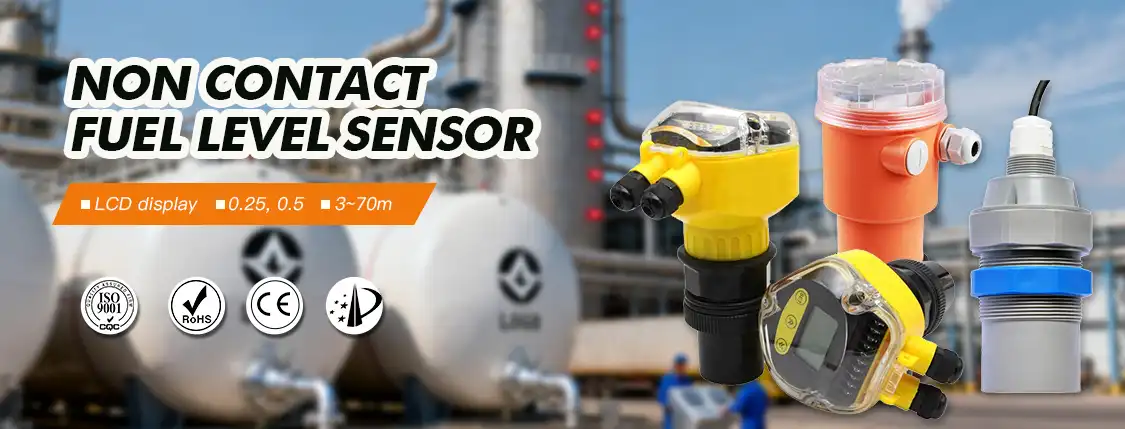
An innovation in non-contact measuring technology, an Ultrasonic Liquid Level Sensor employs high-frequency sound waves to precisely monitor fluid levels within tanks, containers, and industrial vessels. Because this measuring method removes direct contact with the liquid, it is especially useful in dangerous, viscous, or corrosive conditions where conventional sensors have difficulty. These sensors provide accurate, dependable data that supports industrial automation, process optimization, and safety protocols across the petroleum, chemical, pharmaceutical, food and beverage, and water treatment sectors globally by emitting ultrasonic pulses and measuring the time it takes for the echo to return.
Comprehending the Principles of Ultrasonic Liquid Level Sensors
At the heart of ultrasonic level measurement lies a straightforward yet sophisticated principle rooted in the physics of sound wave propagation. The sensor operates through a predictable sequence of events that transforms electrical energy into actionable distance measurements.
The Time-of-Flight Measurement Method
An ultrasonic transducer, which transforms electrical energy into mechanical vibrations, is activated by the transmitter to start the operating cycle. A brief ultrasonic pulse produced by these vibrations moves through the atmosphere and approaches the liquid's surface. The wave reflects back toward the same transducer, which now serves as a receiver, after hitting the target. To precisely detect the reflected echo, this returning wave is transformed back into an electrical signal, magnified, and analyzed.
The time-of-flight, or the difference in time between the pulse that is released and the signal that is received, is measured by the sensor. The system determines the exact distance to the liquid surface by using the formula Distance = Sound Speed multiplied by Travel Time divided by two and the known speed of sound in air. The round-trip aspect of the wave's path is explained by the division by two.
Key Components Driving Accuracy
To guarantee measurement accuracy and dependability, a number of crucial elements cooperate. The transducer itself, which is made of piezoelectric materials that react reliably to electrical impulses, serves as both a transmitter and a receiver. Incoming echoes are amplified and filtered by the signal processing unit to separate real reflections from background noise or fake echoes brought on by turbulence, foam, or tank internals.
More sophisticated versions include algorithms for temperature compensation, gain control, and automated power adjustment to preserve accuracy under a range of environmental circumstances. Since temperature changes have a direct impact on sound speed, compensating devices make real-time adjustments to computations to avoid measurement drift. Because of their advanced technology, ultrasonic sensors can function reliably even in demanding industrial settings with frequent temperature fluctuations and air changes.
Advantages Over Traditional Measurement Technologies
Ultrasonic sensors have unique advantages that meet contemporary industrial needs when contrasted with mechanical float switches, capacitive probes, or intrusive pressure transmitters. Because there are no moving parts to corrode or wear out, the non-contact functioning drastically lowers maintenance requirements. When monitoring strong chemicals, wastewater with suspended particulates, or high-temperature liquids that would deteriorate physical sensors, this feature is extremely helpful. Because the sensor housing is kept apart from the medium being measured, ultrasonic technology exhibits resilience to corrosion, increasing service life and lowering total cost of ownership.
Process control systems that need strict tolerances are supported by high precision measurements, often within millimeters. Real-time monitoring and prompt response to level changes are made possible by the short response time, which improves operating efficiency and safety. Because of these benefits, ultrasonic technology is positioned as a better option for a variety of industrial applications where precision, dependability, and low maintenance are critical.
Common Applications and Use Cases Across Industries
Ultrasonic level measurement technology has found widespread adoption across multiple industrial sectors, each benefiting from the sensor's versatility, reliability, and adaptability to harsh operating conditions. The use of Ultrasonic Liquid Level Sensors has become especially popular for applications requiring precise, non-contact measurement in challenging environments.
Water and Wastewater Management
The composition of wastewater poses special measuring issues in sewage treatment systems. Contact-based sensors are susceptible to damage or erroneous readings from corrosive materials, suspended particles, and floating debris. Because of their excellent signal penetration capabilities and non-contact design, ultrasonic sensors are the best option for monitoring equalization basins, sump tanks, and clarifiers.
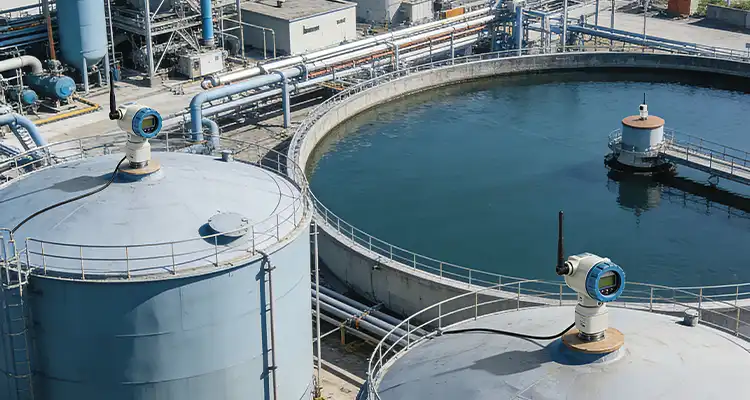
Similar to this, real-time water level data is provided by ultrasonic technology in reservoir and river monitoring applications, which helps with dam safety procedures, flood prediction, and water resource management. Remote monitoring of dispersed water bodies is made possible by integration with wireless communication technologies, which helps water authorities make prompt, well-informed choices under severe weather conditions.
Chemical Processing and Storage
Accurate measuring systems that can survive harsh conditions are essential for chemical production and storage activities. In these situations, ultrasonic sensors perform very well, monitoring levels in tanks that hold caustic solutions, acids, and solvents without coming into close touch with them. Even when exposed to corrosive fumes, the advanced versions' PVDF material probes guarantee accurate measurement. Different tank sizes are supported by high-frequency ultrasonic models, which may measure up to 40 meters in some combinations.
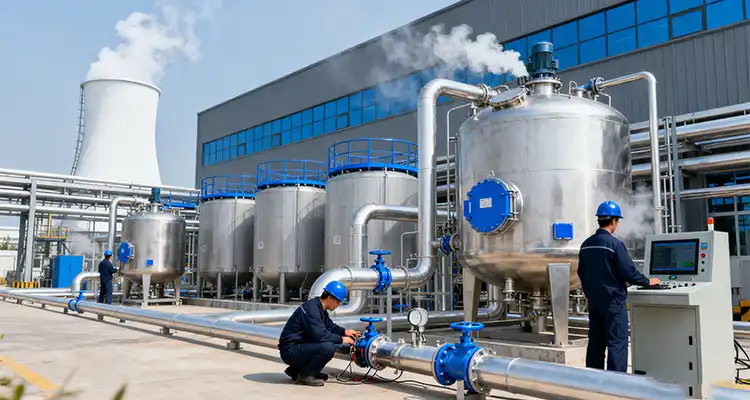
Batch processing, safety interlock features, automated inventory management, and a smooth connection to dispersed control systems are made possible by the typical integration of analog outputs with digital communication protocols like RS485. Throughout the manufacturing cycle, consistent performance is ensured by resistance to stirring, foam formation, and floating items.
Oil, Gas, and Petroleum Industries
Accurate level measurement is essential for inventory management, custody transfer preparation, and environmental compliance at petroleum storage terminals, refineries, and distribution hubs. Across a variety of tank layouts, ultrasonic sensors provide reliable monitoring of crude oil, refined products, and intermediate streams. Industrial-grade versions' explosion-proof ratings satisfy strict safety standards for hazardous area categories, enabling installation in areas with potentially flammable vapors.
The non-contact measuring method reduces maintenance intervals and related operating expenses by removing worries about sensor fouling from heavy crude or wax accumulation. Centralized monitoring of many storage sites is made possible by integration with SCADA systems, which enhances logistical planning and asset visibility.
Food, Beverage, and Pharmaceutical Production
Measurement systems that avoid contamination while adhering to regulations are necessary for hygiene-sensitive sectors. These requirements are satisfied by ultrasonic sensors' non-invasive design, which does away with the necessity for wetted parts that could contain germs or need to be sanitized often. Sensors keep an eye on levels in mixing tanks, fermentation vessels, and storage silos throughout the dairy processing, brewing, and beverage manufacturing processes without sacrificing the quality of the final product.
Similar advantages apply to pharmaceutical production, where precise batch monitoring and documentation are made possible by ultrasonic measurement, which supports GMP regulations. Customizing sensor setups, including output signals and connection protocols, makes it easier to integrate them with quality assurance databases and recipe management systems.
Automated Production Lines and OEM Applications
Intelligent sensors that provide both discrete switching and continuous level monitoring are becoming more and more important in manufacturing automation. When liquid hits preset high or low points, ultrasonic sensors may be set up to function as level switches, setting off alarms or managing pumps. Multiple devices are replaced by this dual capability, which makes installation easier and lowers system complexity.
OEM manufacturers like the small size, versatile mounting choices, and adjustable parameters that ultrasonic technology provides for integrating level measurement into their equipment. Durability in industrial settings exposed to dust, vibration, and washdown operations is guaranteed by the die-cast aluminum housings with protection ratings up to IP67.
Comparative Analysis: Choosing the Right Liquid Level Sensor
Selecting the optimal level measurement technology requires understanding how different sensor types perform under specific operational conditions and how their characteristics align with application requirements. For instance, an Ultrasonic Liquid Level Sensor may be the ideal choice in applications where non-contact measurement and reliability are key factors.
Ultrasonic Versus Radar Technology
Radar and ultrasonic sensors both utilize time-of-flight principles, but they use various wave types, each of which has unique benefits. Radar sensors are perfect for harsh situations or vacuum settings because they transmit electromagnetic waves that move at the speed of light and are unaffected by temperature, pressure, or the makeup of vapor. Modern devices automatically adjust for temperature fluctuations, which affect the sound waves that ultrasonic sensors create and need a gas medium to propagate.
For common applications requiring atmospheric pressure tanks and mild temperature ranges, the cost difference usually favors ultrasonic solutions. When measuring through foam, handling very high temperatures that ultrasonic transducers cannot handle, or keeping an eye on extremely vast distances where electromagnetic propagation provides better performance, radar technology justifies its greater cost.
Comparison with Float and Pressure Sensors
Although they are inexpensive and provide simple, dependable point level detection, float switches include moving elements that are prone to mechanical failure and are not capable of continuous monitoring. For clean liquids with a constant density, pressure-based level transmitters provide exceptional precision by sensing the hydrostatic pressure at the tank bottom. However, when measuring materials with different densities or in the presence of foam layers, this approach becomes problematic and needs knowledge of liquid specific gravity.
By measuring the real air gap independent of the liquid's characteristics, ultrasonic sensors circumvent these restrictions thanks to their top-mounted, non-contact construction. Ultrasonic technology is especially well-suited for procedures where concentration changes impact specific gravity or applications involving numerous product types in the same vessel due to its independence from density fluctuations.
Evaluating Capacitive and Conductive Probes
Capacitive level sensors provide continuous measurement for both conductive and non-conductive liquids by detecting variations in capacitance between a probe and the tank wall as the liquid level varies. Capacitive probes are useful in many situations, but they need to be in touch with the medium being tested. Additionally, coatings or accumulation on the probe surface might change the capacitance value over time.
Conductive probes are limited to conductive liquids and only provide point level detection since they depend on the liquid completing an electrical circuit. Because ultrasonic sensors measure from above the liquid surface and retain accuracy over long service intervals, coating and fouling issues are eliminated. This feature lowers the need for maintenance and operating interruptions, which is especially beneficial in continuous process sectors where unscheduled downtime results in hefty fines.
Performance Characteristics of Leading Ultrasonic Models
Advanced features that increase dependability and broaden the range of applications are included into contemporary ultrasonic level sensors. High ingress protection ratings for waterproof housings eliminate the possibility of moisture damage when installation in outdoor spaces or washdown settings. For water utilities, agricultural operations, and environmental monitoring programs, wireless communication capabilities via LoRa, NB-IoT, or 4G networks allow for distant asset monitoring without the cost of laying signal cables.
Tight tolerances have a direct influence on product quality in demanding applications such as chemical batching, paint mixing, and pharmaceutical dosing, which are supported by precision metrics with millimeter resolution. High-precision analog outputs guarantee compatibility with current control systems, while programmable relay outputs provide versatile alarm and control capabilities. These characteristics work together to provide measuring systems that seamlessly interact with digital transformation projects and adjust to changing operational requirements.
GAMICOS Ultrasonic Liquid Level Sensor Solutions
As industrial automation demands grow increasingly sophisticated, partnering with a measurement technology provider who understands both technical requirements and business objectives becomes essential. GAMICOS has established itself as a trusted manufacturer specializing in liquid level and pressure measurement solutions, including Ultrasonic Liquid Level Sensors, serving clients across more than one hundred countries with a comprehensive product portfolio that addresses diverse industrial applications.
The GUT Series: Advanced Non-Contact Measurement
Our GUT series ultrasonic level meter exemplifies the convergence of reliability, performance, and value that procurement professionals seek. Designed as a non-contact measurement device, the GUT series eliminates maintenance concerns associated with fouling, coating, or mechanical wear, delivering dependable performance across extended service intervals. The cost-effective design does not compromise functionality, offering selectable output signals that include analog, switch, and RS485 communication to accommodate various system integration requirements.
Installation simplicity reduces commissioning time and associated labor costs, while the straightforward operation minimizes training requirements for maintenance personnel. The optional die-cast aluminum housing provides robust protection against environmental factors, with protection ratings reaching IP67 to ensure reliable operation in demanding conditions. Application versatility extends to both liquids and slurries, addressing measurement challenges in wastewater treatment, chemical processing, and mineral handling operations.
The technological foundation of the GUT series reflects our commitment to engineering excellence and practical problem-solving. Key features that distinguish this product line include:
- Non-Contact Continuous Measurement: Eliminates sensor degradation from corrosive or abrasive media while reducing maintenance requirements and operational costs associated with sensor replacement or cleaning interventions.
- Automatic Power Adjustment and Gain Control: Optimizes signal strength based on target distance and environmental conditions, ensuring reliable echo detection across the full measurement range without manual intervention or calibration adjustments.
- Temperature Compensation: Automatically corrects for variations in the speed of sound caused by temperature fluctuations, maintaining measurement accuracy across seasonal changes and process temperature variations.
- Advanced Detection Technology: Sophisticated software algorithms filter false echoes from tank internals, surface turbulence, or foam layers, delivering stable readings in complex environments where basic sensors struggle.
- Multiple Output Options: Programmable relay outputs enable alarm and control functions, while high-precision analog outputs interface with control systems, and RS485 digital communication supports networked monitoring architectures.
- Excellent Directivity and Penetration: Focused ultrasonic energy transmission concentrates signal strength toward the target surface, enabling long-distance measurement while minimizing interference from nearby structures or obstructions.
These capabilities combine to create a measurement solution that adapts to diverse industrial scenarios, from simple tank monitoring to complex process control integration. The flexibility inherent in the GUT series design accommodates both straightforward retrofits of existing installations and sophisticated greenfield projects requiring advanced communication and control features.
Customization and OEM Partnership Capabilities
Recognizing that industrial applications rarely conform to generic specifications, we have developed comprehensive customization capabilities that transform standard products into optimized solutions. Our OEM and ODM services encompass complete model customization, allowing modification of sensor dimensions, mounting configurations, and enclosure materials to match specific installation constraints. Parameter customization addresses unique measurement ranges, output scaling, and alarm setpoints that align with process requirements without requiring external signal conditioning.
Communication protocol adaptation ensures compatibility with proprietary control systems or emerging IoT platforms, while packaging and documentation customization supports brand consistency for equipment manufacturers integrating our sensors into their products. This flexibility enables engineering teams to specify ideal solutions rather than compromising designs to accommodate off-the-shelf components.
Conclusion
Ultrasonic liquid level sensors have emerged as indispensable tools in modern industrial measurement, offering a compelling combination of accuracy, reliability, and operational simplicity. The non-contact measurement principle eliminates many failure modes associated with traditional sensors while expanding application possibilities into corrosive, viscous, and challenging environments. Understanding the underlying time-of-flight technology, recognizing appropriate applications, and selecting sensors with specifications aligned to operational requirements enables procurement professionals to make informed decisions that deliver long-term value. As industrial automation continues to advance and digital transformation initiatives expand, partnering with experienced manufacturers who provide both proven technology and responsive support becomes increasingly critical to achieving operational excellence and competitive advantage in global markets.
Partner with GAMICOS for Reliable Ultrasonic Liquid Level Sensor Solutions
GAMICOS stands ready to support your liquid level measurement requirements with proven ultrasonic sensor technology backed by comprehensive engineering expertise and global service capabilities. Our GUT series ultrasonic level meters deliver the accuracy, reliability, and versatility that demanding industrial applications require, while our customization services ensure optimal fit with your specific operational needs. Whether you need a single sensor for a critical application or seek a long-term supply partnership as an ultrasonic liquid level sensor manufacturer capable of supporting OEM production volumes, our team provides the technical knowledge and responsive service that transform procurement challenges into competitive advantages.
We invite procurement managers, engineering professionals, and project leaders to contact us at info@gamicos.com to discuss your measurement requirements, request detailed specifications, or explore how our solutions can enhance your operational efficiency and process control capabilities. Our application engineers are prepared to review your installation parameters, recommend optimal sensor configurations, and provide quotations that reflect both immediate needs and long-term partnership value.
References
1. Fraden, J. (2016). Handbook of Modern Sensors: Physics, Designs, and Applications (5th ed.). Springer.
2. Lipták, B. G. (2003). Instrument Engineers’ Handbook, Volume I: Process Measurement and Analysis (4th ed.). CRC Press.
3. Bentley, J. P. (2005). Principles of Measurement Systems (4th ed.). Pearson Education.
4. Doebelin, E. O., & Manik, D. N. (2011). Measurement Systems: Application and Design (6th ed.). McGraw-Hill.
5. Figliola, R. S., & Beasley, D. E. (2015). Theory and Design for Mechanical Measurements (6th ed.). Wiley.

Halen
With over 12 years of experience in fluid sensing technology, Halen specializes in helping clients select and optimize oil level sensors for a wide range of industries—including automotive, marine, heavy machinery, and energy.
We're here to help — submit your request anytime!
Let us know how we can help solve your pressure level measurement challenge.
_1757930850792.jpg)
Recommended Blog

Ultrasonic Level Sensor Advantages for Wastewater Treatment
Ultrasonic Level Sensor Advantages for Wastewater Treatment

Top Level Sensors for Fuel Inventory Management in Southeast Asia