Pressure Sensors for Wastewater Treatment Plants
Understanding Differential Pressure Transducers in Wastewater Treatment
- Understanding Differential Pressure Transducers in Wastewater Treatment
- Choosing the Right Differential Pressure Transducer for Wastewater Treatment
- Installation and Maintenance Best Practices
- Leading Brands and Solutions in Differential Pressure Transducers
- GAMICOS Differential Pressure Solutions for Industrial Wastewater
- Conclusion
- Partner With GAMICOS for Your Differential Pressure Transducer Requirements
- References
Wastewater treatment facilities depend heavily on precise monitoring equipment to maintain operational efficiency and environmental compliance. Among the most critical instruments are pressure sensors, with differential pressure transducers standing out as indispensable tools for measuring variations between two points in a system. These devices enable operators to track flow rates, monitor filter conditions, and manage tank levels with exceptional accuracy. Throughout this guide, we explore how these measurement solutions support procurement managers, engineering teams, and distributors in making informed decisions that optimize treatment processes while meeting rigorous regulatory standards.
Understanding Differential Pressure Transducers in Wastewater Treatment
Differential pressure measurement technology offers unique advantages over single-point pressure sensors by comparing readings from two separate locations simultaneously. This capability proves essential in wastewater treatment environments where understanding pressure variations directly impacts process efficiency. The technology operates through several proven sensing methods that have demonstrated reliability even in the most challenging industrial conditions, including the differential pressure transducer.
Core Technologies Behind Pressure Differential Measurement
Several sensing methods are used in contemporary pressure differential instruments, each of which is appropriate for a particular set of application needs. Silicon-based components used in piezoresistive sensors alter their electrical resistance in response to mechanical stress caused by pressure variations. Applications needing quick reaction times and excellent precision are where this technology shines.
Capacitive sensors provide exceptional stability and minimal drift qualities over long periods of time by measuring changes in capacitance between two plates when pressure differences induce positional movements. Metallic resistors attached to diaphragms that distort under pressure are the basis of strain gauge technology, which transforms mechanical displacement into quantifiable electrical impulses.
For wastewater applications, the silicon piezoresistive oil-filled core is an especially reliable option. Through hydraulic connection, this design preserves measurement integrity while isolating the delicate electronic components from hostile media. In harsh chemical conditions, the oil-filled chamber greatly extends sensor lifetime by transmitting pressure forces to the detecting element without direct contact between corrosive fluids and fragile electronics.
Applications Across Treatment Processes
Differential pressure transducers monitoring has several important uses in wastewater treatment plants. These measures are used by membrane filtration systems to identify fouling issues before they impair treatment effectiveness. The pressure drop across the membrane rises as particles build up on filter surfaces, indicating the need for replacement or backwashing. Similar to this, level monitoring based on hydrostatic pressure differentials is advantageous for clarifier tanks, allowing for exact control over sludge removal procedures.
Another crucial application where pressure differential technology shines is flow metering via pipes. Operators may precisely determine volumetric flow rates without the need for intrusive mechanical components that might impede fluid passage or need regular maintenance by detecting the pressure drop across flow restriction features like venturi tubes or orifice plates. This method works especially well for monitoring influent and effluent streams, where precise flow data helps with process optimization and regulatory reporting.
Calibration Requirements for Measurement Integrity
Calibration procedures must be regularly followed in order to maintain measurement accuracy. Sensor performance is progressively impacted over time by environmental conditions in wastewater facilities, such as temperature variations, vibration, and chemical exposure. Decisions on process control are shielded from measurement drift by using a methodical calibration program. Although important measurement locations may need monthly inspections, most industrial applications benefit from quarterly verification against traceable pressure standards.
To make sure the sensor reads correctly in the absence of a pressure difference, the calibration process starts with zero adjustment. After that, technicians compare sensor output to approved standards by applying known reference pressures across the measurement range. To restore precision, span adjustments are necessary for any variation that goes beyond allowable tolerance limits. Calibration results documentation provides an audit trail that supports regulatory compliance demonstrations and quality management systems.
Choosing the Right Differential Pressure Transducer for Wastewater Treatment
Selecting appropriate pressure measurement equipment, such as a differential pressure transducer, requires careful evaluation of both technical specifications and operational requirements. The decision process involves balancing performance characteristics against environmental challenges unique to wastewater treatment settings. We've found that successful deployments result from methodical assessment of several key factors before equipment procurement begins.
Technical Specifications That Matter
The degree to which sensor output closely resembles real pressure differentials under ideal circumstances is specified by accuracy standards. While important processes may warrant investment in 0.1% precision equipment, the majority of wastewater applications operate efficiently with accuracy ratings between 0.25% and 0.5% of full scale. The choice of measurement range is based on anticipated operating pressures, with the right amount of headroom above typical circumstances to avoid over-range damage during process disruptions.
Integration with current control systems is greatly impacted by the kinds of output signals. Conventional 4-20mA analog transmissions provide straightforward, dependable communication over lengthy cable lines, which are typical in large treatment facilities. Rapid troubleshooting is supported by the live-zero design of the current loop at 4mA, which allows for the instantaneous discovery of wire faults. Improved features like remote setup, diagnostic data, and multi-variable transfer via single cable connections are provided by digital communication protocols like Modbus. When updating automation infrastructure or putting in place contemporary SCADA systems, these characteristics come in handy.
Environmental Durability Considerations
Instrumentation is subjected to many stressors at once in wastewater treatment settings. Depending on the sources of the influent, the chemical composition might vary greatly, exposing sensors to oxidizing agents, bases, acids, and organic solvents. In order to guarantee long-term dependability, material selection becomes crucial. While specialty alloys prolong service life in harsh chemical environments, stainless steel housings provide baseline corrosion resistance appropriate for neutral pH applications.
316L stainless steel and Hastelloy C276 diaphragm materials combine to provide a sophisticated solution that can tolerate highly corrosive fluids across the whole pH range of 1 to 14. This metallurgical combination addresses the widest spectrum of wastewater chemistries by providing remarkable resistance to both oxidizing acids and reducing conditions. Extremes in temperature and humidity inside treatment facilities must also be taken into account, since properly sealed electronics guard against moisture intrusion that might jeopardize measuring circuits.
Supplier Capabilities and Support Infrastructure
Supplier selection affects long-term success via partnering strategy and service capabilities in addition to product requirements. Flexibility in customization allows sensors to be adapted to specific application needs without affecting delivery dates. We've found that providers who provide a range of electrical connections, several pressure port configurations, and flexible mounting choices make it easier to integrate into pre-existing infrastructure and lower installation costs.
When troubleshooting issues occur, operational continuity is directly impacted by the availability of technical help. Understanding wastewater applications allows responsive engineering teams to quickly identify problems and provide fixes, reducing process interruptions. The warranty's extensive coverage reduces risk for capital equipment investments and reflects the manufacturer's faith in the product's dependability. Procurement managers should use reference checks with current clients running comparable treatment facilities to assess the track records of suppliers.
Installation and Maintenance Best Practices
The basis for dependable long-term performance from pressure differential measuring devices is established by appropriate installation methods. When improperly positioned or poorly maintained, even the best sensors operate poorly. Based on our in-depth knowledge of hundreds of treatment centers, we have discovered a few procedures that consistently provide the best outcomes.
Strategic Sensor Placement Guidelines
The choice of location has a big impact on sensor lifetime and measurement accuracy. Unreliable readings brought on by pressure pulsations may be avoided by mounting pressure sensors far from areas of turbulent flow. Taps should be positioned at least ten pipe diameters downstream from elbows, valves, or other flow disruptions in order to stabilize velocity profiles while monitoring flow via pipes. In applications involving suspended particles or fluids containing sediment, orientation is especially important since horizontal installation avoids particulate buildup in pressure ports.
Both direct pipeline mounting and distant installation via impulse tubing are made possible by the dual threaded pressure port design. When process circumstances allow, direct attachment is preferred since it reduces measurement latency and removes any leak spots related to tubing connections. When reaching measurement sites securely necessitates a distance from the process or when safeguarding delicate devices from very high or low temperatures, remote installation becomes essential. In order to prevent measurement mistakes caused by air pockets or silt buildup, impulse lines should slope consistently.
Preventive Maintenance Protocols
Systematic inspection procedures spot emerging problems before they become expensive malfunctions or interruptions to the process. Monthly visual inspections identify visible issues such loose electrical connections, corrosion indications, and physical deterioration. Scheduled recalibration instead of emergency sensor replacement is made possible by early detection of calibration drift via testing output signals against predicted values during ordinary operations.
In wastewater applications where biological development, mineral deposits, or particle deposition might obscure sensor diaphragms, pressure port examination merits special attention. While chemical cleaning deals with tenacious deposits, flushing ports with pure water eliminates loose debris. The frequency of these interventions varies depending on the parameters of the process; in cleaner streams, quarterly maintenance may be sufficient, whereas weekly attention may be necessary for high-solids applications.
Recalibration Scheduling and Procedures
Measurement accuracy and maintenance resource consumption are balanced by setting suitable calibration intervals. While less important applications may extend to yearly schedules, significant measurement points impacting safety systems or regulatory compliance reporting usually need quarterly verification. Whether sensors remain stable or need more frequent maintenance because of challenging operating circumstances may be determined by tracking calibration results over time.
For accurate results, calibration execution requires the right tools and techniques. Sensor performance is evaluated using certified pressure standards that can be traced back to national metrology institutions. In order to confirm linearity and accuracy, the calibration procedure compares sensor output at many locations while applying known pressures over the measurement range. Thorough documentation creates quality records that enable compliance demonstrations and dependability analysis by documenting as-found circumstances, modifications made, and as-left accuracy.
Leading Brands and Solutions in Differential Pressure Transducers
The industrial pressure measurement market includes numerous manufacturers offering solutions tailored to specific application requirements. Understanding the technological strengths and market positioning of established brands helps procurement teams make informed comparisons. Each manufacturer brings distinct capabilities developed through decades of industrial experience and continuous innovation, including offerings such as the differential pressure transducer.
Established Industry Leaders
Honeywell leverages extensive aerospace and defense heritage to deliver rugged sensors capable of extreme accuracy under challenging conditions. Their product lines emphasize reliability in safety-critical applications, with comprehensive qualification testing validating performance across wide temperature and vibration ranges. Siemens brings deep process automation expertise to their measurement instrumentation, offering tight integration with their SCADA platforms and control systems through native digital communication protocols.
Endress+Hauser has built their reputation on application-specific engineering, with extensive support resources helping customers select optimal configurations for unique process requirements. Their wastewater treatment portfolio includes specialized designs addressing common challenges such as foam interference and coating buildup. ABB emphasizes total cost of ownership through designs requiring minimal maintenance intervention, utilizing advanced diagnostics that predict component wear before failures occur.
Specialized Measurement Technology Providers
OMEGA targets the broader industrial instrumentation market with cost-effective solutions suitable for less demanding applications where budget constraints drive decisions. Their extensive catalog enables rapid sourcing of standard configurations from distributor stock. Yokogawa focuses on the premium segment where measurement accuracy directly impacts product quality or process efficiency, offering stability specifications that minimize calibration frequency requirements.
WIKA combines German manufacturing precision with global distribution networks, providing local support across international markets. Their modular design approach allows customization of pressure connections, electrical outputs, and housing materials without extensive lead times. Ashcroft brings over 160 years of measurement experience to applications requiring proven reliability, with conservative designs that prioritize long-term stability over cutting-edge features.
Emerging Capabilities in Smart Instrumentation
Recent technological advances have introduced digital capabilities that extend beyond simple pressure measurement. Modern sensors increasingly incorporate onboard processors enabling self-diagnostics, automatic compensation for temperature effects, and predictive maintenance algorithms. These smart instruments communicate detailed status information alongside measurement data, alerting operators to developing issues such as sensor fouling, electronic component degradation, or calibration drift.
Integration with Industrial Internet of Things platforms enables cloud-based analytics that identify patterns across multiple sensors, revealing system-level trends invisible when examining individual instruments. Remote configuration capabilities reduce site visit requirements for maintenance personnel, lowering operational costs while improving response times when process changes demand sensor adjustments. The evolution toward digitally connected measurement infrastructure represents a significant shift in how treatment facilities approach process monitoring and optimization.
GAMICOS Differential Pressure Solutions for Industrial Wastewater
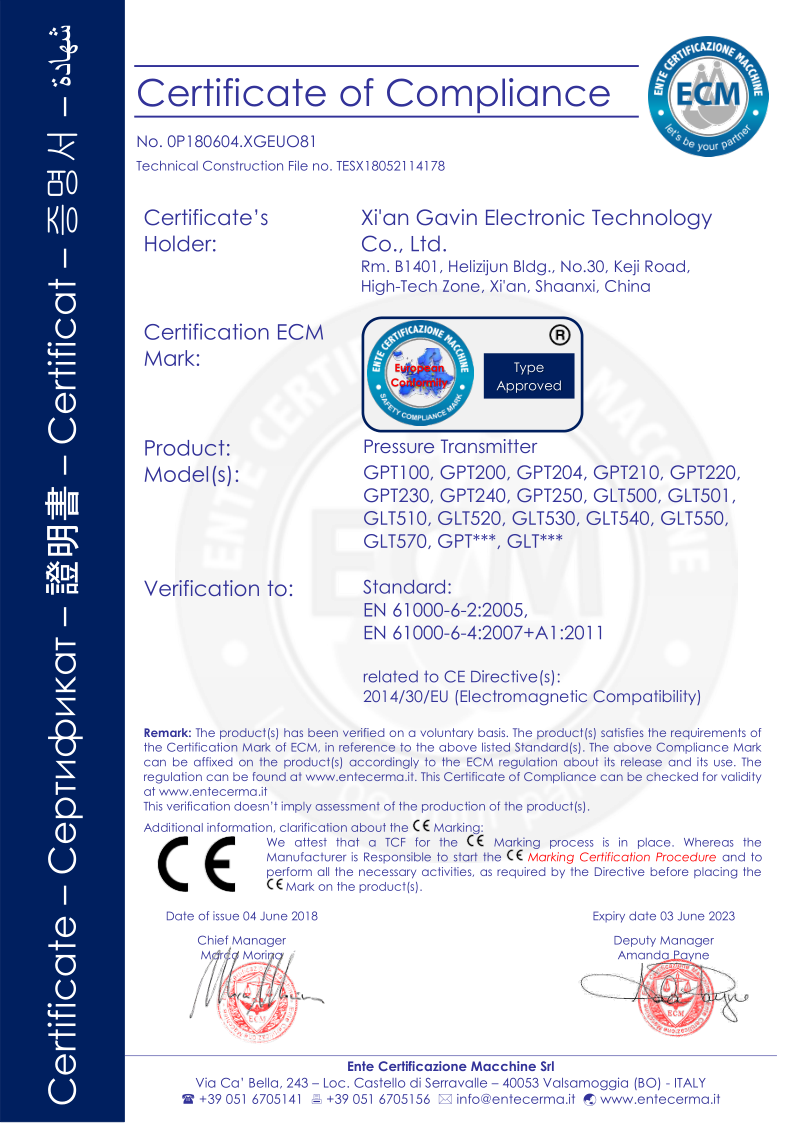
GAMICOS has established a strong presence in the global pressure and level measurement market through consistent delivery of reliable, accurately calibrated instruments suited to demanding industrial environments. Our GPT250 series integrated differential pressure transmitter exemplifies the engineering approach we apply across our entire product portfolio—combining proven sensing technology with robust construction specifically designed for wastewater treatment challenges.
GPT250 Series Technical Capabilities
The GPT250 series builds upon OEM silicon piezoresistive oil-filled sensor cores that deliver exceptional long-term stability even when exposed to temperature variations and mechanical vibration common in treatment facilities. This core technology converts pressure differentials into precise electrical signals through the piezoelectric effect, where applied stress generates proportional voltage changes in crystalline silicon structures. The oil-filled design hydraulically couples process pressure to the sensing element while protecting sensitive electronics from corrosive media contact.
Here are the core technical advantages engineered into every GPT250 unit:
- Advanced Material Construction: The 316L stainless steel body paired with Hastelloy C276 wetted components resists aggressive chemical attack across pH levels from 1 through 14, accommodating the full spectrum of wastewater compositions from highly acidic industrial discharges to alkaline treatment chemical environments.
- Exceptional Pressure Capacity: System static pressure ratings extending from 25 to 40 MPa enable deployment in high-pressure applications including deep tank hydrostatic measurements and pressurized filtration systems, providing operational flexibility across diverse treatment processes.
- Flexible Communication Options: Multiple output signal formats including industry-standard 4-20mA analog transmission and digital Modbus protocol ensure compatibility with existing control infrastructure while supporting migration toward advanced SCADA implementations.
- Precision Performance: High accuracy specifications combined with excellent stability characteristics minimize calibration frequency requirements, reducing maintenance burdens while ensuring measurement integrity for process control and compliance reporting.
These technical capabilities directly address the operational challenges procurement managers and engineering teams encounter when specifying measurement equipment for wastewater applications. The dual threaded pressure ports accommodate both direct pipeline mounting and remote installation via impulse tubing, providing installation flexibility that simplifies integration into existing treatment infrastructure.
Comprehensive Support Throughout Product Lifecycle
GAMICOS recognizes that successful sensor deployment extends beyond hardware specifications to encompass application engineering, installation support, and ongoing technical assistance. Our engineering team collaborates with customers during the specification phase, ensuring selected sensor configurations properly match application requirements including pressure ranges, electrical outputs, and mounting arrangements. This consultative approach prevents costly specification errors that might compromise performance or require expensive field modifications.
Installation guidance includes detailed documentation covering proper mounting orientation, electrical termination procedures, and commissioning verification steps. We provide training resources tailored to maintenance teams who will support the equipment throughout its operational life, covering calibration procedures, troubleshooting methodology, and preventive maintenance best practices. This knowledge transfer ensures customers can maximize value from their measurement system investment through optimal ongoing performance.
Conclusion
Differential pressure transducers represent essential measurement technology enabling precise process control throughout wastewater treatment operations. Selecting appropriate sensors demands careful evaluation of technical specifications, environmental compatibility, and supplier support capabilities. The GPT250 series demonstrates how advanced materials, proven sensing technology, and flexible communication options combine to address the unique challenges treatment facilities encounter.
Proper installation practices and systematic maintenance protocols maximize measurement reliability while minimizing lifecycle costs. As treatment facilities continue advancing toward digitally connected operations, modern pressure sensors provide the accurate, stable data foundation supporting both immediate process control and long-term optimization initiatives.
Partner With GAMICOS for Your Differential Pressure Transducer Requirements
We understand the measurement challenges wastewater treatment facilities face and have engineered solutions specifically addressing these demanding applications. Our team of experienced engineers stands ready to discuss your unique process requirements and recommend optimal sensor configurations that deliver reliable performance throughout extended service lives. Whether you're upgrading existing measurement infrastructure, specifying equipment for new construction projects, or seeking a dependable differential pressure transducer supplier for ongoing procurement needs, GAMICOS provides the technical expertise and product quality your operations demand. Contact us at info@gamicos.com to explore how our GPT250 series and comprehensive measurement portfolio can enhance your treatment process monitoring.
References
1. American Water Works Association. (2020). Instrumentation and Control Systems for Water and Wastewater Treatment Facilities. Denver: AWWA Publications.
2. Jenkins, D. & Wanner, J. (2014). Activated Sludge - 100 Years and Counting. London: IWA Publishing.
3. Liptak, B.G. (2018). Instrument Engineers' Handbook, Volume One: Process Measurement and Analysis, 5th Edition. Boca Raton: CRC Press.
4. Metcalf & Eddy, Inc. (2013). Wastewater Engineering: Treatment and Resource Recovery, 5th Edition. New York: McGraw-Hill Education.
5. Water Environment Federation. (2019). Instrumentation and Control for Wastewater Treatment Plants, Manual of Practice No. 21. Alexandria: WEF Press.
6. Webster, J.G. (2017). The Measurement, Instrumentation and Sensors Handbook on CD-ROM, 2nd Edition. Boca Raton: CRC Press.

Peter
Peter, Senior Sensor Technology Consultant, has 15-year industrial sensor R&D experience. He specializes in the end-to-end development of high-accuracy pressure and level sensors and he firmly believe, precision isn’t just a spec—it’s a promise.
We're here to help — submit your request anytime!
Let us know how we can help solve your pressure level measurement challenge.
_1757930850792.jpg)
Recommended Blog
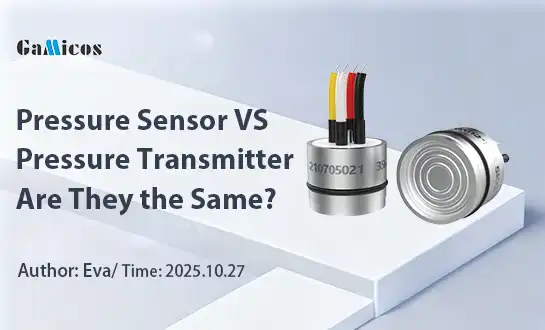
Pressure Sensor VS Pressure Transmitter: Are They the Same Thing?
Pressure Sensor VS Pressure Transmitter: Are They the Same Thing?
Differential vs. Absolute Pressure Sensors: Key Differences
Differential vs. Absolute Pressure Sensors: Key Differences
Differential vs. Absolute Pressure Sensors: Key Differences