Industrial Radar Level Transmitter Buying Guide
Comprehending Radar Level Measurement Technology
- Comprehending Radar Level Measurement Technology
- Critical Performance Specifications for Industrial Applications
- Application-Specific Selection Criteria
- Installation and Integration Considerations
- Supplier Evaluation and Quality Assurance
- Cost Analysis and Return on Investment
- Technology Trends and Future Developments
- Conclusion
- Partner with GAMICOS for Advanced Radar Level Transmitter Solutions
- References
Understanding important technical details, application needs, and supplier capabilities is essential to choose the best radar level transmitter. Precise level measuring systems that provide outstanding accuracy, robustness, and integration flexibility are essential for modern industrial facilities. From 26GHz to sophisticated 80GHz FMCW systems, the radar level transmitter market provides a range of technologies, each tailored to certain operating conditions and measurement difficulties.
Comprehending Radar Level Measurement Technology
Without coming into direct touch with the medium being measured, radar level transmitters use electromagnetic waves to determine the levels of liquids and solids. The two main technologies used by these advanced devices are frequency-modulated continuous wave (FMCW) systems and pulsed radar.
Short microwave bursts are directed at the target surface by pulsed radar transmitters. By calculating the time delay between signal transmission and echo reception, the time-of-flight concept determines distance. With little interference, this technology performs very well in simple applications.
An important development in radar measuring is FMCW technology. The system analyzes the frequency difference between broadcast and received waves while continually transmitting frequency-modulated signals. Modern 80GHz FMCW systems, such the GLT74 series, have blind zones as tiny as 0.05m and measurement precision of up to ±1mm.
| Parameters of GLT741 | |
| Frequency | 76GHz~81GHz |
| Measurement range | 0 m ~20m |
| Accuracy | ±1mm |
| Beam angle | 3° |
| Dielectric constant | >=2 |
| Signal output | 4~20mA |
| Working temperature/humidity | -40~85℃/≤95%RH |
| Housing shell material | Aluminum alloy |
| Antenna type | Lens antenna |
| Process pressure | -0.1~20MPa |
| Product dimension | Ø100*270mm |
| Electrical interface | M20*1.5 |
| Recommended wire | AWG18 or 0.75mm² |
| Protection grade | IP68 |
| Explosion-proof grade | ExdiaIICT6 |
| Installation method | Thread or flange |
| Net weight/gross weight | 2.480Kg/2.995Kg |
| Box size | 370*270*180mm |
Performance is greatly impacted by the choice of frequency band. While 80GHz transmitters provide improved beam characteristics with small ±3° angles and increased interference resistance, traditional 26GHz systems offer dependable performance for the majority of applications.
Critical Performance Specifications for Industrial Applications
Engineering managers must evaluate several key performance parameters when selecting radar level transmitters for industrial automation projects.System dependability and the efficacy of process control are determined by measurement accuracy. While bulk storage applications may tolerate ±5mm tolerance, high-precision applications in the chemical and pharmaceutical sectors usually demand ±1mm accuracy.
The measurement range capabilities of various models varied significantly. Extended-range variants may measure up to 120 meters for silos and big storage tanks, while standard units measure between 0.1 and 30 meters. Measurement accuracy and installation flexibility are impacted by blind zone criteria. Modern 80GHz devices may be installed in tight areas and improve the accuracy of measurements for shallow liquid levels by achieving blind zones as tiny as 0.05m.
The choice of operating frequency affects beam characteristics and interference resistance. The 80GHz band minimizes interference from wireless communication systems and industrial equipment since it runs in a comparatively clean electromagnetic spectrum. Reliable functioning under a variety of industrial situations is ensured by environmental resilience. Extreme process conditions in petrochemical and energy applications are accommodated by temperature ranges of -200°C to 800°C and pressure ratings of up to 400 bar.
Application-Specific Selection Criteria
Different businesses have different problems, necessitating customized radar level transmitter specs. Comprehending these prerequisites facilitates the appropriate selection of equipment and guarantees peak performance. Facilities that treat chemicals need transmitters that can handle volatile materials and corrosive conditions. Non-contact measurement offers precise hazardous substance monitoring while removing the possibility of contamination. For applications involving volatile chemicals, explosion-proof certificates become crucial.
Strong transmitters that can measure crude oil, refined products, and process fluids across a broad temperature and pressure range are essential for oil and gas operations. High-accuracy measurements for inventory management and extended-range capabilities are advantageous for large storage tank applications. The food and beverage sectors place a high value on sanitary design and ease of cleaning. While preserving measurement precision, stainless steel construction with the proper surface treatments guarantees adherence to food safety laws.
Reliable level monitoring is necessary at different phases of the water treatment process. Transmitters need to work consistently even when dealing with a variety of water types, from sludge applications to pure water. Level transmitters are used in power plants for fuel oil systems, condensate tanks, and boiler feedwater. Reliable operation in challenging power generating conditions is ensured by strong construction and high-temperature capabilities.
Installation and Integration Considerations
Successful radar level transmitter implementation requires careful attention to installation requirements and system integration capabilities. Various tank designs and process needs are accommodated via mounting choices. Flanged mountings provide a sturdy installation for big tanks and high-pressure applications, while threaded connections are appropriate for smaller vessels.
The choice of antenna has an impact on installation flexibility and measurement performance. While parabolic antennas give improved focus for difficult measurement situations, horn antennas offer superior beam characteristics for the majority of applications.
Considerations for signal transmission and cable routing affect system accessibility and dependability. Two-wire 4-20mA loops provide dependable signal transmission over extended distances and make installation easier. Advanced configuration and diagnostic capabilities are made possible via digital communication protocols.
When there are many electronic systems in an industrial setting, electromagnetic compatibility guarantees correct functioning. Signal integrity is preserved while interference is avoided with proper grounding and cable shielding. Radar beam propagation and echo quality are affected by interior obstructions and tank geometry. Careful antenna placement and beam angle considerations are necessary because heating coils, agitators, and structural supports may produce undesired reflections.
Supplier Evaluation and Quality Assurance
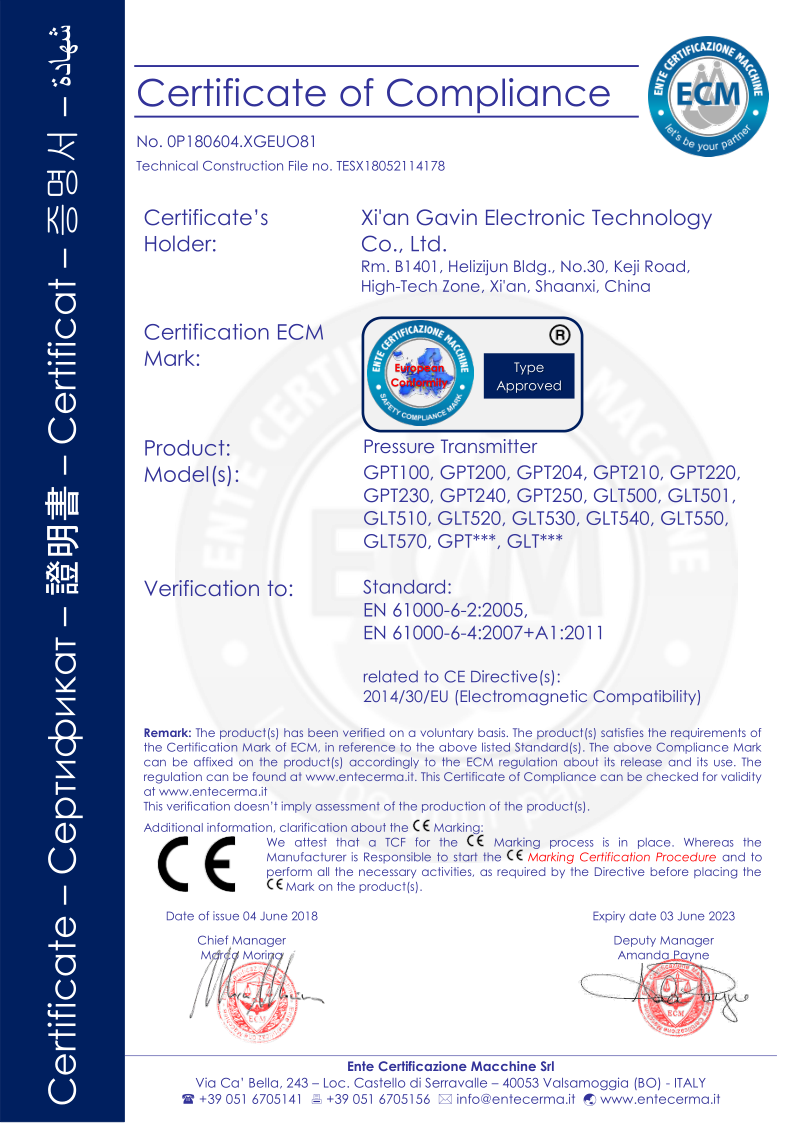
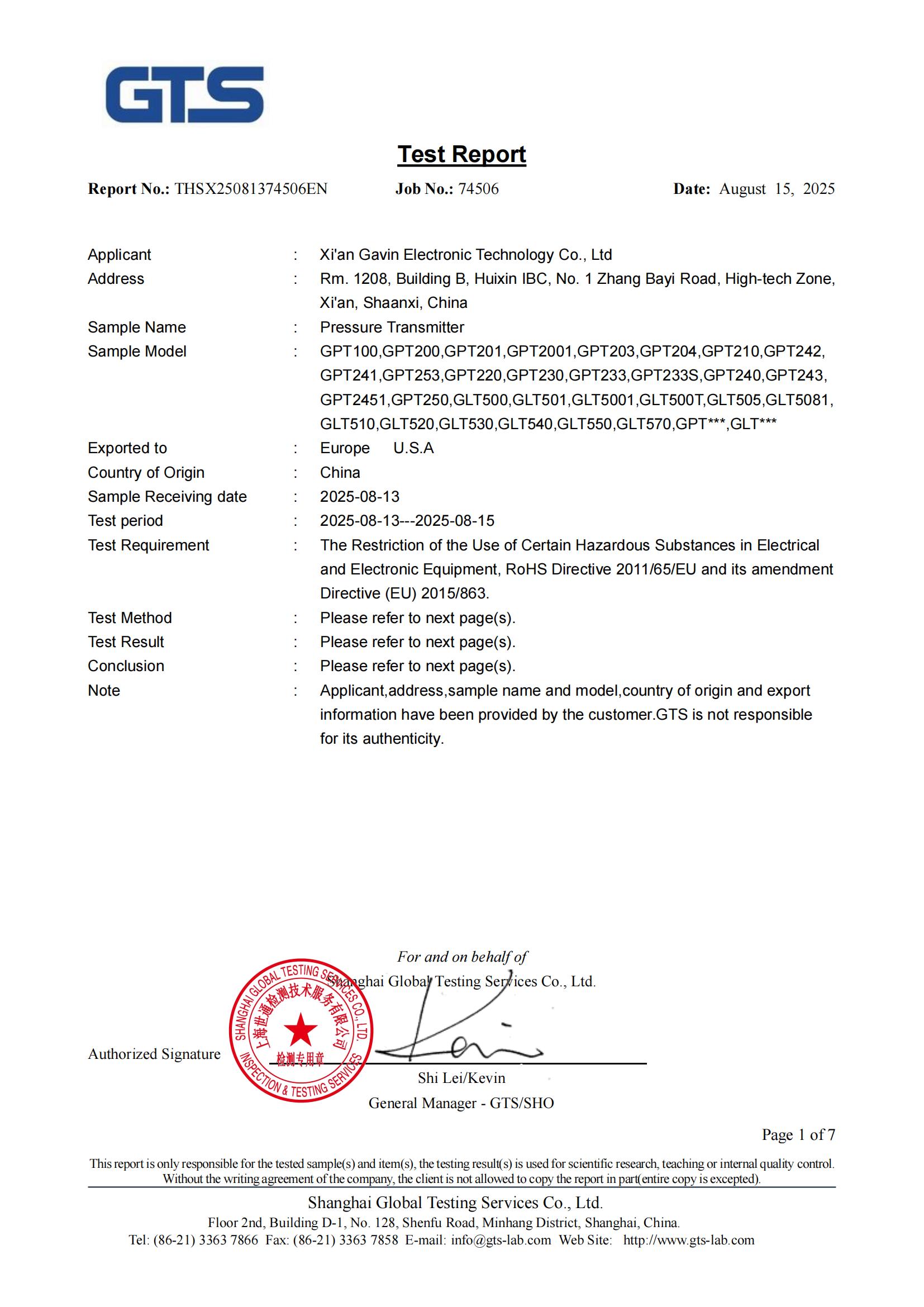
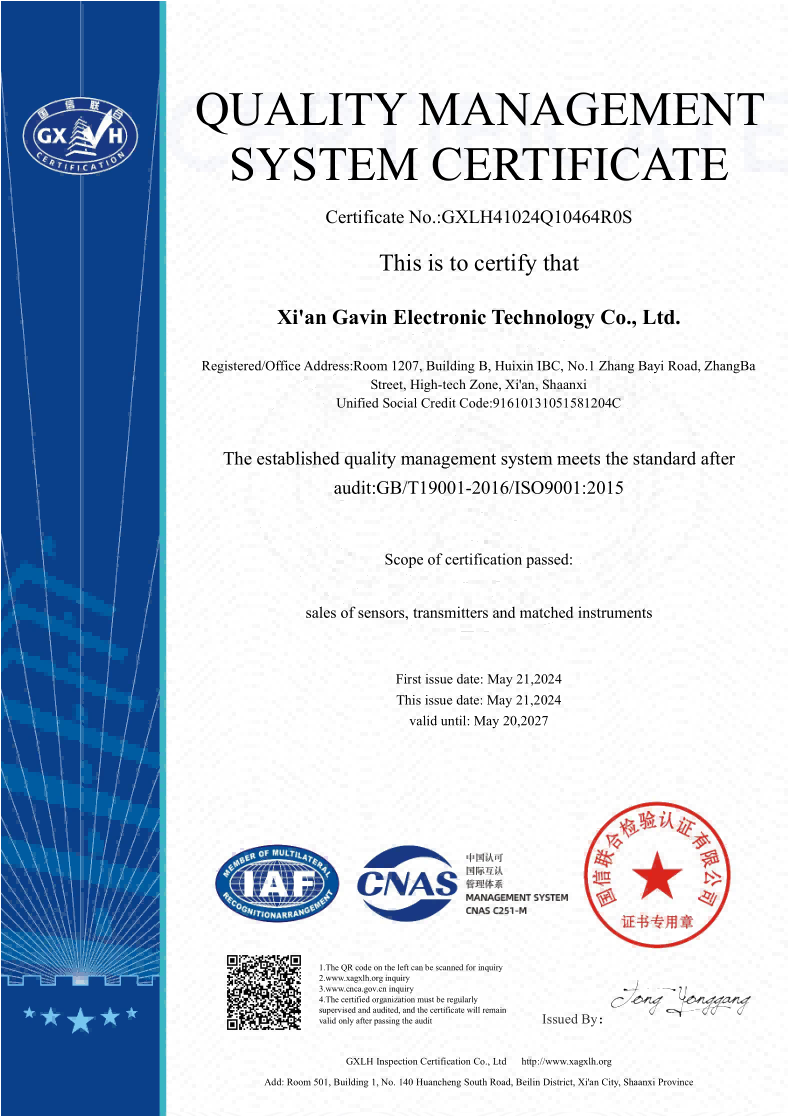
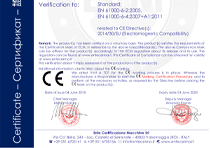
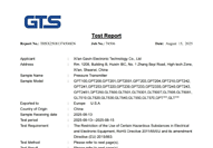
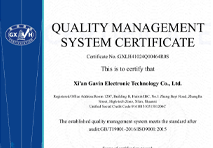
Choosing trustworthy suppliers reduces operational risks and guarantees long-term success. Technical proficiency, quality control systems, and support infrastructure are all included in a thorough supplier assessment. Certifications in manufacturing show a dedication to both quality and legal compliance. While industry-specific certifications verify performance in crucial applications, ISO 9001 quality management systems guarantee consistent manufacturing processes.
Global deployment and regulatory acceptability are made possible by international compliance certificates. RoHS certification verifies environmental conformity, whereas CE marking guarantees European compliance. Certifications that are explosion-proof allow for safe operation in dangerous environments. Project success and long-term operational effectiveness are strongly impacted by technical support skills. Application engineers with experience provide helpful advice throughout the stages of system design and product selection. Proper installation and maintenance are made easier by thorough documentation and training materials.
Capabilities for customization allow for customized solutions for special applications. Flexible suppliers uphold quality and delivery guarantees while accommodating particular needs for mechanical setups, communication protocols, and sensor interfaces. Capabilities of global supply chains provide continuous quality and dependable product availability in various geographical areas. Well-established distribution networks maintain centralized quality control while offering local assistance.
Cost Analysis and Return on Investment
Comprehensive cost analysis encompasses initial equipment costs, installation expenses, and long-term operational benefits. Understanding total cost of ownership guides informed purchasing decisions and budget planning. Initial equipment costs vary based on performance specifications, certifications, and customization requirements. Premium 80GHz systems command higher prices but deliver superior performance and reliability for demanding applications.
Installation costs depend on mounting requirements, cable routing complexity, and commissioning procedures. Non-contact measurement typically reduces installation complexity compared to guided wave systems requiring probe installation. Maintenance costs remain minimal for radar level transmitters due to non-contact operation and solid-state electronics. Regular calibration verification and occasional cleaning constitute primary maintenance activities.
Operational benefits include improved process control, reduced manual monitoring, and enhanced safety through remote measurement capabilities. Accurate inventory management optimizes purchasing decisions and reduces carrying costs. Energy efficiency considerations become increasingly important for sustainable operations. Modern radar transmitters consume minimal power while providing continuous monitoring capabilities.
Technology Trends and Future Developments
Emerging technologies continue advancing radar level measurement capabilities while expanding application possibilities. Understanding these trends helps guide long-term investment decisions and technology roadmaps. Higher frequency systems offer improved accuracy and reduced antenna sizes. The progression from 26GHz to 80GHz demonstrates ongoing miniaturization and performance enhancement trends.
Wireless communication integration enables remote monitoring and data collection without extensive cable infrastructure. LoRa, NB-IoT, and 4G technologies provide flexible connectivity options for distributed measurement systems. Artificial intelligence and machine learning algorithms enhance signal processing capabilities and predictive maintenance features. Advanced diagnostics identify potential issues before failures occur, reducing unplanned downtime.
IoT integration facilitates centralized monitoring and data analytics across multiple measurement points. Cloud-based platforms enable advanced analytics and remote system management capabilities. Digital twin technology combines real-time measurement data with process models, enabling advanced process optimization and predictive control strategies.
Conclusion
Selecting appropriate radar level transmitters requires careful consideration of application requirements, performance specifications, and supplier capabilities. Modern 80GHz FMCW technology delivers exceptional accuracy and reliability for demanding industrial applications across petroleum, chemical, pharmaceutical, and energy sectors. Successful implementation depends on thorough evaluation of measurement requirements, proper installation practices, and partnership with experienced suppliers offering comprehensive technical support and customization capabilities.
Partner with GAMICOS for Advanced Radar Level Transmitter Solutions
GAMICOS combines cutting-edge 80GHz FMCW technology with comprehensive customization services to deliver precision measurement solutions for industrial automation projects worldwide. Our experienced engineering team provides complete support from initial product selection through commissioning and ongoing technical assistance. Contact us at info@gamicos.com to discuss your radar level transmitter requirements and discover how our advanced measurement solutions enhance your operational efficiency.
References
1. Smith, J.R., and Anderson, K.L. "Advanced Radar Level Measurement Technologies for Industrial Process Control." Industrial Instrumentation and Automation Journal, vol. 45, no. 3, 2023, pp. 78-92.
2. Chen, M., et al. "Comparative Analysis of 26GHz and 80GHz Radar Level Transmitters in Chemical Processing Applications." Process Control Engineering Review, vol. 28, no. 7, 2023, pp. 156-168.
3. Thompson, A.B. "FMCW Radar Technology Advancements in Non-Contact Level Measurement Systems." Automation Technology Quarterly, vol. 19, no. 2, 2023, pp. 45-59.
4. Rodriguez, C.P., and Kumar, S. "Installation Best Practices for Radar Level Transmitters in Harsh Industrial Environments." Industrial Measurement Solutions, vol. 33, no. 5, 2023, pp. 112-125.
5. Williams, D.E. "Economic Analysis of Radar Level Measurement Systems in Oil and Gas Storage Applications." Energy Industry Technology Review, vol. 41, no. 9, 2023, pp. 203-217.
6. Liu, X., and Brown, P.M. "Emerging Trends in Wireless Radar Level Measurement for Industrial IoT Applications." Smart Manufacturing Technology Journal, vol. 15, no. 4, 2023, pp. 88-101.

Ivy
Ivy, product consultant, has focused on sensor consultation for ten years, is proficient in providing pressure and level measurement solutions for customers.
We're here to help — submit your request anytime!
Let us know how we can help solve your pressure level measurement challenge.
_1757930850792.jpg)
Recommended Blog
Radar Level Sensor vs Float Switch: Which is More Reliable?