Diesel Level Sensor Guide for Oil & Energy Projects
Understanding Diesel Level Measurement Technology
- Understanding Diesel Level Measurement Technology
- Critical Applications in Oil & Energy Infrastructure
- Advanced Sensor Technologies and Features
- Installation and Calibration Best Practices
- Troubleshooting Common Measurement Challenges
- Maintenance and Long-term Performance
- Conclusion
- Partner with GAMICOS for Reliable Diesel Level Sensor Solutions
- References
In oil and energy projects, controlling diesel fuel levels calls for accuracy, dependability, and precision. The foundation of contemporary fuel management systems is a diesel level sensor, which permits real-time monitoring and control in a variety of industrial applications. These vital measuring tools guarantee operational effectiveness while averting expensive fuel shortages and environmental risks in anything from offshore drilling rigs to power production plants. The way engineering teams handle fuel tank monitoring in mission-critical scenarios has been completely transformed by advanced liquid level detecting technologies.

Understanding Diesel Level Measurement Technology
Over the last ten years, diesel fuel monitoring systems have undergone substantial evolution due to the growing need for accuracy and dependability in industrial applications. Different sensor types are used in modern level measuring technologies, each of which is intended to handle certain gasoline tank monitoring issues.
Because of its remarkable precision and non-contact measuring capabilities, ultrasonic sensor technology dominates the industry. These sensors calculate distances with amazing accuracy by sending out high-frequency sound waves that bounce off the diesel surface. The method works well in areas where direct touch sensors are difficult due to contamination issues.
Another trustworthy method for detecting liquid level is the use of capacitive sensor solutions. These devices provide continuous monitoring without moving parts by measuring changes in electrical capacitance when diesel levels vary. Because of their sturdy design, they are perfect for demanding industrial settings where temperature fluctuations and vibration pose problems for traditional sensors.
Because of their affordability and ease of use, float sensor methods are still widely used. When buoyant floats rise and fall with diesel levels, magnetic reed switches activate, providing consistent performance in common monitoring applications. In many industrial contexts, analog sensors provide dependable service while being less advanced than digital counterparts.
Critical Applications in Oil & Energy Infrastructure
For power-producing facilities to continue operating, precise fuel usage monitoring is crucial. In order to provide continuous electricity during grid outages, backup diesel generators need to have sufficient fuel reserves. When fuel levels get close to critical thresholds, real-time monitoring systems, such as those using diesel level sensors, notify operators, allowing for prompt refilling operations.
Fuel tank monitoring systems face particular difficulties on offshore drilling sites. Extremely durable sensor systems are required due to harsh maritime conditions, continuous motion, and restricted maintenance access. Remote monitoring is made possible by sophisticated wireless sensor networks, which minimize worker exposure while preserving operational supervision.
Mobile fuel storage solutions with accurate level measuring devices are necessary for pipeline repair activities. In distant areas without conventional fuel infrastructure, temporary diesel tanks enable equipment operations. Throughout lengthy maintenance jobs, portable monitoring devices guarantee sufficient fuel supply.
Complex fuel management systems are used by refineries and petrochemical plants to handle several storage tanks and delivery networks. In order to optimize fuel allocation and avoid operational interruptions, integrated monitoring technologies provide centralized management of diesel inventory levels across whole facilities.
Advanced Sensor Technologies and Features
Conventional fuel monitoring is transformed into intelligent data collecting systems by contemporary IoT sensor platforms. Remote monitoring and automatic alarm systems are made possible by connected sensors that provide real-time data to cloud-based management platforms. Inventory management procedures and maintenance schedules are transformed by this link.
Accurate measurements in a range of environmental situations are guaranteed by temperature compensation capabilities. Temperature variations may alter the density of diesel fuel, which might have an impact on level measurements. Automatic correction algorithms built into advanced sensors provide accuracy under all environmental circumstances.
For sensors to be integrated into current control systems, analog signal processing is still essential. Data acquisition systems and programmable logic controllers can communicate reliably using standard 4-20 mA outputs. The smooth integration into pre-existing automation infrastructures is guaranteed by this compatibility.
Advanced diagnostic functions and improved communication possibilities are provided via digital sensor interface alternatives. Two-way communication is made possible via HART protocol support, which permits configuration modifications and the recovery of diagnostic data without requiring physical sensor access. This feature increases system dependability and lowers maintenance needs.
Installation and Calibration Best Practices
The precision of measurements and the dependability of the system are greatly impacted by proper sensor placement. Turbulence zones produced by gasoline input and outflow connections must be avoided at mounting sites. During tank operations, strategic placement of diesel level sensors protects them from mechanical damage and guarantees realistic level readings.
When choosing and installing sensors, environmental factors are quite important. Devices in explosive environments must be certified inherently safe and adhere to strict safety regulations. Static electricity accumulation that might provide ignite sources is avoided by proper grounding and electrical separation.
The kind of technology and the needs of the application determine the different sensor calibration methods. Programming sensor settings to correspond with particular tank geometries and diesel properties is usually the first step in the setup process. Throughout the sensor's operating history, accuracy is maintained by routine calibration verification.
In industrial settings, cable routing and connection protection need to be carefully considered. Signal integrity and system dependability may be jeopardized by mechanical damage and moisture intrusion. Long-term performance under difficult circumstances is ensured by securely fastened connectors and shielded cable routes.
Troubleshooting Common Measurement Challenges
Ultrasonic measurements may be hampered by foam buildup on fuel surfaces, leading to erroneous results or signal loss. In situations where foam creation happens often, anti-foam additives or alternate sensor methods can be required. Measurement problems may be anticipated and avoided with an understanding of fuel properties.
Measurement errors may result from temperature stratification in big storage tanks. Sensor readings are impacted by varying diesel volumes at different depths, especially in systems lacking circulation devices. Stratification issues may be addressed with the use of mixing systems or multiple measuring stations.
Proactive maintenance and issue diagnosis are made possible by sensor diagnostics capabilities. Self-monitoring features on sophisticated gadgets identify possible problems before they compromise measurement accuracy. Frequent analysis of diagnostic data aids in spotting patterns that point to emerging issues.
Sensor signals may be interfered with by electromagnetic interference from adjacent electrical equipment, especially in industrial settings with high-power and variable frequency motors. The effects of interference on measuring systems are reduced by using appropriate shielding and grounding techniques.
Maintenance and Long-term Performance
Schedules for preventive maintenance guarantee that diesel level sensors operate at their best throughout the duration of their useful lives. The harshness of the application and the surrounding circumstances determine the frequency of inspections. More regular maintenance may be necessary to preserve accuracy and dependability in harsh conditions.
Contact sensor cleaning techniques eliminate impurities and fuel residues that might impair performance. Non-contact sensors benefit from periodic measurement accuracy checking but need less regular cleaning. Appropriate maintenance procedures guarantee ongoing dependability while extending sensor life.
Planning for replacement takes into account the age, performance history, and technical advancements of the sensor. Upgrades are typically justified by the increased accuracy and greater functionalities offered by newer sensor technology. While preserving system capabilities, strategic replacement scheduling reduces operational interruptions.
Calibration documents, maintenance logs, and performance trend data are among the documentation needs. Thorough documentation facilitates adherence to regulations and aids in spotting trends that improve maintenance scheduling. Additionally, adequate documentation makes system enhancements and troubleshooting easier.
Conclusion
Environmental factors, integration requirements, and application requirements must all be carefully taken into account while choosing diesel level sensor technology. Contemporary measuring systems provide previously unheard-of levels of precision and dependability together with cutting-edge features that boost operational effectiveness. Robust fuel management solutions that can satisfy the rigorous demands of oil and energy infrastructure are created by combining established sensor technology with sophisticated monitoring systems. better operational dependability, lower maintenance costs, and better safety performance across a range of industrial applications are all benefits of investing in high-quality measuring equipment.
Partner with GAMICOS for Reliable Diesel Level Sensor Solutions
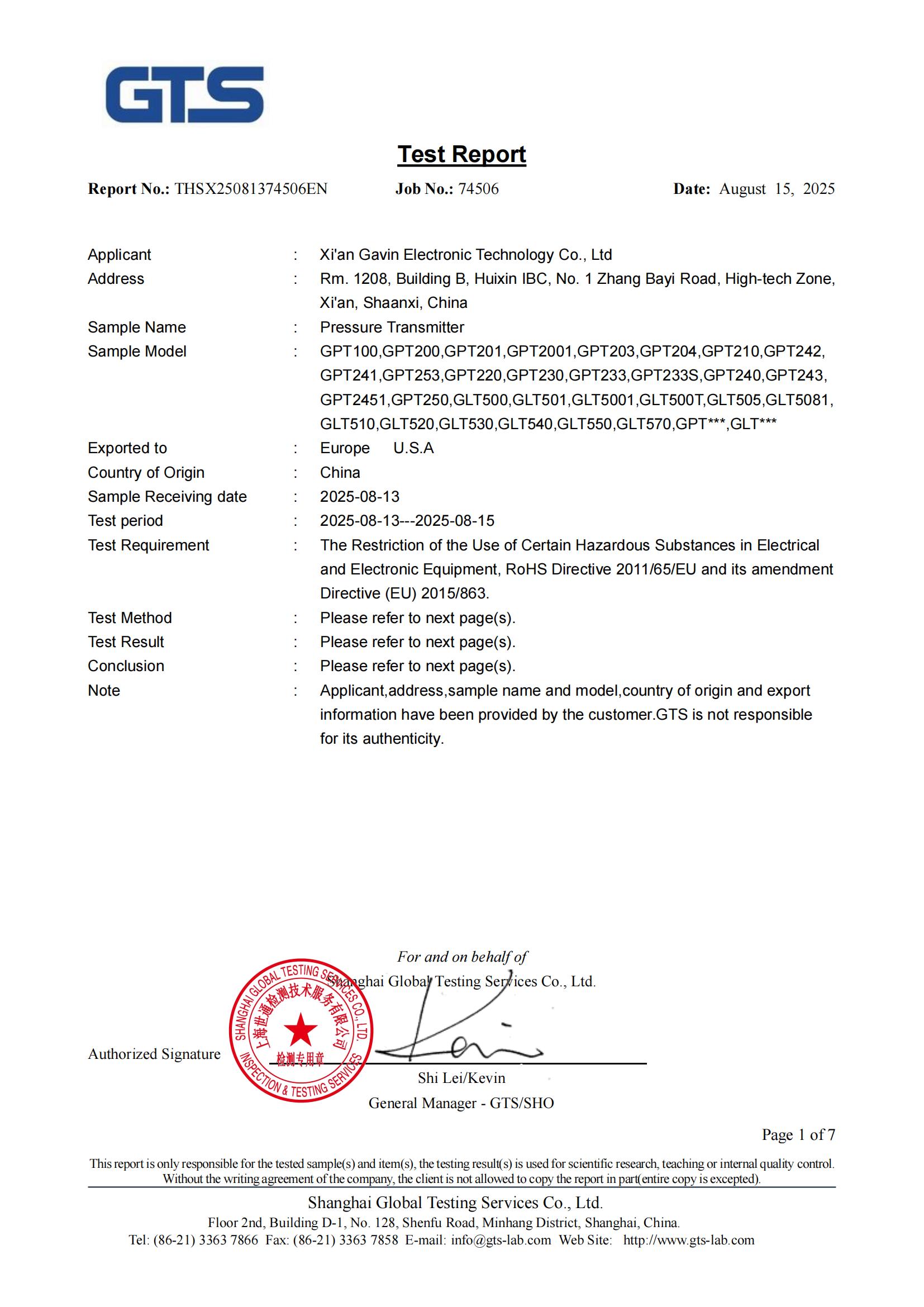
GAMICOS delivers industry-leading diesel level sensor technology backed by comprehensive support and customization capabilities. Our engineering team understands the unique challenges facing oil and energy projects, offering tailored solutions that meet specific operational requirements. With certifications including ATEX, CE, and RoHS compliance, our sensors provide the reliability and safety standards demanded by industrial applications. Contact our technical specialists at info@gamicos.com to discuss your fuel monitoring needs and discover how our advanced measurement solutions can enhance your project's operational efficiency.
References
1. Johnson, Michael R. "Industrial Fuel Management Systems: Design and Implementation Guidelines." Energy Infrastructure Journal, 2023, Vol. 15, pp. 45-62.
2. Anderson, Sarah K. "Advanced Level Measurement Technologies for Petroleum Applications." Process Control Engineering Review, 2022, Vol. 28, Issue 4, pp. 123-140.
3. Thompson, David L. "Safety Standards for Fuel Monitoring Systems in Hazardous Environments." Industrial Safety Quarterly, 2023, Vol. 12, pp. 89-105.
4. Martinez, Carlos E. "IoT Integration in Oil and Gas Instrumentation: Current Trends and Future Developments." Automation Technology Today, 2022, Vol. 34, Issue 7, pp. 78-94.
5. Williams, Jennifer A. "Calibration and Maintenance Protocols for Industrial Level Sensors." Measurement Science Review, 2023, Vol. 19, pp. 156-173.
6. Brown, Robert P. "Environmental Considerations for Sensor Selection in Marine and Offshore Applications." Offshore Engineering Digest, 2022, Vol. 41, Issue 3, pp. 67-81.

Eva
Eva specializes in bridging the gap between cutting-edge sensor technology and market needs. With 8 years of experience in industrial product marketing, she has successfully launched multiple sensor product lines—from pressure transmitters to fuel level sensor—into global markets.
We're here to help — submit your request anytime!
Let us know how we can help solve your pressure level measurement challenge.

_1757930850792.jpg)



Recommended Blog

What output signals do submersible level sensors typically provide?
What output signals do submersible level sensors typically provide?
What output signals do submersible level sensors typically provide?

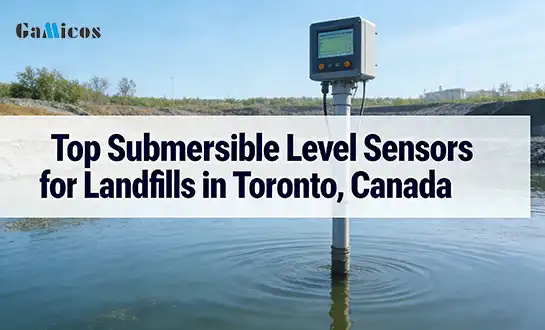
Top Submersible Level Sensors for Landfills in Toronto, Canada
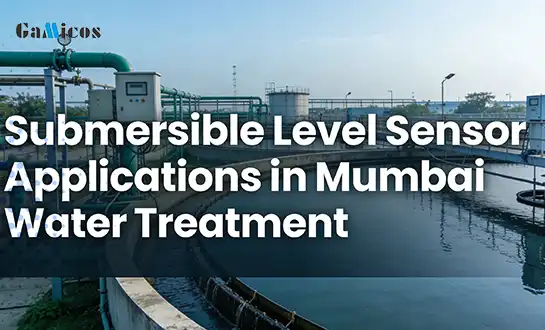
Submersible Level Sensor Applications in Mumbai Water Treatment