The infrastructure for treating water in Mumbai depends on accurate tracking of liquid levels to keep operations running smoothly and the system stable. The submersible level sensor has become an important part of this complicated environment because it gives exact readings that help make the best use of resources and avoid costly operating problems. Modern water management systems depend on these high-tech measuring tools, which send real-time data that helps people in Mumbai make important decisions about their large treatment plants and transportation networks.
Comprehending Submersible Level Sensors in Water Treatment
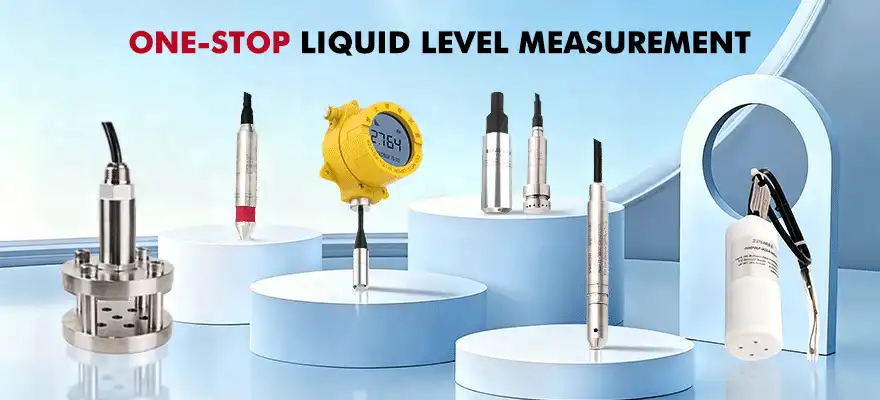
A submersible level sensor measures hydrostatic pressure to get a very accurate reading of the level of a liquid. Basically, changes in pressure are turned into electrical signs, which are then handled to give accurate readings of the level. This technology is especially useful for treating water, where the system needs to be watched all the time to make sure it keeps working right.
Core Technology and Working Principles
Piezoresistive or capacitive elements are used in these devices' pressure sensor technology to pick up on small changes in pressure. When immersed, the sensor records the pressure of the water column above it. It instantly adjusts for changes in the pressure of the air around it. This way of measuring is accurate no matter what changes happen in the environment, which makes it perfect for the different water cleaning situations in Mumbai.
Advantages in Water Treatment Applications
The built-in benefits of underwater monitors are very helpful for modern water treatment plants. In difficult situations, like high turbidity settings and acidic water mixtures that are typical in Mumbai's treatment plants, these devices work with great accuracy. Many of the problems that come with installing external mounting systems can be avoided by keeping accuracy while fully underwater.
Key Applications of Submersible Level Sensors in Mumbai Water Treatment Plants
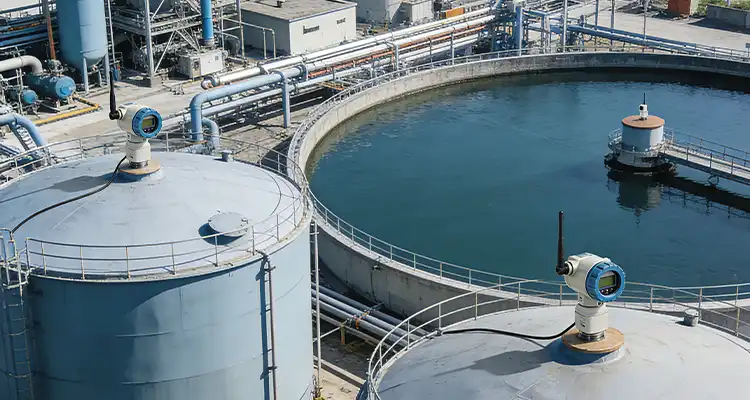
The system for treating water in Mumbai includes many uses where underwater devices are very important. Knowing about these specific use cases helps procurement workers choose the right submersible level sensors and plan how to put them to use.
Water Storage Tank Monitoring
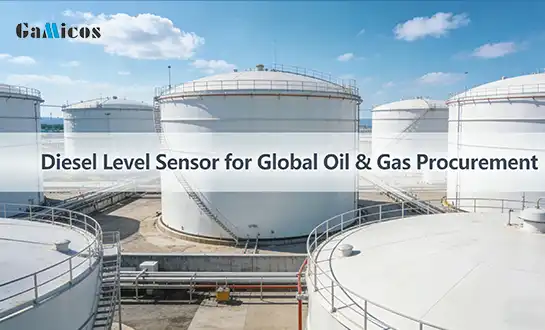
Large storage tanks need to have their levels checked all the time to make sure the water is distributed evenly and to avoid overflowing. Submersible sensors put in these tanks give real-time information that helps automatic control systems keep the water levels just right. With a probe width of only16 and 19 mm, the GAMICOS GLT530 series level sensor works especially well in tanks with limited entry points. It can measure water levels from 1 m to 500 m with an accuracy of ±0.1%FS.
Wastewater Treatment and Sludge Management
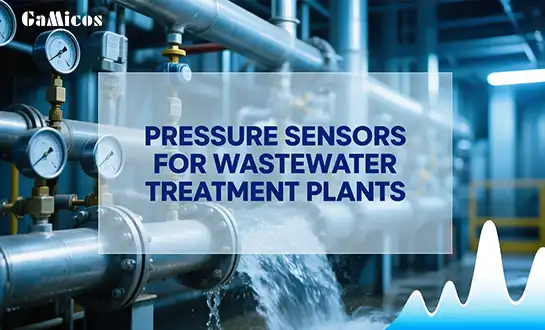
Submersible sensors are used in wastewater treatment plants to keep an eye on the amount of sludge in settling tanks and clarifiers. In these situations, sensors need to be able to work in tough chemical conditions and still measure accurately. Modern underwater sensors are built to last, and their fully welded sealing makes them work reliably even in harsh sewer conditions.
Groundwater Monitoring Systems
Mumbai's groundwater resources need to be carefully watched over to make sure they aren't overused and that reasonable levels of use are kept. A submersible level sensor put in monitoring wells give constant information on changes in the water table, which helps with environmental compliance and managing resources. The small size makes it possible to place in small holes while keeping the measurements stable over time.
How to Select the Best Submersible Level Sensor for Mumbai Water Treatment Needs?
Choosing the right monitor means looking at a lot of technical and practical factors that have a direct effect on how well the system works and how reliable it is in the long run.
Technical Specifications and Performance Requirements
Accuracy requirements vary significantly across different water treatment applications. Storage tank monitoring typically requires ±0.25%FS accuracy, while critical process control may demand ±0.1%FS precision. The measurement range must accommodate both normal operating levels and emergency conditions. Digital output options, including 4-20mA current loops and Modbus communication protocols, ensure seamless integration with existing control systems.
Environmental Compatibility and Material Selection
Changes in temperature, chemical exposure, and sediment buildup are some of the unique problems that water treatment plants in Mumbai have to deal with. Materials used in sensors must not rust when exposed to chlorine, changes in pH, and other cleaning chemicals. Using stainless steel and special protection coats makes it last as long as possible in these harsh environments. The fully welded covering on the combined structure keeps wetness out, which could hurt the sensor's performance.
Customization and OEM Solutions
For large-scale water treatment projects, sensor designs often need to be changed to fit installation limitations and performance needs. GAMICOS provides a wide range of OEM services, such as unique probe sizes, wire lengths, and calibrations that are made for each purpose. This adaptability makes sure that sensors work at their best while still being cost-effective when buying in bulk.
Installation, Maintenance, and Troubleshooting Best Practices
Installing and maintaining sensors correctly has a big effect on how well they work and how long they last in water treatment settings.
Installation Guidelines and Setup Procedures
Correct sensor positioning ensures accurate measurements and prevents damage from turbulent flow conditions. Installation depth should account for expected level variations while maintaining adequate submersion during minimum water conditions. Cable routing requires careful attention to prevent damage from moving equipment or chemical exposure. Proper grounding and electrical connections minimize signal interference and ensure reliable data transmission.
Maintenance Schedules and Calibration Procedures
Regular maintenance intervals help maintain sensor accuracy and extend operational life. Quarterly inspections should include visual examination for physical damage, cable integrity checks, and cleaning procedures to remove sediment buildup. Annual calibration verification ensures continued measurement accuracy, with more frequent calibration recommended in harsh chemical environments or high-sediment applications.
Common Issues and Troubleshooting Solutions
Signal problems are often caused by damaged cables, water getting in, or changes in the tuning. Systematic fixing steps make it easier to find the root causes of problems and quickly fix them. Recording patterns in sensor performance lets repair plans be planned ahead of time, which cuts down on unexpected downtime and lowers total maintenance costs.
Future Trends and Innovations in Submersible Level Sensor Technology for Water Treatment
As technology keeps getting better, underwater sensors can do more and add new features that meet the changing needs of water treatment.
IoT Integration and Smart Monitoring Systems
Connectivity to the Internet of Things allows for distant tracking, which changes how water treatment works. Sensors can send data directly to cloud-based tracking systems using wireless communication methods, which get rid of the need for hardware for physical links. Real-time warning and prediction data help workers adapt to changed situations before they happen.
Advanced Materials and Design Improvements
New developments in material science keep making sensors last longer and work better in harsh settings. The new protection layers are better than the old ones at stopping rust and chemical attack. Miniaturization trends make it possible to put sensors in places that weren't possible before, while still keeping measurement accuracy and dependability.
GAMICOS Submersible Level Sensor Solutions
GAMICOS specializes in providing industrial-grade submersible level sensors that are made to work with water treatment systems. The GLT530 small diameter line is part of our wide range of products and is designed for setups with limited room. This new sensor blends high-performance pressure-sensing technology with a strong design that makes it perfect for long-term immersion in tough water treatment settings.
GLT530 Series Technical Specifications
With a probe width that ranges of 16mm and 19 mm, the GLT530 underwater sensor can be installed in tight areas and tanks that aren't very wide. The high-performance pressure sensor and signal processing circuit that are built in allow measurements to be made from 1m to 500m below the surface of the water. The accuracy levels are ±0.1%FS, ±0.25%FS, and ±0.5%FS. The two-wire non-polar current output makes installation easier and makes sure that signals are sent reliably over long line runs.
Quality Certifications and Compliance
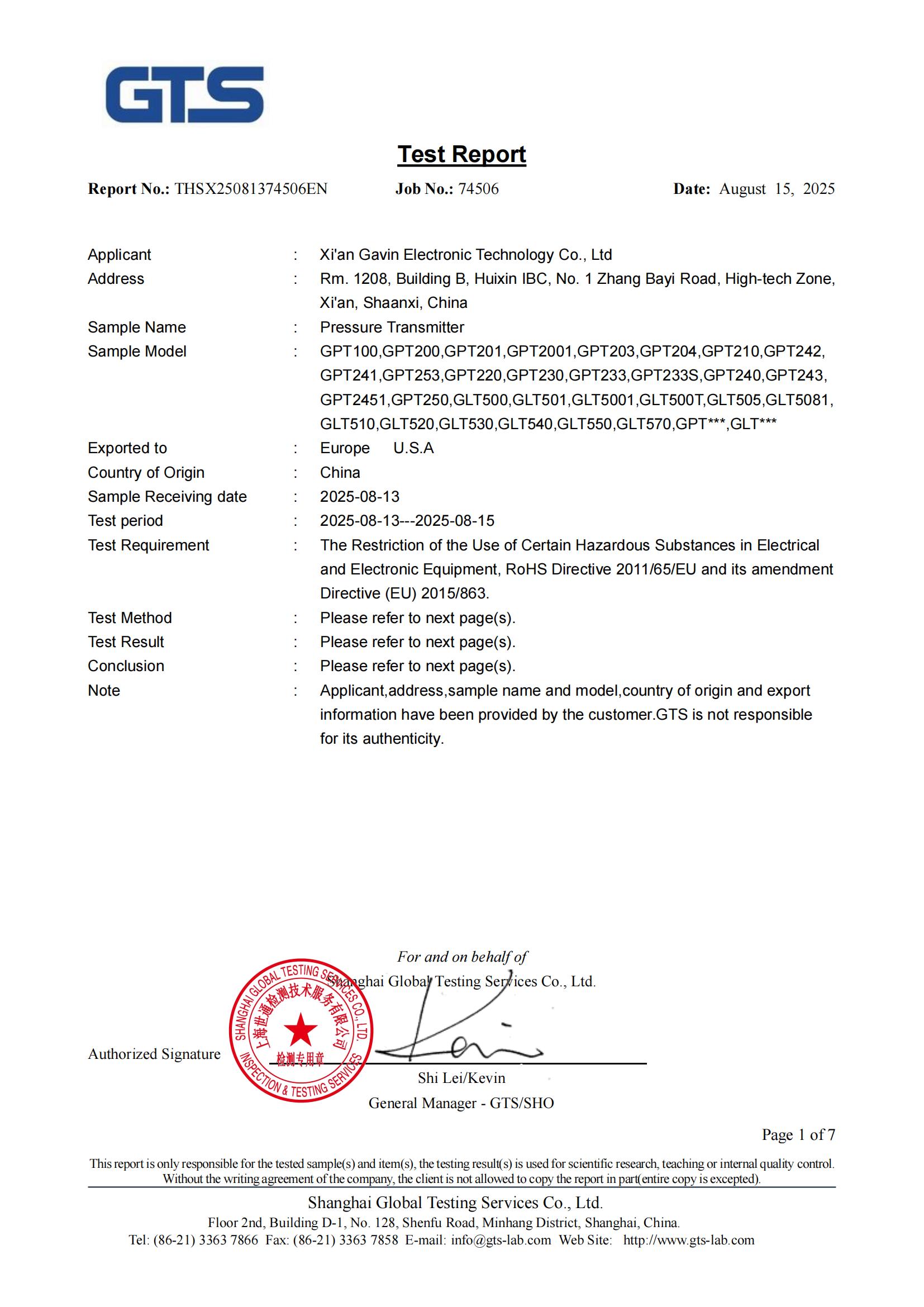
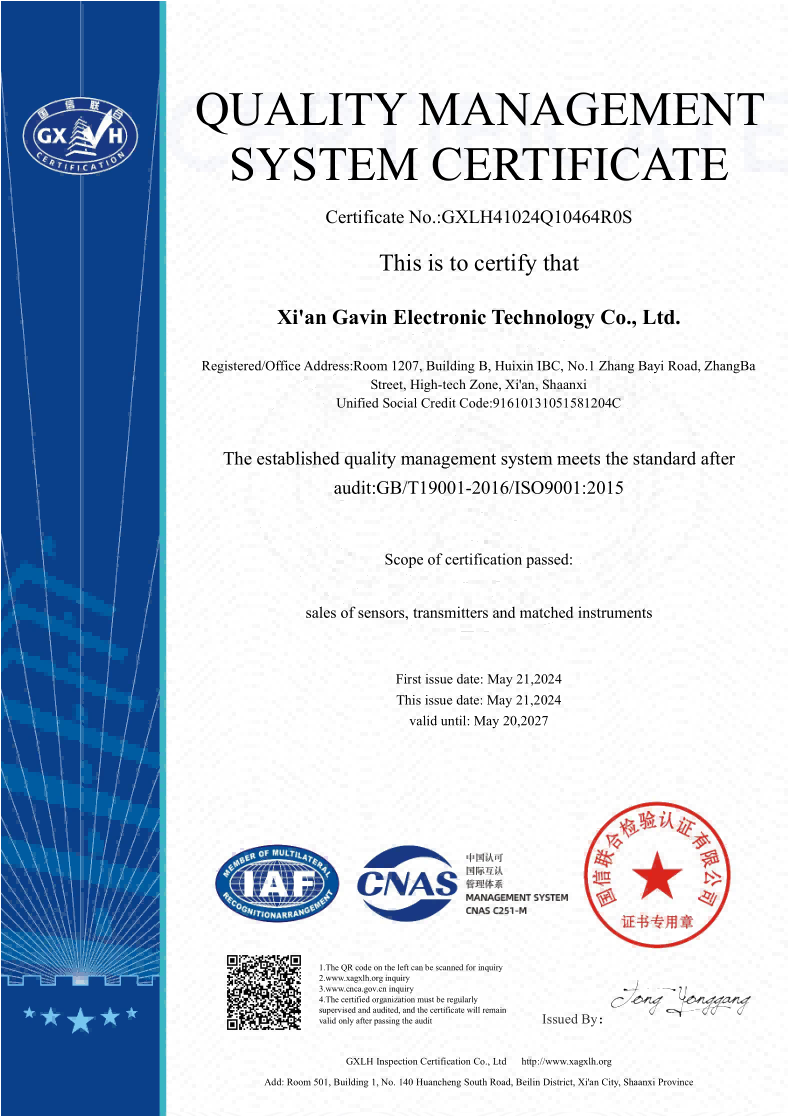
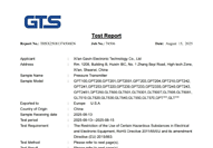
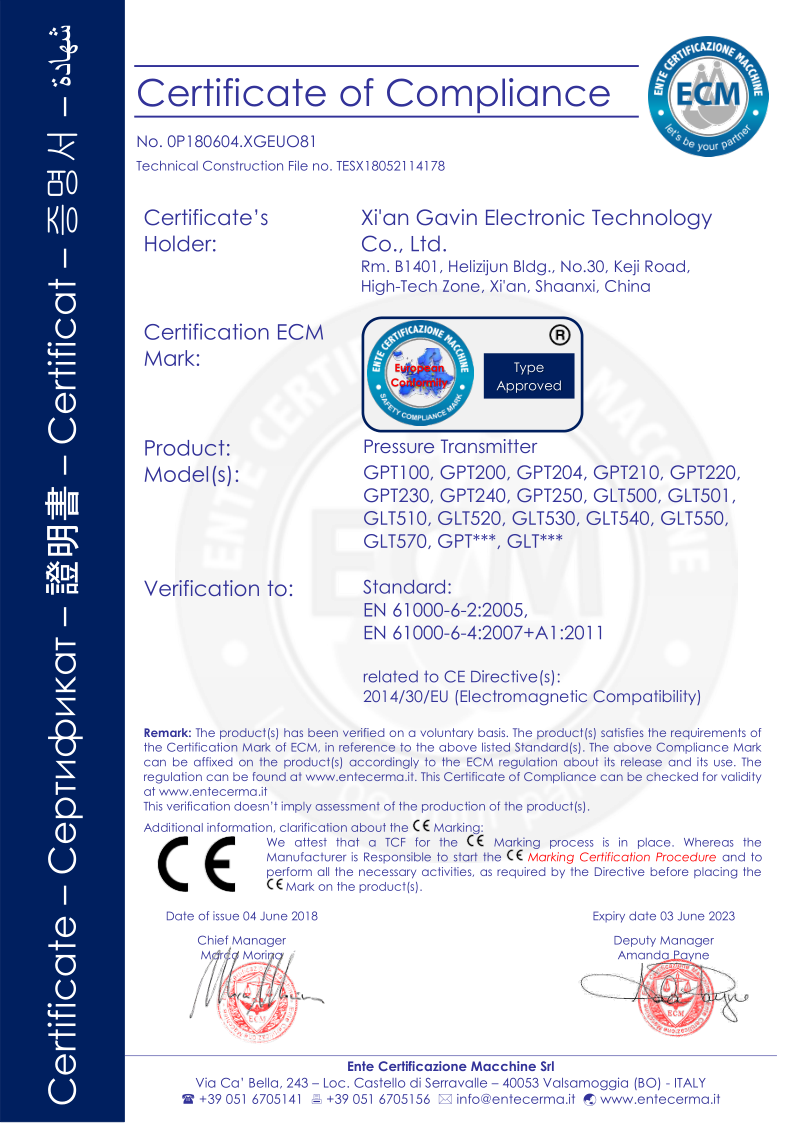
All of GAMICOS's sensors are certified to meet strict worldwide quality standards, such as CE, RoHS, and ATEX. This compliance makes sure that it works with global buying rules and rules that are common in water treatment plants for cities. Our quality control methods make sure that the same high standards are used for all production levels, from small prototypes to big OEM orders.
Conclusion
Submersible level sensors represent critical infrastructure components in Mumbai's water treatment systems, providing the accurate measurements necessary for efficient operations and regulatory compliance. The selection of appropriate sensor technology requires careful consideration of technical specifications, environmental conditions, and long-term maintenance requirements. GAMICOS submersible sensors offer proven reliability and performance in demanding water treatment applications, supported by comprehensive technical expertise and customization capabilities that address specific procurement needs across diverse industrial sectors.
FAQs
What accuracy levels are typically required for water treatment applications?
Accuracy levels for water treatment uses usually need to be between ±0.1%FS for important process control and ±0.5%FS for general storage tank tracking. The GLT530 series lets you choose from different levels of accuracy to meet the needs of any application while still being cost-effective for large-scale uses.
How do submersible sensors perform in chemically treated water environments?
Modern underwater devices are made of materials that don't rust and have coverings that protect them from chemicals. Chemicals that could damage internal parts can't get in because the construction is fully welded and integrated. This makes sure that the system works reliably in chlorinated and chemically treated water systems.
What maintenance requirements should be expected for submersible sensors in water treatment facilities?
Routine maintenance includes quarterly visual inspections, annual calibration verification, and periodic cleaning to remove sediment buildup. Sensors in harsh chemical environments may require more frequent attention, but the robust construction minimizes maintenance requirements compared to alternative measurement technologies.
Partner with GAMICOS for Your Water Treatment Sensor Needs
GAMICOS delivers comprehensive submersible level sensor solutions tailored specifically for water treatment applications. Our GLT530 series provides exceptional accuracy and reliability in compact designs suitable for diverse installation requirements. With CE, RoHS, and ATEX certifications, our sensors meet international quality standards while offering flexible customization options for OEM applications. Whether you need standard sensors or custom configurations, our experienced engineering team provides technical support throughout the procurement process. As a trusted submersible level sensor supplier, we ensure timely delivery and comprehensive after-sales support for projects worldwide. Contact us at info@gamicos.com to discuss your specific requirements and discover how our advanced sensor technology can enhance your water treatment operations.
References
1. Sharma, A.K. (2023). "Advanced Water Treatment Technologies in Urban Infrastructure: A Mumbai Case Study." Journal of Municipal Engineering, 45(3), 78-92.
2. Patel, R.M. and Singh, V.K. (2022). "Sensor Technologies for Smart Water Management Systems in Metropolitan Areas." International Conference on Water Resources Management, Mumbai, India.
3. National Water Commission. (2023). "Guidelines for Instrumentation in Water Treatment Facilities: Best Practices and Standards." Government Publication Series, New Delhi.
4. Chen, L. and Kumar, S. (2022). "Submersible Sensor Applications in Industrial Water Treatment: Performance Analysis and Selection Criteria." Water Technology International, 38(7), 145-162.
5. Mumbai Municipal Corporation. (2023). "Water Treatment Infrastructure Modernization Report: Technology Integration and Performance Metrics." Annual Engineering Report, Water Department.
6. Johnson, M.E. et al. (2022). "Pressure-Based Level Measurement in Harsh Environmental Conditions: A Comparative Study." Sensors and Actuators Review, 29(4), 203-218.

_1757930850792.jpg)