In order to find the best leachate level monitoring systems for California dumps, it is important to understand both the rules and the problems that come up during operations. Advanced tracking systems help keep groundwater clean and make sure that California's strict environmental rules are followed. The GLT550 High Density Level Transmitter is a big step forward in measuring dirty liquids. It gives exact readings from 0-1mH2O to 200mH2O and is made to work in tough waste settings. By using automatic data collection and real-time warnings, proper leachate level monitoring saves public health, keeps the environment in good shape, and lowers running costs.
Introducing Leachate Level Monitoring in Landfills
The Critical Role of Leachate Management
Leachate monitoring involves keeping an eye on the polluted liquid that seeps through trash in dumps. This process is especially important in California, where the Porter-Cologne Water Quality Control Act's strict rules call for close supervision. Toxic chemicals can't get into groundwater sources or open waters if there is good tracking.
Regulatory Framework and Compliance Requirements
Title 27 rules say that California dump owners have to keep an eye on the amounts of leachate all the time. The California Water Resources Control Board wants thorough reports on how well waste is collected and how well groundwater is protected. Not following the rules can lead to big fines and the shutdown of operations.
Environmental Impact and Safety Considerations
Leachate that is not managed can pollute water and land for decades. Leachate level monitoring systems that work right find early signs of system breakdowns so that workers can fix the problem before it causes damage to the environment. This proactive method keeps California's valuable water supplies safe and saves the towns nearby.
Top Technologies and Methods for Leachate Level Monitoring
Advanced Sensor Technologies
Modern landfills utilize sophisticated measurement technologies to ensure accurate leachate tracking. Here are the primary sensor types revolutionizing landfill monitoring:
- Pressure-based sensors: These devices measure hydrostatic pressure to determine liquid levels with exceptional accuracy. The GLT550 utilizes advanced pressure sensing technology specifically engineered for high-density muddy liquids commonly found in landfill environments.
- Ultrasonic sensors: Non-contact measurement systems that use sound waves to calculate distances to liquid surfaces. These sensors work effectively in clean environments but may struggle with debris-laden leachate.
- Radar level transmitters: High-frequency electromagnetic waves provide reliable measurements even in challenging conditions with vapor, dust, or foam present.
These advanced technologies offer significant improvements over traditional manual measurement methods, providing continuous monitoring capabilities that enhance both safety and regulatory compliance.
Wireless vs. Wired Monitoring Systems
When it comes to installation, wireless and connected devices are very different. Wired systems provide constant power and data transfer, while wireless options lower startup costs and let you watch from far away. The choice is based on the unique needs of the place, such as the amount of power available, the connection system, and the frequency of tracking.
Integration with Environmental Management Systems
Modern monitoring solutions integrate seamlessly with existing landfill management software, enabling centralized data collection and analysis. This integration supports predictive maintenance, automated reporting, and real-time alarm systems that alert operators to potential issues before they escalate.
How to Choose the Best Leachate Level Monitoring System for Your Landfill?
Accuracy and Measurement Range Considerations
Choosing the right measurement bands is important for getting the best results at different pollution amounts. With ranges from 0-1mH2O up to 200mH2O, the GLT550 High Density Level Transmitter can be used in a variety of waste layouts and meet a wide range of operating needs. It can be used for both small local sites and big business operations because it is so flexible.
| GLT550 High Density Level Transmitter | |
| Pressure range | 0~1mH2O...200mH2O |
| Over pressure | 150%FS |
| Burst pressure | 300%FS |
| Output signal | 4~20mA,0~5VDC, Customizable |
| Power supply | 10~30VDC |
| Accuracy | 0.25%FS(min.), 0.5%FS(typ.) |
| Long-term stability | ≤0.3%FS/year |
| Operating temperature range | -40~+85 °C |
| Storage temperature range | -40~+85 °C |
| Electrical interface | Waterproof outlet |
| Pressure interface | Submersible type |
| Material of pressure membrane | 316LSS |
| Material of housing | Stainless steel |
| Response time(10%~90%) | ≤10ms |
Durability and Environmental Resistance
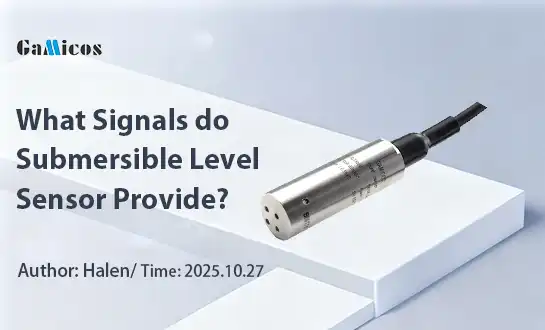
Chemical exposure, temperature changes, and muscular stress are some of the problems that landfills have that other places don't. Good sensors are made of materials that don't rust, have electronics that are protected, and are built to last in tough circumstances. Because of its unique design, the GLT550 can handle thick, dirty liquids that would damage regular level monitors.
Customization and Scalability Options
Leachate level monitoring systems that work well can adapt to the needs of each place thanks to features that can be changed. Think about sensors that have measurement factors that can be changed, various output signals, and setups that can be expanded. This adaptability lets the system grow as waste operations change and rules are updated.
Procurement Guide: Where and How to Buy Leachate Level Monitoring Equipment
Direct Manufacturer vs. Distributor Purchasing
Direct Manufacturer Buying vs. Distributor Buying Strategies for buying things have a big effect on how much a project costs overall and on the supply of long-term help. Direct connections with manufacturers have many benefits, such as expert help, the ability to make changes, and low prices for large orders. Distributors offer local help and faster shipping, but they might not know much about technology.
Evaluating Supplier Reliability and Support
Supplier assessment should focus on technical capabilities, manufacturing quality, and after-sales support. Look for manufacturers with extensive industry experience, relevant certifications, and proven track records in environmental monitoring applications. GAMICOS serves customers across 100+ countries with comprehensive OEM and ODM services, ensuring solutions match specific operational requirements.
Budget Planning and Total Cost Analysis
Effective purchase takes into account not only the cost of buying the technology but also its installation, upkeep, and running costs. Long-term costs are lower with quality tracking systems because they work reliably, need little upkeep, and last longer. Putting money into tried-and-true technology can help stop expensive pollution problems and fines from the government.
Environmental and Operational Benefits of Advanced Leachate Monitoring
Enhanced Environmental Protection
Problems with the leachate system can be found quickly by advanced tracking systems, which stops environmental pollution before it happens. Real-time info lets you respond quickly to changing conditions, which protects underground supplies and makes sure you follow California's environmental rules. This proactive method shows care for the earth and business duty.
Operational Efficiency Improvements
Automated leachate level monitoring reduces manual inspection requirements, lowering labor costs and improving worker safety. Continuous data collection provides insights into system performance, enabling optimization of leachate collection and treatment processes. Predictive maintenance based on monitoring data extends equipment life and reduces unexpected downtime.
Regulatory Compliance and Reporting
Full tracking systems keep thorough records that are needed for legal reporting. Automatic data logging makes sure that all the information is recorded and lowers the management load. This organized method makes compliance checks easier and shows regulatory authorities that you did your job properly.
GAMICOS Solutions for Landfill Monitoring
GLT550 High Density Level Transmitter Features
The GLT550 is the latest and greatest technology, designed to work in tough waste conditions. This special monitor can work with thick, dirty liquids that are hard for other level measuring tools to handle. Some of the most important uses are treating sewage, keeping an eye on liquid reservoirs, and keeping track of the amount of waste in landfills.
Comprehensive Product Portfolio
GAMICOS offers complete measurement solutions including pressure sensors, ultrasonic level meters, and wireless monitoring systems. Our R&D department continuously develops innovative technologies backed by multiple patents and research institute collaborations. This commitment to innovation ensures customers receive state-of-the-art solutions that meet evolving industry demands.
Global Experience and Local Support
With customers in 98 countries, GAMICOS understands diverse regulatory requirements and operational challenges. Our technical support team assists with product selection, installation guidance, and ongoing maintenance to maximize sensor performance and longevity.
Conclusion
Effective leachate level monitoring protects California's environment while ensuring regulatory compliance and operational efficiency. Advanced sensor technologies like the GLT550 provide accurate, reliable measurement in challenging landfill conditions. Successful procurement requires careful evaluation of accuracy requirements, environmental conditions, and long-term support needs. Investment in quality monitoring systems delivers environmental protection, operational savings, and regulatory compliance that protects both public health and business interests.
FAQs
What measurement accuracy is required for California landfill compliance?
California regulations typically require measurement accuracy within ±1% of full scale for leachate monitoring systems. The GLT550 High Density Level Transmitter exceeds these requirements with superior accuracy across its full measurement range.
How often should leachate monitoring equipment be calibrated?
Most manufacturers recommend annual calibration for critical monitoring applications. However, harsh landfill environments may require more frequent calibration checks to maintain accuracy and regulatory compliance.
Can monitoring systems operate in extreme temperature conditions?
Quality sensors are designed for extended temperature ranges typically from -40°C to +85°C. The GLT550 features robust construction that maintains accuracy across wide temperature variations common in California landfills.
Partner with GAMICOS for Reliable Leachate Monitoring Solutions
GAMICOS delivers proven leachate level monitoring solutions backed by extensive global experience and comprehensive technical support. Our GLT550 High Density Level Transmitter offers unmatched performance for demanding landfill applications. As a trusted leachate level monitoring supplier, we provide complete customization services including OEM and ODM solutions tailored to your specific requirements. Our dedicated engineering team ensures optimal system integration and long-term reliability. Contact us at info@gamicos.com to discuss your monitoring needs and receive detailed technical specifications for your California landfill project.
References
1. California Water Resources Control Board. "Waste Discharge Requirements for Municipal Solid Waste Landfills." Title 27 Environmental Protection Regulations, 2023.
2. Environmental Protection Agency. "Landfill Methane Outreach Program: Landfill Gas Energy Project Development Guidelines." Office of Air and Radiation, 2022.
3. California Environmental Protection Agency. "Groundwater Protection Strategies for Municipal Solid Waste Landfills." Department of Toxic Substances Control, 2023.
4. International Solid Waste Association. "Modern Landfill Technologies and Best Management Practices." Technical Report Series, 2022.
5. National Ground Water Association. "Groundwater Monitoring at Solid Waste Facilities: Design and Installation Guidelines." Technical Standards, 2023.
6. Waste Management Research Institute. "Advanced Sensor Technologies for Environmental Monitoring in Waste Management Facilities." Annual Review of Environmental Technologies, 2023.

_1757930850792.jpg)