Fuel Tank Sensor Manufacturer in China for Export
Why China Leads in Fuel Tank Sensor Manufacturing Excellence?
- Why China Leads in Fuel Tank Sensor Manufacturing Excellence?
- Strategic Approaches for Identifying Reliable Manufacturing Partners
- Essential Certification Standards for International Markets
- Optimal Sourcing Platforms and Direct Engagement Channels
- Strategic OEM/ODM Partnership Development
- Effective MOQ and Pricing Negotiation Strategies
- Leading Supplier Characteristics for 2026 Market Demands
- Conclusion
- FAQ
- Partner with GAMICOS for Premium Fuel Tank Sensor Solutions
- References
China dominates the global fuel tank sensor manufacturing landscape, producing over 60% of worldwide sensor components. Chinese producers cater to global markets in North America, Europe, and Asia-Pacific by providing low prices, cutting-edge technology, and extensive customisation options. With top firms offering precise measurement solutions for automotive, industrial, and marine applications while upholding stringent quality standards and international certifications, the gasoline tank sensor market in China has seen tremendous growth.
Why China Leads in Fuel Tank Sensor Manufacturing Excellence?
Advanced Manufacturing Infrastructure
Decades of technical and industrial progress have benefited China's sensor manufacturing ecosystem. Automated assembly lines, precise calibration tools, and advanced testing procedures are all used in modern manufacturing facilities. Manufacturers may maintain cost-effective production levels while achieving consistent quality thanks to the integration of Industry 4.0 technology. Particularly, the liquid level sensor market has expanded remarkably, and Chinese businesses have made significant investments in R&D. Innovative features like wireless connection and IoT integration, as well as increased durability and sensor accuracy, are the results of these efforts.
Cost-Effectiveness Without Compromise
Through effective supply chain management and economies of scale, Chinese gasoline tank sensor manufacturers are able to provide competitive prices. Advantages in obtaining raw materials and efficient manufacturing techniques enable businesses to provide significant cost reductions as compared to North American or European equivalents. In situations involving bulk buying, this cost advantage becomes very important. Businesses that need thousands of sensors for industrial or fleet management applications may save costs by 30–50% without sacrificing quality requirements.
Technological Innovation and R&D Capabilities
Prominent Chinese corporations have specialized research departments staffed by skilled engineers with expertise in sensor technology. These groups work together with colleges and research centers throughout the world to guarantee ongoing advancements in gasoline monitoring technology. Temperature adjustment algorithms, greater signal processing capabilities, and increased corrosion resistance under challenging climatic conditions are examples of recent technical advancements. Smart sensor systems with programmable features and digital output possibilities are also available from several suppliers.
Strategic Approaches for Identifying Reliable Manufacturing Partners
Comprehensive Supplier Evaluation Methods
Extensive background research is the first step in an effective supplier assessment. Analyze the production capacities, market presence, and business histories. Well-established enterprises usually exhibit steady growth trends and preserve enduring customer ties across a variety of sectors. Request comprehensive business profiles that include equipment inventories, facility descriptions, and organizational charts. Since it shows their openness and trust in their business practices, reputable manufacturers are happy to offer this information.
Technical Capability Assessment
Evaluate manufacturers based on their technical expertise and engineering capabilities. Review their product portfolios, focusing on sensor specifications, accuracy ratings, and environmental tolerances. Companies with diverse product lines often possess greater engineering depth and flexibility. For current items, ask for technical documents such as environmental testing results, performance curves, and calibration certifications. The manufacturer's attention to detail and quality control procedures are evident in this paperwork.
Customer Reference Verification
Speak with current clients to get their opinions on product quality, shipping efficiency, and post-purchase assistance. Pay attention to clients that have comparable volume and application requirements. Their observations provide insightful viewpoints on service quality and manufacturer dependability. International clients in particular provide pertinent comments on the efficiency of communication, the dependability of shipment, and the responsiveness of technical help across time zones.
Production Capacity Analysis
Evaluate production capacity in relation to your needs for purchases. Analyze the possibilities for scalability, monthly output quantities, and manufacturing line capabilities. Manufacturers should show that they can manage both present demands and those for future expansion. Take into account the manufacturer's capacity to handle different order quantities as well as seasonal variations in demand. Maintaining constant supply chain performance requires flexible production scheduling.
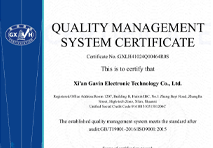
Quality Management System Review
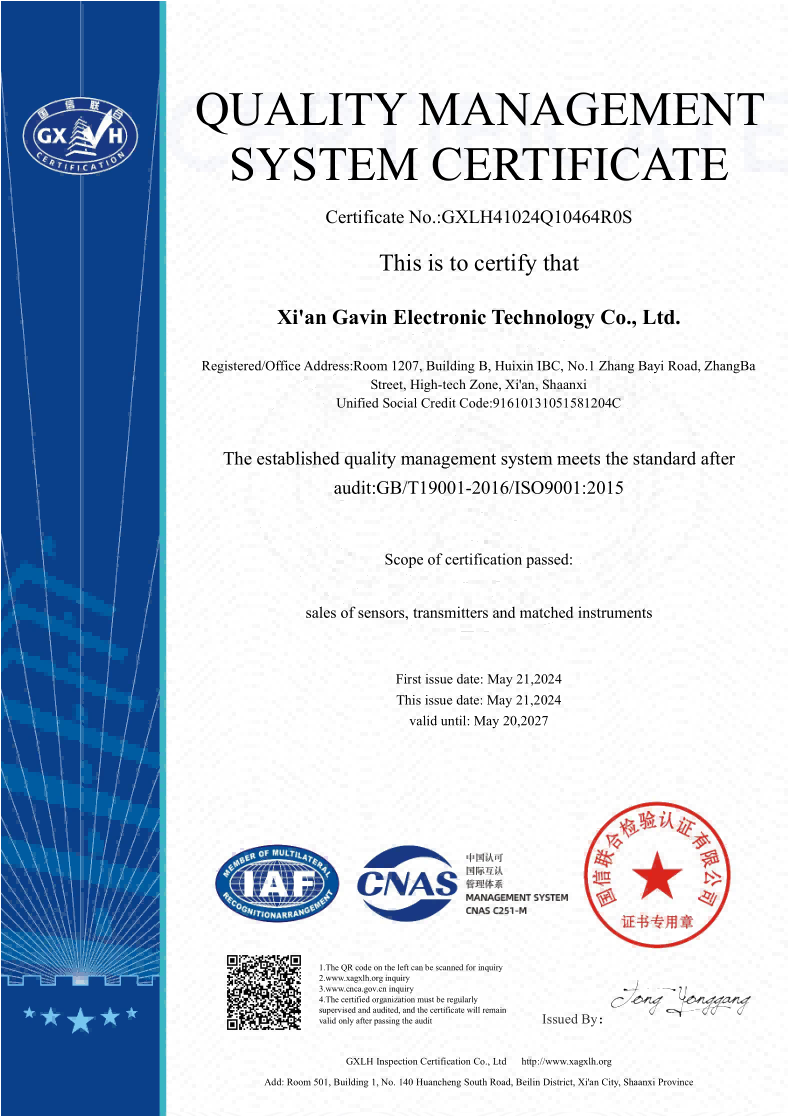
Analyze continuous improvement procedures and quality management systems. Baseline quality assurance is provided by ISO 9001 certification, while specific knowledge is shown by supplementary certifications such as ISO/TS 16949 for automotive applications. Examine quality control methods such as final testing techniques, in-process monitoring, and incoming material inspection. Comprehensive quality processes guarantee constant product performance and lower failure rates.
Essential Certification Standards for International Markets
International Quality Certifications
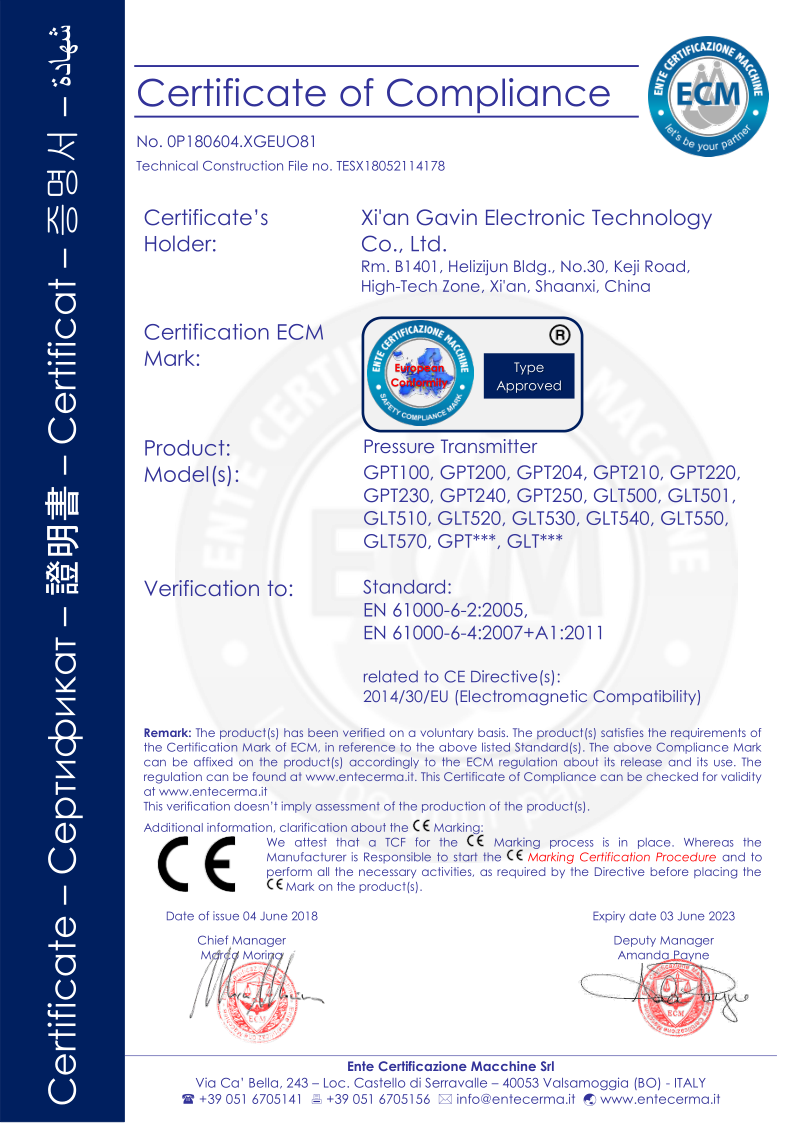
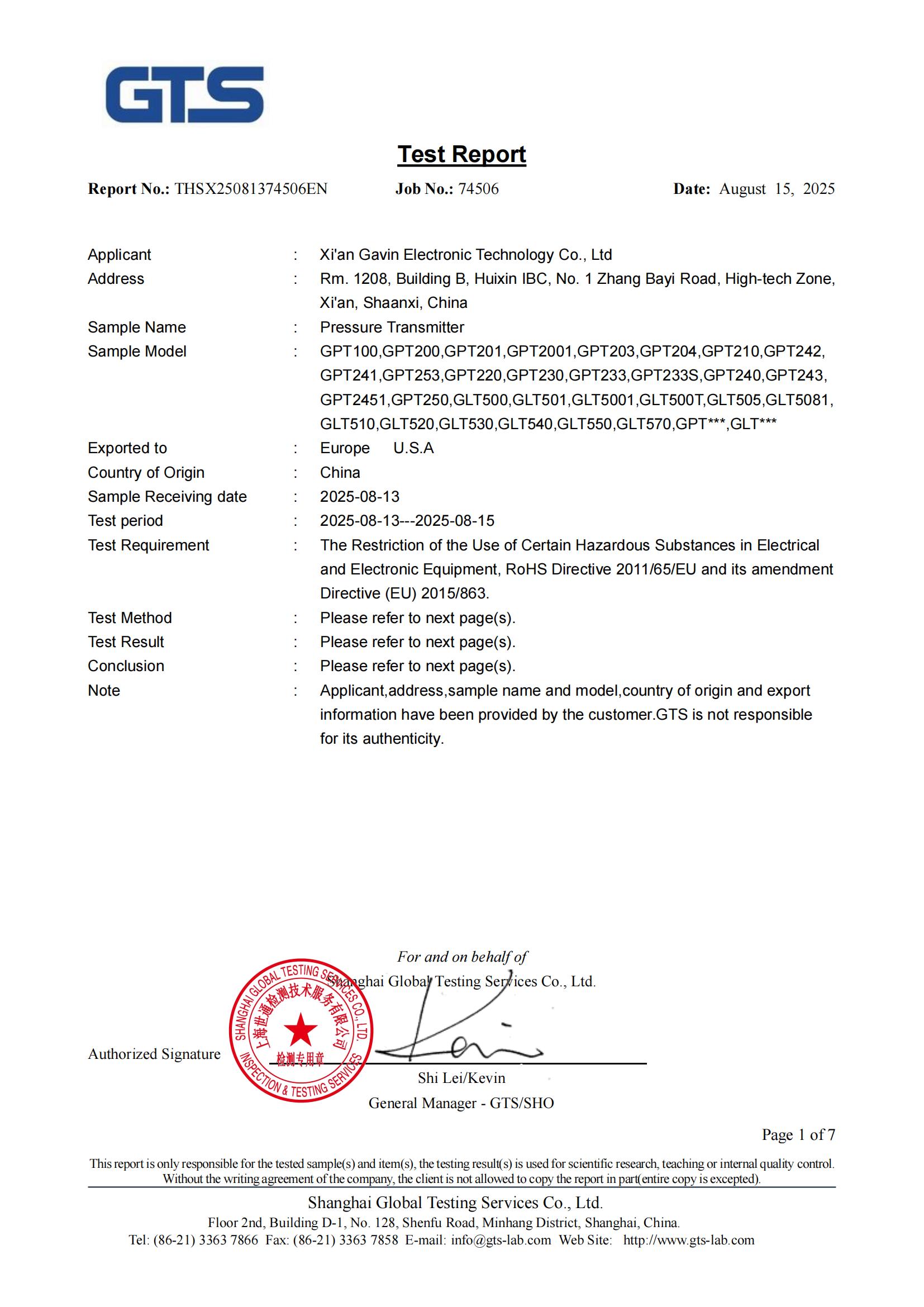
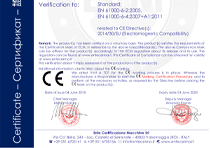
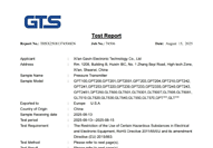
Fuel tank sensor exports to European markets are still required to have the CE marking. This certification permits unfettered market access across EU member states and certifies adherence to European Conformity requirements. Manufacturers are required to keep thorough technical records that back up their CE compliance. RoHS certification guarantees compliance with hazardous material restrictions, which is becoming more and more crucial in markets that care about the environment. Lead, mercury, cadmium, and other dangerous substances are prohibited in electronic components by this certification.
Industry-Specific Standards
ISO/TS 16949 certification, which demonstrates specific automotive quality management systems, is necessary for automotive applications. Supply chain management, product development procedures, and continuous improvement protocols are among the particular needs of the automobile sector that are addressed by this standard.
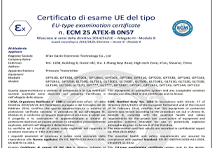
For fuel tank monitoring in potentially explosive settings, ATEX certification becomes crucial. In dangerous areas where combustible fumes may be present, this European standard guarantees sensor safety.
Regional Compliance Requirements
Sensors having wireless communication capability must comply with FCC regulations in North American markets. This certification guards against interference with other electronic systems and guarantees electromagnetic compatibility. In North American markets, UL listing adds credibility, especially for commercial and industrial applications. In addition to meeting safety criteria, UL standards aid in obtaining regulatory and insurance approvals.
Documentation and Traceability
Keep thorough certification records, such as calibration certificates, test reports, and compliance declarations. A seamless customs clearing process and regulatory compliance are shown to end users by appropriate paperwork. Create traceability systems that connect individual sensors to certification certificates and particular manufacturing batches. For regulatory audits and quality inquiries, this traceability becomes essential.
Optimal Sourcing Platforms and Direct Engagement Channels
B2B E-Commerce Platforms
Alibaba continues to be the leading marketplace for bringing together foreign consumers and Chinese producers. The platform facilitates international business transactions by providing trade assurance programs, communication tools, and extensive supplier verification services. With certified supplier networks and industry-specific search features, Global Sources offers more sourcing options. Their supplier verification procedures provide more assurance about the authenticity and competence of manufacturers.
Industry Trade Shows and Exhibitions
Attend important trade events such as Sensor China, the Canton Fair, and specialty exhibits for automotive electronics. These gatherings provide chances for in-person interactions, product presentations, and fostering connections with influential decision-makers. Additionally, trade exhibitions make it possible to compare many suppliers at once, which makes it easier to assess the competing goods and skills.
Direct Manufacturer Engagement
Use industry research to find top producers, then set up direct lines of connection. Compared to distributor agreements, direct involvement often offers lower price, more customization options, and committed support. Make use of industry groups and professional networks to get introductions and recommendations from manufacturers. Personal recommendations often result in more fruitful commercial partnerships.
Professional Sourcing Services
Think about hiring expert sourcing agents or consulting firms that focus on the acquisition of sensors. These services provide existing manufacturing contacts, cultural awareness, and local market expertise. Throughout the procurement process, sourcing experts may negotiate terms, arrange factory inspections, and maintain supplier relationships.
Strategic OEM/ODM Partnership Development
Customization Capabilities Assessment
Assess the degree to which manufacturers may alter the physical dimensions, electrical interfaces, and communication protocols of sensors. Flexibility in tailoring goods to particular application needs is necessary for successful OEM collaborations. Examine the manufacturer's engineering resources devoted to bespoke development and review prior customisation initiatives. Successful project completion and continuous product support are guaranteed by sufficient engineering assistance.
Intellectual Property Protection
Clearly define intellectual property agreements that safeguard application specifics and unique requirements. Throughout the development process, trustworthy manufacturers adhere to IP rights and put in place suitable confidentiality safeguards. To provide bespoke sensor inventions more legal protection, think about registering important designs and specifications in the appropriate jurisdictions.
Development Timeline Management
Create reasonable development schedules that take into account the complexity of the design, the needs for prototyping, and the stages of testing. Timely product releases and market introduction schedules are guaranteed by efficient project management. Establish milestone-based development procedures that include frequent delivery approvals and progress assessments. This strategy keeps the project moving forward and makes it possible to spot any delays early.
Long-term Partnership Planning
Create OEM contracts with features like volume guarantees, stable prices, and, where applicable, exclusivity agreements to foster long-term business partnerships. Sustained company development is a benefit of successful collaborations for both sides. Over the course of the collaboration, make plans for product lifecycle management and technological advancement. Consistent competitiveness and market relevance are guaranteed by periodic technological assessments.
Effective MOQ and Pricing Negotiation Strategies
Volume-Based Pricing Analysis
Establish distinct volume breakpoints for preferred pricing and comprehend price systems depending on order numbers. For bigger quantities, manufacturers usually provide substantial savings, especially for yearly contracts or committed purchases like fuel tank sensors. Examine the overall financial effects, taking into account setup fees, tooling prices, and logistical expenditures. For some applications, greater unit pricing combined with lower minimum quantities might occasionally provide superior overall economics.
Payment Terms Optimization
In order to balance supplier risk management with cash flow needs, negotiate advantageous payment terms. Depending on the strength of the connection and the order values, standard terms often include 30% deposits with the remaining amount due upon shipping. For bigger transactions, take into account letters of credit, which facilitate funding for foreign commerce while offering security to both sides.
Contract Manufacturing Agreements
Create thorough agreements that include performance KPIs, delivery timelines, and quality requirements. In addition to preventing misconceptions, clear contractual provisions provide recourse procedures for performance difficulties. Incorporate clauses that allow for pricing modifications depending on changes in raw materials and currency exchange rates that impact international transactions.
Long-term Supply Partnerships
Create yearly supply agreements that ensure capacity allocation and preferential pricing in return for volume commitments. These collaborations often have planned review periods and price protection measures. Form alliances with provisions for volume escalation and capacity development to handle company expansion.
Leading Supplier Characteristics for 2026 Market Demands
Digital Transformation Capabilities
Modern fuel tank sensor manufacturers embrace digital technologies including IoT connectivity, cloud-based monitoring, and predictive maintenance capabilities. These features become increasingly important for fleet management and industrial monitoring applications. Through remote monitoring, data analytics, and system integration capabilities that go beyond conventional sensor functions, manufacturers investing in digital capabilities provide improved value propositions.
Environmental Sustainability Focus
Prominent firms put environmental management systems into place that target waste reduction, carbon footprint reduction, and sustainable resource procurement. These programs are in line with consumer environmental demands and worldwide sustainability trends. Green manufacturing techniques, such as recyclable packaging and energy-efficient production methods, promote consumer sustainability objectives and show environmental responsibility.
Supply Chain Resilience
The significance of risk management and supply chain resilience is highlighted by recent international events. Prominent firms manage interruption risks by maintaining flexible production capabilities, strategic inventory reserves, and varied supplier networks. In the event of regional interruptions or material shortages, supply availability is guaranteed via geographic diversity and alternate sourcing techniques.
Technology Innovation Leadership
Leading suppliers in the market make large investments in R&D to preserve their technological leadership via collaborations with universities, patent portfolios, and ongoing product innovation. Long-term competitiveness and market relevance are guaranteed by these investments. Improvements in sensor accuracy, technologies for downsizing, and improved environmental resistance to meet the needs of new applications are among the areas of emphasis for innovation.
Conclusion
Selecting the right fuel tank sensor manufacturer in China requires systematic evaluation of technical capabilities, quality systems, and business practices. Competitive price, dependable quality, all-encompassing assistance, and long-term sustainability are all components of successful relationships. For foreign purchasers looking for high-performance sensors with customizable features and prompt service support, the Chinese manufacturing scene presents outstanding potential.
Thorough due investigation, transparent communication, and planned relationship development are key components of efficient supplier selection procedures. Businesses who take the time to properly evaluate their suppliers get the benefits of improved product quality, dependable delivery, and economical procurement options. The rapidly changing sensor technology environment keeps providing creative answers to a wide range of application needs in the industrial, marine, and automotive sectors.
FAQ
Q1: What are the typical lead times for fuel tank sensor production in China?
A: Depending on complexity, bespoke sensor development takes 6–12 weeks, while standard manufacturing lead times for current devices are 2-4 weeks. Adequate inventory management enables manufacturers to hasten production schedule in order to meet urgent demands.
Q2: How do Chinese fuel tank sensor prices compare to other regions?
A: When compared to suppliers in Europe or North America, Chinese manufacturers usually provide 30–50% cost reductions while maintaining similar quality standards. For bulk procurement situations, long-term relationships and volume discounts provide further cost benefits.
Q3: What minimum order quantities should I expect from Chinese manufacturers?
A: The complexity and degree of customisation of the product greatly affect the MOQ requirements. While specialized innovations can need more than 1000 units to justify tooling and setup expenses, standard sensors typically have MOQs of 100–500 units.
Q4: Can Chinese manufacturers provide sensors meeting international automotive standards?
A: A lot of well-known Chinese producers keep their ISO/TS 16949 accreditation and make sensors that satisfy global automotive quality requirements. Appropriate supplier certification guarantees adherence to local laws and particular vehicle specifications.
Q5: What support can I expect for technical issues and after-sales service?
A: Top manufacturers provide thorough technical support, which includes installation instructions, troubleshooting help, and application engineering. Professional manufacturers usually reply to technical questions between 24 to 48 hours, however response times vary.
Partner with GAMICOS for Premium Fuel Tank Sensor Solutions
GAMICOS provides precise gasoline tank sensor systems for international markets by fusing cutting-edge manufacturing capabilities with extensive customisation options. Throughout your procurement process, our skilled technical team offers committed assistance to guarantee the best sensor selection and smooth integration for your particular applications. Contact our technical specialists at info@gamicos.com to discuss your fuel tank sensor requirements and discover how our innovative measurement solutions can enhance your operational efficiency. As a trusted fuel tank sensor supplier, we deliver quality, reliability, and value that exceeds expectations.
References
1. Chen, L. & Wang, M. (2023). "Advanced Sensor Technologies in Chinese Manufacturing: Market Analysis and Future Trends." Journal of Industrial Electronics, 45(3), 123-142.
2. International Sensor Manufacturing Association. (2024). "Global Sensor Market Report: Regional Production Analysis and Quality Standards." ISMA Publications, Beijing.
3. Zhang, H., Liu, P., & Anderson, K. (2023). "Quality Management Systems in Chinese Sensor Manufacturing: Comparative Study of International Standards Implementation." Manufacturing Quality Review, 38(7), 89-108.
4. European Automotive Sensor Consortium. (2024). "Supplier Qualification Guidelines for Automotive Sensor Procurement from Asian Markets." EASC Technical Report 2024-03.
5. Thompson, R. & Li, S. (2023). "Supply Chain Resilience in Global Sensor Manufacturing: Lessons from Recent Market Disruptions." International Trade Journal, 67(4), 234-251.
6. Global Electronics Manufacturing Research Institute. (2024). "Certification Requirements and Compliance Strategies for Sensor Exports: A Comprehensive Guide." GEMRI Publication Series, Volume 12.

Peter
Peter, Senior Sensor Technology Consultant, has 15-year industrial sensor R&D experience. He specializes in the end-to-end development of high-accuracy pressure and level sensors and he firmly believe, precision isn’t just a spec—it’s a promise.
We're here to help — submit your request anytime!
Let us know how we can help solve your pressure level measurement challenge.
_1757930850792.jpg)
Recommended Blog

Submersible Pressure Sensors vs. Level Sensors: Sourcing from China