Diesel Level Sensor for Global Oil & Gas Procurement
Understanding Diesel Level Sensors in the Oil & Gas Industry
- Understanding Diesel Level Sensors in the Oil & Gas Industry
- Selecting the Right Diesel Level Sensor for Global Procurement
- Installation, Maintenance, and Troubleshooting Best Practices
- Business Value and Benefits of Using Diesel Level Sensors
- Comprehensive Guide to Diesel Level Sensor Procurement and Supplier Selection
- Conclusion
- FAQ
- Partner with GAMICOS for Superior Diesel Level Sensor Solutions
- References
A key component of contemporary fuel management systems used in international oil and gas operations is diesel level sensor technology. Organizations may maximize operating efficiency, restrict unwanted access, and precisely monitor fuel supplies with the help of these precision measuring tools. Cutting-edge diesel level sensors provide real-time data that is crucial for strategic decision-making while integrating smoothly with the current infrastructure. Choosing the right fuel level monitoring equipment has a direct influence on supply chain dependability, safety compliance, and operating costs in a variety of global industrial applications.
Understanding Diesel Level Sensors in the Oil & Gas Industry
Diesel level sensors are essential measuring tools used in the oil and gas industry to keep an eye on the amount of fuel in storage tanks, transport trucks, and industrial machinery. These devices serve as the foundation of all-inclusive fuel management systems, guaranteeing operational safety and averting expensive fuel loss and illegal access. Beyond straightforward measurement, the core goal includes inventory optimization, theft prevention, and regulatory compliance in a variety of operational contexts.
Core Technologies and Measurement Principles
In order to provide accurate readings under difficult circumstances, modern fuel level monitoring systems use a variety of technical techniques. Ultrasonic sensors provide non-contact measuring capabilities that are perfect for harsh settings, while float switch mechanisms give dependable contact-based measurement appropriate for simple applications. While resistive sensors provide affordable solutions for routine monitoring needs, capacitive sensors perform well in situations demanding high precision across a range of fuel compositions.
The most recent advancement in wireless monitoring technology is represented by sophisticated Bluetooth-enabled sensors, which allow for remote data collecting and real-time warnings. These wireless solutions seamlessly integrate with current fleet management systems and do away with the need for complicated cabling. The decision between touch and non-contact measuring techniques is influenced by individual operating needs, environmental factors, and application-specific accuracy requirements.
Application Scenarios Across Industrial Operations
Fuel level sensors are widely used in mobile truck tanks where small size and vibration resistance are crucial. Sensors that can handle high capacity readings and retain long-term accuracy under continuous operation are necessary for fixed industrial installations. While subterranean storage facilities need explosion-proof certifications and intrinsically safe designs, marine applications need specialized sensors that are resistant to seawater corrosion and harsh weather conditions.
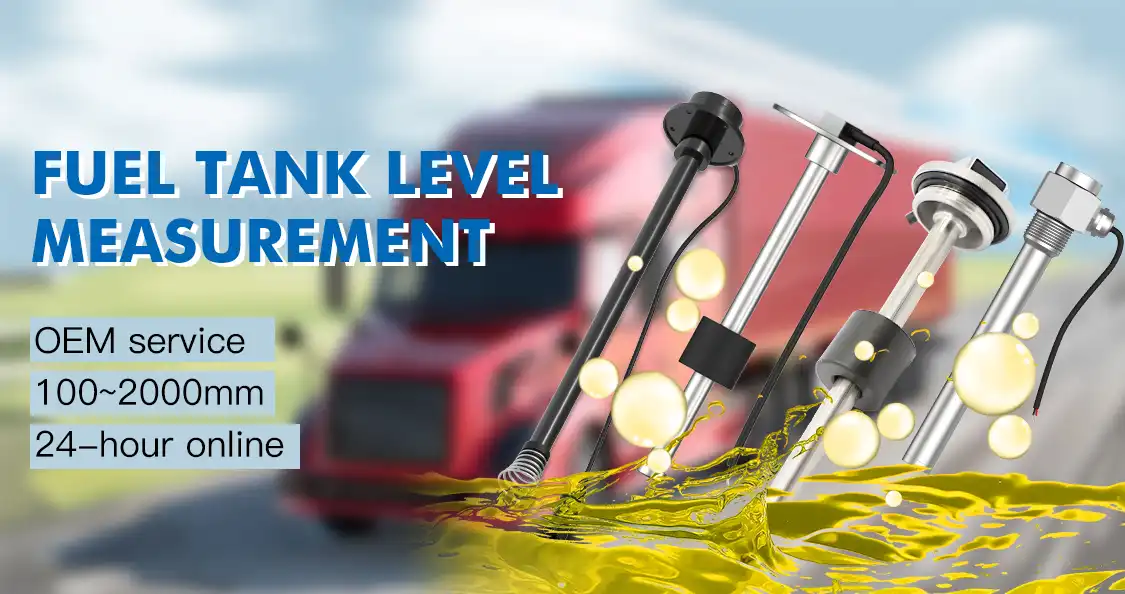
When taking into account changes in fuel composition and the need for measurement precision, it becomes imperative to distinguish between sensors designed specifically for diesel and general-purpose fuel monitoring equipment. In order to preserve measurement accuracy throughout operating temperature ranges, diesel fuel features such as density changes and temperature coefficients call for specific calibration and compensating techniques.
Selecting the Right Diesel Level Sensor for Global Procurement
A thorough assessment of accuracy requirements, environmental durability, and total cost of ownership throughout the course of the equipment lifespan is necessary for selecting the best fuel level monitoring equipment. When considering sensor choices, such as diesel level sensors, procurement managers must consider operating variables such as temperature extremes, vibration exposure, chemical compatibility, and electromagnetic interference possibilities. The decision procedure entails weighing the price of the initial investment against the maintenance needs and long-term operating advantages.
Comparative Analysis of Sensor Technologies
For applications needing little maintenance intervention and corrosive conditions, ultrasonic fuel level sensors provide non-contact measuring capabilities. These devices eliminate the mechanical wear issues that come with contact-based measuring techniques while offering exceptional accuracy across a variety of fuel types. However, applications with high foam formation or sharp temperature swings may cause ultrasonic sensors to function worse.
Silicon piezoresistive technology is used by pressure-based measurement devices, including the GLT5001 liquid diesel level sensor, to provide remarkable precision and stability. To guarantee dependable performance under a variety of operating circumstances, this method combines automated temperature adjustment, programmable digital circuit rectification, and thorough signal conditioning. For demanding industrial applications, the IP68 protection certification and completely welded structure provide exceptional environmental resistance.
Wired sensor designs are perfect for permanent installations with readily available cable infrastructure since they provide dependable data transfer and do not need battery replacement. Bluetooth-enabled versions are especially useful for retrofit applications and mobile equipment monitoring since they provide installation flexibility and lower infrastructure expenses.
Evaluation Criteria for Global Suppliers
Beyond the original product price, supplier assessment takes into account a number of variables, such as technical support skills, delivery dependability, and certificates of production quality. While up-and-coming vendors could provide competitive price and specific customization skills, well-known international manufacturers like Honeywell, Siemens, and VEEDER-ROOT have built reputations for quality and dependability.
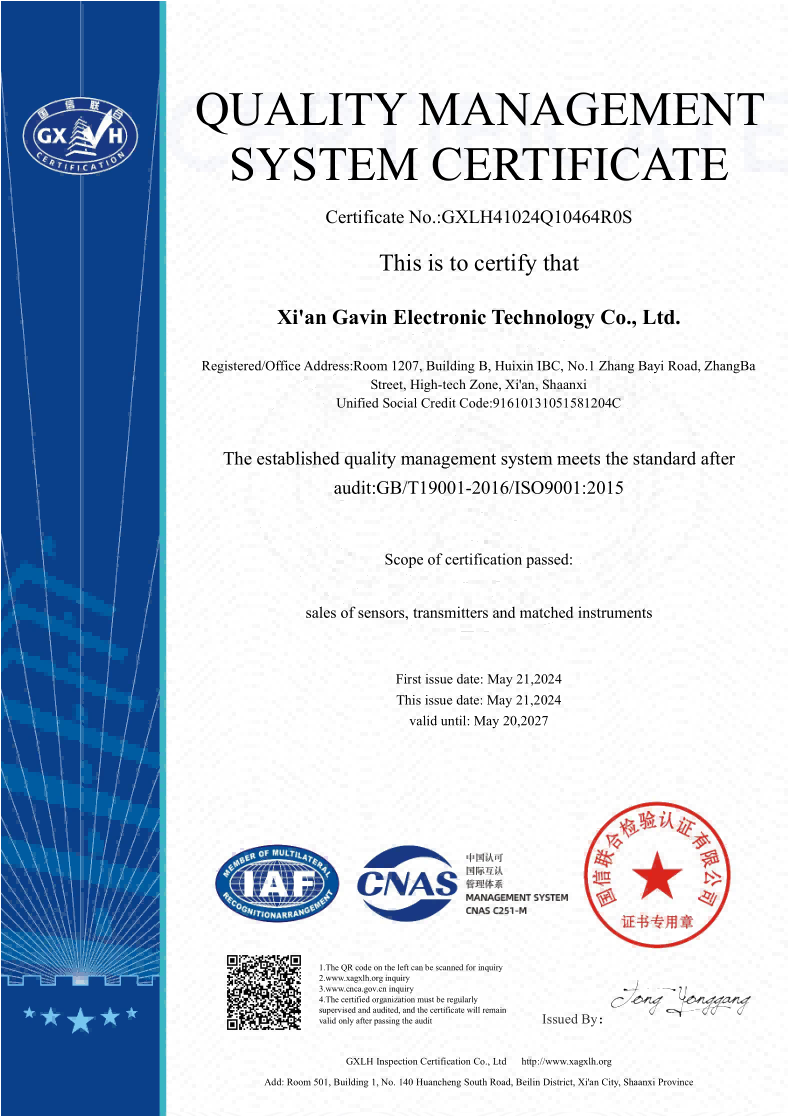
GAMICOS sets itself apart by offering extensive OEM and ODM customisation options that allow for customized solutions that satisfy certain operating needs. The company's vast experience servicing clients in more than 100 countries shows that it is capable of handling a variety of application issues and regulatory requirements. Pressure cycling, aging testing, and environmental simulation are examples of quality assurance procedures that guarantee product dependability satisfies strict industrial requirements.
Installation, Maintenance, and Troubleshooting Best Practices
While reducing unplanned failures and the related downtime expenses, proper installation techniques and methodical maintenance routines optimize sensor accuracy and operational longevity. Tank geometry, mounting accessibility, environmental factors, and integration needs with current monitoring systems must all be considered in pre-installation studies. In oil and gas settings, where incorrect installation might pose serious safety risks, adherence to safety regulations becomes crucial.
Installation Guidelines and Safety Protocols
Comprehensive site assessment, which includes tank layout study, environmental condition assessment, and electrical infrastructure planning, is the first step in the installation process. When choosing a mounting site, one must take maintenance operations' accessibility into account while maintaining the highest level of measurement accuracy and physical damage prevention. During installation and maintenance operations, proper grounding and electrical separation guarantee worker safety and avoid interference problems.
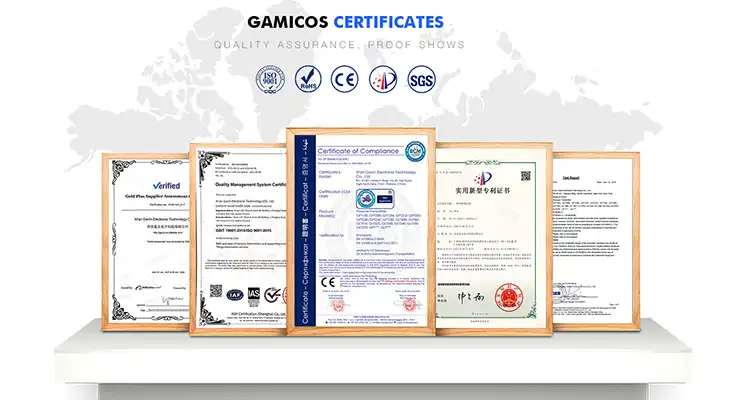
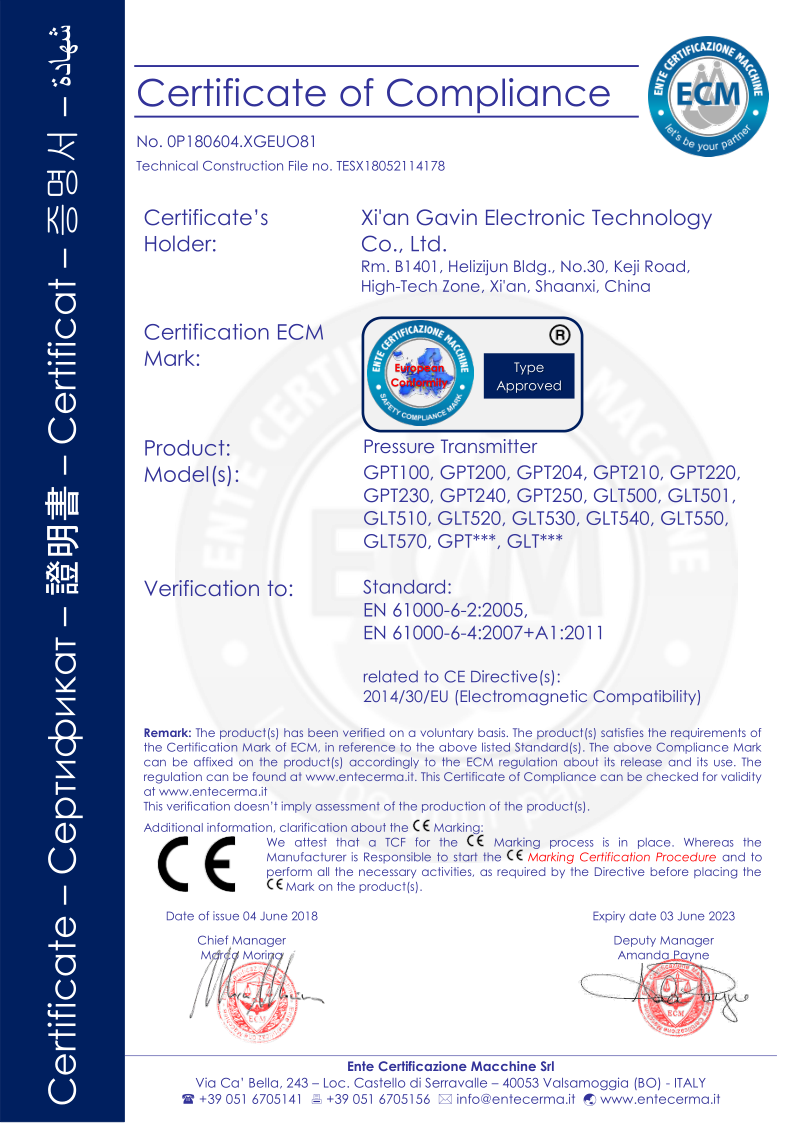
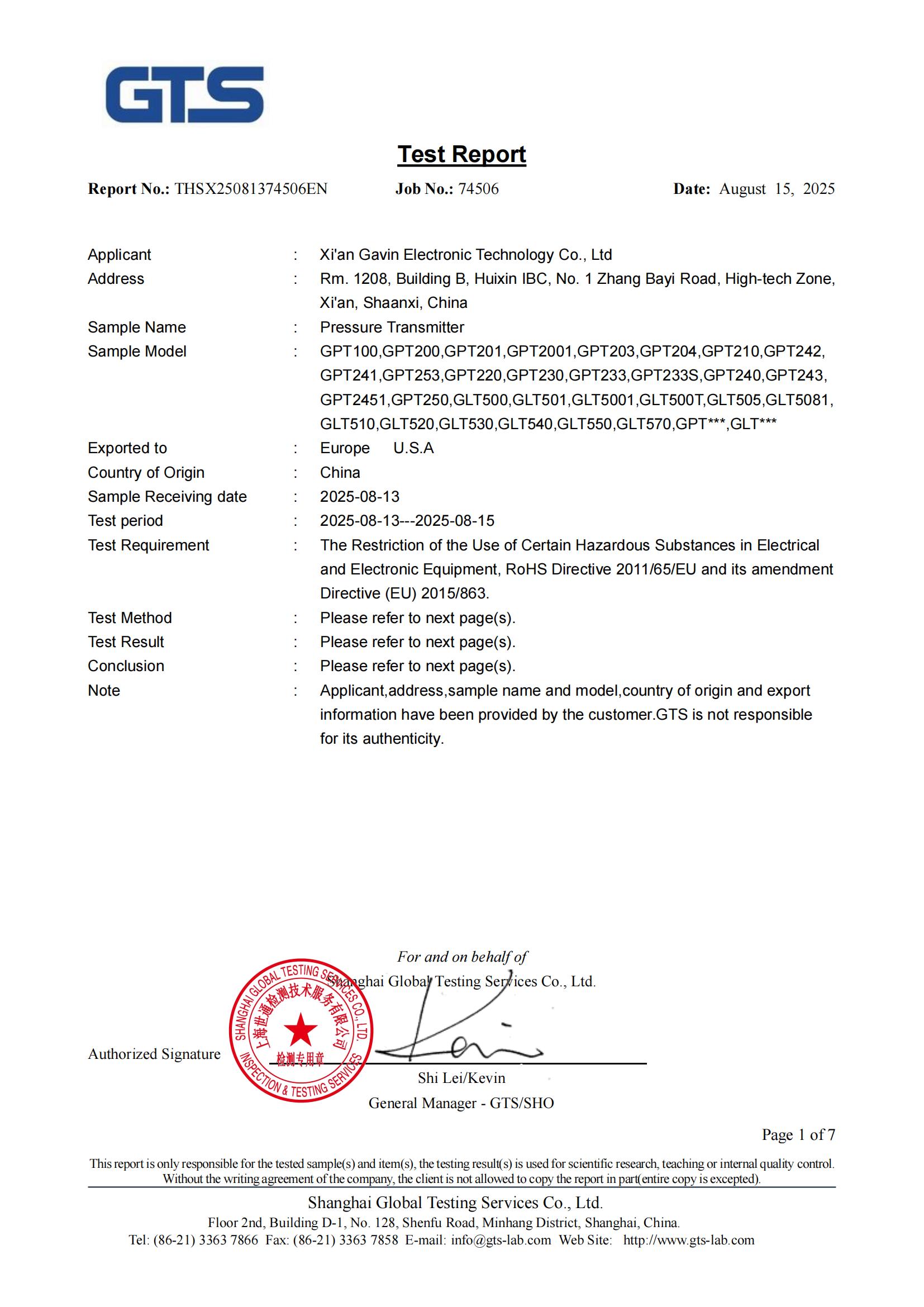
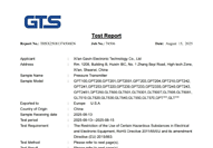
The magnetic suction base design of the GLT5001 sensor makes installation easier for mobile tank applications while offering the anti-vibration properties necessary for installations placed on vehicles. While CE and RoHS compliance enable worldwide deployment across many regulatory jurisdictions, the explosion-proof certification (ATEX) guarantees adherence to safety rules in hazardous areas.
Maintenance Protocols and Performance Optimization
Routine maintenance schedules should include regular cleaning procedures to prevent contamination buildup, calibration verification using certified reference standards, and comprehensive inspection of wiring integrity and signal quality for diesel level sensors. Preventive maintenance intervals depend on environmental conditions and operational demands, with harsh environments requiring more frequent attention to maintain optimal performance.
To guarantee measurement accuracy under all operating situations, calibration processes must take temperature compensation needs and fuel-specific factors into consideration. Automatic temperature adjustment in modern sensors minimizes the need for human calibration while preserving accuracy across a range of environmental circumstances.
Troubleshooting Common Performance Issues
Usually, contaminant buildup, changes in temperature coefficients, or electrical interference influencing measurement circuits cause sensor drift. Electromagnetic interference from adjacent equipment, wiring difficulties, and connection corrosion are common causes of signal loss. Systematic diagnostic techniques aid in identifying the underlying reasons and choosing the best course of action for remediation.
When resolving complicated system integration problems or performance deterioration that goes beyond routine maintenance capabilities, expert technical assistance becomes crucial. To reduce operating interruptions, GAMICOS offers full technical support, including remote diagnostics, on-site help, and replacement component availability.
Business Value and Benefits of Using Diesel Level Sensors
Integration of advanced fuel level monitoring systems delivers substantial operational benefits extending beyond basic inventory tracking to encompass theft prevention, operational efficiency optimization, and strategic decision-making support. Cost savings materialize through reduced fuel loss, optimized inventory levels, and improved maintenance planning capabilities enabled by accurate real-time data collection.
Cost Reduction and Operational Efficiency
Fuel theft prevention capabilities alone often justify investment costs through elimination of unauthorized access and improved accountability across fuel handling operations. Inventory visibility enables optimized procurement timing and reduced carrying costs while preventing costly stockouts that could disrupt operations. Automated monitoring eliminates manual measurement requirements, reducing labor costs and human error potential while improving data accuracy and timeliness.
Operational efficiency improvements result from enhanced maintenance planning capabilities enabled by accurate fuel consumption monitoring and predictive analytics. Fleet management optimization becomes possible through detailed fuel usage analysis, enabling route optimization and equipment performance evaluation. These insights drive strategic decisions regarding equipment replacement, operational procedures, and resource allocation across diverse operational locations.
Technology Innovation and Future Developments
IoT-enabled monitoring systems represent the next evolution in fuel level sensing technology, providing cloud-based data collection, advanced analytics capabilities, and predictive maintenance algorithms. These innovations enable remote monitoring across multiple locations while providing comprehensive dashboard visibility for management decision-making. Integration with existing enterprise resource planning systems streamlines inventory management and automated reordering processes.
Predictive analytics applications utilize historical data patterns to forecast fuel consumption, identify anomalous usage patterns indicating potential theft or equipment problems, and optimize inventory levels across multiple locations. Machine learning algorithms continuously improve prediction accuracy while identifying optimization opportunities that manual analysis might overlook.
Comprehensive Guide to Diesel Level Sensor Procurement and Supplier Selection
Procurement strategies for fuel level monitoring equipment encompass various approaches from bulk wholesale purchasing to highly customized solutions addressing unique operational requirements. Direct manufacturer relationships often provide cost advantages and technical support benefits, while distributor networks offer local support and faster delivery capabilities. Aftermarket suppliers may provide competitive alternatives for replacement applications while maintaining compatibility with existing systems.
Sourcing Channels and Supplier Evaluation
Direct manufacturer engagement enables customization discussions, volume pricing negotiations, and comprehensive technical support relationships essential for complex installations. Distributor partnerships provide local presence and faster response times while often maintaining inventory for common configurations. Each sourcing approach offers distinct advantages depending on order volume, customization requirements, and ongoing support needs.
Supplier reliability evaluation must examine delivery performance history, quality certifications, warranty provisions, and post-sale technical support capabilities. Financial stability and manufacturing capacity assessment ensure suppliers can meet long-term partnership requirements and handle volume fluctuations across business cycles.
GAMICOS Capabilities and Value Proposition
GAMICOS offers comprehensive diesel level sensor solutions including the advanced GLT5001 model specifically engineered for demanding oil and gas applications. The integrated design provides strong interference resistance while multiple output options accommodate diverse system integration requirements. Fully welded construction and IP68 protection rating ensure reliable performance across harsh environmental conditions commonly encountered in industrial applications.
The magnetic suction base configuration addresses mobile tank monitoring requirements while anti-vibration design maintains accuracy under dynamic conditions. Explosion-proof certification (ATEX), CE compliance, and RoHS compliance facilitate global deployment while meeting diverse regulatory requirements. Comprehensive OEM and ODM customization capabilities enable tailored solutions addressing specific operational challenges and integration requirements.
Conclusion
Diesel level sensors represent essential infrastructure for modern oil and gas operations, providing accurate measurement capabilities that enable effective fuel management, theft prevention, and operational optimization. The selection process requires careful consideration of technological approaches, environmental requirements, and supplier capabilities to ensure optimal long-term performance. Advanced sensors like the GLT5001 combine proven piezoresistive technology with robust construction and comprehensive certifications to deliver reliable service across demanding applications. Investment in quality fuel level monitoring equipment provides substantial returns through reduced operational costs, improved efficiency, and enhanced decision-making capabilities essential for competitive advantage in global markets.
FAQ
Q1: What is the typical lifespan of diesel level sensors under industrial conditions?
A: Quality diesel level sensors typically provide 10-15 years of reliable service under normal industrial conditions when properly maintained. The GLT5001 sensor undergoes comprehensive testing including pressure cycling, aging, and environmental simulation to ensure long-term stability. Harsh environments may reduce lifespan, while proper maintenance and calibration can extend operational life significantly.
Q2: How do environmental factors affect sensor accuracy and performance?
A: Temperature variations, humidity, and vibration can impact measurement accuracy if sensors lack proper compensation and protection features. The GLT5001 incorporates automatic temperature compensation and anti-vibration design to maintain accuracy across varying conditions. IP68 protection rating ensures reliable operation in wet environments while explosion-proof certification enables safe operation in hazardous locations.
Q3: Are modern diesel level sensors compatible with existing fleet management systems?
A: Most contemporary sensors offer multiple output options including analog and digital signals compatible with standard fleet management platforms. The GLT5001 provides flexible output configurations enabling integration with diverse monitoring systems. Bluetooth-enabled models facilitate wireless connectivity while traditional wired connections ensure reliable data transmission for permanent installations.
Partner with GAMICOS for Superior Diesel Level Sensor Solutions
GAMICOS delivers industry-leading diesel level sensor technology backed by comprehensive customization capabilities and global logistics support. Our GLT5001 sensor represents advanced piezoresistive technology combined with robust construction and extensive certifications essential for demanding oil and gas applications. Contact our technical team at info@gamicos.com to discuss your specific requirements and discover how our diesel level sensor manufacturer expertise can optimize your fuel management operations through superior accuracy, reliability, and comprehensive support services.
References
1. International Association of Oil & Gas Producers. "Guidelines for Fuel Management Systems in Industrial Operations." Technical Report Series, 2023.
2. American Petroleum Institute. "Recommended Practices for Fuel Level Monitoring in Storage Tank Systems." API Standard 2350, 2023.
3. Society of Petroleum Engineers. "Advanced Sensor Technologies for Hydrocarbon Measurement Applications." Journal of Petroleum Technology, Vol. 75, 2023.
4. International Electrotechnical Commission. "Industrial Process Measurement and Control Equipment - General Requirements for Fuel Level Sensors." IEC Standard 61298, 2022.
5. World Oil & Gas Council. "Digital Transformation in Fuel Management: Sensor Technology Trends and Applications." Industry White Paper, 2023.
6. Energy Information Administration. "Global Fuel Management Best Practices: Technology Assessment and Implementation Guidelines." Technical Bulletin EIA-2023-FMS, 2023.

Halen
With over 12 years of experience in fluid sensing technology, Halen specializes in helping clients select and optimize oil level sensors for a wide range of industries—including automotive, marine, heavy machinery, and energy.
We're here to help — submit your request anytime!
Let us know how we can help solve your pressure level measurement challenge.
_1757930850792.jpg)
Recommended Blog