Diesel Level Sensor for Oil Storage Tank Monitoring
Understanding Diesel Level Sensors: Types, Working Principles, and Benefits
- Understanding Diesel Level Sensors: Types, Working Principles, and Benefits
- Installation and Calibration: Ensuring Accuracy and Reliability
- Comparing Diesel Level Sensors: Making Informed Procurement Decisions
- Integrating Diesel Level Sensors Into Your Supply Chain: Procurement and Vendor Selection
- GAMICOS: Advanced Diesel Level Sensor Solutions and Services
- Conclusion
- FAQ
- Partner with GAMICOS for Reliable Diesel Level Sensor Solutions
- References
Diesel level sensors for oil storage tank monitoring are a crucial piece of instrumentation equipment that provides accurate fuel measurement and inventory management across industrial operations. These sophisticated gadgets provide real-time data that aids cost optimization, operational efficiency, and regulatory compliance by continually monitoring diesel fuel levels inside storage tanks using cutting-edge sensing technology. For petroleum firms, chemical manufacturers, and energy organizations looking to manage precise fuel stocks while reducing operational risks and environmental issues, the integration of dependable diesel level sensor systems has become crucial.
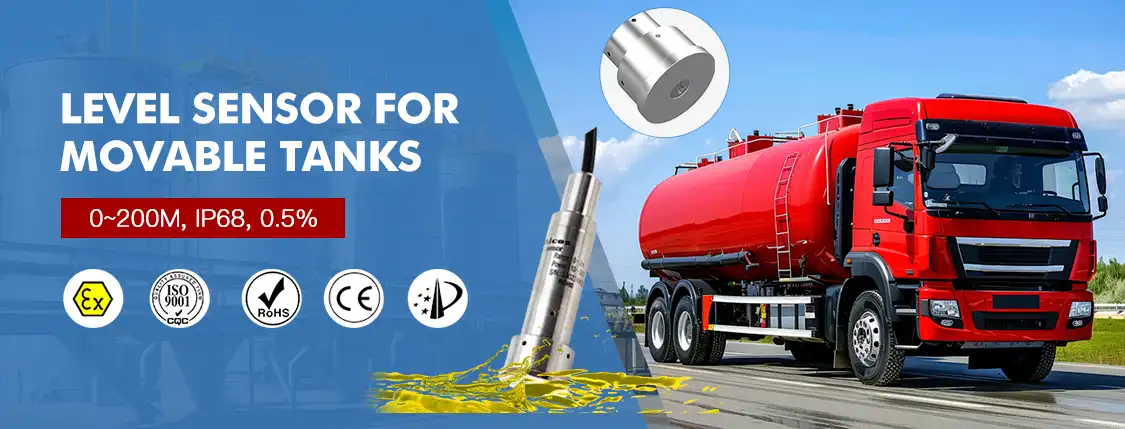
Understanding Diesel Level Sensors: Types, Working Principles, and Benefits
Different sensor technologies are used in modern fuel level monitoring systems to accommodate a range of industrial needs and environmental circumstances. Procurement experts may choose the best solutions that fit certain operating requirements and tank layouts by having a solid understanding of the basic concepts behind these measuring devices.
Core Technologies and Operating Principles
The market for gasoline level sensors is dominated by three main technologies: pressure-based measuring systems, capacitive sensors, and ultrasonic sensors. In order to determine the fuel level depending on the distance traveled, ultrasonic sensors send sound waves downward from the top of the tank and measure the time it takes for the echo to return. Because it avoids direct fuel contact and offers exceptional precision, this non-contact measuring method is appropriate for hazardous settings.
As fuel levels vary, capacitive sensors measure the dielectric constant changes between sensor electrodes. These instruments have remarkable accuracy and are able to differentiate between various fuel kinds according to their distinct dielectric characteristics. The technique works especially well for applications that need high-resolution measurements and ongoing monitoring.
Silicon piezoresistive pressure sensors are used by pressure-based systems, such as the sophisticated GLT5001 liquid diesel level sensor, to determine fuel levels based on hydrostatic pressure readings. To guarantee constant accuracy in a range of environmental circumstances, this technology combines programmable digital circuit rectification and automated temperature adjustment. In particular, the GLT5001 exhibits exceptional adaptability in a variety of operating circumstances by offering both standard models for traditional applications and magnetic suction base variations for mobile tank monitoring.
Key Benefits and Operational Advantages
Significant operational advantages that have a direct influence on industrial profitability and efficiency are provided by the deployment of sophisticated fuel monitoring systems. These benefits go beyond basic level monitoring to include all-encompassing fuel management capabilities that facilitate operational optimization and strategic decision-making.
The main advantage of professional-grade fuel level sensors is increased inventory accuracy. Facility managers can minimize hauling expenses and emergency procurement scenarios while maintaining ideal fuel stockpiles thanks to precise measuring capabilities. The automatic reordering systems and expensive stockouts that can interfere with production schedules are supported by the real-time monitoring features.
Other important advantages that safeguard priceless fuel assets include preventing theft and improving security. Continuous monitoring systems provide quick reaction to any security breaches by detecting unlawful fuel withdrawal and sending out instant notifications. Facilities that store large amounts of gasoline in distant areas where physical security monitoring could be difficult will find this capacity particularly useful.
Support for regulatory compliance guarantees that businesses adhere to safety and environmental regulations while keeping thorough records for auditing reasons. In order to meet regulatory reporting obligations and prove adherence to environmental protection standards, advanced sensor systems provide historical data recording capabilities.
Installation and Calibration: Ensuring Accuracy and Reliability
Reliable fuel level monitoring systems that provide constant performance over long operating periods are built on a foundation of proper installation and calibration techniques. To obtain the best measurement accuracy, these crucial procedures need close attention to technical requirements and environmental factors.
Installation Best Practices and Procedures
To establish the best sensor location and mounting requirements, a thorough site evaluation and tank layout study are the first steps in the installation procedure. To choose the right installation hardware and safety precautions, it is necessary to consider the fuel type, tank material composition, and environmental factors.
Because of its completely welded construction and IP68 protection grade, the GLT5001 diesel level sensor provides a variety of installation choices, guaranteeing dependable performance in demanding industrial settings. For transportable applications, the magnetic suction base variant offers easy installation while preserving anti-vibration design features that guard against measurement inaccuracies brought on by mechanical disruptions.
To avoid electromagnetic interference and preserve signal integrity, proper cable routing and electrical connections must be carefully considered. Even in electrically loud industrial settings where several electrical systems are operating concurrently, the sensor's integrated architecture and robust interference resistance qualities enable dependable operation.
Calibration Protocols and Maintenance Requirements
By comparing sensor output signals with established fuel level benchmarks, calibration techniques determine measurement accuracy. The programmable digital circuit correction features of the GLT5001 allow for accurate calibration modifications to meet particular fuel properties and tank geometries.
Throughout the sensor's operating life, continuous measurement accuracy is ensured by routine calibration verification. According to industry best practices, essential applications should undergo quarterly calibration examinations, whereas ordinary monitoring applications should undergo yearly thorough calibration. These methods aid in spotting any drift or deterioration before serious accuracy issues arise.
Visual examination of sensor mounting hardware, cable integrity testing, and electrical connection evaluation are examples of preventive maintenance procedures. Advanced sensors like the GLT5001 have sturdy construction and environmental protection features that reduce maintenance needs and provide dependable long-term operation.
Comparing Diesel Level Sensors: Making Informed Procurement Decisions
To choose gasoline level sensors that maximize performance while adhering to operational and financial restrictions, procurement specialists need to do thorough comparison study. Making strategic buying choices that promote long-term operational success requires an understanding of the technical distinctions between sensor technologies and manufacturer capabilities.
Technology Comparison and Selection Criteria
Applications needing non-contact measurement and low maintenance needs are ideal for ultrasonic sensors. Although these instruments provide outstanding precision for clean fuel applications, they may not function as well in settings with high vapor concentrations or sharp temperature swings. When great accuracy is not essential, the technique provides excellent cost-effectiveness for routine monitoring applications.
Superior accuracy is provided by capacitive sensors, which can also detect water contamination and other difficult fuel conditions. However, compared to other technologies, these devices may be more expensive initially and usually involve more complicated installation processes. For applications requiring outstanding precision and contaminant monitoring capabilities, the investment is justifiable.
Pressure-based sensors, such as the GLT5001, provide a great value proposition and reliable performance in a variety of environmental circumstances. The silicon piezoresistive technology is appropriate for demanding industrial applications because it provides reliable precision with automated temperature correction. The versatility of system integration is increased by the availability of many output alternatives, including conventional analog and digital outputs.
Manufacturer Evaluation and Market Analysis
Prominent sensor producers like Siemens and Honeywell, as well as niche businesses like GAMICOS, provide clear benefits in terms of product features, personalization choices, and support services. Siemens has strong engineering and system integration skills, whereas Honeywell offers complete industrial automation systems with substantial certification support.
GAMICOS sets itself apart by concentrating on liquid level and pressure measuring systems and providing tailored products that satisfy certain application needs. Product dependability and long-term performance stability are guaranteed by the company's extensive testing procedures, which include pressure cycling, aging, and environmental simulation.
Integrating Diesel Level Sensors Into Your Supply Chain: Procurement and Vendor Selection
Successful sensor integration requires careful vendor evaluation and supply chain planning to ensure reliable product delivery and ongoing support throughout the sensor lifecycle. Strategic supplier relationships enable access to customized solutions, including the diesel level sensor, and responsive technical support that optimize operational performance.
Supplier Evaluation and Selection Criteria
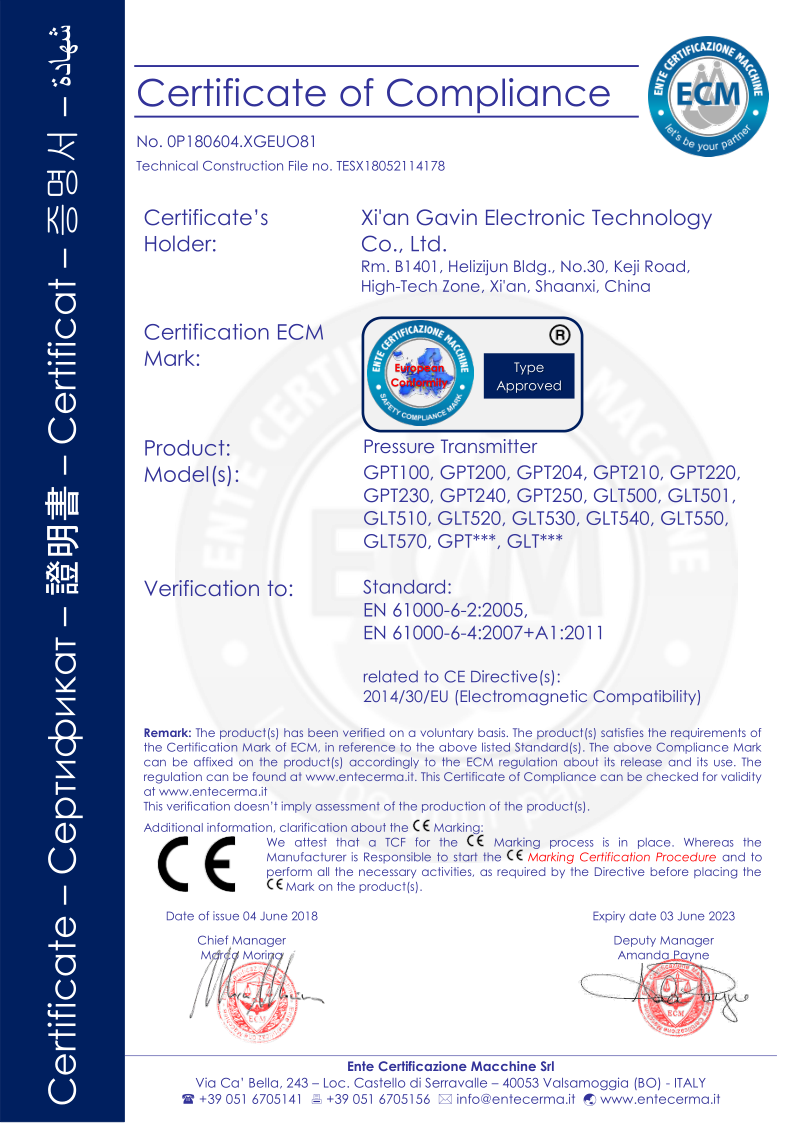
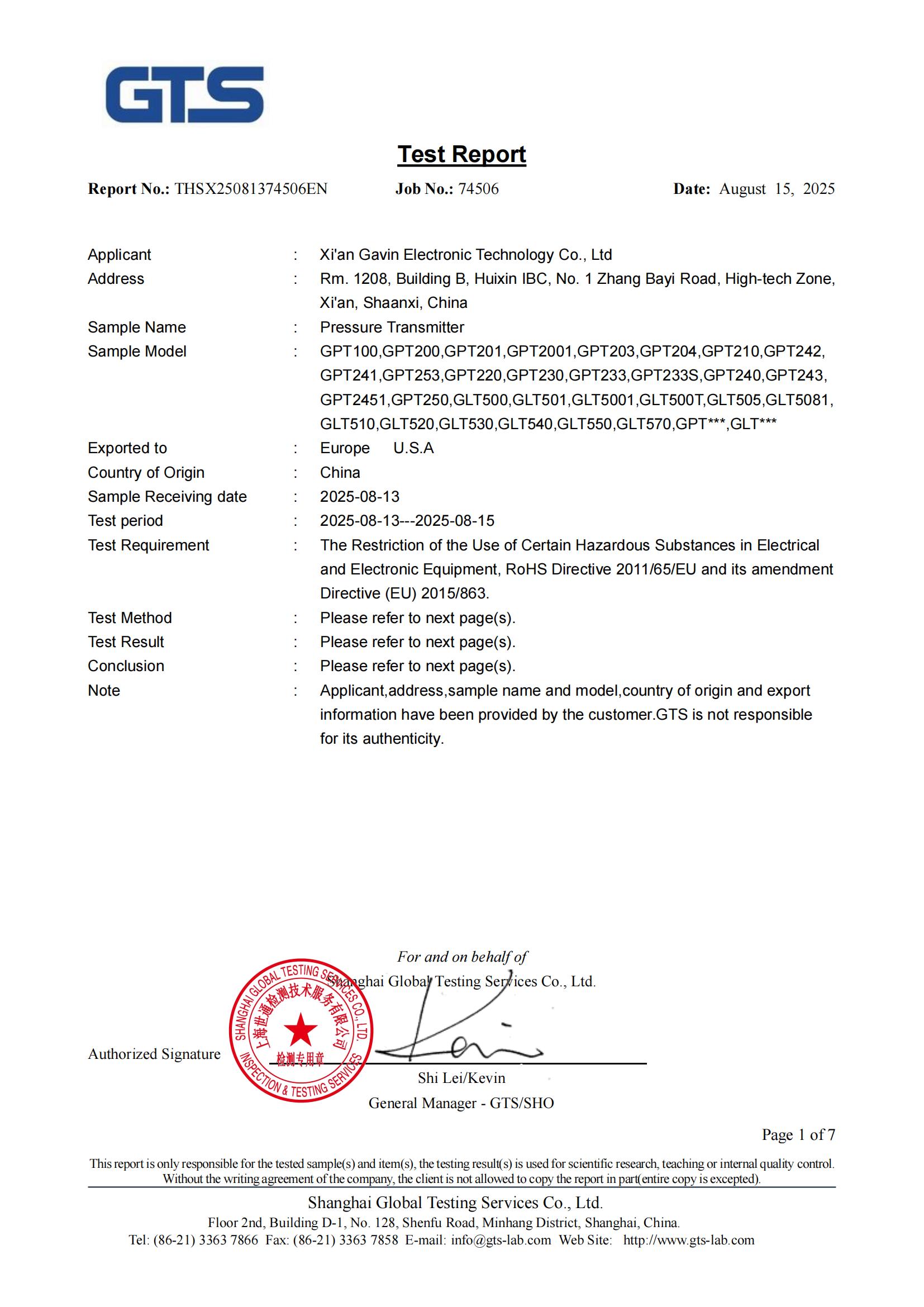
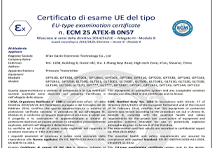
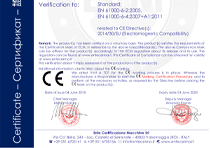
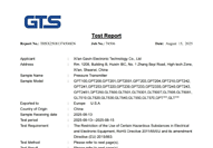
Vendor assessment should encompass product quality certifications, manufacturing capabilities, and customer support infrastructure to ensure reliable long-term partnerships. International certifications including ATEX explosion-proof ratings, CE compliance, and RoHS environmental standards indicate manufacturer commitment to quality and regulatory compliance.
Manufacturing capacity and delivery capabilities become critical factors for projects requiring significant sensor quantities or tight delivery schedules. Suppliers with established global distribution networks and flexible production capabilities can accommodate varying demand patterns while maintaining consistent quality standards.
Technical support capabilities including application engineering assistance, installation guidance, and troubleshooting support significantly impact project success and operational efficiency. Vendors offering comprehensive support services help minimize implementation risks and optimize sensor performance throughout the operational lifecycle.
OEM Partnership Benefits and Customization Options
OEM partnerships enable access to customized sensor solutions that meet specific application requirements while potentially reducing total cost of ownership. These relationships support product modifications including specialized communication protocols, custom mounting configurations, and application-specific calibration procedures.
The GLT5001 sensor demonstrates customization capabilities through its availability in general measurement and magnetic suction base configurations, illustrating how manufacturers can adapt standard products to meet diverse application needs. Such flexibility enables procurement professionals to specify sensors that optimize performance for specific tank designs and operational conditions.
GAMICOS: Advanced Diesel Level Sensor Solutions and Services
GAMICOS represents a leading high-tech brand specializing in comprehensive liquid level and pressure measurement solutions that serve global industrial markets across more than 100 countries and regions. The company's integrated approach encompassing research, development, production, and sales enables delivery of innovative sensor technologies that address evolving market demands and technical challenges.
Product Portfolio and Technical Capabilities
The company's extensive product lineup includes pressure sensors, liquid level sensors, fuel and water level meters, ultrasonic and radar level meters, plus advanced wireless measuring instruments utilizing LoRa, GPRS, NB-IoT, and 4G communication technologies. This comprehensive portfolio enables customers to source complete measurement solutions from a single supplier while ensuring compatibility and integration benefits.
The GLT5001 liquid diesel level sensor exemplifies GAMICOS's commitment to application-specific product development based on market research and customer feedback. The sensor's silicon piezoresistive pressure sensor core, automatic temperature compensation, and programmable digital circuit correction demonstrate advanced technical capabilities that ensure reliable performance across challenging industrial environments.
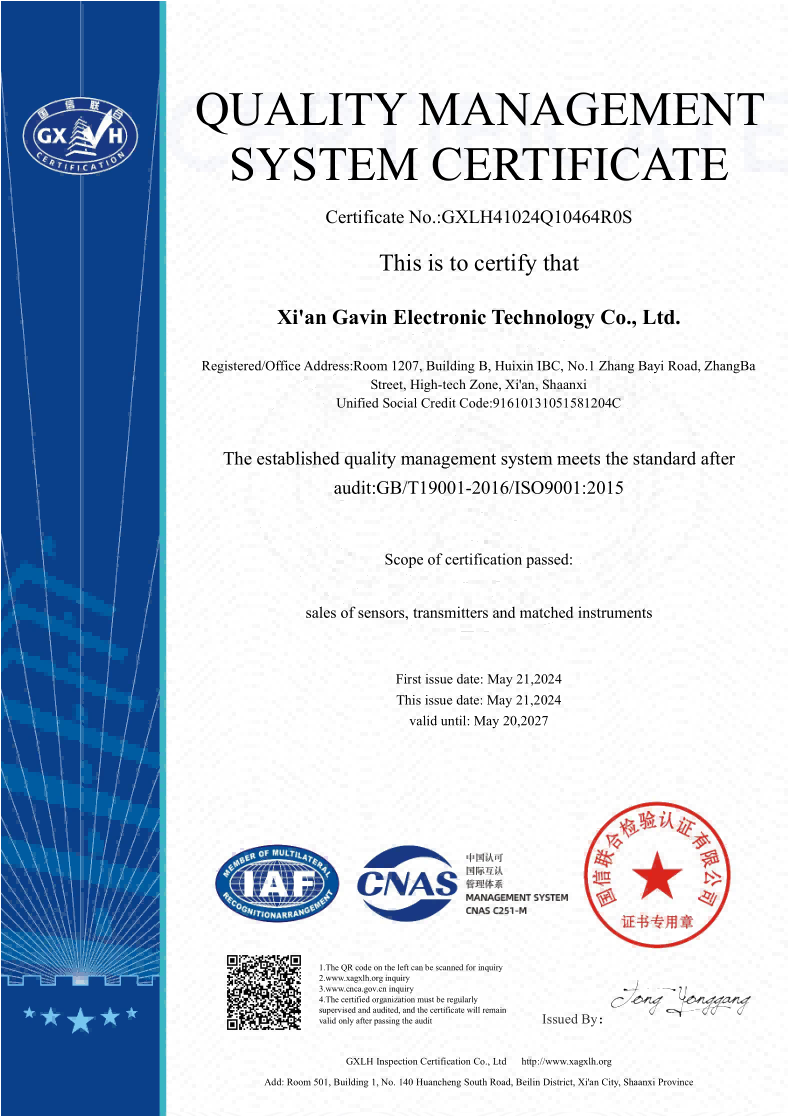
Quality assurance protocols including pressure cycling, aging, and environmental simulation testing ensure product reliability and longevity. The comprehensive certification portfolio featuring explosion-proof ATEX ratings, CE compliance, and RoHS environmental standards demonstrates commitment to international quality and safety standards.
Customization Services and Global Support
GAMICOS provides professional OEM and ODM services with complete customization capabilities encompassing models, parameters, packaging, and documentation to meet specific customer requirements. This flexibility enables procurement professionals to specify sensors that optimize performance for unique applications while maintaining cost effectiveness.
The company's dedicated R&D department, supported by highly skilled engineers and multiple patents, ensures continuous technological innovation and product development. Strong cooperation with research institutes enables transformation of scientific achievements into practical productivity improvements that benefit global customers.
Comprehensive customer support includes professional technical assistance for product selection, installation, commissioning, and usage optimization to maximize sensor performance. The customer-oriented approach focuses on understanding specific application needs and challenges to deliver personalized products and solutions that address real-world operational requirements.
Conclusion
Diesel level sensors for oil storage tank monitoring have evolved into sophisticated measurement systems that support critical industrial operations across petroleum, chemical, and energy sectors. The selection of appropriate sensor technology requires careful consideration of application requirements, environmental conditions, and long-term operational goals to optimize performance and cost effectiveness. Advanced products like the GLT5001 demonstrate how modern sensor designs can address diverse monitoring challenges while providing exceptional reliability and accuracy. Successful implementation depends on partnering with experienced suppliers who offer comprehensive product portfolios, customization capabilities, and ongoing technical support to ensure optimal system performance throughout the operational lifecycle.
FAQ
Q1: What factors should I consider when selecting a diesel level sensor for large storage tanks?
A: Tank size, fuel type characteristics, environmental conditions, and required measurement accuracy represent the primary selection criteria for large storage tank applications. The sensor technology should accommodate the specific tank geometry while providing reliable operation under expected temperature and pressure variations. Communication requirements and system integration capabilities also influence sensor selection decisions.
Q2: How often should diesel level sensors be calibrated and maintained?
A: Regular calibration verification every three to six months ensures continued measurement accuracy, while annual comprehensive calibration provides optimal performance assurance. Maintenance requirements vary based on environmental conditions and application demands, but quarterly visual inspections and annual comprehensive maintenance typically suffice for most industrial applications.
Q3: Can diesel level sensors integrate with existing fuel management systems?
A: Modern sensors like the GLT5001 offer multiple output options including standard analog and digital signals that facilitate integration with existing control systems. Many devices support common communication protocols and provide flexible configuration options to accommodate various system architectures and monitoring requirements.
Partner with GAMICOS for Reliable Diesel Level Sensor Solutions
GAMICOS stands ready to support your fuel monitoring requirements with advanced diesel level sensor technologies designed for demanding industrial applications. Our comprehensive product portfolio, customization capabilities, and global support network ensure optimal solutions for oil storage tank monitoring projects of any scale. Contact our technical team at info@gamicos.com to discuss your specific requirements and receive personalized recommendations from our experienced diesel level sensor manufacturer.
References
1. Industrial Automation and Control Systems: Liquid Level Measurement Technologies for Petroleum Storage Applications. Journal of Process Control Engineering, 2023.
2. Fuel Storage Tank Monitoring: Best Practices for Diesel Level Measurement in Industrial Facilities. International Association of Oil and Gas Producers Technical Guidelines, 2022.
3. Comparative Analysis of Level Sensor Technologies for Hazardous Liquid Applications. IEEE Transactions on Industrial Electronics, 2023.
4. Regulatory Compliance and Safety Standards for Fuel Storage Monitoring Systems. American Petroleum Institute Standards Manual, 2022.
5. Economic Benefits of Automated Fuel Level Monitoring in Industrial Operations. Energy Management International Quarterly, 2023.
6. Technical Specifications and Performance Standards for Diesel Storage Tank Level Sensors. International Electrotechnical Commission Standards Publication, 2022.

Ivy
Ivy, product consultant, has focused on sensor consultation for ten years, is proficient in providing pressure and level measurement solutions for customers.
We're here to help — submit your request anytime!
Let us know how we can help solve your pressure level measurement challenge.
_1757930850792.jpg)
Recommended Blog