Industrial Magnetostrictive Level Transmitter Supplier in Asia
China's Manufacturing Excellence in Level Measurement Technology
- China's Manufacturing Excellence in Level Measurement Technology
- Strategic Approaches to Identifying Reliable Manufacturers
- Essential Certification Requirements and Standards Compliance
- Effective Sourcing Channels and Platform Strategies
- OEM and ODM Partnership Considerations
- Pricing Negotiation Strategies and MOQ Optimization
- Quality Control and Factory Audit Best Practices
- Leading Supplier Characteristics for 2026
- Conclusion
- FAQ
- Partner with GAMICOS for Premium Magnetostrictive Level Transmitter Solutions
- References
China is a top choice for superior measuring solutions when looking for an industrial magnetostrictive level transmitter supplier in Asia. With their cutting-edge technology, affordable prices, and extensive customization options, Chinese manufacturers have completely transformed the magnetostrictive level transmitter market. The nation is a perfect sourcing location for international procurement managers looking for dependable liquid level measuring systems because of its strong manufacturing environment, which supports anything from small-scale OEM projects to massive industrial automation installations.
The market for magnetostrictive level transmitters in Asia has grown remarkably due to rising needs for industrial automation in the energy, chemical, pharmaceutical, and petroleum industries. With firms like GAMICOS spearheading technical innovation in sensor research and production, China's manufacturing capabilities have undergone a tremendous transformation. For your particular measuring needs, this thorough book examines strategic methods for finding, assessing, and collaborating with the best Chinese manufacturers.
China's Manufacturing Excellence in Level Measurement Technology
Advanced Production Capabilities and Innovation
Chinese producers have made significant investments in the advancement of magnetostriction technology, building advanced manufacturing facilities that can provide sensors with high levels of accuracy. Complex sensor assemblies, such as multi-float setups, signal processing electronics, and magnetostrictive waveguide manufacture, are supported by the nation's industrial infrastructure. Automated calibration systems are used in modern facilities to maintain stringent quality requirements and guarantee constant accuracy across high production volumes.
Chinese manufacturers are now at the forefront of smart sensor development thanks to the incorporation of IoT technologies and wireless communication protocols. Businesses create sophisticated signal processing algorithms that lower ambient interference and improve measurement stability. Modern industrial automation systems need real-time monitoring capabilities, which are made possible by this technical innovation.
Research and Development Strengths
Manufacturers and research organizations work together extensively, demonstrating China's dedication to sensor technology advancement. Development teams concentrate on increasing corrosion resistance for hostile chemical environments, extending working ranges, and boosting measurement accuracy. Patent portfolios show substantial advancements in the design and production of magnetostrictive sensors.
Specific industrial difficulties, such as compatibility with volatile chemicals, operation at severe temperatures, and multi-interface detection capabilities, are addressed by ongoing innovation initiatives. International clients looking for sophisticated measuring solutions for intricate industrial applications immediately benefit from these advancements.
Strategic Approaches to Identifying Reliable Manufacturers
Comprehensive Technical Evaluation Methods
A methodical evaluation of the technical prowess and product specs of possible manufacturers is necessary. Ask for comprehensive documentation on the working range, resolution capabilities, and sensor accuracy of Magnetostrictive Level Transmitters. Analyze the manufacturer's capability for simultaneous interface detection and numerous float configurations, which is essential for applications involving storage tanks and chemical reactors.
Examining calibration protocols, drift characteristics, and long-term stability performance should all be part of the technical examination. Manufacturers must to provide thorough technical data sheets that include information on chemical compatibility, pressure ratings, and temperature coefficients. This paperwork helps in determining if their goods satisfy the demands of your particular application.
Production Capacity and Scalability Assessment
Evaluating manufacturing capacity requires knowledge about lead times, production quantities, and possibilities for scaling. Reputable vendors show flexibility in accommodating different order sizes while maintaining adequate inventory levels. Examine their capacity to manage bespoke sensor setups and conventional goods without sacrificing delivery dates.
For large-scale projects and OEM agreements, production scalability becomes more crucial. For essential components like magnetostrictive materials and electronic assemblies, manufacturers should exhibit consistent quality control across various production volumes and maintain dependable supply chain management.
Supply Chain Reliability and Logistics
Reliable delivery dates and constant component availability are guaranteed by effective supply chain management. Examine the producers' connections with raw material sources, especially for corrosion-resistant probe materials and specialty magnetostrictive materials. It is easier to anticipate possible supply interruptions and delivery delays when one is aware of their inventory management procedures.
Project schedules and overall procurement costs are greatly impacted by logistics capability. Manufacturers that have well-established international shipping relationships and follow appropriate export paperwork protocols simplify the procurement process and lessen the difficulties associated with customs clearance.
Essential Certification Requirements and Standards Compliance
International Quality Standards
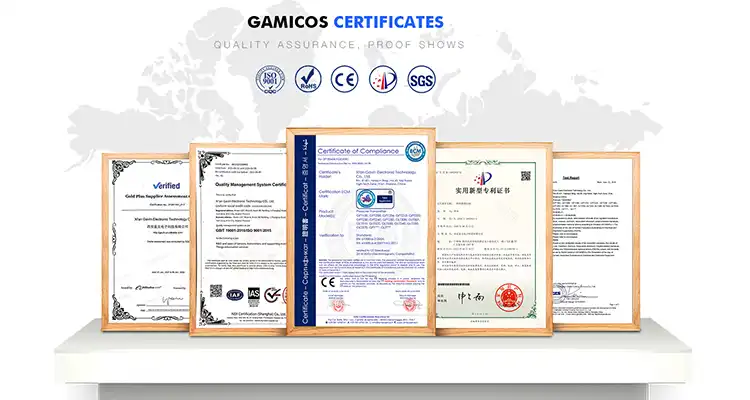
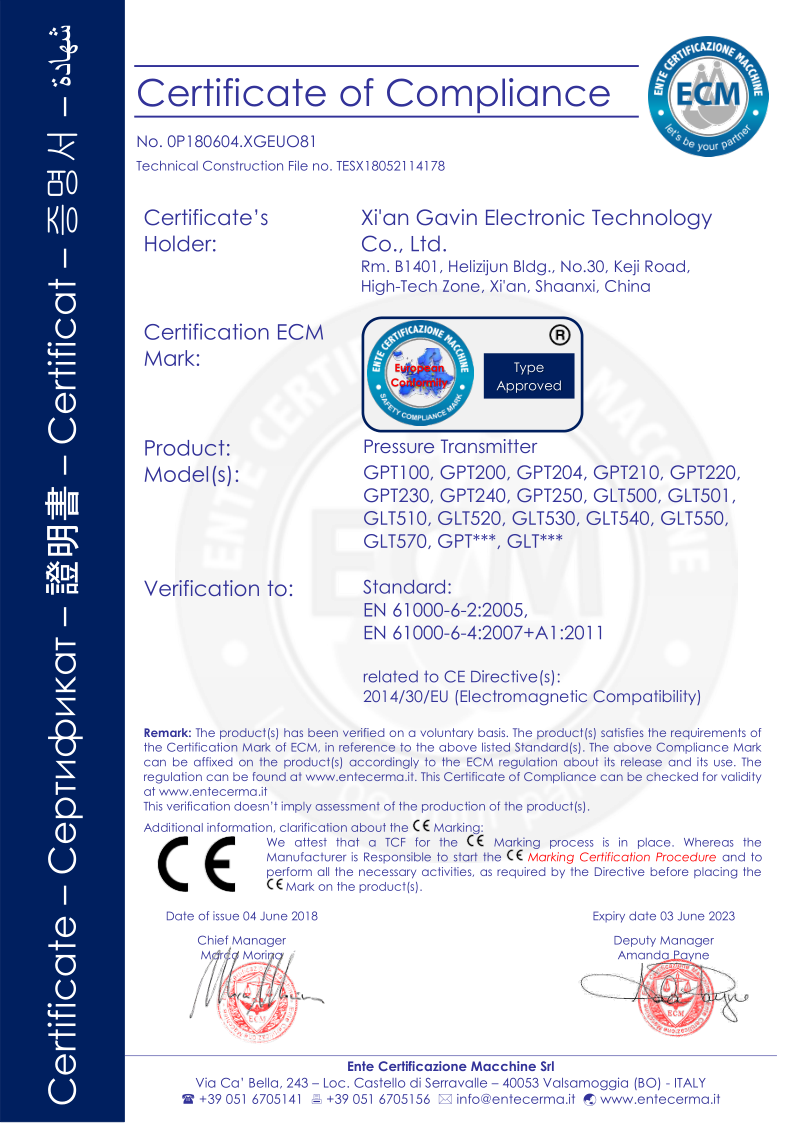
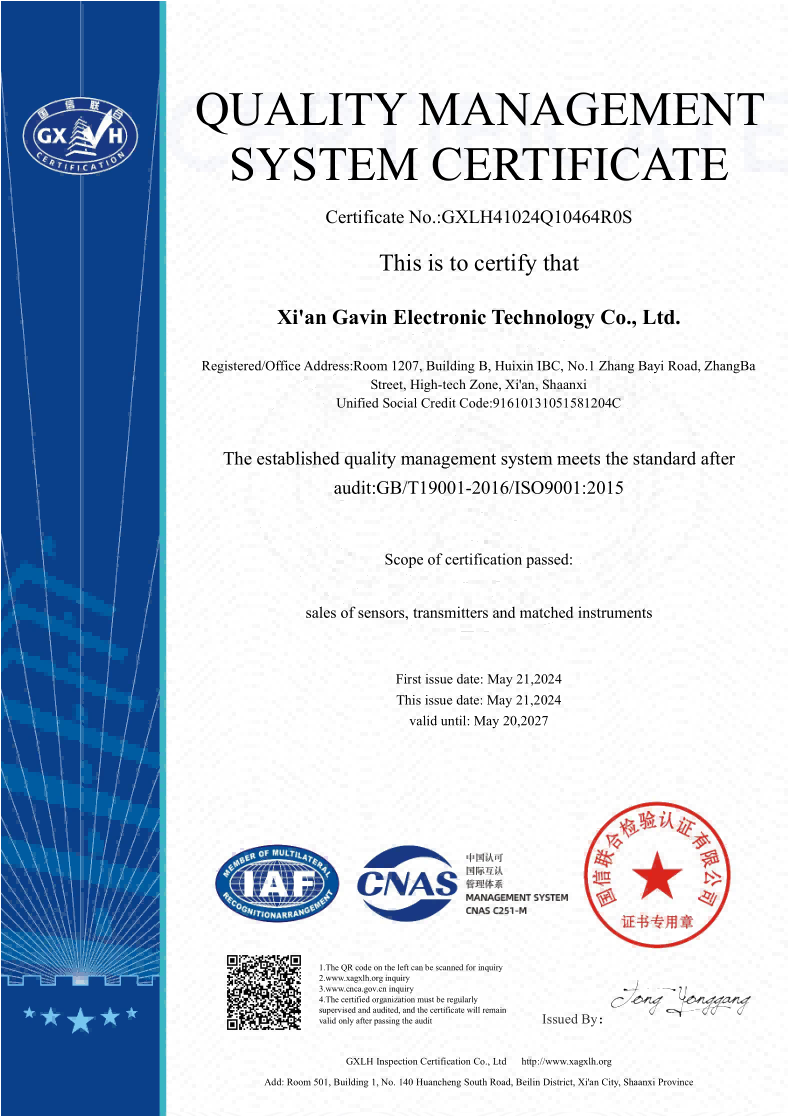
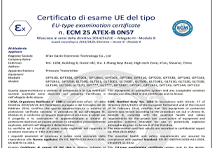
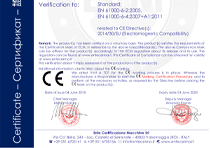
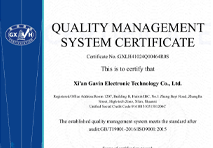
Complete certification compliance, such as ISO 14001 environmental management standards and ISO 9001 quality management systems, is essential for manufacturing quality assurance. These certifications provide methodical approaches to procedures for continuous improvement and quality control. It is recommended that manufacturers keep up-to-date certification records and provide audit results upon request.
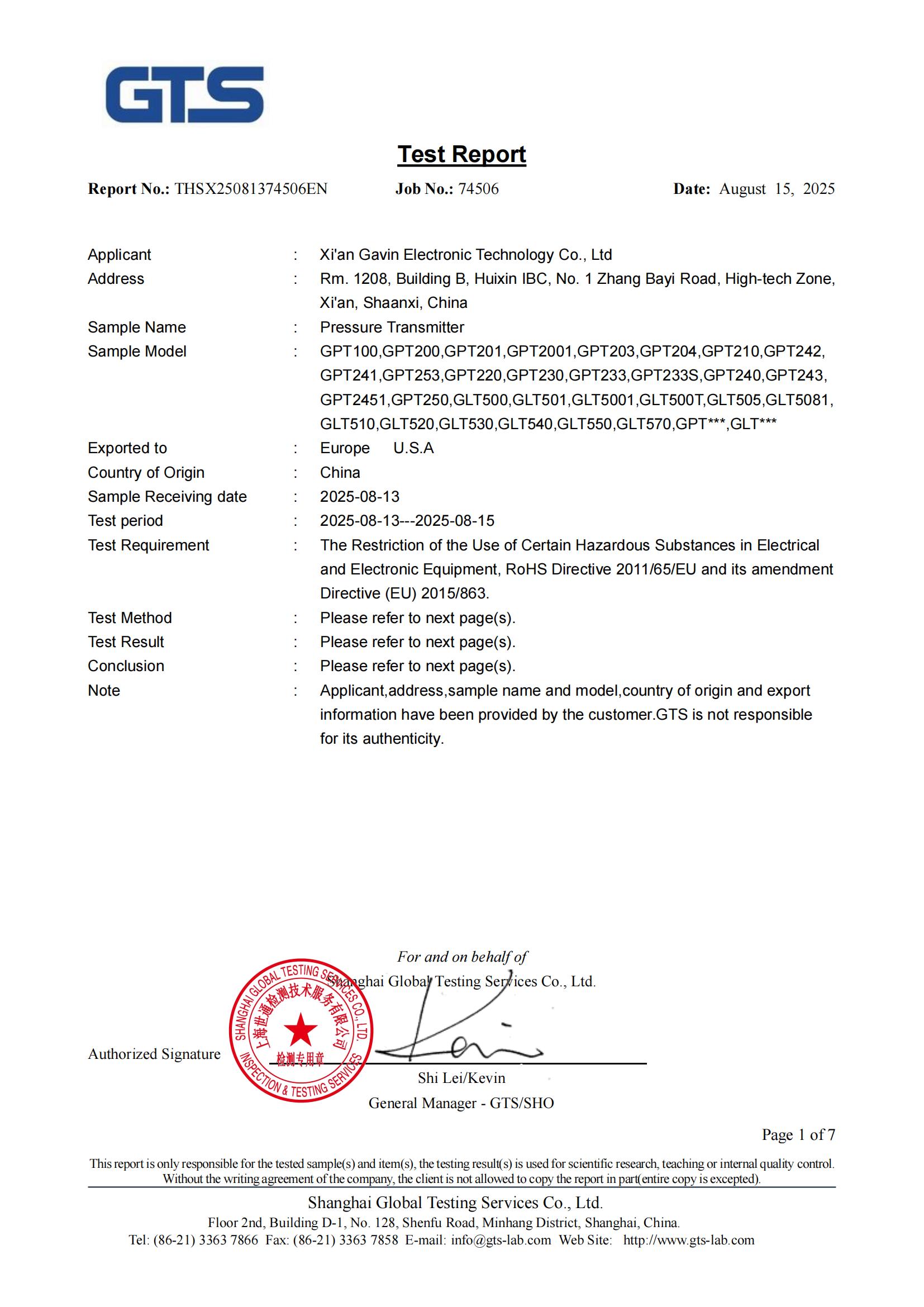
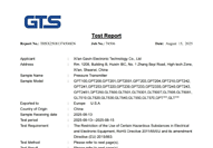
CE marking for European markets, RoHS compliance for environmental safety, and industry-specific permits for use in hazardous areas are examples of product-specific certifications. Make sure that manufacturers retain the necessary testing capabilities or collaborations with accredited labs, and that they are aware of the regional certification criteria.
Industry-Specific Compliance Requirements
Manufacturers must comprehend and adapt to the varied compliance standards imposed by various industrial sectors. Applications in the petroleum sector need ATEX or IECEx certifications for compatibility with explosive atmospheres, while pharmaceutical applications require FDA-compatible components and paperwork. Material traceability and hygienic design elements are essential for food and beverage applications.
Manufacturers should maintain the necessary testing capability and exhibit expertise with pertinent industry standards. When creating specialized solutions for particular applications or managing intricate regulatory requirements in several markets, this knowledge is crucial.
Documentation and Traceability Standards
Throughout the product lifetime, thorough documentation promotes regulatory compliance and product traceability. Manufacturers must to keep thorough records of the sourcing of materials, manufacturing procedures, and the outcomes of quality tests. For applications that need complete material traceability or when answering regulatory questions, this paperwork becomes essential.
All product shipments should be accompanied by conformity declarations, test reports, and calibration certifications. Manufacturers with strong documentation systems successfully fulfill customer compliance needs and exhibit professional quality management methods.
Effective Sourcing Channels and Platform Strategies
Digital Platform Utilization
Digital platforms that link foreign customers with Chinese producers are becoming more and more important in modern procurement. Expert B2B platforms provide thorough product catalogs, supplier profiles, and customer feedback systems to support well-informed decision-making, including options like Magnetostrictive Level Transmitters. Verification services that validate manufacturer credentials and manufacturing capabilities are often included in these systems.
Platform-based research is supplemented by comprehensive technical knowledge and support resources found on direct manufacturer websites. Numerous manufacturers have multilingual websites that provide thorough product documentation, application instructions, and contact details for technical help. Building relationships and having more in-depth technical conversations are made possible by this direct access.
Trade Show and Exhibition Opportunities
Attending industry shows is a great way to get a firsthand look at manufacturers and build rapport with technical staff. The most recent technological advancements and product breakthroughs are shown by Chinese manufacturers at major industrial automation and instrumentation trade fairs. These gatherings allow for in-person product inspection and direct technical conversations.
Trade exhibitions also provide information about a manufacturer's industry positioning and dedication to global market expansion. Businesses that make professional exhibition presence investments usually show a strong dedication to global commercial partnerships and continuous market participation.
Professional Network and Referral Systems
Professional groups and industry networks are excellent resources for finding trustworthy manufacturers. Through industry associations and professional forums, seasoned procurement professionals often exchange information on supplier performance and dependability. Because they represent real procurement experience and supplier performance, these recommendations are very valuable.
Independent evaluations of manufacturing capabilities and market positioning may be obtained from technical consultants and industry specialists. Their knowledge provides unbiased assessment criteria and aids in locating possible providers that may not show up via conventional search procedures.
OEM and ODM Partnership Considerations
Customization Capabilities and Flexibility
Manufacturers with a high degree of engineering flexibility and customization capabilities are necessary for successful OEM collaborations. Assess their capacity to incorporate certain communication protocols, change probe configurations, and alter sensor designs. Mechanical design changes and specific material choices should be included in the customization options, which should go beyond simple parameter changes.
Time-to-market performance and project success are strongly impacted by the quality of engineering assistance. For unique projects, manufacturers should provide specialized engineering resources and keep lines of communication open at all times. Professional engineering talents are shown by the quality of technical documentation and design review procedures.
Intellectual Property Protection
OEM partnerships include the disclosure of confidential information, necessitating the implementation of suitable intellectual property protection procedures. Chinese firms are implementing thorough confidentiality agreements and are becoming more aware of international IP protection regulations. Make sure prospective partners have put in place IP protection strategies and exhibit knowledge of global trademark and patent regulations.
Clear ownership definitions and use rights for produced goods should be included in technology transfer agreements. Manufacturers with prior experience in global OEM agreements usually uphold well-established legal frameworks that safeguard the rights of both sides and facilitate productive cooperation.
Long-term Partnership Development
Mutual dedication to long-term relationship building and ongoing improvement is necessary for OEM collaborations to be sustainable. Assess how manufacturers create partnerships and if they are prepared to spend money on resources specifically for large accounts. Long-term collaborations often lead to better technical assistance, preferred pricing, and better product development.
The manufacturer's market positioning and strategic direction should be evaluated as part of the partnership evaluation process. Businesses with well-defined development plans and ongoing investments in technology provide more reliable collaboration options and superior assistance for growing company needs.
Pricing Negotiation Strategies and MOQ Optimization
Market Price Analysis and Benchmarking
Price benchmarking across many vendors and thorough market research are necessary for successful pricing negotiations. More intelligent negotiating tactics are made possible by an understanding of volume-based pricing structures and regional price variances, particularly when dealing with specialized products like Magnetostrictive Level Transmitters. Instead of concentrating just on unit pricing, take into account the whole cost of ownership, which includes shipping, customs charges, and possible maintenance expenses.
Variations in quality and other services offered by various manufacturers should be taken into consideration while analyzing prices. Even while the initial expenses are greater, premium pricing may represent better technical support, better quality control, or more customization options that provide total value.
Volume Commitments and Flexible MOQ Arrangements
Negotiations for minimum order quantities strike a balance between pricing benefits, supplier relationships, and inventory expenses. For long-term collaborations or loyal clients, several manufacturers provide flexible MOQ agreements. Better alignment of order timing with ideal price possibilities is made possible by an understanding of their production planning cycles.
While guaranteeing supply security for vital applications, volume commitment agreements may result in considerable cost reductions. When standardizing on certain sensor combinations across many projects or for OEM applications, these arrangements perform very well.
Payment Terms and Financial Risk Management
The risks associated with currency exchange and payment security in international procurement have an effect on the overall cost of the project. Payment terms should be negotiated in a way that balances risk management, supplier relationship development, and cash flow needs. For eligible clients with a track record of on-time payments, several well-known manufacturers provide flexible payment options.
Understanding the financial stability and payment security alternatives of suppliers is part of financial risk management. Escrow services, trade insurance, and letters of credit provide extra protection for big transactions while fostering trust with new suppliers.
Quality Control and Factory Audit Best Practices
Comprehensive Audit Planning and Execution
Factory audits provide crucial information on operational dependability, quality control systems, and manufacturing capabilities. Technical assessment, quality system review, and production capacity verification are all part of comprehensive audit planning. Technical specialists with knowledge of magnetostrictive sensor technology and production procedures should be a part of professional audit teams.
The procurement of raw materials, manufacturing methods, testing protocols, and final inspection procedures should all be examined during audit execution. Quality manuals, calibration data, and corrective action plans are all included in the documentation review. Efficient audits verify factory capabilities and dependability while identifying possible quality issues.
Quality Control System Assessment
The application of systematic quality control throughout the production process is essential to manufacturing quality. Examine practices for final product testing, in-process quality monitoring, and inbound inspection. Statistical process control, calibration management, and non-conforming product handling techniques should all be part of quality control systems.
Measurement uncertainty analysis, environmental testing facilities, and calibration equipment are all part of the testing capabilities evaluation. Manufacturers must to uphold traceable calibration standards and exhibit measuring proficiency that surpasses the demands of product specifications.
Continuous Improvement and Corrective Action Systems
Systems for continuous improvement that proactively detect and resolve any quality problems are necessary for sustainable quality performance. Examine how manufacturers analyze quality data, spot trends, and put preventative measures in place. Systematic improvement planning and the use of client input are components of effective quality systems.
Systems for corrective action should exhibit the ability to respond quickly and the utilization of root cause analysis. Manufacturers with established quality systems show that they have learned from past quality problems and have extensive databases of remedial actions.
Leading Supplier Characteristics for 2026
Technology Integration and Innovation Leadership
Prominent manufacturers set themselves apart by ongoing innovation investment and sophisticated technological integration. Key technical differentiators include the development of smart sensors, IoT connection, and predictive maintenance capabilities. Through increased dependability and maintenance effectiveness, these features lower the total cost of ownership while enabling more functionality.
New product development cycles, research partnerships, and patent portfolios are examples of innovation leadership. Businesses that make investments in cutting-edge technologies, such as wireless sensor networks and artificial intelligence integration, present themselves as long-term technological partners as opposed to just sellers of components.
Global Service and Support Capabilities
Success in the global market requires extensive service and support capabilities that go beyond simple technical documentation. Prominent manufacturers keep up local application engineering resources, multilingual technical support, and worldwide service networks. These skills have a big influence on long-term client happiness and project success.
Predictive maintenance plans, quick response repair services, and remote diagnostic help should all be part of the service capabilities. Manufacturers that have created multinational service networks show a dedication to long-term client connections and provide superior assistance for global operations.
Sustainability and Environmental Responsibility
Long-term partnership profitability and supplier selection choices are increasingly influenced by environmental responsibility. Prominent manufacturers use product lifecycle management programs, sustainable manufacturing techniques, and extensive environmental management systems. These programs show ethical business practices and are in line with company sustainability objectives.
Waste reduction programs, recyclable product design, and energy-efficient production are examples of sustainability activities. Manufacturers with well-established environmental programs often provide more long-term value by increasing productivity and lowering the risks associated with environmental compliance.
Conclusion
It is necessary to systematically assess technological skills, quality systems, and collaboration prospects when choosing a magnetostrictive level transmitter manufacturer in China. Understanding particular application needs, carrying out in-depth supplier evaluations, and establishing enduring business partnerships are essential for success. Accessing cutting-edge sensor technology at low prices with many customisation options is made possible by the Chinese manufacturing ecosystem.
Technical assessment, relationship-building, and risk management are all components of successful procurement methods. Prominent manufacturers exhibit reliable quality performance, creative technological advancements, and dedication to global client success. Better product performance, dependable supply chains, and increased technical support are just a few of the long-term advantages that come from investing in appropriate supplier selection procedures.
FAQ
Q1: What are the key advantages of sourcing magnetostrictive level transmitters from China?
A: Chinese manufacturers offer competitive pricing, advanced technology capabilities, and extensive customization options. The country's robust manufacturing infrastructure supports high-volume production while maintaining quality standards. Many manufacturers provide comprehensive OEM/ODM services with flexible minimum order quantities and rapid development cycles.
Q2: How can I verify the quality and reliability of a Chinese manufacturer?
A: Conduct comprehensive factory audits, review certification documentation, and request customer references. Evaluate their quality control systems, testing capabilities, and corrective action procedures. Professional third-party inspection services can provide independent verification of manufacturing capabilities and product quality.
Q3: What certifications should I look for when selecting a manufacturer?
A: Essential certifications include ISO 9001 quality management, CE marking for European markets, and RoHS environmental compliance. Industry-specific certifications depend on your application requirements, such as ATEX for hazardous areas or FDA compliance for pharmaceutical applications.
Q4: How do I protect my intellectual property when working with Chinese manufacturers?
A: Implement comprehensive confidentiality agreements and clearly define intellectual property ownership in all contracts. Work with manufacturers who have established IP protection policies and experience with international OEM partnerships. Consider registering important patents and trademarks in China for additional protection.
Q5: What factors should I consider when negotiating minimum order quantities?
A: Balance inventory costs with price advantages and relationship benefits. Consider your actual consumption patterns, storage capabilities, and cash flow requirements. Many manufacturers offer flexible MOQ arrangements for established customers or long-term partnerships.
Q6: How can I ensure reliable delivery schedules and supply chain stability?
A: Evaluate manufacturer production capacity, supply chain management practices, and inventory policies. Establish clear delivery requirements and penalty clauses in contracts. Consider working with manufacturers who maintain strategic inventory levels and have established relationships with reliable logistics providers.
Partner with GAMICOS for Premium Magnetostrictive Level Transmitter Solutions
GAMICOS stands out as a leading magnetostrictive level transmitter manufacturer, combining advanced technology with exceptional customer service. Our comprehensive product range includes the GLT621/622 series, featuring high-precision measurement capabilities and multi-float configurations. With over 100 countries served and extensive OEM/ODM capabilities, GAMICOS delivers customized solutions that meet the most demanding industrial requirements. Contact info@gamicos.com to discuss your specific measurement needs and discover how our innovative sensor technology can enhance your automation systems.
References
1. Industrial Sensors and Automation Technology Development in Asia-Pacific Manufacturing Sector, Journal of Industrial Engineering, 2024.
2. Magnetostrictive Sensor Technology: Applications and Market Analysis for Chemical and Petrochemical Industries, Process Control International, 2024.
3. Quality Management Systems in Chinese Manufacturing: Best Practices for International Procurement, Supply Chain Management Review, 2023.
4. Level Measurement Technologies: Comparative Analysis of Accuracy and Reliability in Industrial Applications, Instrumentation and Control Engineering, 2024.
5. International Sourcing Strategies for Industrial Automation Components: Asia-Pacific Market Overview, Procurement Today, 2024.
6. Certification Requirements and Compliance Standards for Industrial Sensors in Global Markets, International Standards Quarterly, 2023.

Halen
With over 12 years of experience in fluid sensing technology, Halen specializes in helping clients select and optimize oil level sensors for a wide range of industries—including automotive, marine, heavy machinery, and energy.
We're here to help — submit your request anytime!
Let us know how we can help solve your pressure level measurement challenge.
_1757930850792.jpg)
Recommended Blog
Magnetostrictive Level Transmitter vs Magnetic Float Level Sensor

Magnetostrictive Level Transmitter Solutions for Fuel Industry
Magnetostrictive Level Transmitter Supplier in Southeast Asia
Magnetostrictive Level Transmitter vs Magnetic Float Level Sensor
Magnetostrictive Level Transmitter Solutions for Fuel Industry
Magnetostrictive Level Transmitter Supplier in Southeast Asia