Where to Buy Radar Level Transmitters in Southeast Asia
Comprehending Radar Level Transmitter Technology and Applications
- Comprehending Radar Level Transmitter Technology and Applications
- Regional Market Analysis: Southeast Asia Radar Level Transmitter Demand
- Comprehensive Sourcing Channel Comparison
- Supplier Evaluation and Verification Guidelines
- Practical Procurement Strategies and Best Practices
- Common Procurement Pitfalls and Risk Mitigation
- Conclusion
- FAQ
- Partner with GAMICOS for Your Radar Level Transmitter Requirements
- References
To find reputable radar level transmitter suppliers in Southeast Asia, you need to know how the market works in that area, what providers can do, and how to buy things the right way. There are several ways to source goods in the area, thanks to existing wholesalers in Singapore and Malaysia, industrial centers in Thailand and Vietnam, and new markets in Indonesia and the Philippines. More and more, these sophisticated measuring systems are being used by industrial automation firms, petroleum refineries, and chemical plants to regulate important processes.

Southeast Asian industry are still looking for more precise ways to assess levels. Manufacturing facilities want non-contact measuring technologies that work well in tough conditions. For effective sourcing strategies, it is important to know about regional supplier networks, certification criteria, and how to buy things.
Comprehending Radar Level Transmitter Technology and Applications
Advanced FMCW Technology Benefits
Modern radar sensors use Frequency Modulated Continuous Wave (FMCW) technology that works on a number of different frequency bands. The 80GHz systems are the newest technology and give very high measurement accuracy, up to ±1mm precision, especially in Radar Level Transmitters. These smart transmitters send out microwave signals that bounce off of liquid surfaces. This lets you detect distance using signal processing methods.
The technology is far better than old ways of measuring things. Non-contact operation lowers maintenance needs and removes the possibility of contamination. Process automation systems need dependable data collecting capabilities so that they can provide real-time monitoring in a wide range of industrial settings.
Industrial Applications Across Southeast Asia
These installations need to be certified for working in dangerous environments and have strong signal processing capabilities. Petroleum refineries use level measuring devices to keep track of their inventory and make sure they are safe.
More and more food and drink companies are using non-contact measuring tools. These apps need to be clean and have accurate interface detection. Pharmaceutical firms need calibrated devices that meet regulatory standards.
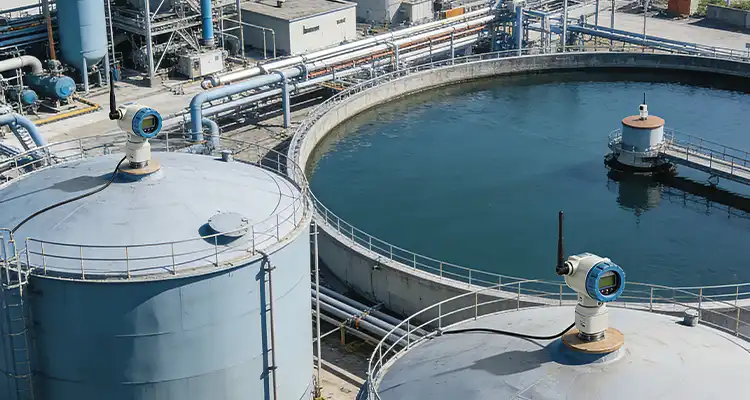
Water treatment plants in Southeast Asia depend on transmitters that can communicate wirelessly. Digital output and remote monitoring are useful characteristics for municipal systems. These systems are used by agricultural processing industries to handle large amounts of materials.
Regional Market Analysis: Southeast Asia Radar Level Transmitter Demand
Market Drivers and Growth Factors
The growth of Southeast Asian industries is boosting the need for improved process control instruments. Investments by the government in infrastructure help modernization efforts in many areas. Environmental rules make people more likely to use accurate measuring methods, which cuts down on waste and pollution.
Digital transformation projects in several businesses in the area are encouraging the use of smart transmitters. Companies that make things want IoT-enabled solutions that help them reach their Industry 4.0 goals. Investments in renewable technology in the energy industry open up new ways for radar measuring systems to be used.
Country-Specific Market Characteristics
Singapore is still a regional technological powerhouse with advanced needs for industrial automation. There is a lot of demand for specialized measuring solutions in Malaysia's industrial industries. The Thai petrochemical and automobile sectors need high-precision instruments to help with quality control.
The mining and energy industries in Indonesia are becoming more and more interested in robust measuring equipment. Philippine food processing businesses want solutions that are both cheap and dependable. As Vietnamese manufacturing grows, there is a need for automation technology that can be scaled up.
Industry Segment Analysis
Advanced radar sensors are most often used in petrochemical plants. These uses need certifications that protect against explosions and work in a wider range of temperatures. Chemical processing facilities need designs that won't corrode and come with unique coating possibilities.
More and more power plants are using wireless monitoring systems to make their operations more efficient. More and more people in the water treatment industry are interested in ultrasonic alternative technologies that work just as well. Mining operations need strong designs that can handle tough weather.
Comprehensive Sourcing Channel Comparison
Direct Manufacturer Sourcing
There are a number of clear benefits to working directly with producers of radar level transmitters. Custom engineering assistance lets you make changes and set up your application in a way that works best for you. Technical literature offers detailed instructions for installation and calibration.
Partnerships in manufacturing provide you access to the latest technologies and product roadmaps. Quality control techniques make sure that products work the same way in every batch of manufacture. But minimum order amounts might be a problem for smaller enterprises that just need a few items.
Authorized Distributor Networks
Regional distributors have local stock on hand to speed up delivery times. Technical support teams help with installation and fixing problems. Service networks that have been around for a while may do maintenance and repairs at many different places.
Training programs for end-user staff are commonly part of distributor alliances. Before making a purchase, product demos assist you figure out how well they work. However, price structures may add extra markup compared to possibilities for direct sourcing.
E-commerce and Online Marketplaces
Digital procurement platforms enable efficient supplier comparison and evaluation processes. Transparent pricing structures support competitive bidding scenarios. User review systems provide insights into supplier performance and product quality.
Online channels often feature smaller minimum order requirements accommodating pilot projects. Payment protection services reduce transaction risks for international purchases. However, technical support availability may vary significantly between platforms.
Supplier Evaluation and Verification Guidelines
Quality Certification Requirements
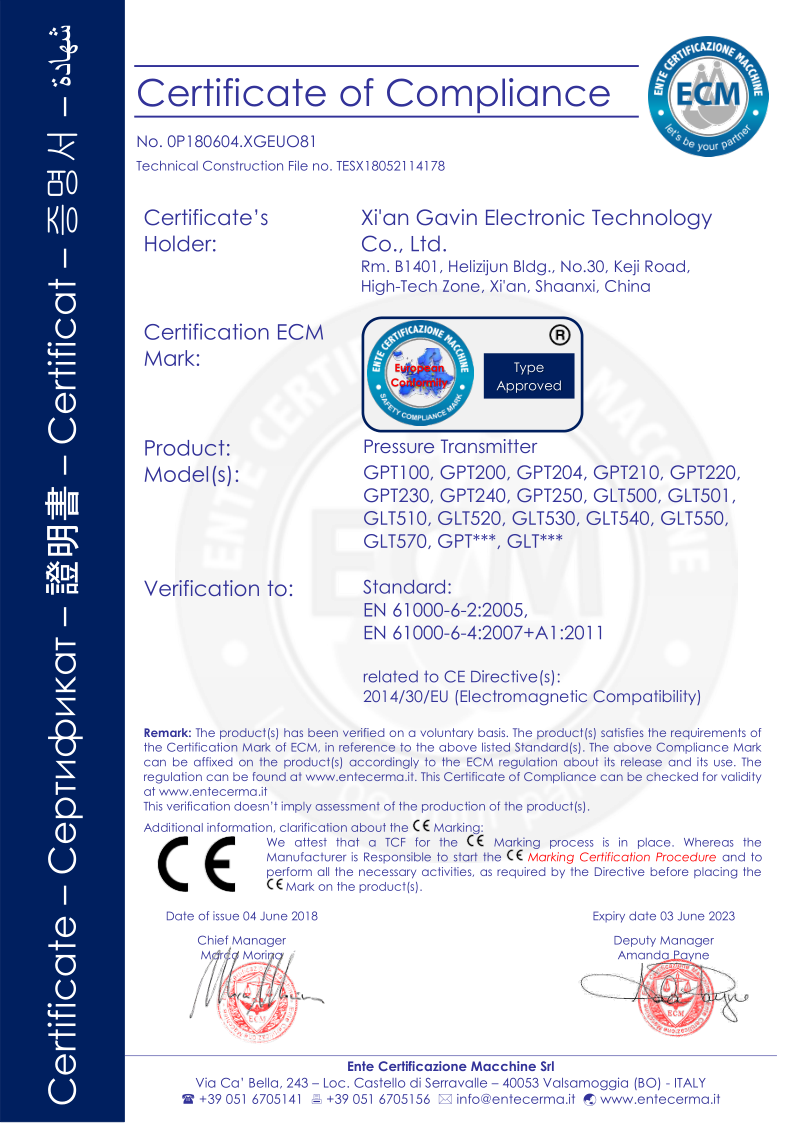
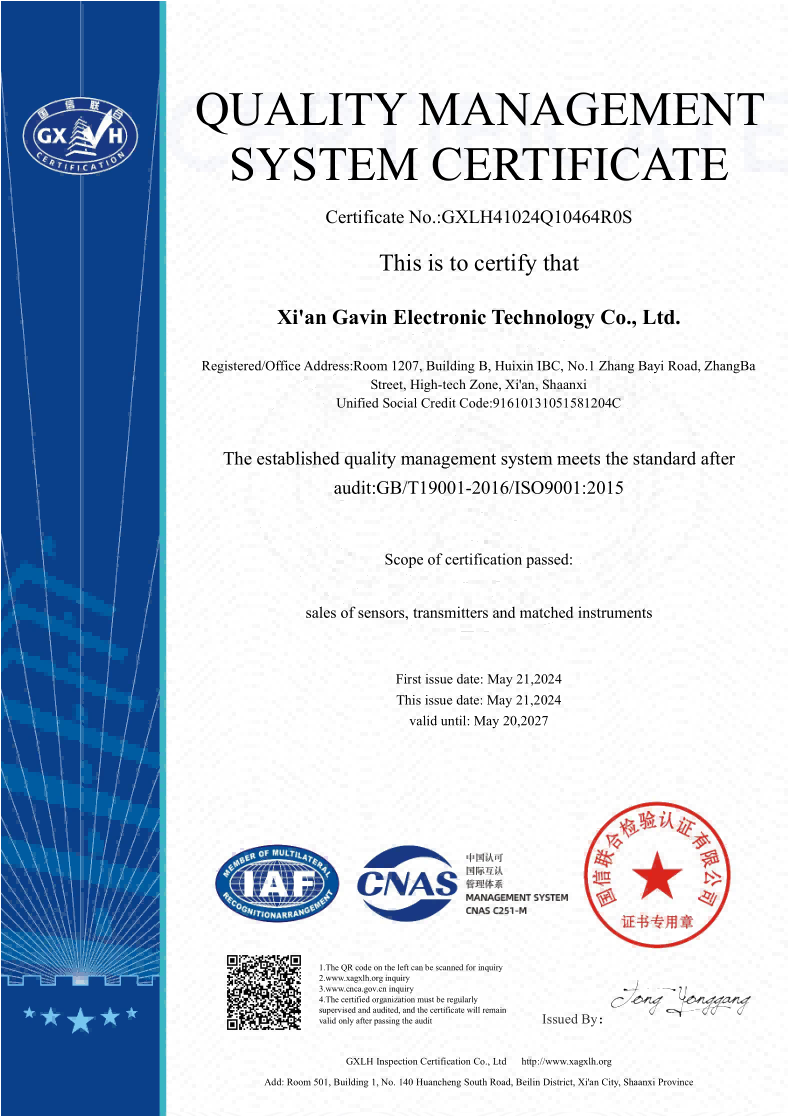
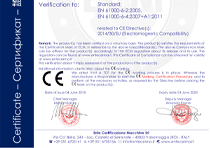
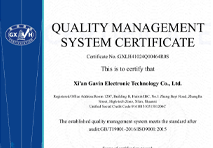
ISO 9001 certification demonstrates established quality management systems supporting consistent manufacturing processes. Industry-specific certifications like ATEX or IECEx indicate compliance with explosive atmosphere requirements. Calibration certifications from recognized metrology institutions ensure measurement accuracy claims.
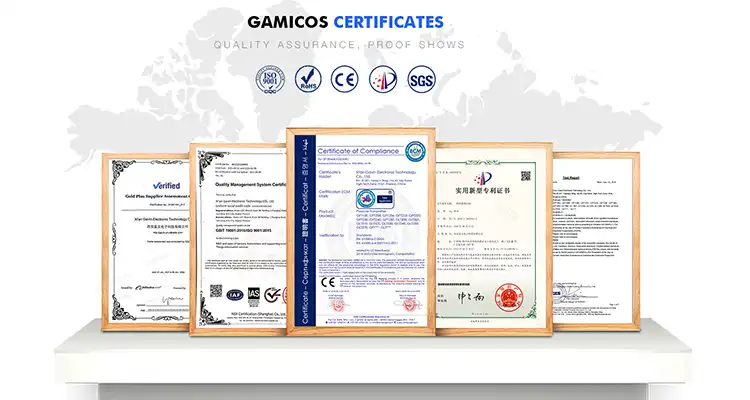
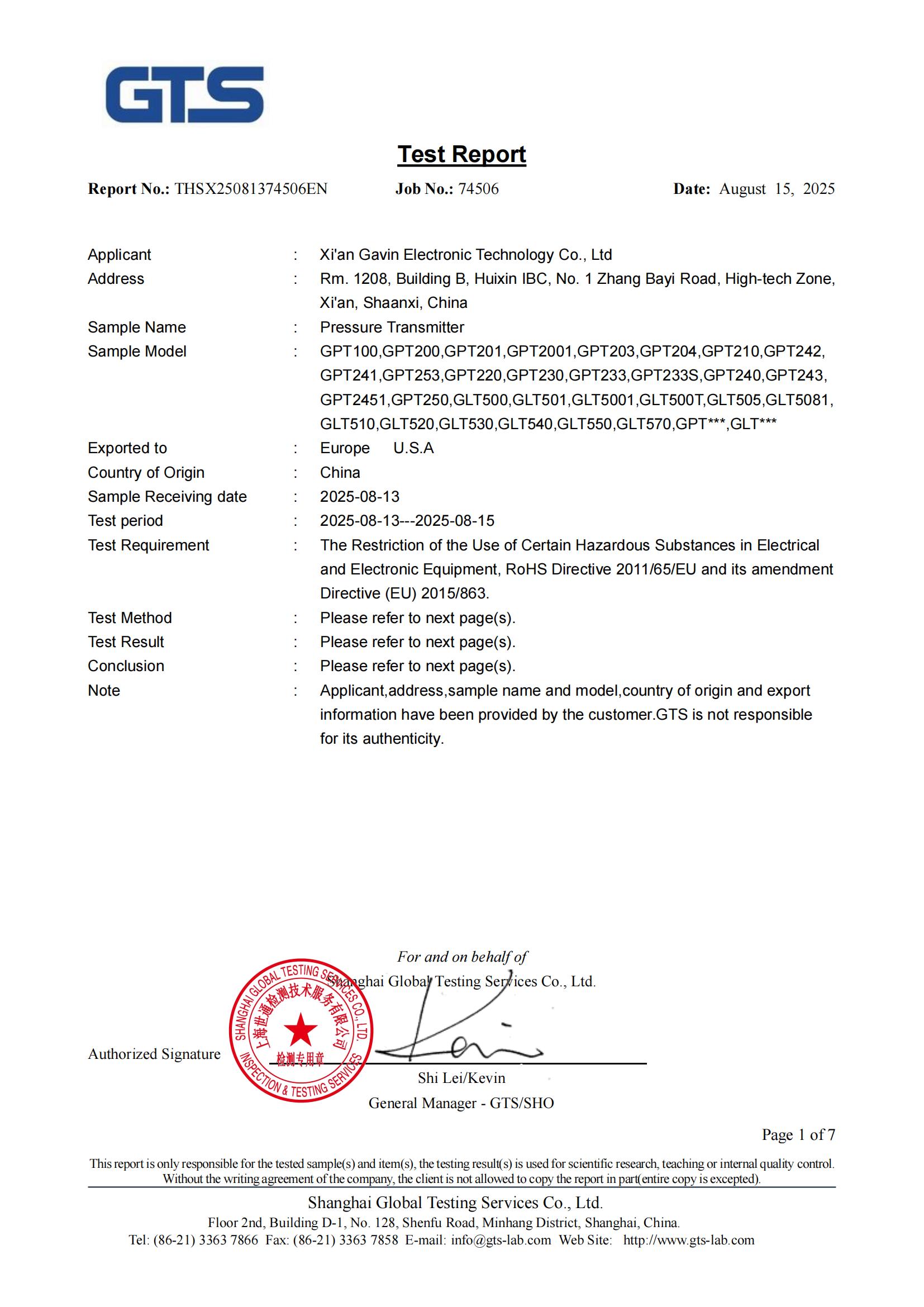
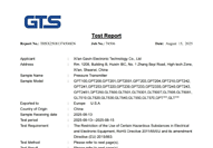
Product certifications should include CE marking for European market compatibility. RoHS compliance confirms environmental safety standards adherence. SIL ratings indicate functional safety performance levels for critical applications.
Technical Capability Assessment
Evaluate supplier engineering capabilities through technical documentation review. Application notes demonstrate understanding of specific industry requirements. Reference installations provide evidence of successful project implementations.
Manufacturing facility audits reveal production capabilities and quality control procedures. Test equipment availability confirms calibration and validation capabilities. R&D investments indicate commitment to technology advancement and innovation.
Financial Stability Verification
Credit reports provide insights into supplier financial health and stability. Bank references confirm payment processing capabilities and creditworthiness. Trade association memberships indicate industry standing and reputation.
Insurance coverage verification ensures protection against product liability risks. International trade experience demonstrates logistics and documentation capabilities. Long-term customer relationships suggest reliable business practices.
Practical Procurement Strategies and Best Practices
Order Quantity Optimization
Minimum order quantities vary significantly between suppliers and product configurations. Standard models, such as those for Radar Level Transmitters, often feature lower MOQ requirements compared to customized solutions. Consolidated ordering strategies help achieve quantity discounts while managing inventory levels.
Blanket purchase agreements enable scheduled deliveries supporting production planning requirements. Prototype quantities allow performance validation before large-scale procurement commitments. Volume commitments may unlock preferential pricing structures and priority support services.
Payment Terms and Risk Management
Letter of credit arrangements provide security for international transactions while protecting both parties. Milestone payment structures align financial commitments with delivery schedules. Trade credit insurance reduces risks associated with supplier default scenarios.
Escrow services offer additional protection for high-value transactions with new suppliers. Bank guarantees ensure performance compliance and warranty obligations. Currency hedging strategies minimize exchange rate fluctuation impacts.
Delivery Schedule Management
Lead times vary based on product complexity and customization requirements. Standard configurations typically ship within 2-4 weeks from major suppliers. Customized solutions may require 6-12 weeks depending on specification complexity.
Air freight options reduce delivery times for urgent requirements while increasing transportation costs. Sea freight provides cost-effective shipping for larger quantities with longer planning horizons. Regional distribution centers enable faster delivery to Southeast Asian destinations.
Quality Control and Inspection Procedures
Pre-shipment inspection services verify product specifications and quality standards. Factory acceptance testing confirms performance characteristics before delivery. Calibration certificates document measurement accuracy and traceability.
Third-party inspection companies provide independent verification services reducing procurement risks. Incoming inspection procedures should include functional testing and documentation review. Acceptance criteria must align with application requirements and performance specifications.
Common Procurement Pitfalls and Risk Mitigation
Technical Specification Challenges
Inadequate application analysis often leads to incorrect product selection and performance issues. Environmental condition assessment ensures appropriate protection ratings and material selections. Interface requirements must align with existing control system capabilities.
Power supply compatibility verification prevents installation complications and additional costs. Communication protocol selection impacts integration complexity and system functionality. Mounting configuration specifications ensure proper installation and optimal performance.
Supplier Relationship Management
Long-term partnership development reduces procurement costs while improving service quality. Regular performance reviews maintain supplier accountability and continuous improvement. Alternative supplier qualification provides backup options for critical applications.
Contract negotiation should address warranty terms, technical support availability, and spare parts procurement. Service level agreements define response times and resolution procedures. Technology roadmap discussions ensure future compatibility and upgrade paths.
Conclusion
Southeast Asia provides a variety of channels for the purchase of radar level transmitters. Careful assessment of supplier skills, quality certifications, and technical support services is necessary for successful sourcing. Understanding the regional market helps in determining the best procurement tactics that balance risk, performance, and cost. Competitive alternatives to conventional sourcing locations are offered by manufacturing centers located across Thailand, Vietnam, and Malaysia. For complicated applications, established distributor networks in Malaysia and Singapore provide local support benefits. Digital procurement platforms continue to increase the number of qualified suppliers available while enhancing the security and transparency of transactions.
FAQ
Q1: What factors should I consider when selecting radar level transmitter suppliers in Southeast Asia?
A: Assess the technical know-how, production experience, and quality certifications of the supplier. Check for adherence to relevant environmental and industrial requirements. Evaluate service response times, spare parts inventories, and local support availability. Prior to purchasing, consider client references and financial soundness.
Q2: How do minimum order quantities vary between different supplier types?
A: Depending on the level of customisation needed, direct manufacturers usually demand higher MOQs between 10 and 100 pieces. Smaller numbers, beginning with single devices with common configurations, are often accommodated by authorized distributors. Although B2B platforms could provide a variety of ordering alternatives, they also need rigorous quality control measures.
Q3: What are typical delivery timeframes for radar level transmitters in Southeast Asia?
A: Regional distributors usually supply standard items in one to two weeks. Standard configurations for direct manufacturer orders take 4–8 weeks to complete. Delivery dates for customized solutions might increase to 8–16 weeks, dependent on the intricacy of the specifications and existing manufacturing schedules.
Q4: Which certifications are most important for Southeast Asian industrial applications?
A: Consistent production procedures are guaranteed by ISO 9001 quality management accreditation. European compliance for access to foreign markets is shown by the CE mark. Use in explosive environment applications, which are typical in petrochemical plants, is made possible by ATEX or IECEx certifications.
Q5: How can I verify supplier quality and reliability before placing orders?
A: Ask for client testimonials and case studies that illustrate effective project execution. Examine reputable organizations' calibrating skills and quality certificates. When feasible, do out facilities audits or hire outside inspection services for confirmation.
Partner with GAMICOS for Your Radar Level Transmitter Requirements
GAMICOS delivers advanced radar level measurement solutions specifically engineered for Southeast Asian industrial applications. Our GLT74 series 80GHz systems provide ultra-high precision with ±1mm accuracy, supporting critical process control requirements across petrochemical, pharmaceutical, and food processing industries. As an experienced radar level transmitter manufacturer, we offer comprehensive OEM/ODM customization services including sensor configurations, communication protocols, and interface specifications. Contact our technical team at info@gamicos.com for application-specific solutions and competitive pricing structures tailored to your project requirements.
References
1. Industrial Automation Market Analysis: Southeast Asia Growth Trends and Technology Adoption Patterns, 2023 Regional Industry Report
2. Radar Level Measurement Technology: Comparative Performance Analysis of FMCW Systems in Industrial Applications, Process Control Engineering Journal
3. Southeast Asian Petrochemical Industry Infrastructure Development and Instrumentation Requirements, Energy Sector Analysis Quarterly
4. Non-Contact Level Measurement Solutions: Technology Selection Guidelines for Chemical Processing Applications, Instrumentation Technology Review
5. Quality Standards and Certification Requirements for Industrial Measurement Equipment in ASEAN Markets, Regional Compliance Guide
6. Digital Transformation in Southeast Asian Manufacturing: IoT Integration and Smart Sensor Deployment Strategies, Industrial Technology Trends Report

Halen
With over 12 years of experience in fluid sensing technology, Halen specializes in helping clients select and optimize oil level sensors for a wide range of industries—including automotive, marine, heavy machinery, and energy.
We're here to help — submit your request anytime!
Let us know how we can help solve your pressure level measurement challenge.
_1757930850792.jpg)
Recommended Blog