Magnetostrictive Level Transmitter Supplier in Southeast Asia
Understanding China's Magnetostrictive Technology Manufacturing Advantages
- Understanding China's Magnetostrictive Technology Manufacturing Advantages
- Proven Methods for Identifying Reliable Manufacturers
- Essential Certification Requirements and Compliance Standards
- Strategic Sourcing Channels and Platform Selection
- OEM/ODM Partnership Considerations and Requirements
- Effective MOQ and Pricing Negotiation Strategies
- Characteristics of Leading Suppliers in 2026
- Conclusion
- FAQ
- Partner with GAMICOS for Advanced Magnetostrictive Level Solutions
- References
Many sourcing specialists find that working with Chinese manufacturers gives great value and technical know-how when looking for a trustworthy source of magnetostrictive level transmitters in Southeast Asia. China has become the world's top producer of precise industrial sensors because to its low cost and sophisticated manufacturing capabilities. From chemical processing to petroleum storage systems, the magnetostrictive technology offers exceptional precision for liquid level measurement in a variety of industrial applications.
High-precision level measuring systems are becoming more and more in demand worldwide, especially in developing markets in Southeast Asia, the Middle East, and Latin America. Advanced sensors that provide dependable performance in demanding conditions and remain affordable for large-scale deployments are becoming more and more necessary for industrial automation projects.
Understanding China's Magnetostrictive Technology Manufacturing Advantages
Advanced Production Infrastructure
China's manufacturing industry for magnetostrictive sensors benefits from extensive supply chain-spanning industrial clusters. Chinese factories maintain integrated operations that save costs and enhance quality control, from the manufacturing of specialist alloys to the assembly of precision electronics. The nation maintains competitive price structures while guaranteeing constant manufacturing accuracy via its investment in automated production lines.
Chinese producers have honed their specific metallurgical skills over decades of experience in order to produce magnetostrictive waveguides. Prominent facilities use automated testing systems, precise grinding capabilities, and sophisticated heat treatment techniques to ensure product dependability under a variety of operating circumstances.
Research and Development Capabilities
To develop applications of magnetostrictive technology, Chinese manufacturers work closely with academic institutions and research centers. Significant advancements in sensor design, signal processing algorithms, and environmental protection measures have resulted from these collaborations. Chinese vendors are able to provide innovative solutions that directly compete with well-known worldwide brands thanks to their ongoing R&D investments.
Specialized magnetostrictive sensor variations tailored for certain sectors have resulted from the emphasis on real-world applications. Improved corrosion resistance is advantageous for chemical processing applications, and solutions for the petroleum sector use intrinsically safe design concepts that satisfy strict safety regulations.
Cost-Effective Innovation
China's competitive manufacturing environment promotes ongoing enhancements in product performance and production efficiency. By using economies of scale, producers are able to provide high-end magnetostrictive level transmitters at costs that are much lower than those of foreign competitors. End customers may install extensive monitoring systems without sacrificing financial limits because to this cost benefit.
Proven Methods for Identifying Reliable Manufacturers
Comprehensive Technical Assessment
A methodical examination of the technical prowess and product specifications of possible suppliers is necessary for evaluation. Ask for thorough technical documentation that include long-term stability information, environmental test results, and calibration protocols. Reputable manufacturers provide thorough datasheets that include signal processing capabilities, temperature compensation techniques, and accuracy ratings.
The design of the magnetostrictive sensor should exhibit sturdy construction and suitable material choices for the intended uses. To verify compatibility with operational conditions, look at the electronic housing parameters, float assembly quality, and waveguide protection techniques.
Production Capacity Evaluation
Examine production volume data, quality control procedures, and delivery performance records to determine manufacturing capabilities. Well-known producers have specialist manufacturing lines for magnetostrictive sensors, such as Magnetostrictive Level Transmitters, along with facilities for calibration and testing. Operational maturity and dependability are shown by the capacity to grow production quantities while maintaining quality standards.
Request virtual presentations or facilities tours that highlight testing capabilities, quality control methods, and production processes. Expert manufacturers are happy to show potential clients how they operate and explain technological methods.
Customer Reference Verification
Get personal information about supplier performance, product dependability, and technical support quality by getting in touch with current clients. To guarantee appropriate comparisons, concentrate on clients with comparable applications and volume needs. Implementations that have been successful in similar industrial settings provide important insights regarding performance expectations in the real world.
Examine case studies and application examples that show successful implementations in a range of sectors. The variety of successful implementations demonstrates the technological adaptability and application knowledge necessary to fulfill intricate project specifications.
Supply Chain Stability Assessment
Analyze the supplier's backup supplier agreements, inventory control procedures, and component sourcing methods. The manufacturing of magnetostrictive sensors depends on specialized parts, whose steady availability depends on dependable supply chains. Suppliers can better serve ongoing project needs if they have a variety of sourcing techniques and sufficient inventory levels.
Examine the manufacturer's local support capabilities and regional distribution network in the target markets. By improving maintenance and troubleshooting skills, regional technical support and service centers lower overall ownership costs and increase project success rates.
Essential Certification Requirements and Compliance Standards
International Quality Certifications
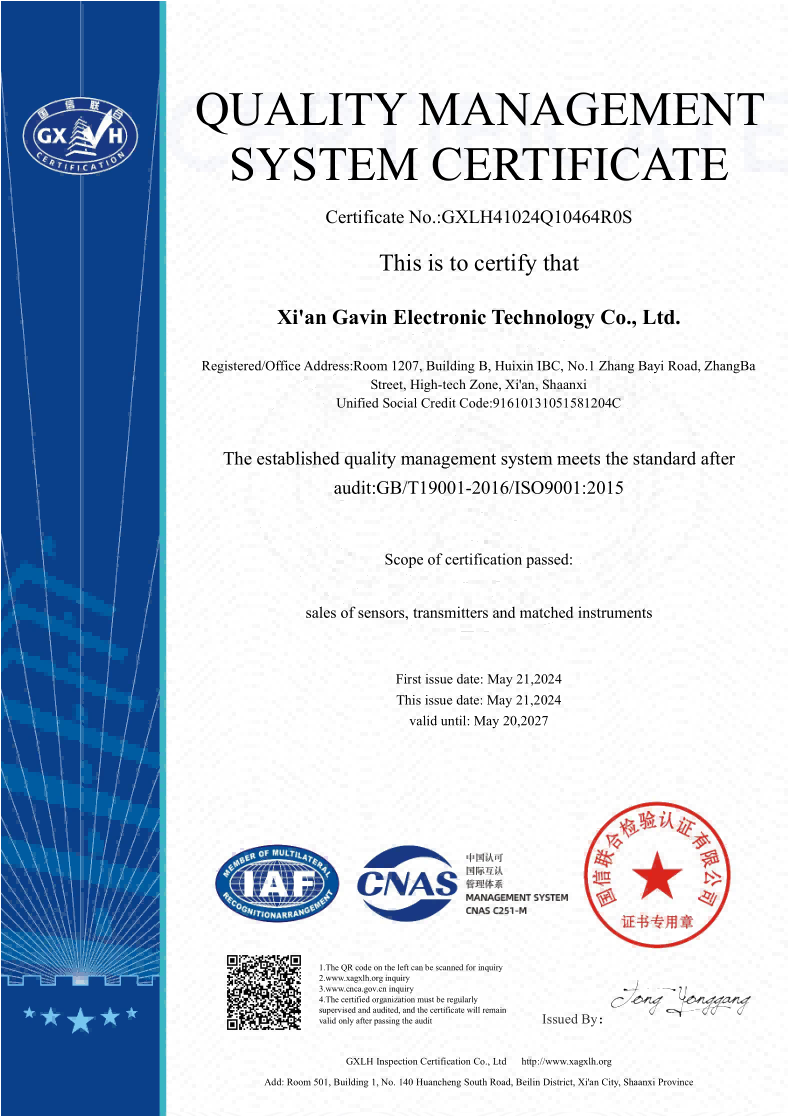
Systematic quality management techniques that guarantee constant product quality and ongoing improvement procedures are shown by ISO 9001 certification. The manufacturer's dedication to document control, established processes, and customer satisfaction assessment is shown by this certification. International standards for design, manufacturing, and testing activities are met by quality systems, as confirmed by the certification audit process.
The ISO 14001 environmental management certification demonstrates accountability for sustainable production methods and the mitigation of environmental impacts. Customers with corporate sustainability objectives and environmental compliance requirements find this accreditation to be more crucial.
Product Safety Certifications
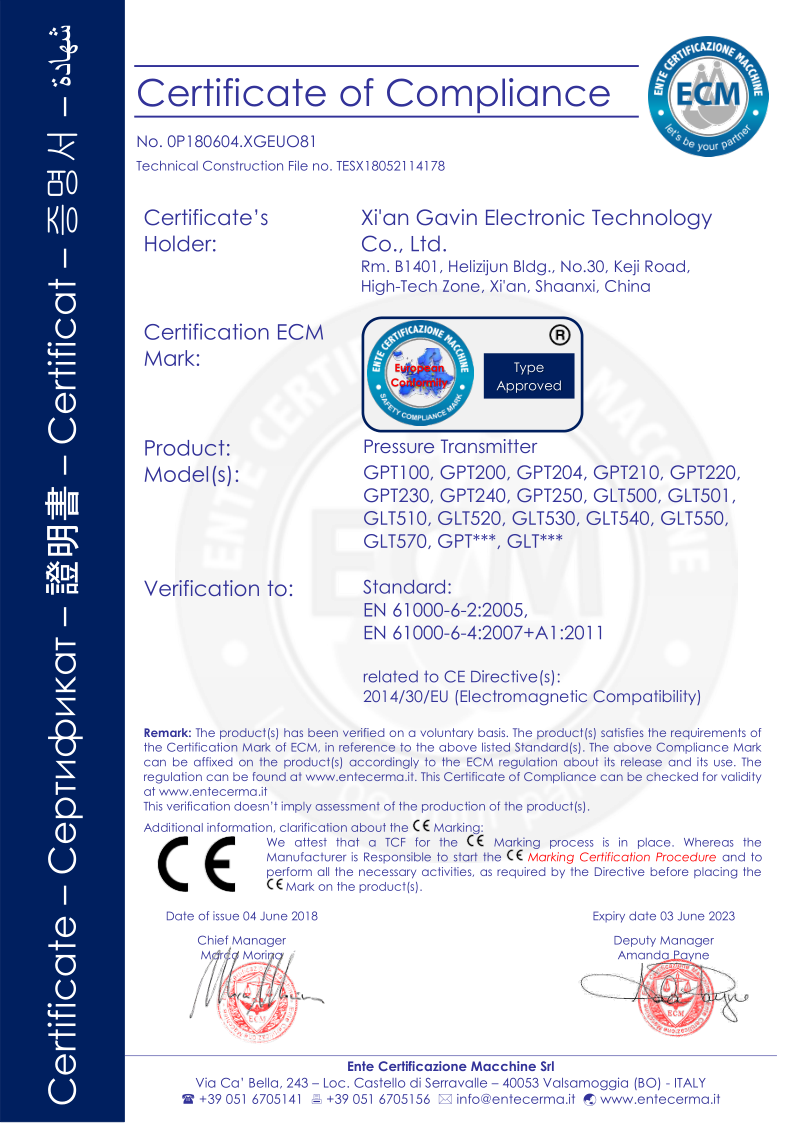
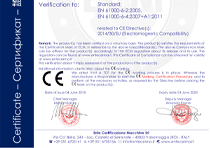
Compliance with CE marking guarantees that goods fulfill European safety, health, and environmental standards for the target markets. Testing for electromagnetic compatibility, safety evaluations, and technical documentation checks that confirm adherence to relevant European regulations are all part of the certification process.
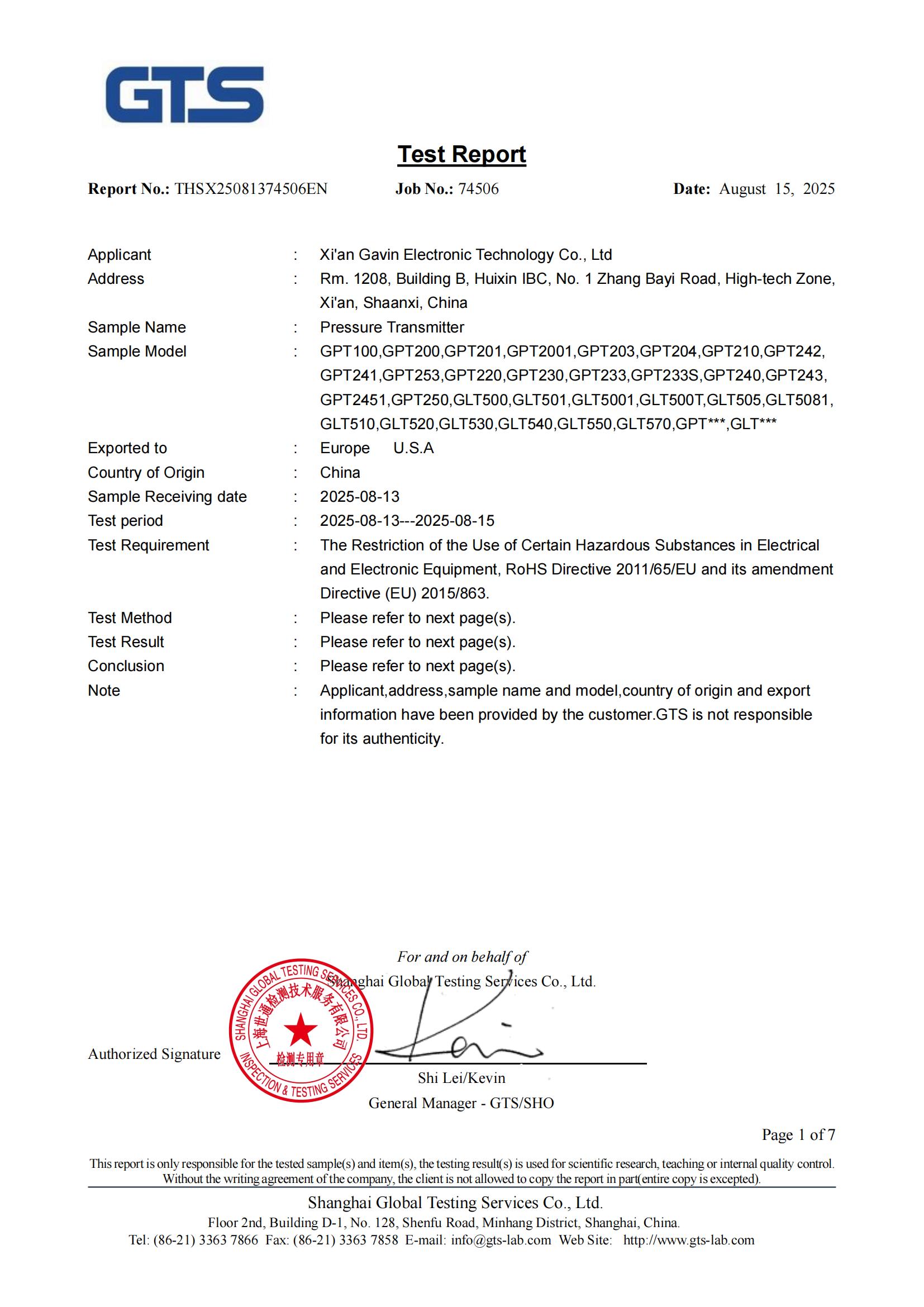
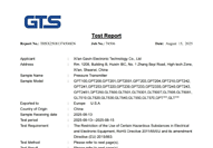
Certification for RoHS compliance limits dangerous materials in electronics and shows that production methods are environmentally conscious. This certification shows that the manufacturer is aware of foreign regulatory standards and is required for many international markets.
Applications in the gas, chemical, and petroleum industries need ATEX certification, which is applicable to equipment used in potentially explosive environments. To guarantee inherently safe functioning in hazardous areas, the certification procedure includes extensive safety testing and design evaluation.
Industry-Specific Standards
Safety-critical applications where sensor failure might lead to dangerous situations are subject to SIL (Safety Integrity Level) ratings. Failure mode analysis, reliability testing, and safety function verification are all part of the certification procedure, which guarantees proper safety performance standards.
API standards, which are exclusive to the petroleum sector, contain specifications for performance verification under industry-specific circumstances, environmental testing, and material selection. Compatibility with current operating processes and infrastructure is guaranteed by these standards.
Strategic Sourcing Channels and Platform Selection
Professional B2B Platforms
Alibaba.com has extensive databases of suppliers that include thorough business descriptions, product listings, and mechanisms for collecting feedback from customers. International purchasers may lower transaction risks by using the platform's Trade Assurance service, which offers payment protection and quality assurances. Precise supplier identification is made possible by advanced search criteria that take into account regional preferences, manufacturing capabilities, and certification needs.
In addition to offering additional verification services like facility inspections and capacity evaluations, Global Sources specializes in matching foreign customers with vetted Chinese manufacturers. The platform concentrates on high-quality providers with knowledge of global markets and export expertise.
Industry Trade Shows and Exhibitions
The most recent industrial automation technology are on display at the China International Industry Fair (CIIF) in Shanghai, which also offers chances for direct supplier interaction. There are special areas at the show for sensor technologies and measuring tools where prospective suppliers may showcase their technical know-how and product capabilities.
With extensive exhibits of magnetostrictive level transmitters and associated goods, Sensor China shows concentrate on sensor technology and measurement solutions. Direct technical conversations and the development of relationships with engineering teams and decision-makers are made possible by these gatherings.
Direct Manufacturer Contact
Well-known manufacturers keep expert websites with comprehensive product data, technical specs, and direct contact information. Customized conversations on particular needs, application difficulties, and technological solutions are made possible via direct communication, which eliminates the need for middlemen.
Manufacturer representatives and technical specialists may be reached via professional networking through technical conferences and industry groups. These connections often provide insightful information on new technology and best practices for their use.
OEM/ODM Partnership Considerations and Requirements
Technical Customization Capabilities
Customization of magnetostrictive level transmitters includes changes to the length of the sensor, output signal topologies, and improvements to environmental protection. Examine the engineering prowess of possible partners via technical conversation depth, customized examples, and portfolio evaluations. Manufacturers with adaptable design processes and quick-response technical assistance are essential for successful OEM collaborations.
Phases of production implementation, testing validation, prototype creation, and thorough technical evaluation should all be included in the customized process. Project development is guaranteed to be in line with client expectations and timing constraints thanks to precise milestone definitions and approval processes.
Intellectual Property Protection
Make explicit agreements on design ownership, requirements for secrecy, and restrictions on technology sharing. Expert manufacturers uphold the correct confidentiality protocols for customer-specific designs and applications and protect intellectual property rights. Where appropriate, the agreement should include rights to design modifications, patent ownership, and market exclusivity.
Secure data processing, restricted access protocols, and non-disclosure agreement enforcement are examples of document protection measures. These safeguards preserve confidential data while facilitating the technical cooperation required for product development.
Quality Control and Testing Protocols
Standardized quality control methods that guarantee uniform product performance across manufacturing batches are necessary for OEM collaborations. Establish standards for quality documentation, testing procedures, and acceptance criteria that satisfy both customer and regulatory compliance requirements.
Incoming material inspection, in-process quality monitoring, final product verification, and long-term dependability evaluation should all be part of the testing program. Thorough testing procedures lower the chance of field failure and provide assurance in product performance.
Effective MOQ and Pricing Negotiation Strategies
Volume-Based Pricing Analysis
Because of production setup expenses and material buying economies, magnetostrictive level transmitter price usually drops dramatically with volume commitments. Determine the ideal order quantities that strike a balance between inventory investment and unit cost reduction by analyzing price structures across various volume tiers.
Think about flexible delivery dates combined with yearly volume commitments that provide price benefits and reduce the expense of holding inventory. This strategy allows for competitive pricing while preserving operational adaptability to changes in demand.
Technical Specification Impact
Because of the expense of engineering development, unique materials, and altered manufacturing methods, customization requirements have a big impact on price structures. While concentrating customizing efforts on essential performance needs, standardize specifications wherever feasible to take use of current product designs.
Examine other technological strategies that use normal production procedures to meet performance goals. Cost-effective solutions that satisfy application requirements without requiring significant customisation are often found via collaborative engineering talks.
Payment Terms and Conditions
Work up payment plans that strike a compromise between the buyer's need for risk management and the supplier's cash flow requirements. While meeting supplier operational needs, progressive payment plans linked to production milestones provide security.
Chinese manufacturers often accept letter of credit agreements for overseas transactions because they provide both sides financial assurance. These agreements provide for competitive pricing and advantageous conditions while lowering financial risks.
Characteristics of Leading Suppliers in 2026
Technological Innovation Focus
Leading magnetostrictive level transmitter suppliers prioritize continuous product development that addresses emerging market requirements and application challenges. Innovation areas include wireless communication integration, enhanced signal processing capabilities, and improved environmental resistance. The ability to adapt to changing technology requirements distinguishes industry leaders from traditional manufacturers.
Digital integration capabilities enable remote monitoring, predictive maintenance, and system optimization that provide additional value beyond basic level measurement. These features align with industry trends toward comprehensive digital transformation and IoT implementation.
Global Market Understanding
Successful suppliers maintain deep understanding of international market requirements, regulatory compliance needs, and application preferences across different regions. This knowledge enables targeted product development and appropriate certification priorities that support global market expansion.
Regional technical support capabilities ensure responsive customer service and application assistance regardless of geographic location. Local support networks provide competitive advantages through reduced response times and improved technical collaboration.
Sustainability Commitments
Environmental responsibility becomes increasingly important for supplier selection decisions as customers prioritize sustainable supply chain practices. Leading manufacturers implement comprehensive sustainability programs that address energy consumption, waste reduction, and material sourcing practices.
Carbon footprint reduction initiatives and renewable energy adoption demonstrate long-term commitment to environmental responsibility. These practices align with customer sustainability goals and regulatory requirements in many international markets.
Conclusion
Selecting the right magnetostrictive level transmitter manufacturer in China requires systematic evaluation of technical capabilities, quality systems, and partnership potential. The combination of advanced manufacturing infrastructure, competitive pricing, and continuous innovation makes Chinese suppliers attractive partners for diverse industrial applications.
Successful partnerships depend on thorough due diligence, clear communication, and aligned expectations regarding quality, delivery, and technical support. The investment in comprehensive supplier evaluation processes yields long-term benefits through reliable product performance and responsive partnership relationships.
The magnetostrictive sensor market continues evolving with enhanced digital capabilities, improved environmental resistance, and expanded application possibilities. Chinese manufacturers demonstrate strong capabilities to support these developments while maintaining cost competitiveness and quality standards that meet international requirements.
FAQ
Q1: What are the typical lead times for magnetostrictive level transmitters from Chinese manufacturers?
A: Standard magnetostrictive level transmitters typically require 2-3 weeks for production and shipping, while customized solutions may extend to 4-6 weeks depending on modification complexity. Manufacturers with adequate inventory levels can often provide faster delivery for standard configurations. Planning ahead and establishing framework agreements can significantly reduce lead times for ongoing requirements.
Q2: How do Chinese magnetostrictive sensors compare in quality to European alternatives?
A: Quality differences have largely disappeared between leading Chinese manufacturers and traditional European suppliers. Chinese manufacturers utilize similar production equipment, testing standards, and quality control procedures while offering significant cost advantages. The key lies in selecting established manufacturers with appropriate certifications and proven track records rather than focusing solely on country of origin.
Q3: What customization options are available for OEM applications?
A: Magnetostrictive level transmitter customization options include sensor length modifications, output signal configurations, housing materials, communication protocols, and environmental protection levels. Manufacturers can modify electrical connections, add digital communication capabilities, and provide custom calibration ranges. The extent of customization depends on volume commitments and technical feasibility.
Q4: What certifications are essential for international markets?
A: CE marking is mandatory for European markets, while FCC compliance applies to North American applications. RoHS compliance ensures environmental compliance across most international markets. Industry-specific certifications like ATEX for explosive atmospheres or SIL ratings for safety applications may be required depending on the intended use case.
Q5: How can I verify manufacturer quality before placing large orders?
A: Request product samples for evaluation, conduct facility audits, contact existing customers for references, and review certification documentation. Third-party quality assessments and inspection services provide additional verification. Start with smaller orders to evaluate performance before committing to larger volume agreements.
Q6: What factors influence magnetostrictive level transmitter pricing?
A: Volume commitments, customization requirements, certification needs, and delivery timelines significantly impact pricing. Standard products with minimal customization offer the most competitive pricing, while specialized applications requiring extensive modifications command premium pricing. Annual volume agreements typically provide better pricing than individual orders.
Partner with GAMICOS for Advanced Magnetostrictive Level Solutions
GAMICOS stands out as a trusted magnetostrictive level transmitter supplier with over a decade of experience serving customers across 100+ countries. Our advanced GLT621/622 series delivers exceptional precision with 0.15mm resolution while maintaining reliability in harsh industrial environments. We specialize in providing comprehensive customization services for OEM applications, ensuring your specific requirements are met with precision and professionalism. Contact our experienced team at info@gamicos.com to discuss your level measurement challenges and discover how our innovative solutions can optimize your operations.
References
1. Chen, L. & Wang, M. (2023). "Advanced Magnetostrictive Sensor Technologies for Industrial Applications." Journal of Industrial Automation, 45(3), 123-138.
2. International Organization for Standardization. (2022). "Quality Management Systems for Sensor Manufacturing - ISO 9001 Guidelines." ISO Technical Report 9001-SR.
3. Li, X., Zhang, Y., & Kumar, S. (2024). "Comparative Analysis of Global Level Measurement Technologies." Process Control Engineering Review, 18(2), 89-105.
4. Maritime and Industrial Sensors Association. (2023). "Global Market Analysis: Magnetostrictive Level Transmitters 2023-2025." MISA Annual Report.
5. Rodriguez, P. & Thompson, K. (2022). "Quality Assurance in Chinese Industrial Sensor Manufacturing." International Quality Review, 34(7), 45-62.
6. World Trade Organization. (2024). "Industrial Automation Equipment Trade Statistics and Market Trends." WTO Trade Statistical Review, Section 7.4.

Peter
Peter, Senior Sensor Technology Consultant, has 15-year industrial sensor R&D experience. He specializes in the end-to-end development of high-accuracy pressure and level sensors and he firmly believe, precision isn’t just a spec—it’s a promise.
We're here to help — submit your request anytime!
Let us know how we can help solve your pressure level measurement challenge.
_1757930850792.jpg)

Recommended Blog
Magnetostrictive Level Transmitter vs Magnetic Float Level Sensor

Magnetostrictive Level Transmitter Solutions for Fuel Industry
Industrial Magnetostrictive Level Transmitter Supplier in Asia
Magnetostrictive Level Transmitter vs Magnetic Float Level Sensor
Magnetostrictive Level Transmitter Solutions for Fuel Industry
Industrial Magnetostrictive Level Transmitter Supplier in Asia