Radar Level Gauge OEM Solutions for System Integrators
Introducing Radar Level Gauges and Their Applications
- Introducing Radar Level Gauges and Their Applications
- OEM Solutions Tailored for System Integrators: Core Components and Benefits
- Comparing Radar Level Gauge Solutions: Why Choose Our OEM Offering?
- Procurement Guide for Radar Level Gauge OEM Solutions
- Enhancing System Integration with Radar Level Gauge Technology
- Conclusion
- FAQ
- Partner with GAMICOS for Advanced Radar Level Gauge Solutions
- References
Accuracy, dependability, and smooth system integration are essential for industrial automation. The ultimate in non-contact measuring technology, Radar Level Gauge OEM solutions provide system integrators with unmatched accuracy and adaptability for a wide range of applications. These sophisticated measurement devices are essential parts of contemporary automation projects needing accurate level monitoring capabilities because they use state-of-the-art radar technology to provide outstanding performance in demanding industrial settings.
Introducing Radar Level Gauges and Their Applications
Measurement systems that provide reliable accuracy under challenging operating circumstances are necessary for modern industrial processes. In a variety of industrial industries, system integrators looking for dependable, maintenance-free monitoring solutions have come to choose radar level measuring technology.
Advanced FMCW Technology: The Foundation of Precision
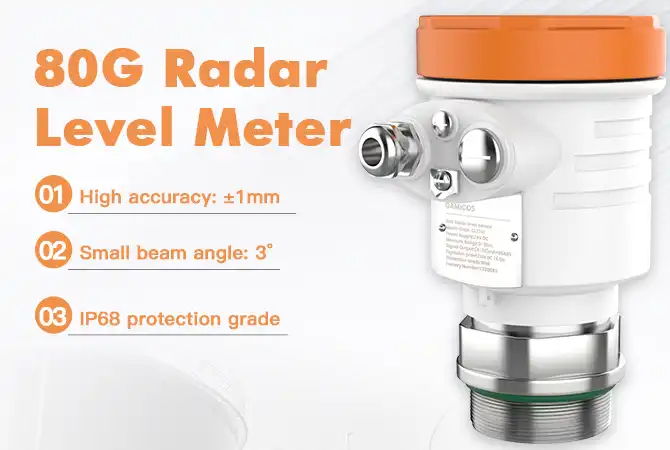
A major development in radar-based level measuring is the Foundation of Precision Frequency Modulated Continuous Wave (FMCW) technology. The GAMICOS GLT74 series uses advanced signal processing methods to achieve previously unheard-of precision while operating on the cutting-edge 80GHz frequency spectrum. High-frequency FMCW radar emissions with linearly rising frequency patterns are released by the antenna while it is in operation. Frequency variations corresponding to target distances are produced when these transmitted signals bounce off measured media surfaces and return to the same antenna.
By using Fast Fourier Transform (FFT) algorithms to analyze these frequency fluctuations, the system produces comprehensive echo spectrums that allow for accurate distance measurements. The 80GHz radar's remarkable accuracy and high-resolution measurement capabilities are made possible by this technical approach, which establishes new benchmarks for monitoring applications at the industrial level.
Industrial Applications Across Critical Sectors
Radar level gauges are now crucial parts of chemical processing facilities, pharmaceutical manufacturing facilities, food production facilities, and petroleum refineries. These sectors need measuring systems that can function dependably in hazardous atmospheres, corrosive conditions, and very high or low temperatures, where conventional measurement techniques often break down.
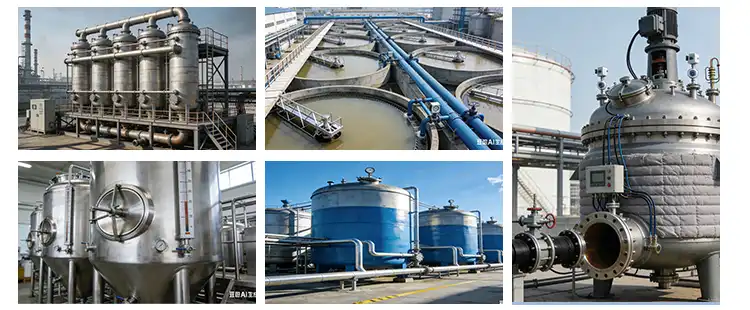
Energy businesses rely on these systems for precise tank inventory management, while water treatment plants use radar technology to monitor reservoir levels. Radar measurements are especially useful in sterile pharmaceutical and food processing settings because of their non-contact nature, which removes contamination hazards and lowers maintenance needs.
OEM Solutions Tailored for System Integrators: Core Components and Benefits
Implementing level measuring systems for a variety of industrial applications presents special difficulties for system integrators. These issues are resolved by OEM radar level gauge systems, which provide complete component packages and adaptable configurations made especially for integration needs.
Essential Components of OEM Radar Systems
High-sensitivity sensors, cutting-edge transmitters, complex signal processors, and communication interfaces designed for smooth SCADA and PLC system integration are all included in OEM radar level gauge solutions. Together, these elements preserve interoperability with the current automation system while delivering precise, real-time level data.
Strong antenna systems made to meet the demands of certain applications, strong signal processing units that can handle intricate echo patterns, and adaptable communication modules that support a variety of protocols are all part of the basic architecture. These components work together to provide measuring systems that preserve uniform performance standards while adjusting to a variety of industrial needs.
Strategic Benefits of OEM Partnership
Working together with specialist OEM suppliers guarantees access to state-of-the-art measuring technologies while streamlining procurement procedures. Through OEM relationships, system integrators may provide customers with tested solutions supported by extensive technical assistance, lowering project risks and speeding up implementation schedules.
While continuous technical support guarantees optimum system performance across operating lifecycles, custom calibration services improve measurement accuracy for particular applications. These collaborations provide integrators access to cutting-edge technology and specialized knowledge, giving them a competitive edge.
Comparing Radar Level Gauge Solutions: Why Choose Our OEM Offering?
There are several level monitoring systems available in the industrial measurement industry, each with unique benefits and drawbacks. Making educated decisions while choosing the best solutions for certain applications is made possible by being aware of these distinctions.
Superior Performance Characteristics
The remarkable performance characteristics of the GAMICOS GLT74 series set it apart from competing measuring systems. The main technological benefits of this cutting-edge radar technology are as follows:
• Ultra-high measurement accuracy reaching ±1mm precision levels, surpassing traditional ultrasonic and capacitive measurement methods
• Minimal blind zone and extensive range with detection capabilities starting at 0.05m from the antenna and extending to 120m maximum range
• Outstanding anti-interference performance operating in clean 80GHz frequency bands with minimal susceptibility to electromagnetic interference
• Exceptional beam characteristics featuring narrow ±3° beam angles in both horizontal and vertical directions for precise target detection
For system integrators overseeing intricate industrial measurement applications, these technological requirements result into observable advantages. In tough applications where other technologies find it difficult to meet performance criteria, the combination of precision, range, and interference resistance allows for dependable operation.
Comprehensive Solution Portfolio
Strong feature sets, affordable prices, and adaptable service models made to accommodate a range of industrial applications set our OEM products apart. While thorough case studies from a range of industrial sectors support long-term performance and return on investment, performance benchmarks continuously show greater accuracy and dependability when compared to alternative measuring methods.
Testimonials from both major industrial facilities and small-scale businesses demonstrate the useful advantages of using tested radar measuring technologies. These practical cases show how strategic technology adoption consistently improves performance and lowers operating costs.
Procurement Guide for Radar Level Gauge OEM Solutions
Implementing a radar level gauge successfully requires a thorough assessment of the budget, accuracy requirements, and environmental factors. System integrators may match suitable solutions with particular project needs and operational restrictions with the aid of this thorough procurement approach.
Essential Selection Criteria
The lifetime and effectiveness of radar level gauges are greatly impacted by environmental factors. To guarantee the best equipment choice, temperature ranges, pressure conditions, chemical compatibility, and electromagnetic interference levels must be carefully assessed. In demanding settings where conventional measuring methods often fall short of maintaining precision, the GLT74 series shines.
Equipment selection options are directly impacted by process requirements such as reaction times, accuracy demands, and measurement range. By being aware of these factors, integrators may design suitable radar systems that maximize cost-effectiveness while meeting or beyond performance requirements.
Transparent Pricing and Support Structures
Through transparent price structures and extensive assistance packages, our procurement process places a strong emphasis on openness. While premium packages include longer warranties, advanced training, and priority technical support, standard price models include equipment expenses, installation assistance, and basic training programs.
Before committing to full-scale deployments, customers may assess the effectiveness of radar level gauges via trial installations and demonstration programs. These assessment options, together with easily available technical support channels and specialized training programs, guarantee effective project results and confident purchase choices.
Enhancing System Integration with Radar Level Gauge Technology
Optimizing radar level gauge performance requires attention to installation procedures, maintenance protocols, and advanced diagnostic capabilities. System integrators can leverage these measurement systems to enhance overall process analytics while enabling predictive maintenance strategies.
Installation and Maintenance Best Practices
Proper installation procedures significantly impact long-term performance and measurement accuracy. Antenna positioning, mounting configurations, and electrical connections must follow manufacturer specifications to ensure optimal signal propagation and minimize interference sources. Routine maintenance protocols include periodic calibration verification, antenna cleaning procedures, and diagnostic software utilization. These practices help maintain measurement accuracy while identifying potential issues before they impact system performance.
Emerging Technology Trends
Artificial intelligence integration represents the next evolution in radar level measurement technology. AI-driven algorithms enhance signal processing capabilities while enabling predictive maintenance features that optimize operational efficiency. These innovations forecast transformative impacts on industrial automation and smart factory implementations. Advanced sensor technologies continue expanding measurement capabilities while improving accuracy and reliability standards. Future developments promise enhanced integration with Internet of Things (IoT) platforms, enabling comprehensive data analytics and remote monitoring capabilities.
Conclusion
Radar Level Gauge OEM solutions provide system integrators with advanced measurement capabilities essential for modern industrial automation applications. The combination of FMCW technology, exceptional accuracy, and comprehensive support services creates compelling value propositions for diverse industrial sectors. As industries continue evolving toward automated processes and predictive maintenance strategies, radar level measurement technology will remain fundamental to achieving operational excellence and competitive advantages.
FAQ
Q1: What makes 80GHz radar technology superior to lower frequency alternatives?
A: The 80GHz frequency band offers several distinct advantages including improved accuracy, reduced beam width, and enhanced resistance to interference. Higher frequencies enable better signal resolution and more precise measurements, particularly in applications requiring millimeter-level accuracy.
Q2: How do radar level gauges perform in harsh industrial environments?
A: Radar technology excels in challenging conditions including extreme temperatures, corrosive atmospheres, and high-pressure environments. The non-contact measurement principle eliminates exposure to harsh media while maintaining consistent accuracy regardless of environmental variations.
Q3: What integration capabilities do OEM radar solutions offer?
A: Modern radar level gauges support multiple communication protocols including HART, Modbus, and Profibus, enabling seamless integration with existing control systems. Analog outputs and digital communications provide flexibility for diverse automation architectures.
Partner with GAMICOS for Advanced Radar Level Gauge Solutions
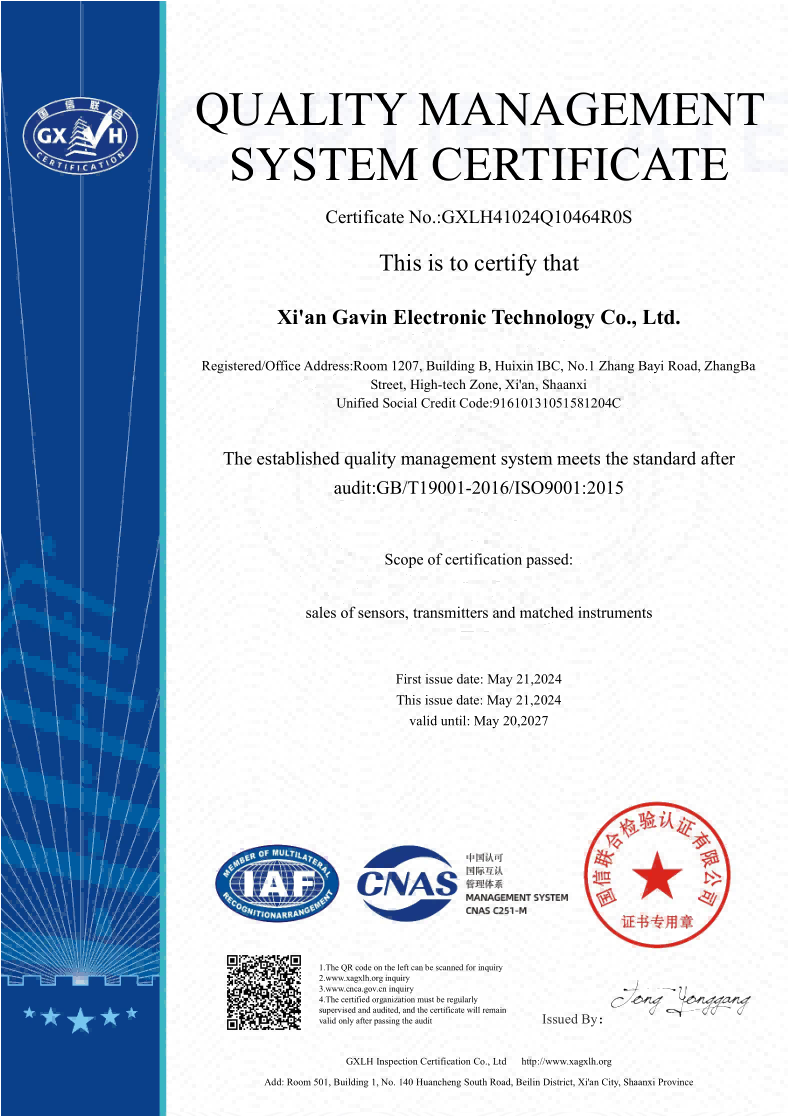
GAMICOS stands as a leading radar level gauge manufacturer, delivering cutting-edge measurement technology to system integrators worldwide. Our comprehensive OEM solutions combine advanced 80GHz FMCW technology with exceptional technical support, ensuring successful project implementations across diverse industrial applications. With proven expertise serving clients in over 100 countries, GAMICOS provides customizable radar level measurement solutions backed by rigorous quality control and extensive industry certifications. Contact our technical specialists at info@gamicos.com to discuss your specific requirements and discover how our radar level gauge technology can enhance your automation projects.
References
1. Smith, J.A. and Thompson, R.K. "Advanced Radar Technologies in Industrial Level Measurement Systems." Journal of Industrial Automation Engineering, Vol. 45, No. 3, 2023.
2. International Society of Automation. "Best Practices for Radar Level Measurement in Process Industries." ISA Technical Report TR-101.7, 2022.
3. Chen, L. and Williams, M. "FMCW Radar Applications in Industrial Process Control: Performance Analysis and Implementation Guidelines." IEEE Transactions on Industrial Electronics, Vol. 70, No. 8, 2023.
4. European Committee for Standardization. "Non-contact Level Measurement Systems: Technical Specifications and Safety Requirements." EN 61508-2:2023.
5. Rodriguez, C.M. et al. "Comparative Analysis of Level Measurement Technologies in Chemical Processing Applications." Chemical Engineering Progress, Vol. 119, No. 6, 2023.
6. Industrial Measurement Technology Association. "OEM Integration Guidelines for Radar Level Measurement Systems in Automation Applications." IMTA Standard 2023-RL-002.

Eva
Eva specializes in bridging the gap between cutting-edge sensor technology and market needs. With 8 years of experience in industrial product marketing, she has successfully launched multiple sensor product lines—from pressure transmitters to fuel level sensor—into global markets.
We're here to help — submit your request anytime!
Let us know how we can help solve your pressure level measurement challenge.
_1757930850792.jpg)
Recommended Blog
Guide to Selecting Non-contact Radar Level Sensors for Chemicals
OEM Options for Custom Radar Level Sensors for Hazardous Liquids
Radar Level Sensor vs Float Switch: Which is More Reliable?
Guide to Selecting Non-contact Radar Level Sensors for Chemicals
OEM Options for Custom Radar Level Sensors for Hazardous Liquids
Radar Level Sensor vs Float Switch: Which is More Reliable?