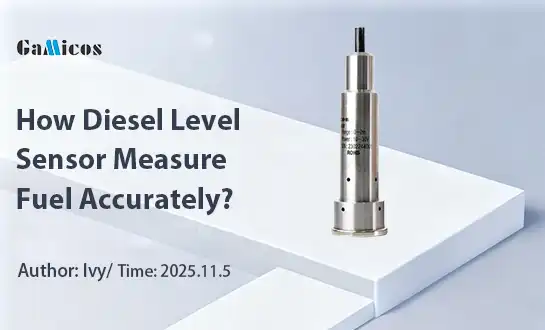
OEM Diesel Level Sensor Manufacturer for Fuel Tanks
Comprehensive Manufacturing Advantages of Diesel Level Sensors in China
- Comprehensive Manufacturing Advantages of Diesel Level Sensors in China
- Strategic Methods for Selecting Reliable Manufacturers
- Critical Certification Requirements and Standards Compliance
- Effective Sourcing Channels and Platform Strategies
- Essential OEM/ODM Cooperation Guidelines
- MOQ and Pricing Negotiation Strategies
- Factory Audit and Quality Control Best Practices
- Characteristics of Leading Suppliers in 2026
- Conclusion
- FAQ
- Partner with GAMICOS for Premium Diesel Level Sensor Solutions
- References
China has outstanding manufacturing capabilities that combine cutting-edge technology, competitive price, and strong production capacity when looking for an OEM diesel level sensor manufacturer for gasoline tanks. The market for diesel level sensors has grown significantly worldwide, and Chinese producers have emerged as trustworthy suppliers for companies looking for high-precision fuel monitoring systems. These producers are excellent at creating sensors that satisfy global standards and provide customisation choices for a range of industrial uses.

For businesses in need of diesel fuel level metering systems, the manufacturing environment in China offers strong benefits. Even though technological skills have advanced to world-class levels, manufacturing prices are still competitive. Numerous Chinese factories use cutting-edge manufacturing methods and maintain ISO 9001 accreditation to guarantee consistently high-quality output. A developed supply chain ecosystem with easily accessible components and specialized knowledge is produced by the concentration of sensor manufacturers in areas like Guangdong, Jiangsu, and Zhejiang.
Comprehensive Manufacturing Advantages of Diesel Level Sensors in China
Advanced Production Infrastructure
Over the last several decades, China's infrastructure for producing sensors has undergone significant change. Modern production facilities make ceramic components and silicon piezoresistive elements using precise equipment. Sensitive electronic components are assembled without contamination in clean room settings. Manufacturers are able to meet strict accuracy requirements across temperature ranges thanks to sophisticated calibration equipment.
Product dependability is ensured by the availability of specialist equipment for environmental simulation testing, aging processes, and pressure cycle tests. Numerous establishments have specialized R&D labs where engineers create unique solutions and verify performance attributes.
Supply Chain Integration
Manufacturers have easy access to premium components and raw materials because to the established supply chain ecosystem. Sensor producers work closely with distributors of silicon wafers, electrical components, and packaging materials. Lead times are shortened and quick prototyping for unique applications is made possible by this connection.
Established connections with semiconductor vendors who are aware of the particular needs for industrial and automotive applications are advantageous for component procurement. Consistent material qualities and performance characteristics are guaranteed by quality control systems installed throughout the supply chain.
Technical Expertise and Innovation
Chinese sensor makers use highly skilled technical teams with a lot of experience in design and manufacture. Many engineers have master's degrees in materials science, mechanical engineering, and electrical engineering. Teams stay up to speed on new technologies and industry standards because they constantly investing in training for their workforce.
Research partnerships with colleges and technical schools help sensor technology go forward. These relationships frequently lead to the development of new sensing systems, improved ways to make things, and products that work better.
Strategic Methods for Selecting Reliable Manufacturers
Comprehensive Technical Capability Assessment
Check out manufacturers based on how good and detailed their technical documentation is. Ask for thorough specs that include accuracy ratings, temperature coefficients, reaction times, and environmental working ranges, especially for diesel level sensors. Look over test records that show conformity with regulations for cars and industry.
Look at if the manufacturer can provide technical help throughout product development and after-sales servicing. Find out how well they grasp the needs for specific applications and how well they can suggest the best sensor setups for those applications.
Manufacturing Quality Systems Evaluation
Look at the quality management methods that possible suppliers use. ISO 9001 accreditation is a good start, but getting other certifications, like IATF 16949 for automotive applications, shows an even greater dedication to quality. Check the quality control methods, such as the protocols for inbound inspection, in-process monitoring, and final testing.
Ask for information on strategies for controlling statistical processes and programs for continuous improvement. Companies that use strong quality systems usually make goods that are more reliable and have fewer problems in the field.
Production Capacity and Scalability Analysis
Check the production capacity to make sure that suppliers can satisfy both current and future volume needs. Check the manufacturing equipment's capabilities, the number of the personnel, and the possibility of expanding the facility. Knowing about capacity limits might assist keep supplies from running out when demand goes higher.
Check out how much experience the manufacturer has with comparable volume needs and how well they have kept their promises to deliver on time. Suppliers who can change how they make things can better handle changing demand trends.
Financial Stability and Business Reputation
Check the credit reports and company registrations of possible suppliers to see whether they are financially stable. Established firms with robust finances provide more supply certainty and spend more in continuous product development.
Look at customer references and reviews from businesses in the same field. Long-term connections with customers are frequently a sign of good service and dependable performance.
Customization and Engineering Support Capabilities
Check to see whether the manufacturer can provide tailored solutions, such as changing the size of sensors, creating particular output signals, and meeting certain packaging needs. Check out their engineering design skills and past work on unique projects.
Check to see whether there is application engineering help available for choosing sensors, installing them, and fixing problems. Manufacturers with good technical help can finish projects quicker and integrate systems better.
Critical Certification Requirements and Standards Compliance
International Safety and Performance Standards
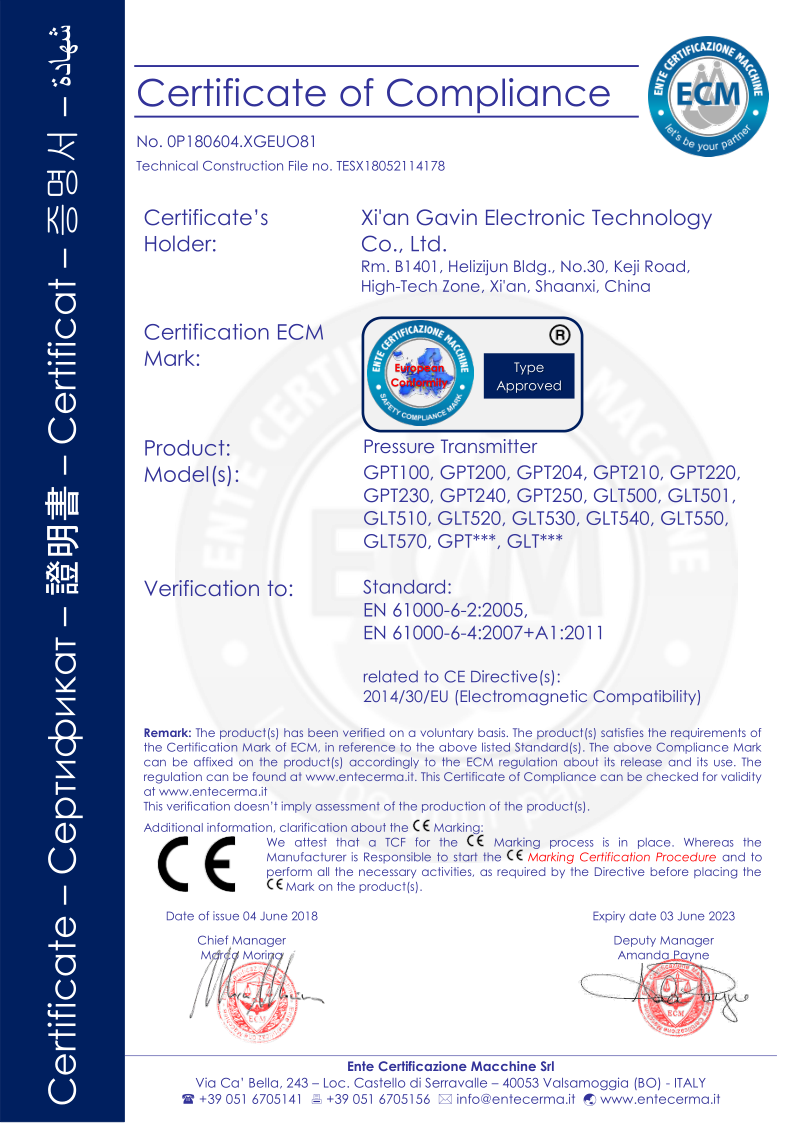
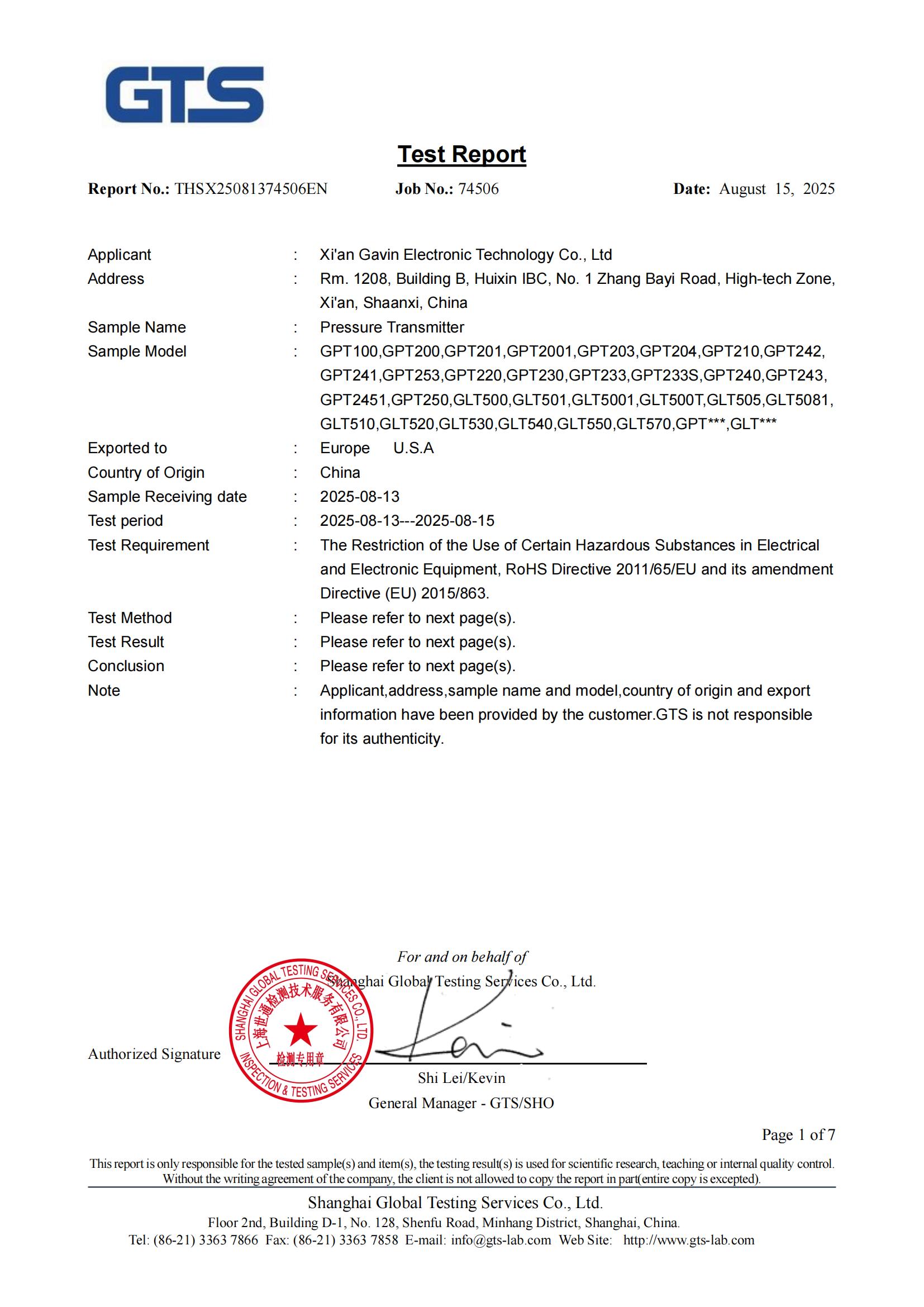
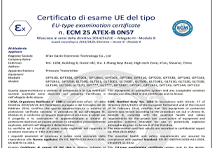
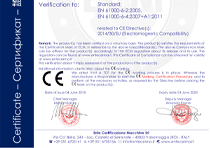
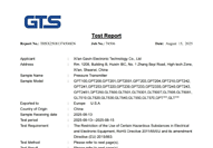
CE certification shows that a product meets European standards for health, safety, and the environment. This certification makes sure that sensors fulfill the criteria for low voltage directives and electromagnetic compatibility (EMC). RoHS compliance means that electronic parts can't have dangerous chemicals in them.
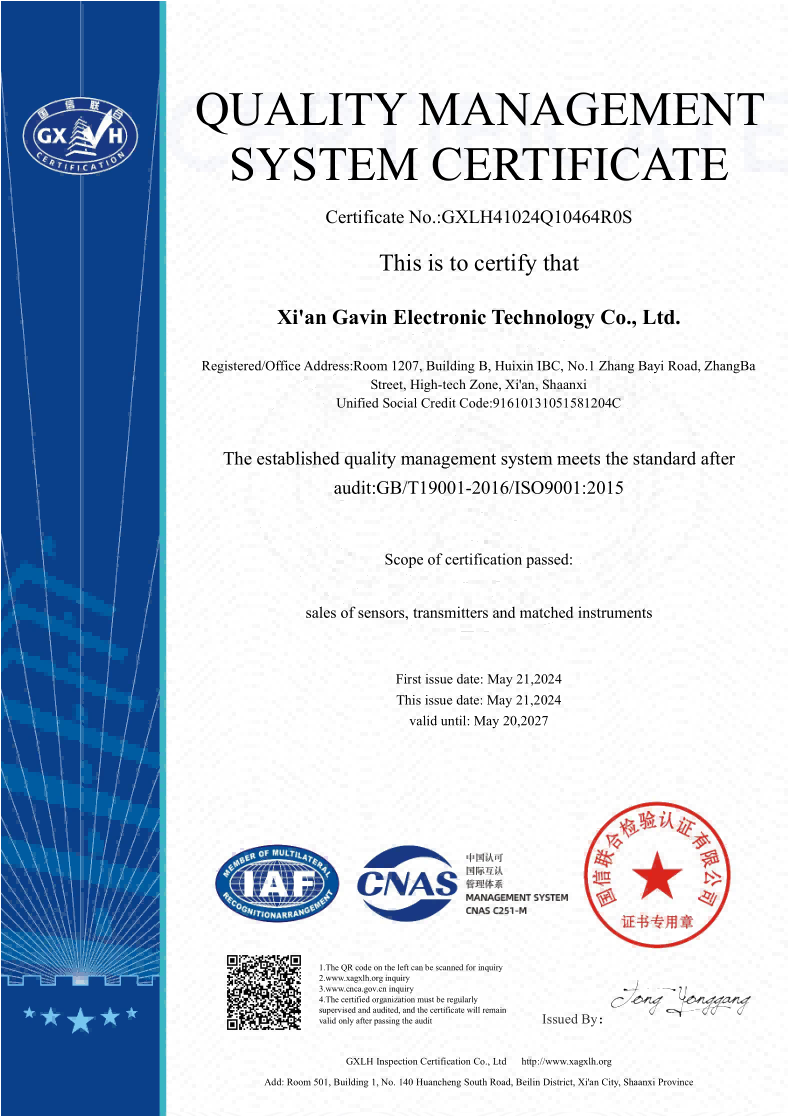
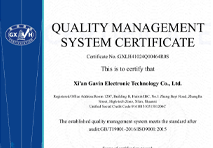
ISO 9001 accreditation means that quality management systems are in place to make sure that production procedures are always the same. IATF 16949 accreditation is particular to automotive suppliers and shows that there are extra quality standards for applications that are vital to safety.
Industry-Specific Certifications
ATEX certification makes it safe to use in places where there is a risk of explosions, including while storing and handling fuel. To get this accreditation, sensors have to go through a lot of testing to make sure they won't cause fires in dangerous places.
UL listing shows that a product meets the safety requirements set by Underwriters Laboratories and is recognized in North American markets. The CSA certification does the same thing for Canadian markets.
Environmental and Durability Standards
IP68 rating ensures sensors withstand immersion in liquids and provide protection against dust ingress. This rating is essential for diesel level sensors that operate in harsh environmental conditions.
Tests that change the temperature check how well the sensor works in the ranges it was designed to work in. Testing for vibration and shock shows that transportable applications, such automobile fuel tanks, are mechanically strong.
Effective Sourcing Channels and Platform Strategies
B2B E-commerce Platforms
Alibaba.com lets you connect with many sensor makers and read thorough business profiles, product details, and customer reviews. The platform's trade assurance program protects eligible transactions and provides services to help settle disputes.
Global Sources is an expert in connecting customers with certified suppliers and offers further services to check the credentials of suppliers. Made-in-China.com is another full-featured site that lists a lot of manufacturers and product categories.
Trade Shows and Industry Exhibitions
Trade exhibitions provide you the chance to talk to manufacturers directly and try out their products. Big shows like the Canton Fair, Electronica China, and SENSOR+TEST show you the newest sensor technology and provide you a chance to meet possible suppliers.
Industry-specific trade shows that concentrate on automotive, industrial automation, or fuel management systems generally include specialist sensor makers with the right knowledge and products.
Direct Manufacturer Contact
Building direct ties with manufacturers may lead to better communication, the creation of unique solutions, and perhaps better price terms. To meet the needs of their customers, several firms have worldwide sales teams with technical knowledge.
Industry groups and technical conferences are great places to meet other professionals and get to know reliable manufacturers. These associations typically give you an idea of what a company can do and how well they are known in the market.
Essential OEM/ODM Cooperation Guidelines
Technical Specification Development
Work closely with manufacturers throughout the specification development process to make sure that the sensor's features meet the needs of the application. Give specific details on the settings in which the system will be used, such as temperature ranges, pressure changes, fluid compatibility, and environmental variables.
Establish clear performance criteria including accuracy requirements, response time specifications, and output signal characteristics. Define mechanical requirements such as sensor dimensions, mounting configurations, and cable specifications.
Intellectual Property Protection
Make sure there are explicit intellectual property agreements in place to safeguard proprietary designs and application expertise. Technical specifications, application specifics, and market information disclosed throughout the development phase should all be covered by non-disclosure agreements.
To protect your distinctive product characteristics and branding aspects, think about registering your trademarks and designs in the countries where they are most relevant. To make sure you have enough protection, work with a lawyer who knows a lot about international intellectual property law.
Quality Agreement Development
Make detailed quality agreements that spell out how to do inspections, what to look for before accepting something, and how to fix problems. Set explicit roles for checking quality, keeping records, and dealing with problems that don't follow the rules.
Set up systems for quality monitoring and audit rights for suppliers to make sure that agreed-upon standards are always met. Include plans for quality performance measurements and ongoing improvement efforts.
Supply Chain Management
To make sure there is enough stock on hand, provide defined delivery schedules and rules for managing inventory. To save the expenses of holding inventory, think about using vendor-managed inventory solutions for applications with a lot of volume.
Make backup preparations for when supplies run out, such as finding other places to get them and figuring out how much safety stock you need. Manufacturers can better manage their production capacity if they talk to each other regularly about demand estimates.
MOQ and Pricing Negotiation Strategies
Understanding Minimum Order Quantities
Manufacturers usually set minimum order quantities (MOQs) depending on the expenses of setting up production and the minimum amounts of materials they need to buy. Standard items, like diesel level sensors, usually have cheaper minimum order quantities (MOQs) than bespoke setups that need specific tools or calibration steps.
Talk about MOQ conditions that work for your company while also taking into account the limits of the manufacturer. To get better price conditions, think about combining orders for different product variations to reach volume criteria.
Value-Based Pricing Approaches
Don't just talk about the price of each item; talk about the whole worth. When looking at price ideas, think about things like how consistent the quality is, how reliable the delivery is, how easy it is to get technical help, and the conditions of the guarantee.
Ask for precise price breakdowns that show the costs of materials, production, and overhead. Knowing how costs are structured helps you negotiate better and find ways to save costs.
Long-Term Partnership Development
Set up framework agreements that keep prices stable for a long time and give incentives depending on volume. Long-term agreements generally let producers buy specialized tools or procedures that help both sides.
Think about making exclusive supplier deals for certain types of products in return for certain volume commitments and better price conditions. These kinds of ties usually lead to better technical assistance and priority allocation when there isn't enough capacity.
Factory Audit and Quality Control Best Practices
Pre-Audit Preparation and Documentation
Make full audit checklists that include quality systems, manufacturing processes, testing capabilities, and controls for documentation. Before the site visit, go over the manufacturer's quality manual, process flow charts, and control plan papers.
Make a list of specific questions regarding the capabilities of the process, the quality measures, and the plans for continuous improvement. Knowing how the manufacturer handles quality control makes audits more targeted.
Production Process Evaluation
Check to see whether written processes are being followed by watching real production activities. Pay close attention to important steps including putting together sensors, calibrating them, and doing final tests.
Look at process control approaches include implementing statistical process control, analyzing measurement systems, and studying process capabilities. Good process control shows that the firm is dedicated to making products of the same high quality every time.
Quality Control System Assessment
Evaluate incoming inspection procedures for raw materials and purchased components. Review calibration records for test equipment and measurement devices used in quality control activities.
Assess the manufacturer's approach to corrective and preventive action implementation. Effective CAPA systems demonstrate the ability to identify and resolve quality issues systematically.
Documentation and Traceability Systems
Review documentation systems that provide traceability from raw materials through final product delivery. Adequate record-keeping enables effective root cause analysis and supports continuous improvement efforts.
Evaluate the manufacturer's ability to provide certificates of compliance, test reports, and other documentation required for your quality systems and customer requirements.
Characteristics of Leading Suppliers in 2026
Advanced Technology Integration
Top-tier suppliers invest heavily in emerging technologies such as IoT connectivity, wireless communication capabilities, and advanced signal processing algorithms. These manufacturers develop sensors, including diesel level sensors, that integrate seamlessly with modern data acquisition systems and provide enhanced diagnostic capabilities.
Machine learning applications enable predictive maintenance features and improved sensor performance optimization. Manufacturers who embrace these technologies provide competitive advantages through enhanced functionality and reduced total cost of ownership.
Sustainability and Environmental Responsibility
Leading suppliers implement environmentally responsible manufacturing practices including waste reduction, energy efficiency improvements, and sustainable material sourcing. Green manufacturing initiatives often result in cost savings that benefit customers through competitive pricing.
Product lifecycle management approaches consider environmental impact throughout the design, manufacturing, use, and disposal phases. Suppliers who prioritize sustainability often develop innovative solutions that meet both performance and environmental objectives.
Global Service and Support Capabilities
Exceptional suppliers maintain international service networks that provide local technical support and rapid response to customer inquiries. Global presence enables better understanding of regional market requirements and regulatory compliance needs.
Remote diagnostic capabilities and online technical resources provide 24/7 support availability. These service capabilities reduce downtime and enable faster resolution of technical issues.
Continuous Innovation and Development
Industry-leading manufacturers invest significant resources in research and development activities that drive technological advancement. Collaboration with customers, universities, and research institutes accelerates innovation and ensures products meet evolving market needs.
Patent portfolios and technical publications demonstrate commitment to innovation and technical leadership. Suppliers with strong innovation cultures provide access to next-generation technologies and competitive advantages.
Conclusion
Selecting the right diesel level sensor manufacturer in China requires careful evaluation of technical capabilities, quality systems, and business practices. The Chinese manufacturing ecosystem offers significant advantages including competitive pricing, advanced production capabilities, and extensive customization options. Success depends on thorough supplier evaluation, clear communication of requirements, and development of strong partnership relationships.
The key factors include verifying certifications, assessing manufacturing quality systems, evaluating technical support capabilities, and establishing clear agreements for intellectual property protection and quality standards. Leading suppliers demonstrate commitment to innovation, sustainability, and global service capabilities that support long-term business success.
FAQ
Q1: What certifications should I look for in a diesel level sensor manufacturer?
A: Essential certifications include CE marking for European markets, RoHS compliance for environmental safety, and ISO 9001 for quality management systems. ATEX certification is crucial for explosive atmosphere applications, while IATF 16949 certification indicates automotive industry quality standards compliance.
Q2: How can I verify the quality of Chinese diesel level sensor manufacturers?
A: Conduct thorough factory audits focusing on production processes, quality control systems, and testing capabilities. Request customer references, review certification documents, and evaluate technical documentation quality. Consider third-party verification services for additional assurance.
Q3: What are typical MOQ requirements for custom diesel level sensors?
A: MOQ requirements vary significantly based on customization complexity and manufacturer capabilities. Standard products may have MOQs as low as 100-500 pieces, while heavily customized sensors might require 1,000-5,000 pieces minimum orders due to tooling and setup costs.
Q4: How long does it typically take to develop custom diesel level sensors?
A: Development timelines depend on customization complexity and manufacturer capabilities. Simple modifications such as cable length or connector changes may require 2-4 weeks, while complex custom designs involving new sensor elements or specialized packaging might take 8-16 weeks.
Q5: What technical support should I expect from sensor manufacturers?
A: Quality manufacturers provide comprehensive technical support including application engineering assistance, installation guidance, calibration procedures, and troubleshooting support. Look for suppliers offering both pre-sales engineering support and ongoing technical assistance throughout the product lifecycle.
Partner with GAMICOS for Premium Diesel Level Sensor Solutions
GAMICOS stands as a leading diesel level sensor manufacturer specializing in high-precision fuel monitoring solutions for global industrial applications. Our GLT5001 liquid diesel level sensor exemplifies advanced engineering with silicon piezoresistive technology, automatic temperature compensation, and IP68 protection rating. We offer comprehensive OEM/ODM services including customized sensor configurations, specialized interfaces, and application-specific designs that meet stringent industry requirements. Contact our technical team at info@gamicos.com to discuss your diesel level sensor requirements and discover how our proven expertise in over 100 countries can optimize your fuel monitoring systems.
References
1. International Sensor Technology Market Analysis Report - Industrial Automation Sensors and Applications, 2024
2. Chen, L. et al. "Advanced Piezoresistive Sensor Technologies for Automotive Applications" - Journal of Sensor Engineering, Vol. 15, 2024
3. Global Fuel Management Systems Technical Standards and Certification Requirements - International Standards Organization Technical Report, 2024
4. Wilson, R.M. "OEM Sensor Manufacturing Quality Systems and Best Practices" - Industrial Automation Quarterly, Issue 3, 2024
5. European Automotive Sensor Compliance Guidelines - ATEX and CE Marking Requirements for Fuel System Components, 2024
6. Zhang, W. and Kumar, S. "Supply Chain Management in Chinese Sensor Manufacturing Industry" - International Manufacturing Review, Vol. 28, 2024

Ivy
Ivy, product consultant, has focused on sensor consultation for ten years, is proficient in providing pressure and level measurement solutions for customers.
We're here to help — submit your request anytime!
Let us know how we can help solve your pressure level measurement challenge.
_1757930850792.jpg)
Recommended Blog