For Toronto landfills to run smoothly, they need accurate level measurement tools that can stand up to the worst weather. For dumps in Toronto, Canada, the best submersible level sensors are important for keeping an eye on things like waste management, environmental compliance, and operating safety. These specialized tools give accurate readings even in tough conditions, which helps site managers stay in line with regulations and make sure that the best waste management practices are used. Because of Toronto's strict environmental rules, picking the right underwater sensor technology is very important for keeping landfills running smoothly.
Introduction
Accurately measuring the level is essential for managing landfills well, protecting the environment and making sure that all of Toronto's garbage management facilities work well. Today's underwater devices can reliably and continuously watch things that need to be tracked in landfills, especially when checking groundwater levels, slurry conditions, and leachate levels. Because of Toronto's strict environmental laws and high working standards for landfills, using advanced tracking technologies is a great way to meet compliance requirements and promote sustainability. Precise level tracking is important for more than just simple operations.
To keep groundwater from getting contaminated, environmental protection agencies keep track of waste amounts all the time. It is possible to meet these legal requirements and handle resources efficiently with submersible level sensor devices because they are accurate and reliable. This detailed guide talks about the important part these sensors play in managing landfills, focusing on goods that can work in Toronto's specific legal environment and tough working conditions.
Understanding Submersible Level Sensors in Landfill Applications
Core Technology and Design Principles
Specialized tools called submersible level sensors are designed to measure the level of liquids in tough, underwater places like waste leachate pools and groundwater monitoring wells. These gadgets usually have high-performance pressure sensors inside a strong, waterproof case that lets them send data continuously and in real time, even in harsh circumstances. Because these sensors work reliably even when the liquids they are attached to change and the forces they are under change, they are essential for tracking landfills. Because they are highly resistant to rust and have exact output specs, they are perfect for dealing with the complex chemical mixtures that are common in waste leachate and sludge.
Application Benefits in Waste Management
Industries leveraging these advanced sensing technologies benefit significantly from enhanced process control and improved environmental safety protocols. The continuous monitoring capabilities enable facility managers to respond quickly to changing conditions, preventing potential environmental incidents while maintaining optimal operational efficiency.
Top Submersible Level Sensors for Landfills in Toronto (2026)
Market-Leading Solutions and Performance Analysis
Solutions that lead the market and performance analysis When choosing the right monitor for a dump, you need to think carefully about how long it will last in acidic leachate, how accurate the signal needs to be, and how well it meets local regulatory standards. The next section looks at some of the best sensor systems on the market in Toronto. Expert-level sensors from well-known brands like Honeywell, Siemens, Endress+Hauser, Vega, and Keller are the best in many ways, such as durability, accuracy in measuring, smart communication features, and low cost. The benefits of each option are different and depend on the needs of the business.
GAMICOS GLT530: Compact Design Excellence
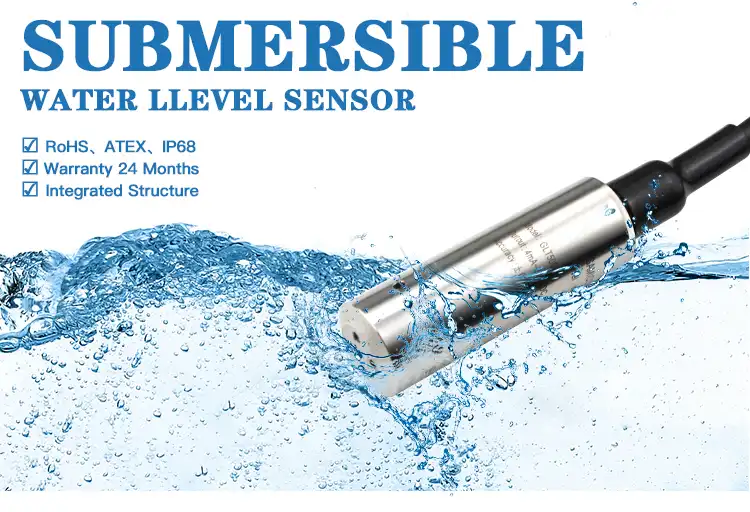
The GAMICOS GLT530 small diameter level sensor is an example of cutting edge technology made for situations where installation room is limited. This high-tech device has probe sizes that range from 12.8 to 19 mm and comes with high-performance pressure sensing technology and complex signal processing circuits built in. Fully welded closing technology is used in the combined structure, which gives it great security against harsh weather.
Key performance specifications include:
- Wide measurement range: Capable of measuring from 0 to 1m up to 500m water column, providing versatility for various landfill monitoring applications
- High accuracy options: Available in ±0.1%FS, ±0.25%FS, and ±0.5%FS accuracy levels to meet different precision requirements
- Compact probe dimensions: Standard 16mm or 19mm diameters, with custom ultra-small 12.8mm diameter available for restricted access applications
- Reliable signal output: Non-polar two-wire current output ensures consistent data transmission
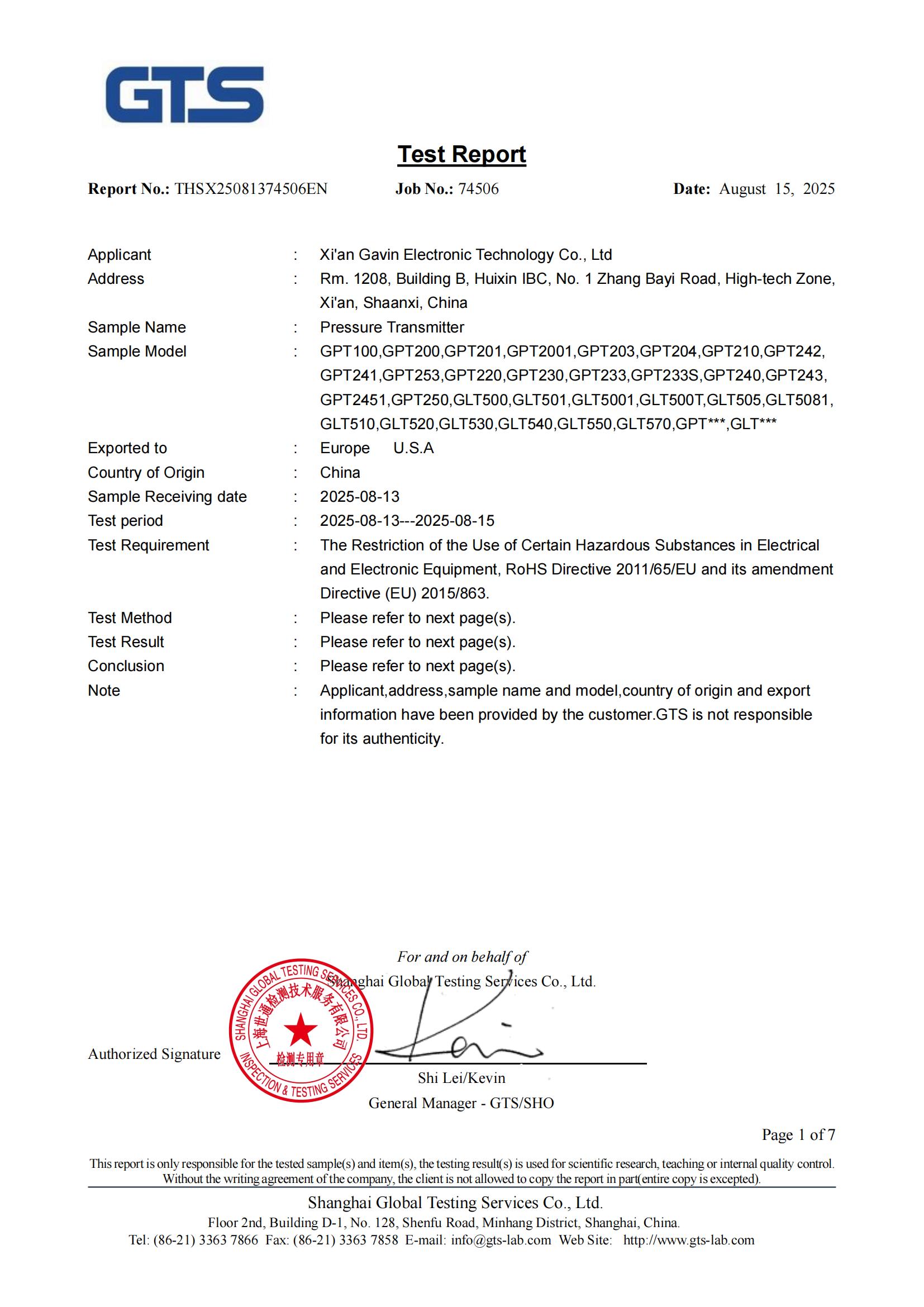
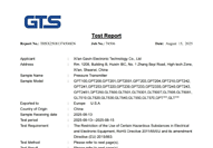
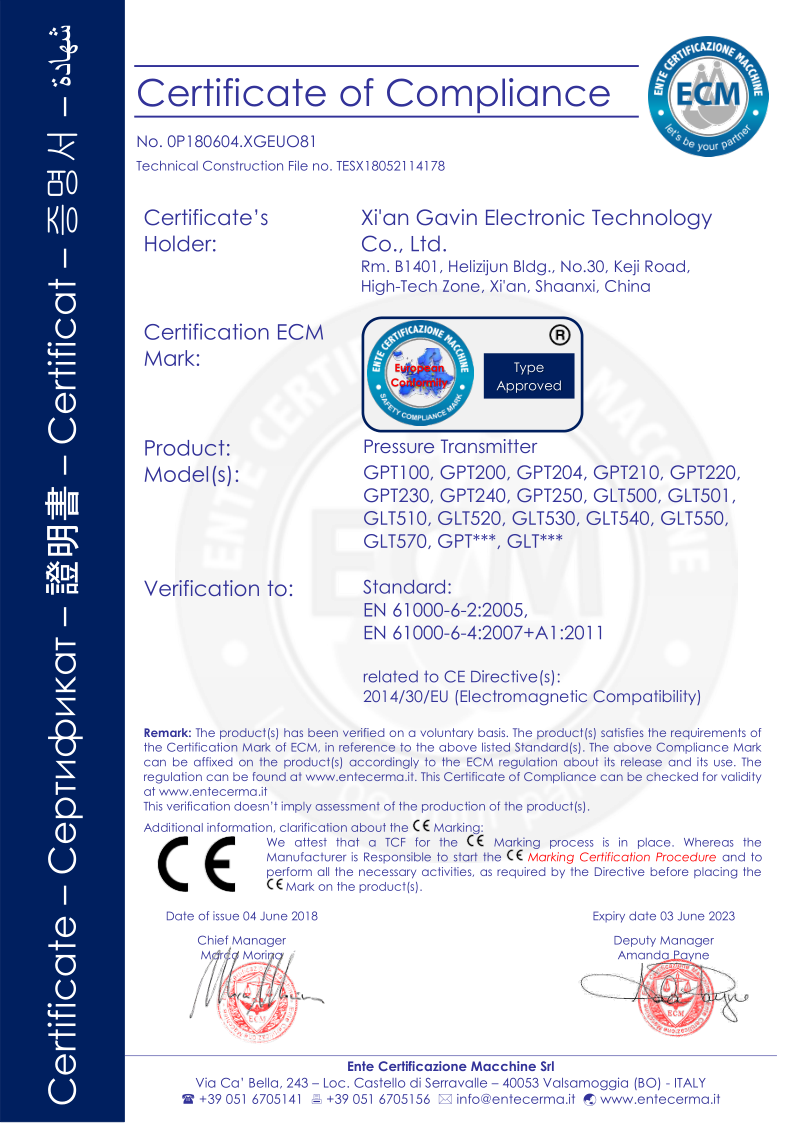
- International certifications: CE, RoHS, and ATEX certified for global compliance and safety standards
This sensor can be submerged in water for extended periods while maintaining normal operation, making it ideal for continuous groundwater monitoring and leachate level measurement applications in landfill environments.
Comparative Analysis and Selection Criteria
When evaluating different sensor options, procurement professionals should consider factors including measurement accuracy, environmental resistance, communication protocols, and long-term reliability. The GLT530's compact design and high accuracy make it particularly suitable for Toronto's landfill applications where space constraints and precision requirements are paramount.
Installation and Maintenance Best Practices for Landfill Submersible Sensors
Strategic Installation Guidelines
Proper installation procedures maximize submersible level sensor longevity and measurement performance in demanding landfill conditions. The installation process should begin with careful site assessment, considering factors such as access requirements, cable routing, and potential interference sources. Safety protocols must be established before any installation work begins, particularly when working around leachate tanks and monitoring wells. The GLT530's compact design simplifies installation in confined spaces, reducing labor requirements while ensuring optimal positioning for accurate measurements. The fully welded sealing provides confidence in long-term reliability, even when exposed to aggressive chemical environments typical of landfill applications.
Maintenance Protocols and Performance Optimization
Regular inspections, thorough cleaning methods to stop fouling, and structured fixing procedures help keep measurement accuracy even when conditions in the dump are tough. Advanced sensors have a non-polar two-wire output design that makes upkeep easier and lowers the number of places where something could go wrong. Recommended testing times are a responsible way to keep measurements accurate, which is important for keeping waste operations in Toronto efficient and in line with regulations. The sturdy design of professional-grade sensors means that they don't need as much upkeep and always work well.
Comparing Submersible Level Sensors with Other Level Measurement Technologies
Technology Evaluation and Performance Comparison
Knowing about different measurement methods can help you make the best choices for choosing. Ultrasonic and float sensors aren't as good as a submersible level sensor. This is especially true in tough landfills where underwater operation and resistance to contamination are very important. Environmental fit is a key difference, with underwater units performing best in situations with harsh chemicals, changing temperatures, and the need to be submerged continuously. Submersible technology is better for landfills because it is easier to install, requires less upkeep, lasts longer, and gives more accurate measurements.
Wireless Capabilities and System Integration
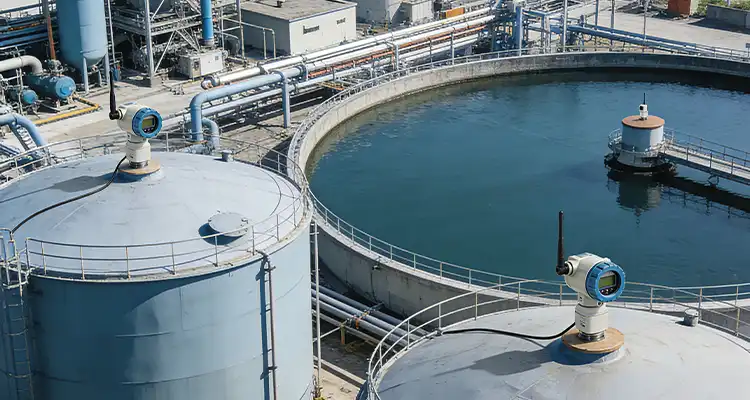
Newer portable sensor types make tracking landfills better by making data easier to get to and making it easier to connect to other management systems. These features help complete methods for managing landfills while lowering the need for equipment and running costs.
Procurement Guide: Where and How to Buy Submersible Level Sensors in Toronto?
Supplier Selection and Quality Assurance
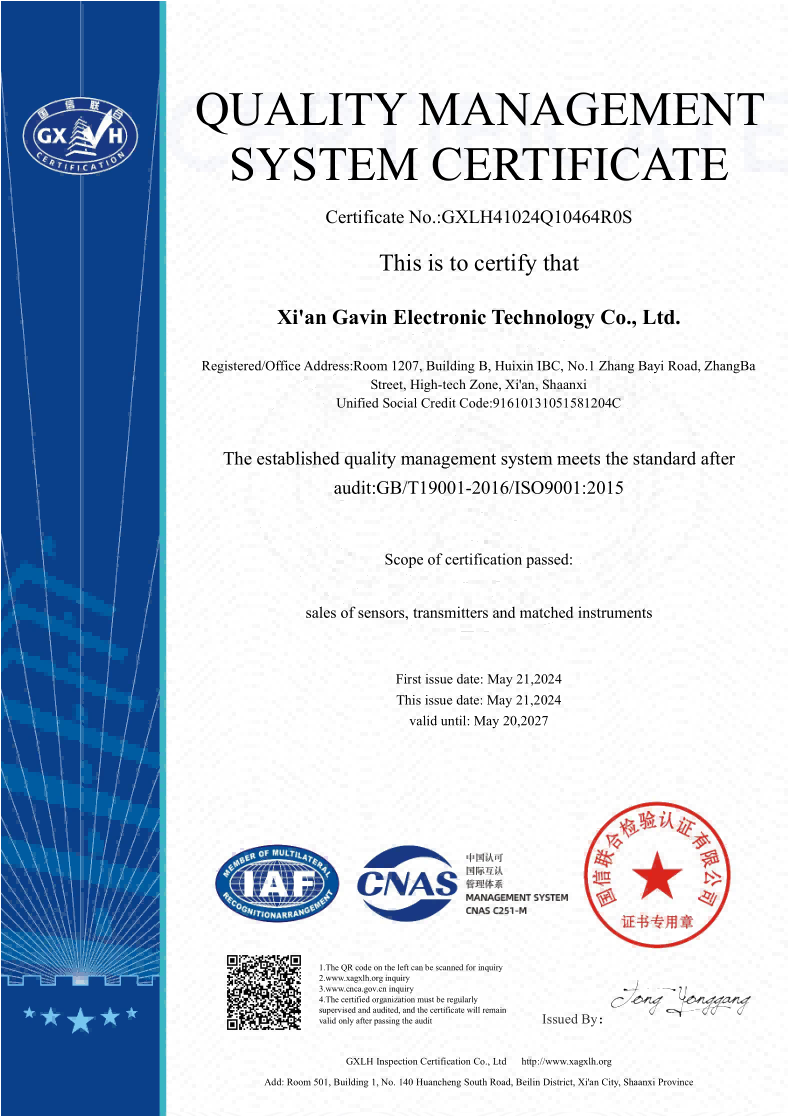
To make sure the purchase goes well, you need to choose sources you can trust and who have experience with landfill-grade sensing equipment. There are both local and foreign suppliers, and each has its own benefits. Key decision factors should include thorough certification programs and customization services. GAMICOS has a lot of experience working with clients in 98 different countries and has shown that it can solve real-world problems in the business world. The company works on knowing each customer's unique application needs and operating difficulties in order to provide customized goods and services.
Cost Optimization and Support Services
Procurement managers can get the best deals on products and services while staying within their budgets by analyzing prices in great detail and buying in bulk. For reliable, long-term waste tracking systems, quality control methods and proof of legal compliance are still very important. Professional technical support teams help with choosing the right product, installing it, setting it, and continuing to use it so that the sensor works at its best for as long as it is operating. After-sales service that includes quick responses, maintenance help, fixes, and expert advice ensures stable performance for a long time.
GAMICOS: Advanced Sensor Solutions for Environmental Applications
Company Expertise and Product Innovation
GAMICOS specializes in delivering advanced sensor solutions designed specifically for industrial and environmental applications, with particular strength in landfill and wastewater management systems. The company offers diverse product ranges engineered to withstand challenging landfill conditions while emphasizing durability, measurement accuracy, and real-time data transmission capabilities.
Continuous technological innovation, supported by a dedicated research and development department with highly skilled engineers, drives product advancement. Multiple patents and strategic cooperation with research institutes enable GAMICOS to transform scientific achievements into practical productivity improvements, delivering superior products and services to global markets including North America, Europe, Asia, Africa, and Oceania.
Customization and OEM Services
Flexible OEM and ODM customization services include comprehensive model adaptation, parameter optimization, specialized packaging, and documentation customization to enhance customer branding and operational integration. Strict quality control measures ensure consistent performance while meeting diverse market requirements.
Conclusion
Selecting the optimal submersible level sensor for landfill applications in Toronto requires careful evaluation of measurement accuracy, environmental resistance, regulatory compliance, and long-term reliability. The GLT530 represents advanced engineering designed specifically for challenging environmental applications, offering compact design, high accuracy, and robust construction suitable for extended operation in harsh conditions. Professional procurement decisions should consider not only initial cost factors but also long-term operational efficiency, maintenance requirements, and supplier support capabilities to ensure successful implementation and sustained performance.
Frequently Asked Questions
Can submersible level sensors accurately measure levels in highly corrosive landfill leachate?
Yes, professional-grade sensors designed for landfill applications feature advanced corrosion-resistant materials and robust housing construction to ensure reliable measurements even in highly corrosive environments. The GLT530's fully welded sealing and specialized materials provide excellent protection against aggressive chemical conditions typical of landfill leachate.
What is the typical lifespan of a submersible level sensor used in landfill environments?
Operational lifespan varies based on maintenance practices, sensor quality, and specific environmental conditions, but typically ranges from 5 to 10 years. High-quality sensors with proper maintenance can often exceed these expectations, particularly when installed and maintained according to manufacturer specifications.
How often should calibration and maintenance be performed for landfill sensors?
Regular calibration every 6 to 12 months and periodic maintenance aligned with manufacturer guidelines optimize sensor performance and operational longevity. The frequency may be adjusted based on specific application conditions and regulatory requirements, with more aggressive environments potentially requiring more frequent attention.
Partner with GAMICOS for Superior Submersible Level Sensor Solutions
GAMICOS offers comprehensive sensor solutions specifically engineered for demanding landfill applications, combining advanced technology with proven reliability. Our experienced team provides personalized consultation services to help identify optimal sensor configurations for your specific operational requirements. With extensive experience serving industrial automation equipment manufacturers, engineering contractors, and environmental management companies, we understand the unique challenges of landfill monitoring applications. Contact us at info@gamicos.com to discuss your submersible level sensor supplier needs and discover how our GLT530 and other advanced sensor technologies can enhance your environmental monitoring capabilities while ensuring regulatory compliance and operational efficiency.
References
1. Environmental Protection Agency. "Landfill Gas Emissions Model (LandGEM) Version 3.02 User's Guide." Office of Research and Development, 2005.
2. Kjeldsen, Peter, et al. "Present and Long-Term Composition of MSW Landfill Leachate: A Review." Critical Reviews in Environmental Science and Technology 32.4 (2002): 297-336.
3. Renou, Sylvie, et al. "Landfill Leachate Treatment: Review and Opportunity." Journal of Hazardous Materials 150.3 (2008): 468-493.
4. Environment and Climate Change Canada. "Technical Document for Municipal Solid Waste Organics Processing Facilities." Solid Waste Management Division, 2013.
5. Christensen, Thomas H., et al. "Biogeochemistry of Landfill Leachate Plumes." Applied Geochemistry 16.7-8 (2001): 659-718.
6. Ontario Ministry of Environment, Conservation and Parks. "Landfill Standards: A Guideline on the Regulatory and Approval Requirements for New or Expanding Landfill Sites." Queen's Printer for Ontario, 2012.

_1757930850792.jpg)