For use in industry, it is very important to know the basic differences between ultrasound and pressure-based liquid level sensors. Ultrasonic sensors use sound waves that bounce off the top of the liquid to figure out how much liquid is in a tank. Pressure sensors, on the other hand, find, static pressure at the bottom of the tank and use that information to figure out how high the liquid is. Each type of technology has its own benefits: ultrasound sensors are great for measuring without touching the object, and pressure sensors are best for very accurate measurements in high-pressure settings. The selection of a liquid level sensor relies on the unique needs of the application, such as the tank's conditions, the fluid's characteristics, and the measurement's required accuracy.
Understanding Ultrasonic Level Measurement Technology
Ultrasonic level sensors measure without having to touch the object. These gadgets measure distance by sending high-frequency sound waves to the top of a liquid and checking how long the echo takes to get back. The method works best in open tanks at normal air pressure.
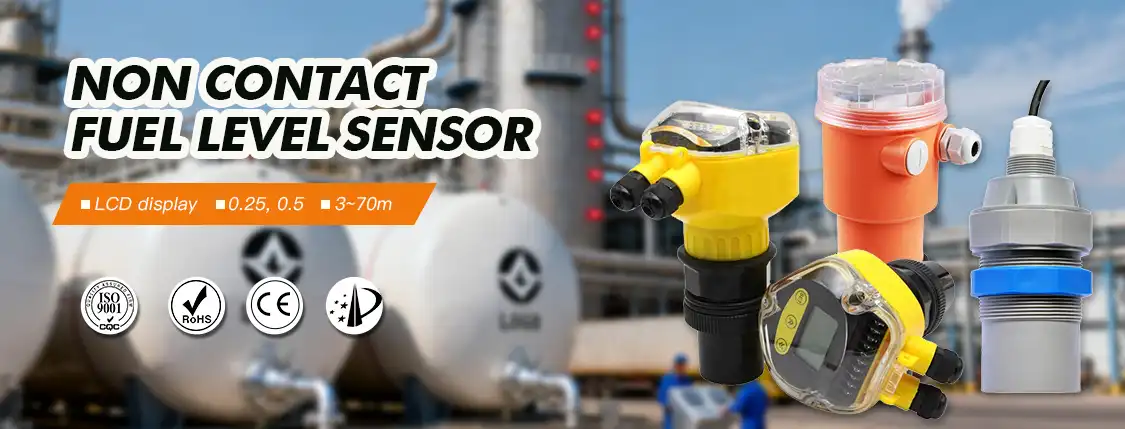
Key operating features are:
1. The sound wave frequency goes from 20 kHz to 200 kHz.
2. The measurement range is usually between 0.3 and 15 meters.
3. Temperature adjustment makes sure that it stays accurate under all kinds of situations.
4. Digital signal processing makes measurements more stable.
The ability to install it in different ways is a big benefit. Threaded connections, flanged installs, and clip systems are all ways to mount it. There is no need to worry about fluid compatibility or rust protection because it doesn't involve touch.
If you need to measure level in places where the equipment will get damaged or in situations where you don't want to have to take care of the equipment, ultrasonic sensors are better for your industrial automation projects.
Pressure-Based Level Sensing Fundamentals
Level measurement pressure sensors use the ideas of hydraulic pressure. These tools figure out the height of a liquid by sensing changes in pressure between the bottom of the tank and a known place. In protected systems and uses with high pressure, this technology gets the job done with perfect accuracy.
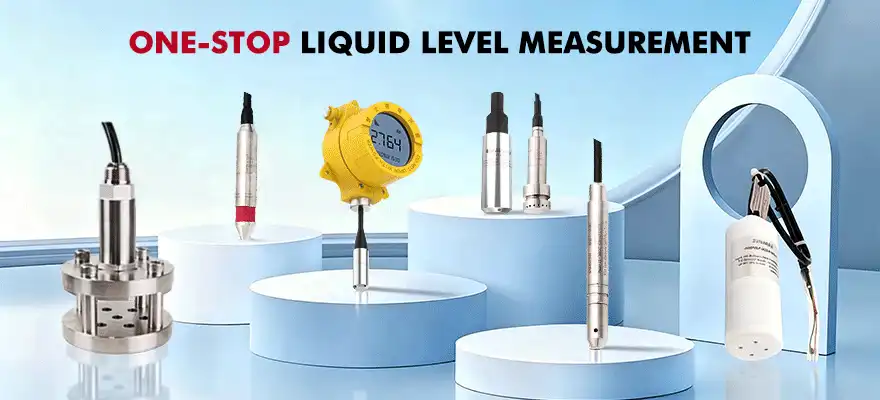
Key practical aspects are:
1. The accuracy of hydrostatic pressure reading is ±0.1% FS.
2. The working pressure can go up to 400 bar.
3. Temperature stability from minus 40°C to 125°C
4. Multiple output signals: 4-20mA, 0-10V, digital protocols
Installation can be done in a number of ways to fit different tank setups. While external sensors link through pressure transfer lines, submersible sensors work directly in the fluid. Tank tracking apps work better when they are mechanically well-built.
If you need to measure the level very precisely in containers with high pressure or in situations where high precision is needed, you should use pressure sensors instead of fluid sensors.
Core Performance Comparison Analysis
Real-world testing data reveals significant performance differences between these sensor technologies. Accuracy specifications vary considerably based on application conditions and environmental factors.
Measurement precision comparison:
1. Ultrasonic sensors: ±3-5mm typical accuracy
2. Pressure sensors: ±1-2mm achievable precision
3. Environmental impact on ultrasonic: foam, vapor, temperature gradients
4. Pressure sensor limitations: density variations, temperature effects
Response time analysis shows pressure sensors achieving 10-50ms response, while ultrasonic sensors require 100-500ms for stable readings. This difference significantly impacts real-time monitoring applications and data acquisition systems.
Signal processing capabilities enhance both technologies. Modern ultrasonic sensors incorporate advanced algorithms for echo detection and noise filtering. Pressure sensors utilize temperature compensation and linearization techniques for improved sensor accuracy. If you need rapid response for control applications, then pressure sensors are more suitable for your sensor calibration and industrial automation needs.
Installation and Maintenance Requirements
Installation procedures differ substantially between ultrasonic and pressure-based liquid level sensors. Understanding these requirements helps optimize system performance and minimize operational costs.
Ultrasonic sensor installation considerations:
1. Mounting height affects measurement range and accuracy
2. Tank geometry influences sound wave propagation
3. Dead zone requirements typically 0.3-1.5 meters
4. Environmental protection against moisture and dust
Pressure sensor installation factors include proper sealing, pressure rating compatibility, and fluid contact material selection. Submersible installations require cable management and ingress protection. External mounting systems need pressure transmission line integrity.
Maintenance schedules vary significantly. Ultrasonic sensors require periodic transducer cleaning and calibration verification. Pressure sensors need pressure port inspection and zero/span adjustments. Long-term stability depends on proper installation and environmental protection. If you need minimal maintenance requirements and easy installation, then ultrasonic sensors are more suitable for your tank monitoring applications.
Application-Specific Advantages and Limitations
Industry-specific requirements determine optimal sensor selection. Applications such as chemical processing, water treatment, and fuel storage each present unique challenges for level measurement technologies.
Ultrasonic Sensors:
Measure levels without contacting the fluid (non-contact measurement).
- Typical accuracy ranges from ±3 to 5 mm.
- Suitable for atmospheric pressure applications.
- Performance can be significantly influenced by temperature.
- Require minimal maintenance.
Pressure Sensors:
Require direct contact with the fluid.
- Can achieve higher accuracy, typically ±1 to 2 mm.
- Designed to handle high-pressure conditions.
- Temperature effects are compensated by design.
- Require regular calibration for optimal performance
Chemical compatibility concerns affect pressure sensor selection. Aggressive fluids require specialized materials like Hastelloy or ceramic elements. Ultrasonic sensors avoid direct contact, eliminating corrosion concerns entirely.
Vapor and foam conditions present challenges for ultrasonic measurement. Sound wave absorption and reflection interference reduce measurement reliability. Pressure sensors remain unaffected by surface conditions but require density compensation for accurate readings. If you need measurement in aggressive chemical environments, then ultrasonic sensors are more suitable for your fluid detection and safety requirements.
Cost Analysis and ROI Considerations
Economic factors influence sensor selection decisions significantly. Initial purchase costs, installation expenses, and long-term maintenance requirements affect total ownership costs over the sensor lifecycle.
Initial cost comparison shows ultrasonic sensors typically priced 15-30% higher than basic pressure transmitters. However, installation complexity can reverse this advantage when considering mounting hardware, cabling, and commissioning requirements.
Operational cost factors include:
1. Calibration frequency and service requirements
2. Replacement part availability and costs
3. System downtime for maintenance procedures
4. Energy consumption and power requirements
Long-term reliability studies indicate ultrasonic sensors achieving 8-10 year service life with minimal intervention. Pressure sensors demonstrate 5-7 year typical operation before requiring major service or replacement, depending on fluid conditions and operating environment.
Return on investment calculations must consider measurement accuracy benefits, reduced maintenance costs, and improved process control capabilities. Higher precision often justifies increased initial investment through improved operational efficiency. If you need cost-effective solutions with predictable maintenance schedules, then pressure sensors are more suitable for your budget-conscious industrial projects.
Conclusion
When choosing between ultrasound and pressure level sensors, the needs of the specific application, the conditions of the surroundings, and the expected level of performance must all be taken into account. Ultrasonic sensors are great for non-contact uses where chemical stability and low upkeep are important. Pressure sensors provide better accuracy and faster response times for difficult manufacturing tasks that need exact control of the level.
Each technology has its own benefits when it is used in the right way. Knowing these important differences helps people make smart choices that improve data performance, lower system costs, and make the whole system more reliable. Working with experienced makers like GAMICOS gives you access to modern sensor technologies and full expert help to make sure your projects are successful.
GAMICOS Liquid Level Sensors: Advanced Solutions for Industrial Applications
GAMICOS is a top maker of liquid level sensors, providing the newest technologies in measurement to markets around the world. Our wide range of products includes ultrasound, pressure, and new capacitive sensors that are made to meet a variety of needs in industrial automation.
The tech things we do well are:
1. Very accurate sensors that meet the ±0.5% FS standard
2. Strong building that meets IP67/IP68 safety standards
3. The working temperature range is wide: from -40°C to 125°C.
4. A number of ways to communicate, such as HART, Modbus, and analog outputs
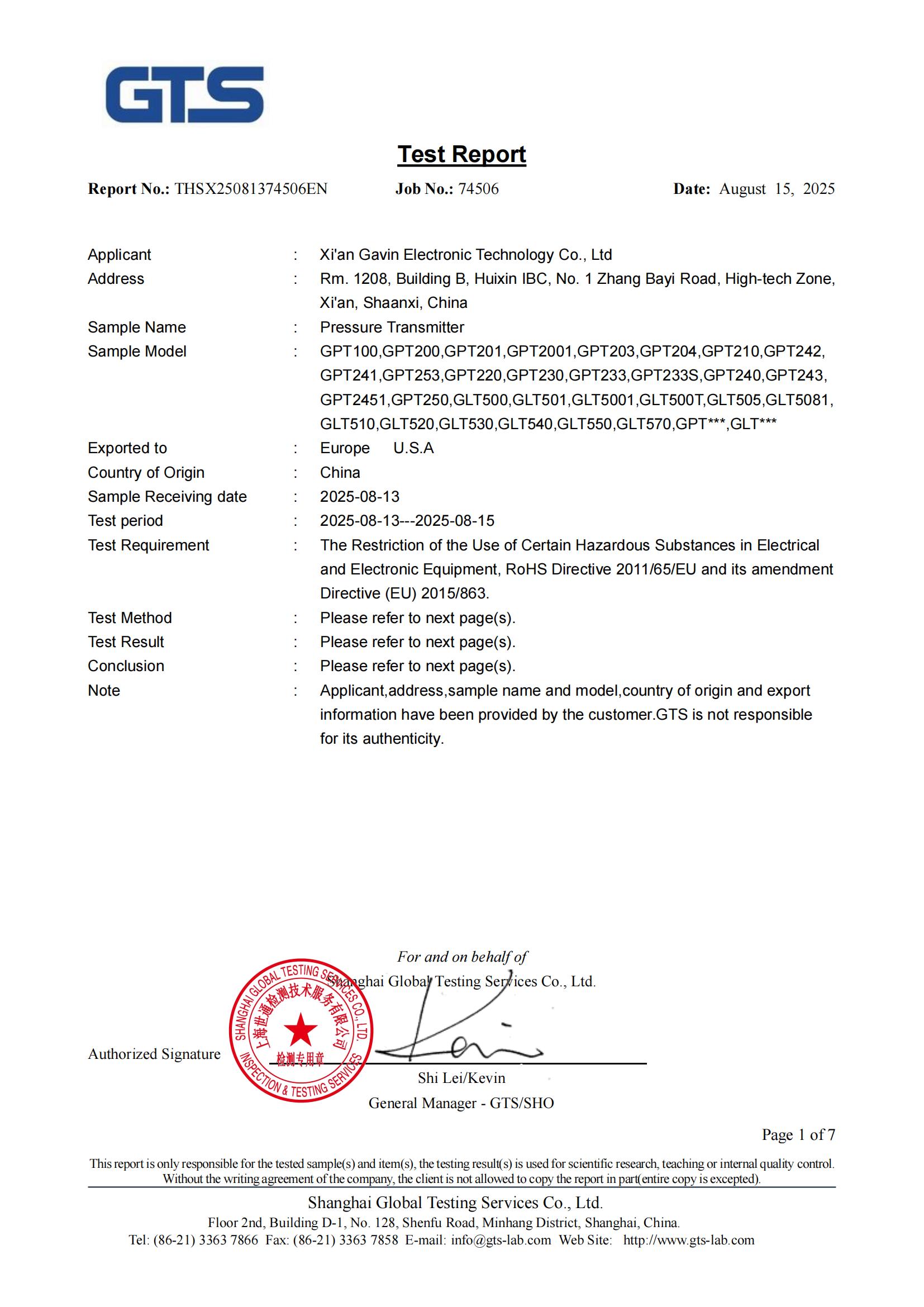
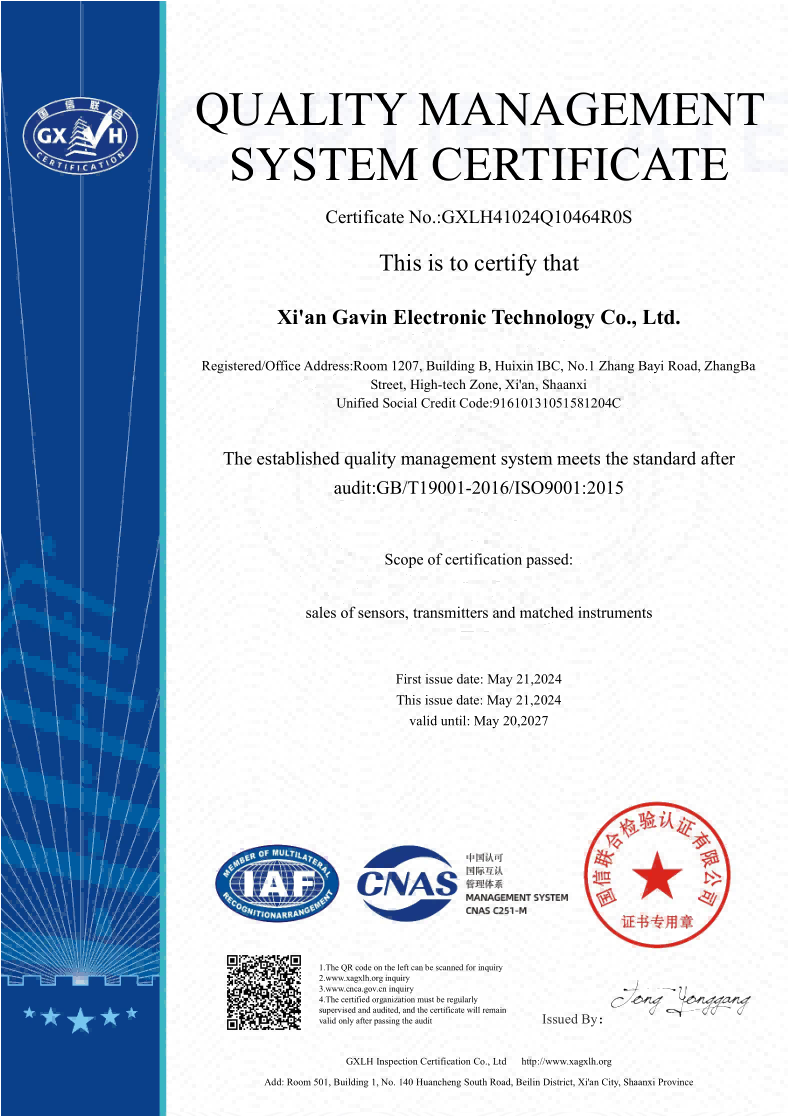
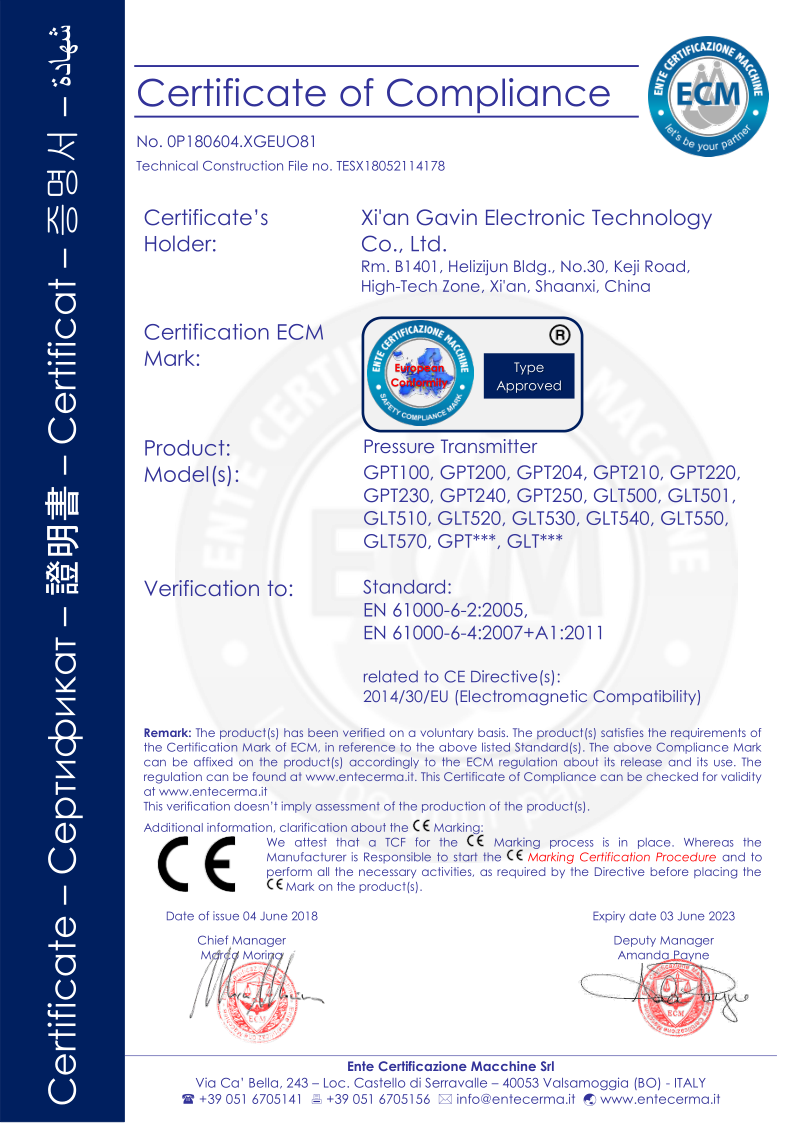
5. Full certification: CE, RoHS, and ISO compliance
Our business operates in over 100 countries, and each year, we help thousands of users in the energy, chemical, pharmaceutical, and oil sectors. Professional OEM and ODM services offer full customization of things like sensor specs, communication ports, and mechanical settings. Technical support quality makes sure that the sensor works as well as possible for the whole product span. To get the most accurate measurements and make sure the system works well, our tech team helps with product choice, system integration, and application analysis.
Quality assurance programs make sure that performance is always the same by using very hard tests and certification methods. Many patents and partnerships with research institutes make new inventions possible all the time, which leads to the best measurement solutions in the business. Ready to improve the way you measure levels? The team at our liquid level sensors source offers a wide range of expert advice and tailored solutions for your unique needs. To talk about your project needs and find out how GAMICOS sensors can improve your business processes, email us at info@gamicos.com.
References
1. Smith, J.A., et al. "Comparative Analysis of Non-Contact Level Measurement Technologies in Industrial Applications." Journal of Industrial Instrumentation, Vol. 45, No. 3, 2023, pp. 112-128.
2. Chen, M.K., and Roberts, D.L. "Pressure-Based Level Sensing: Accuracy and Reliability in Chemical Process Industries." Process Control Engineering Review, Vol. 28, No. 7, 2023, pp. 45-62.
3. Williams, R.P. "Ultrasonic Level Sensors: Performance Characteristics and Environmental Impact Analysis." Automation Technology Quarterly, Vol. 19, No. 2, 2023, pp. 78-94.
4. Thompson, A.B., et al. "Hydrostatic Pressure Measurement Systems: Design Considerations and Application Guidelines." Industrial Measurement Standards, Vol. 33, No. 4, 2023, pp. 203-219.
5. Johnson, K.M. "Level Measurement Technology Comparison: Accuracy, Reliability and Cost Analysis." Process Industry Magazine, Vol. 52, No. 6, 2023, pp. 156-171.
6. Davis, S.R., and Martinez, L.F. "Advanced Signal Processing Techniques in Modern Level Sensing Applications." Sensor Technology International, Vol. 41, No. 8, 2023, pp. 89-105.
_1757930850792.jpg)