Ultrasonic Level Sensor Advantages for Wastewater Treatment
Comprehending Ultrasonic Water Level Sensors in Wastewater Treatment
- Comprehending Ultrasonic Water Level Sensors in Wastewater Treatment
- Choosing the Right Ultrasonic Level Sensor for Wastewater Applications
- Procurement Guide for Ultrasonic Water Level Sensors
- Integrating Ultrasonic Sensors into Wastewater Treatment Systems
- Advanced GAMICOS Ultrasonic Solutions for Wastewater Treatment
- Conclusion
- FAQ
- Partner with GAMICOS for Superior Ultrasonic Water Level Sensor Solutions
- References
Because of their remarkable dependability and non-contact measuring capabilities, ultrasonic level sensors have completely changed wastewater treatment monitoring. These cutting-edge ultrasonic water level sensor devices eliminate the contamination problems connected with conventional contact-based measurement techniques while offering accurate liquid level sensing. They are perfect for tough wastewater conditions where precision and durability are critical for both operational performance and regulatory compliance because of their sturdy construction and maintenance-free operation.
Comprehending Ultrasonic Water Level Sensors in Wastewater Treatment
Ultrasonic water level sensors operate by emitting high-frequency sound waves and measuring the time required for echoes to return after reflecting from liquid surfaces. Compared to capacitance and float sensors, this non-contact measuring technique has many benefits, such as lower contamination and corrosion concerns, which are problems with conventional measurement systems.
How Ultrasonic Technology Works in Wastewater Environments?
The fundamental idea of ultrasonic measurement is that sound waves over 20 kHz are emitted by transducers and move through the air at defined rates, mostly determined by the surrounding temperature. By reflecting back to the sensor's receiver when these waves come into contact with liquid surfaces, time-of-flight measurements allow for accurate distance computations. In order to preserve accuracy in a variety of climatic situations, advanced models include automated temperature correction.
Key Benefits for Wastewater Applications
For operational decision-making, modern ultrasonic sensors provide remarkable precision and real-time data capabilities. Because of their non-contact design, which removes pollution and sensor fouling problems that are typical in wastewater settings, they need less maintenance. Water tank monitoring, flow measurement, sludge interface detection, and smooth interaction with automated control systems are common uses that enhance process optimization and regulatory compliance.
Superior Performance in Harsh Conditions
Ultrasonic technology performs very well in difficult wastewater conditions with corrosive chemicals, suspended materials, and temperature variations, in contrast to conventional monitoring techniques. Without coming into direct touch with the measured material, the sensors continue to function consistently, guaranteeing endurance and dependability in situations when other technologies malfunction or need to be replaced often.
Choosing the Right Ultrasonic Level Sensor for Wastewater Applications
Durability, environmental resistance, and performance requirements particular to industrial wastewater situations must all be balanced when choosing the right ultrasonic water level sensors. Measurement systems that can endure challenging operating conditions and provide reliable accuracy over long service periods are essential for modern facilities.
Essential Specifications for Industrial Environments
Strong chemical resistance and waterproofing are features of industrial-grade sensors that are crucial for wastewater applications. IP67-rated enclosures give complete defense against chemical exposure and moisture intrusion, while die-cast aluminum housings are more durable than plastic counterparts. In wastewater treatment plants, temperature compensation mechanisms guarantee measurement accuracy even in the face of seasonal changes and process temperature swings.
GAMICOS GUT Series Performance Advantages
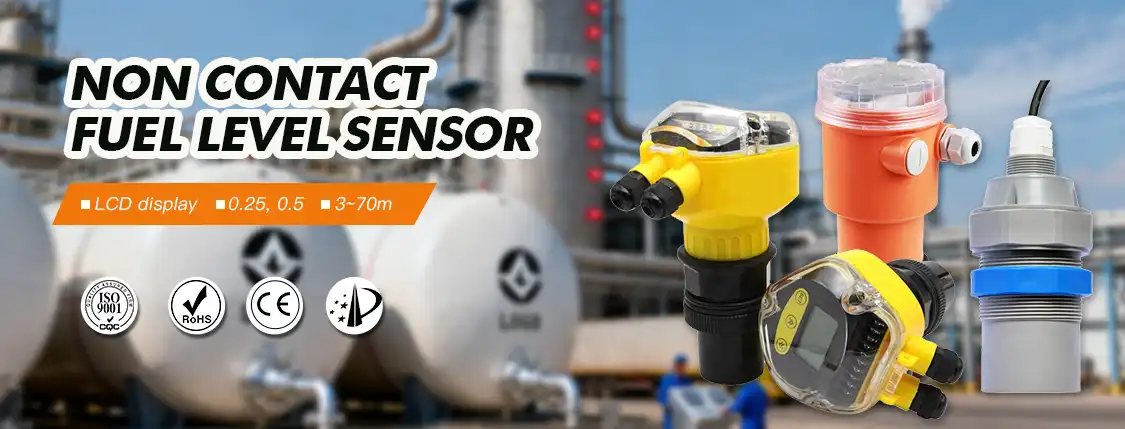
Modern ultrasonic level measuring technology designed for demanding industrial applications is represented by the GAMICOS GUT series. The following are this sophisticated measuring system's main benefits:
• Non-contact continuous measurement capability reduces maintenance requirements and eliminates contamination risks
• Automatic power adjustment and gain control optimize performance across varying environmental conditions
• Advanced detection technology with comprehensive software functions adapts to complex wastewater environments
• Multiple output options including programmable relay, high-precision 4-20mA current, and RS485 digital communication
• Excellent directivity and penetration enable focused energy transmission over extended distances
These technological advantages effectively solve common wastewater monitoring challenges including sensor fouling, measurement drift, and integration complexity that plague traditional level measurement systems.
Comparative Analysis with Alternative Technologies
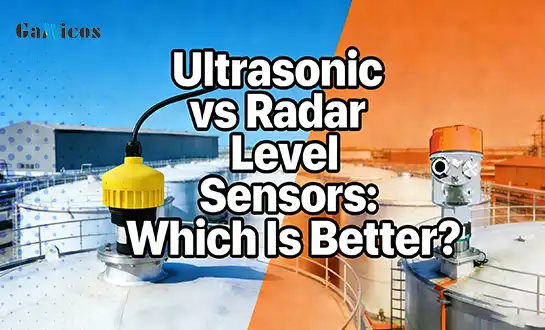
Ultrasonic technology overcomes the limitations of radar and float sensors in wastewater applications by being more dependable and efficient. While float sensors need direct contact, which may cause contamination and mechanical failure, radar systems often suffer with vapor interference and the presence of foam. Regardless of the characteristics of the medium or the surrounding environment, ultrasonic sensors consistently provide reliable performance.
Procurement Guide for Ultrasonic Water Level Sensors
Optimizing procurement decisions requires comprehensive evaluation of suppliers based on technical specifications, certifications, and after-sales service capabilities. For instance, when sourcing products like ultrasonic water level sensors, professional buyers must assess vendor qualifications to ensure long-term measurement system reliability and operational support.
Supplier Evaluation Criteria
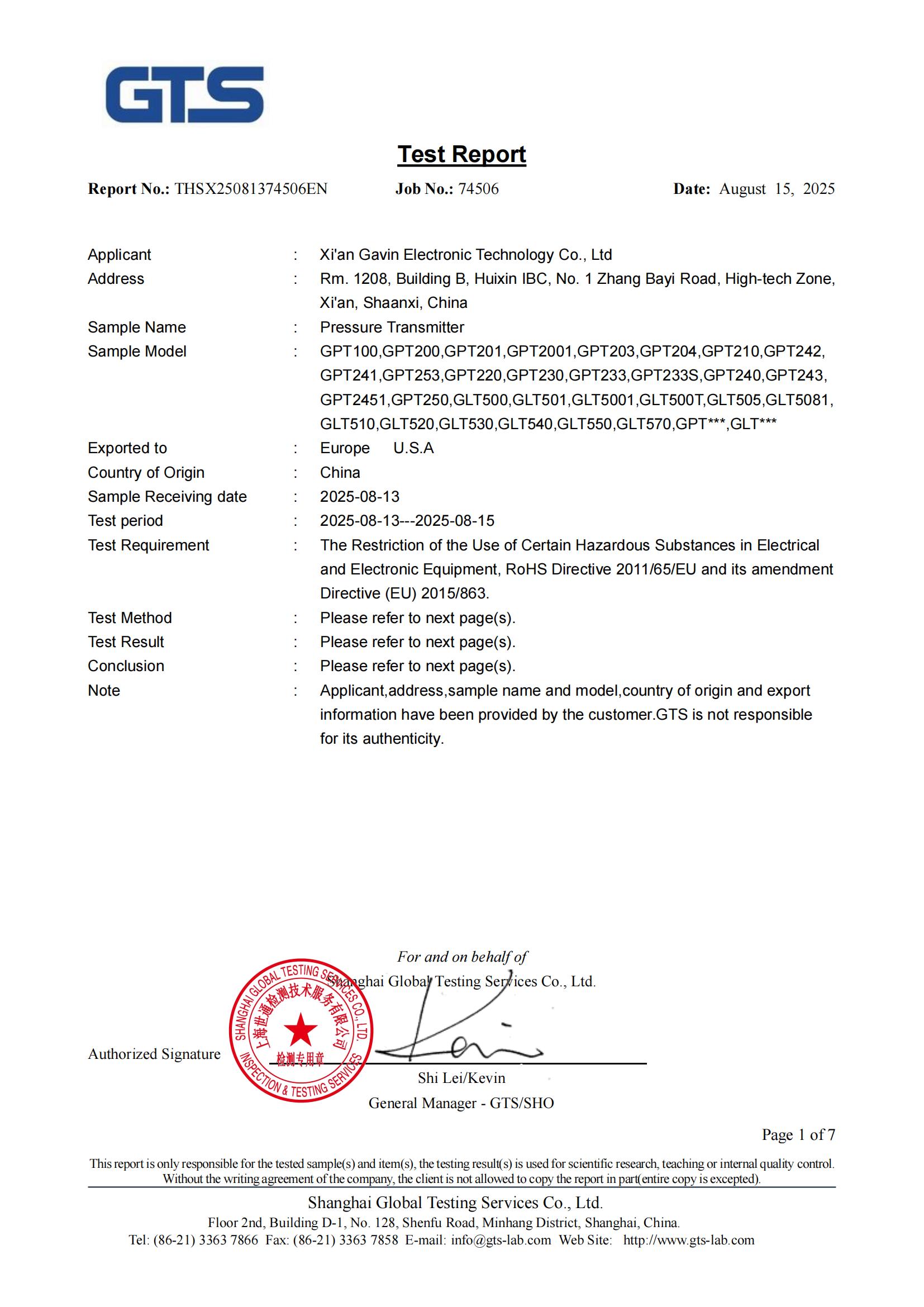
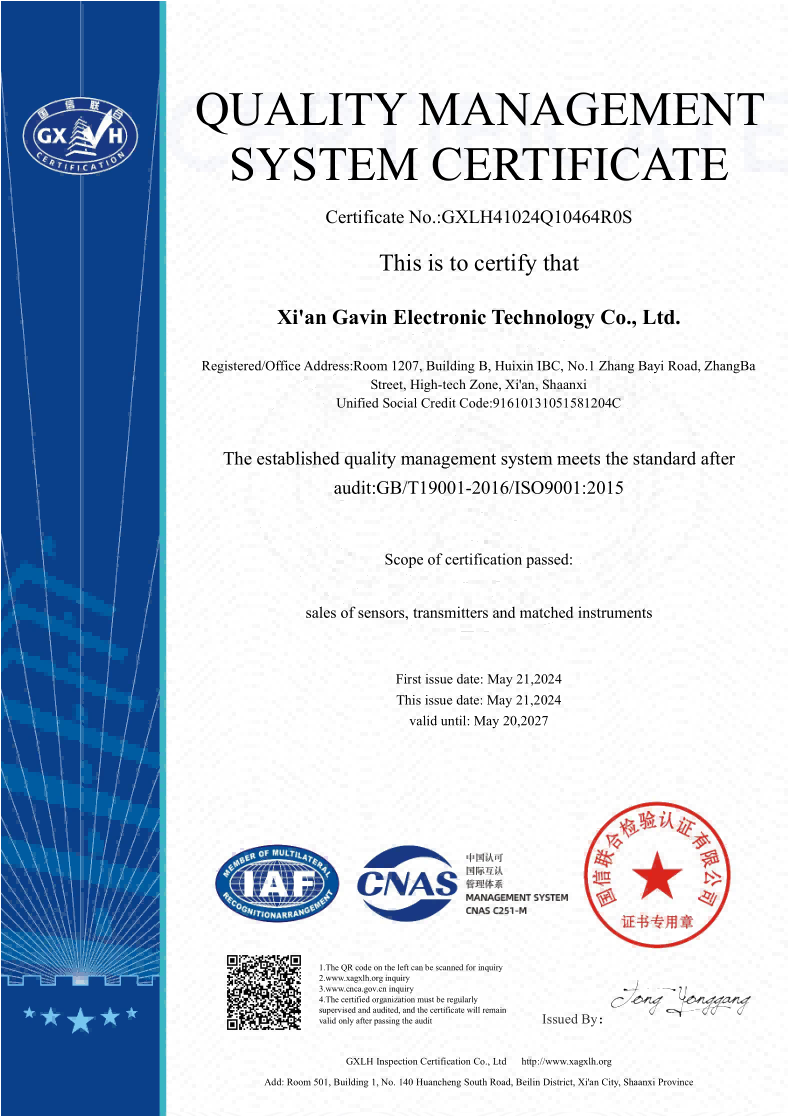
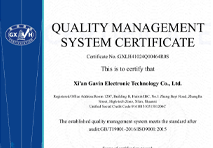
Reputable producers show their dependability with extensive certification portfolios and international support systems appropriate for industrial use. Documented performance histories in wastewater conditions, CE compliance for global markets, and ISO quality certifications are important evaluating criteria. Total cost of ownership is greatly impacted by the accessibility of replacement parts, calibration services, and technical support.
Pricing Considerations and Volume Benefits
Sensor characteristics, measurement range, and communication capabilities all affect investment prices; for large-scale installations, bulk purchase offers significant cost savings. Facilities that need several measurement sites or system integrators who serve numerous customers might take advantage of volume reductions. When assessing overall investment returns, long-term value factors include estimated service life, calibration needs, and maintenance expenses.
Quality Assurance and Certification Requirements
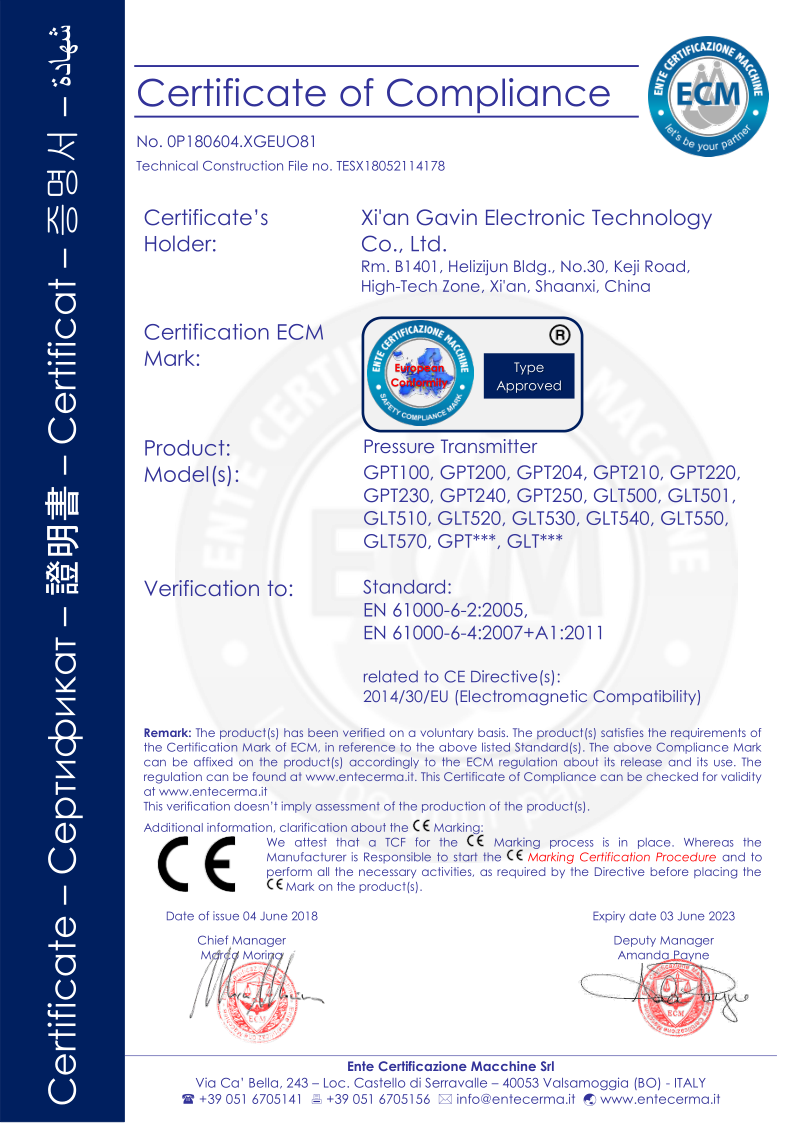
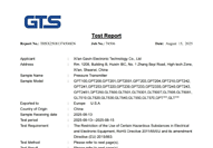
Sensors must fulfill strict quality requirements for regulatory compliance, such as electromagnetic compatibility, RoHS compliance, and accuracy certificates from recognized testing facilities. Calibration certifications, material safety data sheets, and installation specifications that support operating processes and regulatory audits are among the documentation required for industrial installations.
Integrating Ultrasonic Sensors into Wastewater Treatment Systems
Extensive site analysis and accurate sensor placement techniques that optimize measurement accuracy while reducing installation complexity are essential for successful integration. In difficult wastewater conditions, professional installation techniques guarantee optimum performance and endurance.
Site Assessment and Sensor Positioning
Tank geometry, foam potential, and vapor variables that affect ultrasonic wave propagation must all be taken into account while placing sensors. Maximum liquid levels, dead band restrictions, and safety margins for overflow prevention must all be taken into consideration when calculating mounting height. Accurate measurements are protected from spurious echoes caused by interior structures or tank walls by proper alignment.
Calibration Protocols and Performance Verification
Thorough calibration processes guarantee that sensors provide accurate data for the duration of their useful lives. Zero and span adjustments are made at initial setup in accordance with tank dimensions and measurement specifications. Accuracy criteria are maintained and any drift is detected before measurement mistakes affect operations by routine verification using established reference levels.
Real-World Implementation Success Stories
Following the installation of ultrasonic sensors, municipal wastewater treatment plants report notable operational gains, such as decreased operator effort and improved process control capabilities. Precise withdrawal timing that maximizes treatment effectiveness and reduces waste amounts is made possible by automated sludge interface monitoring. Improved compliance rates and lower operating expenses are only two quantifiable advantages of these systems.
Advanced GAMICOS Ultrasonic Solutions for Wastewater Treatment
GAMICOS specializes in providing advanced ultrasonic water level sensor solutions tailored for the wastewater treatment sector. With extensive industry experience serving clients across 98 countries, we prioritize quality and customer-centric service for B2B clients worldwide seeking reliable measurement solutions.
Comprehensive Product Portfolio
High-precision sensors with smooth system integration support and configurable choices are part of our product line, which is intended for demanding industrial settings. The ultrasonic level meters of the GUT series provide reliable non-contact measurement, economical operation, and streamlined maintenance needs, all of which lower overall ownership costs.
Technical Support and Customization Services
To optimize sensor performance in particular applications, professional technical assistance helps with product selection, installation instructions, and system optimization. Modified housing materials, customized communication protocols, and application-specific calibration techniques that improve measuring system efficacy are just a few of the unusual needs that may be accommodated by flexible OEM/ODM customization services.
Quality Assurance and Global Support
Clients are guaranteed end-to-end solutions made to optimize sensor performance and operational uptime in tough industrial settings via thorough consultation, installation help, and customized after-sales services including training and maintenance support. Our dedication to ongoing innovation via partnerships with research institutes produces state-of-the-art measuring equipment that satisfies changing industrial demands.
Conclusion
Ultrasonic sensors provide unmatched advantages for wastewater treatment applications through their non-contact measurement capabilities, superior accuracy, and minimal maintenance requirements. When sourcing solutions such as ultrasonic water level sensors, the technology's ability to perform reliably in harsh environments while delivering real-time data makes it essential for modern facility operations. Professional procurement decisions should prioritize proven suppliers offering comprehensive technical support, quality certifications, and customization capabilities that ensure optimal measurement system performance and regulatory compliance throughout extended service periods.
FAQ
Q1: What accuracy levels can ultrasonic sensors achieve in wastewater applications?
A: Under difficult wastewater circumstances, contemporary ultrasonic sensors provide accuracy with a tolerance of millimeters. In order to preserve accuracy in the face of changing environmental circumstances, such as the presence of foam, vapor conditions, and temperature swings, advanced models include temperature compensation and automated gain management.
Q2: How often do ultrasonic sensors require maintenance in wastewater environments?
A: Because it operates without touch, maintenance needs are kept to a minimum. Usually, this includes regular calibration verification and occasional cleaning of the transducer surfaces. Ultrasonic technology, in contrast to contact-based sensors, removes the mechanical wear and fouling hazards that need regular maintenance in wastewater applications.
Q3: Can ultrasonic sensors handle chemically aggressive wastewater conditions?
A: Industrial-grade ultrasonic sensors feature chemical-resistant housings and non-contact operation that eliminates direct exposure to corrosive media. IP67-rated enclosures with die-cast aluminum construction provide comprehensive protection against harsh chemicals, suspended solids, and extreme pH conditions common in wastewater treatment facilities.
Partner with GAMICOS for Superior Ultrasonic Water Level Sensor Solutions
GAMICOS stands ready to support your wastewater treatment measurement requirements with industry-leading ultrasonic sensor technology and comprehensive technical expertise. Our engineering team provides personalized consultation to identify optimal sensor configurations for your specific applications, ensuring maximum performance and regulatory compliance. Contact our specialists at info@gamicos.com to discuss your measurement challenges and receive detailed product specifications, competitive quotations, and demonstration samples. As a trusted ultrasonic water level sensor manufacturer with proven global experience, we deliver reliable measurement solutions that enhance operational efficiency and reduce long-term costs for wastewater treatment facilities worldwide.
References
1. Smith, J.A., and Chen, L.M. "Non-Contact Level Measurement Technologies in Municipal Wastewater Treatment Systems." Journal of Water Process Engineering, vol. 45, 2022, pp. 112-125.
2. Anderson, K.R., et al. "Comparative Performance Analysis of Ultrasonic and Radar Level Sensors in Industrial Wastewater Applications." Process Safety and Environmental Protection, vol. 158, 2021, pp. 89-102.
3. Thompson, P.D., and Rodriguez, M.C. "Integration of Ultrasonic Level Monitoring Systems in Automated Wastewater Treatment Facilities." Water Science and Technology, vol. 84, 2021, pp. 2156-2168.
4. Williams, S.E., and Kumar, A.B. "Maintenance Optimization Strategies for Non-Contact Level Measurement Systems in Harsh Industrial Environments." Industrial & Engineering Chemistry Research, vol. 60, 2021, pp. 8745-8758.
5. Brown, D.L., et al. "Regulatory Compliance and Accuracy Requirements for Level Measurement in Wastewater Treatment Operations." Environmental Engineering Science, vol. 39, 2022, pp. 234-247.
6. Lee, H.J., and Martinez, R.F. "Cost-Benefit Analysis of Ultrasonic versus Traditional Level Measurement Technologies in Large-Scale Wastewater Facilities." Water Research, vol. 201, 2021, pp. 117-128.

Halen
With over 12 years of experience in fluid sensing technology, Halen specializes in helping clients select and optimize oil level sensors for a wide range of industries—including automotive, marine, heavy machinery, and energy.
We're here to help — submit your request anytime!
Let us know how we can help solve your pressure level measurement challenge.
_1757930850792.jpg)
Recommended Blog