Why Use a Wireless Level Sensor for Agricultural Silos?
Comprehending Wireless Level Sensors and Their Role in Agriculture
- Comprehending Wireless Level Sensors and Their Role in Agriculture
- Comparing Wireless and Traditional Level Sensing Technologies for Silos
- Core Considerations When Choosing a Wireless Level Sensor for Agricultural Silos
- Leading Wireless Level Sensor Brands and Solutions for Agricultural Silos
- GAMICOS: Your Trusted Partner for Agricultural Wireless Level Sensors
- Conclusion
- FAQ
- Partner with GAMICOS for Advanced Wireless Level Sensor Solutions
- References
By removing difficult wiring requirements and providing accurate, real-time monitoring capabilities, Wireless Level Sensor technology revolutionizes agricultural silo management. Immediate level detection, lower installation costs, and more operational flexibility are all advantageous to agricultural businesses. Grain, feed, and other agricultural products kept in silos may now be remotely monitored thanks to these sophisticated sensors, giving farmers and facility managers vital information to improve storage operations and avoid expensive overflows or material shortages.

Comprehending Wireless Level Sensors and Their Role in Agriculture
Sophisticated monitoring systems are becoming more and more necessary for modern agricultural operations to maintain the highest levels of safety and production. Wireless level sensors, which provide previously unheard-of flexibility and precision in material level monitoring, constitute a major breakthrough in silo management technology.
Technology Foundation and Operational Principles
Agricultural storage structures' material levels are measured by wireless level monitoring devices using a variety of sensor methods. In order to determine exact levels and distances, ultrasonic sensors produce sound waves that bounce off material surfaces. For non-contact measurement, radar-based devices use microwave signals, which work especially well in dusty conditions like those seen in agricultural settings. While submersible pressure sensors employ hydrostatic principles for liquid storage applications, capacitive sensors identify variations in electrical characteristics brought on by different material levels.
These devices differ from conventional wired alternatives due to their wireless transmission component. Without needing significant infrastructure expenditures, data transmission over large agricultural holdings is made possible by advanced communication protocols like LoRaWAN, NB-IoT, and cellular networks. Low-power consumption designs that prolong battery life while preserving dependable communication connectivity are often included in these systems.
Agricultural Applications and Benefits
The management of agricultural silos has particular difficulties that wireless sensing technology successfully resolves. Because remote silo sites sometimes lack electricity infrastructure, using typical wired sensors is either impracticable or too costly. By functioning independently of current electrical systems and offering continuous monitoring capabilities, wireless solutions remove these obstacles.
Environmental resilience becomes particularly important in agricultural applications where sensors must withstand extreme temperatures, humidity variations, and exposure to dust and debris. Quality wireless level sensors feature robust enclosures rated for harsh outdoor conditions, ensuring reliable operation throughout seasonal changes and challenging weather conditions.
Operational efficiency is greatly increased when centralized control systems can monitor many silos. Without physically visiting each location, farmers can monitor inventory levels across their whole business, which helps them plan more effectively for harvesting, storing, and distributing their products. Overflow scenarios that can cause material loss and equipment damage are avoided via real-time notifications.
Comparing Wireless and Traditional Level Sensing Technologies for Silos
In the past, agricultural operations depended on simple wired sensor systems or manual level checks, which often proved insufficient for the needs of contemporary farming. It is easier for procurement experts to make wise technology investment selections when they are aware of the basic distinctions between wireless and conventional procedures.
Installation Complexity and Infrastructure Requirements
In order to link each silo to central monitoring systems, traditional wired level sensors need a substantial cabling infrastructure. Significant labor expenses, trenching for subterranean cables, and possible interruption of ongoing agricultural activities during installation are all associated with this strategy. Cables that are routed through agricultural settings are susceptible to damage from rodents, weather, and farming equipment.
Wireless monitoring solutions completely do away with the need for wiring, which significantly streamlines installation processes. Operational interruptions are reduced since technicians may finish sensor installation and system commissioning in a matter of hours as opposed to days. The lack of physical connections lowers the need for ongoing maintenance and removes typical sites of failure linked to connector corrosion and cable deterioration.
Cost Analysis and Return on Investment
Even while the initial cost of a wireless sensor may be more than that of a simple wired option, when installation labor, infrastructure materials, and continuing maintenance costs are taken into account, the overall system costs often favor wireless solutions. Project costs are greatly decreased by doing away with trenching, conduit construction, and cable routing, especially for distant silo sites.
Calculations of return on investment heavily rely on operational advantages. Staff may be deployed to higher-value tasks thanks to automated monitoring, which lowers labor needs for manual level checks. Increased inventory accuracy lowers emergency procurement costs and encourages wiser purchase selections. By identifying level changes early on, overflow occurrences that might cause material loss and cleaning costs can be avoided.
Performance and Reliability Considerations
Advanced signal processing techniques used in modern wireless level sensors often outperform those found in conventional cable systems in terms of accuracy. Measurement reliability is improved by the error correction and data validation features offered by digital communication protocols. Consistent performance is guaranteed even during power outages that might impact wired systems thanks to battery-powered operation and low-power consumption designs.
With the development of wireless communication technologies, signal transmission dependability has greatly increased. LoRaWAN and other long-range protocols provide minimal power consumption and good penetration across agricultural infrastructure. Broad coverage regions and interoperability with current mobile infrastructure are features of cellular-based systems.
Core Considerations When Choosing a Wireless Level Sensor for Agricultural Silos
Technical specifications, environmental considerations, and operational needs unique to agricultural applications must all be carefully considered when choosing wireless level monitoring equipment. Long-term operational success and excellent system performance are ensured by an understanding of these crucial elements.
Accuracy and Calibration Requirements
The efficiency of inventory management and operational planning are directly impacted by measurement accuracy. Depending on silo capacity and material worth, agricultural applications usually demand accuracy levels ranging from 0.1% to 1% of full scale. More accuracy is required for high-value grain storage than for bulk feed monitoring applications.
Environmental changes and material properties must be taken into consideration throughout calibration processes. Sensor performance may be impacted by the different dielectric characteristics, density variations, and surface imperfections of various agricultural materials. To maintain accuracy in a variety of materials and circumstances, high-quality wireless sensors have user-adjustable parameters and automated adjustment algorithms.
In agricultural settings, where seasonal temperature fluctuations may greatly affect sensor performance, temperature compensation becomes especially crucial. Integrated temperature sensors and compensating algorithms are examples of advanced sensors that preserve accuracy throughout operational temperature ranges of -40°C to +85°C.
| GLT5081 Wireless Level Sensor | |
| Range | 0-1m-50m |
| Power supply | Battery powered (3.6V,19AH) |
| Data transmission interval | Available time 2min-1440min Note:The shorter the data transmission interval, the shorter the battery life |
| Accuracy | ±0.5%FS |
| Network | NB-IOT, 4G optional |
| Display | Segment LCD screen |
| Temperature influence | 0.015%FS/℃ |
| Working temperature | -30℃~70℃ |
| Wake up method | Buttons, timing |
| Relative humidity | 0%~95% |
| Sensor material | Sensor diaphragm 316L, shell material: stainless steel |
| Protection grade | IP67 |
Battery Life and Power Management
In wireless sensor applications, power consumption has a direct impact on maintenance needs and operating expenses. Battery repair in agricultural installations sometimes takes place in distant areas, requiring a substantial time and labor expenditure. Under typical working circumstances, modern low-power sensor designs achieve battery life extensions of many years.
Actual battery performance in agricultural applications is influenced by a number of variables. Power usage is influenced by transmission distance and frequency, with more frequent updates using more energy. Extreme temperatures in particular have an effect on battery capacity and discharge rates. The choice of communication protocol has a big impact on power needs; newer protocols, such LoRaWAN, are designed to run on batteries for longer periods of time.
Potential solutions for prolonged autonomous operation are provided by energy harvesting devices. In exposed sites, solar panels may be used to augment battery power, while vibration energy collecting devices use the movement of equipment to provide additional power. In appropriate applications, these hybrid techniques may prolong operating times indefinitely.
Communication Range and Environmental Factors
The performance of wireless transmissions varies greatly depending on installation factors and ambient circumstances. Large metal buildings, uneven terrain, and seasonal vegetation changes that might impact signal transmission are some of the particular difficulties seen in agricultural settings. Comprehending these elements contributes to dependable communication under all operating circumstances.
Transmission power, antenna design, frequency band, and environmental barriers are some of the factors that affect communication range. In open agricultural settings, modern wireless sensors usually provide dependable communication ranges of several hundred meters to several kilometers. Effective range may be greatly reduced by metal structural interference and building penetration, necessitating careful site selection and perhaps repeater installation.
Mobile equipment, radio communications, and increasingly prevalent Internet of Things devices are some of the causes of interference in agricultural settings. In order to provide dependable communication in intricate radio frequency settings, high-quality wireless sensors use frequency hopping, error correction, and interference rejection technologies.
Leading Wireless Level Sensor Brands and Solutions for Agricultural Silos
The wireless level sensor market features several established manufacturers offering specialized solutions for agricultural applications. Understanding the strengths and capabilities of leading suppliers helps procurement professionals identify optimal solutions for specific operational requirements.
Established Industry Leaders
One of the most well-known brands in industrial sensing technology is Honeywell, which provides reliable wireless level sensors made for challenging agricultural settings. Excellent environmental protection ratings and shown dependability in challenging applications are typical features of their products. In order to improve long-term operational value, Honeywell sensors often include sophisticated diagnostics and predictive maintenance features.
Siemens offers complete wireless sensing solutions with robust automation system integration capabilities. Their sensors provide a wide range of customisation possibilities and advanced communication protocols that make them ideal for large-scale farming operations. International agricultural enterprises benefit from Siemens technology since they usually provide outstanding technical support and worldwide service networks.
With wireless level sensors tuned for precision and dependability, Emerson specializes in process automation systems. Their systems often integrate with extensive monitoring platforms and have sophisticated signal processing capabilities. Emerson sensors often operate very well in harsh environmental settings, which are frequent in agricultural applications.
OEM and Customization Opportunities
Specialized sensor combinations tailored to particular silo designs, material properties, or operational needs are often needed in agricultural operations. OEM collaborations allow for the modification of mechanical setups, communication protocols, and sensor specifications to satisfy particular application requirements.
Customized wireless level sensor systems for agricultural applications are the area of expertise for GAMICOS, an inventive producer. The business offers full OEM and ODM services, such as customized mechanical designs, adjustments to communication protocols, and specialist calibration techniques. To provide ideal solutions for particular operational needs, their engineering staff collaborates closely with producers of agricultural equipment and system integrators.
Sensor range adjustments, communication protocol choices, mechanical mounting changes, and specialized enclosure designs are examples of customization possibilities. To assist OEM partnerships and system integration projects, advanced manufacturers may provide detailed technical documentation, integration support, and custom firmware creation.
GAMICOS: Your Trusted Partner for Agricultural Wireless Level Sensors
GAMICOS specializes in developing advanced wireless level sensor solutions specifically engineered for agricultural silo monitoring applications. Our comprehensive product portfolio includes ultrasonic, radar, and pressure-based sensors optimized for grain, feed, and liquid storage monitoring across diverse agricultural operations.
Innovation and Customization Capabilities
Our dedicated engineering team collaborates with agricultural equipment manufacturers and facility operators to develop customized sensor solutions addressing specific operational challenges. We provide complete OEM and ODM services including custom mechanical designs, communication protocol development, and specialized calibration procedures tailored to unique material characteristics and environmental conditions.
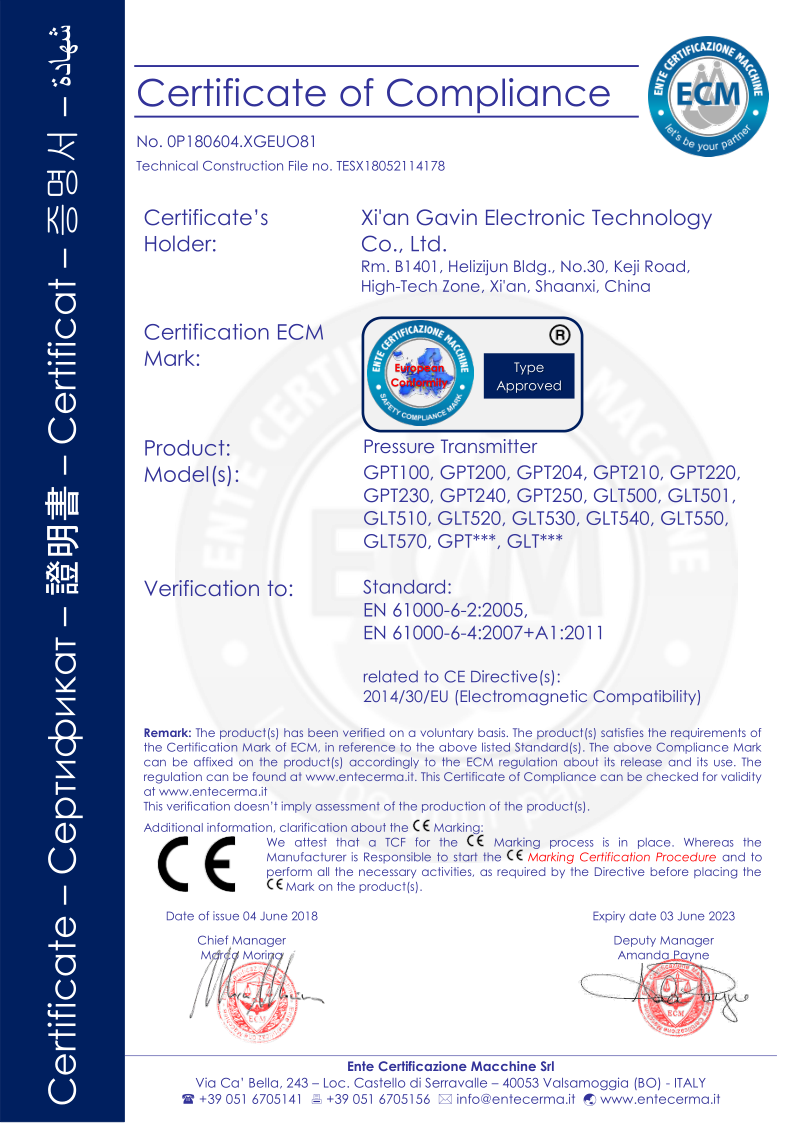
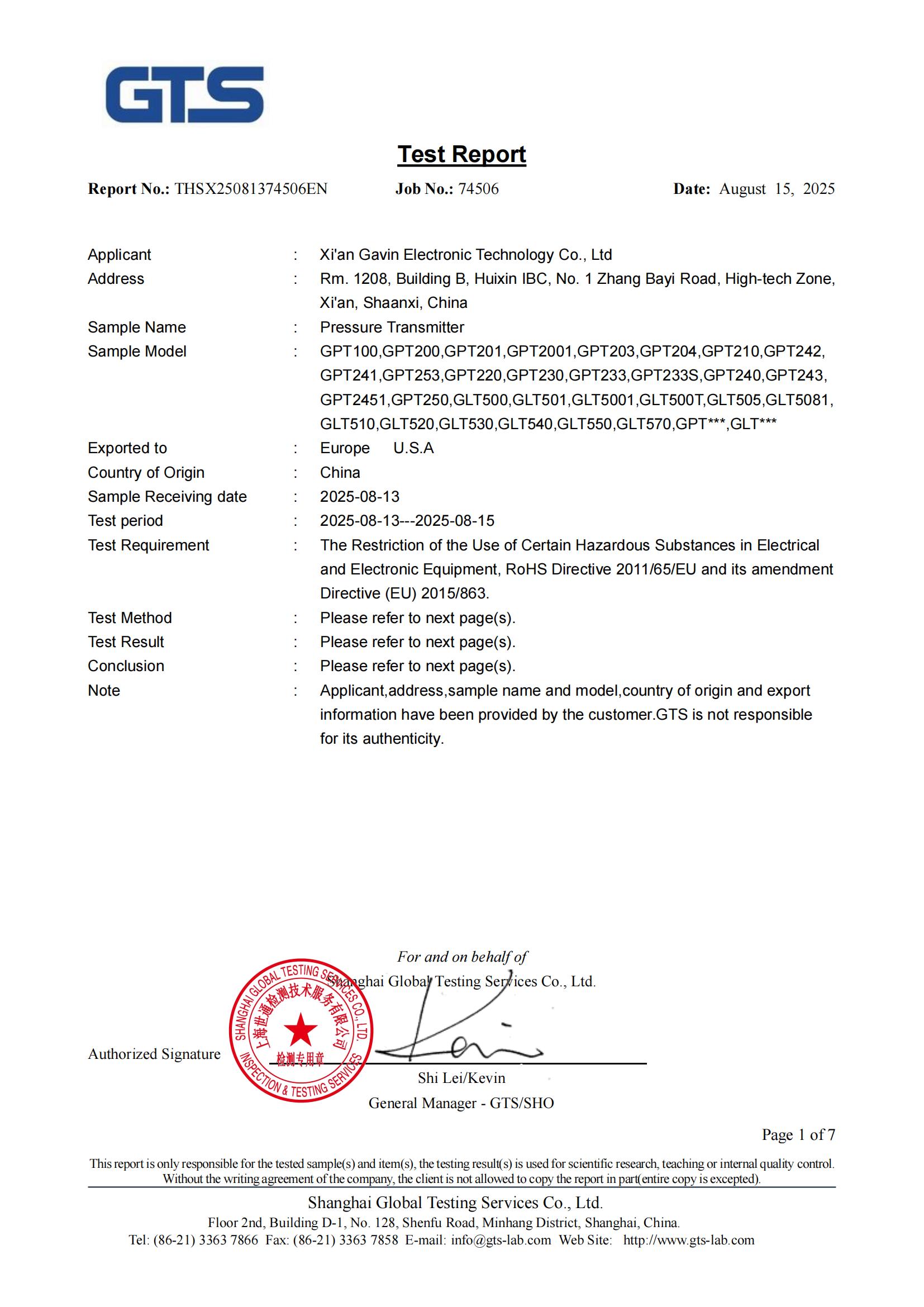
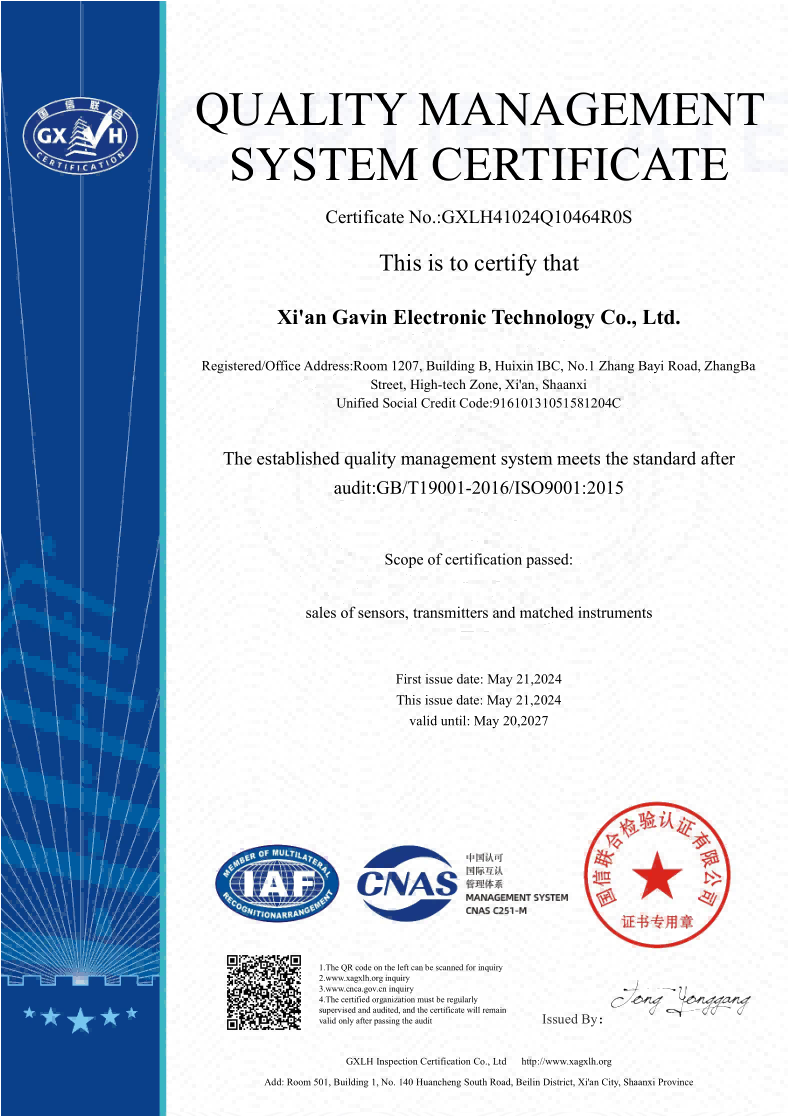
Advanced manufacturing capabilities enable rapid prototyping and production scaling to meet demanding project timelines. Our quality management systems ensure consistent product performance and reliability through comprehensive testing procedures and certification compliance. Products undergo rigorous environmental testing including temperature cycling, humidity exposure, and vibration resistance validation.
Integration support services help customers optimize sensor deployment and system configuration for maximum operational benefit. Technical support includes installation guidance, calibration assistance, and ongoing maintenance recommendations to ensure long-term system performance and reliability.
Global Service and Support Network
GAMICOS serves agricultural customers across over 100 countries, providing localized technical support and comprehensive service capabilities. Our international distribution network ensures rapid product availability and responsive customer service regardless of geographic location.
Comprehensive warranty and service programs protect customer investments while ensuring continued operational reliability. Technical support services include remote diagnostics, firmware updates, and application engineering assistance to address evolving operational requirements and technology advances.
Conclusion
Wireless level sensors represent a transformative technology for agricultural silo management, offering significant advantages over traditional monitoring approaches. The elimination of complex wiring requirements, combined with advanced sensing capabilities and flexible communication options, enables agricultural operations to achieve improved efficiency, safety, and operational visibility. Modern wireless sensors provide excellent accuracy, extended battery life, and robust environmental resistance suitable for demanding agricultural applications. Strategic sensor selection and proper implementation practices ensure optimal performance and return on investment while supporting sustainable agricultural operations through enhanced monitoring and control capabilities.
FAQ
Q1: How do wireless level sensors improve agricultural silo operations?
A: Wireless level sensors eliminate the need for manual level checks, reducing labor costs and improving safety by preventing personnel from climbing silos. Real-time monitoring enables immediate response to level changes, preventing overflows and material shortages while optimizing inventory management and operational planning.
Q2: What factors affect battery life in agricultural wireless level sensors?
A: Battery performance depends on transmission frequency, communication distance, environmental temperatures, and sensor power consumption design. Modern low-power sensors can operate for multiple years on battery power, with actual performance varying based on update intervals and environmental conditions.
Q3: Can wireless level sensors integrate with existing farm management systems?
A: Advanced wireless sensors support multiple communication protocols including cellular, LoRaWAN, and WiFi that enable integration with existing agricultural automation systems. Open communication standards facilitate data sharing with farm management software, enabling comprehensive operational monitoring and control.
Partner with GAMICOS for Advanced Wireless Level Sensor Solutions
Ready to transform your agricultural silo monitoring with cutting-edge wireless technology? GAMICOS delivers precision-engineered wireless level sensors specifically designed for agricultural applications, backed by comprehensive customization capabilities and global technical support. Our experienced engineering team helps optimize sensor selection and configuration for your unique operational requirements. Connect with our agricultural sensor specialists today at info@gamicos.com to explore custom wireless level sensor solutions that enhance efficiency, safety, and profitability across your agricultural operations.
References
1. Thompson, R.K., "Wireless Sensor Networks in Agricultural Applications: Technology Trends and Implementation Strategies," Journal of Agricultural Engineering Technology, Vol. 45, No. 3, 2023.
2. Martinez, S.L., "Comparative Analysis of Level Sensing Technologies for Grain Storage Management," Agricultural Automation and Control Systems Review, Vol. 18, No. 2, 2023.
3. Anderson, J.M., "Battery Life Optimization in Remote Agricultural Monitoring Systems," International Conference on Agricultural Electronics, 2023.
4. Chen, W.H., "Economic Benefits of Automated Level Monitoring in Large-Scale Agricultural Operations," Farm Management Technology Quarterly, Vol. 12, No. 4, 2023.
5. Roberts, D.A., "Environmental Factors Affecting Wireless Communication in Agricultural Settings," Rural Technology Implementation Journal, Vol. 31, No. 1, 2024.
6. Kumar, P.S., "Case Studies in Wireless Sensor Deployment for Agricultural Silo Management," Agricultural Engineering Innovation Review, Vol. 27, No. 3, 2023.

Halen
With over 12 years of experience in fluid sensing technology, Halen specializes in helping clients select and optimize oil level sensors for a wide range of industries—including automotive, marine, heavy machinery, and energy.
We're here to help — submit your request anytime!
Let us know how we can help solve your pressure level measurement challenge.
_1757930850792.jpg)


Recommended Blog

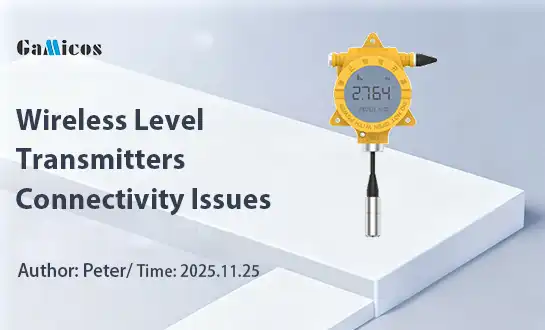
Troubleshooting Wireless Level Transmitters Connectivity Issues
Troubleshooting Wireless Level Transmitters Connectivity Issues
Troubleshooting Wireless Level Transmitters Connectivity Issues
Understanding Wireless Level Transmitters-A Complete Guide
Introduction to Wireless Level Measurement for Industrial Tank