How to Upgrade Your Plant with Wireless Level Sensors
Introduction
- Introduction
- Understanding Wireless Level Sensors: Principles and Benefits
- Evaluating and Comparing Wireless Level Sensor Solutions
- Step-by-Step Guide to Upgrading Your Plant with Wireless Level Sensors
- Procurement and Implementation: What You Need to Know?
- Conclusion
- FAQ
- Partner with GAMICOS for Your Wireless Level Sensor Upgrade
- References
Adding Wireless Level Sensor technology to your industrial facility is a revolutionary step toward improved productivity and operational efficiency. In addition to offering greater accuracy, real-time monitoring capabilities, and lower maintenance needs, contemporary wireless level measuring devices do away with conventional wiring limitations. These sophisticated sensors provide accurate liquid level data in a variety of industrial settings by using state-of-the-art technologies including ultrasonic, radar, and radio frequency communications. Petroleum, chemical, pharmaceutical, and food processing facilities benefit greatly from the switch from traditional wired systems to wireless alternatives since they simplify installation, lower infrastructure costs, and allow monitoring in previously unreachable areas.

Introduction
The precision, flexibility, and operating effectiveness of wireless level sensor technology are redefining liquid level monitoring in industrial facilities. Modern manufacturing and process industries benefit greatly from upgrading to wireless technology since it simplifies wiring, decreases maintenance costs, and increases safety. This paper offers strategic insights to enable seamless wireless sensor integration for buying managers, engineers, distributors, and OEM customers.
Gaining an understanding of these technologies guarantees that procurement choices promote scalability, exploit advances that provide competitive advantage, and are in line with operational objectives. By switching to wireless measuring systems, industrial facilities may lower their total cost of ownership and attain previously unheard-of levels of operational visibility. Wireless level measuring solutions are now crucial for preserving competitive positioning in today's quickly changing industrial scene, as automation needs continue to rise across international markets.
Understanding Wireless Level Sensors: Principles and Benefits
Wireless level sensors employ advanced technologies such as ultrasonic, radar, and radio frequency (RF) to measure liquid levels without the constraints of wired connections. These sensors transmit data through secure wireless protocols, enabling real-time monitoring and remote access. The integration of IoT connectivity allows seamless communication with existing plant automation systems, creating comprehensive monitoring networks that enhance operational decision-making.
Core Technology Types and Applications
Various sensor technologies meet distinct industrial needs in a range of industries. Submersible level sensors are especially useful in high-temperature and high-pressure settings where resistance to chemical corrosion is crucial because they use the principles of hydrostatic pressure to provide precise readings in turbulent situations. In demanding industrial environments, such as chemical processing facilities and oil refineries, these sensors continue to operate dependably.
Without coming into close touch with the material being measured, radar level sensors use microwave signals that bounce off liquid surfaces to determine exact levels. Because it is not impacted by vapor, outgassing, or temperature changes, this non-contact measuring method works well for hazardous liquids. In difficult settings where conventional measuring techniques would not work, the technology provides remarkable accuracy.
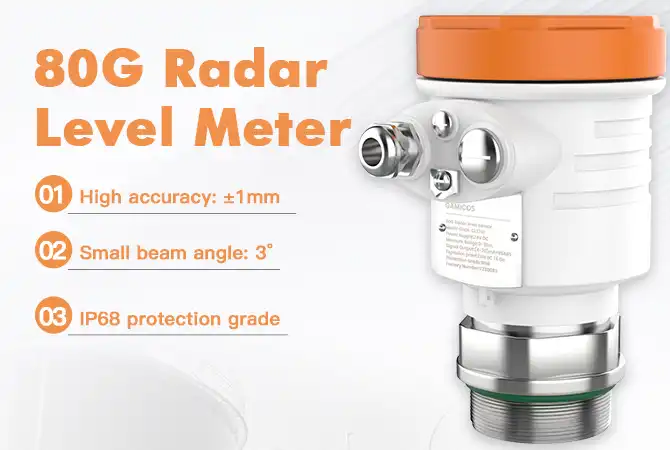
Ultrasonic level sensors monitor liquid levels with exceptional precision in a variety of applications by using sound waves. These sensors provide constant performance throughout a variety of industrial processes by providing explosion-proof alternatives for installations in hazardous areas and being unaffected by changes in liquid density or conductivity.
Key Operational Advantages
The efficiency and profitability of plants are directly impacted by the significant operational advantages that contemporary wireless level measuring systems provide. The following are the main benefits that these gadgets offer:
- Ease of Installation: Complex wiring elimination reduces installation time and associated labor costs significantly
- Enhanced Flexibility: Ideal deployment in remote or hard-to-access locations without infrastructure limitations
- Real-Time Monitoring: Enables immediate response to level changes through continuous data transmission
- System Scalability: Expandable monitoring networks without major infrastructure modifications
- Reduced Maintenance: Minimal physical connections decrease wear and tear on equipment components
Together, these benefits provide quantifiable returns on investment via increased operational efficiency and decreased downtime while addressing typical industrial concerns.
Industry-Specific Applications
Wireless level sensors are very effective in a variety of industrial domains, each with unique technical benefits. By using these sensors to keep an eye on storage tanks, chemical manufacturing firms may avoid hazardous overflows and environmental breaches that might lead to expensive regulatory infractions. Water treatment facilities maintain appropriate levels for reliable quality control, guaranteeing adherence to strict environmental regulations. While food and beverage producers assure accurate production levels that fulfill quality standards, oil and gas operations depend on wireless monitoring to ensure safe storage and processing methods.
Evaluating and Comparing Wireless Level Sensor Solutions
Evaluating trade-offs in installation cost, maintenance needs, scaling possibilities, and data dependability is necessary when deciding between wireless and conventional wired level sensors. Due to their ease of deployment and fewer maintenance and installation requirements, wireless systems may drastically cut total lifespan costs. Numerous technical and financial aspects must be carefully taken into account throughout the decision-making process.
Critical Selection Criteria
Range and signal strength represent fundamental considerations when selecting wireless level sensors for industrial applications. Sensors must maintain sufficient wireless range and robust signal transmission capabilities to reliably communicate data from intended locations, particularly in environments with potential electromagnetic interference. Battery life considerations prove equally important, with optimal sensors featuring extended battery life or energy-harvesting capabilities that minimize maintenance requirements while ensuring continuous operation.
Smooth integration with present infrastructure is ensured via compatibility with data collecting systems and wireless communication protocols. Sensors rated for certain operating circumstances, such as temperature extremes, humidity levels, and possible exposure to dust, chemicals, or water intrusion, are necessary for environmental appropriateness.
Comparative Analysis Framework
Prominent producers provide a range of wireless level sensor models with unique technical benefits that are tailored for different industrial needs. Key decision indicators such as signal stability in a range of environmental conditions, battery life in a variety of use patterns, installation difficulty in relation to current infrastructure, and thorough total cost of ownership estimates should be the main emphasis of the assessment process.
Operators may choose devices that provide the reliable performance necessary for continuous plant operations while integrating smoothly with current control systems with the use of a methodical comparative approach. Both short-term procurement costs and long-term operating costs, such as maintenance, calibration, and possible system expansion needs, should be taken into account in this study.
Step-by-Step Guide to Upgrading Your Plant with Wireless Level Sensors
A comprehensive assessment of the existing level measuring systems and the creation of precise upgrade objectives in line with production needs are the first steps toward a successful upgrade. This methodical methodology minimizes operational disturbances throughout implementation stages while guaranteeing appropriate sensor placement and selection.
Pre-Implementation Assessment
The first step in the upgrade process is a thorough evaluation of the present measurement infrastructure, which identifies system constraints and establishes precise improvement goals. Production demands, safety procedures, regulatory compliance requirements, and integration potential with current automation systems should all be taken into account during this assessment. Targeted solutions that solve particular operational difficulties are made possible by an understanding of present pain areas.
The surroundings and any sources of interference that might compromise the reliability of signal transmission are taken into account while designing the placement of sensors. Temperature fluctuations, humidity levels, chemical exposure concerns, and the possibility of electromagnetic interference from adjacent devices or wireless networks should all be considered in environmental evaluations.
Integration and Configuration
Smooth data flow and thorough operational supervision are ensured via integration with current control systems, such as SCADA or DCS platforms. In order to meet operational needs, configuration processes should set up suitable data transmission frequencies, communication protocols, and alert levels. Before a system is fully deployed, testing procedures confirm its operation under a range of operational situations.
While thorough troubleshooting strategies reduce unscheduled downtime, routine calibration and maintenance procedures maintain sensor accuracy and increase device lifespan. Consistent system performance is ensured throughout the operating lifespan by documenting installation processes, configuration settings, and maintenance schedules.
Procurement and Implementation: What You Need to Know?
Procurement of wireless level sensors involves understanding bulk-purchasing options, custom specification requirements, and supplier reliability factors that impact project success. Strategic procurement planning addresses financing considerations and shipping logistics that play critical roles in successful acquisitions, particularly for large-scale plant upgrades.
Supplier Selection Criteria
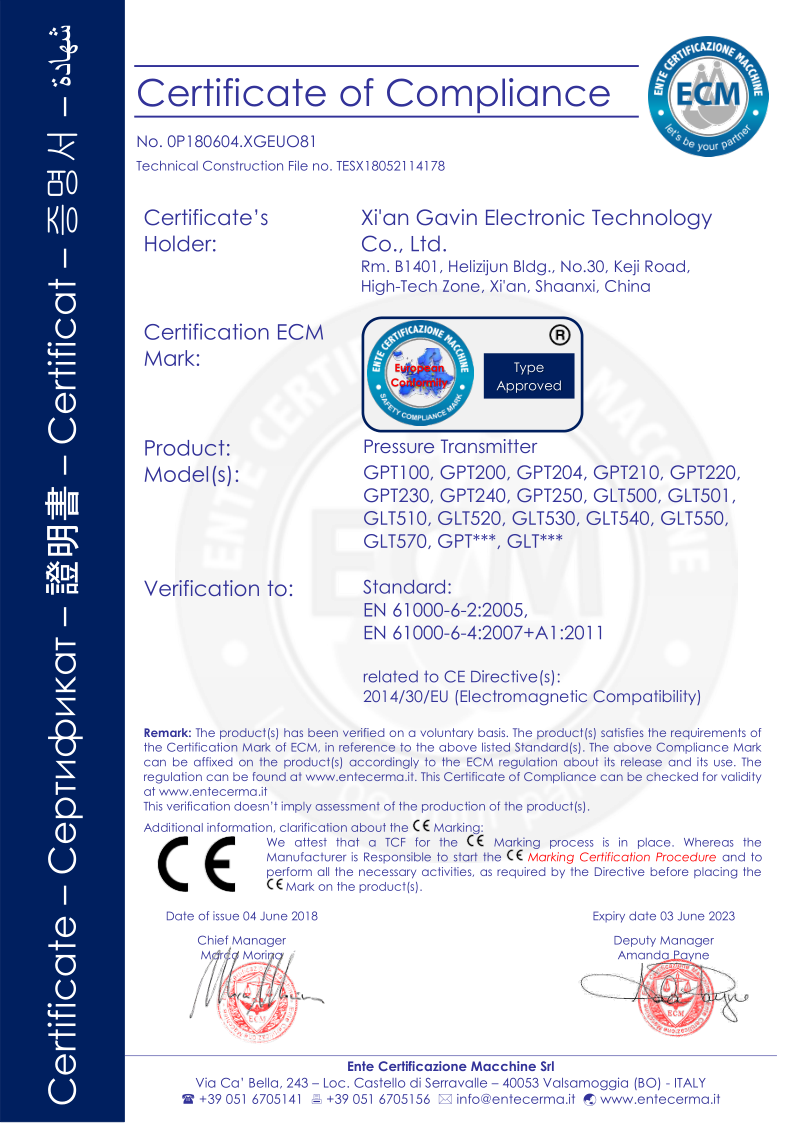
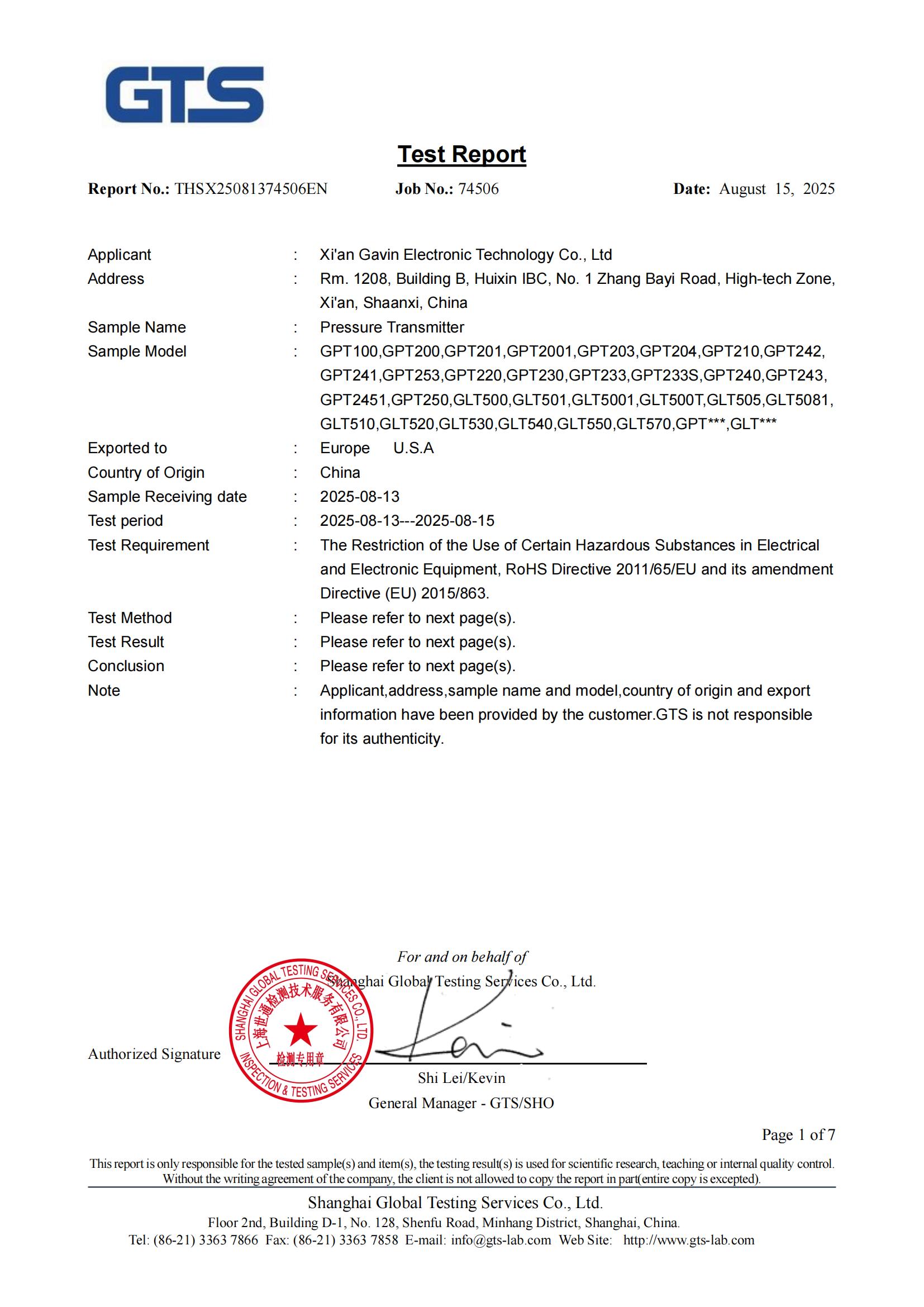
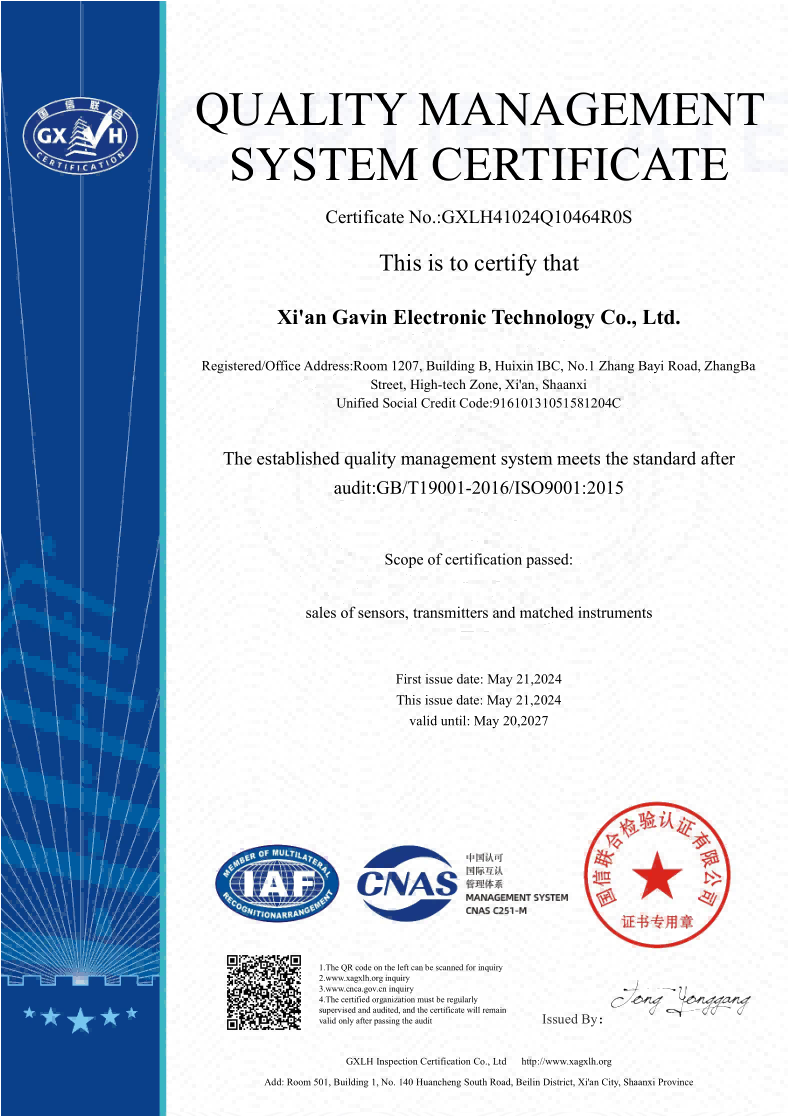
Project continuity and long-term success are ensured by choosing providers based on warranty provisions, technical support skills, and tested installation services. Leading businesses provide complete solutions that speed up deployment procedures while ensuring product perfection, such as premium sensors, specialized engineering services, and prompt after-sales support.
Forming alliances with reliable suppliers promotes long-term cooperation chances for ongoing plant optimization and next growth initiatives. Technical know-how, international support systems, certification compliance, and experience in related industrial applications should all be taken into account when evaluating suppliers.
Implementation Best Practices
Coordination between many stakeholders, such as engineering teams, operations staff, and supplier support staff, is necessary for successful implementation. To guarantee efficient execution, project planning should set precise deadlines, milestone deliverables, and communication procedures. Potential obstacles such as environmental influences, integration difficulties, and operational staff training needs are addressed by risk mitigation techniques.
Procedures for quality assurance record adherence to pertinent industry standards and legal requirements while confirming sensor performance versus specifications. Thorough testing verifies system performance in both typical and difficult operation scenarios.
Conclusion
Wireless level sensor technology represents a strategic investment that delivers measurable operational improvements across diverse industrial applications. The migration from traditional wired systems enables enhanced flexibility, reduced maintenance costs, and improved safety performance while supporting scalable expansion of monitoring capabilities. Successful implementation requires careful planning, appropriate supplier selection, and systematic deployment approaches that minimize operational disruptions.
Beyond short-term operational gains, wireless level measuring offers long-term competitive advantages via better data visibility, better decision-making, and lower total cost of ownership. Businesses that use these tools set themselves up for long-term success in increasingly automated industrial settings.
FAQ
Q1: What factors influence wireless level sensor accuracy in industrial environments?
A: Sensor accuracy may be impacted by environmental factors such as temperature swings, humidity levels, and electromagnetic interference. Data transmission reliability may be impacted by signal interference from adjacent wireless networks or industrial equipment. These issues are resolved by careful sensor selection and installation planning, which makes use of the right technology and thoughtful placement choices.
Q2: How long do wireless level sensor batteries typically last?
A: Battery life, which often ranges from several months to many years, varies greatly depending on the kind of sensor, transmission frequency, and environmental factors. While some sophisticated sensors include energy-harvesting features that further lower maintenance needs, energy-efficient designs and low-power communication protocols increase operating life.
Q3: Can wireless level sensors integrate with existing automation platforms?
A: PLCs, SCADA systems, cloud-based monitoring tools, and other automation platforms can all be seamlessly integrated with modern wireless level sensors. While configurable interfaces support particular integration needs across various industrial contexts, standardized communication protocols guarantee interoperability with a variety of control systems.
Partner with GAMICOS for Your Wireless Level Sensor Upgrade
GAMICOS stands as your trusted wireless level sensor manufacturer, delivering cutting-edge measurement solutions backed by extensive industry experience serving clients across 98 countries. Our comprehensive product portfolio includes advanced ultrasonic, radar, and IoT-enabled wireless sensors designed specifically for demanding industrial applications.
With our dedicated R&D team and multiple patents, we provide customized OEM/ODM services including specialized communication protocols, custom interfaces, and application-specific configurations. Our professional technical support ensures seamless installation and optimal performance throughout your sensor lifecycle. Contact our expert team at info@gamicos.com to explore tailored wireless level sensor solutions that maximize your plant's efficiency, safety, and operational excellence while leveraging our proven track record in delivering first-class products to global markets.
References
1. Industrial Automation Society. "Wireless Sensor Networks in Manufacturing: Implementation Guidelines and Best Practices." Process Industry Journal, 2023.
2. Thompson, R.K., and Martinez, L.S. "Comparative Analysis of Wireless vs. Wired Level Measurement Systems in Chemical Processing Plants." Chemical Engineering Review, 2023.
3. International Standards Organization. "Wireless Communication Protocols for Industrial Measurement Applications: Technical Specifications and Safety Requirements." ISO Technical Publication, 2022.
4. Peterson, M.J. "Cost-Benefit Analysis of Wireless Level Sensor Implementation in Large-Scale Industrial Facilities." Industrial Maintenance Quarterly, 2023.
5. Advanced Process Control Association. "Integration Strategies for Wireless Measurement Devices in Existing Automation Infrastructure." Automation Technology Bulletin, 2023.
6. Williams, D.R., Chen, H.L., and Kumar, A.P. "Environmental Factors Affecting Wireless Sensor Performance in Industrial Applications: A Comprehensive Study." Measurement Science and Technology Journal, 2022.

Eva
Eva specializes in bridging the gap between cutting-edge sensor technology and market needs. With 8 years of experience in industrial product marketing, she has successfully launched multiple sensor product lines—from pressure transmitters to fuel level sensor—into global markets.
We're here to help — submit your request anytime!
Let us know how we can help solve your pressure level measurement challenge.
_1757930850792.jpg)


Recommended Blog

Troubleshooting Wireless Level Transmitters Connectivity Issues
Troubleshooting Wireless Level Transmitters Connectivity Issues
Understanding Wireless Level Transmitters-A Complete Guide
Introduction to Wireless Level Measurement for Industrial Tank
Understanding Wireless Level Transmitters-A Complete Guide
Introduction to Wireless Level Measurement for Industrial Tank
Understanding Wireless Level Transmitters-A Complete Guide
Introduction to Wireless Level Measurement for Industrial Tank