Why Wireless Pressure Sensors Are Growing in Industry
Understanding Wireless Pressure Transmitters
- Understanding Wireless Pressure Transmitters
- Comparison of Wireless vs. Wired Pressure Transmitters: Choosing the Best Fit
- Application Scenarios and Industry Use Cases for Wireless Pressure Transmitters
- Procurement Insights: How to Source and Select Wireless Pressure Transmitters?
- GAMICOS: Advanced Wireless Pressure Solutions for Global Industries
- Conclusion
- FAQ
- Contact GAMICOS for Your Wireless Pressure Transmitter Requirements
- References
Wireless pressure transmitters are at the vanguard of a revolution in industrial automation. These cutting-edge instruments provide accurate pressure readings for a range of industrial applications while doing away with conventional wiring restrictions. The need for better safety procedures, lower installation costs, and increased industrial efficiency is reflected in the worldwide move toward wireless technology. In order to provide real-time monitoring without the constraints of physical connections, modern wireless pressure sensors combine advanced communication technologies with high-precision sensing capabilities. Important industrial problems including complicated cable management, installation hold-ups, and maintenance difficulties that have long afflicted conventional wired systems are addressed by this technical advancement.

Understanding Wireless Pressure Transmitters
By fusing state-of-the-art wireless communication capabilities with high-precision pressure sensing, wireless pressure transmitters constitute a major breakthrough in industrial measuring technology. These gadgets use piezoresistive sensors to transform applied pressure into electrical signals. These signals are then wirelessly sent to monitoring systems via cellular networks, Bluetooth, radio frequency, and other protocols.
Core Technology Components
Three key components make up the basic design of wireless pressure sensors: the wireless communication module, signal processing unit, and pressure sensing element. Piezoresistive technology, which provides exceptional precision and stability across a broad temperature range, is often used in the pressure sensing component. In order to preserve measurement accuracy in a variety of environmental circumstances, sophisticated models include temperature compensation algorithms.
Sophisticated power management algorithms included in contemporary wireless transmitters maximize battery life while preserving dependable connection. This technology is shown by the GPT2451 wireless pressure transmitter, which measures pressure in liquid, gas, and steam applications using a high-stability pressure sensor with temperature adjustment. This gadget provides 4G network connection. It is intended to give either improved signal penetration capabilities or ultra-low power consumption.
Key Performance Advantages
Systems for wireless pressure monitoring provide significant operational advantages that immediately address typical industrial problems. The following are the main benefits that these gadgets offer:
• Ultra-low power consumption: When set up for one-second measurement intervals, advanced wireless transmitters may run for up to three years on a single battery, greatly lowering maintenance needs and operating expenses.
• Extended transmission range: LORA-enabled devices are perfect for remote monitoring applications and big industrial sites since they can send data up to 5 kilometers without the need for repeaters.
• Simplified installation process: By eliminating the need for wiring, installation times may be shortened by up to 70% when compared to conventional wired systems, which speeds up project completion times and lowers labor expenses.
• Enhanced safety protocols: Remote monitoring features reduce worker exposure to risky situations while preserving ongoing process supervision.
Together, these benefits meet the increasing industrial need for adaptable, affordable monitoring systems that can meet changing operating needs while upholding the highest levels of precision and dependability.
Comparison of Wireless vs. Wired Pressure Transmitters: Choosing the Best Fit
Procurement managers must make important choices about wireless vs cable pressure monitoring systems in the context of industrial measurement. Making an educated choice based on particular operational needs and long-term strategic goals is made possible by an understanding of the essential distinctions between these technologies.
Limitations of Traditional Wired Systems
In today's industrial settings, wired pressure transmitters confront more and more difficulties. Large-scale installations need sophisticated conduit systems and careful routing to prevent electromagnetic interference, which greatly increases the complexity of cable management. Labor-intensive wiring procedures cause installation costs to mount up quickly, especially in retrofit situations where changes to the current infrastructure are required. System shutdowns are often necessary for maintenance operations in order to access wire connections, which causes expensive production disruptions.
For wired systems, scalability is still another important constraint. More cable runs are needed to increase monitoring coverage, which raises labor and material costs and lengthens project deadlines. Over time, environmental elements including harsh temperatures or corrosive environments may weaken cable integrity, requiring regular replacement and continuous maintenance.
Wireless Solution Advantages
Applications needing quick deployment and operating flexibility are ideal for wireless pressure transmitters. There is usually no need for a large cable infrastructure since installation just requires basic mounting and setup techniques. Programmable logic controllers (PLCs) and other current control systems may be integrated using defined communication protocols that guarantee smooth data transmission.
One important wireless benefit is environmental resilience, especially in dangerous areas where installing wires might endanger public safety. In places where conventional wiring systems would be compromised by excessive electromagnetic interference, corrosive environments, or drastic temperature fluctuations, wireless devices may function efficiently.
Market Overview and Leading Solutions
Established producers with unique technical approaches to wireless monitoring, such as Emerson, Honeywell, Siemens, Yokogawa, Endress+Hauser, ABB, and Vega, are present in the 2026 industrial pressure transmitter market. Honeywell concentrates on inherently safe designs for use in hazardous areas, while Emerson's solutions highlight mesh networking capabilities for intricate installations. Siemens offers smooth data integration across industrial systems by combining wireless pressure transmitters with all-inclusive automation solutions.
When assessing these possibilities, procurement experts need to take into account things like compatibility with communication protocols, battery life parameters, environmental ratings, and the ability to integrate with current infrastructure. Total cost of ownership, including initial equipment prices, installation costs, and continuing maintenance needs, should be included in long-term value evaluations.
Application Scenarios and Industry Use Cases for Wireless Pressure Transmitters
Through improved process control and safety monitoring in formerly difficult applications, wireless pressure monitoring technology has revolutionized operating capabilities across a variety of industrial industries. These devices are especially useful in situations where standard wired solutions are either unfeasible or prohibitively expensive because to their adaptability.
Oil and Gas Industry Applications
Wireless pressure sensors are widely used in the petroleum industry for storage tank level management, wellhead pressure measurement, and pipeline monitoring. Wireless technology is crucial for maintaining constant monitoring without requiring significant infrastructure investment due to the remote locations typical of oil and gas activities. Real-time pressure monitoring throughout large pipeline networks is made possible by wireless transmitters, which instantly notify operators of pressure anomalies that can point to leaks or equipment failures.
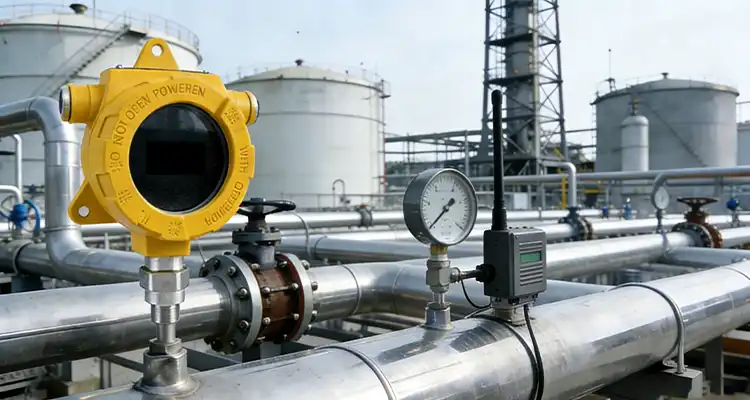
Wireless pressure monitoring devices greatly help offshore installations by removing the requirement for intricate cable routing through challenging maritime conditions. Devices that can endure severe weather conditions and yet reliably communicate with central monitoring systems are needed for these applications.
Chemical Processing and Manufacturing
Reactor vessel monitoring, distillation column control, and safety system integration are all made possible by wireless pressure transmitters in chemical industrial plants. Wireless solutions are especially appealing for these applications because they can monitor pressure conditions in dangerous places without adding further ignition sources via electrical cables.
Wireless pressure sensors are used in manufacturing settings for quality control procedures, compressed air management, and hydraulic system monitoring. Manufacturers may streamline their operations while keeping thorough process supervision thanks to the ability to move monitoring locations without rewiring.
Water Treatment and Environmental Monitoring
Municipal water treatment facilities employ wireless pressure transmitters for distribution system monitoring, pump station control, and filtration system optimization. The ability to monitor multiple pressure points throughout distribution networks without extensive trenching for cable installation reduces project costs while improving system reliability.
The ability of wireless technology to function in distant areas with minimal power infrastructure is advantageous for environmental monitoring applications. Wireless transmitters that run on batteries may keep an eye on ecosystem conditions, environmental compliance metrics, and groundwater pressure without the need for permanent infrastructure installation.
Installation Best Practices and Troubleshooting
Deploying wireless pressure transmitters successfully necessitates paying close attention to environmental factors and signal route optimization. For dependable communication, installation crews should scan the location to find possible sources of interference and place the antennas optimally. Maintaining continuous operation while reducing unplanned downtime is ensured by routine battery monitoring and replacement scheduling.
Signal interference from industrial machinery, battery deterioration at high temperatures, and communication range restrictions in intricate industrial settings are typical troubleshooting circumstances. Understanding the fundamentals of wireless communication and choosing the right transmission protocols depending on the demands of a given application are necessary to meet these problems.
Procurement Insights: How to Source and Select Wireless Pressure Transmitters?
A thorough assessment of technical standards, supplier capabilities, and long-term support infrastructure is necessary for the successful acquisition of wireless pressure transmitters. In order to ensure interoperability with current systems and future expansion plans, procurement managers must strike a balance between immediate cost concerns and total ownership expenditures.
Technical Evaluation Criteria
For the majority of industrial applications, pressure measurement accuracy is the main requirement. Devices should function steadily for long periods of time and maintain the required accuracy levels over the whole operational temperature range. These features are shown by the GPT2451 wireless pressure transmitter's extensive temperature adjustment algorithms and very stable sensor design.
Compatibility with communication protocols necessitates a thorough evaluation of current infrastructure and future integration needs. Devices that support several protocols might be advantageous for facilities that use many communication standards since they allow for flexible deployment across diverse system designs. Range parameters need to take into consideration the real-world installation settings, taking into account any obstructions and sources of interference that might impact signal transmission.
Expectations for battery life should be in line with choices for maintenance schedules and limitations on operating accessibility. Devices with multi-year operating capabilities provide ongoing monitoring coverage while lowering maintenance costs. Battery life may be optimized thanks to power management capabilities, which are dependent on the demands of certain applications and data transmission frequencies.
Sourcing Strategy Development
To guarantee competitive pricing and dependable supply chain assistance, effective sourcing methods use a variety of procurement channels. Relationships with direct manufacturers provide genuine goods and extensive warranty coverage while giving access to technical know-how and customization options. Specialized industrial distributors shorten lead times for conventional setups by providing local assistance and inventory availability.
For large-scale installations, bulk purchase agreements may guarantee regular product supply while drastically lowering unit prices. For large orders, several manufacturers provide flexible payment periods and volume discounts, which lowers the cost of wireless technology for installations of complete site monitoring.
Tailored solutions for particular application needs are made possible by OEM and customisation services. Suppliers may meet specific operating requirements while retaining competitive cost for large orders by providing customized communication protocols, altered housing designs, or specialized pressure ranges.
Supplier Assessment and Quality Assurance
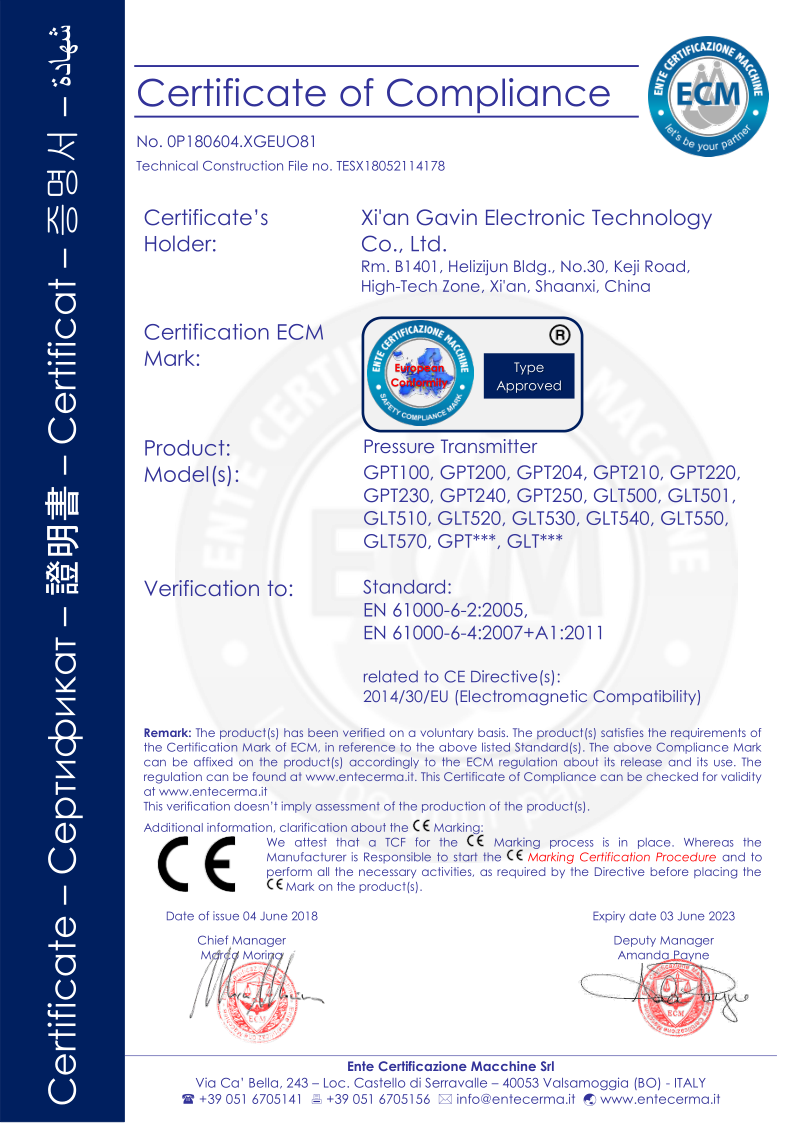
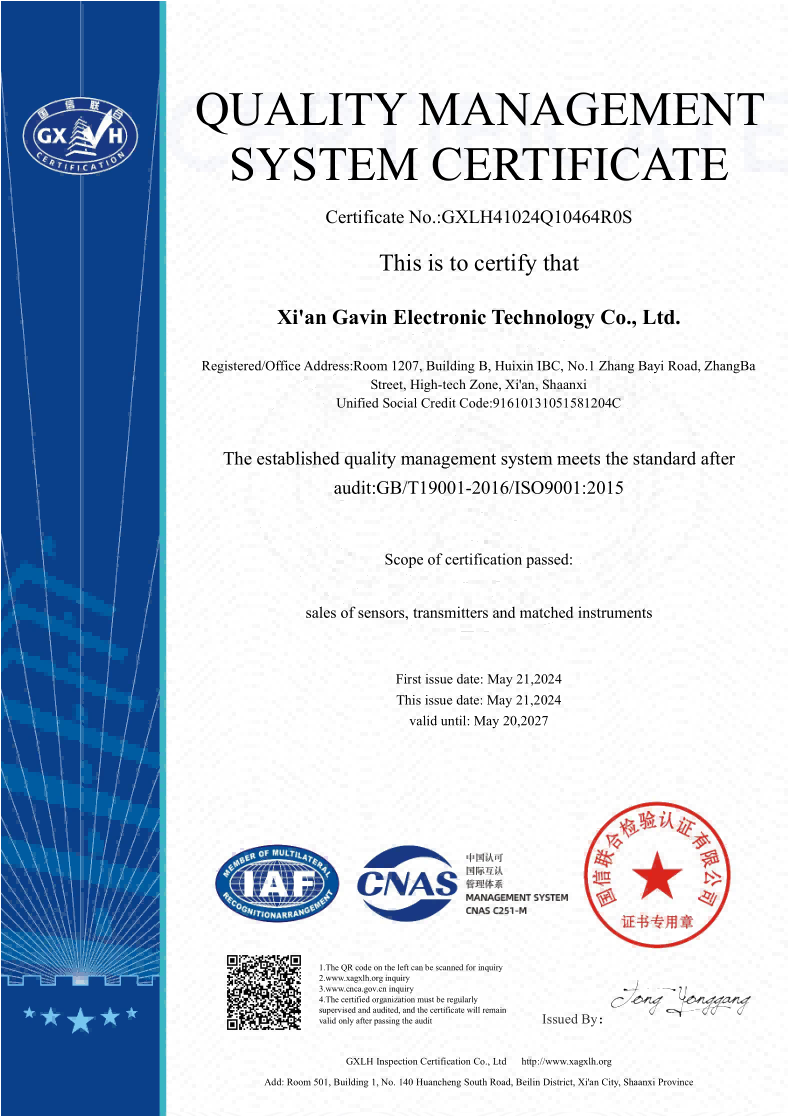
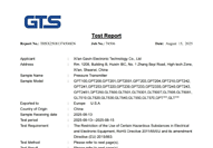
Technical proficiency, quality certifications, and support infrastructure should all be considered while evaluating suppliers. A manufacturer's dedication to quality and regulatory compliance is shown by their extensive certification portfolios, which include CE, RoHS, and ISO compliance. Research collaborations and patent portfolios show continued inventiveness and capacity for technological growth.
To guarantee prompt technical support and effective service delivery, after-sales support infrastructure has to be carefully assessed. Successful implementation is made possible while operational risks are reduced by suppliers that provide thorough documentation, training programs, and a local support presence.
Potential long-term partnerships should take supplier reliability, market reputation, and dedication to technological growth into account. Greater guarantee of ongoing support and product innovation in line with industry trends is offered by well-established manufacturers with a worldwide presence and a diversified product range.
GAMICOS: Advanced Wireless Pressure Solutions for Global Industries
GAMICOS stands at the forefront of wireless pressure sensing technology, delivering innovative solutions that address the evolving demands of modern industrial operations. Our comprehensive approach combines cutting-edge technology development with practical application expertise to provide wireless pressure transmitters that exceed performance expectations while maintaining competitive pricing for global markets.
Technology Leadership and Innovation
Through continuous innovation and strategic alliances with top research institutions, our research and development skills are focused on developing wireless pressure monitoring technology. With three different wireless transmission options to suit various operating needs, the GPT2451 wireless pressure transmitter is a prime example of our dedication to technical excellence.
Ultra-low power consumption is provided by the device's SWSN efficient protocol, allowing for one-second operating intervals for up to three years on a single battery. Important issues with maintenance accessibility and operational continuity in distant or dangerous areas are addressed by this expanded operating capabilities. Without the need for repeater infrastructure, LORA spread spectrum technology supports data transmission up to 5 kilometers and offers remarkable signal penetration and transmission range capabilities.
For facilities that need dependable communication across large geographic distances, 4G network access allows integration with current cellular infrastructure. In addition to offering flexibility for future system growth and technology migration, this multi-protocol strategy guarantees compatibility with a variety of communication topologies.
Comprehensive Product Portfolio and Services
Pressure sensors, liquid level sensors, fuel and water level meters, ultrasonic and radar level meters, and sophisticated wireless measuring devices are just a few of the many pressure and level measurement systems that GAMICOS produces. Every year, thousands of clients throughout North America, Europe, Asia, Africa, and Oceania are served by our goods in more than 100 countries and regions.
Professional OEM and ODM services enable complete customization of models, parameters, packaging, and documentation to meet specific customer requirements. Our engineering team collaborates closely with clients to develop tailored solutions that address unique operational challenges while maintaining cost-effectiveness and quality standards. Strict quality control procedures ensure consistent product performance and reliability across all customization projects.
Technical consultation services support customers throughout the entire project lifecycle, from initial specification development through installation and commissioning. Our experienced engineers provide expertise in system integration, communication protocol selection, and optimization strategies that maximize operational benefits while minimizing implementation complexity.
Quality Assurance and Global Support
GAMICOS maintains rigorous quality control standards supported by comprehensive testing procedures and certification from recognized metrology institutions. Our quality assurance program encompasses incoming material inspection, production process monitoring, and final product verification to ensure consistent performance and reliability.
Global support infrastructure includes responsive technical assistance, maintenance services, and consultation capabilities designed to ensure optimal system performance throughout the product lifecycle. Our support team provides multilingual assistance and local presence in key markets to ensure timely response and effective problem resolution.
Continuous innovation through strategic partnerships with research institutes and industry collaborators ensures our products remain at the forefront of technological advancement. Our patent portfolio and ongoing development programs reflect our commitment to delivering solutions that anticipate and address evolving market demands.
Conclusion
The industrial adoption of wireless pressure sensors continues accelerating as manufacturers recognize the substantial operational and economic benefits these technologies provide. Wireless pressure transmitters offer compelling advantages including reduced installation complexity, enhanced safety protocols, improved operational flexibility, and significant cost savings compared to traditional wired systems. The technology's maturation has addressed earlier concerns regarding reliability and battery life, making wireless solutions viable for mission-critical applications across diverse industrial sectors.
Procurement professionals must carefully evaluate technical specifications, supplier capabilities, and long-term support infrastructure to ensure successful implementation. The combination of advancing technology capabilities, competitive pricing, and comprehensive support services makes wireless pressure monitoring an increasingly attractive solution for modern industrial operations seeking enhanced efficiency and reduced operational complexity.
FAQ
Q1: How long do batteries last in wireless pressure transmitters?
A: Battery life varies significantly based on transmission frequency, environmental conditions, and power management features. Advanced wireless pressure transmitters like the GPT2451 can operate for up to three years with one-second measurement intervals when utilizing efficient protocols. LORA technology typically provides 2-3 years of operation, while 4G connectivity may require annual battery replacement depending on data transmission frequency and signal strength requirements.
Q2: Can wireless pressure transmitters integrate with existing PLC systems?
A: Modern wireless pressure transmitters support standardized communication protocols that enable seamless integration with existing programmable logic controllers. Common integration methods include Modbus, HART, and Ethernet protocols that facilitate data exchange without requiring extensive system modifications. Many devices offer multiple output formats and communication options to ensure compatibility with diverse control system architectures.
Q3: When should I choose wireless over wired pressure transmitters?
A: Wireless solutions excel in applications involving remote locations, hazardous environments, temporary installations, or situations where wiring installation proves impractical or cost-prohibitive. Consider wireless technology when dealing with mobile equipment, rotating machinery, areas with high electromagnetic interference, or locations requiring frequent reconfiguration. Wired systems may remain preferable for permanent installations with existing cable infrastructure and applications requiring continuous high-frequency data transmission.
Contact GAMICOS for Your Wireless Pressure Transmitter Requirements
GAMICOS delivers cutting-edge wireless pressure monitoring solutions engineered for industrial excellence across global markets. Our GPT2451 wireless pressure transmitter manufacturer expertise combines advanced technology with competitive pricing and comprehensive support services. Connect with our technical specialists at info@gamicos.com for personalized consultation and detailed quotations tailored to your specific monitoring requirements. Download our comprehensive product catalogs and installation guides to evaluate our wireless pressure transmitter solutions confidently and implement optimal monitoring systems for your industrial applications.
References
1. Industrial Automation Market Analysis: Wireless Sensor Technology Adoption Trends 2024. Industrial Technology Research Institute.
2. Comparative Study of Wireless vs. Wired Pressure Monitoring Systems in Process Industries. Journal of Industrial Instrumentation and Control, Vol. 47, 2024.
3. Battery Life Optimization Strategies for Industrial Wireless Sensors. International Conference on Industrial Electronics and Applications, 2024.
4. Wireless Communication Protocols for Industrial Process Monitoring: Performance Analysis and Selection Criteria. IEEE Transactions on Industrial Informatics, 2024.
5. Cost-Benefit Analysis of Wireless Pressure Transmitter Implementation in Oil and Gas Operations. Petroleum Technology Quarterly, Spring 2024.
6. Global Market Report: Industrial Wireless Pressure Sensors - Growth Drivers and Technology Trends. Industrial Market Research Associates, 2024.

Halen
With over 12 years of experience in fluid sensing technology, Halen specializes in helping clients select and optimize oil level sensors for a wide range of industries—including automotive, marine, heavy machinery, and energy.
We're here to help — submit your request anytime!
Let us know how we can help solve your pressure level measurement challenge.
_1757930850792.jpg)



Recommended Blog
Best Wireless Water Level Sensors for Remote Tank Monitoring
Best Wireless Water Level Sensors for Remote Tank Monitoring
Best Wireless Water Level Sensors for Remote Tank Monitoring