How to Choose the Right Liquid Level Sensor for Your Tank?
Understanding Liquid Level Sensors: Basics and Applications
- Understanding Liquid Level Sensors: Basics and Applications
- Defining Your Tank Measurement Needs: Decision Scenarios and Core Metrics
- Comparing Popular Liquid Level Sensor Technologies
- Installation, Calibration, and Maintenance Best Practices
- Procurement Insights: Where and How to Source Liquid Level Sensors?
- GAMICOS: Your Trusted Partner for Advanced Level Sensing Solutions
- Conclusion
- FAQ
- Partner with GAMICOS for Superior Level Measurement Solutions
- References
A number of technical and operational considerations must be carefully taken into account when choosing the right liquid level sensors for your tank applications. Your unique fluid qualities, ambient factors, accuracy needs, and financial limitations must all be taken into consideration when choosing the right sensor. Capacitive, ultrasonic, radar, and float-based systems are only a few of the options available in modern level measuring technology, each of which provides special benefits for particular industrial situations. Procurement managers and engineers may make well-informed selections that maximize operational efficiency while guaranteeing long-term dependability and cost-effectiveness for their tank monitoring systems by being aware of these possibilities.
Understanding Liquid Level Sensors: Basics and Applications
The foundation of many industrial processes is liquid level measuring technology, which provides crucial information for inventory management, process control, and safety compliance. These advanced devices translate the physical height of liquids into electrical impulses, allowing automatic response systems and real-time monitoring in a variety of applications.
Fundamental Measurement Principles
Different measuring techniques are used in modern level sensing technologies, each of which is appropriate for a certain set of operating needs. Capacitive sensors provide remarkable precision for both conductive and non-conductive fluids by detecting changes in dielectric characteristics when liquid levels vary. Using the time-of-flight concept, ultrasonic devices measure distance by emitting high-frequency sound waves that bounce off liquid surfaces. While float mechanisms use buoyancy-driven operation to offer dependable mechanical indication, radar-based devices use electromagnetic waves to provide exact readings even under difficult environmental situations.
Understanding how sensor technology interacts with application-specific factors is crucial to any measuring system's efficacy. Variations in temperature, pressure, vapor content, and fluid properties all affect long-term performance and measurement accuracy. In order to retain accuracy under a variety of operating situations, advanced sensors use compensatory algorithms and sturdy construction materials.
Industrial Application Landscapes
For process improvement and regulatory compliance, water treatment plants heavily depend on level monitoring. These sensors are used by municipal treatment facilities to control reservoir levels, guaranteeing a sufficient supply and avoiding overflow situations. Precise level management is essential to chemical processing processes in order to preserve product quality and avoid dangerous circumstances. Accuracy has a direct influence on both financial success and environmental safety in the petroleum business, which uses complex measuring systems for inventory management and transfer processes.
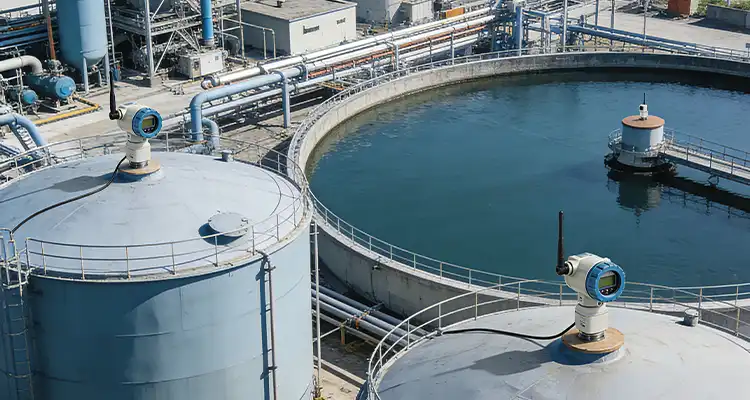
Hygienic sensor designs that adhere to strict sanitary requirements while preserving measurement accuracy are necessary for the production of food and beverages. To comply with regulatory regulations, pharmaceutical applications need extraordinary accuracy and documentation skills. Level sensors are used in energy sector applications such as power production and renewable energy systems for fuel monitoring and cooling water management.
Defining Your Tank Measurement Needs: Decision Scenarios and Core Metrics
Successful sensor selection begins with comprehensive analysis of your specific measurement requirements and operational constraints. This systematic approach ensures optimal performance while minimizing long-term costs and maintenance requirements, particularly when selecting liquid level sensors tailored to your needs.
Tank Configuration and Fluid Properties
Sensor installation and selection are greatly influenced by tank shape. Rectangular containers could need special mounting considerations, while cylindrical vessels usually hold a variety of sensor kinds. Measurement range requirements are determined by tank height, which has an impact on sensor selection and calibration processes. Chemical resistance requirements and electromagnetic compatibility are influenced by material composition, which is especially crucial for reactive or corrosive materials.
Fluid properties are important while choosing a technology. Viscosity may have an impact on the propagation of ultrasonic waves and has an impact on the functioning of float-based sensors. Variations in the dielectric constant affect the performance of capacitive sensors, and the presence of foam or vapor may cause problems for non-contact measuring devices. Certain sensor designs are necessary for conductive fluids in order to avoid electrical interference and guarantee precise readings.
Environmental Operating Conditions
Extreme temperatures put sensor materials and electrical components to the test, necessitating precise operating range specification. Pressure changes have an impact on measurement accuracy and sensor housing design, especially for hydrostatic-based systems. While vibration and mechanical stress affect mounting requirements and sensor lifespan, humidity and condensation may affect electronic dependability.
Classifications of hazardous areas need approved safety ratings and designs that are impervious to explosions. Shielded sensors and appropriate grounding methods are necessary to prevent electromagnetic interference from adjacent equipment. Long-term operating expenses are influenced by sensor location and connection procedures, which are impacted by accessibility for calibration and maintenance.
Performance Metrics and Selection Criteria
Applications ranging from simple level indicator to precise inventory management have very different accuracy requirements. The smallest observable level changes are determined by resolution criteria, which are crucial for applications that need strict process control. Response time has an impact on control loop performance and system dynamics, which is especially crucial in applications that change quickly.
Mean time between failures and anticipated service life under certain operational circumstances are examples of reliability measures. Long-term performance free from degradation or contamination issues is guaranteed by chemical compatibility. Installation costs and continuing operating costs are impacted by power consumption concerns, especially for remote or battery-powered applications.
Comparing Popular Liquid Level Sensor Technologies
Knowing the advantages and disadvantages of various sensor technologies makes it possible to make well-informed choices that satisfy certain application needs and performance standards.
Capacitive Sensing Technology
Applications needing great precision and adaptability across a variety of fluid types are ideal for capacitive level sensors. These devices provide continuous level indication with high precision by measuring variations in capacitance brought on by different dielectric characteristics when liquid levels fluctuate. With a resolution of less than 1 mm and broad voltage input compatibility, the GAMICOS GLTV7 capacitive level sensor is a prime example of modern capacitive technology.

One of capacitive systems' main benefits is that they can monitor conductive and non-conductive liquids equally precisely. Long-term dependability is ensured by the lack of moving parts, and their small shape allows installation in tight areas. Numerous capacitive sensors include sensitivity levels that may be adjusted, enabling adaptation for certain fluid properties and tank layouts.
Since these sensors are often adaptable to particular tank dimensions, installation flexibility is still another important benefit. There is no need for several sensor types since the GLTV7 sensor length may be shortened to any size to accommodate different tank heights. External calibration capabilities lower operational complexity and related expenses by streamlining maintenance and parameter adjustment processes.
Ultrasonic and Radar Technologies
When dealing with corrosive, viscous, or hot fluids, non-contact measuring systems have clear benefits. Ultrasonic sensors use time-of-flight measurements to determine level by emitting sound waves that bounce off liquid surfaces. These systems provide dependable performance in conditions that are relatively difficult and function well with the majority of liquid types.
Radar level sensors provide better performance in applications involving vapor, foam, or harsh environmental conditions since they measure using electromagnetic waves. They are perfect for tough industrial applications because of their capacity to pass through steam, dust, and light foam. Sophisticated signal processing methods decrease erroneous readings brought on either surface disturbances or tank internals while improving measurement stability.

When used correctly, both methods provide outstanding precision and long-term stability. Because there are no wetted parts, installation usually requires only minor tank adjustments, and maintenance needs are modest. Optimal performance is ensured, nevertheless, by taking dead zones, beam angles, and other interference sources into account.
Float and Hydrostatic Systems
For simple level indicator and switching applications, float-based level sensors provide dependable, affordable options. These mechanical gadgets provide straightforward operation and shown dependability by tracking liquid surface location using buoyancy principles. Systems that use magnetic coupling remove sealed penetrations while preserving precise level indication.
For many applications, hydrostatic pressure sensors provide precise continuous measurement by weighing liquid columns to determine level height. Through calibration modifications, these systems can handle different liquid densities and operate efficiently in pressured containers. Depending on the demands of the particular application, installation usually calls for either side connection or tank bottom mounting.
Diverse kinds of sensors have quite diverse integration possibilities. Digital communication protocols are often used in contemporary capacitive and electronic sensors, allowing for easy integration with data collecting networks and control systems. Advanced connection possibilities for real-time monitoring and fuel usage analysis are shown by the GLTV7 sensor's interoperability with GPS tracking systems.
Installation, Calibration, and Maintenance Best Practices
Proper installation procedures and ongoing maintenance practices directly impact the performance, longevity, and measurement accuracy of liquid level sensors throughout the operational lifecycle.
Optimal Installation Strategies
The placement of the sensor installation has a major impact on long-term dependability and measurement performance. Turbulence effects and possible mechanical damage are reduced by placing sensors far from agitators, tank outlets, and input pipes. Sufficient distance from interior structures and tank walls avoids interference with measuring signals and makes maintenance access easier.
The quality of the power source, shielding, and grounding must all be carefully considered while installing electrical systems. In addition to shielding connections from environmental dangers, proper cable routing eliminates electromagnetic interference. Conduit systems and junction boxes provide extra defense in challenging conditions, increasing system dependability and lowering maintenance needs.
Tank structural settling, vibration, and thermal expansion must all be taken into account by mechanical mounting systems. The GLTV7 sensor's SAE standard 5-hole screw locking installation ensures secure connection while enabling easy and rapid placement. During tank operations, flexible mounting configurations avoid stress concentration and possible sensor damage.
Calibration and Commissioning Procedures
Accurate correlation between sensor output and real liquid levels over the measuring range is established via initial calibration. While field calibration takes into account particular installation circumstances and fluid characteristics, factory calibration offers baseline accuracy. Throughout the operational range, multi-point calibration techniques detect any measurement mistakes and confirm linearity.
Optimization for particular application needs and shifting operating circumstances is made possible by parameter modification capabilities. Advanced sensors like the GLTV7 include external calibrator compatibility, which speeds up commissioning and streamlines adjustment processes. Troubleshooting and subsequent maintenance tasks are made easier by documenting calibration settings and methods.
Before sensors are put into service, validation testing ensures that the system is operating correctly. Functional testing confirms communication protocols, output scaling, and alarm points. Environmental testing guarantees correct performance under anticipated vibration, pressure, and temperature conditions. Compatibility with current data networks and control systems is verified via integration testing.
Maintenance and Troubleshooting Guidelines
Programs for preventive maintenance minimize unplanned malfunctions and the resulting downtime while optimizing sensor dependability and operating life. Frequent inspection schedules find possible problems before they affect system operation or measurement performance. Cleaning techniques eliminate contaminants and accumulation that could compromise sensor accuracy.
Calibration drift, inconsistent measurements, and communication issues are typical troubleshooting situations. Systematic diagnostic techniques pinpoint issues and determine the best course of action for fixing them. Performance problems are often caused by environmental variables such temperature fluctuations, electromagnetic interference, and mechanical stress.
Spare parts management reduces downtime expenses and guarantees quick reaction to component failures. Sensors, transmitters, and connecting hardware are examples of essential parts that should be easily accessible. System dependability and long-term operating expenses are impacted by vendor support capabilities, such as technical support and the availability of replacement parts.
Procurement Insights: Where and How to Source Liquid Level Sensors?
Strategic sourcing decisions significantly impact both initial investment costs and long-term operational success. Understanding vendor capabilities, market trends, and procurement best practices enables optimal supplier relationships and cost-effective solutions.
Vendor Selection Criteria
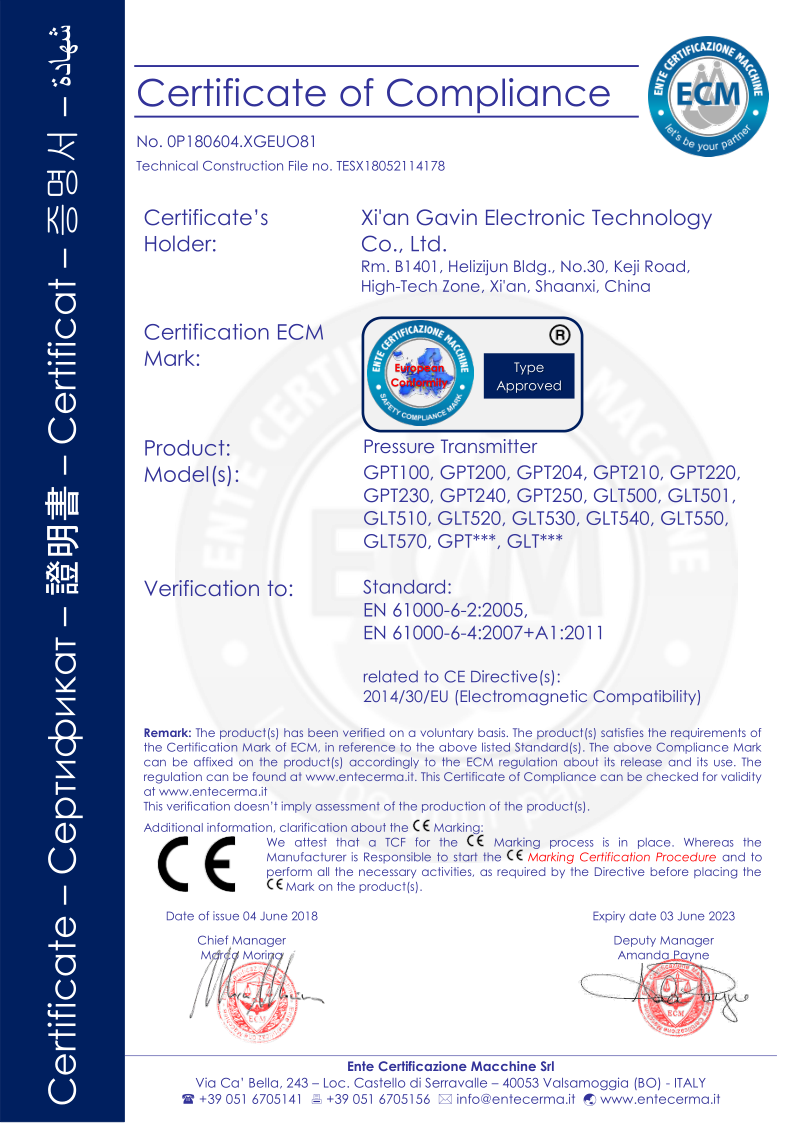
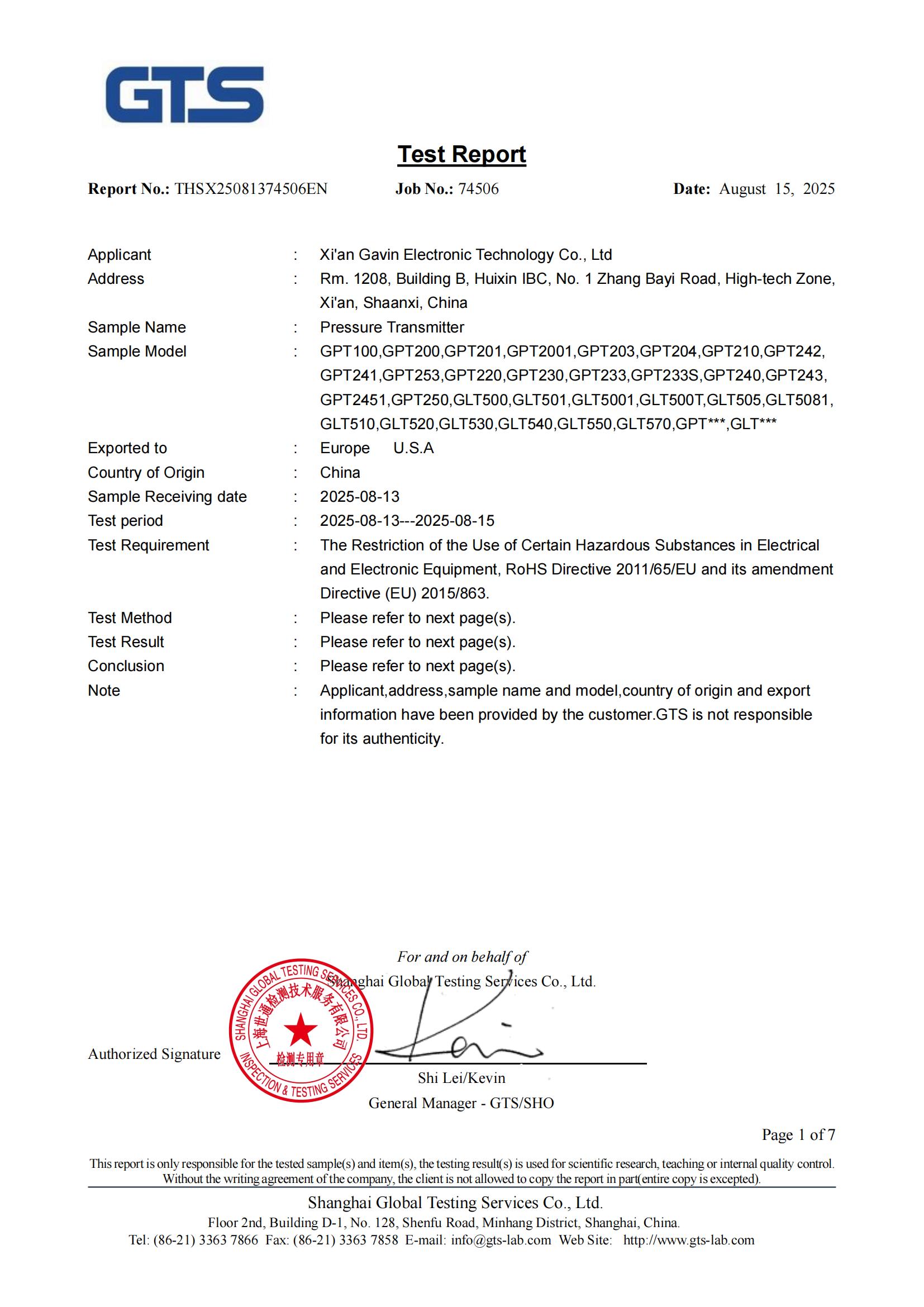
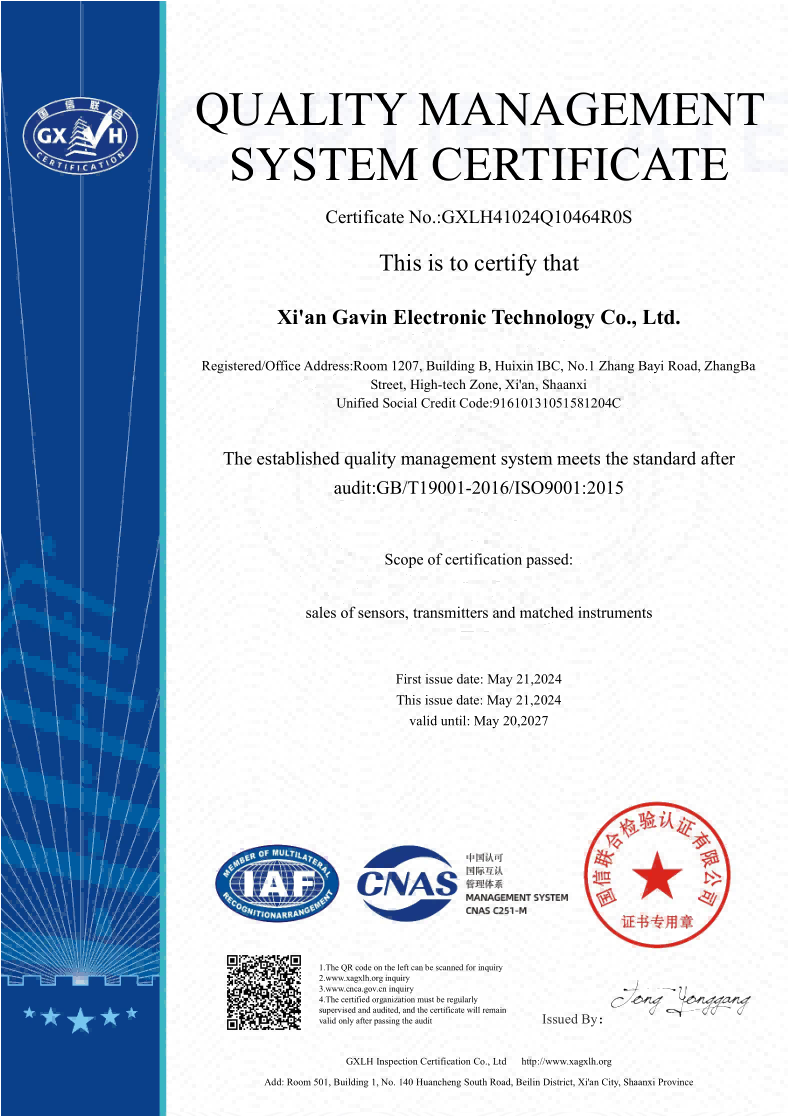
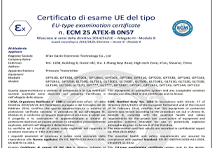
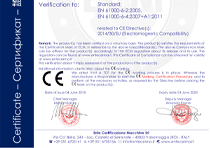
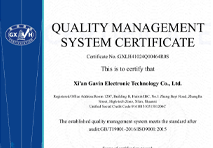
Supplier evaluation must encompass technical capabilities, quality systems, and long-term business stability. Manufacturing certifications such as ISO 9001, CE marking, and industry-specific approvals demonstrate commitment to quality and regulatory compliance. Technical support capabilities, including application assistance, troubleshooting guidance, and field service availability, directly impact operational success.
Geographic proximity and logistics capabilities affect delivery times, shipping costs, and emergency support response. Established distribution networks provide local inventory and reduced lead times for both initial orders and replacement parts. Communication capabilities, including language compatibility and time zone coverage, facilitate effective collaboration and problem resolution.
Financial stability and business longevity ensure ongoing support throughout the product lifecycle. Vendor reputation within the industry provides insights into customer satisfaction and long-term reliability. References from similar applications validate technical capabilities and support quality under comparable operating conditions.
Customization and Bulk Procurement Strategies
Custom sensor solutions accommodate unique application requirements that standard products cannot address effectively. Modification capabilities include mechanical dimensions, electrical specifications, communication protocols, and environmental ratings. OEM and ODM services enable private labeling and specialized configurations for specific market requirements.
Bulk procurement strategies reduce unit costs while ensuring adequate inventory for maintenance and expansion requirements. Volume pricing structures provide economic incentives for larger orders while maintaining budget predictability. Lead time management becomes critical for bulk orders, requiring coordination between production schedules and project timelines.
Quality assurance programs ensure consistent performance across large orders and extended delivery periods. Incoming inspection procedures verify compliance with specifications and identify potential quality issues. Vendor quality systems should include statistical process control and traceability documentation to support quality objectives.
Market Trends and Pricing Considerations
Technology advancement continues driving improvements in sensor accuracy, reliability, and connectivity capabilities. Industry 4.0 integration requirements increasingly demand digital communication protocols and remote monitoring capabilities. Wireless communication technologies enable installation flexibility while reducing infrastructure costs.
Pricing trends reflect component costs, manufacturing efficiency improvements, and market competition dynamics. Economic factors including material costs, labor rates, and regulatory compliance expenses influence pricing structures. Long-term contracts may provide price stability while ensuring supply security for critical applications.
Warranty terms and service agreements protect against premature failures and provide predictable maintenance costs. Extended warranty options may justify higher initial costs through reduced long-term expenses. Service agreements should specify response times, repair procedures, and replacement part availability to ensure operational continuity.
GAMICOS: Your Trusted Partner for Advanced Level Sensing Solutions
GAMICOS represents a premier destination for comprehensive liquid level measurement solutions, combining cutting-edge technology with extensive industry expertise. Our company specializes in developing, manufacturing, and distributing high-performance sensors that meet the demanding requirements of modern industrial applications across diverse sectors.
Comprehensive Product Portfolio and Technical Innovation
Our extensive product range encompasses pressure sensors, liquid level sensors, fuel level meters, ultrasonic level meters, radar level meters, and advanced wireless measuring instruments utilizing Lora, GPRS, NB-IoT, and 4G technologies. This comprehensive portfolio enables us to address virtually any level measurement challenge across industries ranging from chemical processing to agricultural machinery.
The GLTV7 capacitive level sensor exemplifies our commitment to technical excellence and practical innovation. This advanced device continuously detects fuel level height by measuring capacitance changes caused by rising or falling liquid levels, delivering exceptional accuracy with resolution less than 1mm. The sensor's flexible design allows length customization through cutting, accommodating various tank heights while maintaining precision performance.
Integration capabilities distinguish our sensors in competitive markets. The GLTV7 seamlessly connects with GPS tracking systems for real-time fuel consumption monitoring and recording, enabling advanced fleet management and operational optimization. SAE standard 5-hole screw locking installation ensures convenient mounting procedures while maintaining secure attachment under operational conditions.
Global Reach and Customer-Centric Service Excellence
Our products serve customers across more than 100 countries and regions, including major markets in North America, Europe, Asia, Africa, and Oceania. This international presence demonstrates our ability to meet diverse technical requirements and regulatory standards while providing consistent quality and performance across global applications.
Professional OEM and ODM services accommodate specific customer requirements through comprehensive customization capabilities. These services include model specification, parameter optimization, packaging design, and documentation preparation, ensuring seamless integration with customer applications and branding requirements. Strict quality control procedures maintain consistency across custom orders while meeting demanding performance specifications.
Technical support capabilities encompass application consultation, product selection assistance, installation guidance, and ongoing maintenance support. Our experienced engineering team collaborates with customers to optimize sensor performance and resolve application challenges. Multiple communication channels ensure responsive support across different time zones and language preferences.
Competitive Advantages and Value Proposition
Our customer-oriented approach focuses on understanding specific application requirements and operational challenges to deliver personalized solutions that exceed expectations. This consultative methodology ensures optimal sensor selection and configuration while minimizing long-term costs and operational complexity.
Continuous innovation through collaboration with research institutes and industry partners enables us to anticipate market trends and develop solutions that address evolving customer needs. Multiple patents and ongoing research initiatives demonstrate our commitment to technological advancement and market leadership.
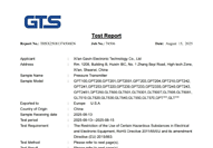
Quality assurance programs include comprehensive testing procedures, certification compliance, and traceability documentation that enhance customer confidence and operational reliability. Metrology institution certifications validate our measurement accuracy claims and support customer quality objectives.
Conclusion
Selecting the optimal liquid level sensor requires careful evaluation of application requirements, environmental conditions, and performance objectives. Success depends on understanding the fundamental differences between measurement technologies and matching capabilities with specific operational needs. Liquid level sensors, such as capacitive sensors like the GLTV7, offer exceptional versatility and accuracy for fuel monitoring applications, while ultrasonic and radar technologies excel in non-contact measurement scenarios.
Professional supplier partnerships provide essential support throughout the product lifecycle, from initial selection through ongoing maintenance and potential system expansion. GAMICOS combines advanced sensor technology with comprehensive service capabilities, ensuring optimal performance and long-term reliability across diverse industrial applications.
FAQ
Q1: What factors should I consider when selecting liquid level sensors for my application?
A: Consider fluid properties including viscosity, conductivity, and chemical compatibility. Environmental conditions such as temperature, pressure, and potential vapor presence significantly impact sensor performance. Tank geometry, measurement range requirements, and accuracy specifications also influence technology selection decisions.
Q2: How does capacitive level sensing technology work in fuel applications?
A: Capacitive sensors measure changes in dielectric properties as fuel levels vary, providing continuous level indication with high accuracy. The GLTV7 capacitive sensor detects fuel height changes through capacitance variations, offering resolution less than 1mm while accommodating various tank configurations through adjustable sensor length.
Q3: What installation considerations are important for level sensors?
A: Proper mounting location away from inlet pipes and agitators minimizes turbulence effects and mechanical stress. Adequate clearance from tank walls prevents measurement interference while ensuring maintenance accessibility. Electrical installation requires attention to grounding, shielding, and electromagnetic compatibility for optimal performance.
Q4: Can modern level sensors integrate with existing automation systems?
A: Advanced sensors feature digital communication protocols enabling seamless integration with control systems and data networks. Wireless connectivity options including GPS compatibility provide real-time monitoring capabilities and remote data access. The GLTV7 sensor exemplifies integration flexibility through GPS tracking system compatibility.
Q5: What maintenance requirements apply to different sensor types?
A: Contact sensors require regular cleaning and mechanical inspection to ensure proper operation. Non-contact technologies typically need minimal maintenance beyond periodic calibration verification. Preventive maintenance schedules should address environmental effects, electrical connections, and calibration stability to maximize operational reliability.
Partner with GAMICOS for Superior Level Measurement Solutions
GAMICOS delivers world-class liquid level sensors designed to meet the most demanding industrial measurement requirements. Our GLTV7 capacitive sensor combines exceptional accuracy with flexible installation options, providing reliable fuel level monitoring with GPS integration capabilities. As a trusted liquid level sensors manufacturer, we offer comprehensive OEM and ODM services backed by extensive technical expertise and global support infrastructure.
Contact our experienced team at info@gamicos.com to discuss your specific measurement challenges and discover how our advanced sensor technologies can optimize your operations. We provide personalized consultation, technical documentation, and competitive pricing for both standard and custom sensor solutions. Let GAMICOS become your reliable partner for innovative level measurement technology that delivers consistent performance and exceptional value.
References
1. Smith, J.A., & Johnson, R.K. (2023). Industrial Level Measurement Technologies: Principles and Applications. Process Instrumentation Journal, 45(3), 123-145.
2. Anderson, M.L., et al. (2022). Capacitive Sensor Performance in Harsh Industrial Environments. Measurement Science and Technology, 33(8), 785-802.
3. Williams, S.P., & Brown, C.D. (2023). Tank Level Monitoring Systems: Selection Criteria and Best Practices. Industrial Automation Quarterly, 28(2), 67-89.
4. Thompson, R.J., & Davis, K.M. (2022). Comparative Analysis of Non-Contact Level Measurement Technologies. Chemical Engineering Progress, 118(7), 234-251.
5. Martinez, A.L., & Wilson, P.T. (2023). Fuel Level Sensing in Transportation Applications: Technology Trends and Performance Requirements. Automotive Engineering International, 131(4), 156-173.
6. Lee, H.S., & Clark, N.B. (2022). Wireless Level Monitoring Systems: Implementation Strategies and Performance Optimization. Process Control and Instrumentation, 67(9), 445-462.

Peter
Peter, Senior Sensor Technology Consultant, has 15-year industrial sensor R&D experience. He specializes in the end-to-end development of high-accuracy pressure and level sensors and he firmly believe, precision isn’t just a spec—it’s a promise.
We're here to help — submit your request anytime!
Let us know how we can help solve your pressure level measurement challenge.
_1757930850792.jpg)
Recommended Blog
Can a pressure transducer measure liquid level in firefighting tanks?
Can a pressure transducer measure liquid level in firefighting tanks?
Ultrasonic Liquid Level Sensor for Food & Beverage Industry