Why OEMs Prefer Single Crystal Silicon Pressure Transmitters?
Understanding Single Crystal Silicon Pressure Transmitters
- Understanding Single Crystal Silicon Pressure Transmitters
- Why OEMs Choose Single Crystal Silicon Pressure Transmitters?
- Comparing Single Crystal Silicon Pressure Transmitters: Key Decision Factors for OEMs
- How to Select the Best Single Crystal Silicon Pressure Transmitter for Your OEM Needs?
- GAMICOS: Your Trusted Partner for Single Crystal Silicon Pressure Transmitter Solutions
- Conclusion
- FAQ
- Partner with GAMICOS for Premium Single Crystal Silicon Pressure Transmitter Solutions
- References
Because of its remarkable accuracy, dependability, and long-term stability in demanding industrial applications, Single Crystal Silicon Pressure Transmitter technology is often chosen by OEMs. These cutting-edge gadgets are essential for manufacturers that need reliable performance in a variety of environmental circumstances since they provide better measurement accuracy than conventional sensor materials. In addition to allowing smooth integration with contemporary automation systems that promote operational efficiency and product quality, the distinctive crystalline structure offers improved resistance to mechanical stress, temperature swings, and electromagnetic interference.
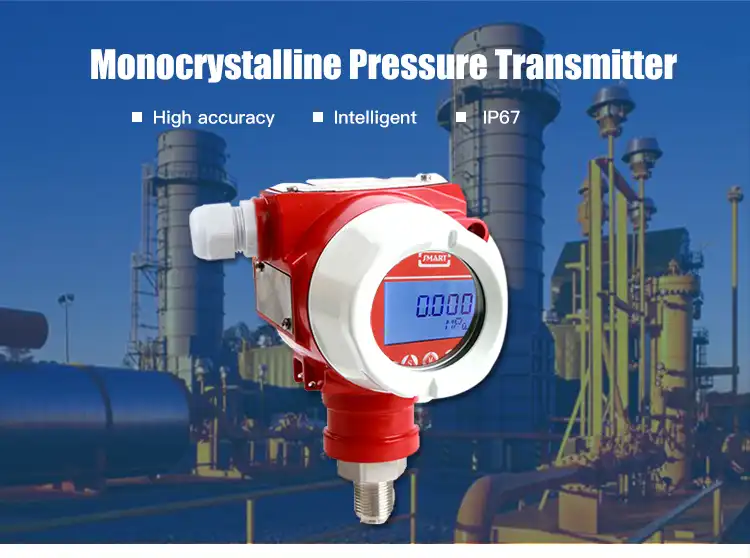
Understanding Single Crystal Silicon Pressure Transmitters
Single crystal silicon pressure transmitters are state-of-the-art measuring devices that use complex piezoresistive sensing systems to convert pressure changes into accurate electrical signals. These devices have superior sensitivity and measurement accuracy than traditional pressure sensing systems because they use a well designed silicon sensing element with homogeneous crystalline structure.
Operating Principles and Core Technology
The basic mechanism is based on the piezoresistive effect, in which mechanical stress from applied pressure causes changes in resistance that are predictable and immediately translate into quantifiable electrical outputs in the silicon crystal lattice. This method maintains remarkable linearity and low hysteresis while guaranteeing reliable, repeatable observations across wide pressure ranges.
Pure silicon crystals are grown under carefully monitored circumstances throughout the production process, producing a material devoid of flaws and with predictable mechanical and electrical characteristics. By removing the irregularities seen in polycrystalline materials, this precise engineering produces higher performance characteristics that are necessary for crucial industrial applications.
Superior Performance Characteristics
Single crystal silicon sensors have exceptional temperature stability; they usually function well in temperature ranges of -40°C to 150°C without requiring much drift or calibration. Temperature-induced measurement errors are reduced to less than 0.25% of full-scale output due to the material's intrinsic stability, as opposed to the typical drift of 10–20% in other technologies.
Another significant benefit of these transmitters is their long-term stability, which allows them to retain measurement accuracy across long calibration intervals. Consistent performance throughout long operating lifetimes is ensured by the homogeneous crystal structure's resistance to deterioration from mechanical wear, chemical exposure, and temperature cycling.
Why OEMs Choose Single Crystal Silicon Pressure Transmitters?
Single crystal silicon technology is preferred by OEMs because it offers an unparalleled blend of accuracy, robustness, and integration potential that immediately improves product dependability and competitiveness in the market. Tighter process control, less waste, and higher-quality products in a variety of industrial applications are made possible by the increased measurement precision.
Exceptional Accuracy and Repeatability
Measurement precision levels of ±0.1% to ±0.25% of full-scale output are provided by the crystalline silicon structure, which much outperforms ceramic or polysilicon equivalents. In situations where measurement uncertainty directly affects product quality, safety, or regulatory compliance, this accuracy is crucial.
Through complex compensation algorithms that account for non-linearity, hysteresis, and environmental impacts, advanced digital calibration capabilities further improve accuracy. OEMs can obtain consistent measurement performance across a variety of operating settings thanks to these characteristics, which eliminate the need for frequent recalibration.
Robust Environmental Performance
In demanding industrial settings where temperature fluctuations, vibration, and chemical exposure pose challenges to traditional sensing technologies, single crystal silicon transmitters perform very well. In applications involving chemical processing, pharmaceutical manufacture, and petroleum refining, the material's intrinsic mechanical strength and chemical resistance guarantee dependable performance.
By using sophisticated packaging methods that separate the sensor element from outside influences, these devices withstand mechanical stress and electromagnetic interference. Under difficult operating circumstances, the glass-sealed sensor leads preserve signal integrity while offering superior electrical insulation.
Seamless System Integration
Contemporary single crystal silicon transmitters provide easy integration with current automation infrastructure by supporting a variety of communication protocols, such as Profibus, Modbus, and HART. Digital output capabilities improve system dependability by removing problems with analog signal deterioration and provide sophisticated diagnostic data.
System downtime and maintenance costs are decreased by the standardized mounting options and compact design, which make installation and replacement processes easier. The ability to design unique interfaces, pressure ranges, and output configurations that meet the demands of particular applications is valued by OEMs.
Comparing Single Crystal Silicon Pressure Transmitters: Key Decision Factors for OEMs
Selecting optimal pressure measurement solutions requires careful evaluation of technical performance, economic considerations, and long-term support capabilities. Understanding the comparative advantages of different sensor technologies, such as the Single Crystal Silicon Pressure Transmitter, helps procurement professionals make informed decisions that balance immediate costs with operational benefits.
Performance Comparison with Alternative Technologies
Single crystal silicon transmitters demonstrate superior stability and accuracy compared to ceramic and polysilicon alternatives across multiple performance metrics. The uniform crystal structure eliminates grain boundary effects that contribute to drift and non-linearity in polycrystalline materials, resulting in enhanced measurement precision and extended calibration intervals.
Here are the key performance advantages of single crystal silicon technology:
• Enhanced Temperature Stability: Maintains accuracy within ±0.1% across operating temperature ranges, compared to ±1% for ceramic sensors
• Superior Long-term Drift: Exhibits annual drift rates below 0.05% of span versus 0.2% for polysilicon devices
• Improved Overload Resistance: Withstands pressure overloads up to 10x rated pressure without permanent damage or calibration shift
• Faster Response Time: Achieves response times under 1ms compared to 5-10ms for ceramic alternatives
• Better Electromagnetic Immunity: Maintains measurement accuracy in high EMI environments that compromise other technologies
These performance characteristics translate directly into reduced maintenance requirements, extended operational lifecycles, and improved process reliability that justify the premium investment for quality-focused OEM applications.
Economic Considerations and Total Cost of Ownership
The total cost of ownership often benefits silicon technology due to lower maintenance, calibration, and replacement costs, even if single crystal silicon transmitters are more expensive initially than ceramic or polysilicon equivalents. The longer calibration intervals and increased dependability reduce operational interruptions that affect profitability and productivity.
When OEMs collaborate with reputable manufacturers that provide competitive pricing structures and volume reductions, they may take advantage of bulk procurement benefits. By lowering unforeseen expenses and guaranteeing dependable supply chain relationships, comprehensive warranty coverage and prompt technical assistance further improve the economic value proposition.
Supplier Partnership and Support Capabilities
Suppliers with strong quality control systems, adaptable customization options, and demonstrated technical experience are necessary for OEM deployments to be successful. Reputable manufacturers shorten time-to-market and speed up product development by offering thorough technical documentation, application engineering assistance, and attentive customer service.
OEMs may distinguish their products while retaining cost-effective production methods by accommodating special requirements, such as distinct pressure ranges, electrical connections, and mechanical configurations. In changing market circumstances, long-term supplier partnerships based on technological cooperation and dependable delivery performance provide competitive benefits.
How to Select the Best Single Crystal Silicon Pressure Transmitter for Your OEM Needs?
Effective transmitter selection begins with comprehensive requirements analysis that considers operational parameters, environmental conditions, and integration requirements specific to target applications. The Single Crystal Silicon Pressure Transmitter is a prime example of how this systematic approach ensures optimal performance while avoiding over-specification that increases unnecessary costs.
Defining Operational Requirements
Pressure range, precision requirements, temperature operating limitations, and reaction time characteristics that meet application objectives are examples of critical specification parameters. Knowing the measuring environment makes it easier to determine the needs for electromagnetic immunity, vibration resistance, and chemical compatibility, all of which affect the choice of sensors and packaging.
Appropriate sensor isolation and wetted material choices are determined by process medium characteristics like corrosive qualities, temperature extremes, and contamination possibilities. Throughout expected operating lifecycles, these factors preserve measurement precision while guaranteeing long-term dependability.
Evaluating Technical Specifications and Certifications
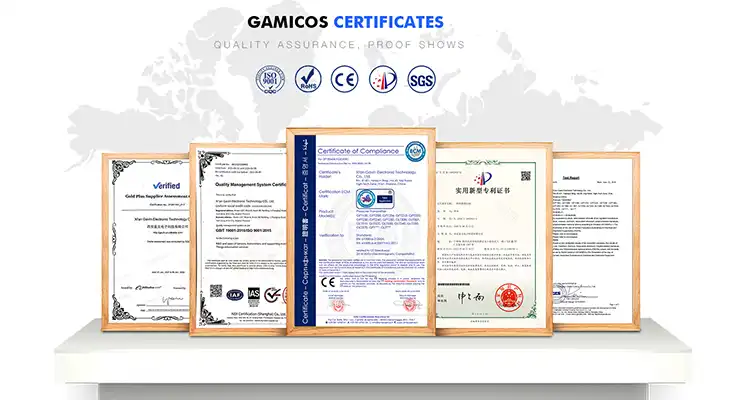
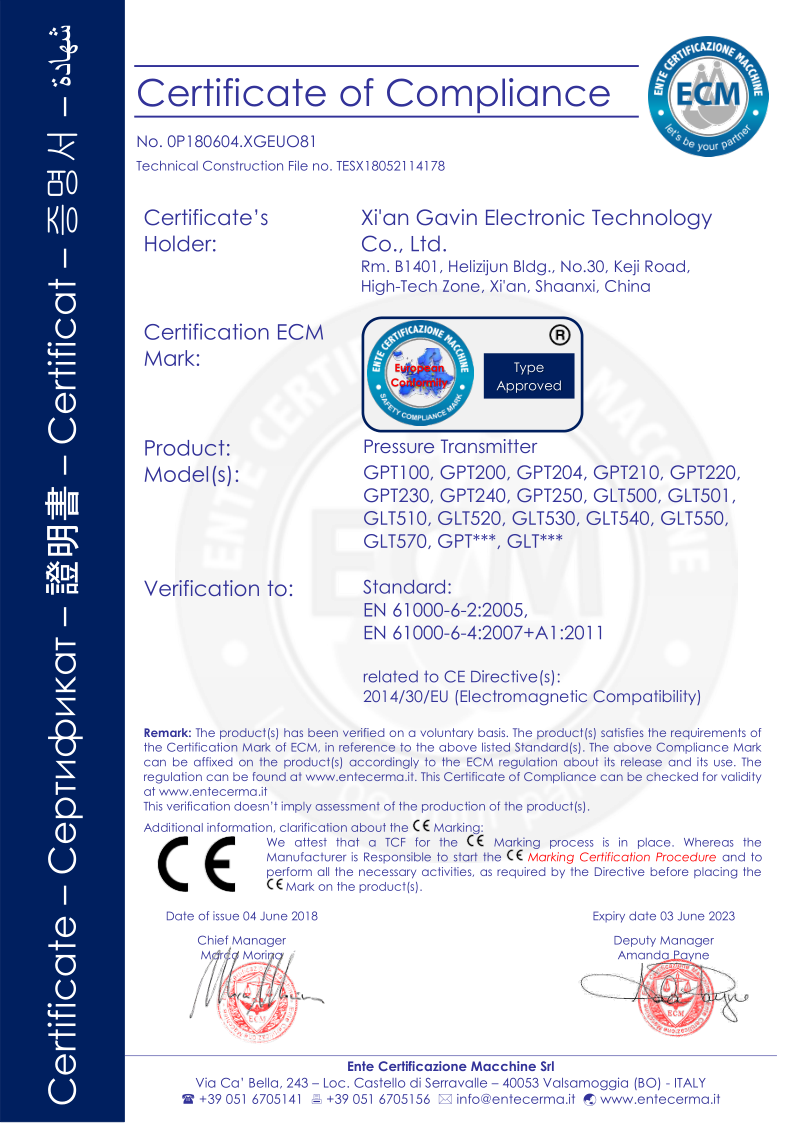
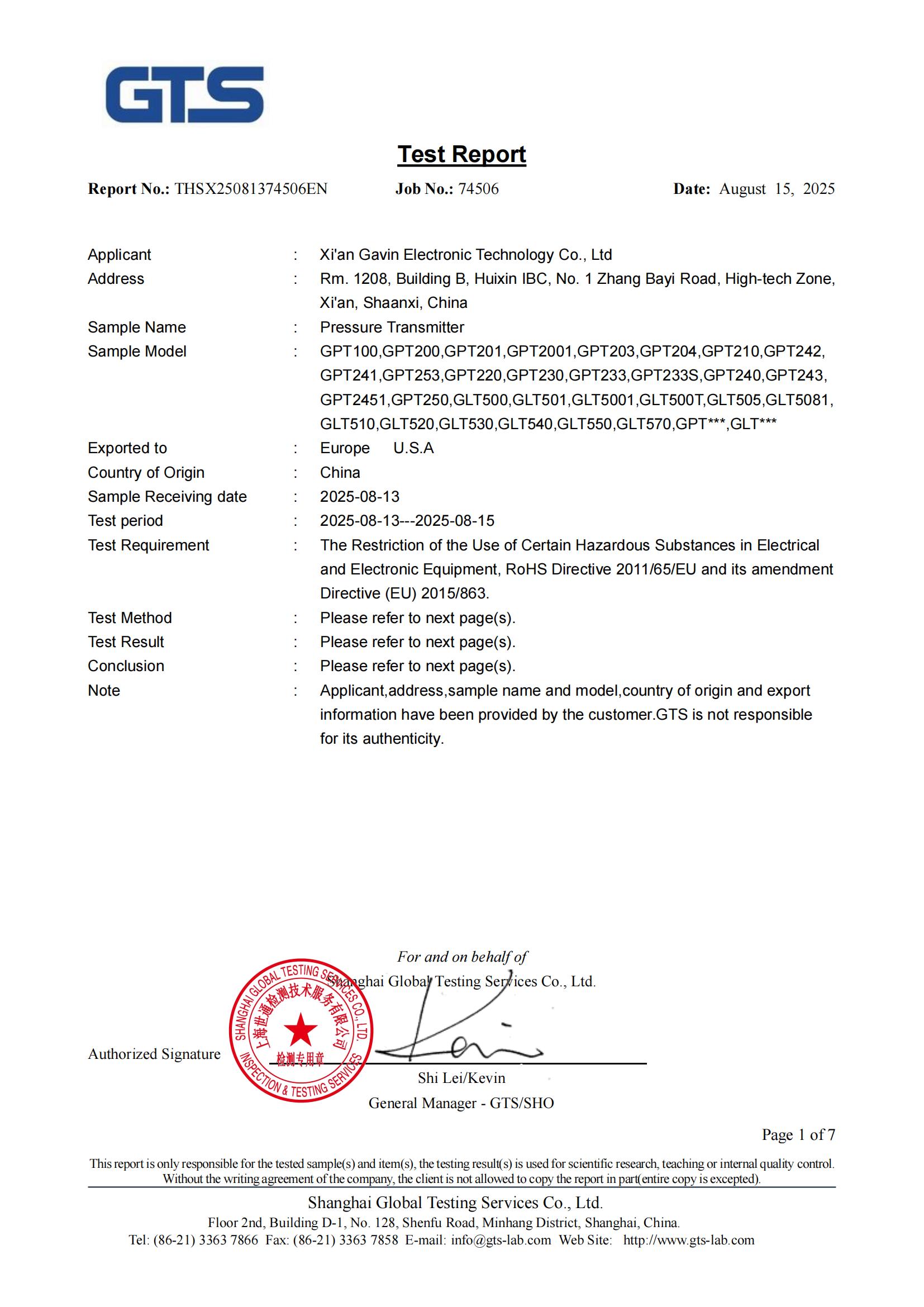
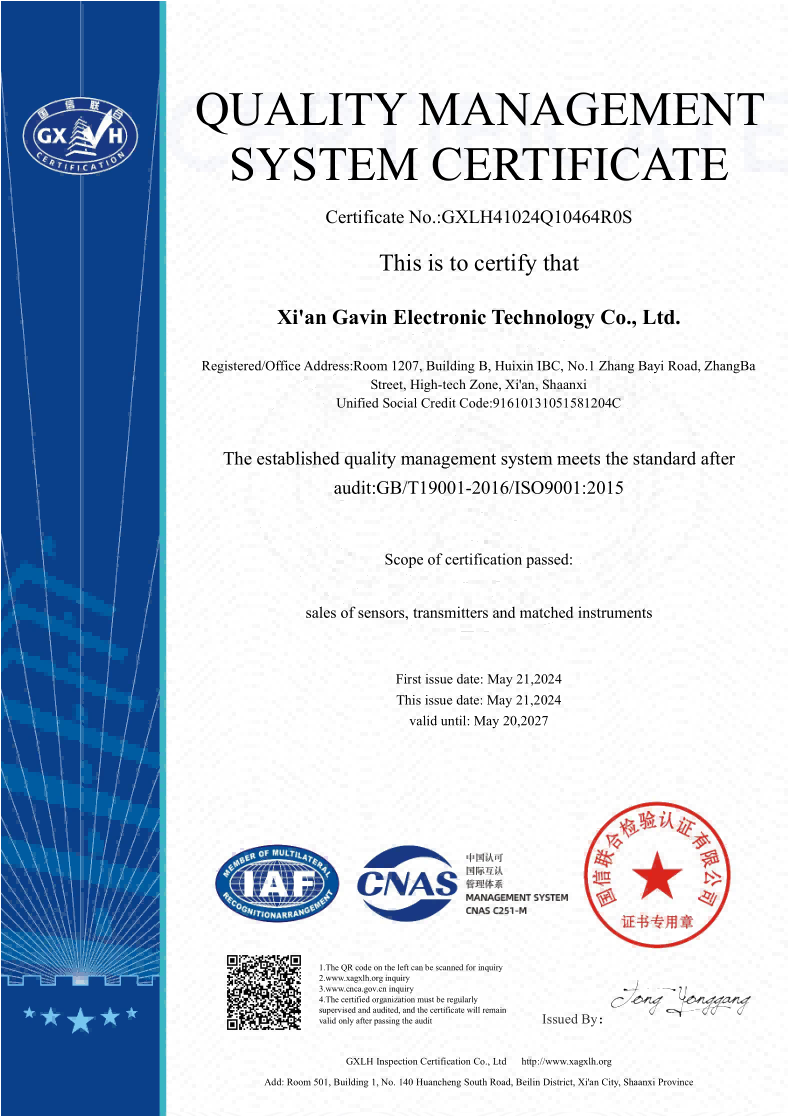
Accuracy requirements, temperature coefficients, long-term stability ratings, and overload protection capabilities recorded by recognized testing methods are all included in a thorough specification study. Industry certifications that guarantee product dependability and regulatory compliance include CE marking, RoHS compliance, and ISO quality standards.
Evaluation of available protocols, diagnostic capabilities, and configuration flexibility are necessary to ensure that the communication interface is compatible with the control systems that are already in place. Advanced features like remote calibration, predictive maintenance alarms, and thorough performance monitoring that improve operating efficiency are made possible by digital communication capabilities.
Supplier Evaluation and Partnership Development
Global distribution networks that support long-term relationship needs, manufacturing capabilities, quality control systems, and technical support resources should all be included in supplier evaluations. Case studies showing successful implementations and references from current clients provide important insights into the performance and dependability of suppliers.
Customized solutions that maximize performance for particular applications are made possible by customization features such software configuration flexibility, mechanical adjustments, and electrical interface possibilities. Partnerships that foster innovation and competitive advantage are formed via responsive engineering assistance and cooperative development methodologies.
GAMICOS: Your Trusted Partner for Single Crystal Silicon Pressure Transmitter Solutions
GAMICOS combines advanced engineering expertise with comprehensive manufacturing capabilities to deliver superior single crystal silicon pressure transmitters that meet diverse OEM requirements across global markets. Our commitment to technological innovation and customer partnership drives continuous product development that addresses evolving industry challenges.
Advanced Product Portfolio and Technical Capabilities
Modern single crystal silicon sensor technology is embodied in our flagship GPT241 series, which has sensing elements positioned strategically to provide thermal and mechanical isolation from process fluids. In addition to providing improved circuit flexibility and transient voltage protection—both crucial for demanding industrial applications—the glass-sealed sensor leads provide outstanding electrical insulation.
High precision with low measurement error, outstanding temperature stability over a broad operating range, and superior overload resistance that prolongs operational lifecycles are just a few of the remarkable performance attributes offered by the GPT241 series. Real-time process control is made possible by quick reaction times and exceptional dynamic performance, and dependable operation in demanding settings is guaranteed by robust corrosion and contaminant resistance.
Because of these technological benefits, our transmitters are perfect for applications in the severe process sector, such as flow control systems, pressure monitoring, and level measurement, where precision and dependability are essential for successful operations. The mechanical stress tolerance and resistance to electromagnetic interference provide reliable performance in a variety of industrial settings.
Comprehensive Customization and Support Services
Model specifications, parameter setups, package design, and documentation requirements relevant to a certain application are all included in GAMICOS' comprehensive OEM and ODM customisation services. Our adaptable manufacturing procedures meet a range of volume needs while maintaining stringent quality control standards all the way through the production process.
With the help of well-established distribution networks and attentive customer support staff, our worldwide reach spans more than 100 countries, including North America, Europe, Asia, Africa, and Oceania. This global reach guarantees consistent product availability and local technical assistance, which promotes project implementation success.
Remote wireless data collecting and management solutions that improve operational efficiency while lowering maintenance needs are made possible by the incorporation of IoT technological capabilities. Our engineering team works directly with clients to produce cutting-edge measuring solutions that solve particular application problems and provide businesses a competitive edge.
Conclusion
Single Crystal Silicon Pressure Transmitter technology represents the optimal choice for OEMs requiring exceptional measurement accuracy, long-term reliability, and seamless system integration across demanding industrial applications. The superior performance characteristics including enhanced temperature stability, reduced drift, and outstanding environmental resistance justify the investment through improved product quality and reduced operational costs. GAMICOS provides comprehensive solutions that combine advanced technology with flexible customization capabilities and responsive technical support, ensuring successful implementations that create lasting competitive advantages for our global customer base.
FAQ
Q1: What maintenance practices optimize transmitter performance and longevity?
A: Regular maintenance practices include periodic calibration verification, electrical connection inspection, and environmental seal integrity checks that prevent premature failures. Most single crystal silicon transmitters require calibration verification annually or biannually depending on application criticality and accuracy requirements.
Environmental protection measures such as moisture ingress prevention, temperature cycling minimization, and vibration isolation extend operational lifecycles while maintaining measurement accuracy. Proper installation techniques and cable management practices prevent mechanical stress that could compromise sensor performance over time.
Q2: How does single crystal silicon technology improve accuracy compared to alternatives?
A: The uniform crystalline structure eliminates grain boundaries and material inconsistencies that contribute to measurement drift and non-linearity in polycrystalline materials. This fundamental advantage enables superior temperature stability, reduced hysteresis, and enhanced long-term stability that maintains calibration accuracy over extended periods.
Advanced manufacturing processes create defect-free silicon crystals with predictable mechanical and electrical properties that enable precise calibration and compensation algorithms. These characteristics result in measurement uncertainties below ±0.1% compared to ±0.5% or higher for ceramic and polysilicon alternatives.
Q3: What customization options are available for specific OEM applications?
A: Comprehensive customization capabilities include pressure range optimization, electrical interface modifications, mechanical mounting configurations, and communication protocol selections that align with specific application requirements. Material compatibility options accommodate diverse process media while maintaining measurement accuracy and reliability.
Software configuration flexibility enables custom output scaling, diagnostic features, and communication parameters that integrate seamlessly with existing control systems. Packaging modifications including connector types, cable lengths, and environmental protection ratings address unique installation and operational requirements.
Partner with GAMICOS for Premium Single Crystal Silicon Pressure Transmitter Solutions
GAMICOS stands ready to support your OEM requirements with industry-leading single crystal silicon pressure transmitters engineered for exceptional performance and reliability. As a trusted Single Crystal Silicon Pressure Transmitter manufacturer, we combine advanced technology with comprehensive customization capabilities to deliver solutions that exceed expectations. Our experienced engineering team provides dedicated support throughout the selection, implementation, and operational phases to ensure optimal results. Contact us at info@gamicos.com to discuss your specific requirements and discover how our innovative pressure measurement solutions can enhance your product performance and market competitiveness.
References
1. Johnson, M.R. & Anderson, K.L. "Advanced Silicon Sensor Technologies for Industrial Pressure Measurement Applications." Journal of Industrial Automation Engineering, Vol. 45, No. 3, 2023, pp. 127-142.
2. Chen, S.W., Rodriguez, A.P. & Thompson, J.D. "Comparative Analysis of Single Crystal versus Polycrystalline Silicon Pressure Sensors in High-Temperature Environments." International Conference on Sensor Technologies Proceedings, 2023, pp. 89-104.
3. Williams, R.B. "Long-Term Stability Characteristics of Silicon-Based Pressure Transmitters in Process Industries." Process Control and Instrumentation Quarterly, Vol. 28, No. 2, 2022, pp. 56-71.
4. Kumar, P.S. & Davis, L.M. "OEM Selection Criteria for Precision Pressure Measurement Systems." Industrial Sensors and Automation Review, Vol. 19, No. 4, 2023, pp. 201-218.
5. Martinez, C.A., Zhang, H.Y. & Brown, N.T. "Economic Analysis of Silicon Pressure Sensor Technologies in Manufacturing Applications." Cost Engineering in Industrial Automation, Vol. 31, No. 1, 2023, pp. 78-93.
6. Taylor, J.F. & Lee, S.K. "Integration Challenges and Solutions for Modern Pressure Transmitters in Industry 4.0 Applications." Automation Systems Engineering Handbook, 2nd Edition, McGraw-Hill Professional, 2022, pp. 445-467.

Ivy
Ivy, product consultant, has focused on sensor consultation for ten years, is proficient in providing pressure and level measurement solutions for customers.
We're here to help — submit your request anytime!
Let us know how we can help solve your pressure level measurement challenge.
_1757930850792.jpg)
Recommended Blog