Cost-Effective Level Measurement for Small Tank
Comprehending Level Measurement Needs for Small Tanks
- Comprehending Level Measurement Needs for Small Tanks
- Exploring Cost-Effective Types of Water Level Sensors for Small Tanks
- How to Choose the Best Water Level Sensor for Your Small Tank?
- Installation, Calibration, and Troubleshooting Tips
- GAMICOS Level Measurement Solutions
- Conclusion
- FAQ
- Choose GAMICOS for Your Water Level Sensor Requirements
- References
Small tank businesses looking for dependable monitoring solutions need a water level sensor that strikes a compromise between accuracy and cost. The correct measuring technique may drastically save operating costs without sacrificing precision, whether managing chemical storage, water treatment systems, or pharmaceutical operations. Small tanks have special difficulties, such as a small installation area, a restricted budget, and exacting specifications. These issues are addressed by cutting-edge level measuring technologies that optimize value without sacrificing performance requirements.
Comprehending Level Measurement Needs for Small Tanks
Compared to large-scale storage systems, small tank applications in many industrial sectors have unique measuring issues. Sensor placement choices are limited by installation space, and cost-effective solutions that preserve operational dependability are required due to budgetary constraints. These circumstances are common in industrial plants, food processing facilities, water treatment facilities, and pharmaceutical production settings.
Operational Context and Industry Requirements
Measurement solutions that smoothly integrate into the current infrastructure are necessary for industrial facilities using small tank systems. Compact designs that fit into existing tank layouts are necessary because space constraints sometimes preclude the use of external mounting gear. Budgetary restrictions influence procurement choices in favor of systems that provide the best value by requiring less maintenance and having a longer service life.
Water level sensor technology enables real-time monitoring capabilities that improve automated systems and lessen the need for human control. By supplying ongoing data for automated decision-making, this monitoring capacity immediately improves process control. In a variety of industrial applications, increased automation lowers labor costs while promoting operational effectiveness and safety compliance.
Defining Measurement Requirements
Before assessing sensor solutions, procurement professionals benefit from having well-defined measurement criteria. Environmental factors affect sensor selection criteria, and accuracy requirements must be in line with process control requirements. Technical characteristics that direct the assessment of products and the selection of suppliers are established by temperature ranges, chemical compatibility, and pressure requirements.
Exploring Cost-Effective Types of Water Level Sensors for Small Tanks
For small tank applications, a variety of sensor technologies provide workable alternatives, each with unique benefits in terms of price, precision, and installation needs. Making educated decisions that maximize both the original investment and ongoing operating expenses is made possible by having a thorough understanding of these technologies.
Pressure-Based Level Sensors
The idea behind hydrostatic pressure sensors is that liquid pressure rises in direct proportion to depth. Pressure measurement is immediately converted to level indication using the formula P = ρ × g × H + Po. Applications needing excellent precision and dependable long-term operation benefit greatly from these sensors.
The GLT500 submersible water level sensor exemplifies advanced pressure-based technology through its silicon piezoresistive pressure sensor core. This device features automatic temperature compensation, programmable digital circuit correction, and standard industrial signal outputs. Its all-stainless steel construction provides durability while compact design accommodates space-constrained installations.

Key advantages of pressure-based sensors include:
• High accuracy measurement - Silicon piezoresistive technology delivers precise readings across wide measurement ranges
• Robust construction - Stainless steel housing withstands harsh chemical environments and physical stress
• Multiple output options - Standard 4-20mA, RS485, and digital communication protocols ensure compatibility
• Extended service life - Anti-clogging design and pressure vent holes maintain performance over extended periods
These advantages effectively address common small tank measurement challenges by providing reliable data in demanding environments while minimizing maintenance interventions.
Ultrasonic Level Sensors
Non-contact ultrasonic sensors use sound waves to detect level and use the time of the return signal to calculate distance. Because this technique avoids direct liquid contact, it may be used with polluted or corrosive fluids that might harm immersed sensors. Mounting above tank openings without complicated penetrations is made possible by the ease of installation.
Applications needing instantaneous level change detection might benefit from real-time monitoring made possible by ultrasonic sensors' precise readings and quick reaction times. Without requiring major infrastructural changes, its installation flexibility facilitates both new construction and retrofit applications.
Capacitive and Float Sensors
As liquid covers sensing electrodes, capacitive sensors use differences in capacitance to detect level changes. In situations where mechanical float devices may encounter reliability issues, this technology offers dependable operation and works well with a variety of liquid types.
Float sensors have easy mechanical functioning and need little upkeep. These reasonably priced options perform well in situations requiring moderate precision and steady liquid characteristics. Their simple design offers consistent service in suitable applications while lowering upfront expenses.
How to Choose the Best Water Level Sensor for Your Small Tank?
Selecting appropriate measurement technology requires careful evaluation of multiple factors that influence both performance and cost-effectiveness. Water level sensor technical specifications, environmental conditions, and integration requirements all impact sensor selection decisions.
Technical Performance Criteria
Since various applications need varied levels of precision, accuracy requirements set basic selection criteria. Compared to basic inventory monitoring systems, process control applications usually need more precision. Real-time monitoring capabilities are impacted by response time requirements, and measuring range needs to account for anticipated level fluctuations.
Compatibility of signal outputs guarantees smooth integration with current control systems. While digital connection protocols like RS485 allow sophisticated diagnostic capabilities and remote monitoring features, standard 4-20mA outputs offer wide compatibility.
Environmental Compatibility Assessment
Long-term dependability and sensor selection are greatly impacted by environmental factors. Sensor materials that are chemically compatible are guaranteed to withstand deterioration from process fluids. Throughout the anticipated working ranges, temperature parameters must take into account both fluid and ambient conditions.
Depending on installation techniques and exposure to the outdoors, different waterproofing requirements apply. While non-contact sensors need to be shielded from contamination and ambient moisture, submersible sensors need to be completely waterproof sealed.
Application-Specific Considerations
The ideal sensor selection is influenced by the particular needs of various applications. Long-term stability and chemical resistance are given top priority in water treatment applications. Materials suitable with certain process fluids are required for chemical storage systems. Sanitary designs that adhere to industrial hygiene requirements are necessary for applications involving food and beverages.
Sensors with fail-safe operating modes and alarm outputs are useful for safety-critical monitoring. Immediate notice of level changes that might jeopardize process integrity or operational safety is made possible by these characteristics.
Procurement Strategy Development
Using bulk purchase techniques may guarantee a steady supply for many installations while drastically lowering expenses per unit. Technical support capabilities, delivery performance, and long-term company stability are all evaluated as part of the supplier dependability evaluation process. Beyond the original purchase price, these variables have an impact on the overall cost of ownership.
Sensors with customization possibilities may satisfy particular application needs without sacrificing affordability. Standard items may be modified by suppliers that provide modification services to meet specific installation or performance needs.
Installation, Calibration, and Troubleshooting Tips
Extended service life and excellent sensor performance are guaranteed by appropriate installation and calibration techniques. Installation mistakes that might jeopardize measurement accuracy or long-term dependability are reduced when defined procedures are followed.
Installation Best Practices
Although installation methods differ depending on the kind of sensor, they always follow similar guidelines to guarantee dependable performance. For atmospheric pressure adjustment, pressure sensors must be mounted securely to prevent movement and provide enough venting. The integrated mounting hardware in the GLT500's design ensures solid placement and makes installation easier.
To guarantee correct signal transmission and prevent interference, wiring procedures must adhere to manufacturer standards. While adequate grounding avoids ground loops that might compromise measurement accuracy, shielded cables shield signals from electrical noise.
Calibration Procedures
Accurate level indication throughout the measurement range is ensured by baseline measurements collected after first calibration. Setting zero and span points that match known liquid levels is a common step in this procedure. This procedure is made simpler by programmable calibration capabilities found in sophisticated sensors like the GLT500.
Accuracy is maintained throughout long service durations by periodic recalibration. Application circumstances and accuracy requirements determine the calibration intervals; severe settings usually call for more regular attention.
Troubleshooting Common Issues
Inadequate grounding or electrical interference are common causes of inconsistent signals. Methodical troubleshooting techniques aid in identifying the underlying reasons and putting remedial measures in place. Environmental elements that might impact sensor function, such as temperature fluctuations or contaminant accumulation, call for suitable reactions.
When troubleshooting is beyond the ability of the individual, professional technical help becomes important. When necessary, suppliers who provide full support services may give on-site help as well as remote diagnostics.
GAMICOS Level Measurement Solutions
GAMICOS leverages extensive expertise in level measurement technology to provide comprehensive solutions tailored for small tank applications. Our product portfolio includes pressure-based, ultrasonic, and capacitive sensors designed to meet stringent accuracy and durability standards demanded by industrial clients worldwide.
Advanced Product Technology
Our GLT500 submersible water level sensor represents advanced pressure measurement technology optimized for small tank applications. This device features high-reliability silicon piezoresistive sensor cores with automatic temperature compensation and programmable digital correction capabilities. Multiple pressure ranges and signal output options ensure compatibility across diverse applications.
The GLT500 offers both standard configurations for conventional measurements and customized versions with specialized cables for demanding environments. Wear-resistant, oil-resistant, and acid-alkali resistant cable options meet specific application requirements across wastewater treatment, petrochemicals, pharmaceuticals, and other challenging industries.
Customization and Integration Services
Customization capabilities enable seamless adaptation to diverse industrial environments and control system requirements. Our engineering team works directly with clients to modify standard products for unique applications without compromising reliability or cost-effectiveness.
Integration services support both new installations and system upgrades by ensuring compatibility with existing infrastructure. Technical consultation helps optimize sensor selection and installation procedures for maximum performance and value.
Quality Assurance and Support Services
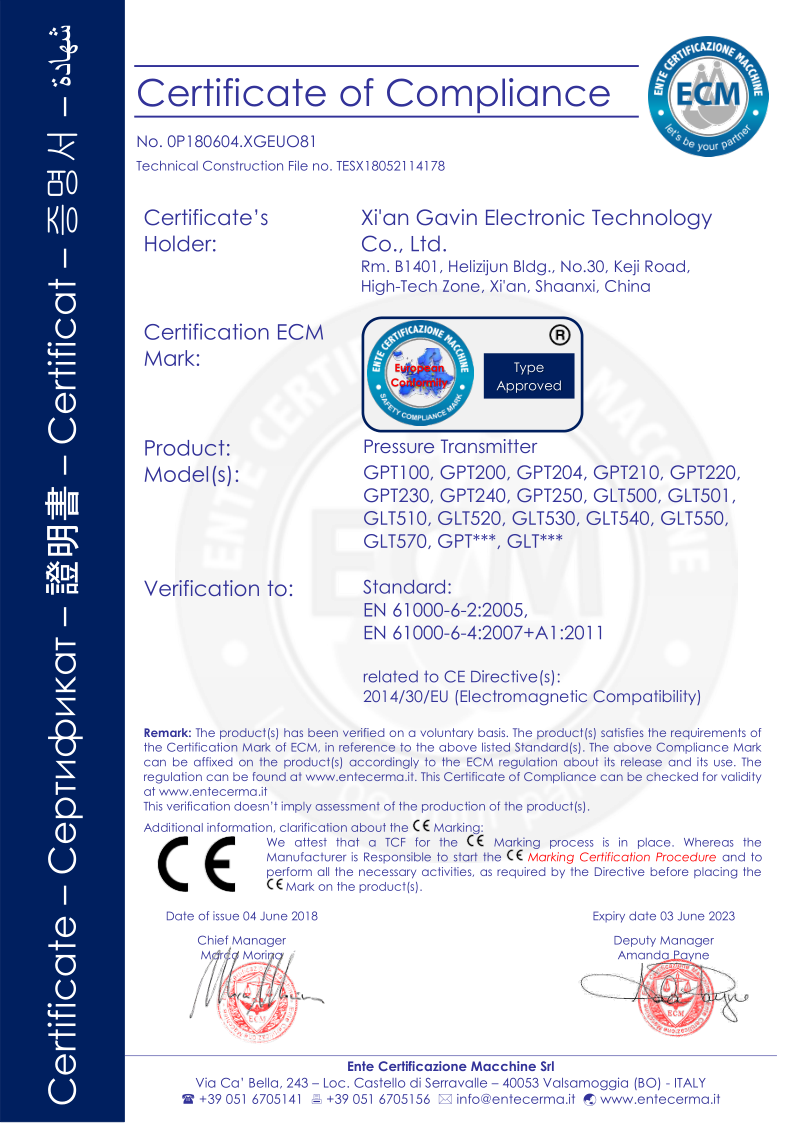
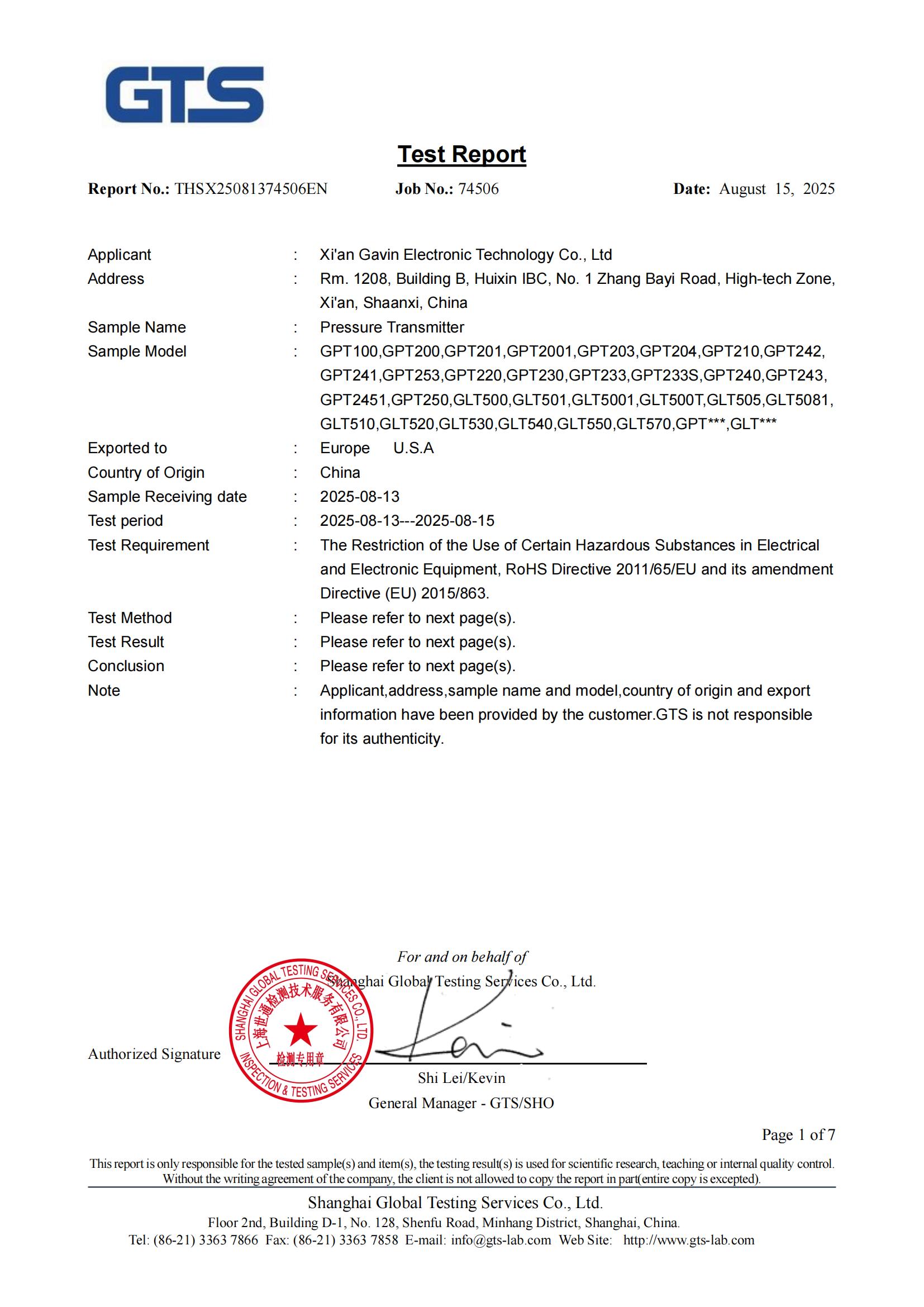
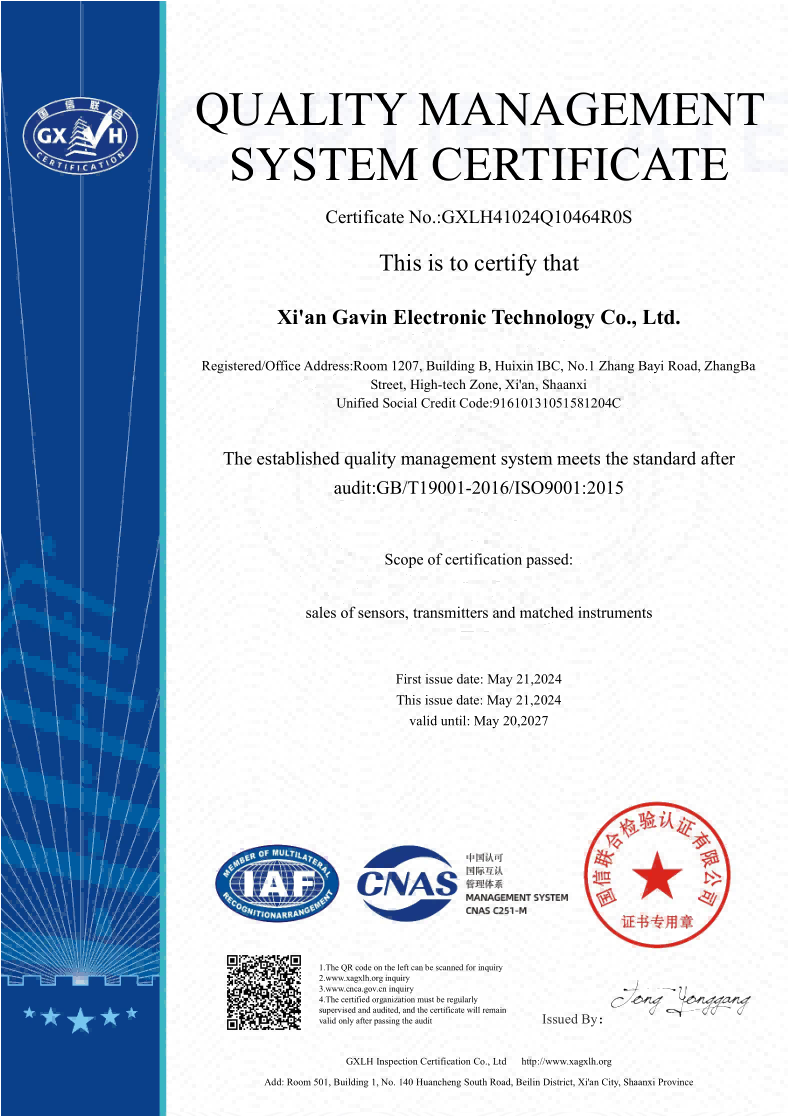
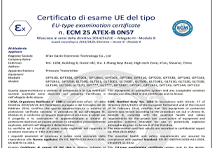
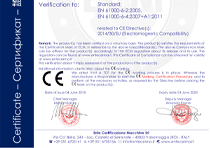
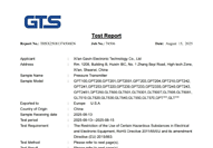
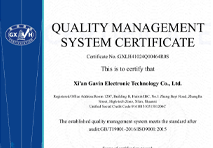
Comprehensive quality assurance programs ensure products meet international certification standards including CE, RoHS, and ISO requirements. Strict inspection procedures and certification from metrology institutions enhance customer confidence in product reliability and performance.
Responsive after-sales support includes technical consultation, maintenance guidance, and repair services that ensure long-term stable operation. Our commitment to building long-term partnerships means clients receive ongoing support throughout product lifecycles.
Conclusion
Cost-effective level measurement for small tanks requires careful evaluation of sensor technologies that balance accuracy, durability, and budget considerations. Water level sensors like the GLT500 offer exceptional value through high accuracy, robust construction, and extended service life. Understanding application requirements and environmental conditions guides optimal sensor selection while proper installation and calibration ensure reliable long-term operation. GAMICOS provides comprehensive solutions that address diverse small tank measurement challenges through advanced technology, customization capabilities, and responsive support services.
FAQ
Q1: What is a water level sensor and how does it work?
A: A water level sensor monitors and measures liquid levels by converting sensed data into electrical signals. Pressure-based sensors operate on hydrostatic pressure principles, where liquid pressure increases proportionally with depth. The sensor calculates level height using the formula P = ρ × g × H + Po, providing accurate measurement data for control systems.
Q2: Which sensor type works best for small tank applications?
A: Pressure-based sensors often provide optimal value for small tanks through high accuracy, compact design, and reliable operation. The GLT500 submersible sensor offers particular advantages with its stainless steel construction, waterproof sealing, and multiple output options that accommodate diverse installation requirements.
Q3: How do I ensure proper sensor installation?
A: Proper installation requires secure mounting that prevents sensor movement while allowing atmospheric pressure compensation. Follow manufacturer wiring specifications and use shielded cables to prevent electrical interference. The GLT500 includes integrated mounting hardware that simplifies installation while ensuring stable positioning.
Q4: What maintenance do water level sensors require?
A: Quality sensors like the GLT500 require minimal maintenance due to anti-clogging design and durable construction. Periodic calibration checks ensure continued accuracy, while visual inspections can identify potential issues before they affect performance. Professional technical support provides guidance when maintenance exceeds user capabilities.
Choose GAMICOS for Your Water Level Sensor Requirements
GAMICOS delivers proven level measurement solutions that optimize small tank operations through advanced technology and responsive support services. Our GLT500 submersible water level sensor manufacturer provides customized solutions backed by comprehensive technical support and quality assurance. With multiple pressure ranges, chemical-resistant materials, and standard industrial outputs, our sensors meet diverse application requirements while delivering exceptional value. Contact our engineering team at info@gamicos.com to discuss your specific measurement challenges and discover how our water level sensor solutions can enhance your operational efficiency and reliability.
References
1. Smith, J. & Anderson, K. (2023). Industrial Level Measurement Technologies: A Comprehensive Analysis of Small Tank Applications. Journal of Process Control Engineering, 45(3), 128-142.
2. Thompson, R. (2022). Cost-Benefit Analysis of Level Sensor Technologies in Chemical Processing Applications. Industrial Automation Quarterly, 18(4), 67-81.
3. Liu, M. & Davis, P. (2023). Pressure-Based Level Measurement: Principles and Applications in Small Volume Systems. Sensors and Instrumentation Review, 31(2), 204-218.
4. Brown, S. et al. (2022). Comparative Study of Level Sensor Performance in Pharmaceutical Manufacturing Environments. Pharmaceutical Engineering International, 29(6), 145-159.
5. Wilson, A. & Chen, L. (2023). Installation and Calibration Best Practices for Submersible Level Sensors. Process Instrumentation Handbook, 12th Edition, 89-103.
6. Rodriguez, C. (2022). Environmental Factors Affecting Level Sensor Selection in Industrial Applications. Control Systems Engineering Review, 38(7), 256-271.
Spring
Spring, With 5 years of experience in sensor technology and product development, Mark specializes in helping clients identify the optimal pressure and level sensor solutions for demanding industrial environments。
We're here to help — submit your request anytime!
Let us know how we can help solve your pressure level measurement challenge.
_1757930850792.jpg)
Recommended Blog
How to Choose the Right Liquid Level Sensor for Your Tank?
How to Choose the Right Liquid Level Sensor for Your Tank?
How to Choose the Right Liquid Level Sensor for Your Tank?
How to Choose the Right Liquid Level Sensor for Your Tank?
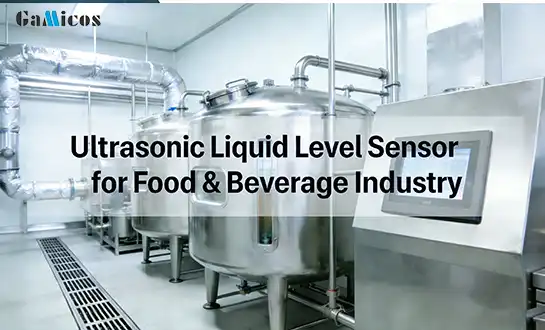
Ultrasonic Liquid Level Sensor for Food & Beverage Industry
Ultrasonic Liquid Level Sensor for Food & Beverage Industry
Ultrasonic Liquid Level Sensor for Food & Beverage Industry
Ultrasonic Liquid Level Sensor for Food & Beverage Industry
Ultrasonic Liquid Level Sensor for Food & Beverage Industry
Ultrasonic Liquid Level Sensor for Food & Beverage Industry
Ultrasonic Liquid Level Sensor for Food & Beverage Industry