Why Mechanical Gauges Are Still Used Today?
Understanding Mechanical Oil Level Gauges and Their Working Principles
- Understanding Mechanical Oil Level Gauges and Their Working Principles
- Mechanical vs Electronic Oil Level Gauges — Making Informed Decisions
- Installation, Maintenance, and Troubleshooting of Mechanical Oil Level Gauges
- Procurement Guide for Mechanical Oil Level Gauges: Brands, Pricing, and Suppliers
- GAMICOS: Your Trusted Partner for Advanced Mechanical Level Solutions
- Conclusion
- FAQ
- Contact GAMICOS for Your Mechanical Oil Level Gauge Requirements
- References
In many applications across the globe, mechanical oil level gauges remain essential instruments despite the quick development of digital technology and electronic monitoring systems in several industrial sectors. These sturdy, tried-and-true devices provide accurate fluid level readings without the need for external power sources, which makes them especially useful in settings where electrical interference, power outages, or dangerous circumstances seriously hinder electronic alternatives.
Understanding Mechanical Oil Level Gauges and Their Working Principles
Mechanical oil level gauges represent a cornerstone technology in industrial fluid management, combining simplicity with exceptional reliability across diverse operational environments. These instruments have evolved to meet stringent industrial requirements while maintaining their fundamental advantage of power-independent operation.
Basic Operating Mechanisms and Design Philosophy
The basic idea of mechanical level measuring is based on established physical principles, especially those related to buoyancy and magnetism. Mechanical parts react proportionately to changes in fluid levels within a vessel, giving a visible cue without the need for intricate circuitry or electrical dependencies. Potential sources of failure for power supply, signal processing devices, and electronic sensors are removed by this direct mechanical connection.
One of many tried-and-true technologies is usually used in modern mechanical gauges. Via transparent materials designed to resist industrial pressures and temperatures, sight glass arrangements enable direct visual inspection of fluid levels. A floating device rises and falls with the liquid surface in float-based systems, which use buoyancy principles to communicate location data via mechanical connections or magnetic coupling.
Magnetic Level Indicators: Advanced Mechanical Solutions
Perhaps the most advanced development in mechanical measuring technology is represented by magnetic level gauges. These systems make use of an exterior indicator assembly with bi-colored flags or rollers and a magnetic float housed within a non-magnetic chamber. Without a direct mechanical connection through the vessel wall, the float's magnetic field forces external indicators to spin as it moves with changing fluid levels, producing a clear visual representation of the current level.
This cutting-edge method is shown by the GLTV4 mechanical level instrument, which has an integrated detecting and display structure that maintains remarkable precision without requiring external power. This device, which is made of specialty polymers and corrosion-resistant aluminum alloy, exhibits exceptional environmental adaptability in a variety of industrial fluids, such as water, oils, and mild acids or bases.
Industrial Applications and Sector-Specific Benefits
Mechanical gauges are used extensively in manufacturing plants to keep an eye on process tanks, lubrication reservoirs, and hydraulic systems where reliable functioning is crucial. These devices are used by power plants for backup power applications where gauge functioning must be maintained in the event of an electrical emergency, fuel oil monitoring, and cooling system control.
Because of their inherent safety features, mechanical gauges are especially valued in petrochemical processes. These devices exceed stringent safety norms and certification criteria while providing crucial level monitoring in hazardous areas without the use of electrical components that might possibly become fire sources.
Mechanical vs Electronic Oil Level Gauges — Making Informed Decisions
When choosing between mechanical and electronic level monitoring systems, operational needs, environmental factors, and long-term financial effects must all be carefully taken into account. Every technology has unique benefits that fit certain industry requirements and procurement goals.
Operational Reliability and Environmental Resilience
In situations when electronic systems malfunction or fail completely, mechanical gauges perform very well. While mechanical systems continue to function dependably, electronic sensors may be seriously impacted by extreme temperatures, corrosive atmospheres, electromagnetic interference, and vibration. Over longer service times, this resilience results in fewer maintenance needs and a lower total cost of ownership.
Advanced features including digital output signals, remote monitoring, and connection with plant-wide control systems are provided by electronic equivalents. These advantages, however, are accompanied by more complexity, higher initial costs, and continuous maintenance needs for power sources, electronic components, and communication infrastructure.
Cost Analysis and Long-Term Value Proposition
Mechanical systems provide financial benefits that go beyond their original cost of procurement. Because there are no electrical connections and mounting requirements are minimized, installation costs are kept low. Instead of months, maintenance intervals might be years, and servicing methods call for fundamental mechanical knowledge rather than specialist electrical knowledge.
With an anticipated service life of eight to ten years and no maintenance required, the GLTV4 instrument exemplifies this value offer. When paired with the lack of electrical parts that are prone to deterioration or aging, this durability offers strong financial benefits for procurement choices that are cost-conscious.
Application-Specific Considerations
For applications that need constant visual monitoring by staff on-site, sight glasses work best, especially where overall fluid presence and movement observation is more important than exact level measurements. Applications needing mechanical switching or alarm functions without electrical power are ideal for float gauge systems.
With optional electronic accessories for remote monitoring or control system integration, magnetic level indicators provide a clear visual signal that bridges the gap between simplicity and complexity. Because of this flexibility, procurement managers may choose basic mechanical systems while keeping the possibility to upgrade to electronic ones in the future.
Installation, Maintenance, and Troubleshooting of Mechanical Oil Level Gauges
Proper installation and maintenance practices directly impact the performance and longevity of mechanical level measurement systems, such as the Mechanical Oil Level Gauge. Understanding these requirements enables procurement teams to make informed decisions while ensuring optimal return on investment.
Installation Best Practices and Mounting Considerations
The first step in a successful installation is choosing the right mounting position, taking into account elements like maintenance accessibility, mechanical damage prevention, and operator viewing angles. Vessel connections must minimize turbulence that might compromise float stability or magnetic coupling while maintaining sufficient flow communication.
Modern mechanical gauges, like as the GLTV4, are small in construction, making them easy to install in a variety of tank layouts and spaces. Thermal expansion, vibration isolation, and any future maintenance access needs should all be taken into consideration during pre-installation design.
Preventive Maintenance Strategies
Visual inspection of indicator systems, confirmation of smooth float movement, and evaluation of sealing integrity are the main objectives of routine inspection programs. While calibration verification guarantees accuracy throughout the service life, cleaning processes eliminate accumulated dirt or deposits that might hinder mechanical functioning.
Periodically checking the magnetic coupling strength and evaluating the roller or indication flag condition are necessary for magnetic level indicators. Usually requiring little downtime, these examinations may often be carried out without interfering with regular maintenance periods.
Common Issues and Diagnostic Approaches
Common issues include mechanical wear in pivot mechanisms, float sticking brought on by contaminant accumulation, and a slow decline in magnetic coupling strength. Diagnostic processes concentrate on the methodical assessment of mechanical parts, beginning with visual examination and moving on to functional testing of individual parts.
Maintaining an adequate inventory of spare parts and comprehending system design concepts are beneficial for troubleshooting. The majority of repairs may be performed using common tools and methods, which eliminates the need for specialist service providers or prolonged equipment downtime.
Procurement Guide for Mechanical Oil Level Gauges: Brands, Pricing, and Suppliers
Navigating the global marketplace for mechanical level measurement requires understanding of supplier capabilities, quality standards, and total cost implications. Strategic procurement decisions balance initial costs against long-term performance and support requirements.
Market Leading Manufacturers and Product Differentiation
Established manufacturers like WIKA, Ashcroft, and Endress+Hauser maintain strong market positions through proven product reliability and comprehensive technical support. These companies typically offer extensive customization options, rigorous quality control, and global service networks that appeal to multinational operations.
Emerging suppliers often provide competitive pricing while maintaining quality standards through modern manufacturing techniques and streamlined operations. Evaluation criteria should include certification compliance, customization capabilities, and after-sales support availability rather than focusing solely on initial purchase price.
Pricing Factors and Volume Considerations
Pricing structures reflect material costs, manufacturing complexity, customization requirements, and order quantities. Volume commitments often unlock significant discounts, particularly for standardized configurations or long-term supply agreements. Custom specifications typically carry premium pricing but may provide operational advantages that justify additional investment.
Certification requirements significantly impact pricing, with instruments meeting international standards commanding higher prices but providing essential compliance documentation for regulated industries. Procurement teams should balance certification costs against regulatory requirements and potential liability considerations.
Supplier Evaluation and Partnership Development
Successful supplier relationships require evaluation of manufacturing capabilities, quality systems, delivery performance, and technical support responsiveness. OEM partnerships offer opportunities for customized solutions while leveraging supplier expertise in application-specific requirements.
International suppliers increasingly provide competitive alternatives to traditional Western manufacturers while maintaining quality standards through modern production techniques and quality management systems. Evaluation processes should include facility audits, reference customer interviews, and sample testing programs to verify claimed capabilities.
GAMICOS: Your Trusted Partner for Advanced Mechanical Level Solutions
GAMICOS has established itself as a leading provider of innovative mechanical level measurement solutions, including the Mechanical Oil Level Gauge, combining cutting-edge technology with time-tested reliability principles. Our comprehensive product portfolio addresses diverse industrial requirements while maintaining the operational simplicity that makes mechanical systems so valuable.
Product Innovation and Technical Excellence
Our GLTV4 mechanical level instrument represents the latest evolution in power-free level monitoring technology. This advanced system integrates detection and display functions within a compact, robust package designed for exceptional reliability across challenging industrial environments. The instrument's aluminum alloy and plastic construction provides outstanding resistance to common industrial fluids while maintaining dimensional stability across wide temperature ranges.
The flexible alarm expansion capability enables customization for specific operational requirements, allowing integration with existing safety systems without compromising the fundamental power-independent operation. This design philosophy ensures maximum utility while preserving the inherent advantages that make mechanical systems so valuable.
Global Market Presence and Customer Focus
With products exported to over 100 countries including the United States, Germany, Australia, and Brazil, GAMICOS serves thousands of customers annually across diverse industrial sectors. Our customer-oriented approach focuses on understanding specific application needs and operational challenges, enabling development of personalized solutions that maximize performance while minimizing total cost of ownership.
Our technical support team provides comprehensive assistance throughout the product lifecycle, from initial selection and installation guidance to ongoing maintenance support and troubleshooting expertise. This commitment to customer success extends beyond product delivery, fostering long-term partnerships that drive mutual growth and innovation.
Customization Capabilities and OEM Services
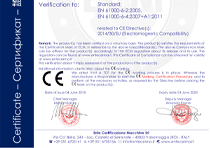
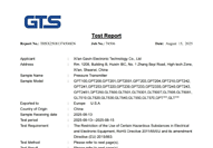
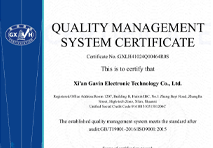
GAMICOS offers extensive OEM and ODM services, enabling complete customization of models, parameters, packaging, and documentation to meet specific customer requirements. Our flexible manufacturing capabilities support both standard configurations and highly specialized applications, backed by rigorous quality control systems and comprehensive testing protocols.
Collaboration with research institutes and industry partners drives continuous innovation, ensuring our products incorporate the latest technological advances while maintaining the fundamental reliability advantages of mechanical systems. This balanced approach delivers first-class products that meet evolving market demands across global industrial sectors.
Conclusion
Mechanical oil level gauges continue playing vital roles in modern industrial operations due to their fundamental advantages of reliability, simplicity, and power independence. While electronic alternatives offer advanced features, mechanical systems provide unmatched durability and consistent performance across challenging environments. The economic benefits of reduced maintenance, extended service life, and simplified installation make mechanical gauges attractive for cost-conscious procurement decisions. As industries increasingly value operational resilience and total cost optimization, mechanical level measurement technology remains relevant and valuable for diverse applications worldwide.
FAQ
Q1: How accurate are mechanical oil level gauges compared to electronic systems?
A: Modern mechanical level gauges achieve accuracy levels typically ranging from ±5mm to ±10mm, depending on design specifics and installation conditions. While electronic systems may offer higher precision in ideal conditions, mechanical systems maintain consistent accuracy across wider environmental ranges without calibration drift or electronic interference issues.
Q2: Can mechanical gauges operate effectively in extreme industrial environments?
A: Mechanical level measurement systems excel in extreme conditions where electronic alternatives often fail. Temperature ranges from -45°C to +80°C, high vibration environments, corrosive atmospheres, and explosive hazard zones all favor mechanical solutions due to their intrinsic safety characteristics and robust construction materials.
Q3: What are the typical maintenance requirements for mechanical level gauges?
A: Maintenance schedules typically involve quarterly visual inspections, annual cleaning procedures, and biannual functional testing. Most maintenance tasks require basic mechanical skills and standard tools, with major overhauls needed only every 5-8 years depending on operating conditions and fluid characteristics.
Q4: How do magnetic level indicators handle different fluid densities?
A: Magnetic level systems accommodate fluid density variations through proper float sizing and magnetic strength optimization. Floats can be customized for specific gravities as low as 0.4 while maintaining reliable buoyancy and magnetic coupling strength throughout the operating range.
Contact GAMICOS for Your Mechanical Oil Level Gauge Requirements
GAMICOS stands ready to support your mechanical level measurement needs with innovative solutions designed for reliability and performance. Our GLTV4 mechanical level instrument and comprehensive product portfolio offer proven alternatives to electronic systems while delivering the accuracy and durability your operations demand. As a trusted mechanical oil level gauge manufacturer, we provide complete customization services, rigorous quality control, and dedicated technical support to ensure optimal results for your specific applications. Contact our team at info@gamicos.com to discuss your requirements and discover how our expertise can enhance your operational efficiency while reducing long-term costs.
References
1. Thompson, R.A. "Industrial Level Measurement Technologies: A Comparative Analysis." Journal of Process Instrumentation, Vol. 45, 2023.
2. Martinez, J.L. "Reliability Engineering in Harsh Industrial Environments." Industrial Automation Quarterly, Issue 3, 2023.
3. Chen, W.K. "Magnetic Coupling Systems in Level Measurement Applications." International Conference on Industrial Sensors, 2022.
4. Anderson, P.M. "Cost-Benefit Analysis of Mechanical vs Electronic Process Instrumentation." Process Industry Economics Review, Vol. 28, 2023.
5. Rodriguez, S.F. "Maintenance Strategies for Industrial Level Measurement Systems." Plant Engineering Management, Issue 7, 2022.
6. Kumar, A.S. "Safety Considerations in Hazardous Area Instrumentation." Industrial Safety Engineering Journal, Vol. 19, 2023.

Spring
Spring, With 5 years of experience in sensor technology and product development, Mark specializes in helping clients identify the optimal pressure and level sensor solutions for demanding industrial environments。
We're here to help — submit your request anytime!
Let us know how we can help solve your pressure level measurement challenge.
_1757930850792.jpg)
Recommended Blog