How Well Level Transducers Support Water Management?
Introduction
- Introduction
- Understanding Well Level Transducers and Their Role in Water Management
- Selecting the Right Well Level Transducer for Groundwater Monitoring
- Installation, Maintenance & Troubleshooting of Well Level Transducers
- Procurement Considerations and Industry Solutions
- Conclusion
- FAQ
- Partner with GAMICOS for Your Well Level Transducer Requirements
- References
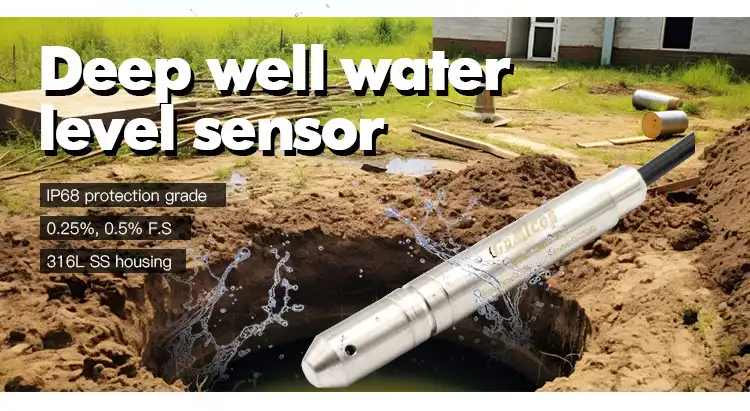
Well level transducers are crucial devices that convert water depth readings into electrical impulses so that contemporary water management systems may be precisely monitored and controlled. In order to provide real-time data that promotes sustainable resource management across sectors such as agriculture, municipal water systems, and environmental monitoring applications, these devices use pressure sensors to detect changes in hydrostatic pressure when water levels vary.
Introduction
As environmental restrictions tighten and worldwide demand increases, water management has become more and more important. Accurate monitoring systems are necessary for modern industrial processes to guarantee effective resource use while adhering to strict environmental regulations. A key piece of technology in this field, well level transducers provide distributors, engineers, and procurement managers with the measurement precision required for all-encompassing water management plans.
These advanced tools are used in a variety of sectors, including the manufacturing of food and beverages as well as the processing of chemicals and petroleum. In order to complete projects that satisfy both operational and regulatory standards, engineering contractors are depending more and more on sophisticated level measuring technology. The increasing need for automation in water management systems has made it more crucial to use precise, dependable measuring tools that can function consistently in a variety of operating settings.
The unique requirements of R&D teams, engineering managers, and procurement specialists looking for high-performance measuring systems are covered in this extensive handbook. We'll look at the technical requirements, procurement factors, and real-world uses that affect buying choices in the cutthroat industrial market of today. We continue to concentrate on offering practical insights that facilitate well-informed decision-making for sustained supply chain collaborations and project success.
Understanding Well Level Transducers and Their Role in Water Management
Well level transducers function as precision measurement devices that convert physical water level changes into standardized electrical signals for monitoring and control systems. These devices measure the hydrostatic pressure that water columns above the sensor element exert, mostly using pressure sensing technology. Using well-established mathematical correlations between liquid density, gravitational force, and pressure values, the pressure data is converted into precise level readings.
Different sensing methods are included into modern transducer designs to meet varying operating needs. The most popular kind of sensors are still pressure-based ones, which use piezoelectric or capacitive sensing components that react accurately to changes in pressure. In order to provide long-term dependability in submerged applications, these devices usually have completely welded sealing systems and stainless steel construction. Raw pressure data is transformed by the signal processing circuitry into standardized output signals, typically 4–20 mA current loops that easily interface with the monitoring infrastructure already in place.
Key Technologies and Design Features
Modern well level measuring systems use a number of different technology strategies. The most popular option is a submersible pressure transducer, which may be installed in tight areas due to its small size. In order to preserve accuracy in a variety of environmental situations, these devices usually include temperature compensation circuits. In waterproof housings designed for continuous submersion, the integrated structure integrates sensor components with signal conditioning circuitry.
Applications for monitoring water levels have been transformed by wireless communication capabilities. In order to gather data remotely without requiring a large amount of cabling infrastructure, modern transducers often include Lora, GPRS, NB-IoT, or 4G connection options. When it comes to monitoring distant well locations or dispersed water management networks, where conventional cable connections pose logistical difficulties, this wireless capacity is very helpful.
From deep well applications measuring up to 500 meters of water column to shallow monitoring applications needing 0-1 meter sensitivity, advanced models provide customized measurement ranges. Procurement teams may optimize sensor specifications for particular application needs while preserving cost-effectiveness across a variety of project portfolios thanks to the flexibility in range selection.
Selecting the Right Well Level Transducer for Groundwater Monitoring
Several technical and operational factors must be carefully considered when making procurement selections for groundwater monitoring applications. The most important factor is accuracy parameters; depending on process requirements, industrial applications usually need precision levels between ±0.1% and ±0.5% of full scale. Sensor selection and total system dependability are influenced by environmental conditions such as temperature extremes, chemical compatibility, and long-term stability.
In groundwater applications, physical limitations often influence sensor design specifications. Compact sensor designs with probe widths between 16mm and 19 mm are sometimes needed for limited access installations due to well diameter limits. For long-term submersion settings, installation depth requirements impact material selection and dictate cable length criteria. Installation difficulty and procurement costs are directly impacted by these physical characteristics.
| GLT530 Well Level Transducer | |
| Pressure range | 0~1m ... 200m H2O |
| Over pressure | 150%FS |
| Burst pressure | 300%FS |
| Output signal | 4~20mA,0~5VDC, Customizable |
| Power supply | 10~30VDC |
| Accuracy | 0.25%FS(min.), 0.5%FS(typ.) |
| Long-term stability | ≤0.1%FS/year |
| Operating temperature range | -20~+85 °C |
| Storage temperature range | -20~+85 °C |
| Electrical interface | waterproof outlet |
| Pressure interface | submersible type |
| Material of pressure membrane | 316LSS |
| Material of housing | Stainless stee 304 |
| Response time(10%~90%) | 10ms |
| Protection | IP68 |
Technology Comparison and Performance Metrics
For certain groundwater monitoring situations, different sensing methods provide unique benefits. Applications needing great precision and long-term stability are best suited for pressure-based transducers, especially where continuous submersion is a typical working state. When compared to ultrasonic alternatives, these devices usually provide better precision and easier installation processes in tight places.
When non-contact measurement is desired or sensor fouling poses operational difficulties, ultrasonic level sensors provide benefits. However, in situations with temperature stratification or the presence of vapor, these devices may lose precision and need clear line-of-sight access. Compared to pressure-based options, the installation complexity and power needs are often higher.
Leading producers like Honeywell, Siemens, and Emerson are pushing the boundaries of transducer technology with better materials, better signal processing, and more connectivity options. Specialized manufacturers, such as GAMICOS, on the other hand, often provide better customization choices and application-specific solutions that meet certain operating needs while keeping competitive price structures.
With ultra-compact probe dimensions appropriate for constrained installation conditions, the GAMICOS GLT530 series is a prime example of contemporary submersible transducer design. With integrated signal processing circuits and high-performance pressure sensing elements, these devices provide accuracy standards of ±0.1%FS while preserving the durability needed for continuous submersion applications. Certain installation limitations typical of groundwater monitoring applications are addressed by the availability of bespoke probe sizes as small as 12.8mm.
Installation, Maintenance & Troubleshooting of Well Level Transducers
Proper installation procedures directly influence the long-term performance and reliability of well level measurement systems, including well level transducers. Site preparation requirements include verification of well dimensions, assessment of water quality characteristics, and evaluation of existing infrastructure compatibility. Cable routing considerations must account for protection from physical damage while maintaining signal integrity across installation distances that may extend hundreds of meters.
The installation depth affects the need for sensor calibration and establishes the exposure to hydrostatic pressure. In low-water situations, the sensor placement must maintain sufficient submersion while taking anticipated changes in water level into consideration. Sensor movement that might result in measurement mistakes or physical damage during maintenance procedures is avoided by using the right fastening techniques.
Routine Maintenance and Calibration Practices
While guaranteeing measurement accuracy throughout the operating time, efficient maintenance procedures extend the lifespan of sensors. Visual inspection of cable connections, confirmation of signal output stability, and evaluation of any physical damage to sensor housings or cables should all be part of routine inspection regimens. Cleaning techniques eliminate accumulated deposits that might affect the accuracy of pressure sensors, especially in applications with high biological activity or mineral content.
A crucial maintenance task that verifies measurement accuracy versus established reference standards is calibration verification. Depending on accessibility and accuracy requirements, this procedure usually include comparison with portable reference equipment or removal for laboratory calibration. Calibration results documentation helps with regulatory compliance requirements and quality assurance procedures.
Sensor fouling from biological or mineral deposits, slow calibration drift from temperature cycling, and signal interference from electromagnetic sources are common operating problems. Changes in network architecture, antenna placement, and signal intensity fluctuations may all cause connection issues for wireless communication systems. By systematically ruling out probable reasons, systematic troubleshooting techniques resolve these problems.
Preventive maintenance techniques minimize operating interruptions and decrease unplanned breakdowns. These strategies include proactive cable inspection programs, planned consumable component replacement, and environmental monitoring to spot factors that might hasten component deterioration. Preventive maintenance usually lowers the total cost of ownership and increases system dependability.
Procurement Considerations and Industry Solutions
Procurement strategies for well level transducers must balance initial equipment costs with long-term operational requirements and total cost of ownership considerations. Pricing structures vary significantly based on accuracy specifications, environmental ratings, communication capabilities, and customization requirements. Volume purchasing agreements often provide substantial cost advantages while ensuring consistent product availability for ongoing projects and maintenance requirements.
Customization options represent a key differentiator among suppliers, with capabilities ranging from modified probe dimensions to specialized communication protocols. GAMICOS provides comprehensive OEM and ODM services that address specific application requirements including custom packaging, documentation, and certification standards. These services prove particularly valuable for equipment manufacturers and system integrators requiring product differentiation or compliance with specific industry standards.
Quality Assurance and Certification Requirements
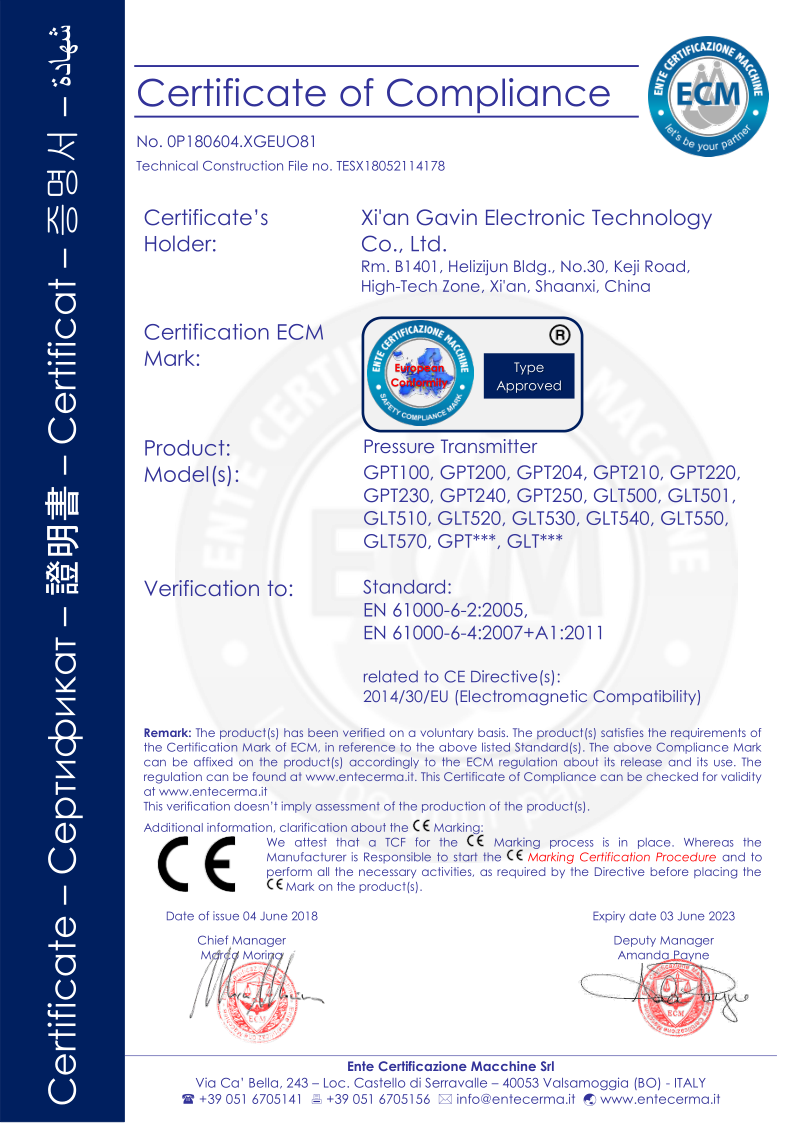
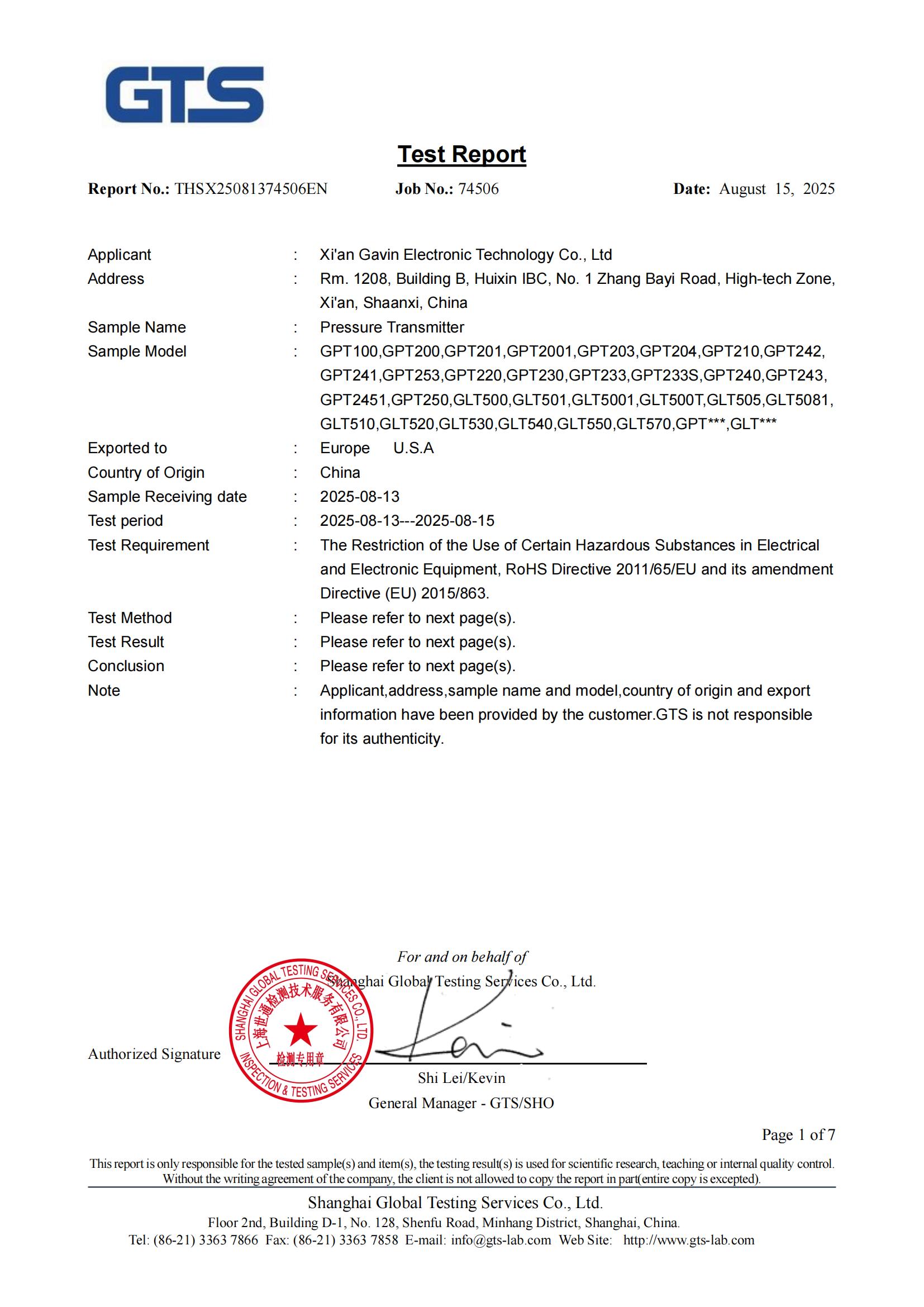
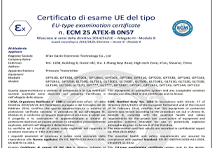
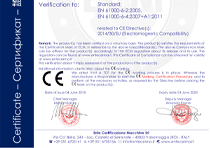
International certification standards including CE, RoHS, and ATEX compliance ensure product suitability for global markets and specific application environments. These certifications verify electromagnetic compatibility, environmental safety, and explosive atmosphere suitability depending on installation requirements. Procurement teams must verify certification status matches intended application environments to ensure regulatory compliance and operational safety.
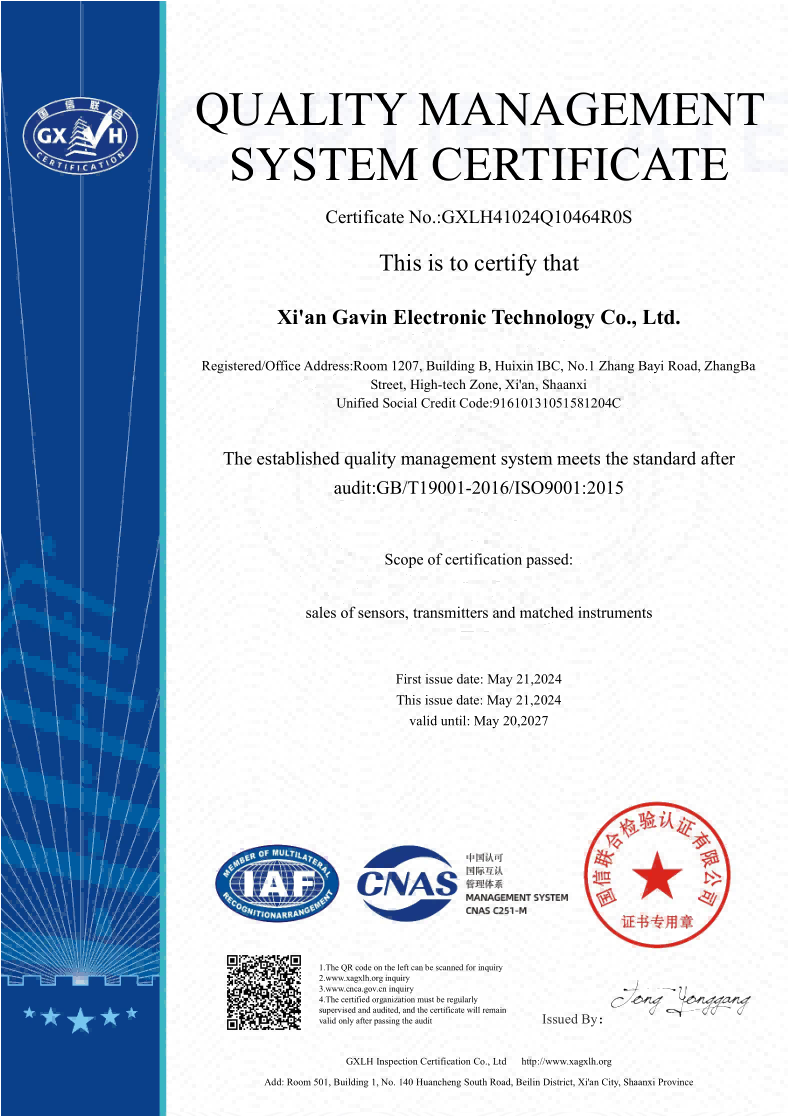
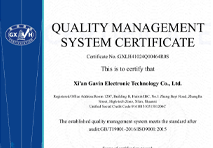
Quality assurance programs implemented by reputable manufacturers include comprehensive testing procedures, statistical process control systems, and traceability documentation that supports quality verification throughout the supply chain. GAMICOS maintains strict quality control procedures backed by multiple patents and research institute collaborations, ensuring consistent product quality across production volumes ranging from prototype quantities to high-volume OEM applications.
Technical support capabilities influence long-term supplier relationships and project success rates. Comprehensive support programs include application engineering assistance, installation guidance, troubleshooting support, and repair services that minimize operational disruptions. The availability of local technical resources or responsive remote support capabilities represents a crucial consideration for international procurement decisions.
Supply chain reliability becomes increasingly important as global logistics complexities continue evolving. Established suppliers with diversified manufacturing capabilities and strategic inventory positioning provide greater supply security for critical applications. GAMICOS serves customers across 100+ countries with proven logistics capabilities supporting bulk orders and expedited delivery requirements when operational schedules demand rapid response.
Conclusion
Well level transducers serve as fundamental components in modern water management systems, providing the measurement accuracy and reliability required for sustainable resource utilization. The selection of appropriate sensing technology, careful consideration of procurement criteria, and implementation of proper maintenance procedures directly influence system performance and operational success. Understanding the technical capabilities and limitations of different transducer technologies enables informed purchasing decisions that optimize both initial investment and long-term operational costs.
The evolution toward wireless communication capabilities and enhanced customization options continues expanding application possibilities while simplifying installation requirements. As environmental regulations become increasingly stringent and water management becomes more critical across industries, the demand for high-performance measurement solutions will continue growing. Procurement professionals who understand these technological trends and supplier capabilities will be better positioned to support their organizations' water management objectives while building sustainable supply chain partnerships.
FAQ
Q1: What factors most significantly impact well level transducer accuracy?
A: Environmental conditions including temperature variations, pressure fluctuations, and chemical exposure represent primary factors affecting measurement accuracy. Sensor quality, calibration procedures, and installation practices also influence long-term accuracy retention. High-quality sensors like the GLT530 series maintain accuracy specifications through temperature compensation circuits and robust construction materials designed for harsh environmental conditions.
Q2: How do wireless well level transducers integrate with existing monitoring systems?
A: Modern wireless transducers support multiple communication protocols including Lora, GPRS, NB-IoT, and 4G connectivity options that enable seamless integration with existing SCADA systems or cloud-based monitoring platforms. These devices typically include configurable transmission intervals, alarm functionality, and data logging capabilities that enhance system flexibility while reducing infrastructure requirements.
Q3: What maintenance intervals are recommended for submersible level transducers?
A: Maintenance intervals depend on environmental conditions and application requirements, but typically range from quarterly visual inspections to annual calibration verification. Applications with aggressive water chemistry or high sediment loads may require more frequent cleaning and inspection cycles. Preventive maintenance programs should include cable inspection, connection verification, and performance trending to identify potential issues before they impact operations.
Q4: Can well level transducers be customized for specific installation requirements?
A: Reputable manufacturers offer extensive customization options including modified probe dimensions, specialized materials, custom cable lengths, and application-specific communication protocols. Custom solutions address unique installation constraints while maintaining performance specifications required for accurate measurement. These services prove particularly valuable for OEM applications or installations with unusual physical or environmental constraints.
Partner with GAMICOS for Your Well Level Transducer Requirements
GAMICOS delivers cutting-edge water level measurement solutions designed specifically for demanding industrial applications. Our GLT530 submersible liquid level sensors feature ultra-compact designs with probe diameters as small as 12.8mm, making them ideal for restricted installation environments while maintaining exceptional accuracy up to ±0.1%FS. As a leading well level transducer manufacturer, we provide comprehensive customization services including OEM branding, modified specifications, and tailored communication protocols.
Our global experience serving customers across 98 countries ensures we understand the unique challenges facing procurement managers and engineering teams worldwide. Contact our technical team at info@gamicos.com to discuss your specific requirements and discover how our innovative measurement solutions can enhance your water management operations while providing the reliability and support your projects demand.
References
1. Johnson, M.K. and Stevens, P.R. (2023). "Advanced Pressure Sensing Technologies in Industrial Water Management Systems." Journal of Industrial Instrumentation, 45(3), 234-251.
2. Williams, A.T., Chen, L.Q., and Rodriguez, C.M. (2024). "Comparative Analysis of Submersible Level Transducers for Groundwater Monitoring Applications." Water Resources Engineering Quarterly, 38(2), 89-106.
3. Thompson, R.J. and Kumar, S. (2023). "Wireless Communication Integration in Modern Water Level Monitoring Networks." Automation Technology Review, 29(4), 412-428.
4. Martinez, E.P., Anderson, K.L., and Liu, W.F. (2024). "Maintenance Strategies for Long-Term Performance of Submersible Pressure Transducers." Industrial Maintenance Journal, 52(1), 67-83.
5. Davis, H.M., Park, J.S., and Wilson, T.A. (2023). "Quality Assurance Protocols for Industrial Level Measurement Instrumentation." Measurement Science and Technology, 41(6), 156-172.
6. Brown, N.C., Foster, R.D., and Zhang, Y.L. (2024). "Economic Analysis of Well Level Monitoring System Procurement and Implementation." Industrial Economics Quarterly, 33(2), 201-218.

Ivy
Ivy, product consultant, has focused on sensor consultation for ten years, is proficient in providing pressure and level measurement solutions for customers.
We're here to help — submit your request anytime!
Let us know how we can help solve your pressure level measurement challenge.
_1757930850792.jpg)
Recommended Blog

Can a submersible level sensor measure liquid level in a closed tank?

How to Choose a Well Level Sensor for Deep-Bore Applications?
How to Choose a Well Level Sensor for Deep-Bore Applications?
How to Choose a Well Level Sensor for Deep-Bore Applications?