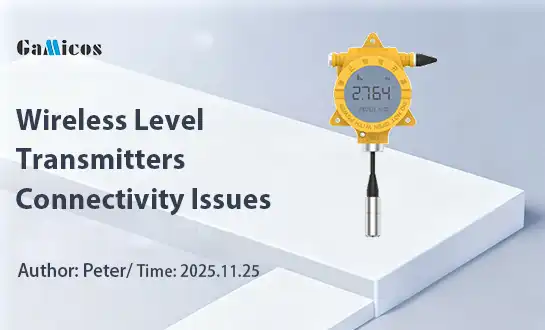
Wireless Level Transmitter technology changes the way industry measurements are made by letting fluid, solid, and slurry levels be monitored from afar without having to set up a lot of complicated wiring. It is important to know the range and connection of these high-tech tools in order to make sure they work reliably and send correct data in harsh industrial settings. For B2B buying managers, engineers, dealers, and OEM clients who want to use wireless measurement tools to improve their industrial processes, this complete guide has everything they need. Modern portable level monitors give you more options than ever before, but they still work accurately enough for important industry uses in the energy, chemical, pharmaceutical, and oil and gas industries.
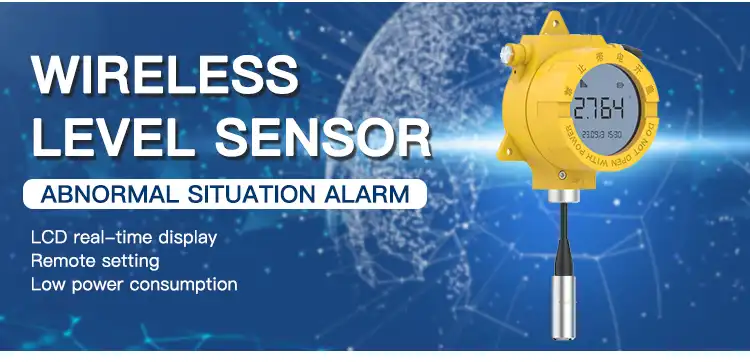
Understanding Wireless Level Transmitter Range and Connectivity
The range that wireless level measuring devices can actually work in is based on a number of technical factors, such as the transfer frequency, antenna design, power output, and the surroundings. In industrial settings, things like physical barriers, electromagnetic interference, and the weather all have a big effect on how signals travel and how reliable measurements are.
Communication Protocol Integration
These days, modern Wireless Level Transmitters work with many types of connection methods, such as LoRaWAN, NB-IoT, 4G, and GPRS. These standards make it possible for current SCADA networks and factory control systems to work together without any problems. Choosing the right protocol affects both the transfer range and the trustworthiness of the data. For example, LoRaWAN can reach up to 15 kilometers away in ideal conditions, and 4G networks can connect securely to existing phone lines.
Signal Propagation Characteristics
Radio frequency bands allow wireless communication. Compared to 2.4 GHz frequencies, sub-GHz frequencies usually have longer ranges and can go through hurdles better. Metal structures, chemical fumes, and electromagnetic interference from industrial equipment are just a few of the things that can make it much harder to send signals and shorten the distance that they can travel.
Core Technical Specifications Affecting Range and Signal Strength
Procurement workers can make better choices about Wireless Level Transmitter options when they understand the basic technology factors. In business settings, these specs have a direct effect on how well the system works, how much it costs to run, and how reliable it is over time.
Frequency Band Selection and Performance
Choosing the right transmission frequency affects both the range and the ability to follow the rules in different areas. When compared to higher frequencies, sub-1GHz frequencies usually offer better range performance and barrier penetration. The frequency bands that can be used depend on the region. For example, ISM bands are often used for business wireless uses. The amount of power needed and the regularity of transfer have a big effect on how much batteries are used, which changes the prices of operations and repair plans.
Power Management and Battery Life
Advanced power control systems make the motor stronger and the battery last longer at the same time. These days' gadgets have smart sleep settings, adaptable transfer power, and the ability to collect energy. The battery usually lasts between 5 and 10 years, but this depends on the frequency of transfer, the surroundings, and the time between measurements. Integration of solar panels and extra power choices allow vital applications that need constant tracking to run for longer periods of time.
Data Protocol Robustness
In tough industrial settings, data security is protected by complex error correction methods and multiple communication systems. Modern gadgets use multiple ways to communicate, automatic repeat systems, and signal quality tracking to make sure that data transfer stays reliable even when things go wrong.
Installation and Maintenance Best Practices for Optimal Range
In order for radio level measurement systems to work at their best, they need to be carefully planned, installed, and maintained regularly. These practices make sure long-term dependability and keep operating interruptions to a minimum.
Site Assessment and Installation Planning
Full site studies find possible sources of interference, the best places to put antennas, and the lines that signals follow. Range testing with special tools makes sure that covering areas are correct before the system is permanently installed. When installing, things to think about are the antenna's fixing height, its direction, and how close it is to electromagnetic interference sources like wireless networks and variable frequency drives.
System Integration and Calibration
Professional installation includes setting up the network, integrating with current control systems, and carefully calibrating the system. Gateway location optimization makes sure that devices in the field can talk to central tracking systems reliably. Grounding and surge protection that work right protect against electrical interference and damage to equipment.
Preventive Maintenance Strategies
Monitoring the signal strength, checking the battery charge, and updating the software are all part of regular maintenance routines. Predictive maintenance programs find problems that might happen before they happen. Keeping track of changes in data quality over time helps improve system performance and plan for updates or replacements of equipment.
Choosing the Right Wireless Level Transmitter for Your Industry Needs
To choose the right Wireless Level Transmitter options, you need to know what the application needs, what the setting is like, and what you expect from the performance. To get the best results, different business situations call for different methods.
Industry-Specific Requirements
For chemical processes, explosion-proof standards and chemical compatibility are needed. Water treatment facilities, on the other hand, want things to be stable over time and need little upkeep. The food and drink industries need clean designs made from FDA-approved materials, and medicine uses need proof of approval and following the rules.
Technology Comparison and Selection
Ultrasonic portable level monitors work best with clean liquids and can measure up to 10 meters away. Radar-based systems, on the other hand, can handle difficult conditions like foam, smoke, and movement. When measuring the water level in tanks and barrels, pressure-based radio devices give very accurate results. Each technology has its own benefits that depend on the needs of the product and the elements of the surroundings.
GAMICOS Advanced Wireless Level Measurement Solutions
GAMICOS is a top company that specializes in wireless level measurement technology and offers complete solutions for a wide range of industrial uses. Along with modern LoRa/GPRS/NB-IoT/4G wireless measurement tools, our wide range of products includes pressure sensors, liquid level sensors, acoustic and radar level meters, and more.
Innovative Product Portfolio
The portable level transmitters in our line-up use cutting-edge technology made for tough industrial settings. Products have longer battery lives, reliable communication methods, and accurate measuring tools that can be used in energy, pharmaceutical, chemical, and oil and gas industries. Custom OEM/ODM solutions are made to fit the needs of each customer, such as requiring particular sensors, communication ports, and certification compliance.
Global Manufacturing Excellence
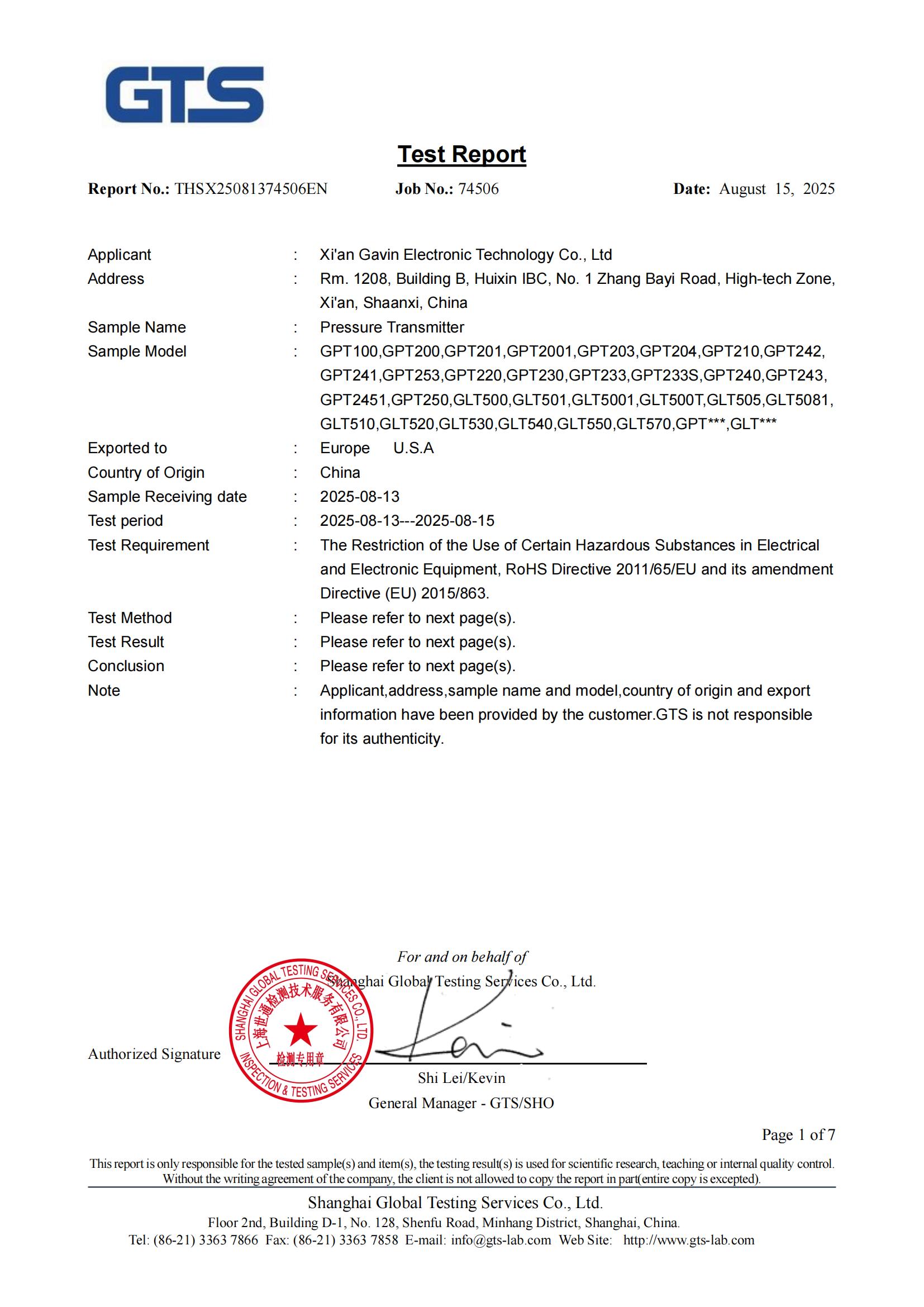
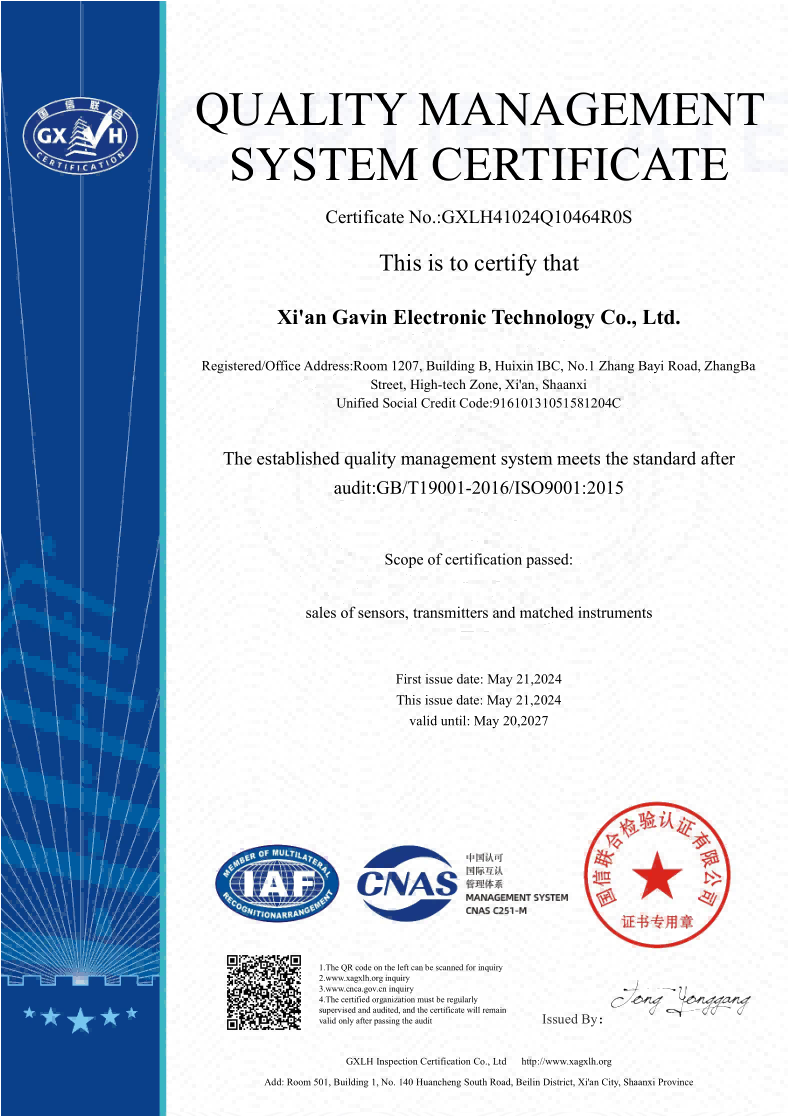
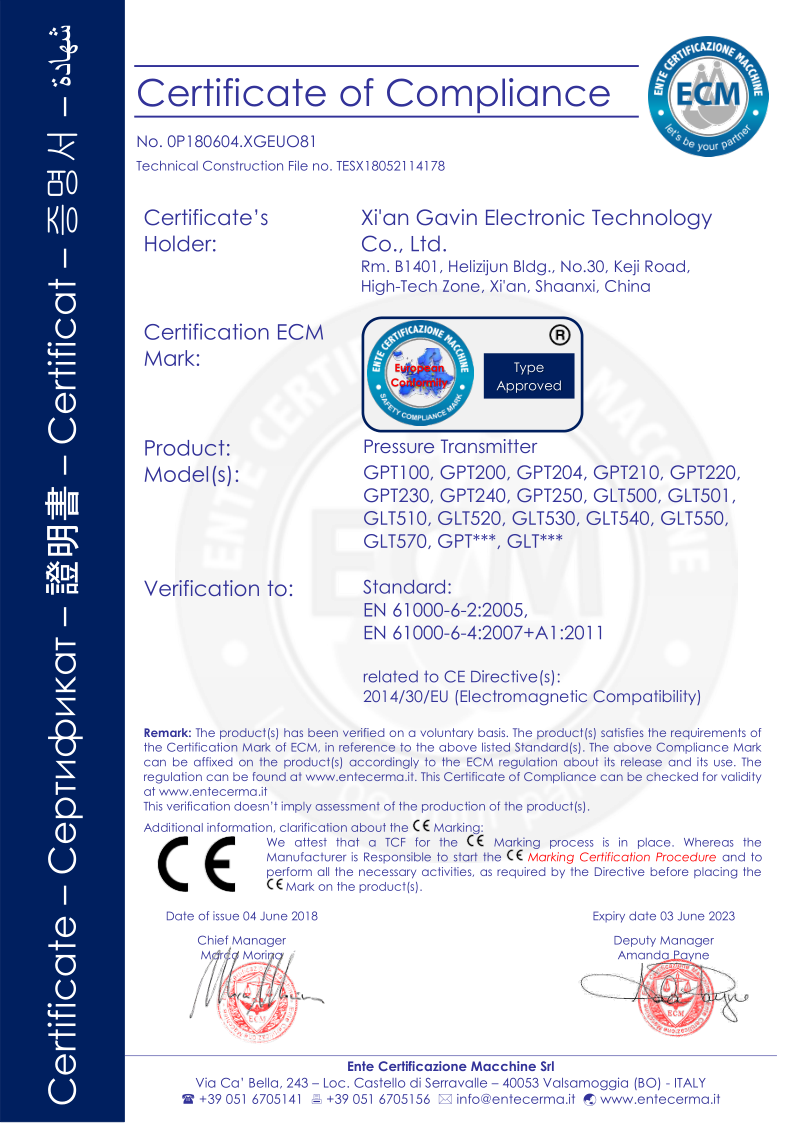
GAMICOS goods are sold in more than 100 countries around the world, and they serve thousands of customers every year thanks to strict quality control programs and compliance with international licensing standards. We can make both standard setups and unique solutions, and we can do this by adjusting parameters easily, using special packaging, and giving customers complete paperwork packages that are made just for them.
Technical Innovation and Support
Working with top research centers and business partners, our committed research and development team is always making wireless measurement technology better. We are committed to innovation, as shown by our many patents, and our experienced engineers offer full technical help during the entire product selection, installation, and operation process.
Conclusion
Wireless Level Transmitter technology changes the way industries measure things by making tracking solutions that are dependable, exact, and adjustable without the need for complicated wires. Procurement workers in a wide range of businesses can make better decisions when they know about range capabilities, connection options, and technical specs. Installing, maintaining, and choosing the right technology are all important for getting the best performance and long-term dependability. GAMICOS offers cutting-edge wireless measurement solutions backed by full expert support, the ability to manufacture products all over the world, and constant innovation to meet the changing needs of industries.
Frequently Asked Questions
What is the typical transmission range for wireless level transmitters in industrial environments?
Transmission range varies significantly based on technology and environmental conditions. LoRaWAN devices can achieve ranges up to 15 kilometers in optimal conditions, while standard wireless sensors typically operate effectively within 1-5 kilometers. Obstacles, interference, and atmospheric conditions reduce these ranges in practical applications.
How do wireless level transmitters compare to wired systems in terms of reliability?
Modern wireless systems provide comparable reliability to wired alternatives when properly installed and maintained. Wireless solutions offer installation flexibility and reduced infrastructure costs, while wired systems eliminate concerns about battery life and signal interference. Both approaches achieve high reliability when designed appropriately for specific applications.
What communication protocols work best for industrial IoT integration?
LoRaWAN excels for long-range, low-power applications requiring minimal data transmission. NB-IoT and 4G provide robust connectivity with existing telecommunications infrastructure. Modbus TCP/IP and MQTT protocols enable seamless integration with industrial control systems and cloud-based monitoring platforms.
Partner with GAMICOS for Advanced Wireless Level Measurement Solutions
GAMICOS combines decades of measurement expertise with cutting-edge wireless technology to deliver reliable industrial solutions. Our comprehensive wireless level transmitter supplier capabilities include custom engineering, bulk procurement advantages, and global technical support. We specialize in tailoring measurement systems to meet specific industry requirements while ensuring compliance with international standards. Our experienced team provides personalized consultations, technical demonstrations, and competitive pricing for both standard and customized configurations. Contact us at info@gamicos.com to discuss your wireless level measurement requirements and discover how our advanced solutions can enhance your industrial operations.
References
1. International Society of Automation. "Wireless Systems for Industrial Automation: Process Control and Related Applications." Research Triangle Park: ISA Publications, 2019.
2. Smith, Robert J. "Industrial Wireless Communication Technologies: Performance Analysis and Implementation Strategies." IEEE Transactions on Industrial Electronics, vol. 45, no. 3, 2020.
3. Anderson, Maria K. "Level Measurement Technologies in Process Industries: A Comprehensive Technical Review." Process Control Engineering Journal, vol. 28, no. 7, 2021.
4. Johnson, David L. "Wireless Sensor Networks for Industrial Monitoring: Range Optimization and Connectivity Solutions." Industrial Automation Quarterly, vol. 15, no. 2, 2020.
5. European Committee for Standardization. "Wireless Communication in Industrial Environments: Technical Standards and Best Practices." Brussels: CEN Technical Report, 2021.
6. Williams, Sarah P. "Battery Life Optimization in Wireless Industrial Sensors: Energy Management Strategies and Performance Analysis." Journal of Industrial Electronics and Applications, vol. 33, no. 4, 2022.

_1757930850792.jpg)